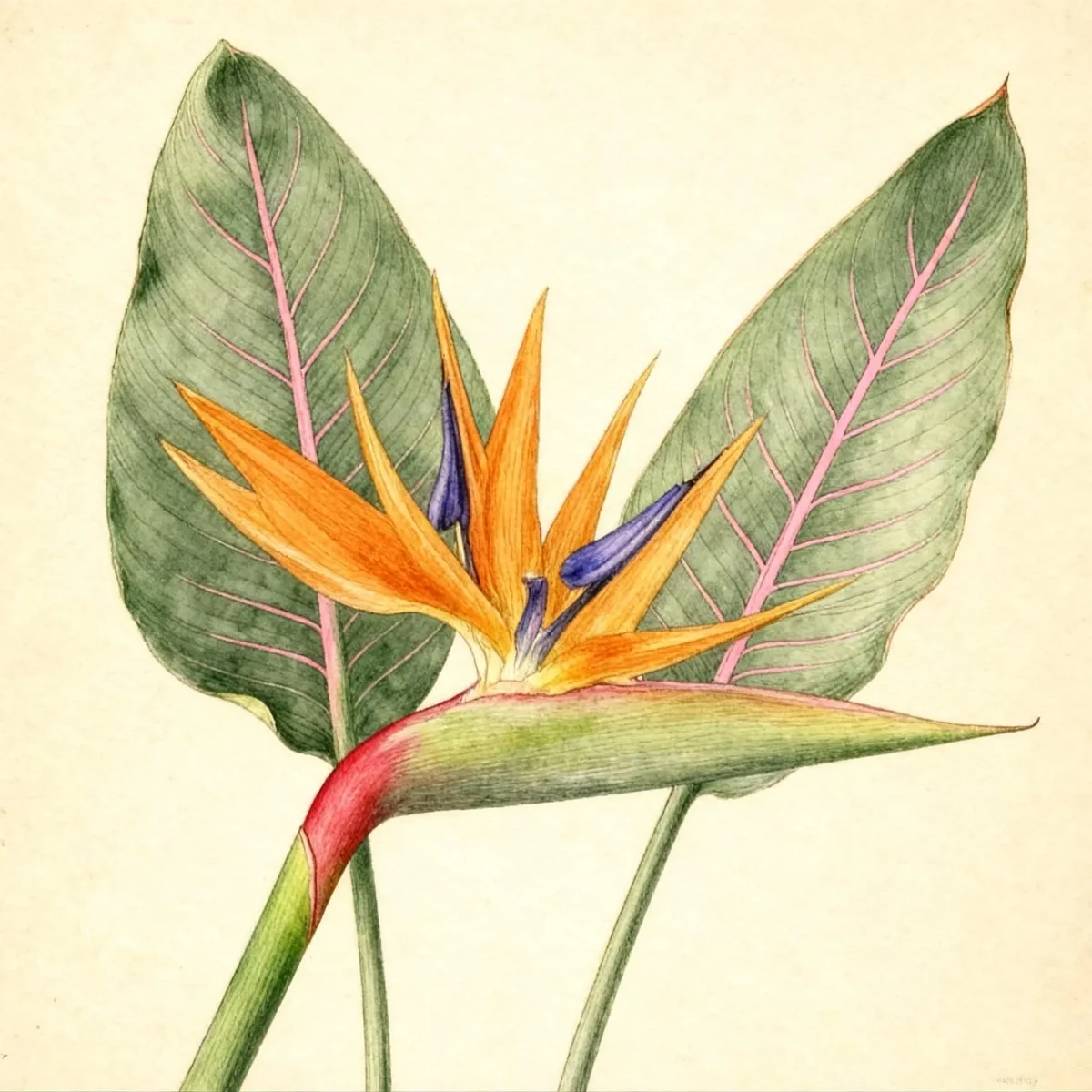
Bird of paradise (Strelitzia reginae)
Discover how to grow the iconic Bird of paradise (Strelitzia reginae), known for its vibrant orange/blue sculptural blooms and structural foliage.
Scroll down to discover growing tips, care requirements, companion plants, and more
Complete Plant Information
Overview
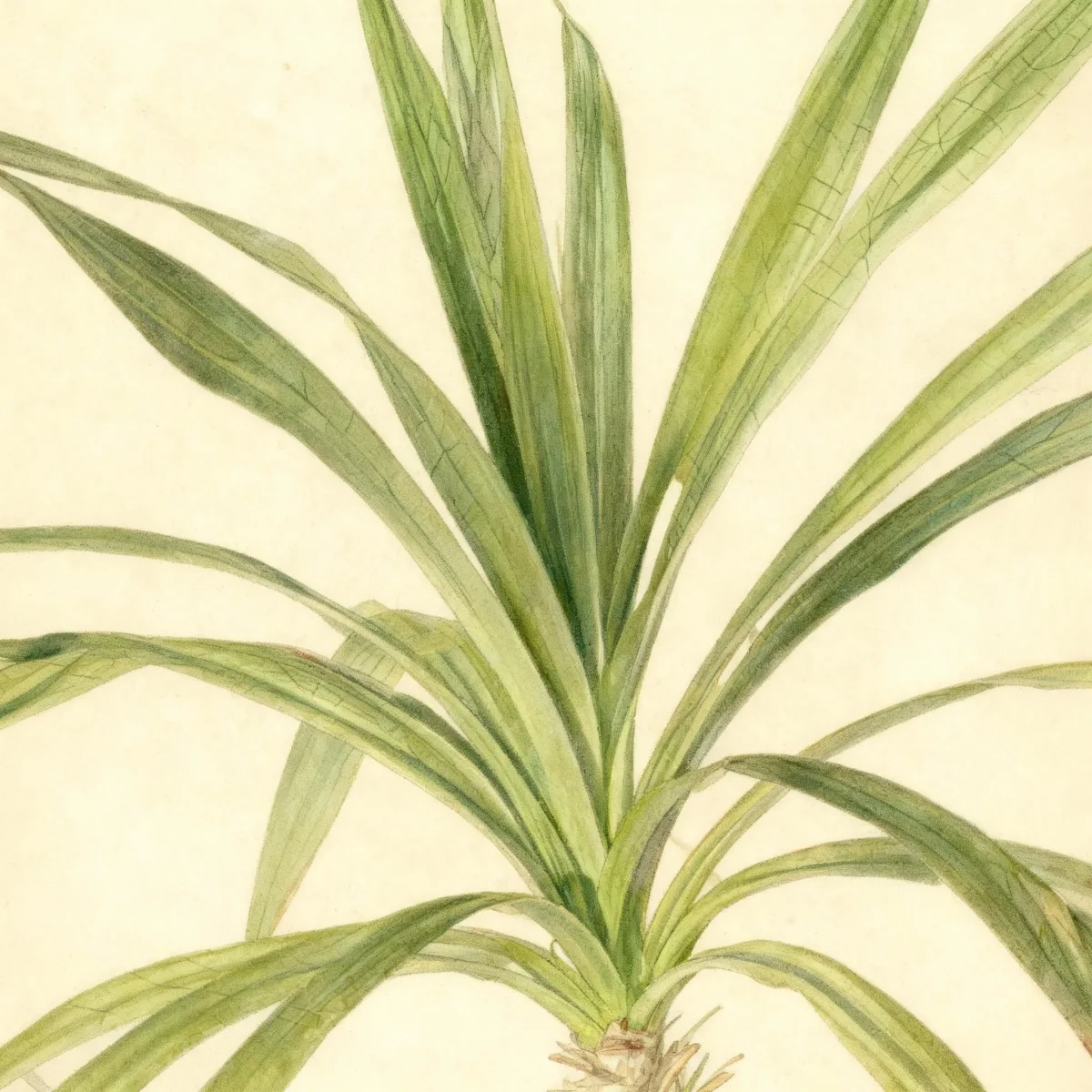
The Bird of paradise, scientifically known as Strelitzia reginae, is celebrated globally for its strikingly exotic flowers that closely resemble a tropical bird in flight. This bold structural plant creates dramatic architectural interest in warm climate gardens or conservatories. Its stiff, grey-green, banana-like foliage forms substantial evergreen clumps, providing year-round visual appeal.
As an herbaceous perennial native to South Africa, Strelitzia reginae delivers spectacular orange and blue blooms rising above the foliage on long stalks. While it commands attention with its unique aesthetic, it is also praised for being surprisingly adaptable, capable of tolerating drought once established and handling wind well in coastal settings.
Gardeners value the Bird of paradise primarily for its unparalleled floral display, which makes excellent cut flowers, adding a dramatic, tropical flair to any landscape design. Despite its exotic appearance, successful cultivation is straightforward for gardeners aware of its minimal cold sensitivity and preference for consistent moisture during the growing season.
Fast Facts
- Plant Family: Strelitziaceae
- Plant Type: Herbaceous perennial
- Native Range: South Africa
- Hardiness Zones: USDA Zones 10-12
- Size at Maturity:
- Height: 3.5-4 ft
- Spread: 3-4 ft
- Bloom Time: Seasonal bloomer
- Bloom Description: Orange/blue
- Sun Exposure: Full sun to part shade
- Water Needs: Medium
- Maintenance Level: Medium
How to Grow
For outdoor planting in suitable regions (Zones 10-12), Strelitzia reginae thrives when placed in full sun to semi-shade. They prefer a rich, loamy soil base but are highly adaptable and tolerate most soil types. Ensure planting occurs where roots are protected from hard frost, as the leaves and flowers are easily damaged by cold temperatures.
Watering should be consistent and ample throughout the year to support the lush evergreen growth. Supplement this with regular feeding using a slow-release fertilizer and compost, especially during active growth in spring and summer. Though they appreciate routine care, Strelitzia reginae is notably drought-tolerant once its root system is well-established.
If growing Bird of paradise in cooler climates, treat them as container plants that must be moved indoors before freezing temperatures arrive. Indoors, locate them in a very bright, sunny spot, but provide some screening from the most intense harsh midday summer sun. Reduce watering in the winter months and ensure the potting mix is exceptionally well-drained. Regularly remove any dead flowers or foliage to maintain a clean, structural look.
Landscape Uses
The unique form of the Bird of paradise makes it an exceptional specimen plant, drawing the eye to formal entrances or focal points in a mixed border. Because they tolerate wind and salty air, Strelitzia reginae is a favored choice for street plantings and coastal urban landscapes where dramatic texture is desired.
Beyond in-ground planting, these plants excel as large container specimens for patios, greenhouses, or sunrooms. Gardeners in marginal zones often utilize this quality, maneuvering their large potted Bird of paradise outdoors during the warm summer months and overwintering them inside to protect the perennial structure.
The fascinating, long-lasting blooms ensure the Bird of paradise is widely utilized in the cut flower industry. Incorporating them into landscape designs guarantees a steady supply of architecturally significant material for indoor floral arrangements, bringing the tropics even closer to home.
Standout Features
Flower Qualities
- Showy
Noteworthy Characteristics
Strelitzia reginae, called bird of paradise, is probably one of the most well-known plants in the world. It is a bold structural plant, which forms large evergreen clumps of stiff leaves growing up from the base. The structure and pollination of the flowers are rather interesting, resembling a bird’s head emerging from a sturdy, beak-like sheath called the spathe.
Tolerances
- Drought
Potential Problems
The Bird of paradise is generally robust, but occasional pest issues can arise, particularly when grown in confined spaces like indoors or greenhouses. Gardeners should remain vigilant and inspect the foliage regularly for signs of piercing-sucking insects.
The primary pests associated with this plant are mealybug and scale. These pests feed on plant sap, weakening the Strelitzia reginae over time and potentially resulting in sticky residue (honeydew) that can foster sooty mold. Prompt treatment with horticultural oil or insecticidal soap is essential for successful management.
Frequently Asked Questions
What hardiness zones is Bird of paradise suitable for?
The Strelitzia reginae is reliably winter hardy in USDA Zones 10 through 12. In colder areas, protection or overwintering indoors is necessary to preserve the plant.
How large does Bird of paradise grow?
This herbaceous perennial typically reaches mature heights between 3.5 and 4 feet, with a spread of 3 to 4 feet, forming substantial evergreen clumps.
What sun exposure does Bird of paradise need?
Optimal growth occurs with full sun exposure, though it tolerates light shade or partial sun very well, making it versatile for different garden locations.
When does Bird of paradise bloom?
Strelitzia reginae is a seasonal bloomer, producing its distinct orange/blue flowers intermittently throughout the growing season, providing long periods of color interest.
Conclusion
Cultivating the Bird of paradise (Strelitzia reginae) introduces unparalleled exotic glamour and structural impact into any setting, whether as a feature plant outdoors or a statement container specimen indoors. Its drought tolerance adds to its appeal once established, though consistency in watering and regular feeding supports the best performance. Before planting, always confirm your local hardiness zone compatibility to ensure this stunning tropical favorite thrives for years to come.
Companion Planting Suggestions
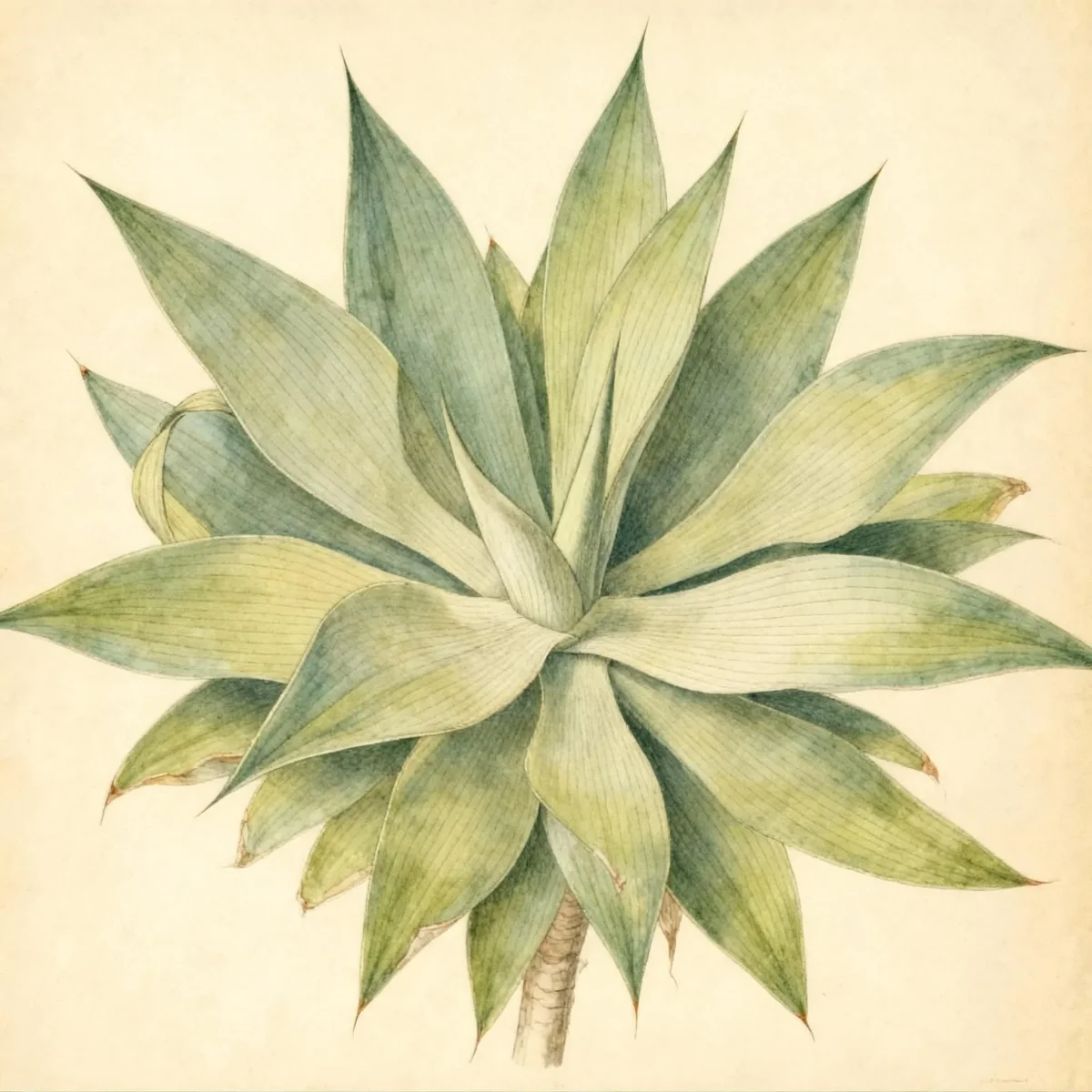
When designing a tropical or xeriscape garden featuring the dramatic Bird of paradise, consider companion plants that share similar sun and water requirements. Plants like Agave, large ornamental grasses, or Cannas create attractive layers beneath the structural leaves of the Strelitzia reginae. In warmer, high-humidity areas, Bromeliads or large-leaf Philodendrons complement the texture beautifully.
When using the Bird of paradise as a container subject for a patio or sunroom, pair it with lower-growing, architectural succulents like various Echeveria types or slower-growing palms. This pairing enhances the vertical interest of the Strelitzia reginae without overwhelming its form or competing excessively for root space, allowing its unique blooms to remain the star accent.
Design Ideas for Bold Impact
The vertical, stiff leaves and upright flower stalks of the Bird of paradise are perfect for modern or minimalist landscape designs where strong lines are important. Use groups of three or five plants to flank an entryway or line a contemporary pathway, emphasizing their structural quality. They work exceptionally well near water features or against stark, light-colored walls which make the bright orange and blue flowers visually pop.
For a true jungle effect, intersperse Strelitzia reginae among larger, softer-textured tropicals like Banana plants (Musa) or giant Bird of Paradise (Strelitzia nicolai). This contrast in scale highlights the delicate sophistication of the smaller Strelitzia reginae blooms while maintaining an overall lush, vibrant atmosphere perfect for poolside planting in Zones 10-12.