Banana (Musa acuminata)
The Banana (Musa acuminata) is a magnificent, fast-growing herbaceous perennial offering exotic, tropical foliage for warm landscapes (Zones 10-11).
Scroll down to discover growing tips, care requirements, companion plants, and more
Complete Plant Information
Overview
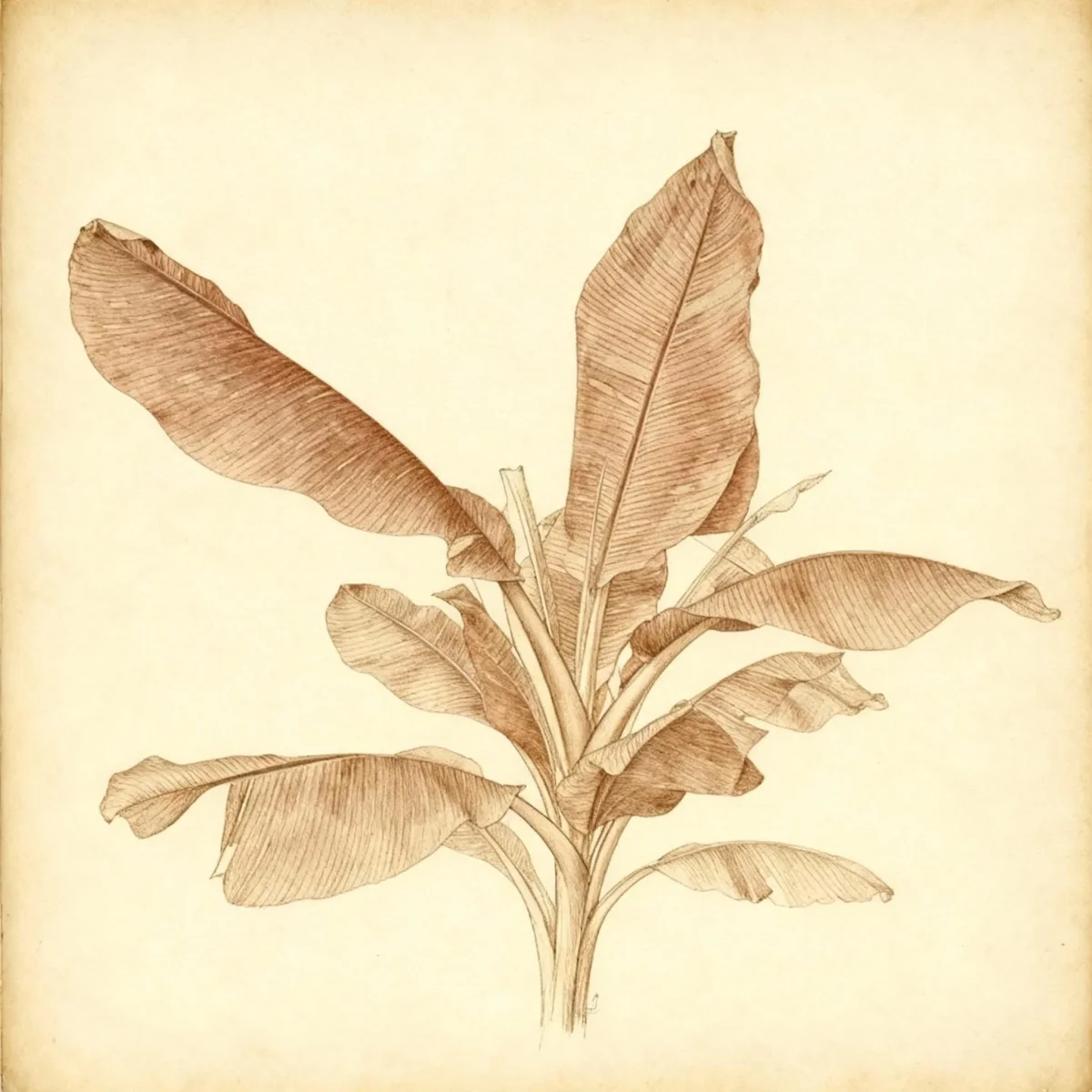
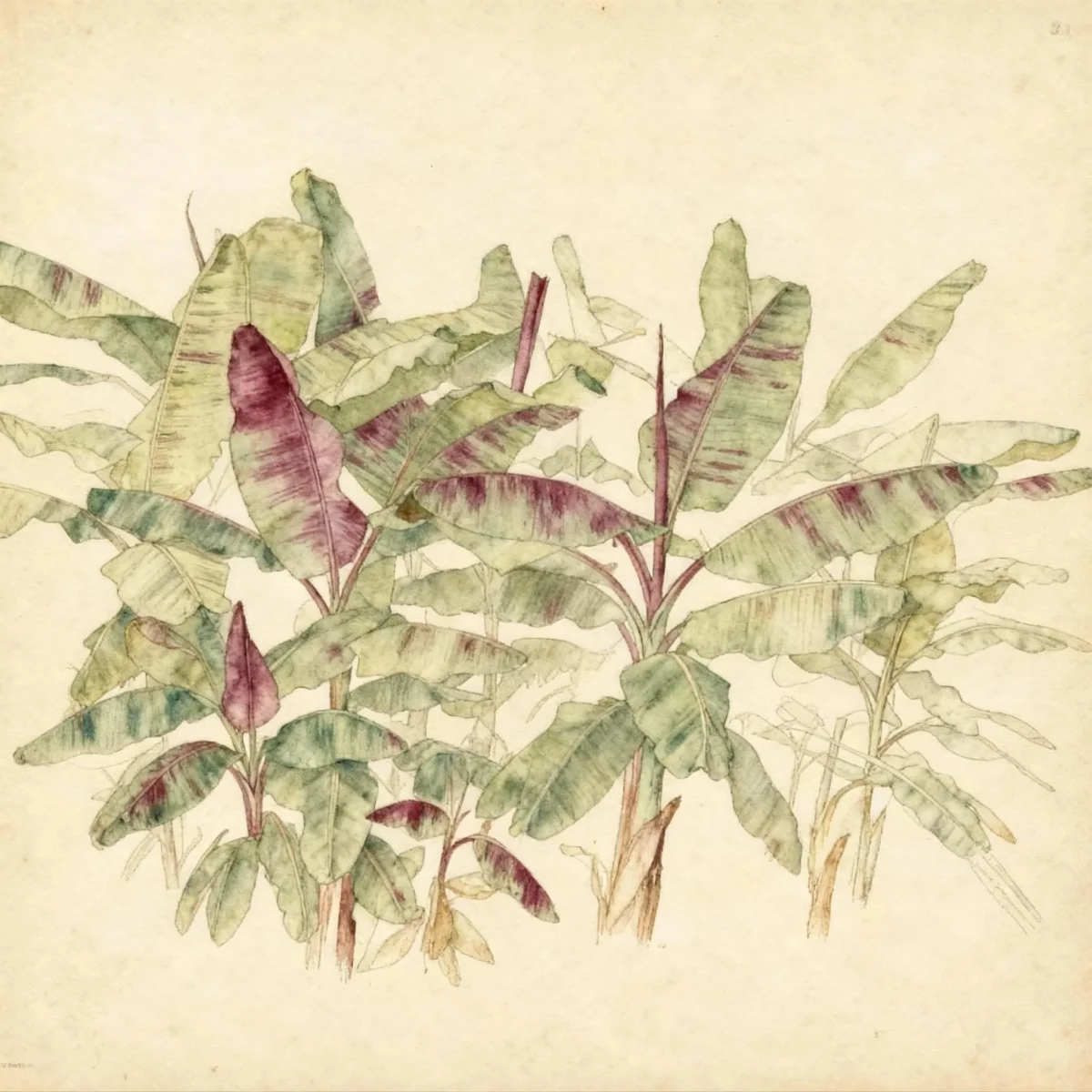
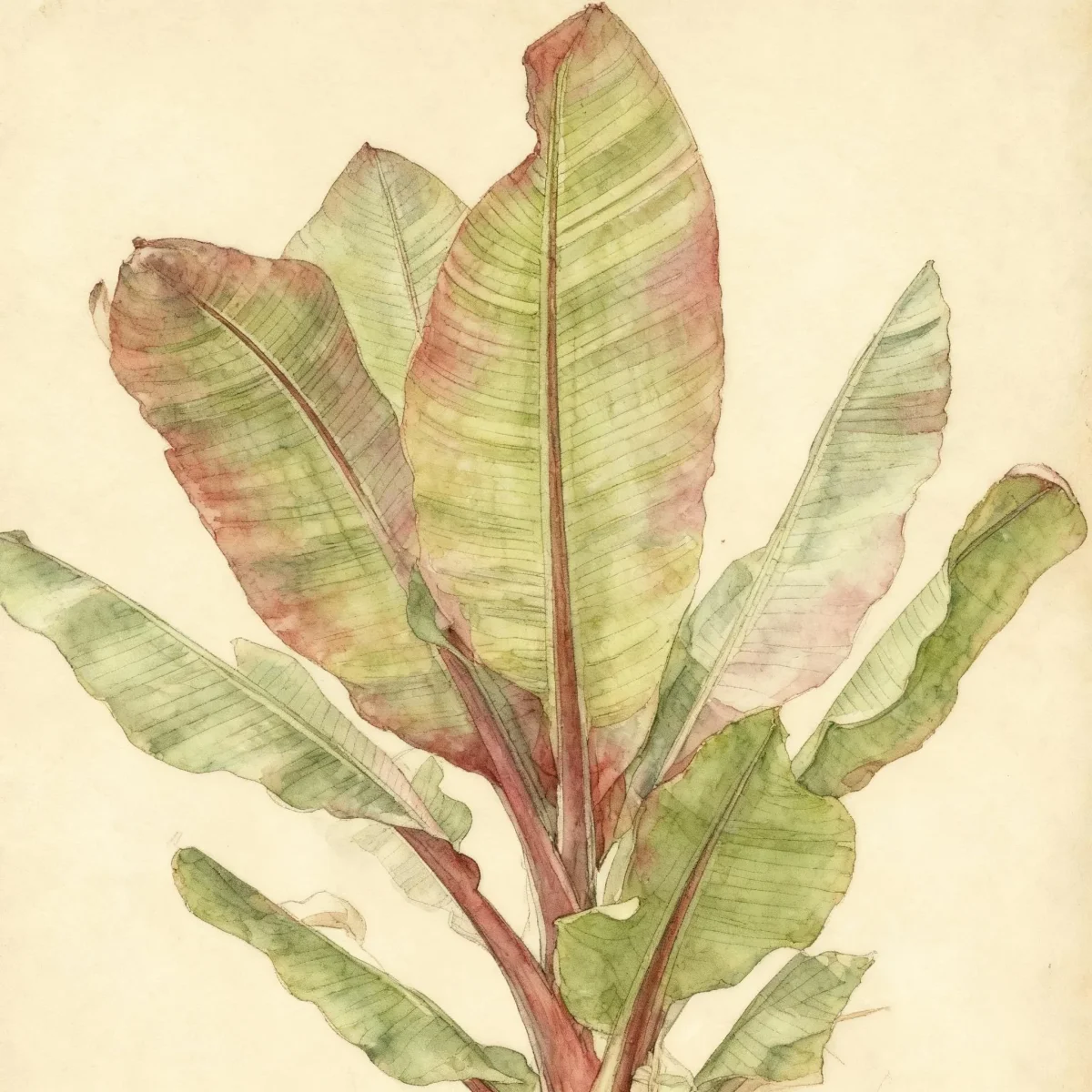
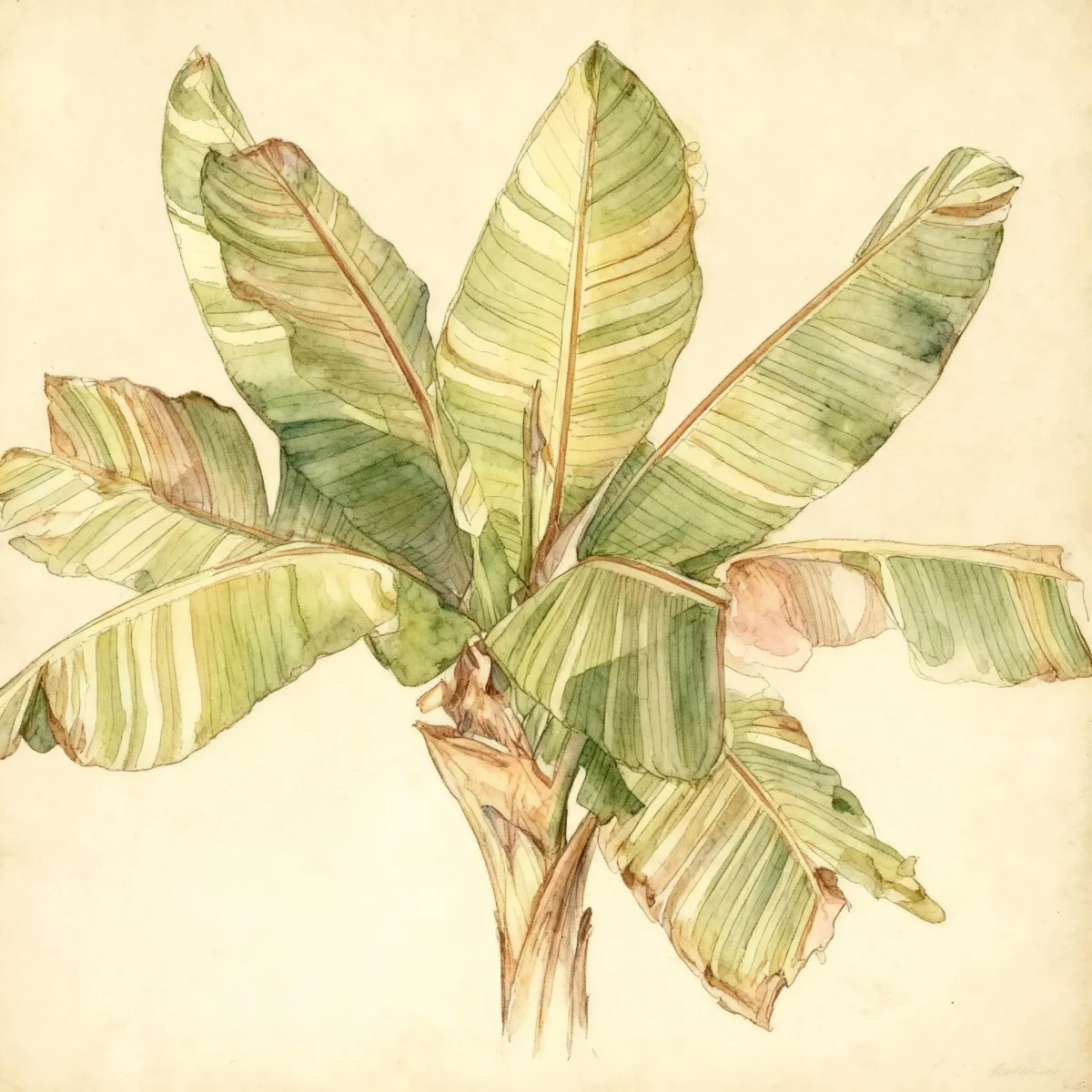
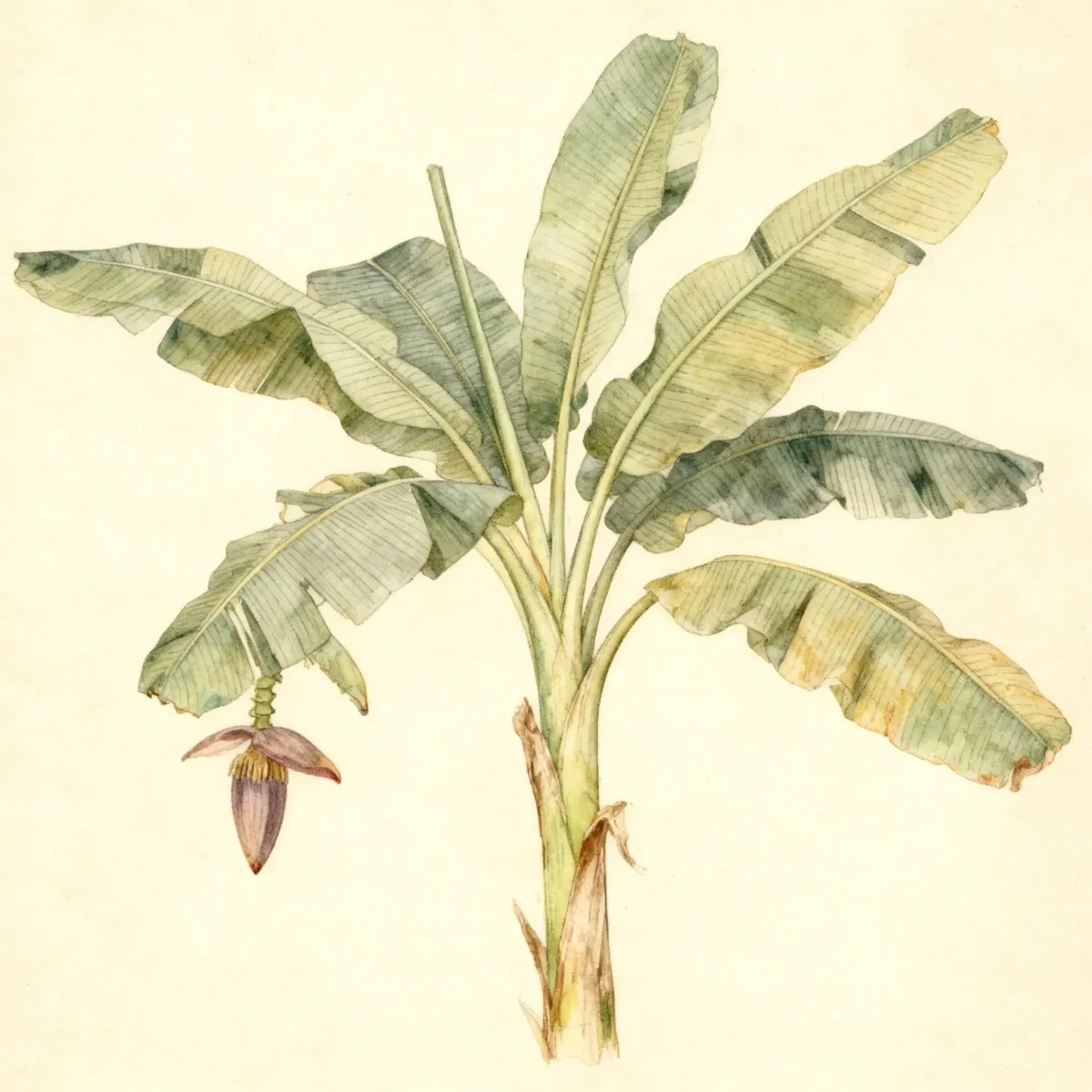
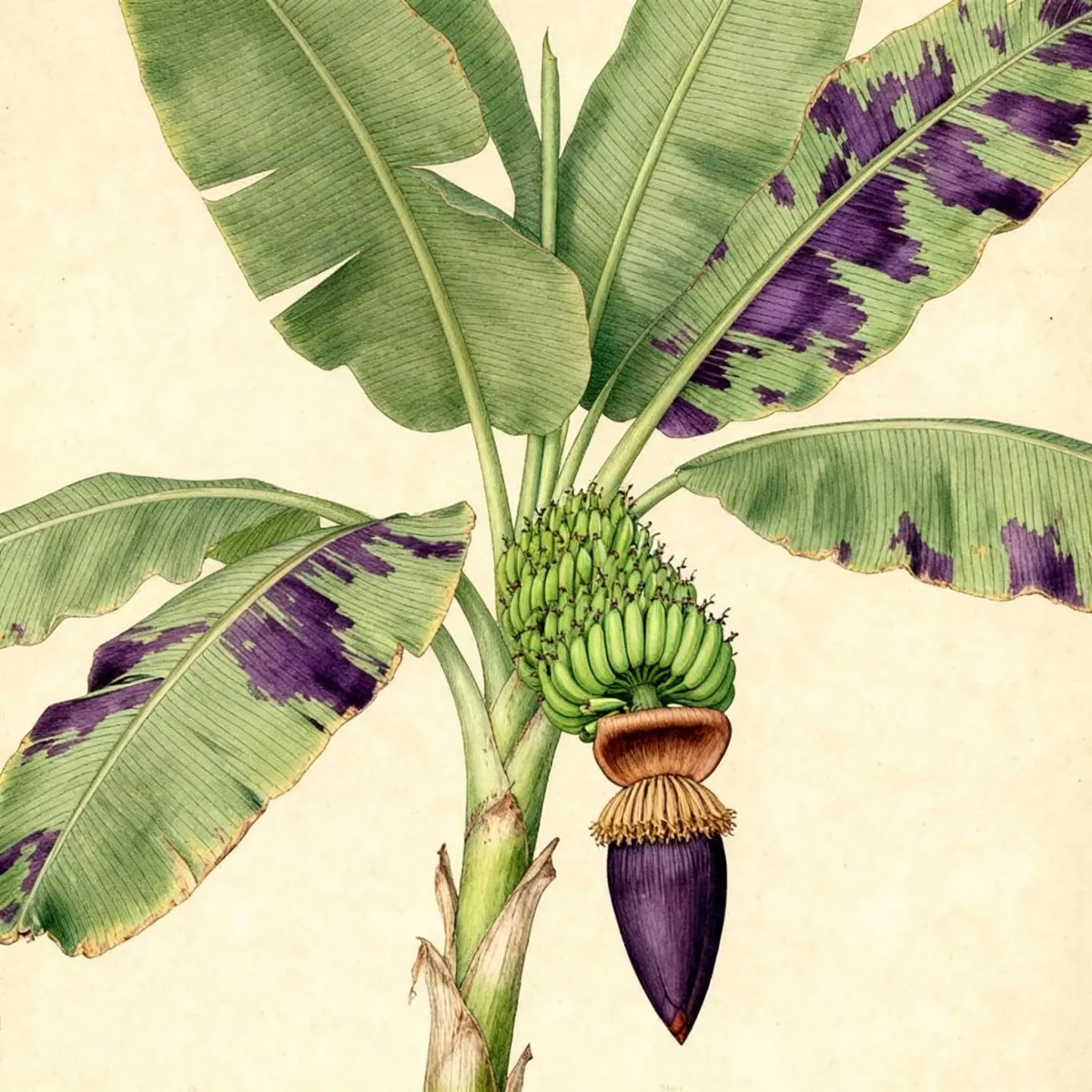
The Banana, scientifically known as Musa acuminata, is prized globally less often for its fruit in temperate regions and primarily for the dramatic, exotic foliage it brings to the garden. This large, fast-growing, evergreen herbaceous perennial creates an instant tropical aura with massive paddle-shaped leaves that can reach up to 10 feet long. In tropical zones, mature plants create structure, reaching 12 to 20 feet tall, forming sizable pseudostems from overlapping leaf sheaths.
Beyond its aesthetic value, Musa acuminata offers a unique textural element, transforming standard landscapes or patios into jungle-like retreats. While flowering and producing edible yellow bananas may take a few years on established plants, the visual impact of its vast, vibrant green leaves is immediate and lasting across the growing season. Its rapid growth rate ensures that any ornamental damage from wind or frost is quickly replaced by new suckers.
Gardeners should note that while it is a spectacular sight in the landscape, managing its size and protecting it from frost define its cultivation outside of USDA Zones 10 and 11. Successful cultivation hinges on consistent moisture, rich soil, and protection from high winds that easily shred its large leaves—key considerations when incorporating the majestic Banana into your outdoor or container designs.
Fast Facts
- Plant Family: Musaceae
- Plant Type: Herbaceous perennial
- Native Range: Southeast Asia, Australia, eastern Africa
- Hardiness Zones: USDA Zones 10-11
- Size at Maturity:
- Height: 12-20 ft
- Spread: 6-10 ft
- Bloom Time: Seasonal bloomer
- Bloom Description: Cream to yellow
- Sun Exposure: Full sun
- Water Needs: Medium
- Maintenance Level: Medium
How to Grow
Planting Musa acuminata requires locating a spot that receives full sun, though light filtered sun during the hottest part of the day is often beneficial, especially in hotter climates. The soil must be organically rich, well-drained, and capable of holding medium moisture consistently. Site your Banana away from areas frequently exposed to strong winds, as these can severely tear the large foliage, detracting from the tropical appearance.
Watering is crucial; this plant demands consistently moist soil that should not be allowed to dry out completely. Fertilize regularly throughout the active growing season to support its rapid growth and large leaf production. If growing in containers, utilize a well-drained potting mix and maintain consistent moisture without saturation—container soil dries out faster than garden beds.
For gardeners living outside the minimum Zones 10-11, overwintering is mandatory. Options include bringing containerized plants indoors before the first frost, reducing watering and feeding, and treating them as large houseplants. Alternatively, very large outdoor specimens can be cut back severely (to 6-8 inches of the pseudostem) after frost, and the container stored in a cool, dark, frost-free basement, requiring only minimal winter moisture checks.
Landscape Uses
The Banana excels as a dramatic centerpiece in the landscape, immediately establishing a bold, tropical theme, especially effective near pools or water features where the moisture reinforces the aesthetic. Whether used as a standalone specimen or integrated into mixed borders, Musa acuminata commands attention with its sheer scale and expansive leaves. Dwarf cultivars also perform excellently when planted in large containers, allowing them to serve as mobile accents on patios or decks.
When planning companions, select plants that thrive in similar conditions: rich soil, ample water, and bright light. Broadleaf evergreens or dense, mounding tropicals can help buffer the aesthetic impact of the Banana’s massive leaves, providing contrast in texture and scale below the towering fronds. For a truly lush feel, group various shades of green foliage together, ensuring the base of the Musa acuminata remains clear for airflow and maintenance access.
Standout Features
Flower Qualities
- Showy
Fruit Qualities
- Showy
- Edible
Noteworthy Characteristics
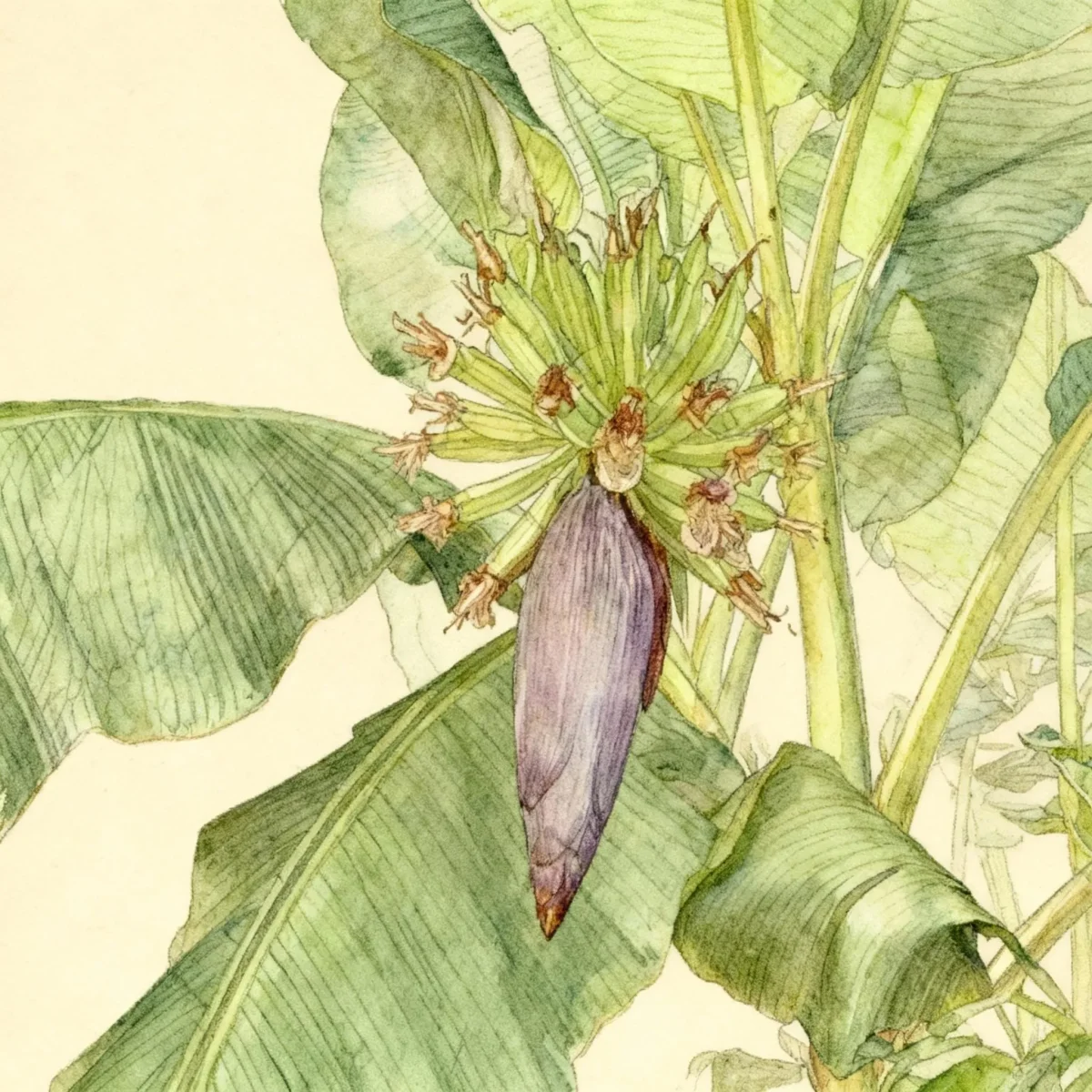
Musa acuminata is known for its massive, fast-growing, suckering habit, forming a false trunk (pseudostem) from overlapping leaf sheaths. In warmer habitats, it produces cream to yellow flowers followed by edible fruit, though many temperate growers prize it purely for the majestic, tropical foliage structure it imparts. After flowering, the aged pseudostem dies back, yielding new suckers that continue the cycle of rapid growth.
Tolerances
Potential Problems
Generally, Musa acuminata exhibits few serious insect or disease issues when grown outdoors in its native range. However, when kept as a houseplant or overwintered indoors, gardeners should monitor closely for common houseplant pests like aphids, scale, mealybugs, and especially spider mites, which thrive in dry indoor air. Regular inspection and treatment with insecticidal soap are recommended for indoor specimens.
Disease susceptibility includes anthracnose, bacterial wilt, and mosaic viruses, though good air circulation and avoiding overhead watering can mitigate many fungal and bacterial issues. Ensure cuttings taken for propagation or overwintering are healthy, and never store dormant tubers or root balls near known diseased material to prevent pathogen transmission into the subsequent growing season.
Frequently Asked Questions
What hardiness zones is Banana suitable for?
The Banana (Musa acuminata) is winter hardy only in USDA Zones 10 and 11. Gardeners outside this range must provide protection or overwinter the plant indoors.
How large does Banana grow?
When ideal conditions are met, Musa acuminata commonly achieves a height between 12 and 20 feet, with a spread of 6 to 10 feet.
What sun exposure does Banana need?
This plant requires full sun for optimal performance, although some light, filtered afternoon shade can be tolerated and sometimes preferred during extreme heat.
When does Banana bloom?
The Banana is a seasonal bloomer, typically displaying cream to yellow flowers on mature plants during the summer months.
Conclusion
The Banana (Musa acuminata) offers unmatched vertical structure and immediate exotic flair, making it a premier choice for defining tropical themes in warm landscapes or containers. Successfully growing this majestic plant depends on balancing its demand for rich soil with consistent moisture, coupled with necessary frost protection outside of Zones 10 or 11. Before planting, assess your available winter space and sunlight to ensure your majestic Banana thrives for seasons to come.
Companion Planting
When designing a tropical vignette around Musa acuminata, select companions that share its need for rich, consistently moist soil and bright light. Consider shorter, clumping bamboos or Canna lilies; these plants offer layered heights and speeds of growth that complement the Banana’s grand scale without overpowering its base. Plants with fine, fern-like textures provide an excellent visual contrast to the Banana’s massive, paddle-shaped foliage, enhancing the overall jungle effect.
Ensure that companion species do not aggressively compete for surface root space or nutrients, as the Musa acuminata is a heavy feeder requiring ample resources to sustain its large leaf structure. Grouping plants with similar water needs simplifies irrigation management, which is critical for keeping the soil consistently moist throughout the active growing season.
Seasonal Care Calendar
For successful overwintering in colder zones, timely execution of seasonal tasks is essential for your Banana. In late summer, increase fertilization slightly to help the plant build energy reserves for dormancy or indoor relocation. Before the first anticipated frost in autumn, begin preparations; this might involve trimming foliage back to 6-8 inches if storing the container in a cool basement, or bringing smaller potted specimens inside to a bright window.
Spring signals the time for revival. Once all danger of frost has passed, gradually reintroduce outdoor plants (or new growth from dormant plants) to full sun exposure over several days to prevent leaf scorching. Resume deep, regular watering and begin a consistent fertilization schedule promptly to encourage the rapid emergence of new, strong pseudostems and foliage for the season ahead.