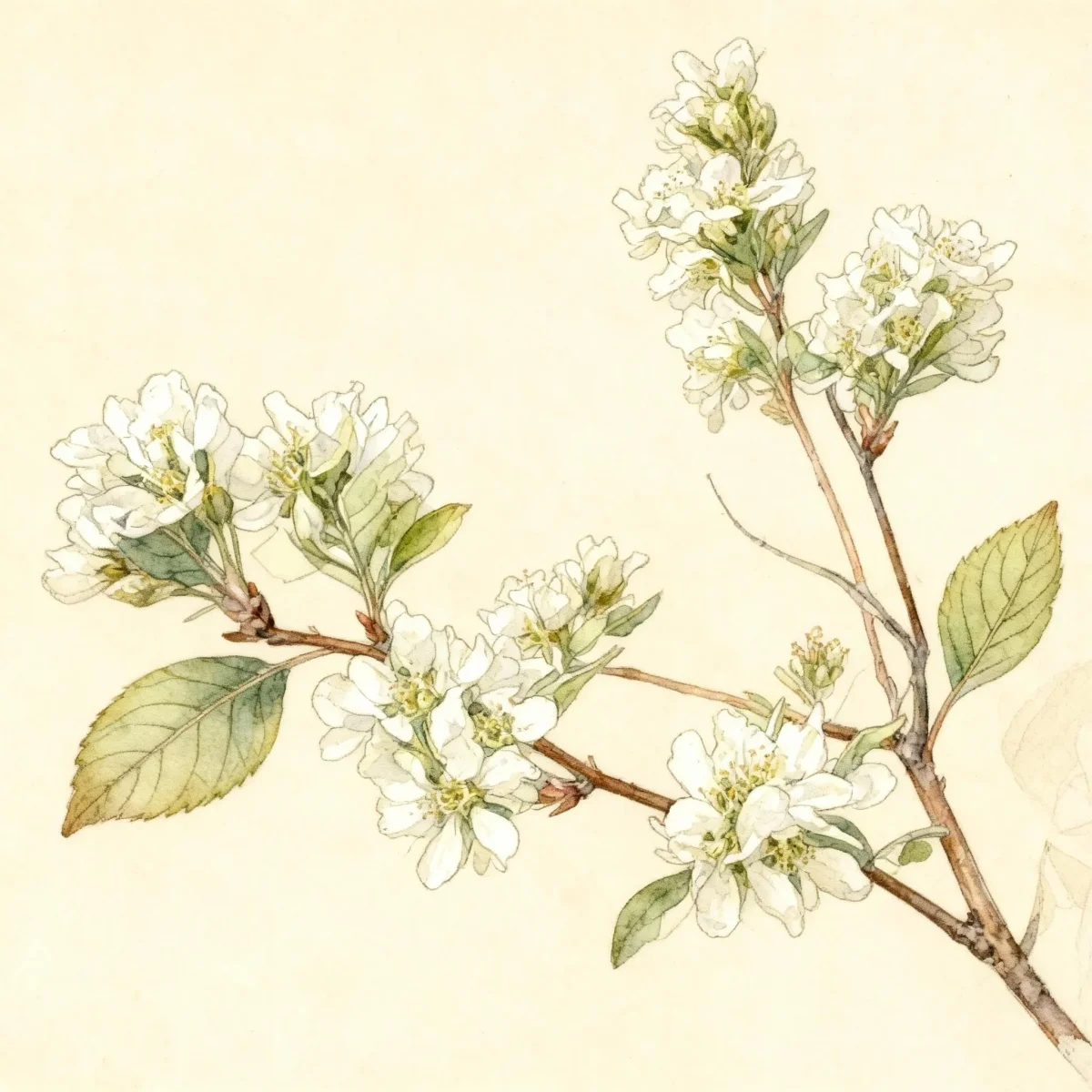
Sweet fern (Comptonia peregrina)
Comptonia peregrina, or Sweet fern, is a low-maintenance native shrub ideal for poor, acidic soils across Zones 2-6.
Scroll down to discover growing tips, care requirements, companion plants, and more
Complete Plant Information
Overview
Comptonia peregrina, widely known as Sweet fern, offers distinctive, fern-like foliage in an adaptable, low-maintenance package for Eastern North American landscapes. This upright, deciduous shrub is highly valued for its ability to thrive where other plants struggle, particularly in poor, sandy, or acidic soils. Its aromatic leaves give it the common name, providing year-round interest even when dormant.
This member of the Myricaceae family is environmentally beneficial as it fixes its own nitrogen, enriching the soil naturally. Although it blooms in spring, the yellowish-green flowers are largely inconspicuous, yielding instead to small, burr-like nutlets. Once established, the root system allows Comptonia peregrina to spread readily, making it an excellent choice for mass plantings or colonization projects.
Gardeners appreciate Comptonia peregrina for its hardiness and minimal cultural demands. It tolerates a wide array of difficult conditions, including wind, poor fertility, and variable moisture. For landscapes needing rugged, native groundcover or slope stabilization, Sweet fern provides a reliable, dense screening effect with virtually no required intervention after establishment.
Fast Facts
- Plant Family: Myricaceae
- Plant Type: Deciduous shrub
- Native Range: Eastern North America
- Hardiness Zones: USDA Zones 2-6
- Size at Maturity:
- Height: 2-5 ft
- Spread: 4-8 ft
- Bloom Time: April to May
- Bloom Description: Yellowish green
- Sun Exposure: Full sun to part shade
- Water Needs: Medium
- Maintenance Level: Low
How to Grow
Plant Comptonia peregrina during the spring or fall for the best establishment, placing it in locations receiving full sun or light afternoon shade. While it establishes best in average, medium, well-drained soils, it demonstrates remarkable adaptability, thriving in sandy or gravelly conditions where fertility is low. Avoid sites with overly rich or heavy clay soils if possible, although this species tolerates poor soils readily.
Watering requirements are medium; ensure consistent moisture until the shrub is fully established. Once roots are set, Comptonia peregrina exhibits notable drought tolerance, reflecting its native habitat preference for infertile, dry environments. Fertilization is generally unnecessary because this plant fixes its own nitrogen. Minimal pruning is needed; allow the shrub to assume its natural, colonizing habit.
A critical consideration for gardeners is its transplantation sensitivity; Comptonia peregrina does not transplant well once mature. Plant carefully at the initial site choice, understanding that once situated, it spreads rapidly to form colonies. This spreading ability makes it perfect for naturalized settings where competition from other plants is not desired.
Landscape Uses
The primary strength of Sweet fern lies in its utility across challenging sites. It is highly recommended for naturalizing large areas, particularly where rapid coverage and soil binding are necessary, such as on slopes or embankments. Its tough nature makes it a superb plant for rain gardens or along the edges of disturbed areas, like alleys or waste areas, where few ornamentals survive.
For native plant gardens, Comptonia peregrina serves as an excellent specimen that thrives without high inputs. Its spreading habit means it should be given room to colonize, or it can be strategically planted near borders where its tough performance can act as a living mulch. While its upright, 2-5 foot stature isn’t ideal for formal hedging, it creates an attractive, textural screen in informal designs.
This shrub pairs well conceptually with other hardy, low-fertility tolerant natives like specific species of Andropogon (Bluestem) or hardy Penstemon varieties that appreciate sharp drainage. Use the aromatic foliage of the Sweet fern near pathways where its scent can be easily appreciated when brushed against.
Standout Features
Flower Qualities
- Insignificant
Noteworthy Characteristics
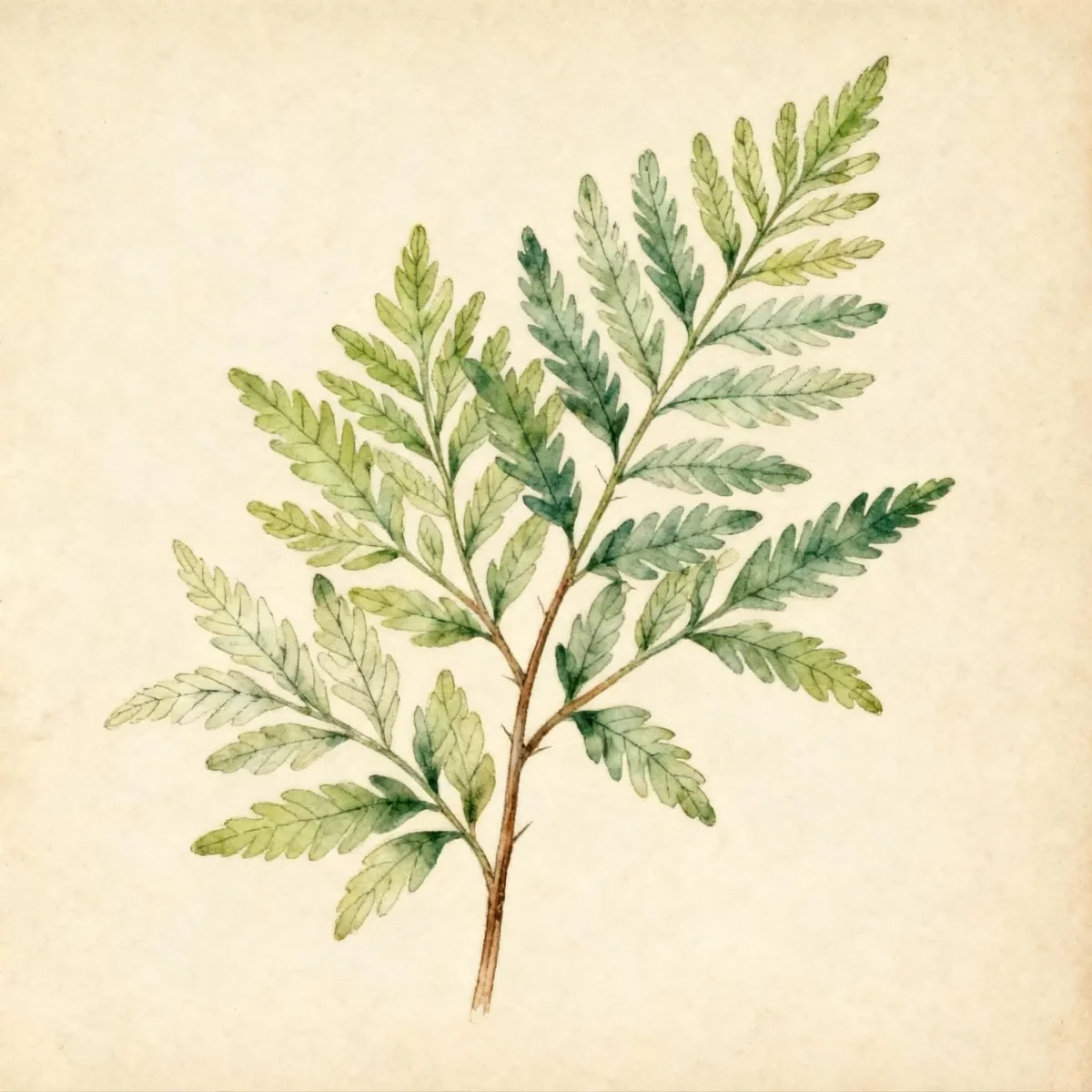
Comptonia peregrina, commonly called sweetfern, is an upright, deciduous shrub typically growing 2-4 feet tall which features simple, narrow, lustrous, pinnatifid, deeply notched, olive to dark green leaves up to 4 inches long. Insignificant, yellowish green flowers appear in spring and give way to greenish brown, burr-like nutlets. This plant is native to eastern North America and most often occurs in poor, sandy or gravelly, infertile soils, often along roadsides, and uniquely fixes its own nitrogen.
Tolerances
- Drought
Potential Problems
Comptonia peregrina is reliably noted for having no significant insect or disease pests, making it a very low-maintenance choice for pest management. Gardeners should not anticipate needing fungicides or insecticides for this resilient native shrub. The primary “problem” gardeners encounter relates to its vigorous, natural colonization habit, which may require management if the shrub spreads beyond designated areas.
Frequently Asked Questions
What hardiness zones is Sweet fern suitable for?
Sweet fern (Comptonia peregrina) is exceptionally hardy and suitable for USDA Zones 2 through 6.
How large does Comptonia peregrina grow?
This shrub generally reaches a mature height between 2 to 5 feet tall, with a spread ranging from 4 to 8 feet, often forming dense colonies.
What sun exposure does Sweet fern need?
Comptonia peregrina performs best when planted in full sun to partial shade conditions.
When does Sweet fern bloom?
The plant displays its inconspicuous, yellowish green flowers between April and May.
Conclusion
The Sweet fern remains an outstanding selection for eco-conscious gardeners needing dependable coverage in difficult, nutrient-poor soils. Its aromatic, fern-like foliage and exceptional resilience define the value of Comptonia peregrina. Before planting, ensure your site aligns with USDA Zones 2-6 and that you have sufficient space for its natural spreading habit.
Companion Planting
When integrating Comptonia peregrina into a native planting scheme, select companions that share its affinity for acidic, sharp-draining soils, as this mimics its preferred habitat. Groundcovers that spread slowly or low-growing perennials that compete minimally for nutrients work well alongside the colonizing Sweet fern. Consider plants like various heath or blueberry species (Vaccinium spp.) which appreciate similar soil chemistry.
For areas where you want to stabilize larger banks, consider pairing Comptonia peregrina with taller, deep-rooted native grasses, such as Switchgrass (Panicum virgatum). The grasses offer vertical contrast, while the Sweet fern provides dense, lower-story coverage, creating a layered, low-maintenance landscape system that stabilizes erosion effectively.
Design Ideas for Poor Soils
Utilize the nitrogen-fixing ability of Comptonia peregrina by planting it as a pioneer species in newly disturbed areas. Its rapid establishment and tolerance for poor fertility help condition the soil for subsequent, perhaps slightly more demanding, native plantings later on. This makes it a strategic element in regenerative landscaping projects.
Since the foliage of Sweet fern is attractive and aromatic, mass groupings create an informal, textural screen or border planting, especially effective along property lines or naturalized edges where formality is not required. Avoid placing it where its aggressive spreading will conflict with manicured lawn edges or delicate border perennials.