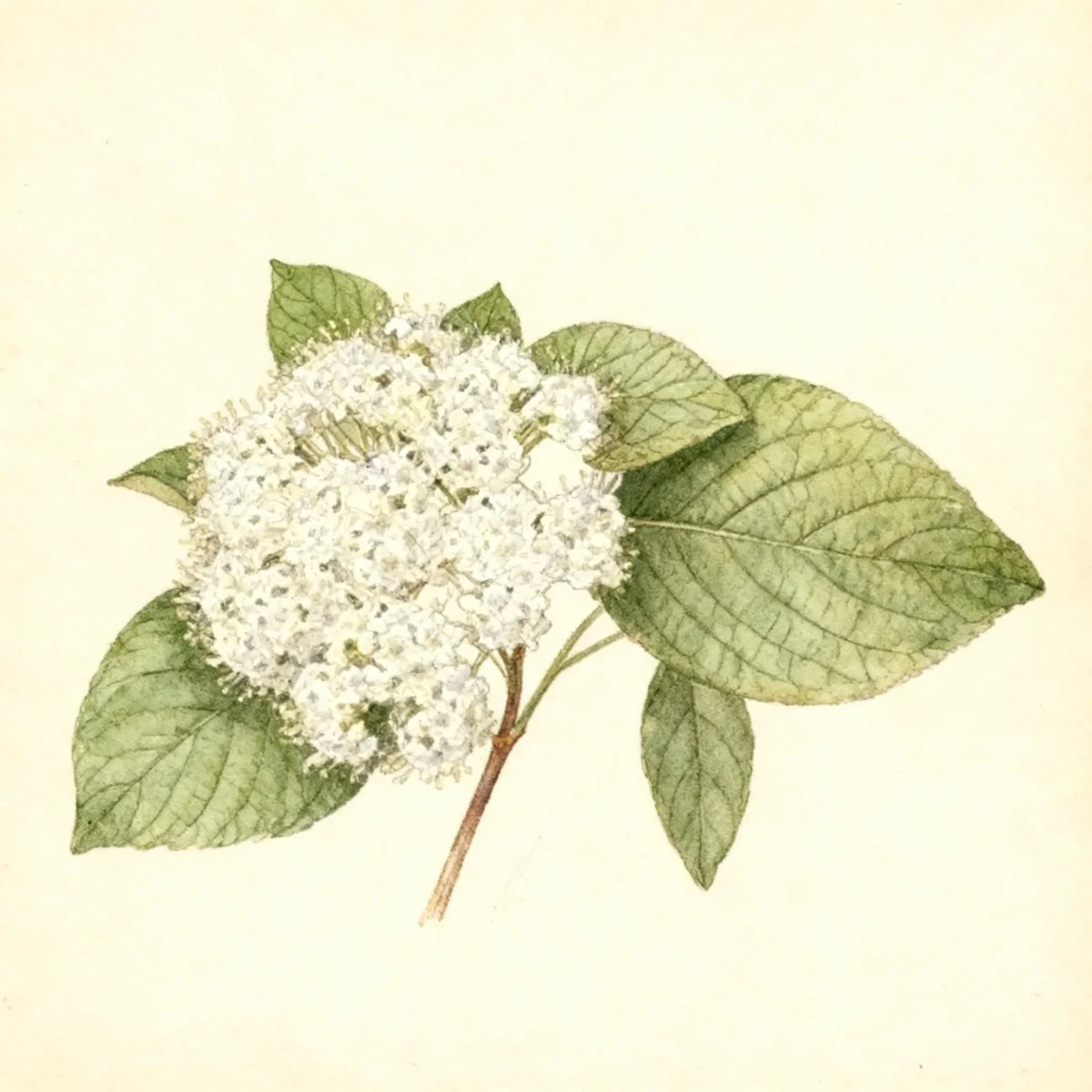
Bayberry (Myrica pensylvanica)
Myrica pensylvanica, the Bayberry, is a tough, low-maintenance deciduous shrub native to Eastern North America, perfect for harsh sites.
Scroll down to discover growing tips, care requirements, companion plants, and more
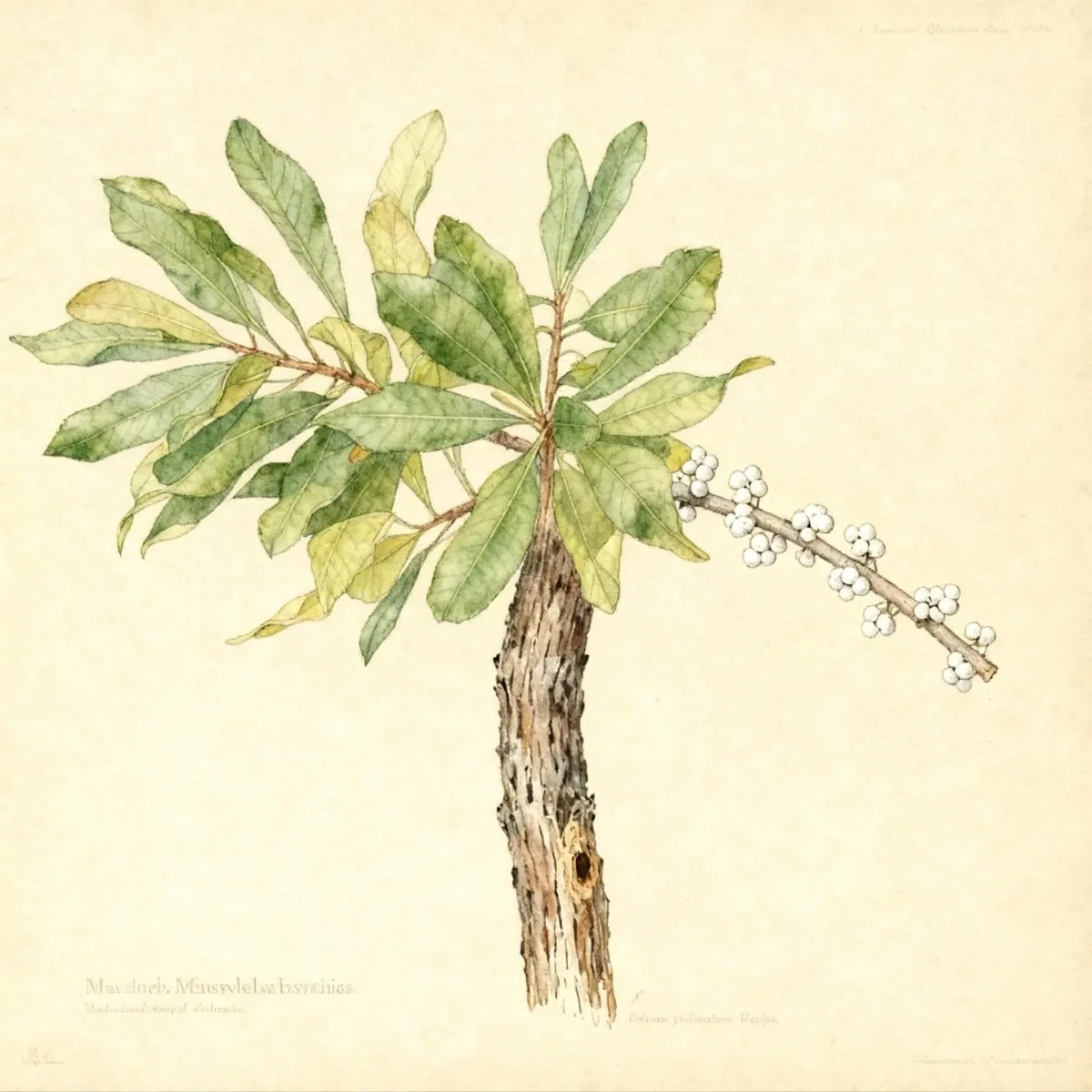
Complete Plant Information
Overview
Myrica pensylvanica, commonly known as Bayberry, is a resilient, dense-branching deciduous shrub valued for its vigorous nature and tolerance of difficult growing conditions. It typically matures between 5 and 10 feet tall, forming a dense, rounded habit ideal for privacy screens or naturalized areas. Gardeners appreciate this native shrub not only for its hardiness but also for the aromatic, waxy coating on its persistent winter fruit.
This versatile plant thrives across a wide range where many ornamental shrubs fail, handling poor soils, wind, and salt exposure with ease. Although the flowers are inconspicuous, the subsequent fruit (on female plants) provides necessary late-season interest and crucial winter forage for birds. Successful cultivation of Myrica pensylvanica requires grouping male and female plants together for pollination.
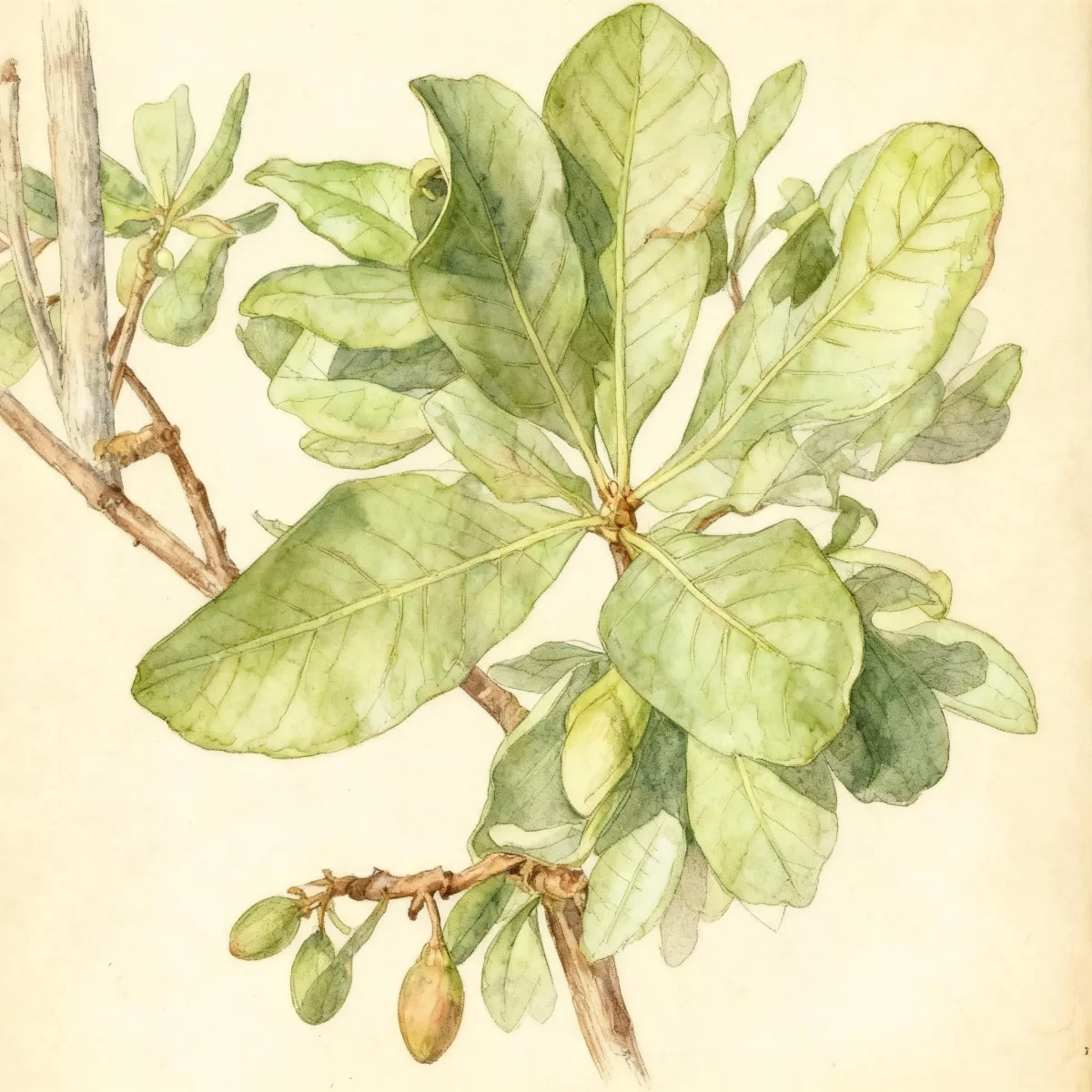
The distinctive grayish-green, leathery leaves of Bayberry release a pleasant resinous scent when crushed, adding an aromatic layer to the landscape. Its ability to sucker also means that the Myrica pensylvanica can readily form effective colonies, making it an excellent choice for large-scale native plantings or stabilizing slopes.
Fast Facts
- Plant Family: Myricaceae
- Plant Type: Deciduous shrub
- Native Range: Eastern North America
- Hardiness Zones: USDA Zones 3-7
- Size at Maturity:
- Height: 5-10 ft
- Spread: 5-10 ft
- Bloom Time: May
- Bloom Description: Yellowish green (male)
- Sun Exposure: Full sun to part shade
- Water Needs: Dry to medium
- Maintenance Level: Low
How to Grow
Planting Bayberry is best done in the spring or fall to allow the roots to establish before extreme summer heat or winter cold sets in. Select a site providing full sun or partial shade, understanding that the shrub tolerates a wide spectrum of soil types, though it prefers moist, peaty, or sandy acidic soils for optimal performance. Ensure the planting location has at least average drainage, even though mature plants handle wet soil well.
Maintenance for established Myrica pensylvanica is minimal. Water only during prolonged droughts, as this shrub has low water needs once established. Fertilizing is generally unnecessary unless the soil is extremely poor. Pruning should be done selectively to shape hedges or remove suckers, although allowing it to naturalize often requires little intervention.
A crucial consideration for any Bayberry planting is sexing the plants. The shrubs are dioecious, meaning male and female reproductive structures are on separate plants. You must have at least one male plant present to ensure pollination of female plants, which results in the desirable waxy fruits that persist into winter.
Tolerating high winds and heavy salt spray makes Myrica pensylvanica an ideal candidate for coastal plantings or along de-iced roadsides where other plants suffer dieback. Southern populations may retain some leaves through winter, acting as a semi-evergreen screen in those zones.
Landscape Uses
Myrica pensylvanica excels where functional planting is required alongside aesthetics. Its robust root system makes it highly recommended for erosion control on banks and slopes, fulfilling its role in rain gardens and naturalized areas. When massed together, these shrubs create an unparalleled informal hedge or woodland screen, providing year-round structure and privacy.
For shrub borders, group Bayberry with other native, sun-loving varieties that appreciate acidic soil, such as certain rhododendrons or native grasses planted toward the front. Its salt tolerance specifically opens up design possibilities near driveways or coastal properties where traditional hedging material would decline rapidly.
Utilize the natural suckering habit of the Bayberry when creating large, sweeping woodland margins or blending boundaries into wilder areas. Its use ensures lower maintenance while providing significant ecological value through reliable structure and winter berries for wildlife.
Standout Features
Flower Qualities
- Insignificant
Fruit Qualities
- Showy
Noteworthy Characteristics
Myrica pensylvanica, commonly called bayberry, is a dense-branching deciduous shrub with a rounded habit which typically grows 6-10’ tall. Native to North America where it is primarily found growing along the eastern coast (including seashore) from Newfoundland to North Carolina. The fruits are covered with an aromatic, waxy substance which is used to make bayberry candles, soaps and sealing wax, and these fruits are attractive to birds.
Tolerances
- Drought
- Erosion
- Wet Soil
Potential Problems
This Bayberry variety is highly regarded for having no serious insect or disease problems under normal conditions. This low incidence of pests and pathology contributes significantly to its low-maintenance classification. Gardeners should primarily focus on providing appropriate moisture and sun exposure rather than prophylactic chemical treatments. Occasional issues, such as minor scale infestation, can usually be managed through pruning or natural predators.
Frequently Asked Questions
What hardiness zones is Bayberry suitable for?
Myrica pensylvanica is suitable for USDA Zones 3 through 7, offering excellent cold hardiness ideal for colder climates.
How large does Bayberry grow?
The typical mature size for Bayberry is between 5 to 10 feet in height and 5 to 10 feet in spread, developing a dense, rounded form.
What sun exposure does Bayberry need?
This shrub requires full sun to part shade to thrive; ensuring at least several hours of direct sun daily will encourage better flowering and fruiting.
When does Bayberry bloom?
Flowering typically occurs in May, featuring inconspicuous yellowish green male flowers that are necessary for pollinating the female plants.
Conclusion
The Bayberry, Myrica pensylvanica, stands out as an exceptionally durable and useful native shrub, providing structure, wildlife value via its waxy fruits, and exceptional tolerance to adverse conditions like salt and drought. Incorporating this low-maintenance plant ensures reliable performance across variable Northern American landscapes. Before planting, confirm your local USDA zone compatibility and ensure you include both male and female specimens for fruit production.
Wildlife Benefits
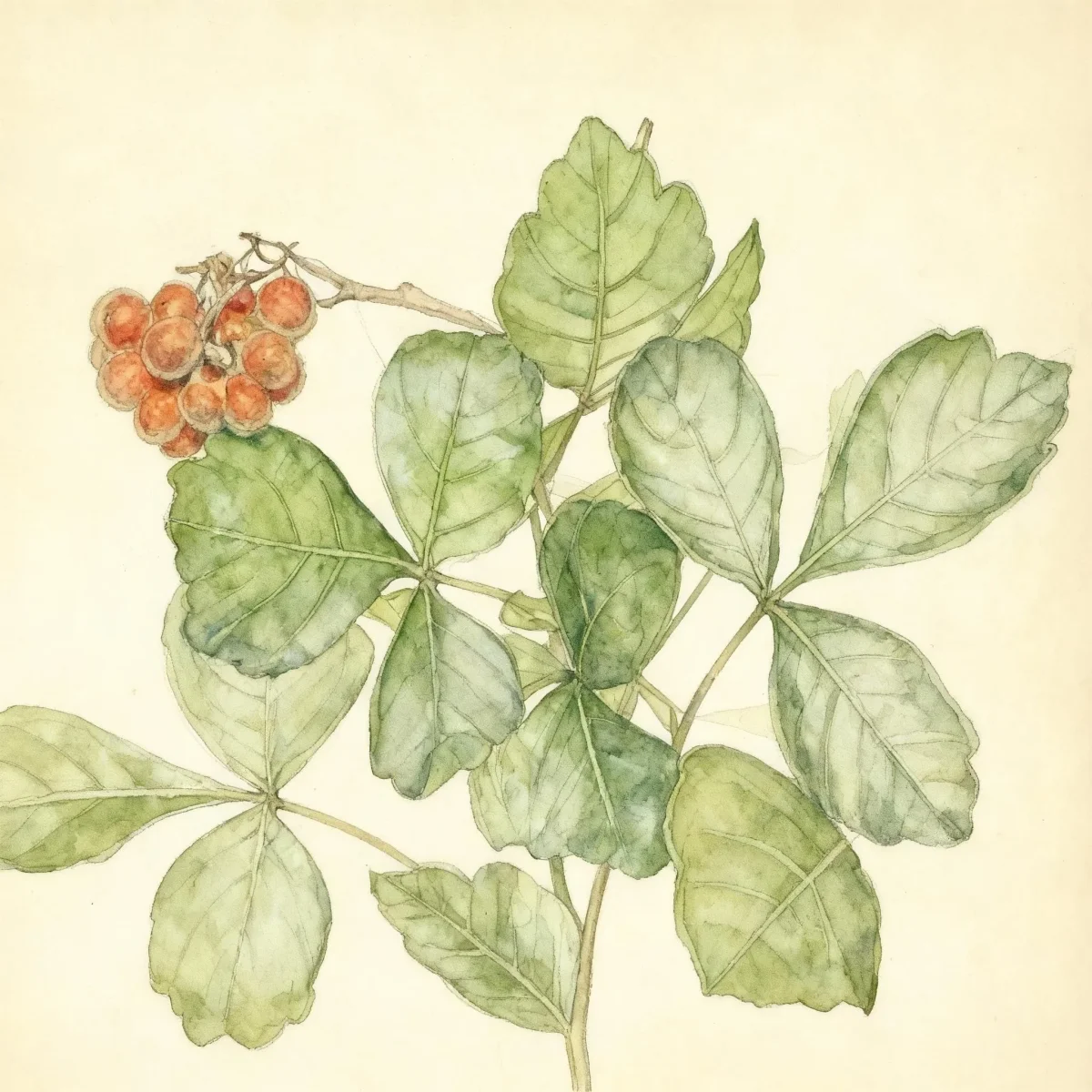
The gray-white, waxy fruits produced on pollinated female Myrica pensylvanica plants are a vital resource during the lean winter months. Many species of songbirds rely on these fruits, which persist long after deciduous leaves drop, providing persistent visual interest for the gardener while serving as critical winter food.
Due to its dense, suckering growth habit, Bayberry also offers excellent cover and nesting sites for smaller birds seeking protection from predators or harsh weather. Planting these shrubs near water features or bordering woodlands enhances local habitat diversity significantly.
Companion Planting
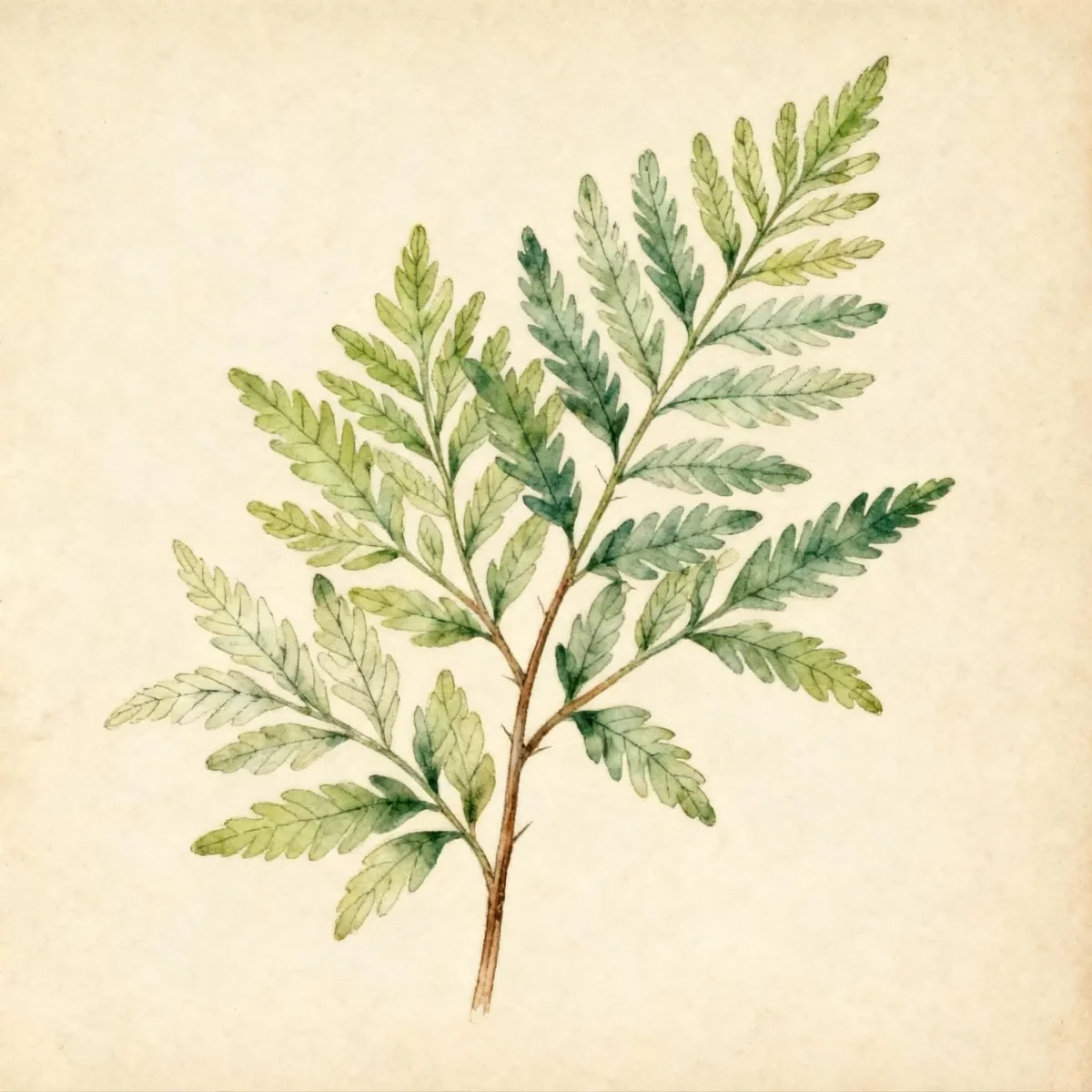
When planning borders or mass plantings featuring Myrica pensylvanica, select companions that share its preference for moist to somewhat dry, well-drained, and slightly acidic soils. Excellent partners include native evergreens like Mountain Laurel (Kalmia latifolia) or various low-growing native ferns in shadier edges of its range.
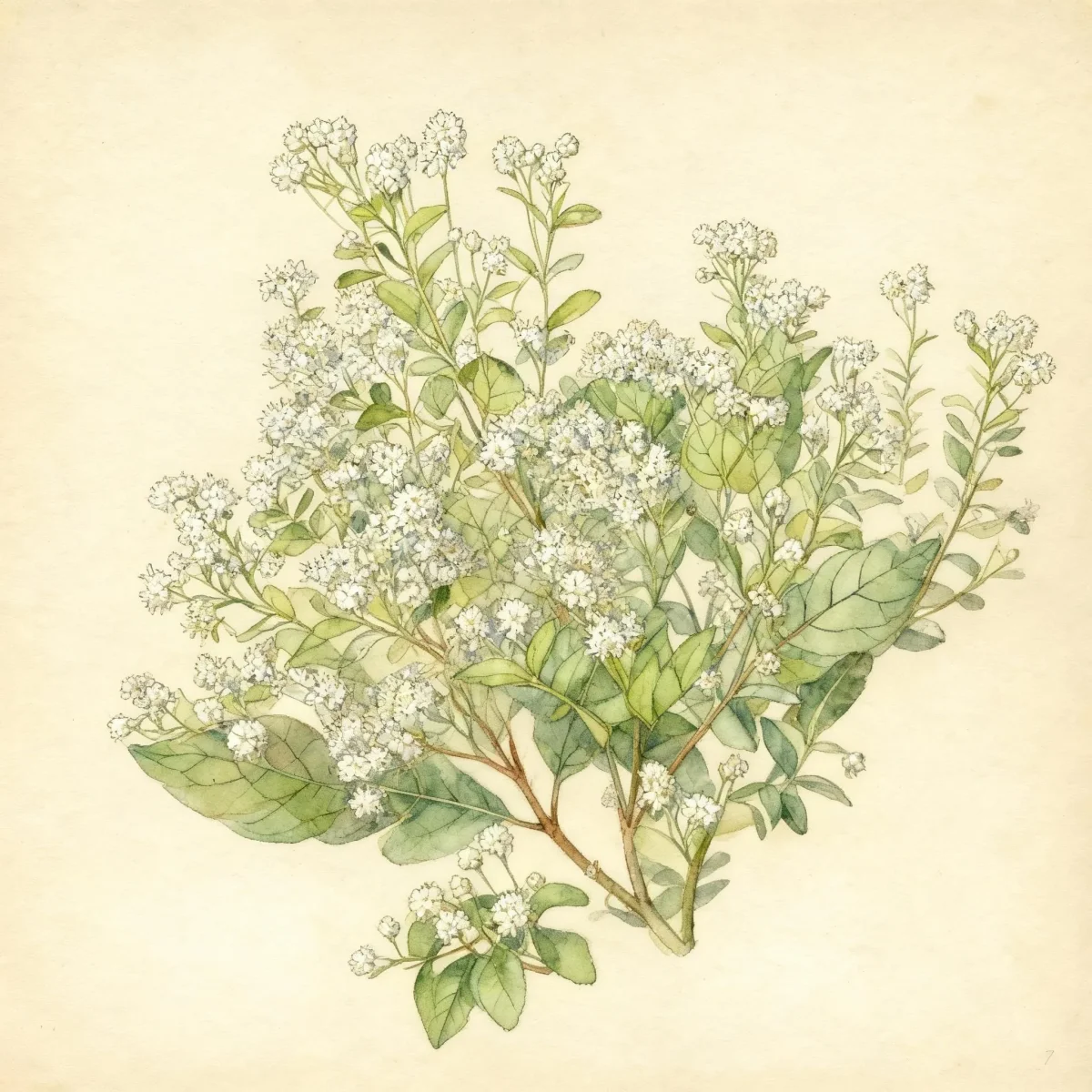
In full-sun, drier locations, consider pairing the Bayberry with other tough natives such as Rosa carolina (Wild Rose) or Summer Green Aster (Symphyotrichum sagittifolium) to create a tapestry of texture and seasonal interest that requires minimal supplemental watering once established.