Mickey Mouse plant (Ochna serrulata)
Discover the Mickey Mouse plant (Ochna serrulata), a distinctive South African shrub known for bright yellow flowers and unique red calyxes.
Scroll down to discover growing tips, care requirements, companion plants, and more
Complete Plant Information
Overview
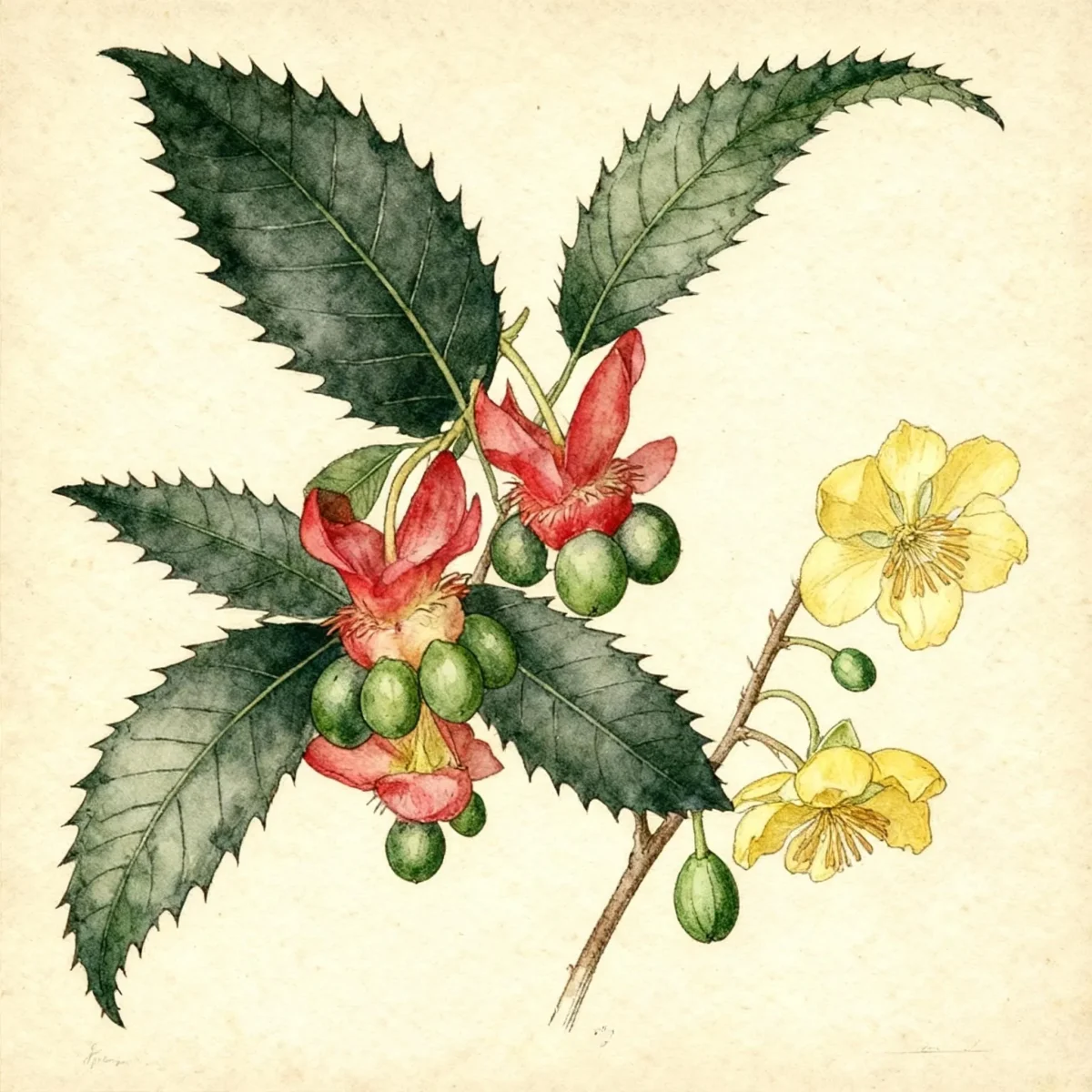
The Mickey Mouse plant (Ochna serrulata) offers exceptional visual interest, making it a favorite specimen shrub where climate permits. It earns its charming nickname from the maturing fruit structure—a set of black fruitlets nestled against a swollen, brilliant red calyx—that remarkably resembles the famous cartoon face. This semi-evergreen shrub originates from South Africa and provides continuous color across multiple seasons.
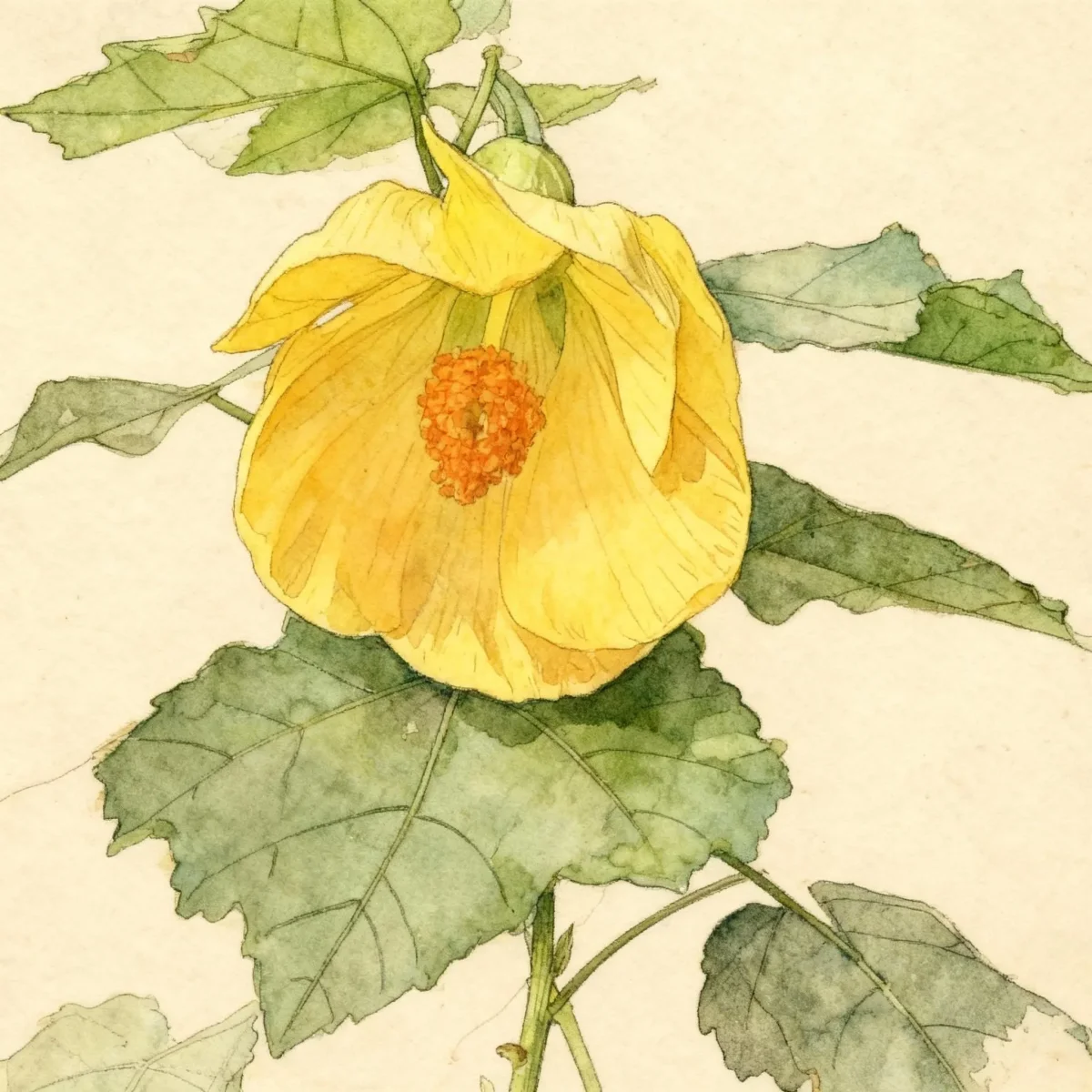
As a small, loose shrub, Ochna serrulata typically reaches 4 to 8 feet tall, providing an excellent vertical accent in the landscape. Its visual drama starts with fragrant, buttery yellow blooms in late spring, followed by the unique red fruiting stage which persists long after the petals have faded. Gardeners appreciate the low maintenance needs of Ochna serrulata when sited correctly in warmer regions.
While highly ornamental, potential growers must be aware that the seeds are attractive to birds, leading to potential invasiveness in certain ecosystems outside its native South African range. For reliable growth, ensure your location falls within the specified USDA hardiness zones for the best performance of this unique species.
Fast Facts
- Plant Family: Ochnaceae
- Plant Type: Deciduous shrub
- Native Range: South Africa
- Hardiness Zones: USDA Zones 9-11
- Size at Maturity:
- Height: 4-8 ft
- Spread: 3-4 ft
- Bloom Time: May to June
- Bloom Description: Flowers are yellow and calyx is red
- Sun Exposure: Full sun to part shade
- Water Needs: Medium
- Maintenance Level: Low
How to Grow
Planting the Mickey Mouse plant is best achieved in the warm season, allowing roots to establish before winter stress. Select a site that provides protection from harsh afternoon sun if located in the hottest part of Zone 10 or 11, leaning towards full sun in cooler zones within its range. Ochna serrulata prefers well-draining soil; amend heavy clay with organic matter to ensure adequate aeration, as sitting in wet soil is fatal when combined with frost.
Routine care for this species centers on consistent moisture management. The ‘Medium’ water need suggests regular irrigation during dry spells, especially when young, but avoid overhead watering if possible to keep foliage healthy. Fertilize sparingly; in fertile ground, it often requires little supplemental feeding. Pruning is generally minimal, focusing only on shaping or removing dead wood after the primary growth flush.
It is crucial to remember that Ochna serrulata shrubs are frost tender. Gardeners in Zone 9 must provide substantial protection or consider growing this species in a container that can be moved indoors when temperatures drop near or below freezing. Propagate the Mickey Mouse plant from seed or cuttings, understanding that seeds may require specific stratification techniques to break dormancy successfully.
Landscape Uses
Ochna serrulata shines when used as a focal point or accent plant where its seasonal color transitions can be fully appreciated across the garden beds. Its upright, relatively narrow growth habit (3-4 feet wide) makes it suitable for specimen planting near entryways or along pathways. Though it can be used as a low hedge, potential invasiveness due to bird-dispersed seeds means this must be considered contextually, especially in regions where it is known to naturalize aggressively.
For contemporary or exotic-themed gardens, the Mickey Mouse plant pairs well with tropical foliage plants that feature deep greens or contrasting textures, such as certain ferns or bromeliads planted beneath its canopy, provided light levels are appropriate. Because the fragrance of the yellow flowers is noted, placing it near seating areas enhances the sensory experience during the late spring bloom window. Always weigh the ornamental benefits against its highly effective seed dispersal rate when planning placement near sensitive natural areas.
Standout Features
Flower Qualities
- Showy
Fruit Qualities
- Showy
Noteworthy Characteristics
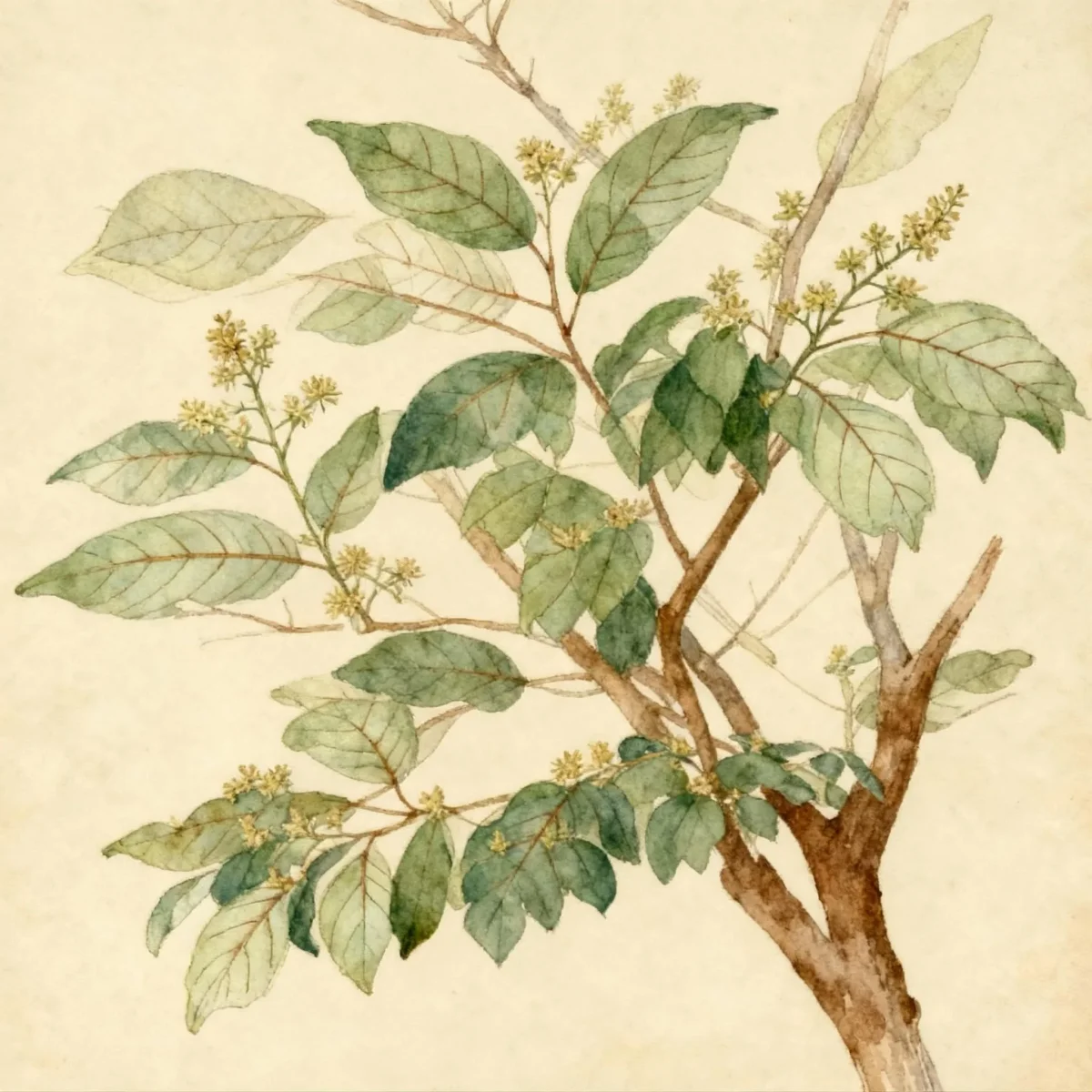
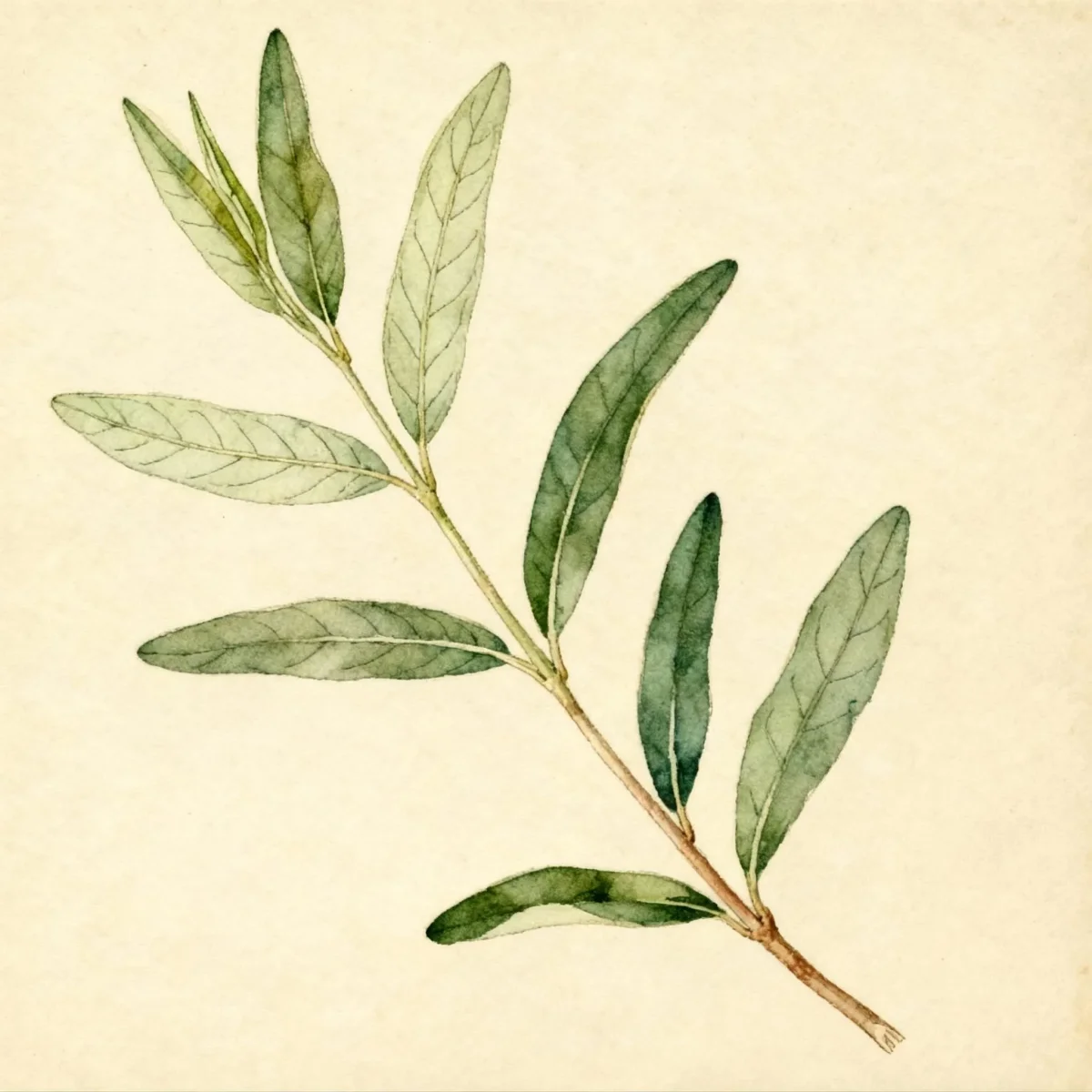
Ochna serrulata, commonly known as Mickey Mouse plant or carnival bush, is a small, loose, open, semi-evergreen shrub which typically grows to 4-8’ tall and 3-4’ wide. Its narrow-elliptic leaves have distinctive serrated margins, complementing the fragrant, 5-petaled yellow flowers followed by the bright red calyx structure. The genus name Ochna references the wild pear fruit shape, contributing to its striking and memorable presentation in the landscape.
Tolerances
No established tolerances listed.
Potential Problems
This shrub generally exhibits low susceptibility to common garden pests and diseases, meaning it rarely suffers from serious insect infestations or major fungal issues. This inherent hardiness contributes significantly to its low maintenance rating for experienced growers comfortable with its specific climate needs. Should any minor leaf issues arise, ensure the cultural requirements—especially soil drainage and adequate sun exposure—are being met, as environmental stress often invites secondary problems.
Frequently Asked Questions
What hardiness zones is Ochna serrulata suitable for?
The Mickey Mouse plant is winter hardy primarily in USDA Zones 9 through 11, as the shrubs are quite frost tender outside of these warmer climates.
How large does Mickey Mouse plant grow?
This species typically matures into a shrub reaching a height between 4 and 8 feet tall, with a spread of 3 to 4 feet wide.
What sun exposure does Ochna serrulata need?
Ochna serrulata thrives when placed in locations receiving either full sun or partial shade, offering flexibility in landscape design.
When does Mickey Mouse plant bloom?
The pleasant blooming period occurs from May to June, noted for its showy yellow flowers set against the foliage before the striking red calyx takes center stage.
Conclusion
The Mickey Mouse plant (Ochna serrulata) offers exceptional year-round visual appeal, highlighted by its fleeting yellow blossoms and memorable red and black fruit display that provides its namesake charm. Its low maintenance requirements cement its status as a valuable accent shrub for mild winter landscapes. Before adding this South African native to your garden, carefully verify that your location falls within USDA Zones 9-11 to ensure successful and lasting cultivation.
Companion Planting
When selecting companions for Ochna serrulata, focus on plants that share an affinity for well-draining soil and similar sun requirements, avoiding overly aggressive spreaders. Consider herbaceous perennials with fine textures or broad-leaved evergreens that can visually contrast with the shrub’s glossy, narrow leaves. Because the Ochna serrulata provides its main color show in spring and mid-summer, mid-to-late season bloomers placed nearby will extend the overall garden interest through the autumn months.
Wildlife Benefits
Although sometimes listed as invasive, the fruit structure of the Mickey Mouse plant is highly attractive to local bird populations in its native habitat, serving as a valuable food source. The fragrant yellow flowers also attract various pollinators early in the growing season. Gardeners should monitor bird activity after the red calyces develop, as increased seed dispersal is how this plant spreads into natural areas. Focus on enjoying the ecological interactions while using the shrub responsibly in contained garden settings.