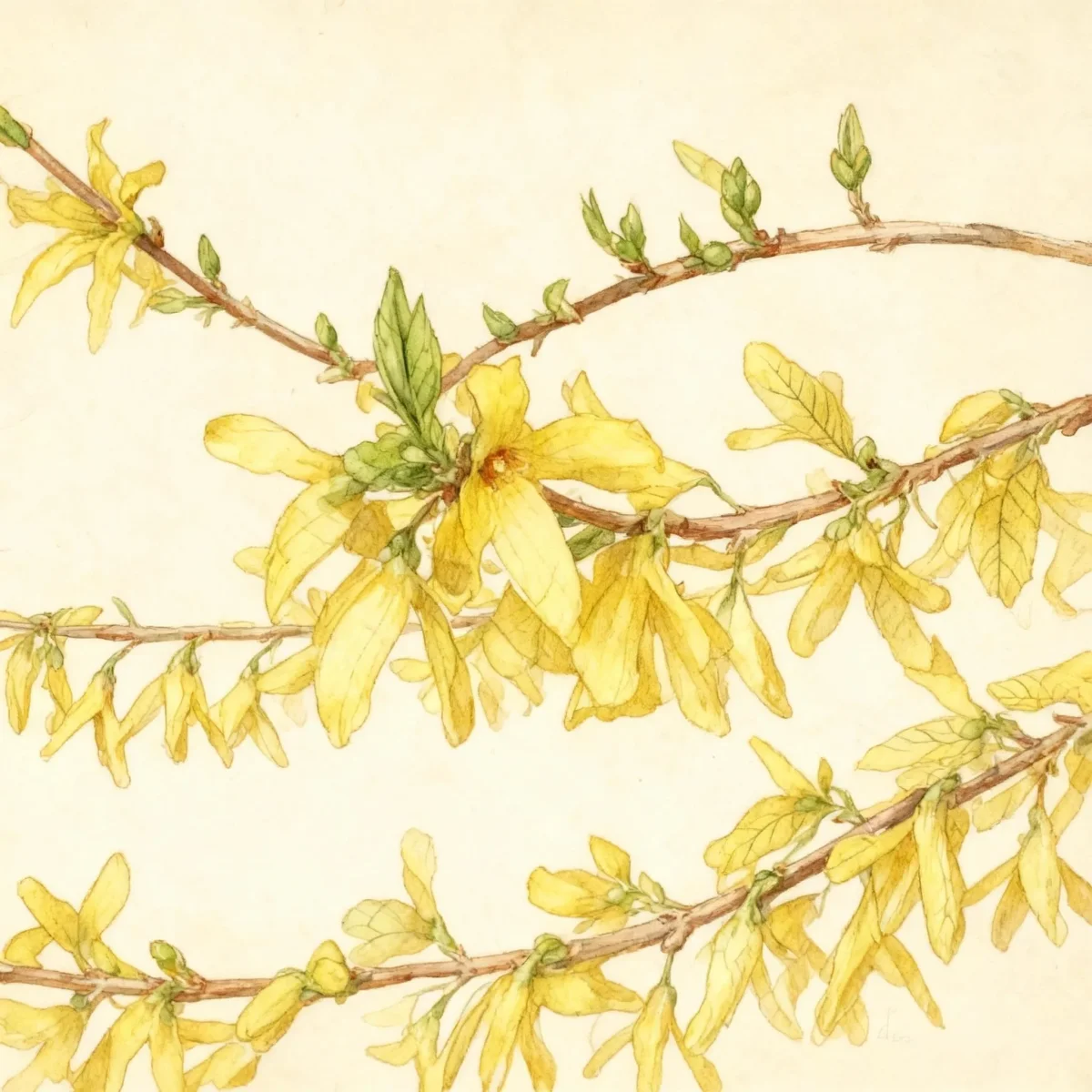
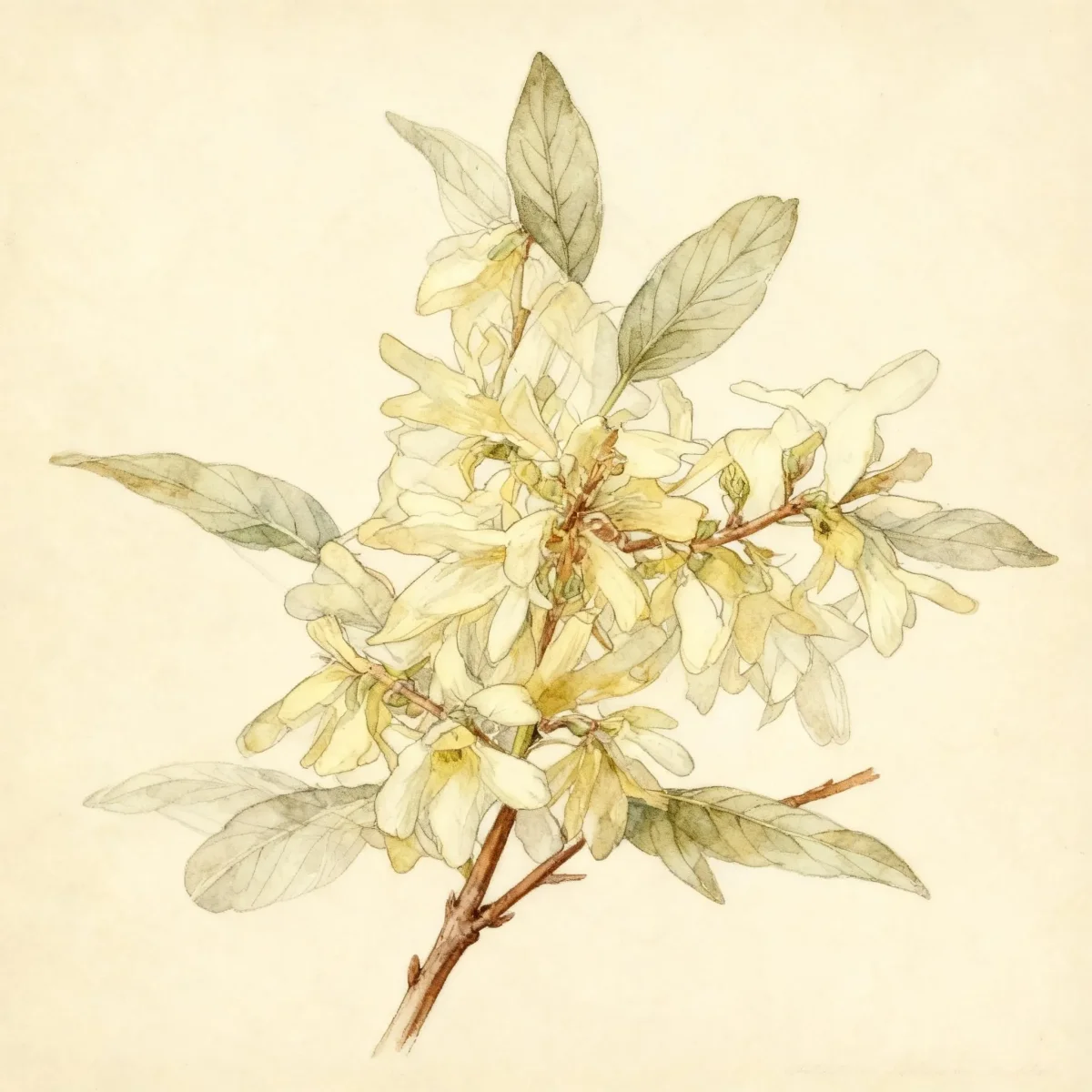
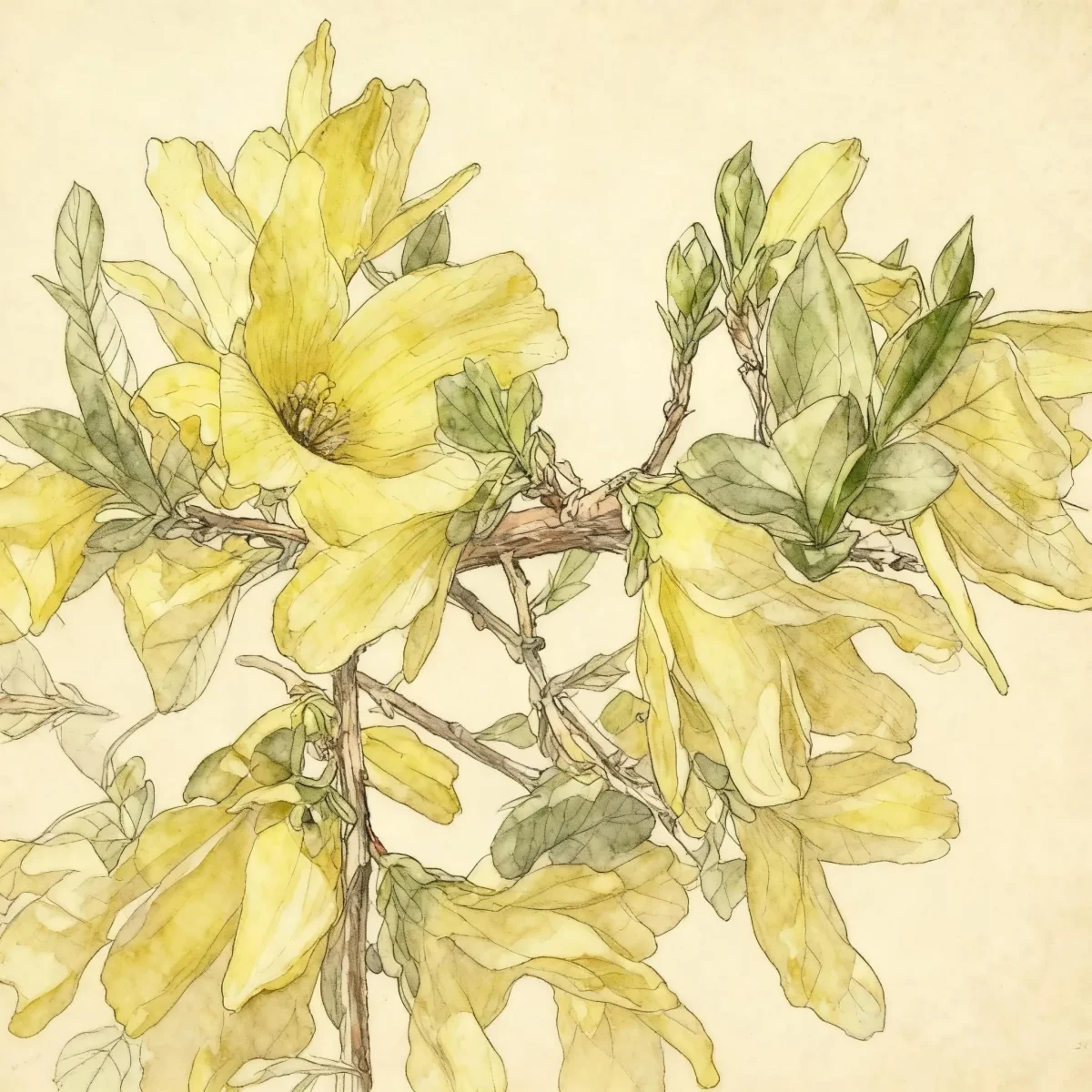
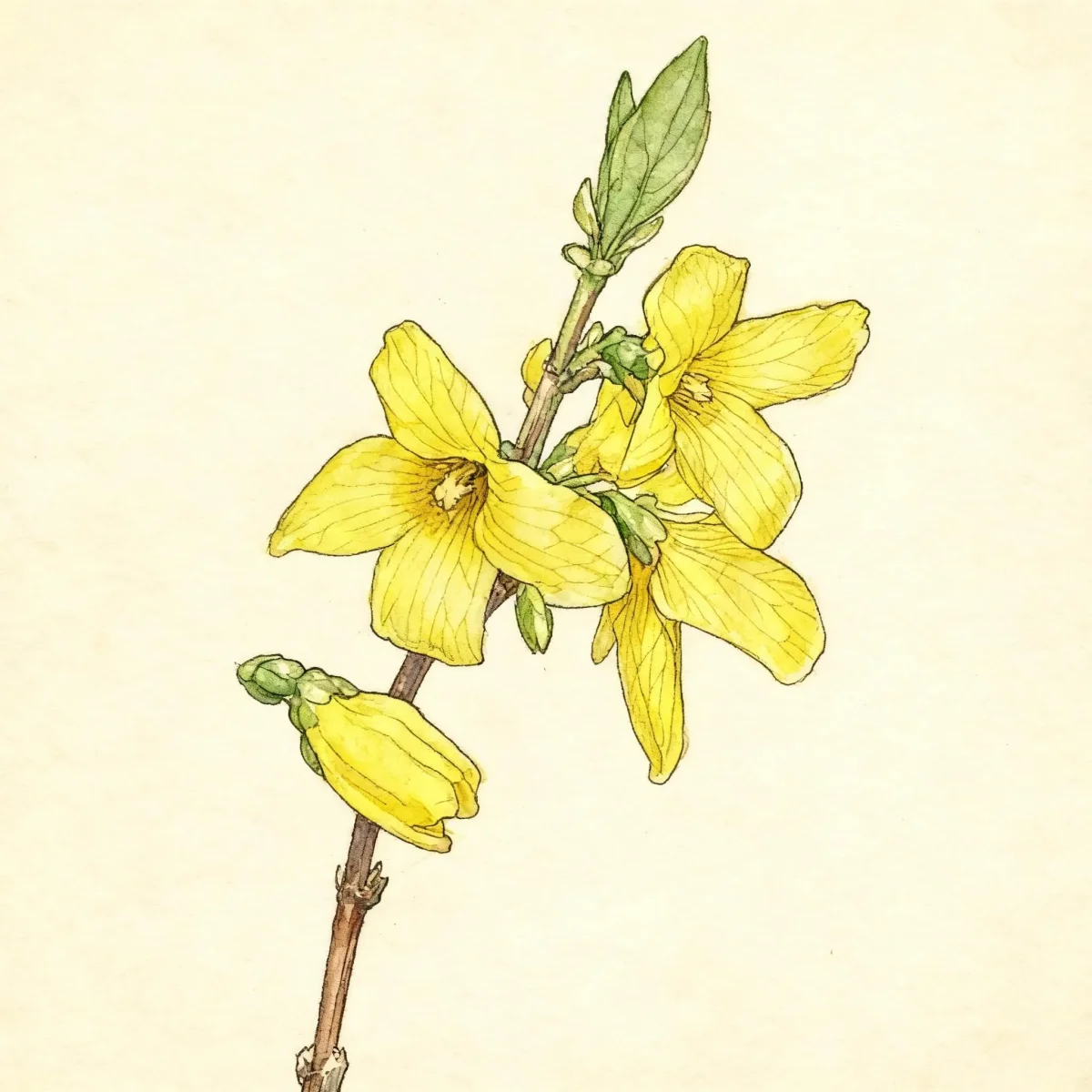
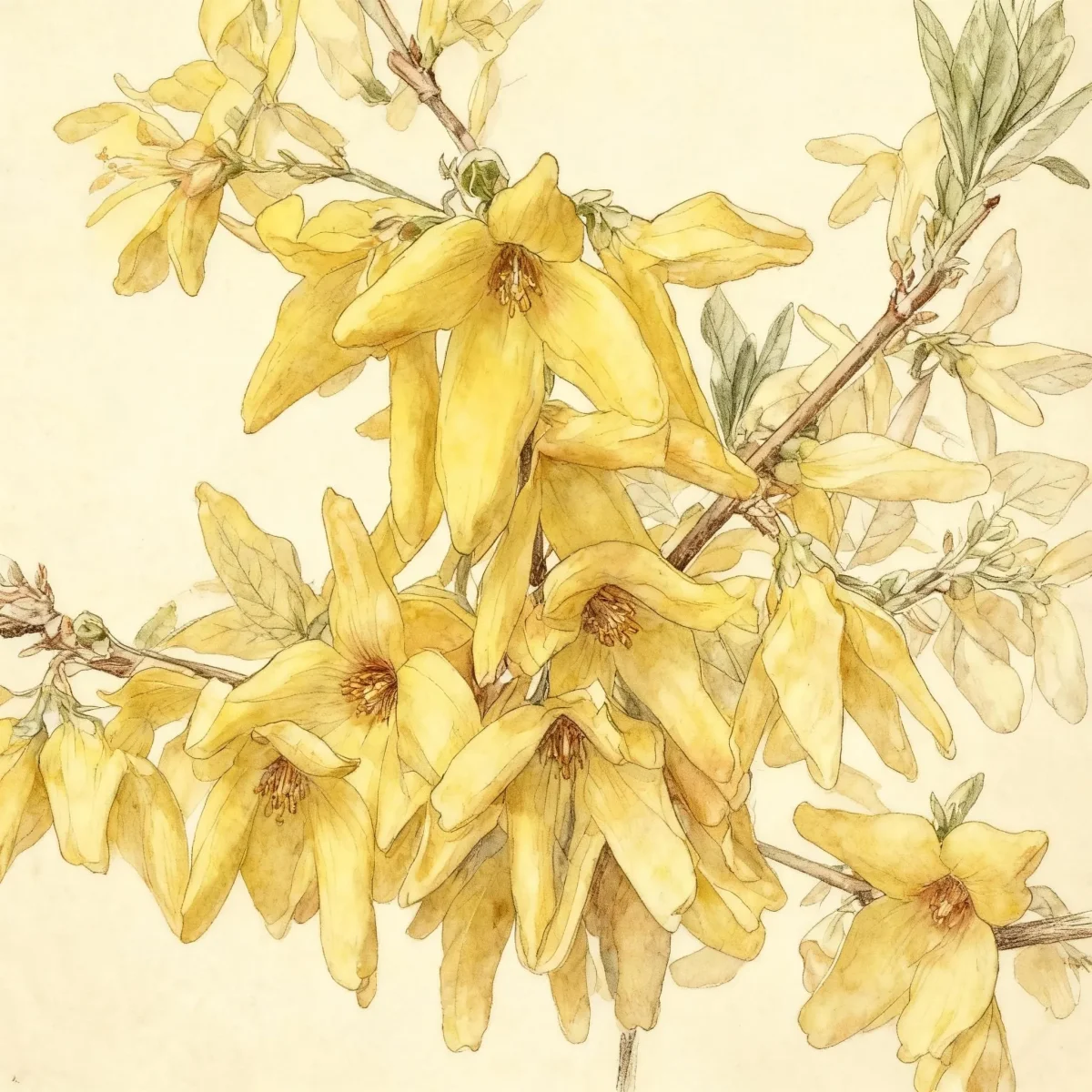
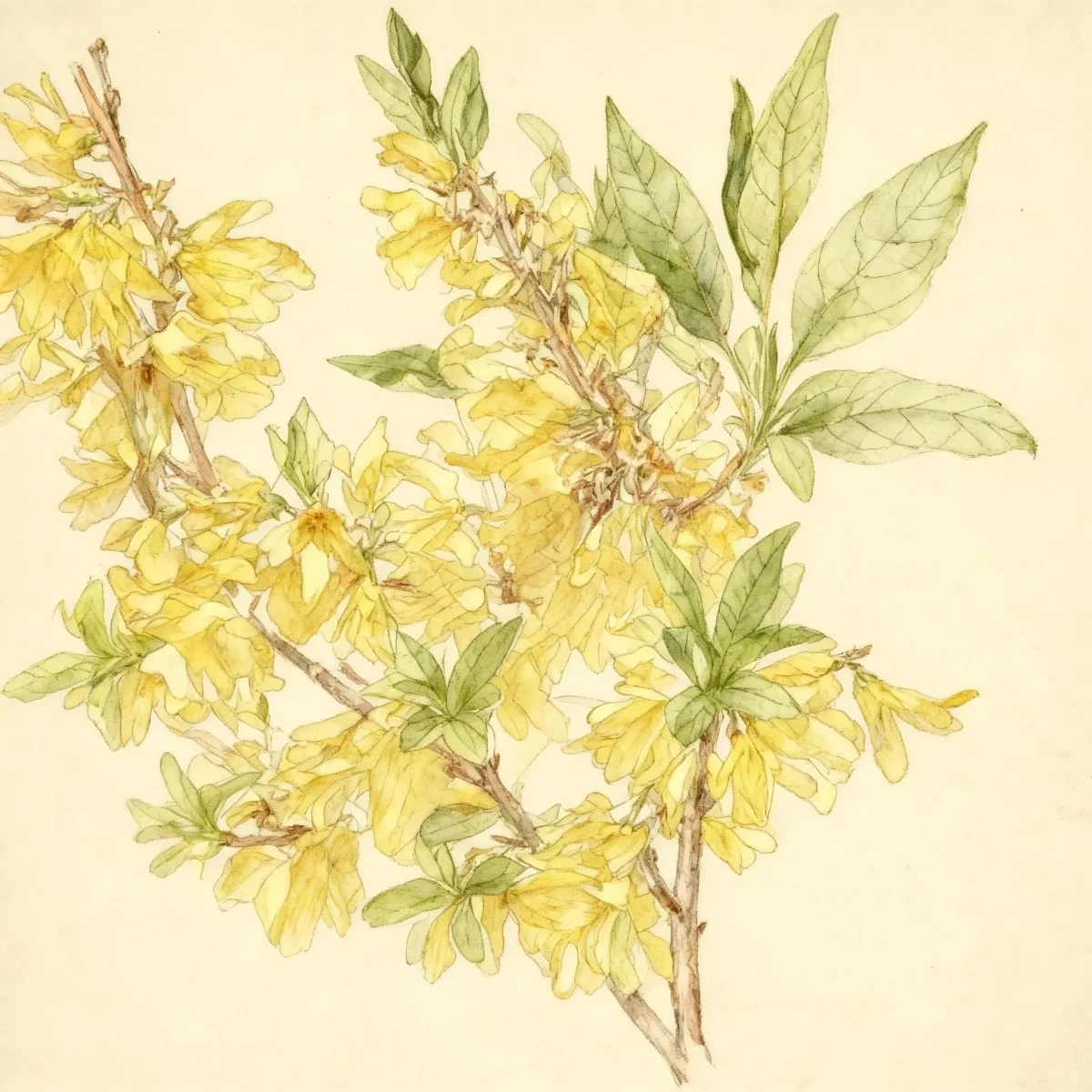
White forsythia (Abeliophyllum distichum)
Abeliophyllum distichum offers striking early white blooms. This low-maintenance shrub is ideal for borders.
Scroll down to discover growing tips, care requirements, companion plants, and more
Complete Plant Information
Overview
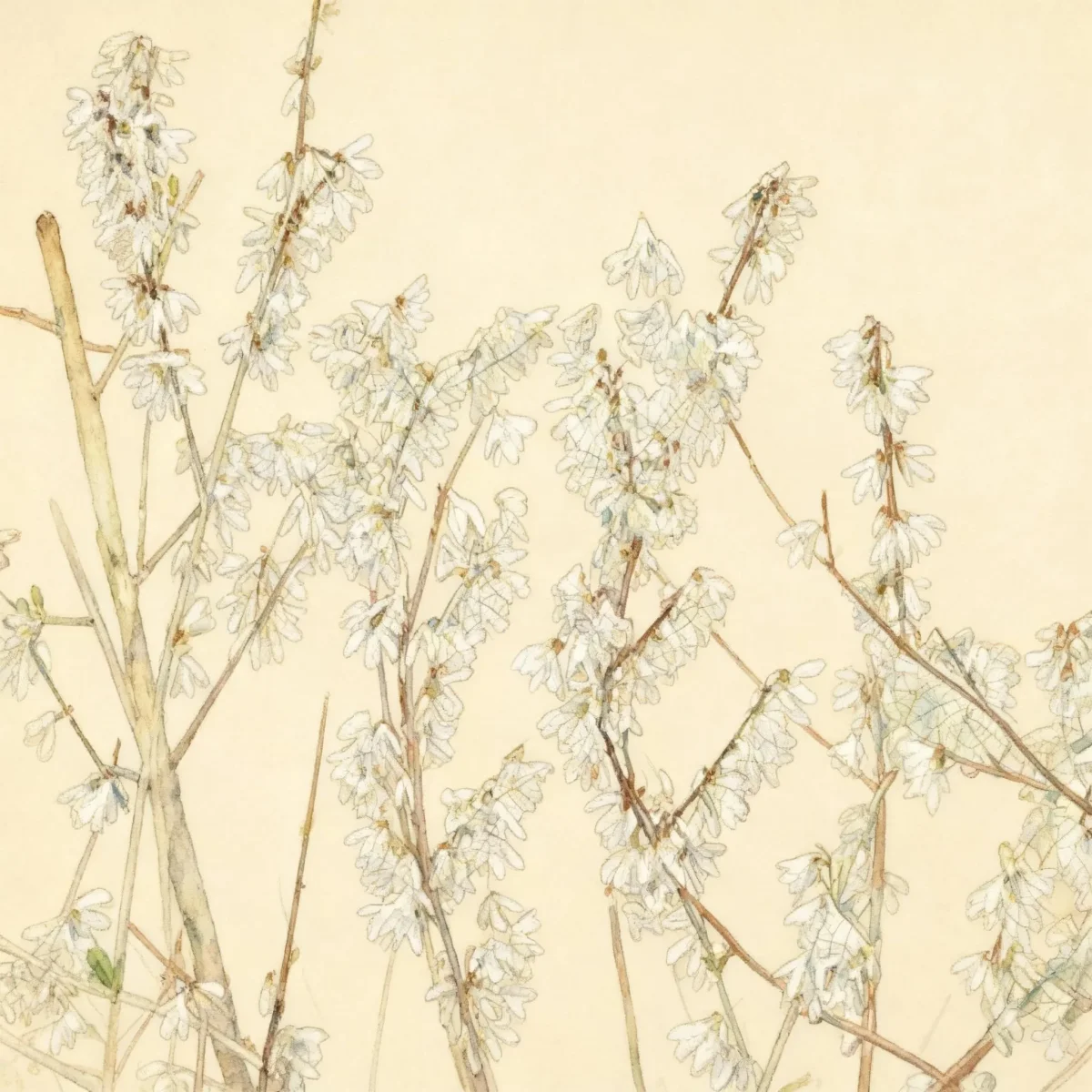
The White forsythia, botanically known as Abeliophyllum distichum, provides a critical early spring display when most other shrubs remain dormant. This rapid-growing, deciduous shrub puts on a stunning performance, covering its bare branches with clusters of slightly fragrant, four-petaled white flowers before the leaves emerge. Its timing is often slightly earlier than its more famous yellow-flowering relatives.
Abeliophyllum distichum forms an attractive, rounded shape, maturing at 3 to 5 feet tall with a similar spread. While it offers a spectacular spring show, its summer foliage is unassuming, meaning it serves best where its early bloom can be highlighted. This plant is valued for its low maintenance and dependable flowering habit in adaptable conditions.
Gardeners seeking an unusual early bloomer that contrasts nicely with traditional yellows should consider adding Abeliophyllum distichum to the landscape. It establishes easily and requires only basic attention once sited correctly, rewarding the gardener with scent and color long before the garden awakens fully.
Fast Facts
- Plant Family: Oleaceae
- Plant Type: Deciduous shrub
- Native Range: Korea
- Hardiness Zones: USDA Zones 5-8
- Size at Maturity:
- Height: 3-5 ft
- Spread: 3-4 ft
- Bloom Time: March to April
- Bloom Description: White, sometimes with a pink tinge
- Sun Exposure: Full sun to part shade
- Water Needs: Medium
- Maintenance Level: Low
How to Grow
Abeliophyllum distichum thrives in average, well-drained soil, which is crucial for long-term health. Plant in the spring or fall, ensuring the shrub receives full sun for the most profuse blooming, although it will tolerate light shade. If planting a hedge, space plants according to the spread specifications to allow for full development.
Water needs are medium; while the White forsythia tolerates some drought once established, avoid wet or soggy conditions, as drainage is essential. Fertilize sparingly, if at all, as it is easily grown in average soils. Avoid heavy feeding, which can encourage excess leafy growth at the expense of flowers.
Pruning must be managed carefully. Because flower buds for the following year form on the current year’s growth, you must prune Abeliophyllum distichum immediately after its bloom period concludes in the spring. For maintaining an attractive shape or controlling size on hedges, conduct necessary thinning every three to four years during this same short window.
Landscape Uses
The primary application for White forsythia is capturing that essential early spring color. It excels when grouped together, allowing the dense clusters of white flowers covering the naked stems to create a substantial visual impact early in the season. Planting it near bright yellow forsythias creates an excellent complementary study in early spring color palettes.
This shrub performs well in a standard mixed shrub border where its temporary spring brilliance is offset by summer greenery from other plants. While recommended as a hedge, remember that its aesthetic value declines post-bloom, so avoid placing it in a highly prominent specimen location where year-round structure is needed. Its manageable size also suits foundational plantings near buildings, provided drainage remains excellent.
Standout Features
Flower Qualities
- Showy
- Fragrant
- Good Cut
Noteworthy Characteristics
Abeliophyllum distichum, commonly called white forsythia, is a round, deciduous shrub with a multi-stemmed habit. It is grown primarily for its very early, often profuse, spring bloom which consists of dense axillary clusters of white flowers which open from purple buds in late March before the leaves unfold. After blooming, the medium green foliage is generally unremarkable and produces little if any fall color.
Potential Problems
This plant generally suffers from no serious insect or disease problems, making it a relatively worry-free addition to the garden when cultural needs, especially soil drainage, are met. Vigilance in pruning timing remains the most crucial management task.
Frequently Asked Questions
What hardiness zones is White forsythia suitable for?
The Abeliophyllum distichum is suitably hardy for planting within USDA Zones 5 through 8.
How large does White forsythia grow?
This shrub typically reaches a mature height between 3 and 5 feet tall, with a spread ranging from 3 to 4 feet, maintaining a multi-stemmed, rounded habit.
When does White forsythia bloom?
The bloom time for Abeliophyllum distichum is early spring, usually occurring from March into April, showcasing white flowers sometimes tinged with pink.
Companion Planting
To ensure the Abeliophyllum distichum shines in the landscape, pair it with plants that emerge later, allowing the white forsythia to dominate the early scene. Spring ephemerals work well under its canopy before leaf-out, such as daffodils, crocuses, or early blooming tulips. Once the foliage of the White forsythia emerges, groundcovers that handle partial shade well, like Ajuga or Vinca minor, can anchor the base of the planting.
Because this shrub appreciates well-drained soil and medium moisture, select companions that share similar cultural needs rather than demanding constant moisture or arid conditions. Avoid planting it directly against moisture-loving perennials that might compromise the aeration the shrub requires during its non-bloom season.
Seasonal Care Calendar
Spring is the most critical season for this plant. As soon as flowering finishes in April, make any necessary pruning cuts to shape the shrub or remove crossing branches. This timing ensures that wood for next year’s flowers is set properly. Beyond the bloom, only supplemental watering might be required during extended summer droughts.
During late fall and winter, Abeliophyllum distichum requires minimal intervention. Protect the structure by ensuring snow loads are not excessive, though generally, this deciduous shrub is quite hardy in its designated zones. Avoid heavy mulching directly against the stems, which can encourage rot.
Conclusion
The Abeliophyllum distichum offers gardeners a valuable, low-maintenance option for jump-starting the spring garden with fragrant white blossoms preceding many other bloomers. Ensure you site your White forsythia where soil drains well and plan your pruning schedule around immediate post-bloom timing. Before planting, confirm your local hardiness zone falls within USDA 5 to 8 compatibility.