Weeping forsythia (Forsythia suspensa)
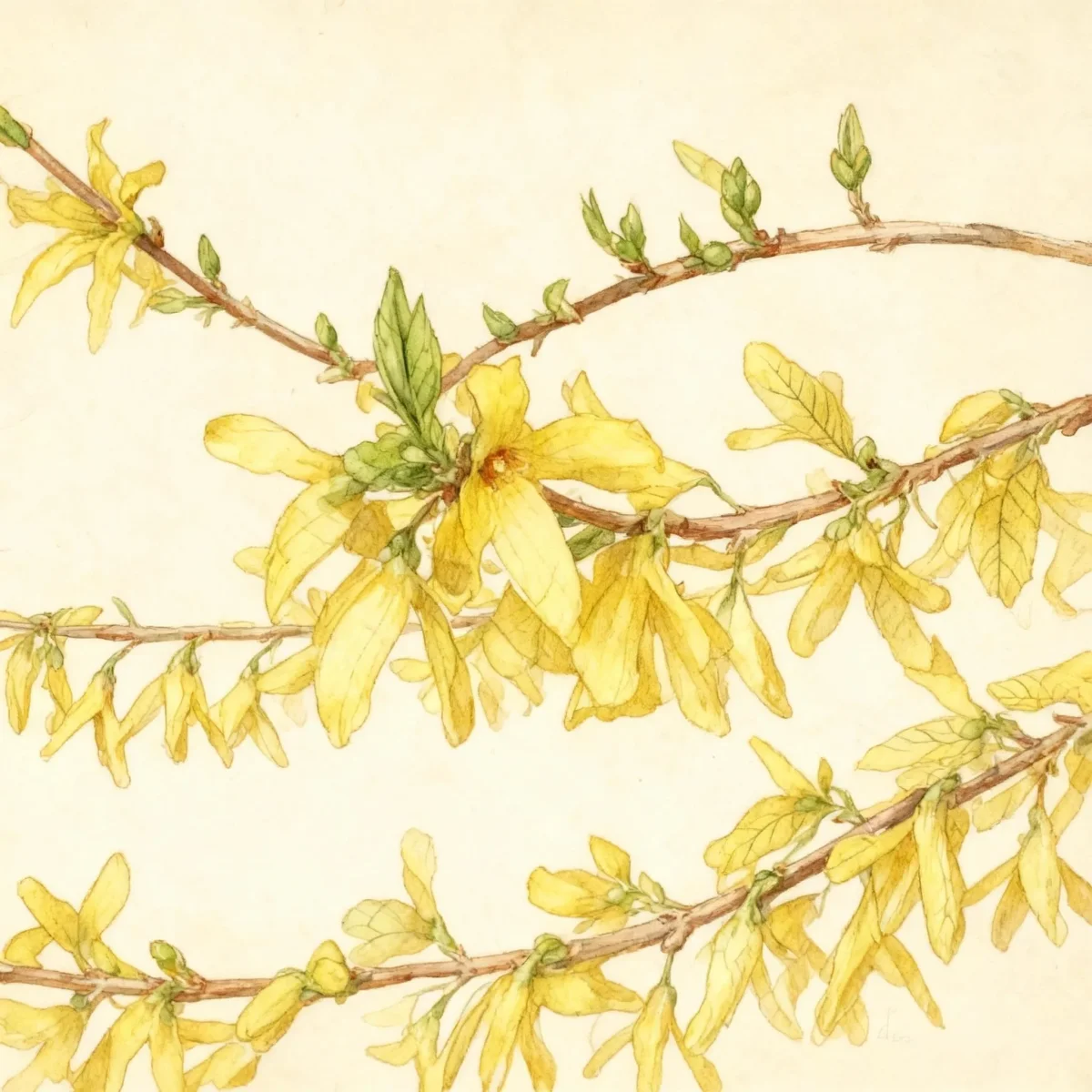
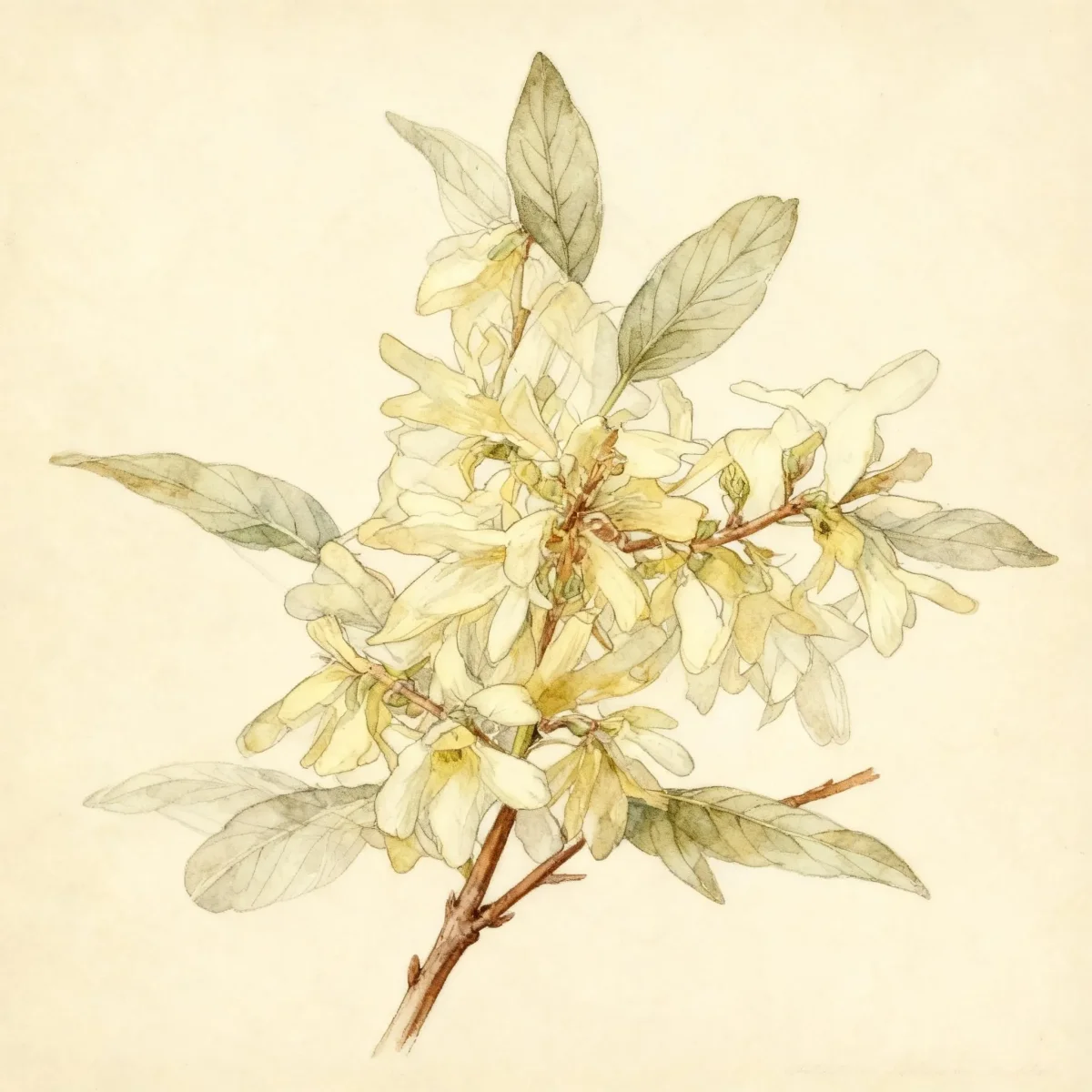
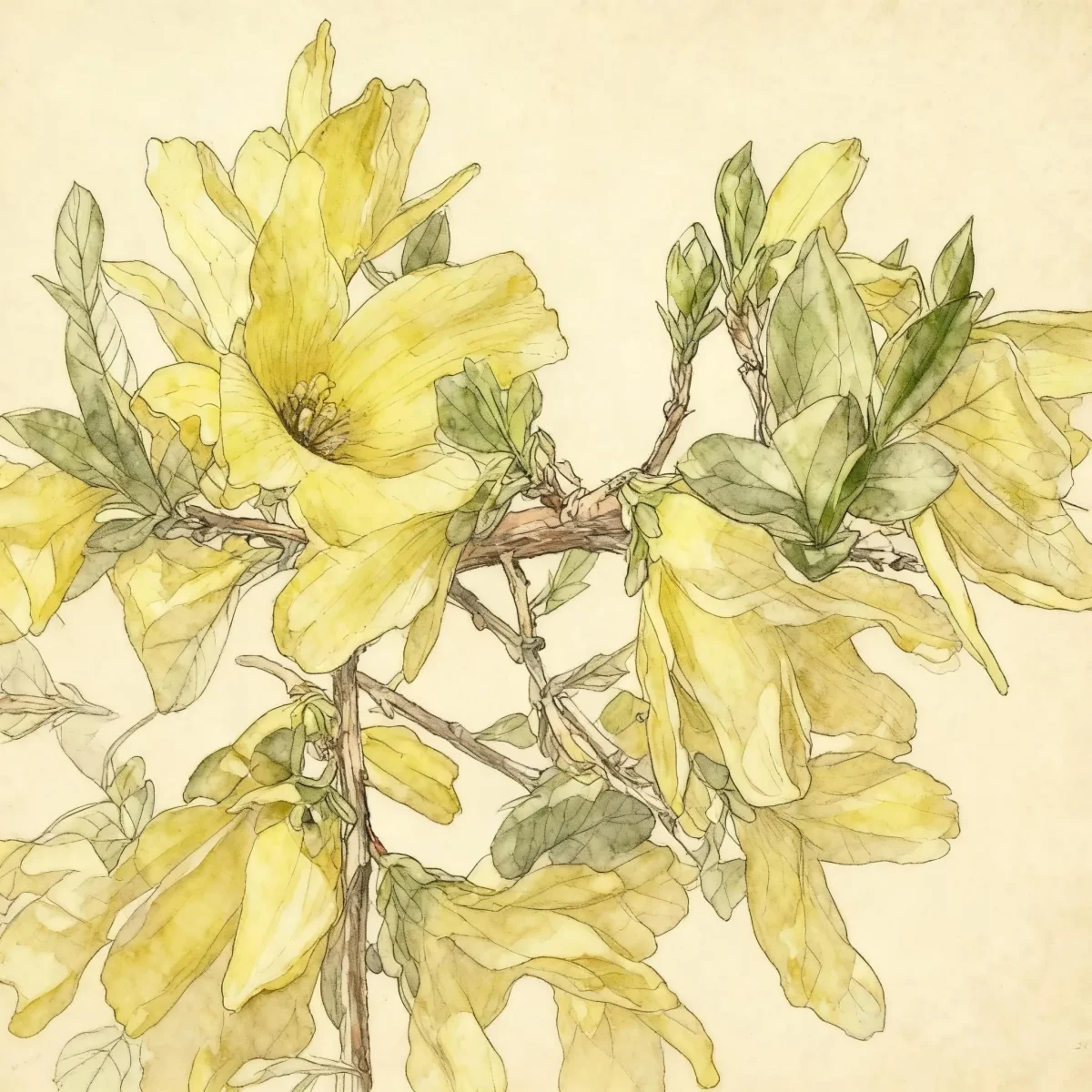
Discover the elegance of Weeping forsythia (Forsythia suspensa), known for profuse yellow blooms and graceful, arching branches.
Scroll down to discover growing tips, care requirements, companion plants, and more
Complete Plant Information
Overview
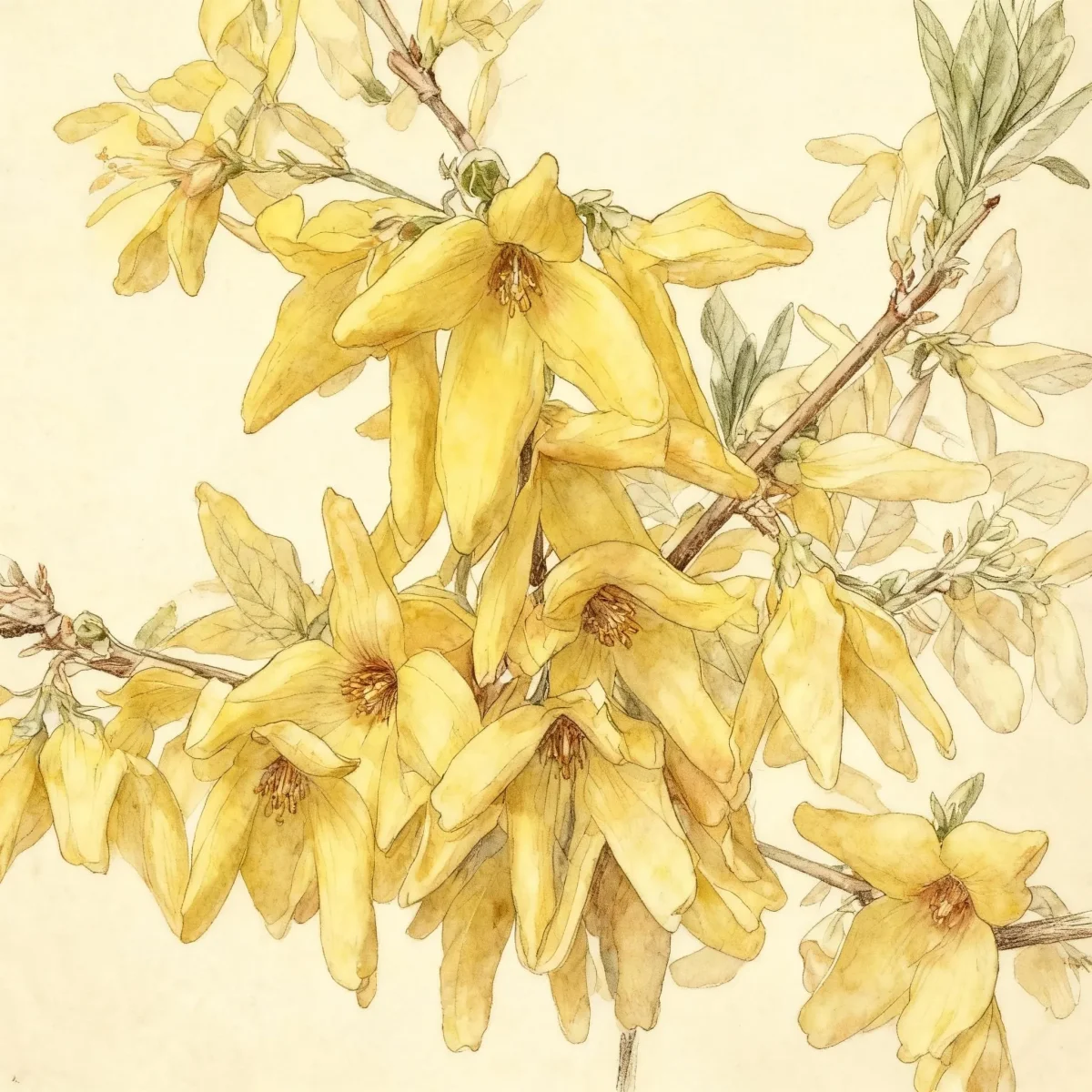
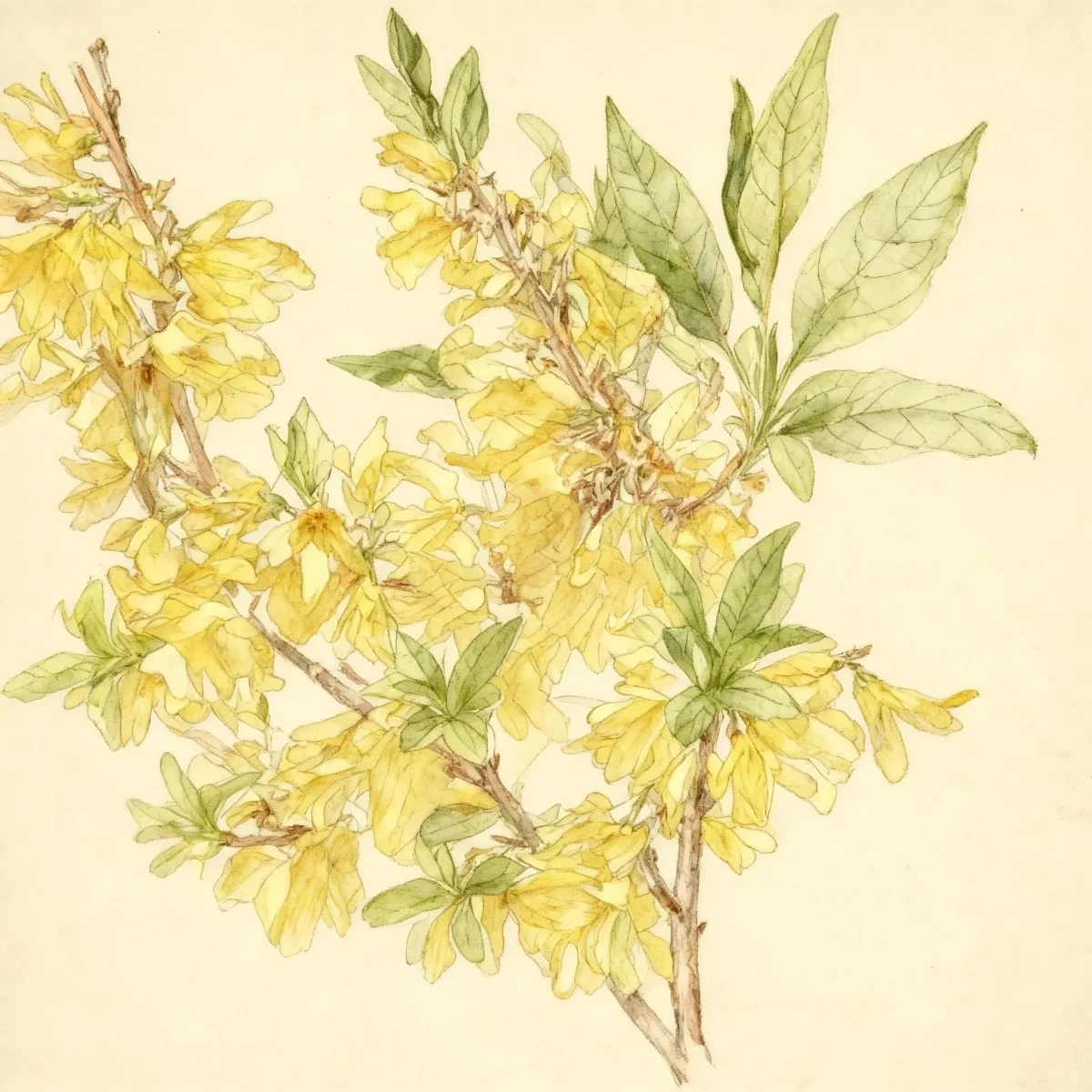
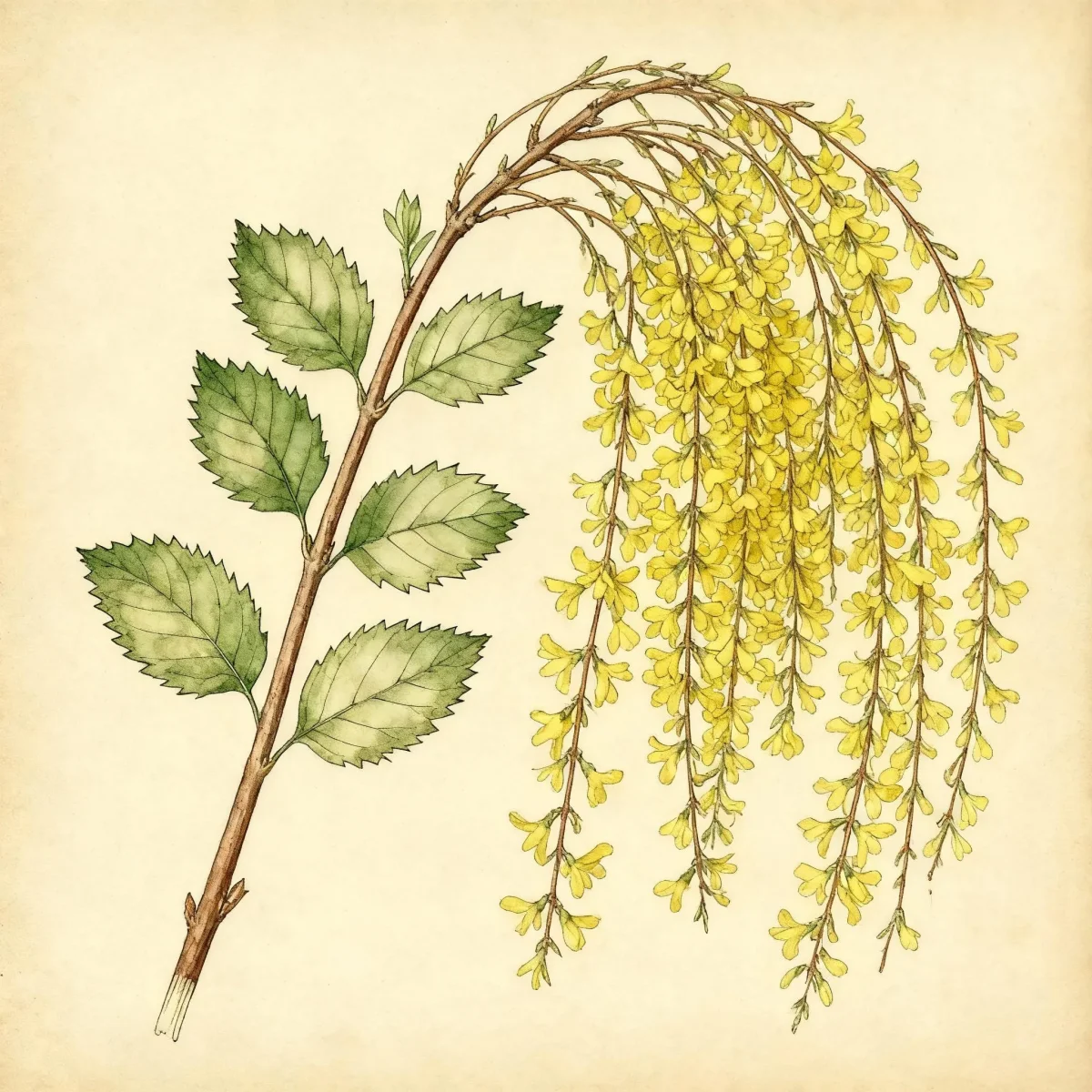
The Weeping forsythia, scientifically known as Forsythia suspensa, is a garden masterpiece, renowned for being one of the earliest shrubs to herald spring with a spectacular display of bright yellow flowers. Unlike its more upright cousins, this variety is distinguished by its graceful, arching branches, which create a cascading or weeping effect in the landscape. This shrub offers minimal maintenance while delivering maximum early-season visual impact, making Forsythia suspensa highly valued by gardeners.
This deciduous shrub thrives across a wide range of conditions but performs best when sited to allow its branches room to cascade or hang, especially over walls or banks. Its flowers emerge vigorously before the leaves, providing a welcome burst of color in late winter or early spring. Gardeners looking for dependable early color and unique structure should strongly consider adding the Weeping forsythia to their collections.
Fast Facts
- Plant Family: Oleaceae
- Plant Type: Deciduous shrub
- Native Range: China
- Hardiness Zones: USDA Zones 5-8
- Size at Maturity:
- Height: 6-10 ft
- Spread: 6-10 ft
- Bloom Time: March to April
- Bloom Description: Yellow
- Sun Exposure: Full sun to part shade
- Water Needs: Medium
- Maintenance Level: Low
How to Grow
Plant Forsythia suspensa in the spring or fall in average to well-drained soils. While it adapts to a wide soil range, full sun exposure is crucial to maximize the profusion of its golden flowers, although it tolerates partial shade. Good drainage is key, especially when establishing the shrub in heavier clay soils.
Water needs for this species are medium; ensure consistent moisture during establishment. Fertilization is rarely necessary for established shrubs. The most important cultural task is pruning, which should be done immediately following the spring flowering period. Pruning options range from simple thinning of old stems for shaping to hard cutting back to the ground if revitalization is needed.
A unique characteristic of the Weeping forsythia is its tendency to root where its weeping branches contact the ground, which allows it to colonize areas over time if left undisturbed. Be mindful of this habit when placing it near walkways or property lines. Due to its early bloom time, gardeners in colder zones should watch for late freezes that might damage the flower buds after winter dormancy breaks.
Landscape Uses
The distinctive weeping habit of Forsythia suspensa makes it an outstanding structural element in the landscape. It is fantastic when massed on slopes or banks, where the flowing branches visually soften hard edges and help control erosion. Furthermore, planting the Weeping forsythia near a wall or elevated bed allows the branches to cascade downward, creating a dramatic, sweeping screen of yellow color.
Beyond its use on slopes, this shrub is highly effective when used informally as a hedge or as an accent specimen where its unique silhouette can be appreciated. It integrates well into woodland theme gardens, naturalizing happily in sunny open areas. Groupings in borders provide unbeatable early spring impact before many other woody plants begin to awaken.
Standout Features
Flower Qualities
- Showy
Noteworthy Characteristics
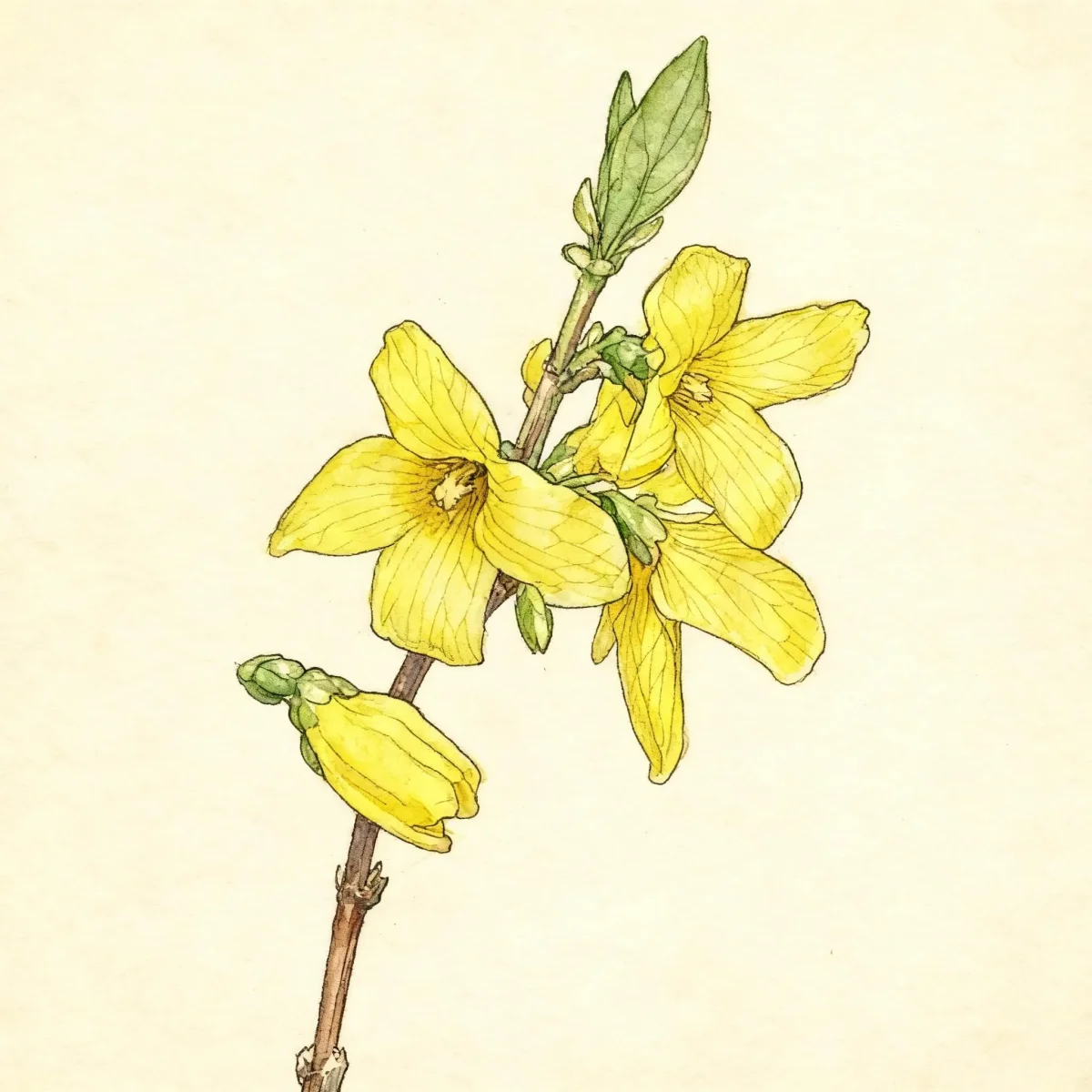
Forsythia suspensa, commonly called weeping forsythia, is an upright, arching, deciduous shrub most noted for its weeping habit. Golden 4-petaled flowers appear in profusion before the foliage in late winter to early spring, making it a true harbinger of spring. This species is native to China and is one of the parents of the popular Forsythia x intermedia hybrids.
Tolerances
- Deer
- Clay Soil
- Black Walnut
Potential Problems
Generally, Forsythia suspensa is robust and does not suffer from serious insect or disease issues. However, gardeners should monitor for a slight susceptibility to fungal issues like leaf spot or the bacterial disease crown gall, particularly in overly wet or poorly ventilated conditions. While the shrub itself is vegetatively winter hardy into Zone 5, gardeners in the cooler edge of its range must be prepared for the possibility that late winter cold snaps or unexpected freezes can damage or kill the flower buds, resulting in delayed or reduced spring bloom.
Frequently Asked Questions
What hardiness zones is Weeping forsythia suitable for?
Forsythia suspensa is typically hardy in USDA Zones 5 through 8.
How large does Weeping forsythia grow?
This shrub usually reaches a height and spread between 6 and 10 feet at maturity, though its weeping branches can be trained upward.
When does Weeping forsythia bloom?
The Weeping forsythia generates its abundant yellow flowers primarily between March and April, preceding the emergence of leaves.
What sun exposure does Weeping forsythia need?
For the best flowering display, Forsythia suspensa requires full sun, though it will tolerate partial shade.
Conclusion
The Forsythia suspensa, or Weeping forsythia, is an indispensable early-spring bloomer, offering vivid yellow color and unique structural interest with its gracefully arching branches. Its low maintenance needs and adaptability to various soil types make it a practical choice for many landscapes. Before planting, confirm your location falls within USDA Zones 5-8 and plan your pruning schedule immediately after flowering concludes.
Design Ideas
When integrating Forsythia suspensa into a mixed border, consider the plant material that follows the bloom. Because its flower show is brief, companion plants should provide substantial summer and fall interest. Look to later-blooming shrubs with contrasting foliage color, such as deep purple Smoke Bushes (Cotinus) or plants with blue flowers like Siberian Iris, which can complement the yellow when they begin to flower.
If using this plant as a foundational anchor against a structure, ensure adequate space is left for its natural spread. The dramatic drape of this particular forsythia works beautifully when juxtaposed against vertical elements like columnar evergreens or fences. Allowing the branches room to sprawl encourages the natural rooting habit, effectively creating a dense, informal screen over time.
Companion Planting
To ensure your early spring garden has continuous color, plant bulbs that emerge just before or concurrently with the Weeping forsythia. Daffodils (Narcissus), especially early-blooming varieties, bloom around the same time and their sturdy structure contrasts nicely with the fluid lines of the Forsythia suspensa. Once the forsythia finishes flowering, spring ephemerals like Bleeding Hearts (Dicentra) or low-growing Geraniums can fill in the diminishing light beneath its canopy.
Select companion plants that also tolerate low maintenance and the full sun to part shade conditions preferred by Forsythia suspensa. Avoid groundcovers that require heavy shade, as this will compete with the forsythia for light and may restrict its weeping branches from draping properly. For an informal cottage look, consider pairing it with early flowering Rhododendrons or Azaleas that appreciate similar slightly acidic soil conditions.