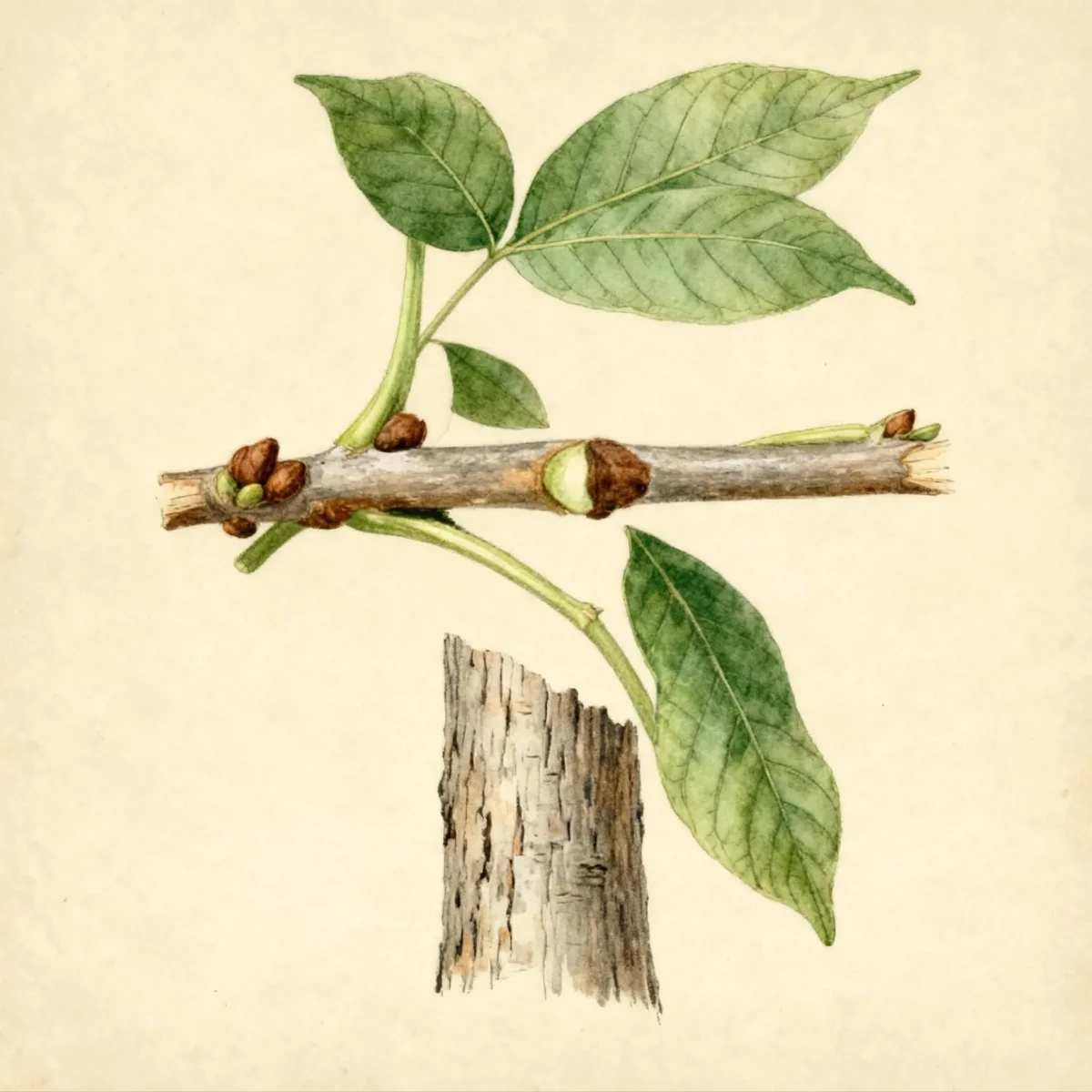
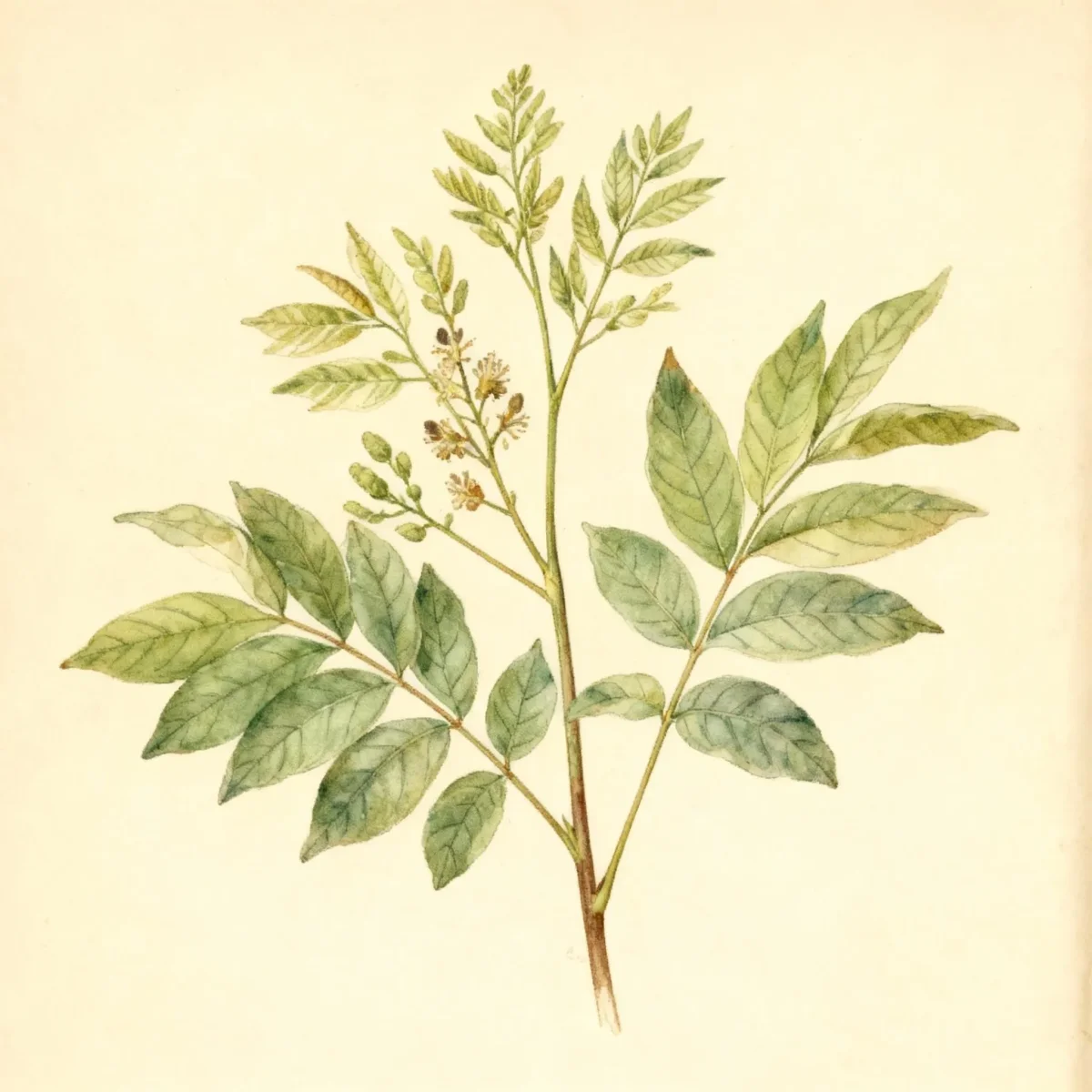
White ash (Fraxinus americana)
The majestic White ash (Fraxinus americana) is a towering native tree known for its robust shade and excellent timber value.
Scroll down to discover growing tips, care requirements, companion plants, and more
Complete Plant Information
Overview
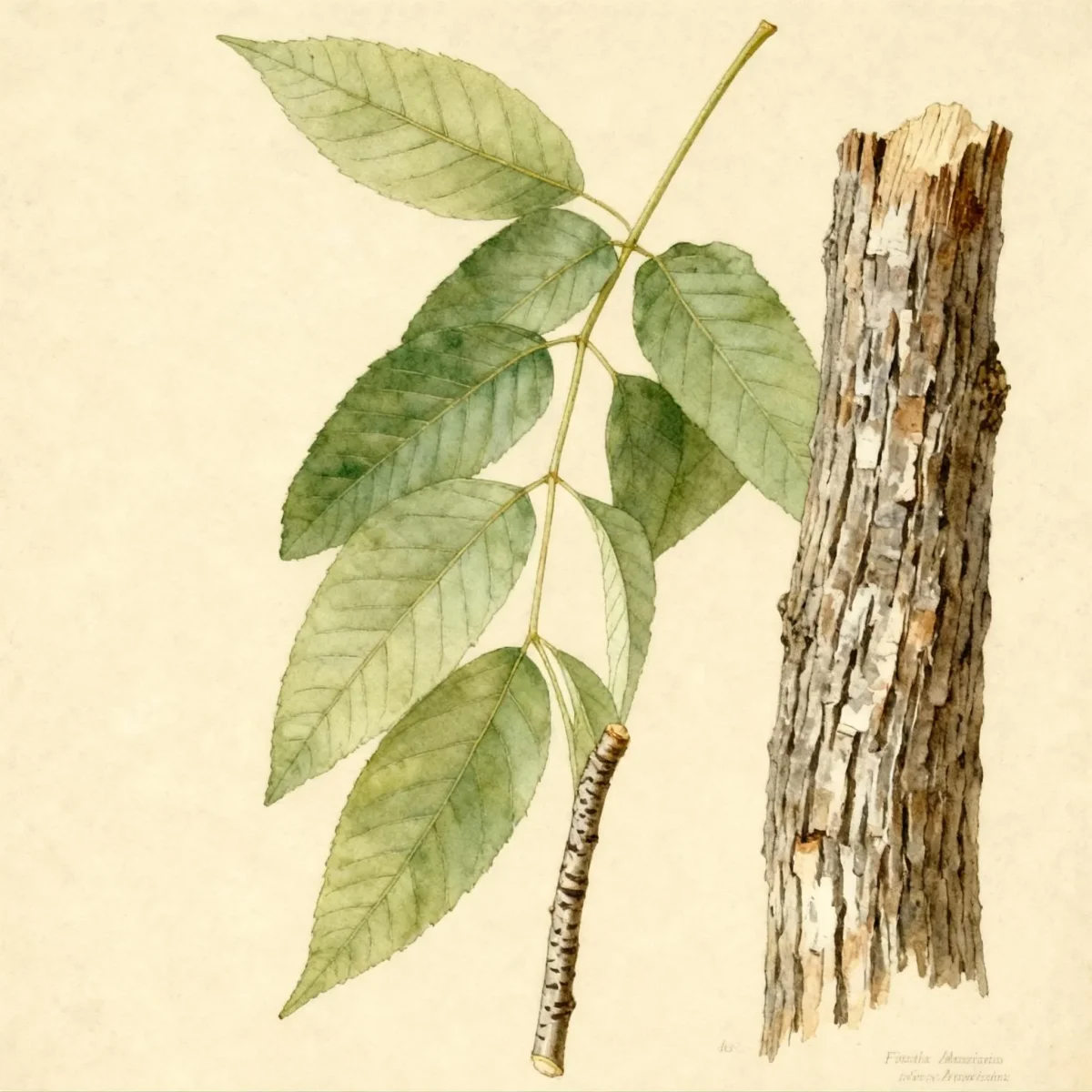
Fraxinus americana, widely known as White ash, stands as one of the largest and most iconic deciduous trees native to eastern North America. This species is highly valued for its dense canopy, offering exceptional shade that cools large landscapes quickly. Mature specimens display handsome, diamond-patterned gray bark, adding architectural interest year-round.
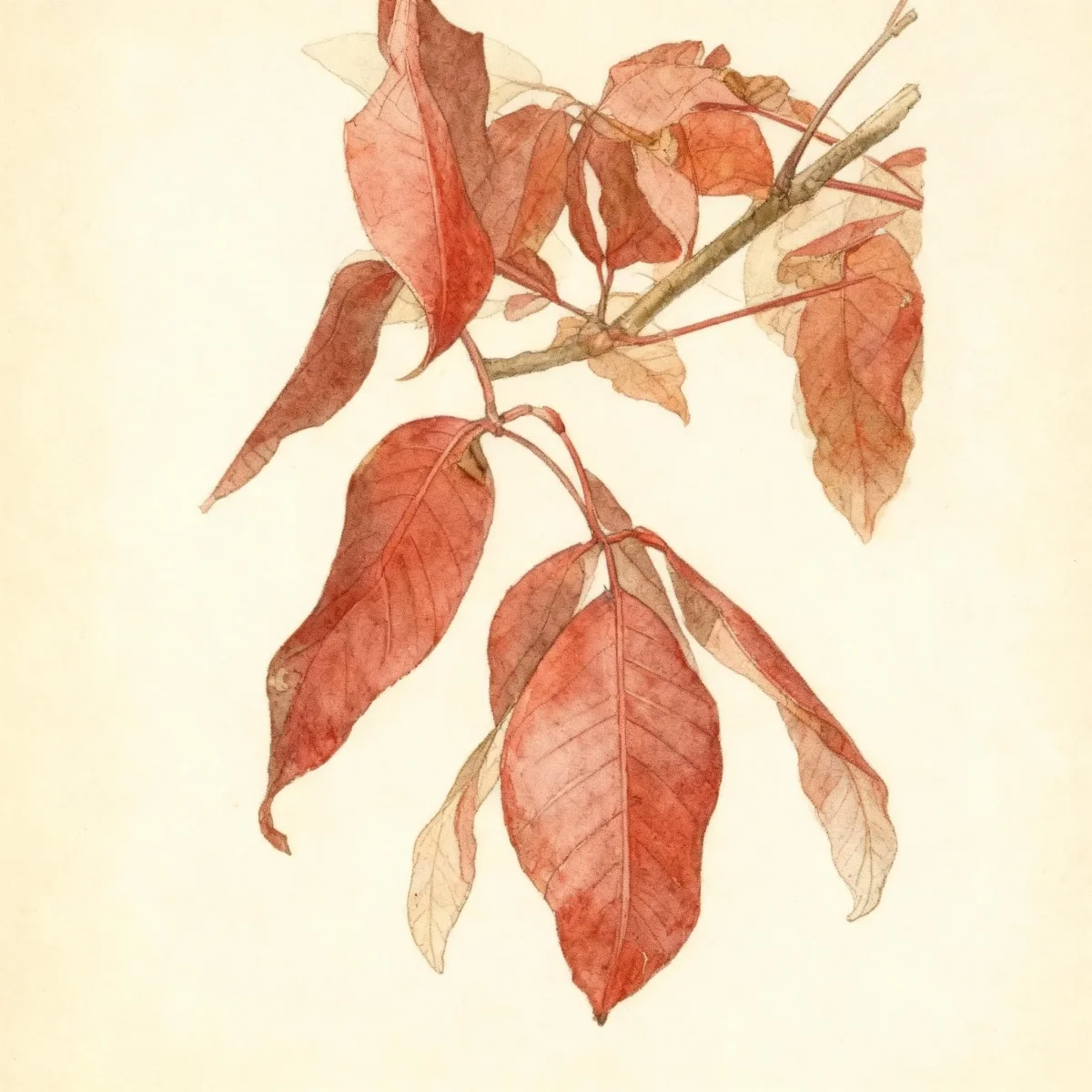
The White ash provides significant ecological and commercial value, historically utilized for strong hardwood applications like tool handles and sports equipment. It adapts well to various conditions common in urban settings, provided soil drainage is adequate. Its impressive stature and beautiful yellow-purple fall foliage make Fraxinus americana a truly commanding presence in the landscape when established.
Fast Facts
- Plant Family: Oleaceae
- Plant Type: Tree
- Native Range: Eastern North America
- Hardiness Zones: USDA Zones 3-9
- Size at Maturity:
- Height: 60-80 ft
- Spread: 60-80 ft
- Bloom Time: April to May
- Bloom Description: Purplish
- Sun Exposure: Full sun
- Water Needs: Medium
- Maintenance Level: Medium
How to Grow
Planting of Fraxinus americana should ideally occur in spring or fall, allowing the root system time to establish before the stress of summer heat or deep winter freezes. This tree thrives best when sited in deep, moist, organically rich soils that are well-drained. Ensure the location offers full sun exposure for optimal growth and structural integrity.
Once established, White ash exhibits moderate drought tolerance, although consistent, medium moisture levels are preferred, especially during dry spells. Avoid placing this large species where it will be exposed to constant, strong winds, as the branches can be brittle. It tolerates neutral to slightly alkaline soil pH levels well.
Pruning mature white ash should generally focus on removing dead, diseased, or crossing branches to maintain an open canopy structure. Given potential landscape siting issues with strong winds, inspecting branches seasonally is advisable. Fertilization should be approached cautiously, primarily focusing on soil amendment to encourage healthy growth rather than heavy synthetic feeding.
Landscape Uses
Historically, Fraxinus americana was a primary choice for large-scale landscape applications requiring substantial overhead coverage. It functioned excellently as a stately shade tree in expansive lawns or as a prominent street tree lining boulevards and parkways, showcasing its tolerance for urban conditions.
Due to severe threats from invasive pests, planting new specimens is strongly discouraged today. However, in settings where existing, mature White ash trees are maintained, they anchor large park designs or serve as woodland edge specimens. Companion planting should consider its large mature size and its need for medium water, favoring other robust, native deciduous trees that share similar cultural needs.
Standout Features
Flower Qualities
- Showy
Noteworthy Characteristics
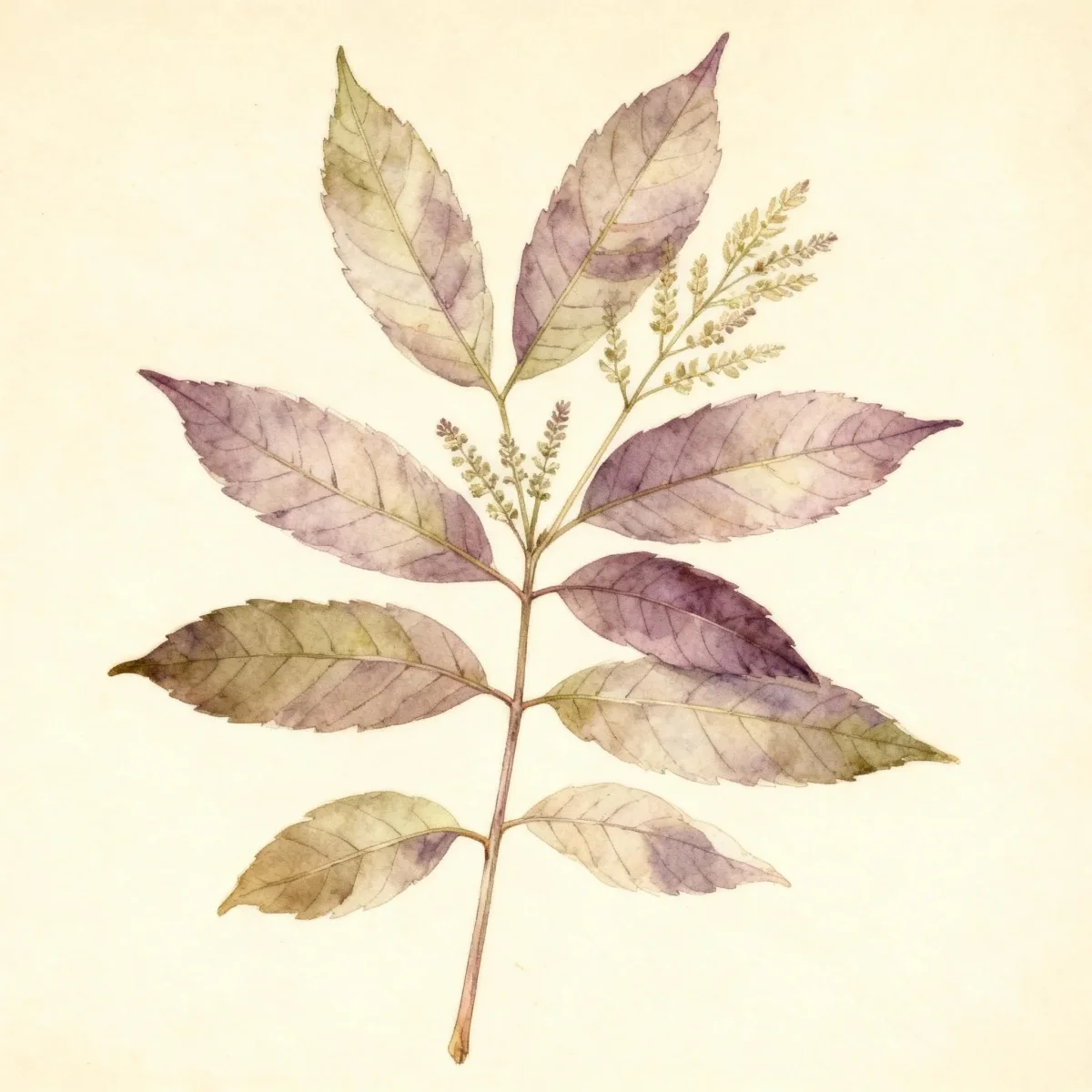
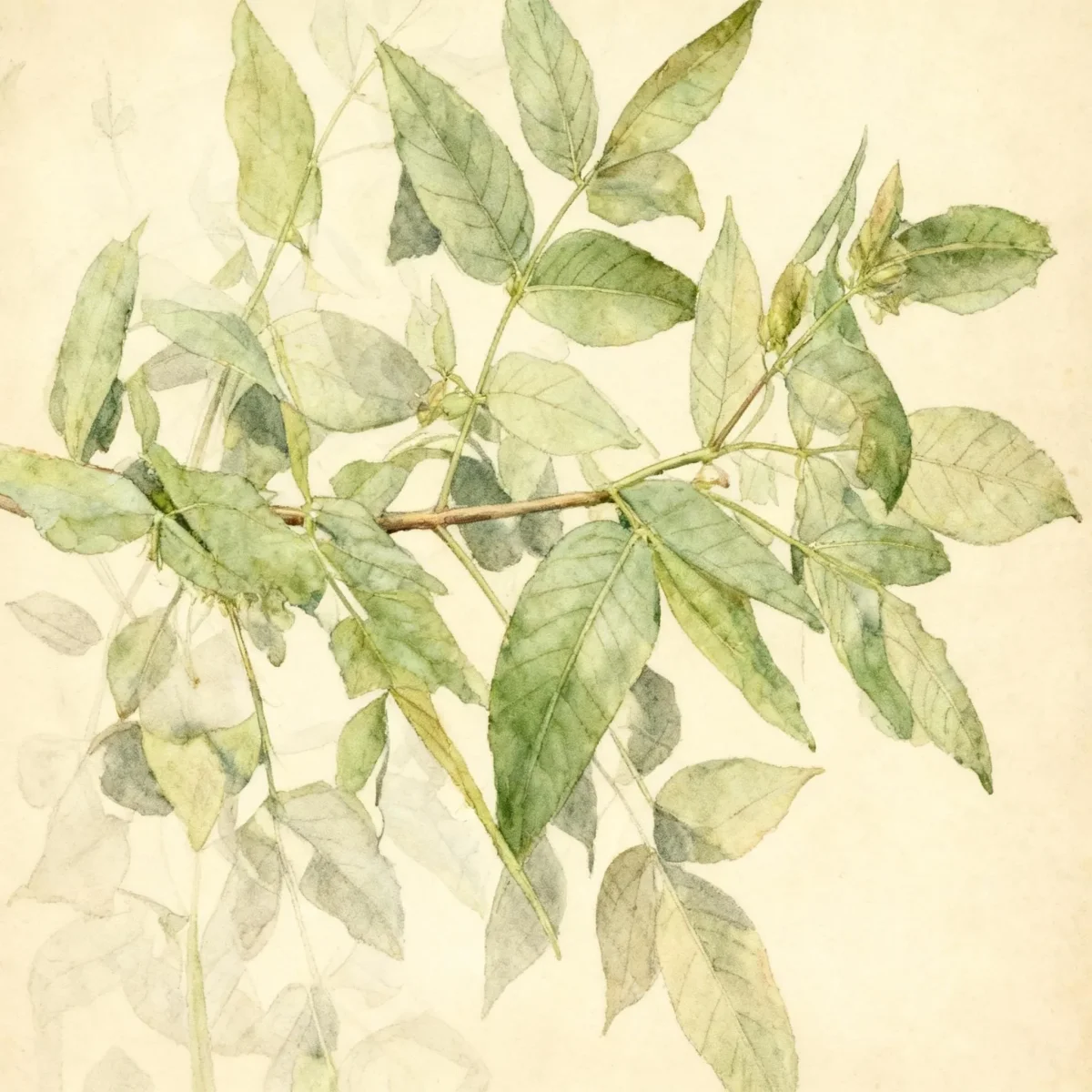
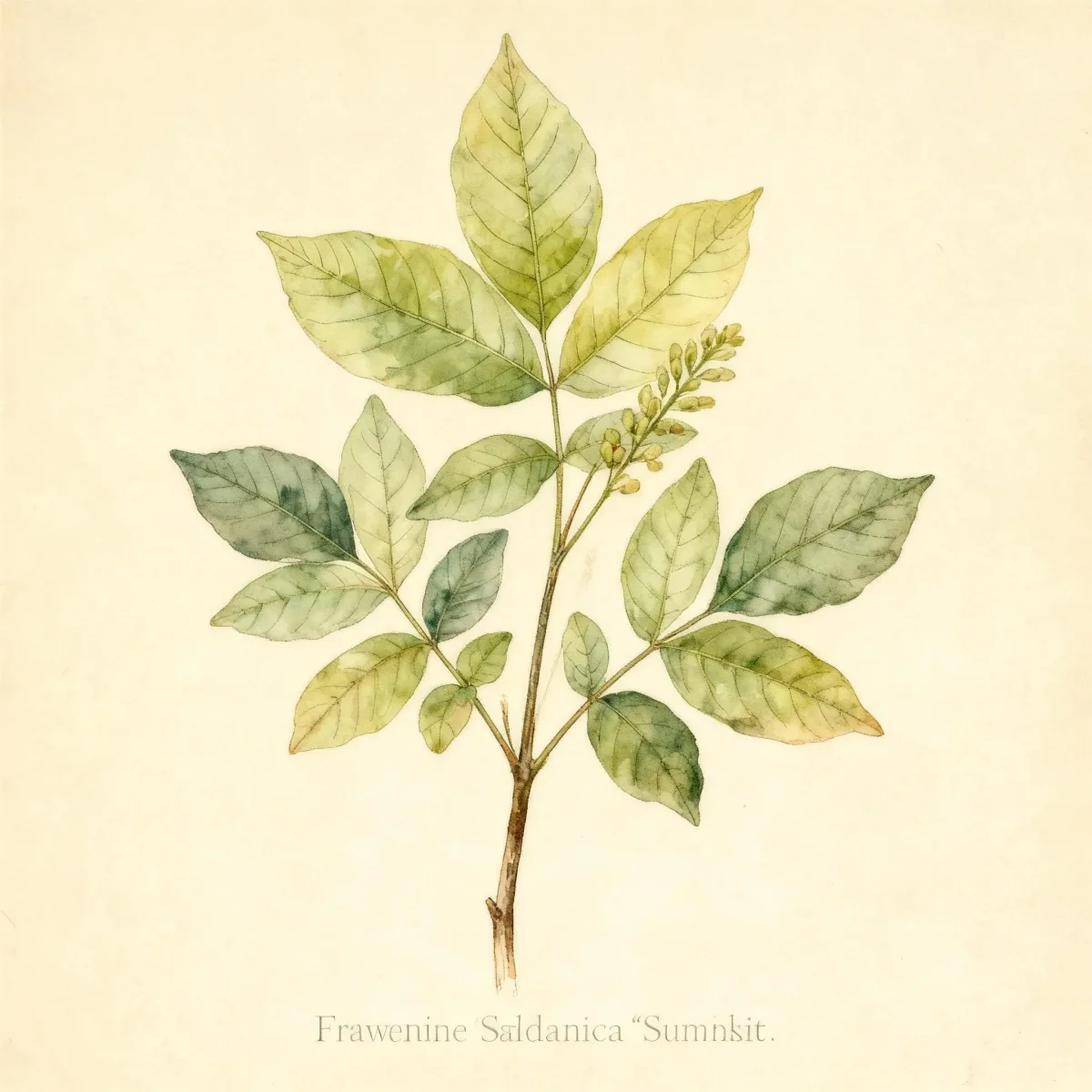
Fraxinus americana, commonly called white ash, is native to eastern North America. In Missouri, it typically occurs in dry and rocky upland woods, glades and moist low woods along streams, bluffs and slopes throughout the state (Steyermark). This is the largest of the native ashes, typically growing 60-80’ tall, maturing from a pyramidal shape to a rounded crown. The foliage emerges late, features 7 leaflets, and turns yellow with purple shading in autumn, offering seasonal color contrast.
Tolerances
- Deer
- Black Walnut
Potential Problems
The single greatest threat to White ash populations today is the Emerald Ash Borer (EAB), an invasive beetle from Asia. EAB larvae feed destructively beneath the bark, effectively girdling and killing most non-treated ash trees within three to five years of initial infestation. Once established, EAB management is extremely challenging and often requires intensive, ongoing chemical treatment programs.
Beyond EAB, Fraxinus americana is susceptible to various secondary pest and disease issues, including borers, scales, leaf miners, fungal leaf spots, and rusts. Additionally, the species is known for having somewhat brittle wood, making branches vulnerable to breakage during high winds, ice storms, or heavy snow loads. Gardeners must monitor for unusual dieback or canopy thinning, which may signal the onset of decline.
Frequently Asked Questions
What hardiness zones is White ash suitable for?
The adaptable White ash (Fraxinus americana) is suitable for USDA Zones 3 through 9.
How large does White ash grow?
This magnificent tree typically reaches a mature height between 60 to 80 feet tall, with a similar spread of 60 to 80 feet, creating substantial overhead canopy.
When does White ash bloom?
Clusters of purplish flowers appear on the tree in early spring, specifically between April and May, before the leaves fully emerge.
What sun exposure does White ash need?
For best health and growth, Fraxinus americana requires full sun exposure in the landscape.
Conclusion
The White ash remains a truly majestic, large native tree celebrated for its sturdy structure and reliable shade production. While recognizing the severe threat posed by the Emerald Ash Borer to Fraxinus americana necessitates rethinking new plantings, preserving existing mature specimens is crucial for ecological stability. Always verify current regional advisories regarding EAB management before attempting to care for or establish any ash tree.
Companion Planting
When designing a landscape where a large specimen tree like White ash is present, choosing companions that share the requirement for well-drained, organically rich soil is key. Consider understory trees or large shrubs that thrive in partial shade, as the mature canopy of Fraxinus americana will eventually create deep shade beneath its lower branches. Native flowering shrubs such as Witchhazel (Hamamelis) or Dogwoods (Cornus) that prefer rich woodland soils provide excellent textural contrast without competing heavily for light near the base.
For groundcover beneath the extensive drip line, focus on shade-tolerant perennials which often do well in the moist loam layers preferred by this tree. Hostas, ferns, and spring ephemerals like Bloodroot (Sanguinaria) can establish successfully under the canopy. These options value the consistent moisture afforded by this large tree without requiring intense maintenance or high alkalinity.
Design Ideas for Large Trees
For open park settings or very large properties, White ash excels as a specimen planting, meant to be viewed from a distance to observe its overall pyramidal-to-rounded silhouette. When used along property lines or planted in groves, they form a formidable, nearly impenetrable screen and windbreak over time due to their dense branching structure. The striking seasonal color change, transitioning to yellow-purple, also makes them excellent focal points in autumn plantings.
In modern ecological landscape design focusing on native diversity, mature ash trees, if healthy, serve as important canopy architects. Integrating them into mixed woodland plantings alongside Oaks and Maples helps preserve the stately, multi-layered look of Eastern North American forests. However, remember the extensive root system of Fraxinus americana; avoid placing shallow-rooted perennials or foundation plantings too closely.