Amur privet (Ligustrum amurense)
Ligustrum amurense, or Amur privet, is a fast-growing, dense deciduous shrub ideal for screens and hedges in cold climates.
Scroll down to discover growing tips, care requirements, companion plants, and more
Complete Plant Information
Overview
Ligustrum amurense, commonly known as Amur privet, is a highly valuable, fast-growing deciduous shrub prized for its adaptability, especially in cooler northern regions where many other hedging plants struggle. Native to Northern China, this dense, erect shrub provides excellent screening capabilities quickly reaching mature heights of 12 to 15 feet. While it produces fragrant, creamy-white flowers in late spring, its real value often lies in its structural contribution to the landscape, making it a superb choice for defining boundaries.
The Amur privet is known for its tolerance of various conditions, including urban pollution and dry spells once established, making the maintenance manageable for most gardeners. Although it is deciduous, it can remain semi-evergreen in milder winter areas, extending its visual appeal. Its rapid growth rate ensures that dense screens or hedges are established far sooner than with slower-growing species.
Gardeners looking for a robust, cold-hardy alternative for screening should strongly consider Ligustrum amurense. Its tolerance for difficult soils and urban settings cements its utility, providing reliable structure and adaptable good looks across USDA Zones 3 through 7.
Fast Facts
- Plant Family: Oleaceae
- Plant Type: Deciduous shrub
- Native Range: Northern China
- Hardiness Zones: USDA Zones 3-7
- Size at Maturity:
- Height: 12-15 ft
- Spread: 8-15 ft
- Bloom Time: May to June
- Bloom Description: Creamy white
- Sun Exposure: Full sun to part shade
- Water Needs: Dry to medium
- Maintenance Level: Medium
How to Grow
Plant Ligustrum amurense ideally in the spring, ensuring the location provides full sun to partial shade exposure for the best growth habit. This species thrives in average, dry to medium soils, provided they are well-drained; it strongly dislikes overly wet conditions. While adaptable to many soil types, amending heavy clay with organic matter will improve drainage, promoting overall vigor for your new Amur privet hedge or specimen.
Water young plants consistently until they are well-established, allowing the soil to dry slightly between waterings, reflecting its preference for dry to medium moisture levels. Established Ligustrum amurense exhibits excellent drought tolerance, requiring supplemental irrigation only during prolonged dry periods. Fertilizing is generally not essential but can be applied in early spring to encourage faster dense hedging growth.
Pruning management is key to maintaining the desired form. For hedges, you can prune in early spring before flowering if you do not mind sacrificing the blooms, or prune it 1 to 2 times during the summer to shape and encourage dense branching. Specimen plants require minimal pruning; simply address any crossing or damaged branches in the spring after flowering concludes. Be aware that unchecked growth in optimal conditions might lead Amur privet to naturalize heavily via self-seeding.
Landscape Uses
The suitability of Ligustrum amurense for hedges and screens is paramount, capitalizing on its dense, multi-stemmed structure and fast growth rate. When planted densely in a row, these shrubs quickly mature into an effective barrier, screening undesirable views or creating formal property divisions. They are also excellent used as robust shrub borders where a taller, informal screen is needed.
Beyond formal hedging, this plant excels when allowed to naturalize in less manicured settings, offering excellent winter hardiness in northern landscapes where other screening plants fail. Consider using groupings of Ligustrum amurense to create quick background structure in large borders, allowing their summer flowers to provide subtle texture against evergreens.
Because of its adaptable culture, the Amur privet pairs well with other hardy, large shrubs. When establishing hedges, space plants according to the intended use—closer together for a fast, dense screen, or further apart if individual specimen character is desired.
Standout Features
Flower Qualities
- Showy
- Fragrant
Fruit Qualities
- Showy
Noteworthy Characteristics
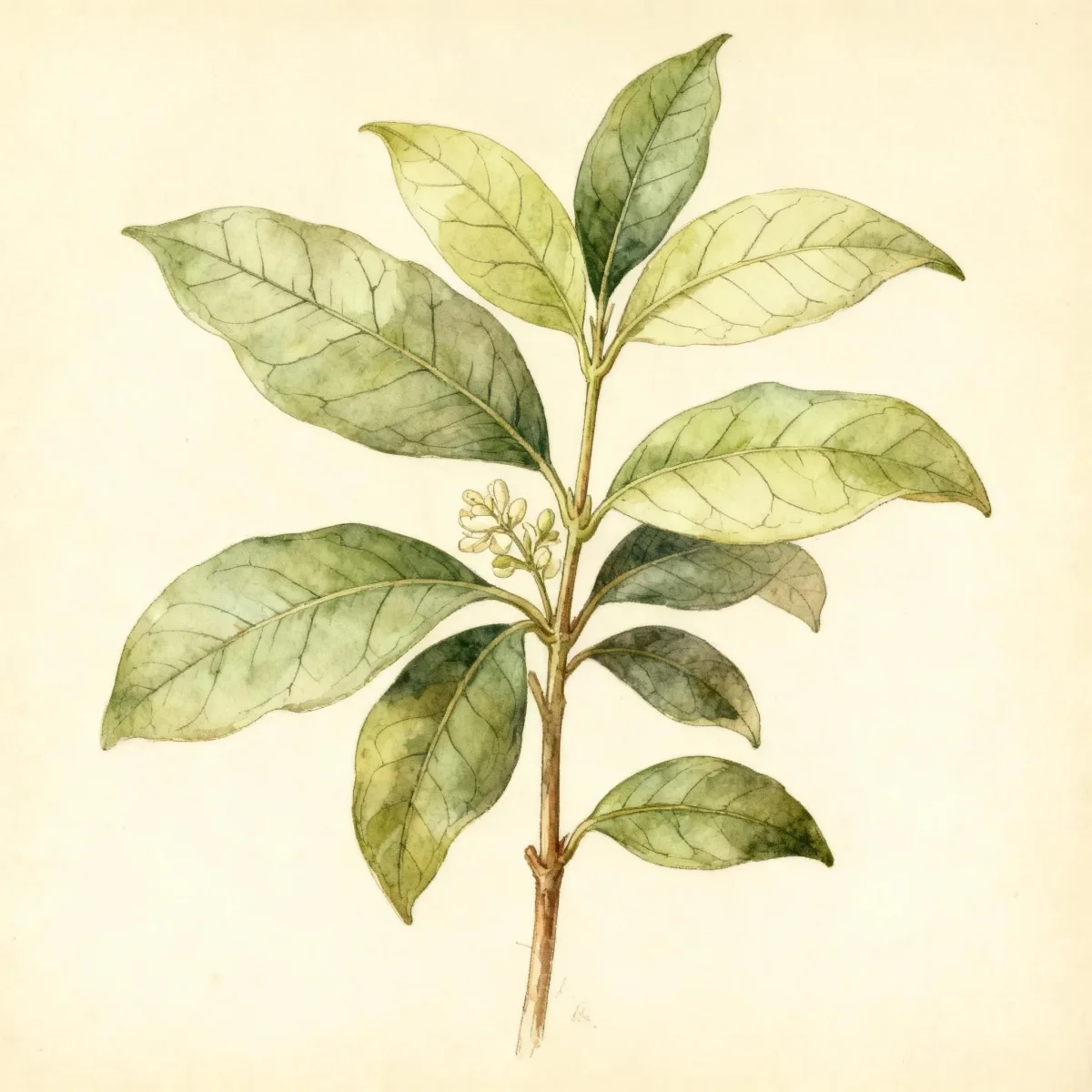
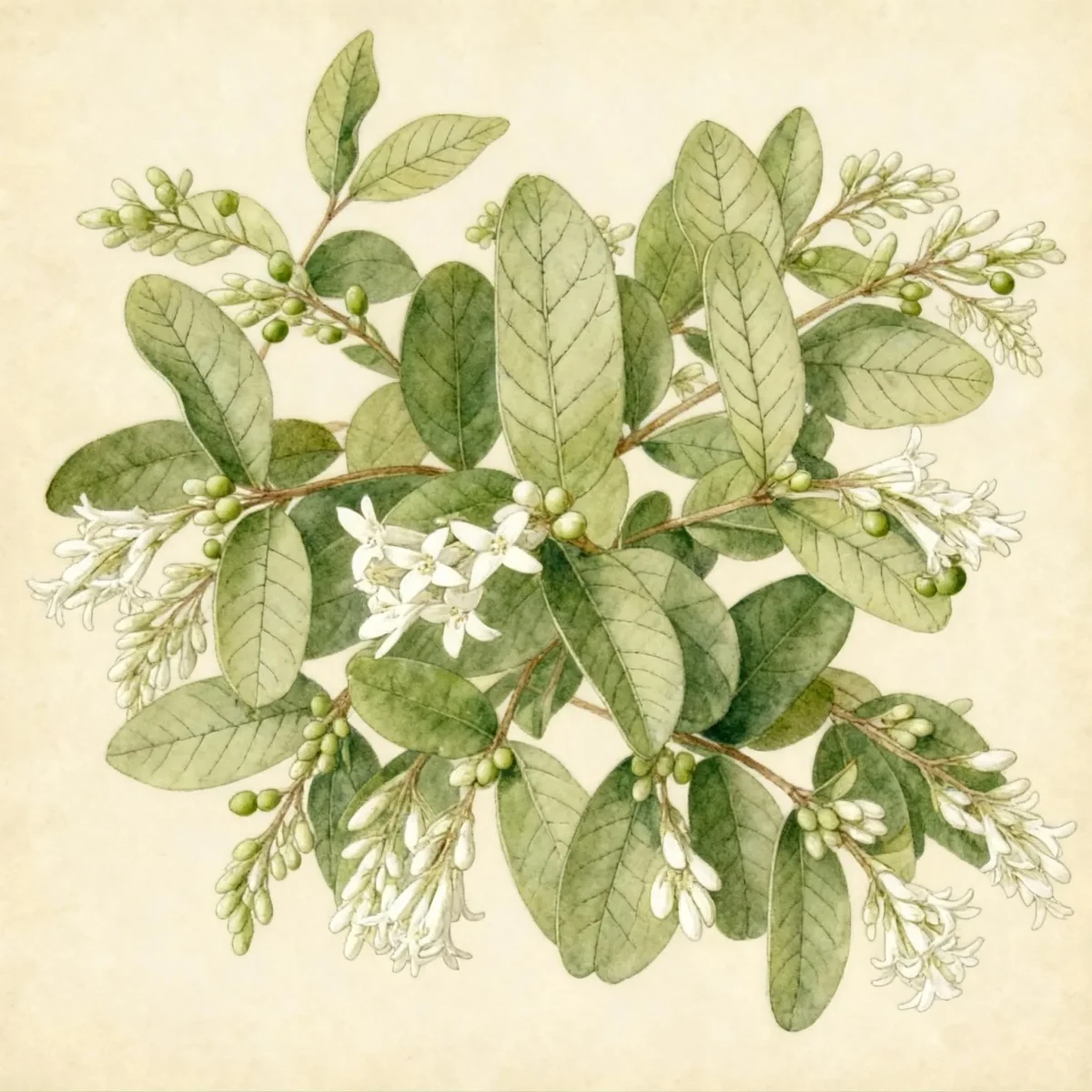
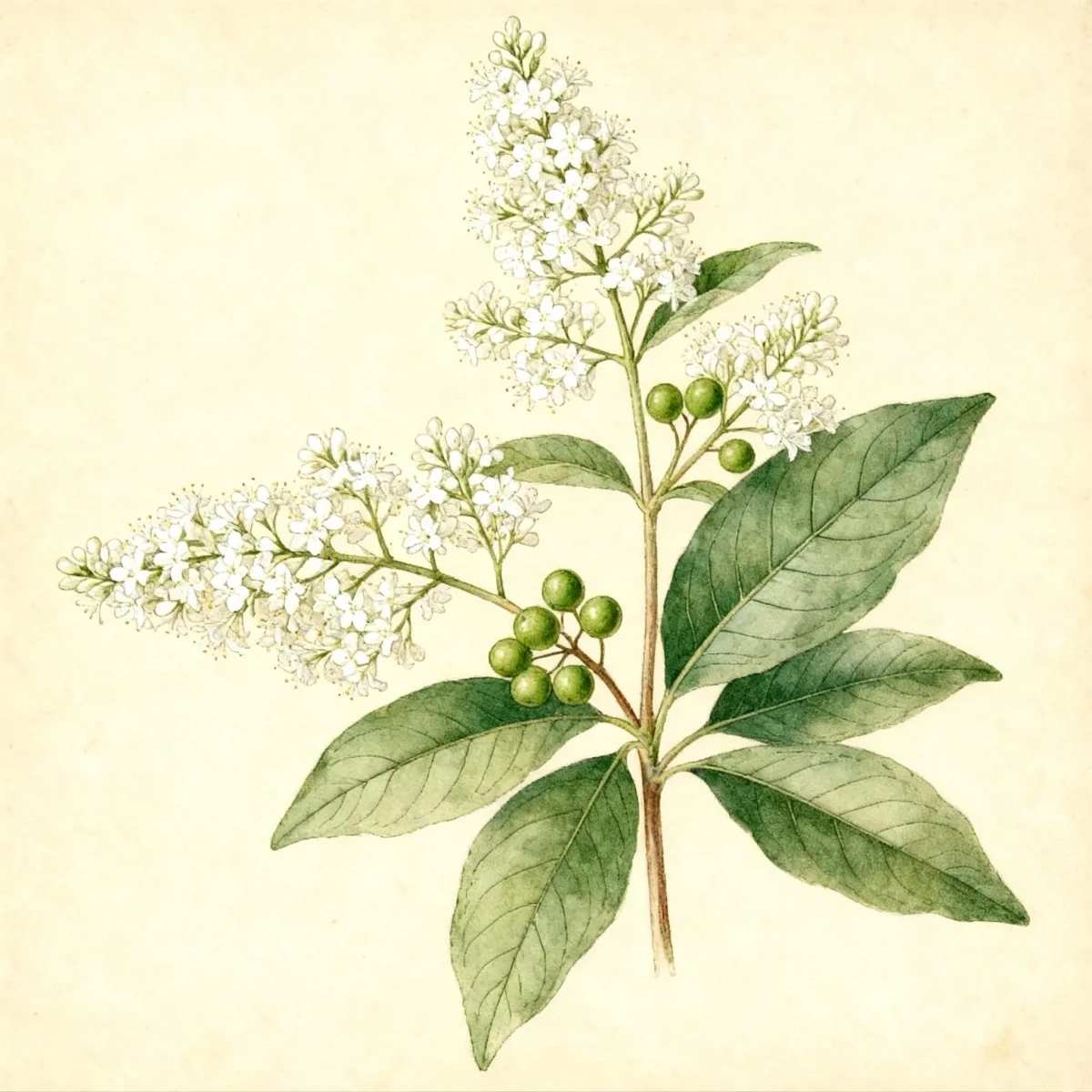
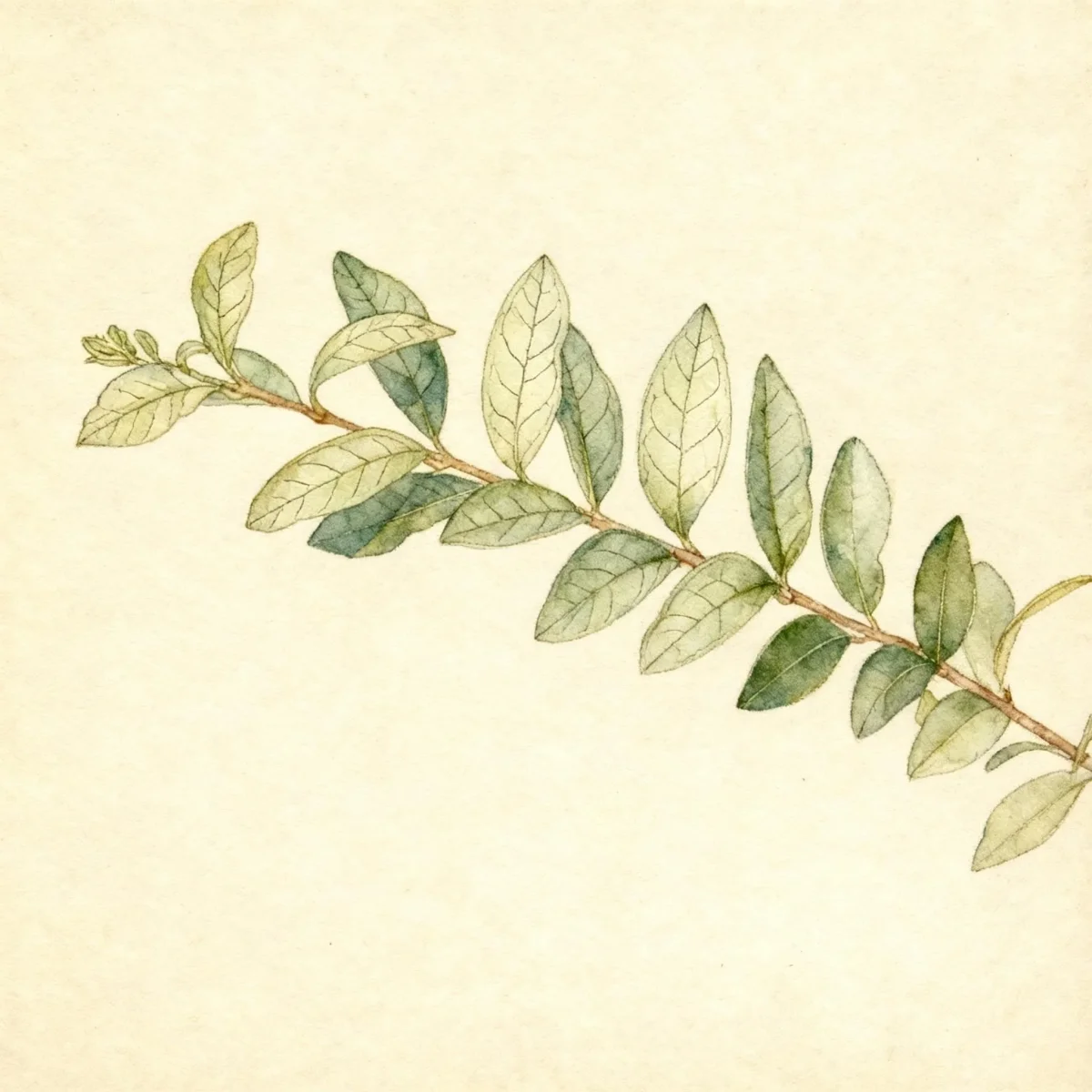
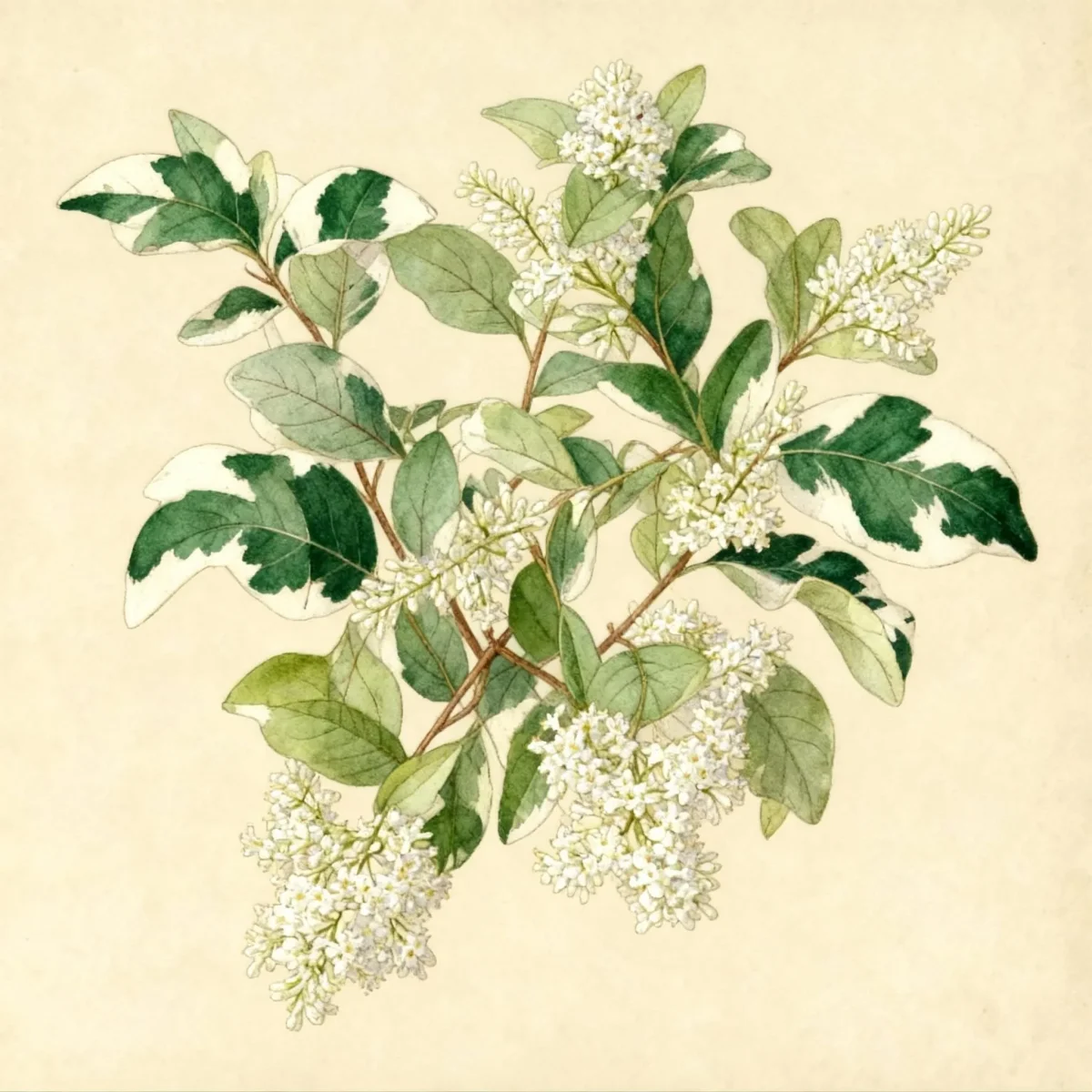
Ligustrum amurense, commonly called Amur privet, is native to northern China and presents as a dense, erect, fast-growing deciduous shrub, reaching 12-15’ tall. Its foliage consists of elliptic leaves, dull green above, featuring hairs on the underside midribs. The plant produces creamy white flowers in panicles during May and June, followed by oval black drupes that ripen in the fall, providing winter interest.
Tolerances
- Drought
Potential Problems
While generally resilient, Ligustrum amurense can be susceptible to a range of aesthetic and structural problems if conditions are not optimal. Gardeners should watch for signs of various fungal issues, including anthracnose, powdery mildew, twig blight, and root rots, particularly if drainage is poor. Pest pressure typically involves common shrub nuisances such as aphids, scale, whitefly, and mites attacking the foliage. Proactive dense pruning helps air circulation, reducing disease susceptibility, and consistent monitoring allows for early intervention against minor infestations.
Frequently Asked Questions
What hardiness zones is Amur privet (Ligustrum amurense) suitable for?
Ligustrum amurense provides excellent cold tolerance and is typically suited for USDA Zones 3 through 7.
How large does Amur privet grow?
This deciduous shrub usually matures to a height between 12 and 15 feet, with a spread ranging from 8 to 15 feet wide.
When does Amur privet bloom?
The Amur privet blooms in late spring, specifically from May to June, producing fragrant, creamy white flowers in terminal panicles.
What sun exposure does Ligustrum amurense need?
For the best performance and density, plant Amur privet where it receives full sun to part shade.
Conclusion
The Amur privet offers northern gardeners a fast-growing, dependable solution for hedging and screening, excelling due to its excellent hardiness and tolerance for dry conditions once established. Choosing Ligustrum amurense ensures high performance where other shrubs might struggle. Before planting, confirm your landscape falls within USDA Zones 3-7 and plan your pruning schedule to optimize shape versus flower display.
Companion Planting
When designing landscapes using Amur privet for screening purposes, consider pairing it with evergreen shrubs that offer contrast during the winter months when your Ligustrum amurense is bare. Plants that enjoy similar cultural conditions—full sun to part shade and dry to medium moisture—are ideal partners. For instance, pairing the tall structure of the privet with lower-growing, drought-tolerant perennials like Sedum (Stonecrop) or ornamental grasses that thrive in well-drained soil will create textural variance without conflicting with water needs.
Design Ideas
For properties requiring a defined, mature boundary quickly, Amur privet excels. Plant hedges at a tighter spacing to accelerate the creation of an impenetrable screen, aiming for regular shearing in the summer to maintain formal boundaries. If a softer, more naturalized look is desired, allow individual Ligustrum amurense shrubs to reach their full, multi-stemmed stature; these can function beautifully as large background anchors in a mixed shrub border, complementing native flowering shrubs suited to similar sun exposures.