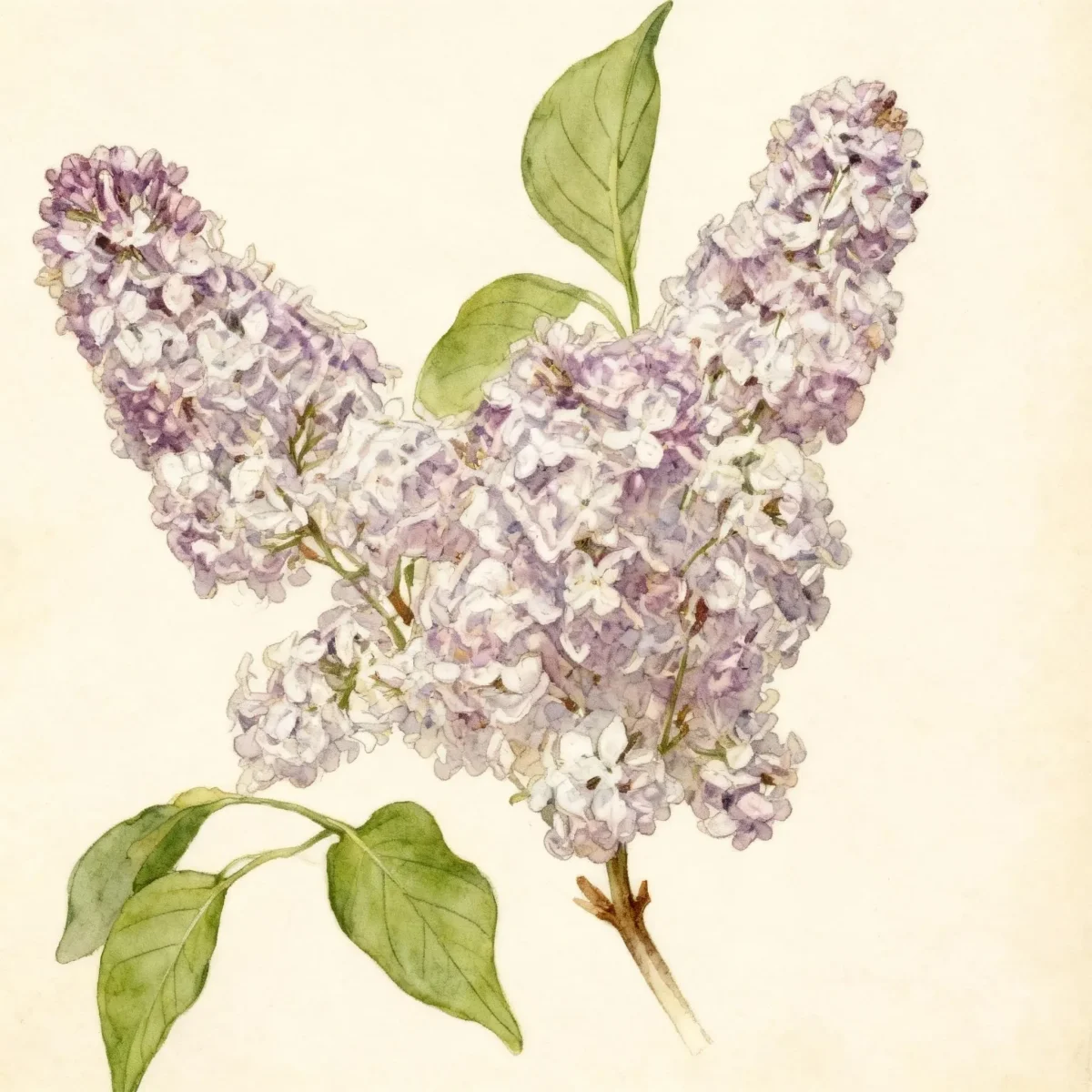
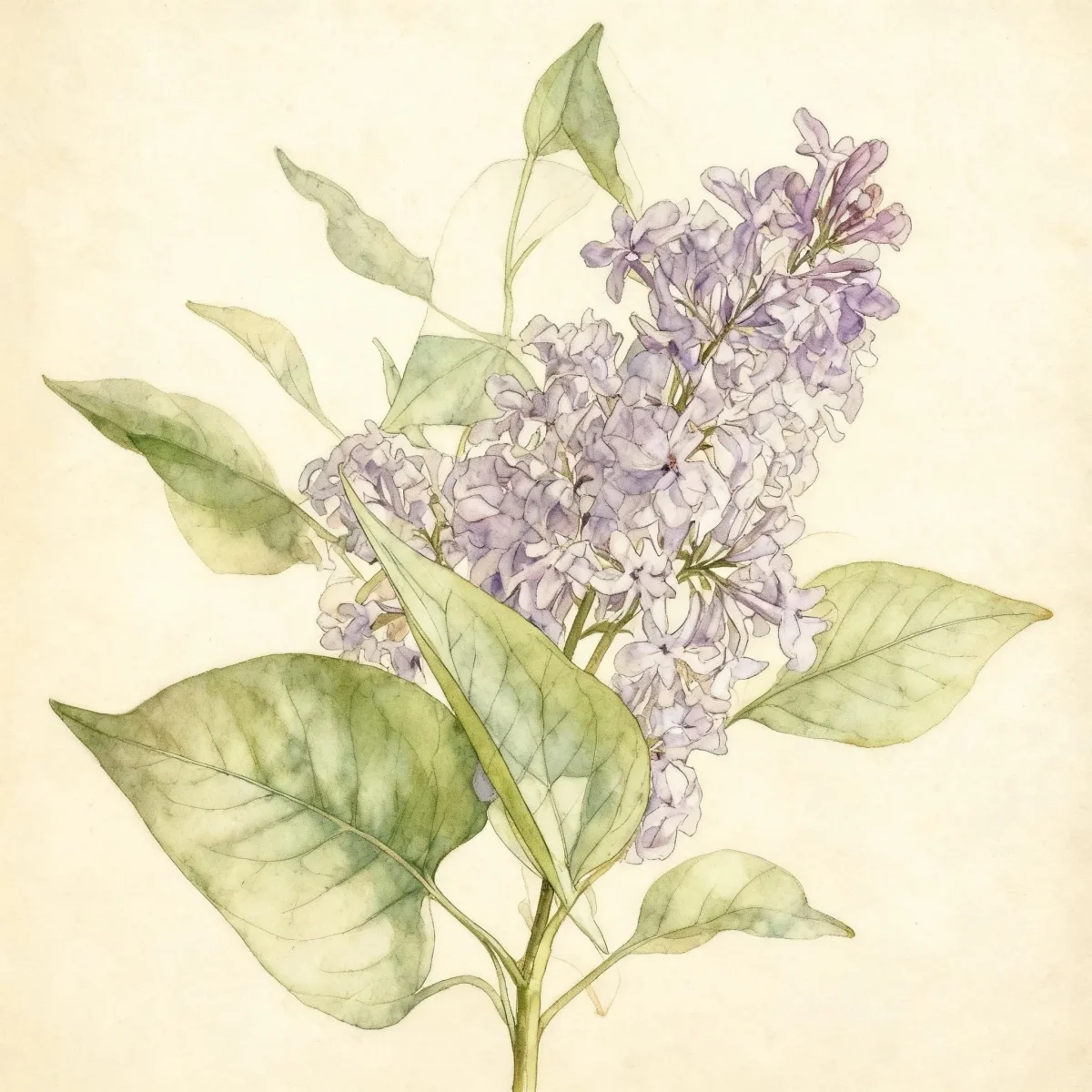
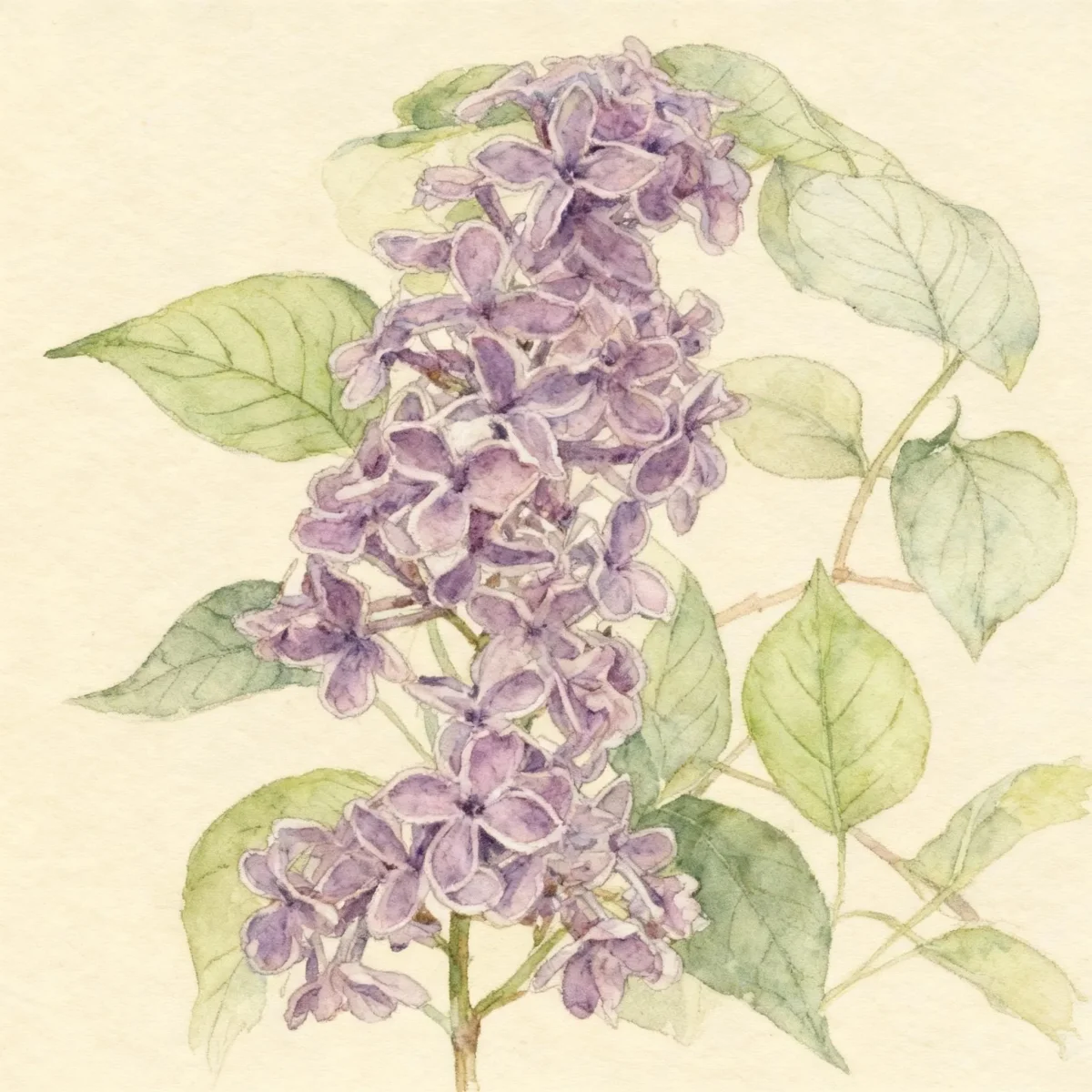
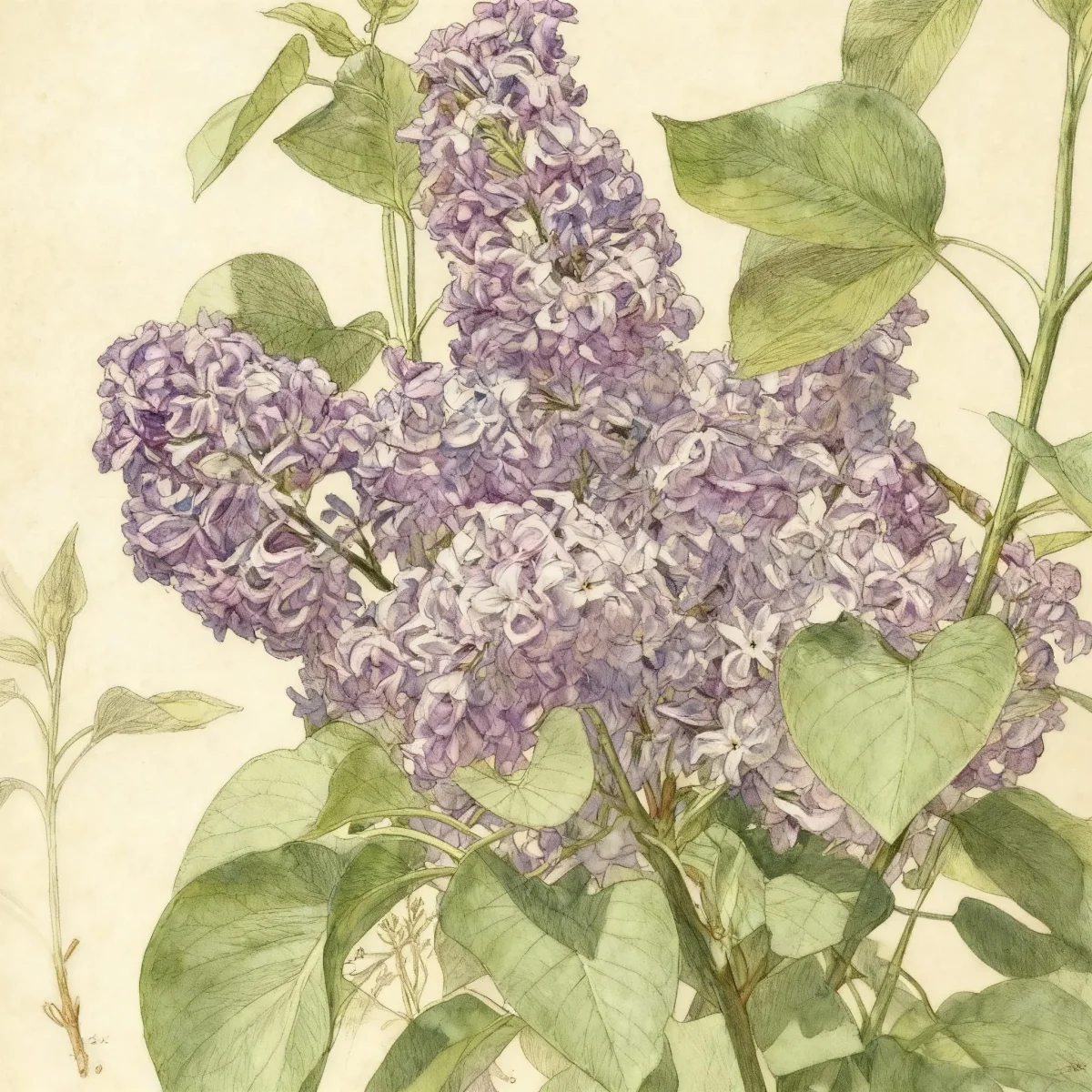
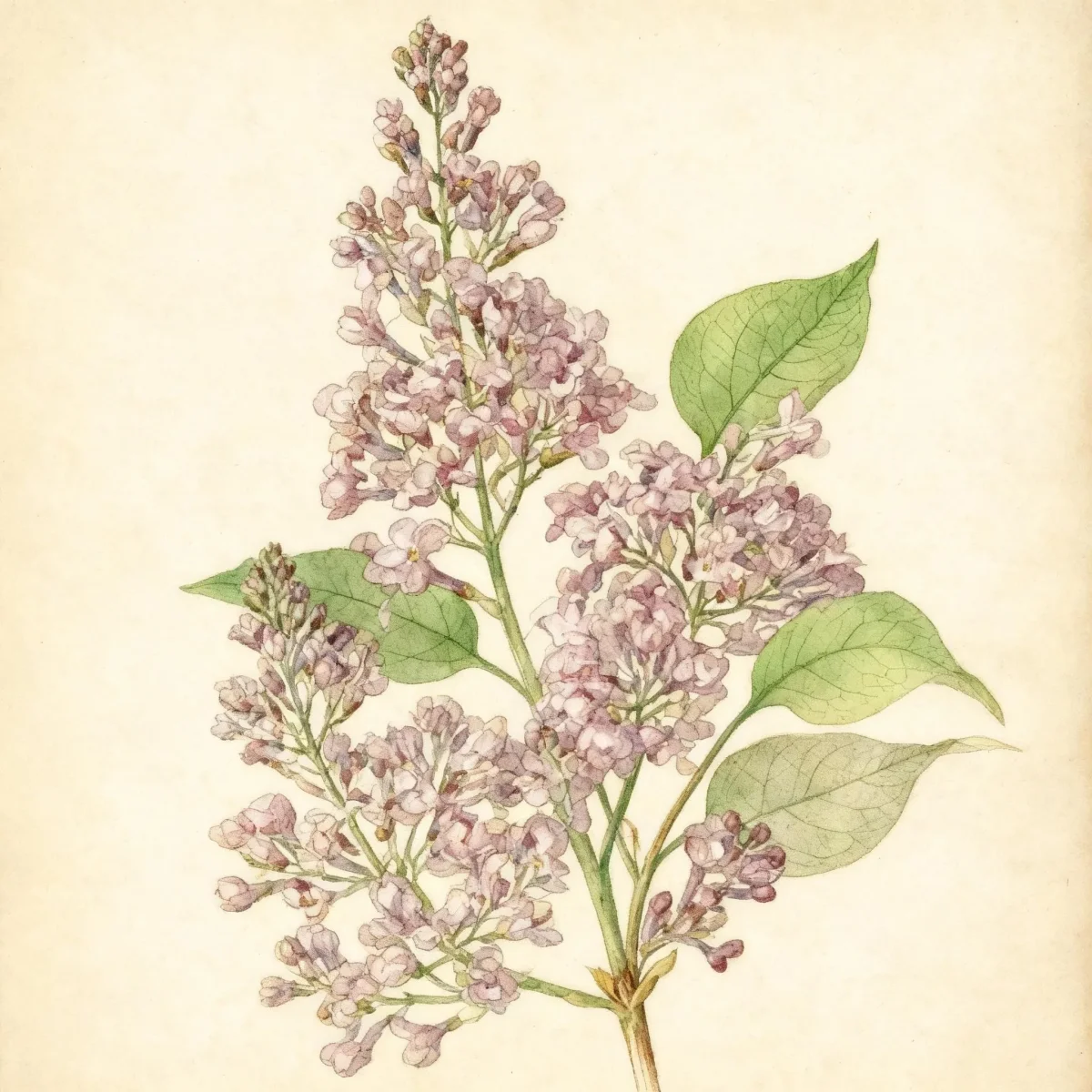
Persian lilac (Syringa × persica)
Discover the fragrant, low-maintenance Syringa × persica, the Persian lilac. Ideal for zones 4-7, offering showy lilac blooms.
Scroll down to discover growing tips, care requirements, companion plants, and more
Complete Plant Information
Overview
The Syringa × persica, commonly known as the Persian lilac, is a highly desirable, compact deciduous shrub valued for its excellent fragrance and manageable size compared to some of its larger lilac relatives. It offers a reliable burst of color and scent during the late spring season, making it a classic addition to temperate gardens. Its slightly arching habit contributes significant texture to the landscape.
This hybrid lilac is recognized for being hardy and relatively adaptable, fitting well into various garden settings provided it receives sufficient sunlight to maximize bloom performance. While it is a garden origin plant, its established appeal lies in its easygoing nature and attractive foliage complementing its sweet floral displays.
Gardeners appreciate the Persian lilac for its low maintenance requirements and its suitability as an informal screen or border element. The combination of showy, fragrant flowers and good tolerance for urban pollution makes Syringa × persica a versatile and rewarding shrub choice.
Fast Facts
- Plant Family: Oleaceae
- Plant Type: Deciduous shrub
- Native Range: Garden origin
- Hardiness Zones: USDA Zones 4-7
- Size at Maturity:
- Height: 4-8 ft
- Spread: 5-10 ft
- Bloom Time: May
- Bloom Description: Pale violet
- Sun Exposure: Full sun
- Water Needs: Medium
- Maintenance Level: Low
How to Grow
The Syringa × persica thrives when planted in the spring or fall, giving it time to establish roots before facing temperature extremes. Select a location that receives full sun for the best flowering, although light shade is tolerated. This shrub prefers organically rich, moist, well-drained soils that are slightly acidic to slightly alkaline. Good air circulation is essential for plant health.
Once established, watering should be consistent, meeting medium moisture needs, especially during dry spells. Fertilization is rarely required if planted in rich soil; focus instead on regular maintenance cultural tasks. Pruning is best done immediately after the bloom period concludes in May, removing spent flowers and shaping the shrub as needed.
Because this hybrid is generally sterile, it should be propagated through softwood cuttings rather than seed. This tough shrub exhibits good tolerance for urban conditions, making it exceptionally practical for neighborhood plantings or foundation screens where some environmental stress is anticipated.
Landscape Uses
The compact nature and dense foliage of the Syringa × persica make it an excellent candidate for informal hedging or screening along property lines, providing both seasonal fragrance and year-round structure. It performs well when utilized in small groups or as a specimen plant where its mid-spring flowers can be admired up close.
For cottage gardens, the Persian lilac blends beautifully with hardy perennials and other spring-blooming shrubs. It also functions effectively in mixed shrub borders where you desire mid-height structure, or even placed near foundations, provided adequate air circulation is maintained.
Consider massing several plants together to create an impactful, fragrant screen, or use single specimens near entryways. Its moderate height prevents it from overpowering smaller companion plantings that bloom either preceding or following its May flowering time.
Standout Features
Flower Qualities
- Showy
- Fragrant
Noteworthy Characteristics
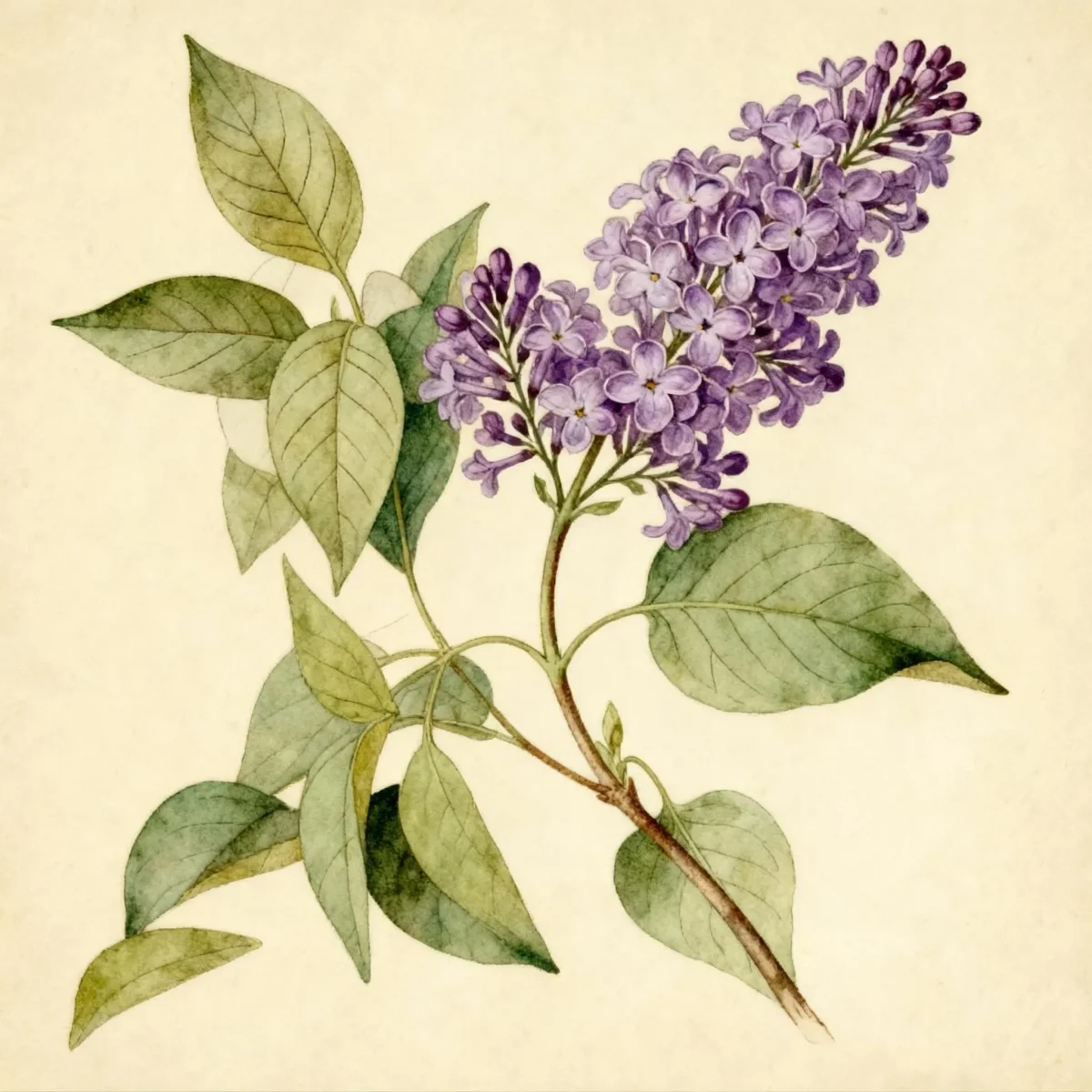
Syringa × persica, commonly called Persian lilac, is a hybrid that most likely resulted from a cross between S. Afghanica and S. × laciniata. It is a compact deciduous lilac typically growing 4-6’ tall with upright, slightly-arching branching clad with lanceolate, dark green leaves. Sweetly-fragrant, pale violet flowers appear profusely in small but broad panicles in May.
Tolerances
- Deer
Potential Problems
Powdery mildew is a common issue on the Syringa × persica, where leaves can develop a noticeable white overlay during the summer months. Management often involves ensuring good air movement around the plant and selecting resistant varieties if the problem is severe.
Beyond mildews, watch for general disease issues like blights, leaf spots, and ring spot virus. Insect pests requiring monitoring include scales, borers, leaf miners, and various caterpillars. Routine inspection and timely pruning after flowering can help spot and control these issues before they become significant problems for your Persian lilac.
Frequently Asked Questions
What hardiness zones is Persian lilac suitable for?
Syringa × persica is suitable for USDA Hardiness Zones 4 through 7.
How large does Syringa × persica grow?
This plant typically matures to a height of 4 to 8 feet and can spread between 5 and 10 feet wide.
When does Persian lilac bloom?
The Persian lilac typically blooms in May, producing pale violet flowers.
What sun exposure does Syringa × persica need?
For optimal flowering, this shrub requires full sun, although it can tolerate a bit of light afternoon shade.
Conclusion
The low-maintenance profile and excellent fragrance of the Syringa × persica secure its place as a garden favorite, particularly where space limitations preclude larger lilac varieties. This charming Persian lilac reliably delivers showy, scented blooms every May in zones 4 through 7. Ensure you check your local hardiness zone compatibility before planning its placement this season.
Companion Planting
When selecting neighbors for your Syringa × persica, focus on plants that share similar sun and moisture requirements to simplify care. Consider pairing it with early summer bloomers like Baptisia or Nepeta, which will take over the visual interest after the lilac finishes flowering. For structure beneath its canopy, low-growing hostas or variegated Liriope work well, provided they do not crowd the base and restrict the essential air circulation the lilac needs to resist fungal issues.
Propagation Tips
Since Syringa × persica is largely a sterile hybrid, vegetative propagation is the standard method for creating new plants. The most successful technique involves taking softwood cuttings during the early summer months when the new growth is semi-firm. Dip the cuttings in rooting hormone and place them under mist or in a humid environment to encourage root development. This method ensures the new shrub is genetically identical to the parent plant, maintaining its desirable characteristics like fragrance and compact size.