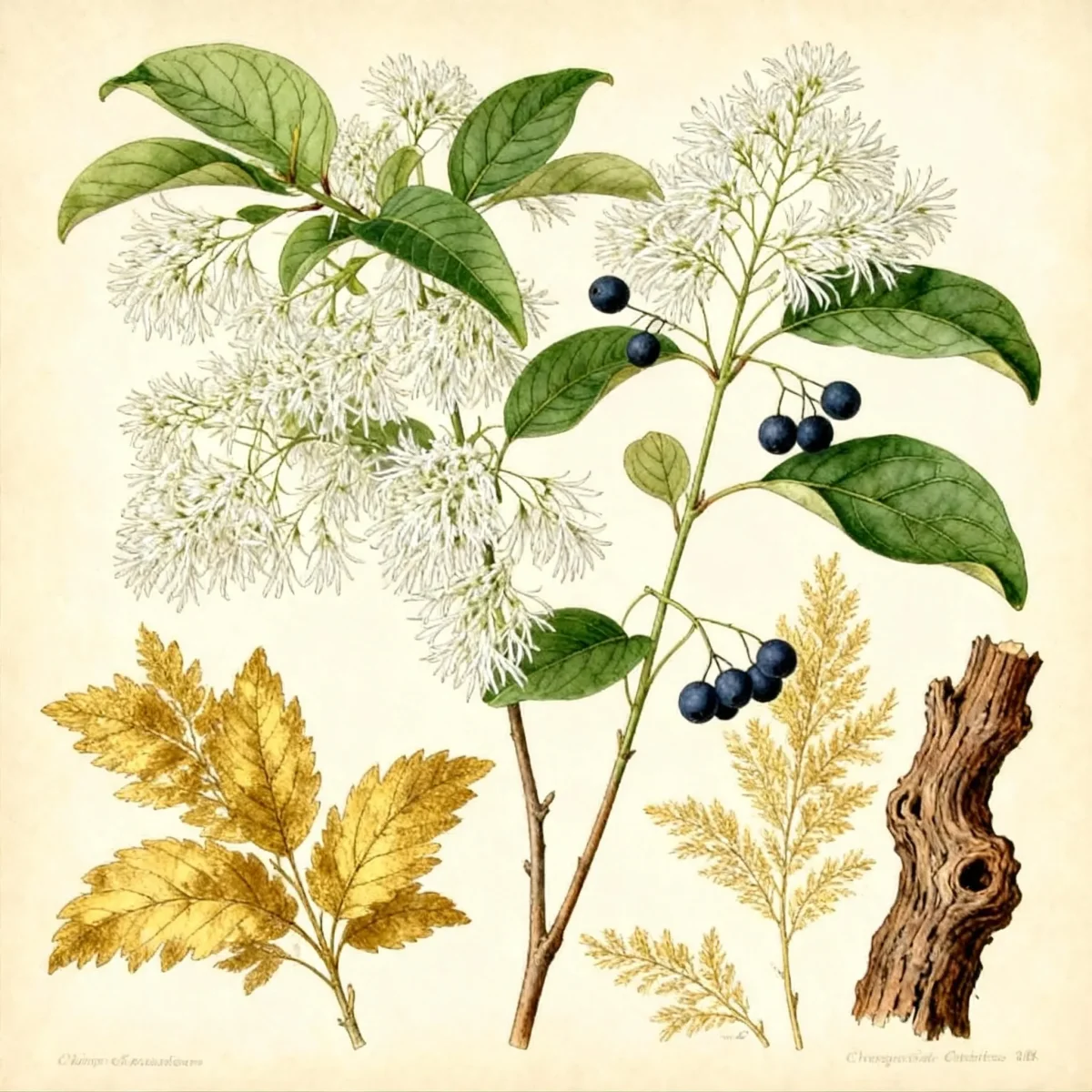
Fringe tree (Chionanthus virginicus)
The deciduous Fringe tree (Chionanthus virginicus) offers showy, fragrant white flowers in late spring. Low maintenance and adaptable.
Scroll down to discover growing tips, care requirements, companion plants, and more
Complete Plant Information
Overview
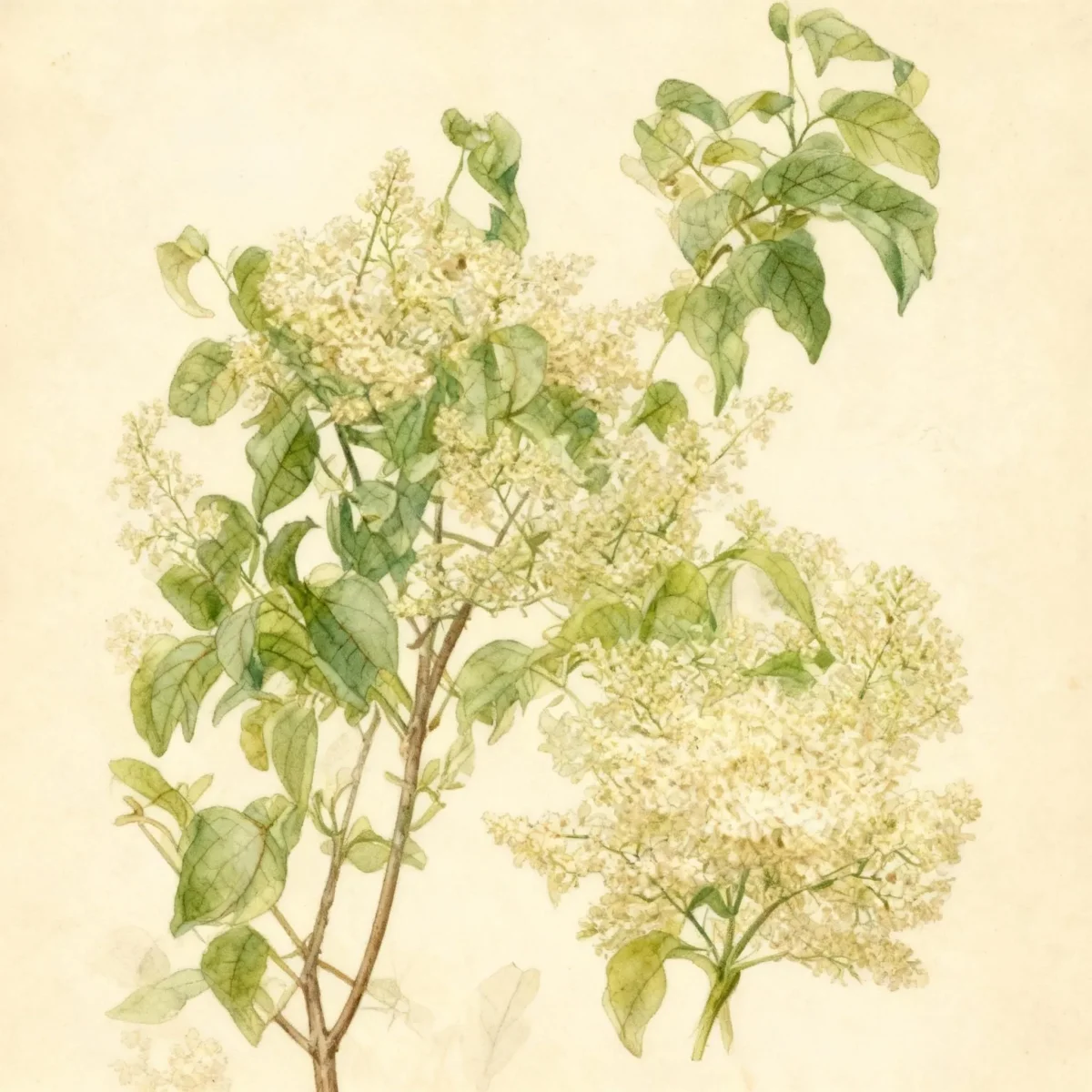
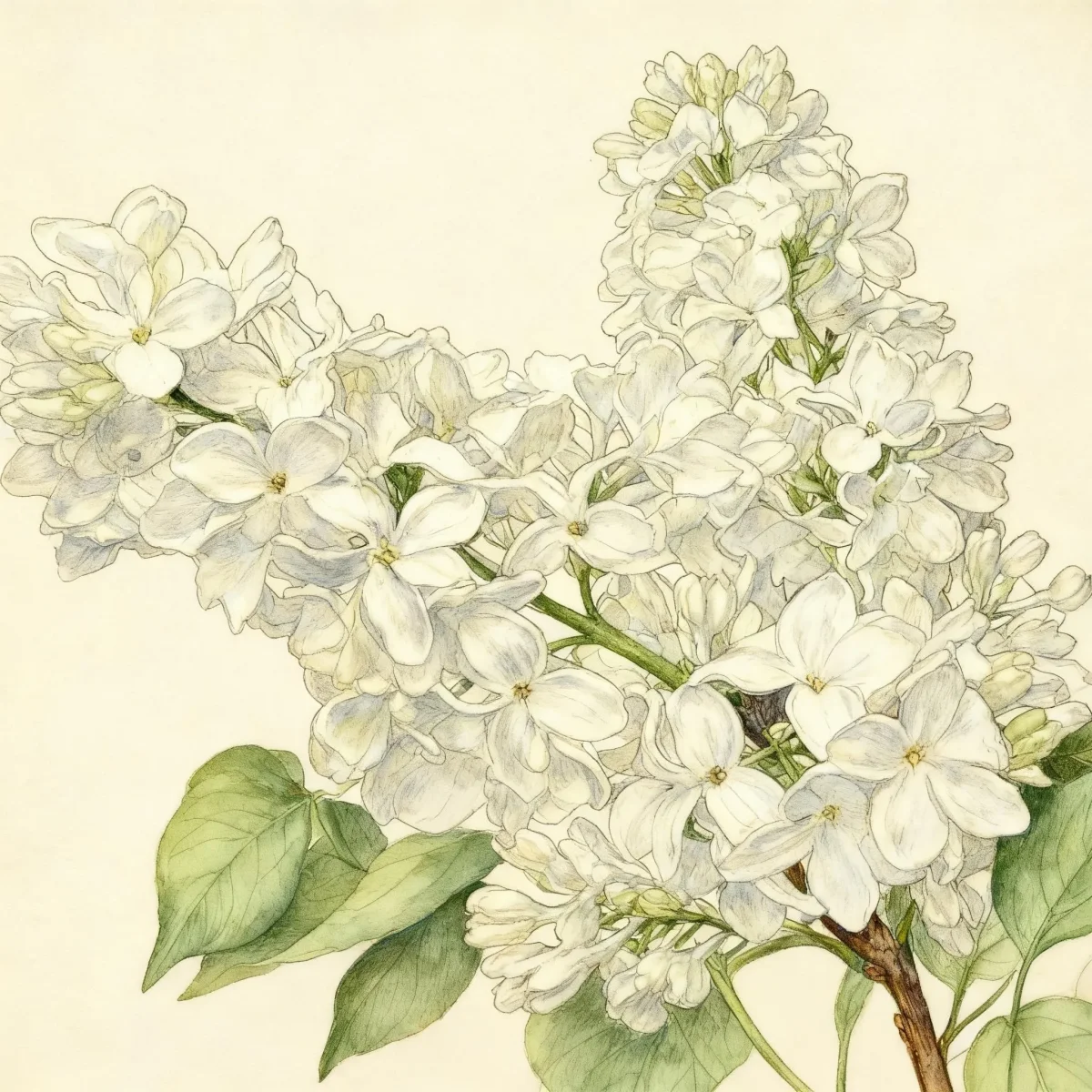
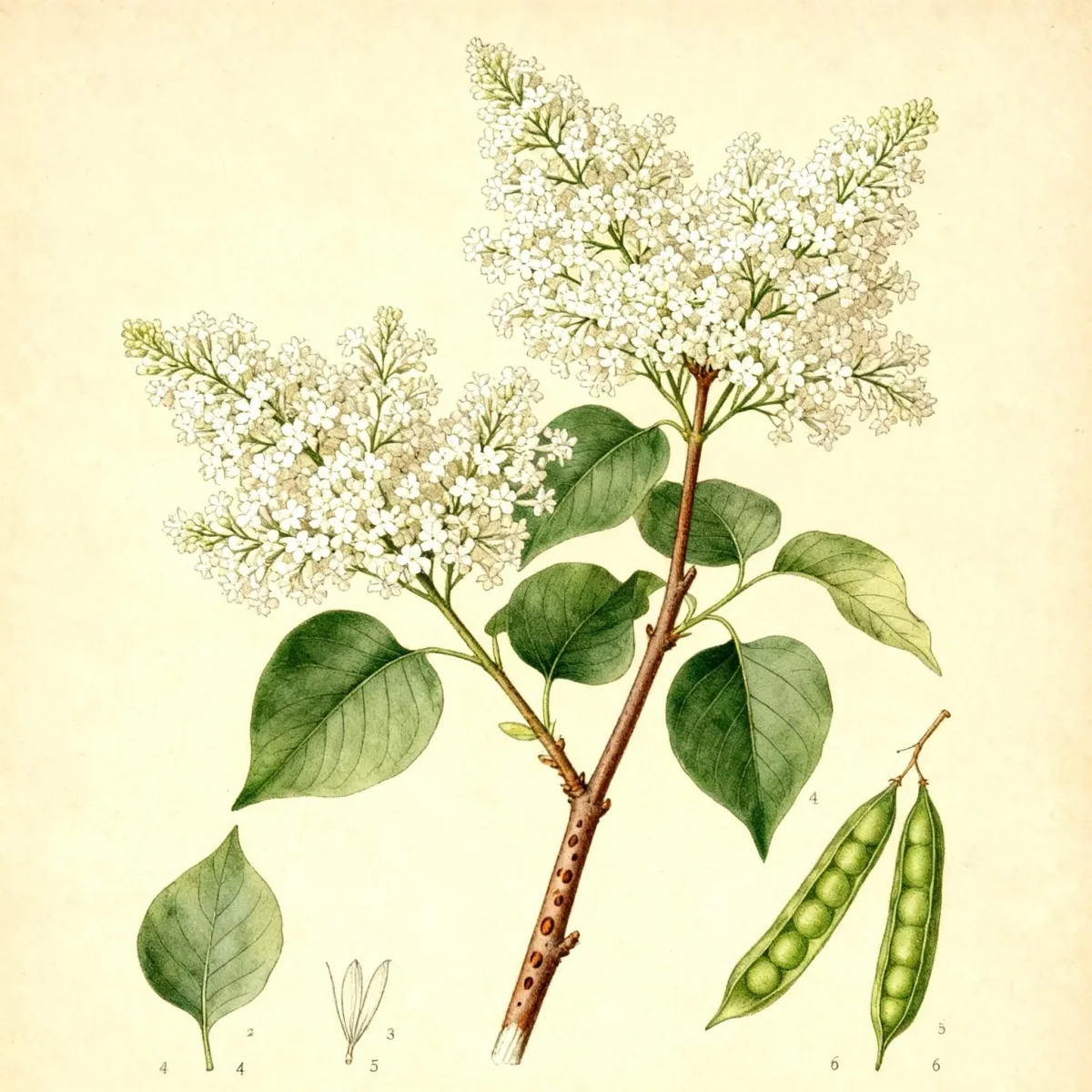
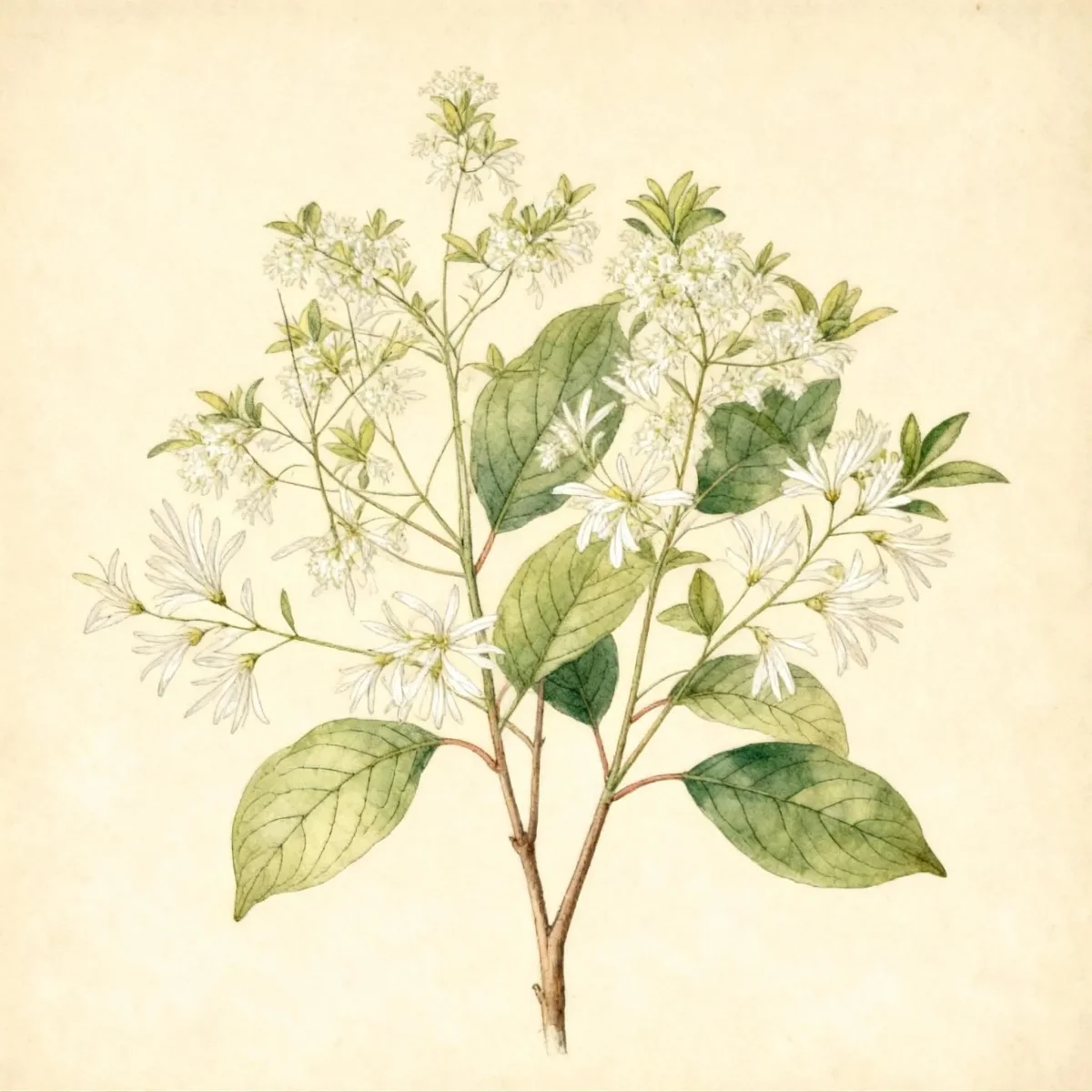
The Fringe tree (Chionanthus virginicus) is highly valued in landscaping for its spectacular, late-spring flowering display. This deciduous shrub or small tree produces airy, cascading clusters of creamy white, fringe-like petals, giving the genus its descriptive name. Gardeners appreciate its adaptability and relatively low maintenance needs once established.
Native to the Eastern United States, Chionanthus virginicus develops into an attractive specimen or grouping plant with a rounded habit. Beyond its stunning flowers, it provides interest in late summer when fertilized female plants develop dark, bluish-black fruits, offering a vital food source for local birds and wildlife.
This adaptable species thrives across a wide range of conditions, tolerating urban stresses like air pollution and difficult soils. For the best performance and bloom density, ensure Chionanthus virginicus receives consistent moisture.
Fast Facts
- Plant Family: Oleaceae
- Plant Type: Tree
- Native Range: Eastern United States
- Hardiness Zones: USDA Zones 3-9
- Size at Maturity:
- Height: 12-20 ft
- Spread: 12-20 ft
- Bloom Time: May to June
- Bloom Description: Creamy white
- Sun Exposure: Full sun to part shade
- Water Needs: Medium
- Maintenance Level: Low
How to Grow
Plant the Fringe tree in its permanent location during the spring or fall dormant season for best establishment. It performs well in average, medium soils, provided they are well-drained. While it tolerates Clay Soil, it strongly prefers moist, fertile conditions, so amending the planting hole with organic matter is beneficial. Locate it where it can receive full sun for the heaviest flowering, though it tolerates light afternoon shade.
Water regularly, especially during the first few growing seasons, to maintain the medium moisture requirement. Once established, Chionanthus virginicus is quite drought-tolerant, though prolonged dry spells should be avoided. This plant seldom requires pruning; only remove crossing or damaged limbs as needed.
Due to its tolerance for some environmental stressors, this plant adapts well to urban landscapes. When situated near streams or ponds, supplemental summer water may be less necessary as it naturally prefers moister sites. Protect young trees from excessive wind until they develop a sturdy structure.
Landscape Uses
The Fringe tree is perfectly suited as a specimen tree, providing a focal point when its unique flowers emerge in late spring. Its spreading, rounded habit makes it a wonderful addition to shrub borders or naturalized woodland settings. This choice for a Flowering Tree brings texture and fragrance right where visitors can enjoy it.
Consider planting groups of Chionanthus virginicus near outdoor living spaces or walkways where the light fragrance of the blossoms can be fully appreciated. It integrates beautifully into native plant gardens, complementing other woodland understory species. Its tolerance for moisture also makes it an excellent choice for planting near water features like streams or rain gardens.
Standout Features
Flower Qualities
- Showy
- Fragrant
Fruit Qualities
- Showy
Noteworthy Characteristics
Chionanthus virginicus, commonly called fringetree, is a deciduous, Missouri native shrub or small tree with a spreading, rounded habit that typically grows 12-20’ tall. Common name refers to the slightly fragrant, spring-blooming flowers which feature airy, terminal, drooping clusters of fringe-like, creamy white petals. Fertilized perfect or female flowers give way to clusters of olive-like fruits which ripen to a dark, bluish black in late summer and are a food source for birds and wildlife.
Tolerances
- Clay Soil
- Black Walnut
- Air Pollution
Potential Problems
The Fringe tree is generally robust, showing no serious insect or disease problems under ideal conditions. Gardeners should monitor for occasional susceptibility to scale insects or borers, especially if the tree is grown in dry, stressful locations. Ensuring consistent soil moisture management is the best form of proactive defense against pest pressure on this beautiful specimen.
Frequently Asked Questions
What hardiness zones is Fringe tree suitable for?
The Fringe tree (Chionanthus virginicus) is suitable for USDA Hardiness Zones 3 through 9. Please confirm your zone before planting.
How large does Fringe tree grow?
This species typically reaches a height between 12 and 20 feet, with a similar spread of 12 to 20 feet at maturity.
When does Fringe tree bloom?
The Chionanthus virginicus blooms reliably from May to June, producing spectacular, creamy white flowers.
What sun exposure does Fringe tree need?
The Fringe tree performs best when situated in full sun to part shade conditions for optimal flower production.
Conclusion
The Fringe tree offers unparalleled delicate beauty and ease of care, making it a standout choice for sustainable landscapes across diverse regions. Its fragrant, showy spring flowers and wildlife benefits ensure interest throughout the growing season. Evaluate your site’s soil moisture and zone compatibility to successfully incorporate this magnificent Chionanthus virginicus into your garden design this year.
Wildlife Benefits
The fall fruit display of the Fringe tree is a significant asset for attracting local fauna. The dark, bluish-black fruits that develop after flowering are highly attractive to numerous bird species, supporting local ecosystems during late summer and early autumn feeding periods. Planting this native species directly contributes to biodiversity on your property.
Furthermore, the early season blooms of Chionanthus virginicus provide essential nectar for early-emerging pollinators. While it is often noted for its visual appeal, gardeners will also observe bees and other beneficial insects actively working the fragrant flower clusters during May and June.
Companion Planting
When planning a mixed border featuring the Fringe tree, select companions that share its preference for medium water needs and fertile soil. Spring ephemerals that fade before the tree fully leafs out make excellent partners, allowing the tree to take center stage later in the season. Consider pairing it with shade-tolerant shrubs like Oakleaf Hydrangea or native woodland ferns which appreciate similar moisture levels.
Because the Fringe tree adapts well to woodland margins, using native understory flowering plants can enhance its naturalistic appearance. Remember that this tree can be grown near streams or ponds; therefore, plants tolerant of high soil moisture, such as certain large ornamental grasses or water-loving perennials, look excellent planted nearby.