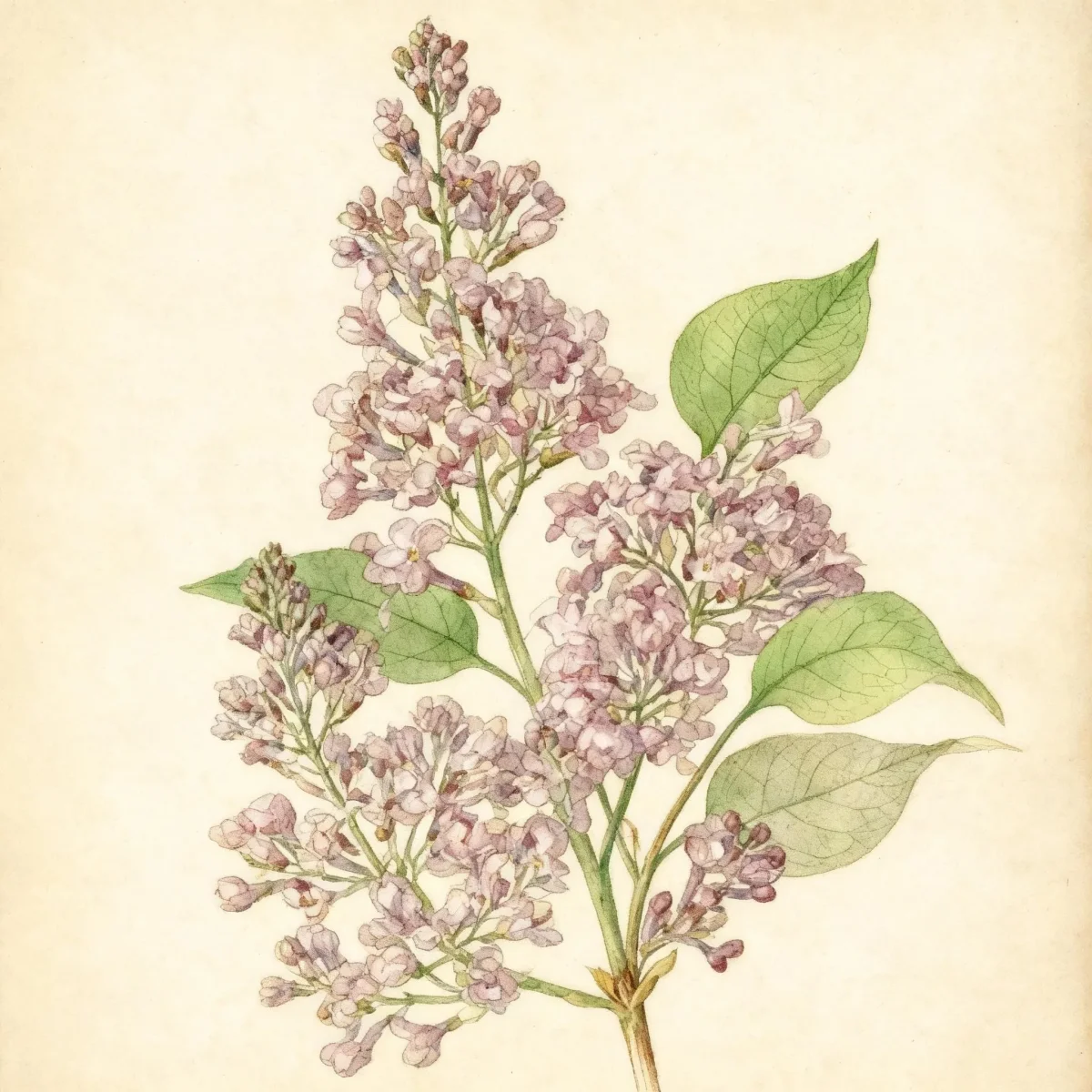
Late lilac (Syringa villosa)
Syringa villosa, or Late lilac, is a tough, rounded shrub blooming in May/June with fragrant rose-lilac to white flowers. Ideal for low-maintenance borders in Zones 3-7.
Scroll down to discover growing tips, care requirements, companion plants, and more
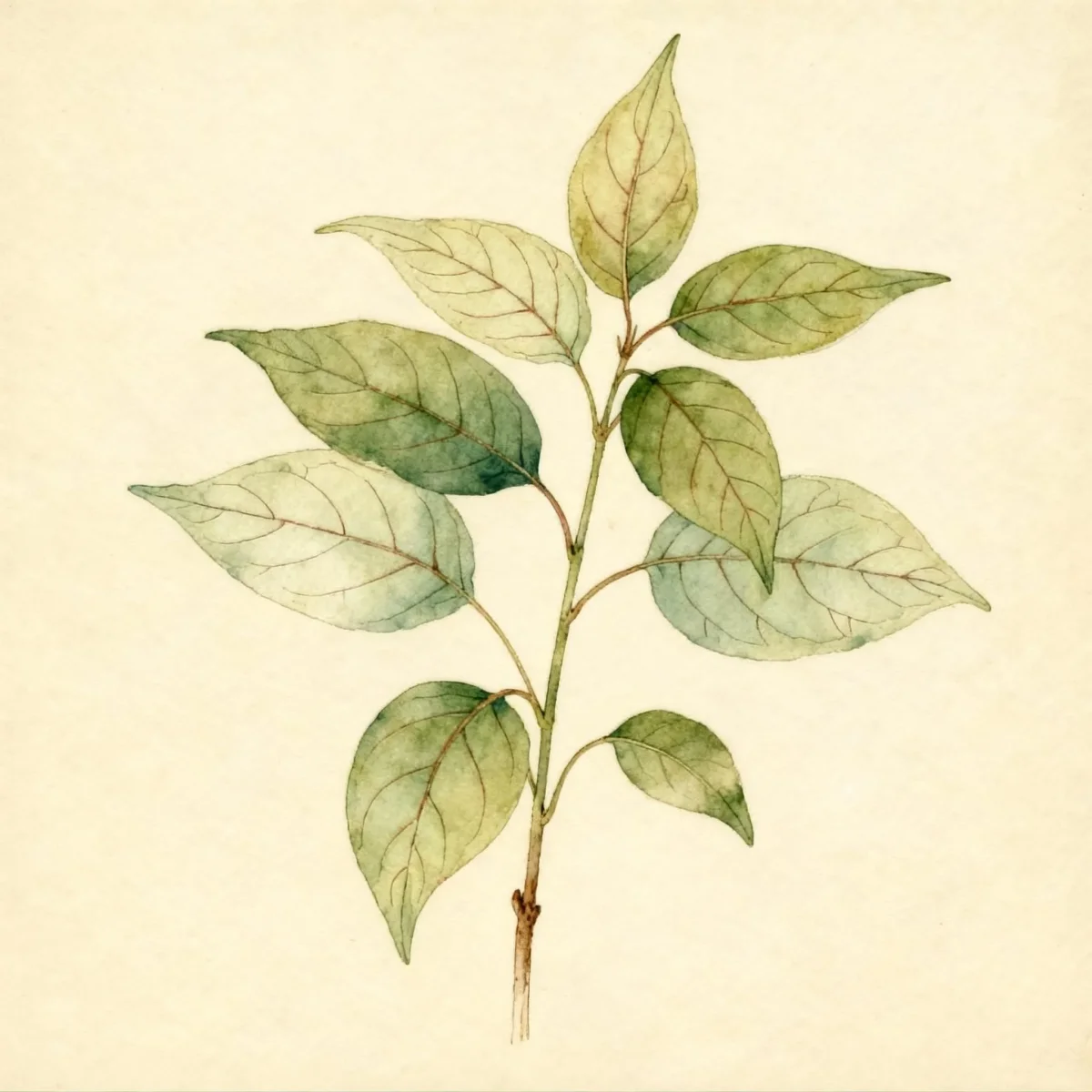
Complete Plant Information
Overview
The late lilac, Syringa villosa, offers gardeners a valuable alternative to the common lilac, boasting a later bloom time that extends the springtime fragrance into early summer. This robust, rounded deciduous shrub is recognized for its adaptability and ease of care, making it a reliable performer in diverse landscape settings. Its upright stems provide structure, complemented by large, medium green leaves that persist well through the season.
A key benefit of planting Syringa villosa is its dependable flowering, which reliably appears on new growth several weeks after S. vulgaris finishes. The flowers are typically rose-lilac to white and borne in dense, attractive panicles, contributing both visual appeal and a pleasant scent to the garden when other lilacs have faded. Furthermore, this species exhibits good resilience, particularly noted for its low maintenance requirements.
Functionally, the late lilac serves excellently as a screen or border element, providing necessary screening along property lines or softening harsh architectural lines. Gardeners in cooler regions appreciate Syringa villosa for its hardiness and tolerance of urban conditions, offering beauty without demanding intensive upkeep throughout its life cycle.
Fast Facts
- Plant Family: Oleaceae
- Plant Type: Deciduous shrub
- Native Range: Northern China
- Hardiness Zones: USDA Zones 3-7
- Size at Maturity:
- Height: 6-10 ft
- Spread: 6-10 ft
- Bloom Time: May
- Bloom Description: Rose-lilac to white
- Sun Exposure: Full sun
- Water Needs: Medium
- Maintenance Level: Low
How to Grow
Plant Syringa villosa in the spring or fall for best establishment, ensuring the site receives full sun for optimal blooming, although it tolerates light shade. This shrub thrives in average, medium moisture, well-drained soil. For superior results, amend the area to be organically rich and slightly acidic; good drainage is crucial to prevent root issues. Good air circulation is also necessary, which helps mitigate potential foliage diseases.
Once established, watering needs are medium; provide supplemental water during prolonged dry spells, especially when the shrub is young. Fertilization is rarely necessary if the soil is adequate, reflecting the low maintenance profile of the late lilac. Pruning should be done immediately after flowering concludes if shaping is required, as flower panicles appear on new growth that develops subsequently.
Promptly removing faded flower panicles before they set seed is recommended to maintain neatness, although this is not strictly required for plant health. Avoid planting this variety too far south; it performs best in cool summer climates and is not recommended for USDA Zone 8 or warmer locations below Zone 7.
Landscape Uses
The sheer size and robust nature of Syringa villosa make it an excellent choice for creating substantial visual impact in the landscape. Its dense habit performs perfectly as a screen along property lines, offering privacy that develops over time. It is also effective when used formally as a hedge, requiring minimal intervention once established.
Beyond functional screening, the late lilac shines as a specimen plant, drawing attention during its May bloom period with its showy, fragrant flowers. Grouping several shrubs together creates a stunning informal border effect, perfect for framing pathways or anchoring the corners of a large garden design. Pair these shrubs with perennials that offer contrasting foliage texture while enjoying similar sun and moisture regimes.
For a layered design, consider placing lower-growing, late-season flowering perennials in front of the Syringa villosa to ensure continuous interest after the lilac bloom concludes. Its tolerance for urban settings also makes it a dependable choice for high-visibility areas where a tough, attractive shrub is needed.
Standout Features
Flower Qualities
- Showy
- Fragrant
Noteworthy Characteristics
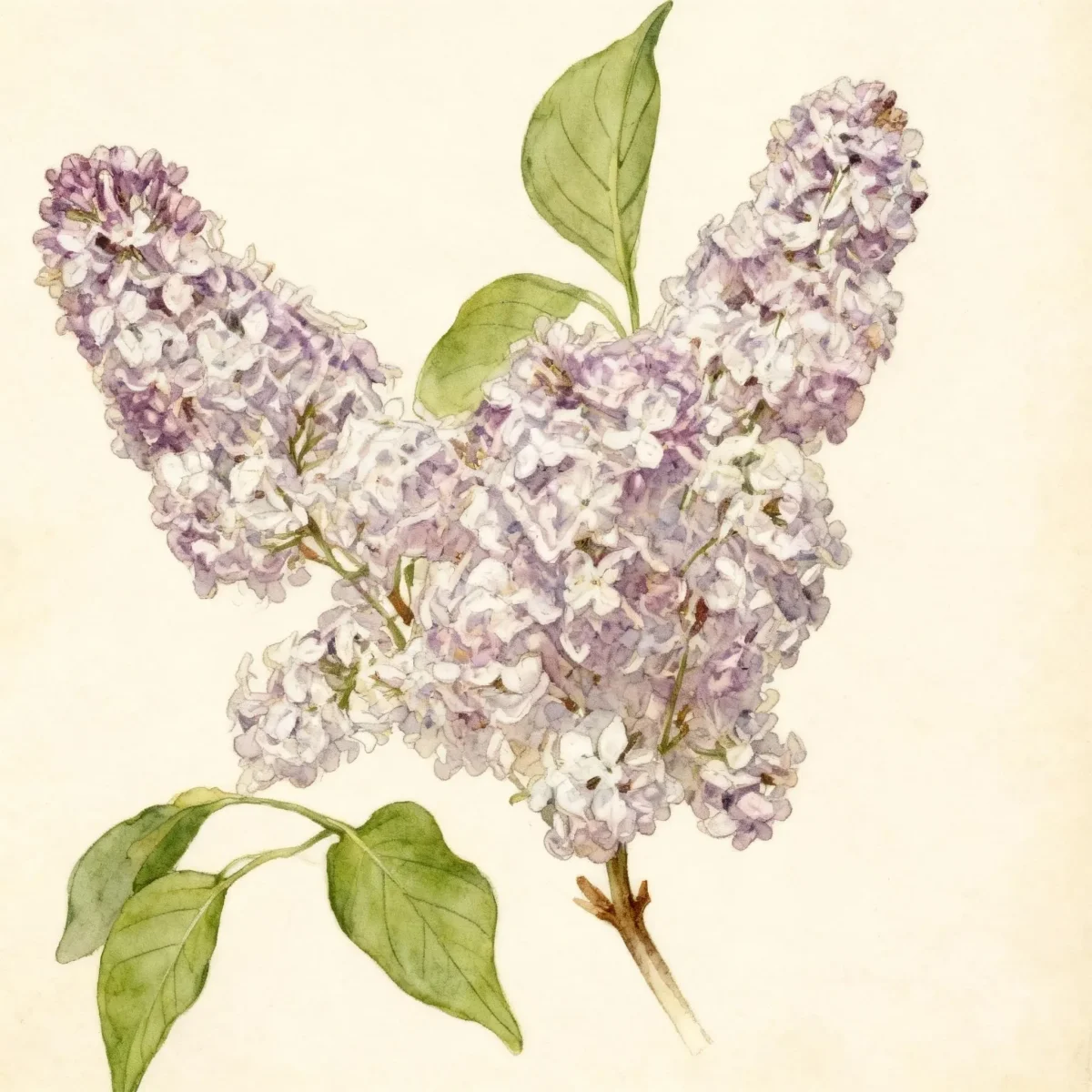
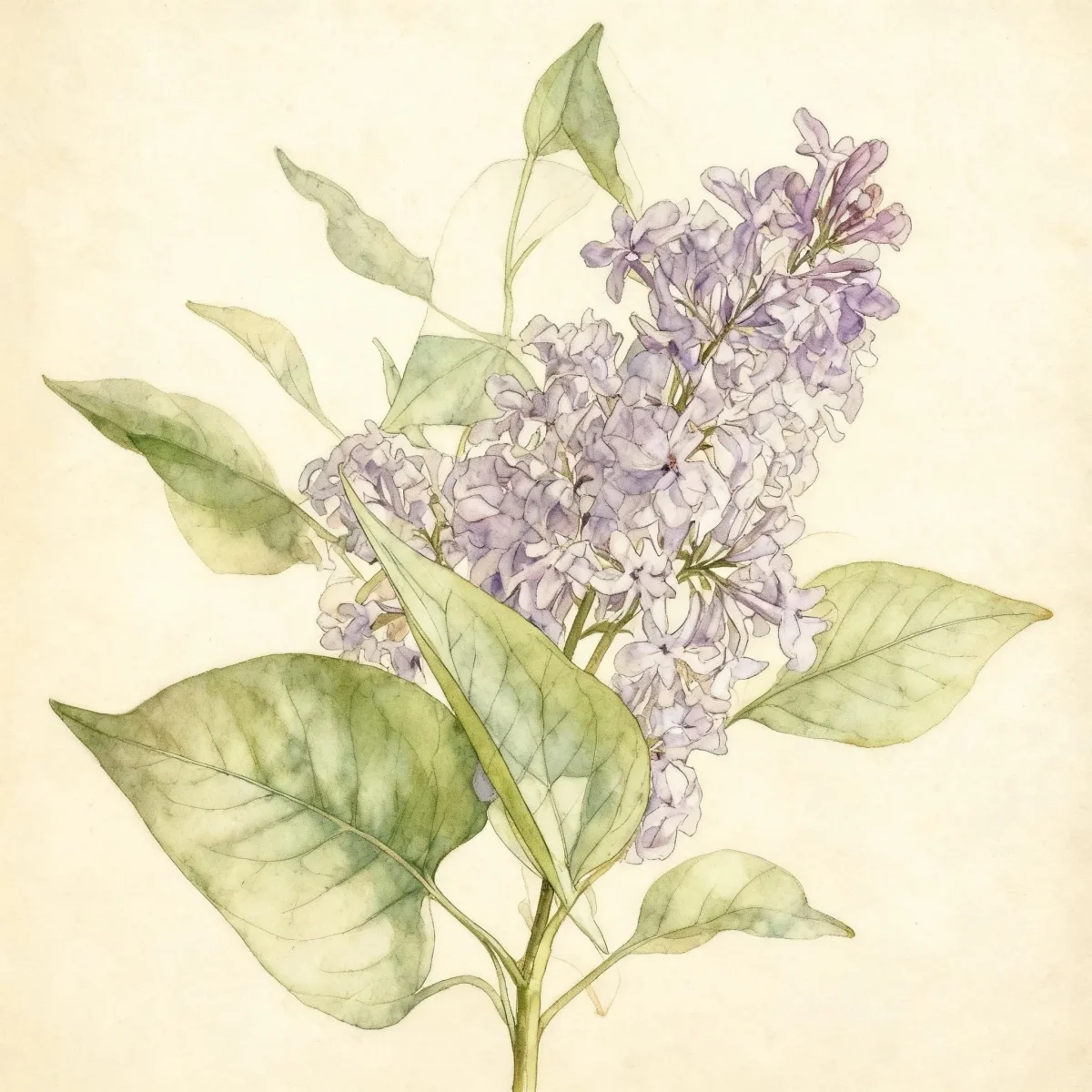
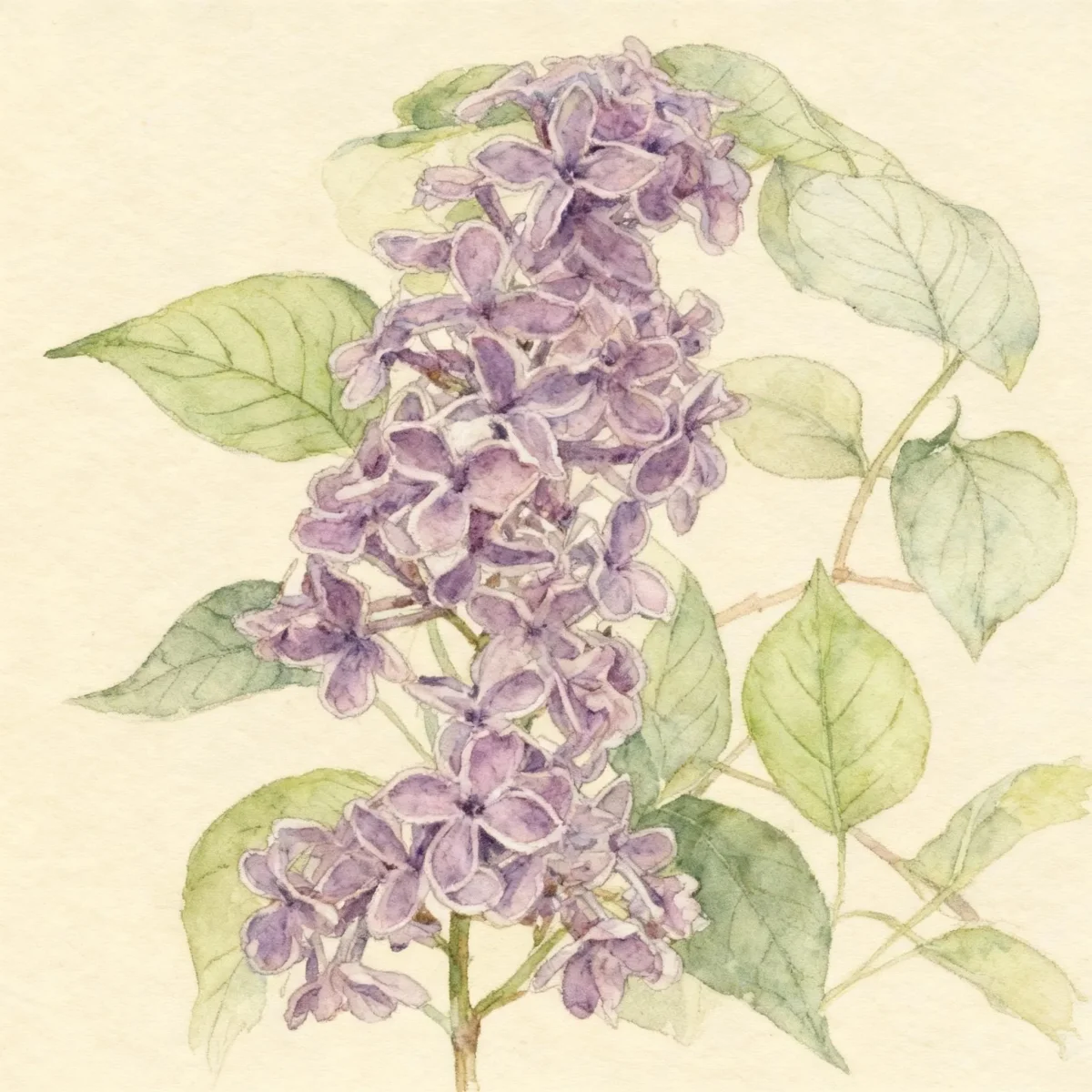
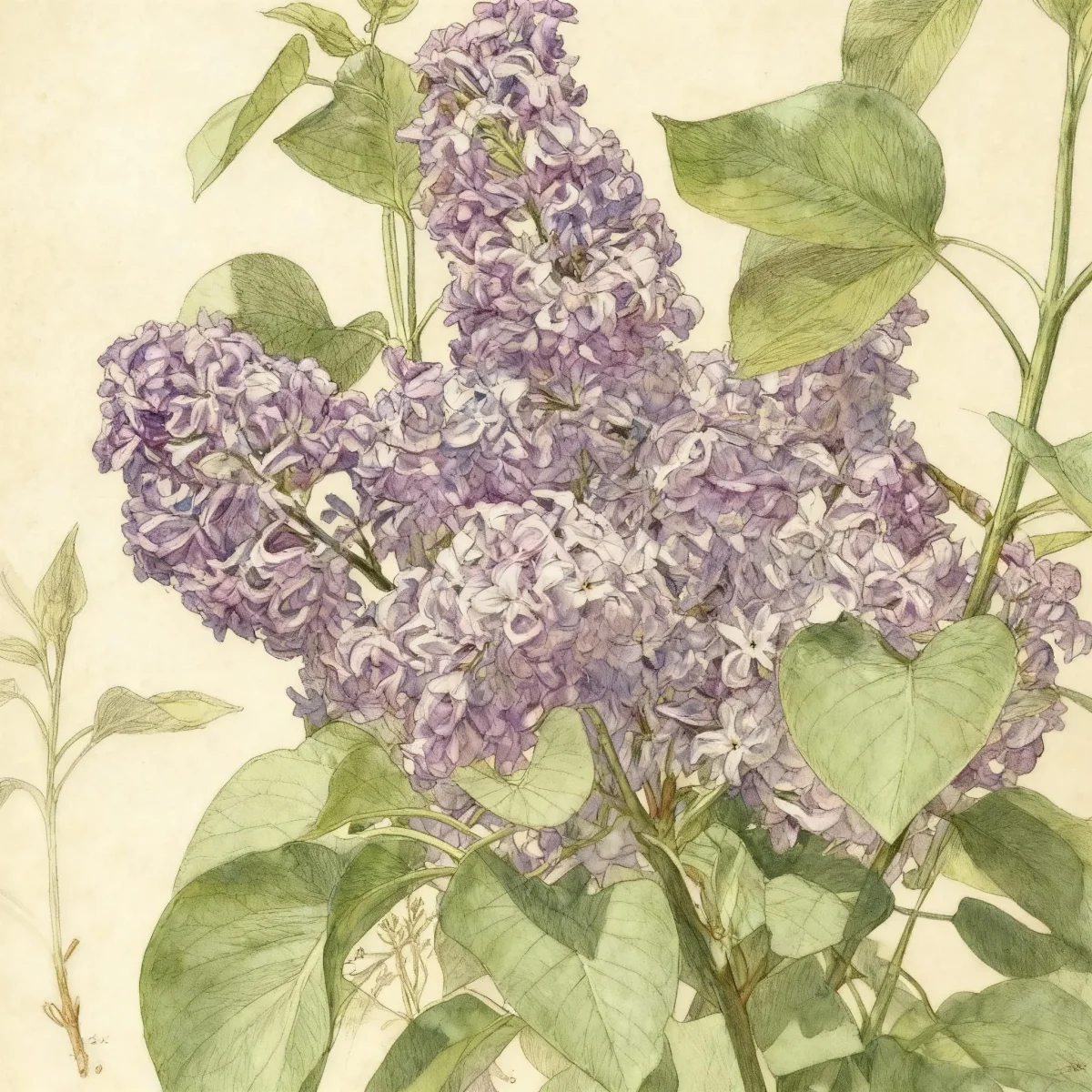
Syringa villosa commonly called late lilac, is a rounded, deciduous shrub that grows to 10’ tall on upright stems clad with ovate to oblong, medium green leaves (to 7” long). It blooms several weeks later than common lilac (S. Vulgaris), hence the common name. Showy, slightly fragrant, rose-lilac to white flowers bloom in dense, pyramidal panicles (to 8” long) in May. The genus name reflects the Greek word syrinx (tube), referencing the hollowed stems found in some related plants.
Tolerances
- Deer
Potential Problems
While the late lilac generally maintains healthy foliage, showing resistance to powdery mildew, gardeners should remain vigilant for other potential issues. Susceptibility exists for diseases like leaf spots, blights, and ring spot virus, which can often be minimized through ensuring good air circulation during planting. Potential insect pests include scales, borers, leaf miners, and various caterpillars that occasionally feast on the foliage. A critical concern is frost injury; late spring frosts can damage developing flower buds, leading to reduced or absent bloom. Manage pests by inspecting foliage regularly and applying appropriate treatments as needed upon first sight of infestation.
Frequently Asked Questions
What hardiness zones is Late lilac suitable for?
Syringa villosa thrives across USDA Zones 3 through 7, making it exceptionally cold-hardy for many northern and central gardens.
How large does Late lilac grow?
This deciduous shrub typically reaches mature heights between 6 and 10 feet, with a comparable spread of 6 to 10 feet, forming a dense, rounded shape.
What sun exposure does Syringa villosa need?
For the most abundant and showy bloom, Syringa villosa requires full sun exposure, though it can tolerate light shade if necessary.
When does Late lilac bloom?
This species blooms in May, offering rose-lilac to white flowers that appear later in the season than the common lilac.
Conclusion
The Syringa villosa, or late lilac, provides reliable structure, seasonal fragrance, and low maintenance, distinguishing itself as a superior late-season flowering shrub. Its hardiness and tolerance for various conditions make the Syringa villosa a workhorse in the landscape. Confirm your site falls within USDA Zones 3-7 and plan your planting during the cool seasons for best results.
Companion Planting
When selecting companions for Syringa villosa, focus on plants that share its preference for full sun and medium moisture, while offering foliage or bloom color that complements the rose-lilac to white flowers. Hostas with variegated or blue foliage are excellent choices for the dappled shade that may occur beneath the shrub’s canopy as it matures, though they will perform best if the shrub is not overly dense. Consider spring-flowering bulbs like daffodils or early tulips planted nearby; they will complete their cycle before the late lilac reaches its peak bloom.
For a cohesive border using shrubs, pair Syringa villosa with later-blooming varieties like Hydrangea paniculata cultivars or certain spireas. These combinations ensure continuous structure and flowering interest throughout the entire summer season, capitalizing on the adaptability of the late lilac.
Seasonal Care Calendar
Spring is critical for observing the Syringa villosa for frost damage to developing buds; if visible damage occurs, accept a season with reduced flowers. Immediately following the bloom in May, light pruning can be performed to shape the plant or remove spent flowers, remembering to limit cutting to maintain wood that will flower the following year. Summer care focuses primarily on deep, infrequent watering during severe droughts.
Autumn is a quiet period for cleanup, as no significant fall color is produced by this shrub. Allow the brown capsules to remain on the branches through winter for added texture if desired, though prompt removal before seed set is technically recommended. Winter care is minimal, mainly involving protection from significant physical damage, such as heavy snow or ice loads on young stems; note that Syringa villosa is generally tough enough to handle winter weather well within its hardy zones.