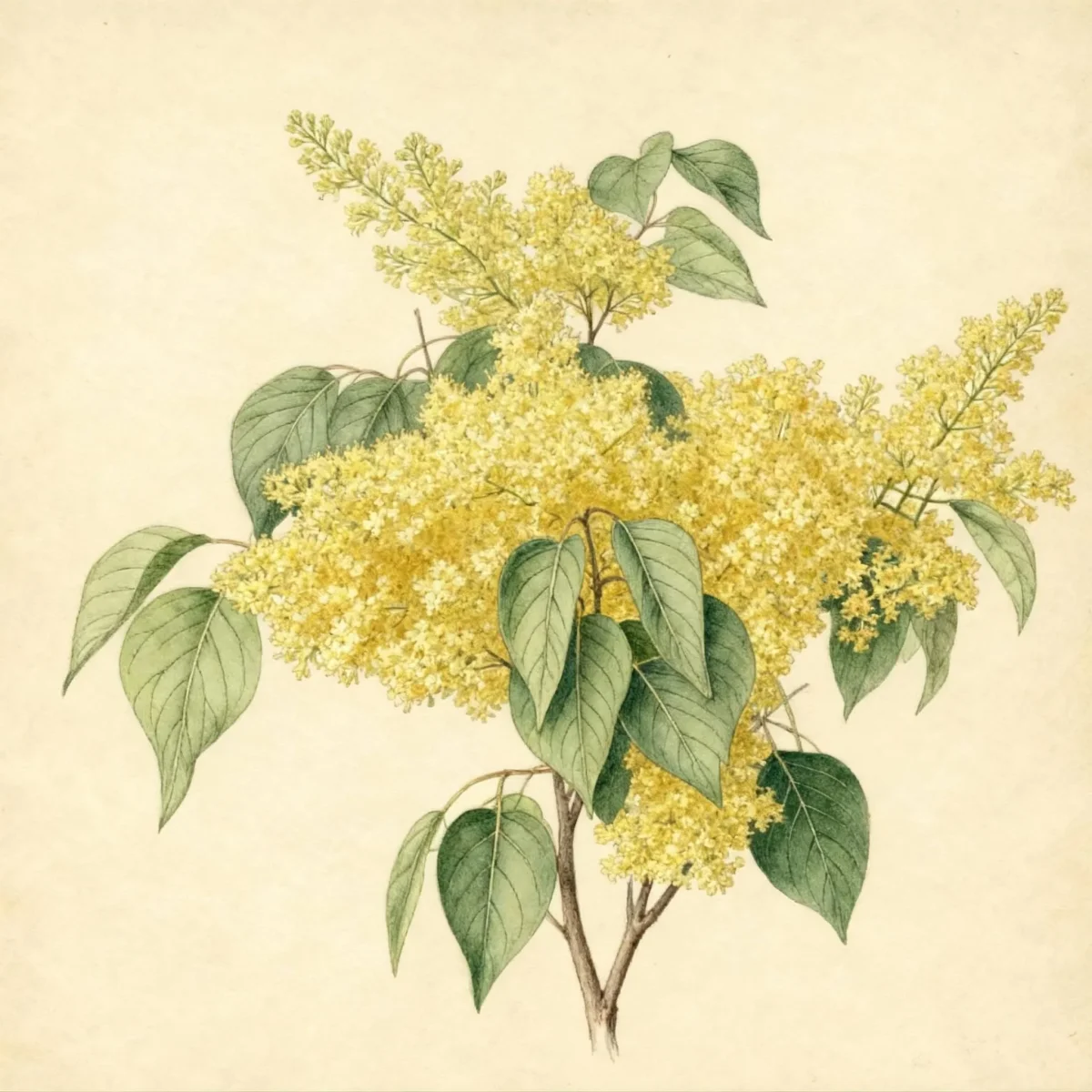
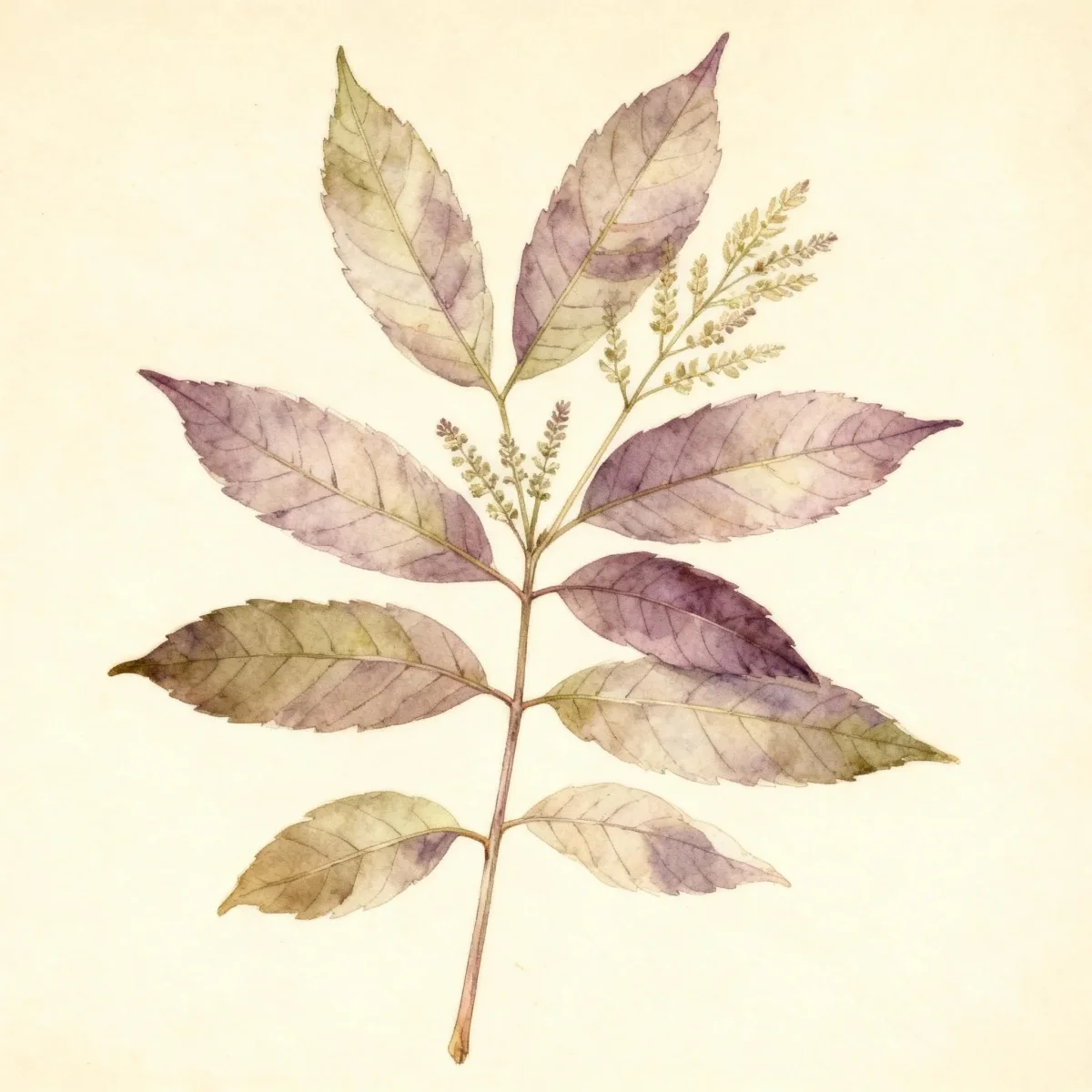
Japanese tree lilac (Syringa reticulata)
Discover the Syringa reticulata, the Japanese tree lilac, prized for its late-season creamy white flowers and low maintenance.
Scroll down to discover growing tips, care requirements, companion plants, and more
Complete Plant Information
Overview
The Japanese tree lilac (Syringa reticulata) offers gardeners a beautiful, dependable specimen tree that stands out due to its late bloom time compared to common lilacs. This species typically matures into a small tree, providing excellent structure and focal points in the landscape. It is highly valued for its large panicles of creamy white flowers that appear in early summer.
Syringa reticulata is renowned for its adaptability, tolerating urban pollution and various soil conditions, making it a fantastic choice for challenging sites. Aside from its flowers, its attractive exfoliating bark provides winter interest. Achieving the best flowering display requires planting the Japanese tree lilac where it receives ample sunlight.
This hardy species is a popular ornamental tree form, easily pruned to maintain a desired shape, and its low maintenance requirements secure its place as a practical landscape staple. Gardeners searching for a late-flowering flowering tree will find Syringa reticulata to be a superior, disease-resistant alternative to many other spring bloomers.
Fast Facts
- Plant Family: Oleaceae
- Plant Type: Tree
- Native Range: Northern China
- Hardiness Zones: USDA Zones 3-7
- Size at Maturity:
- Height: 20-30 ft
- Spread: 15-20 ft
- Bloom Time: June
- Bloom Description: Creamy white
- Sun Exposure: Full sun
- Water Needs: Medium
- Maintenance Level: Low
How to Grow
Planting the Japanese tree lilac is best done in spring or fall when the tree is dormant. Ensure it is situated in full sun for the most prolific bloom, although it tolerates light shade. Syringa reticulata thrives in average, well-drained soil, though it prefers organically rich, moist, slightly acidic conditions. Good air circulation is essential for long-term plant health.
Water consistently while the tree is establishing in the first few seasons to maintain medium moisture levels. Once mature, this tree is relatively drought-tolerant but benefits from deep watering during dry spells. Avoid over-fertilizing, as this can encourage excessive leafy growth at the expense of blooms.
Pruning for Syringa reticulata should happen immediately after the flowers fade. Removing the faded flower panicles before seed set encourages better next-year flowering. Growth is best observed in cooler summer climates; planting south of USDA Zone 7 is generally discouraged due to heat stress.
Landscape Uses
The Japanese tree lilac excels in multiple functional and aesthetic roles across the landscape. Its tree form makes it an excellent specimen plant where its creamy white flowers and interesting bark can be appreciated up close, such as near decks or patios. Furthermore, Syringa reticulata is highly effective when used along streets or in lawn settings due to its tolerance for tough urban environments.
For screening purposes or defining property lines, shrub forms or mass plantings work well within borders or small groups. Consider placing it where its later bloom sequence bridges the gap between late spring flowering shrubs and mid-summer perennials. As a flowering tree, it stands alone nicely, requiring minimal fuss once established.
Standout Features
Flower Qualities
- Showy
- Fragrant
Noteworthy Characteristics
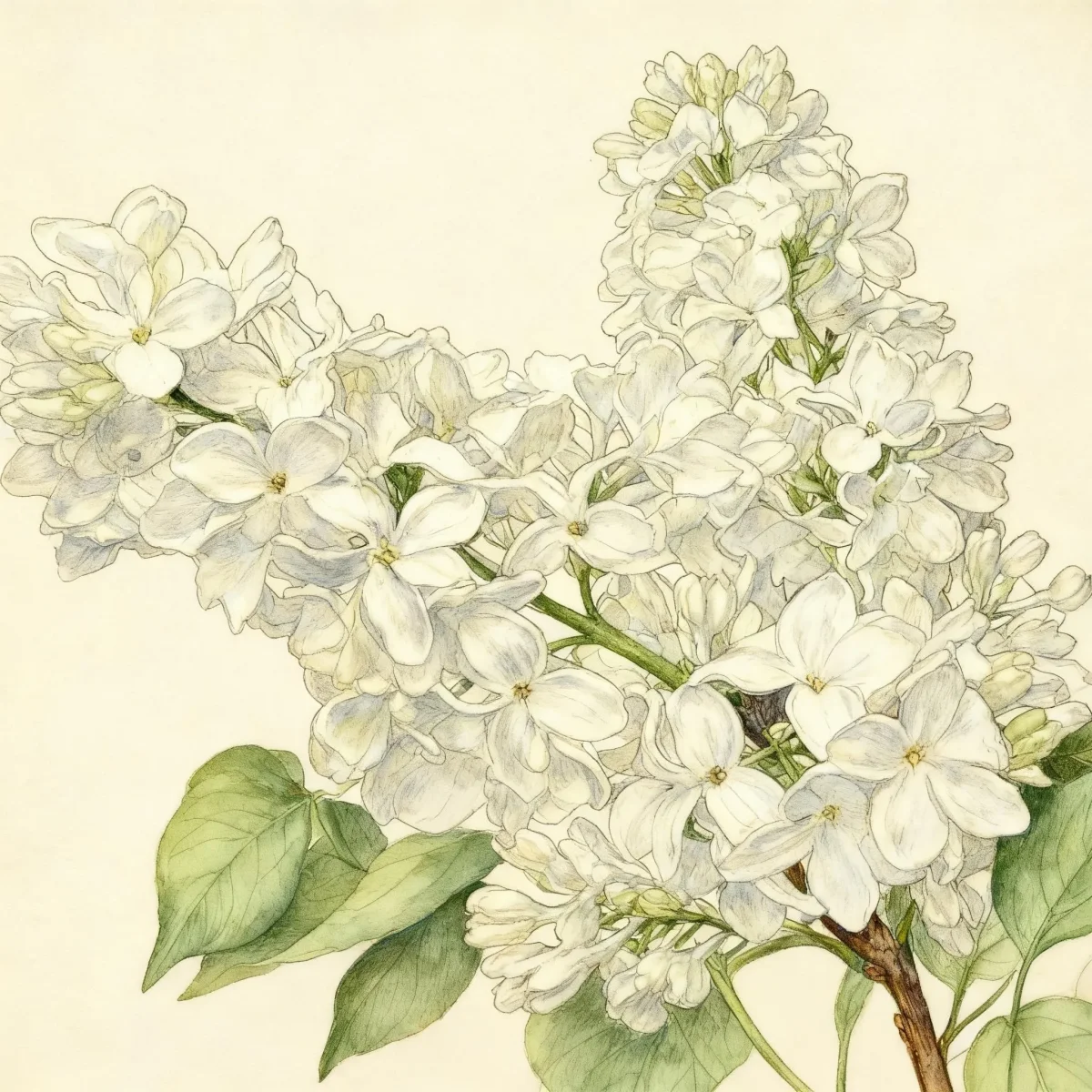
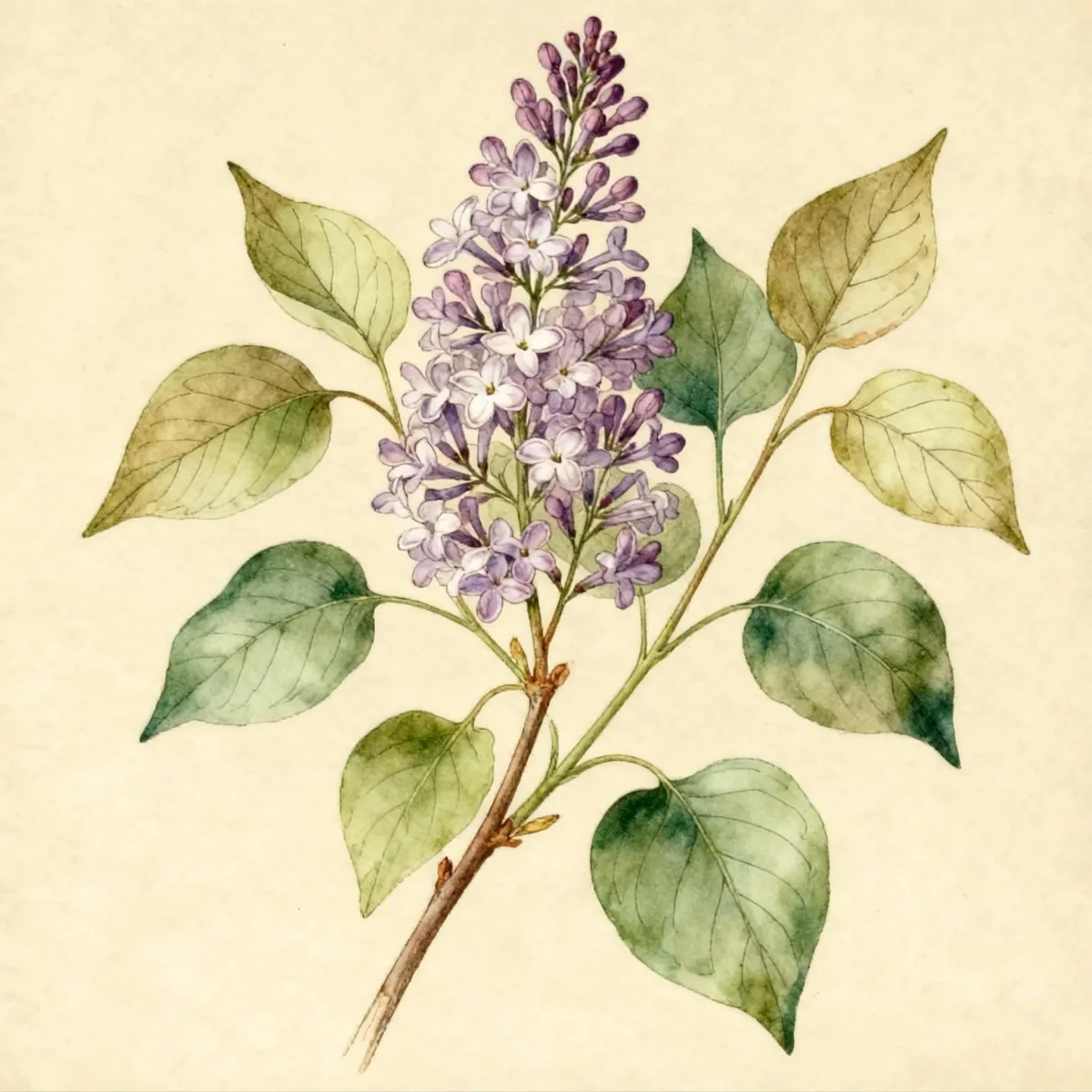
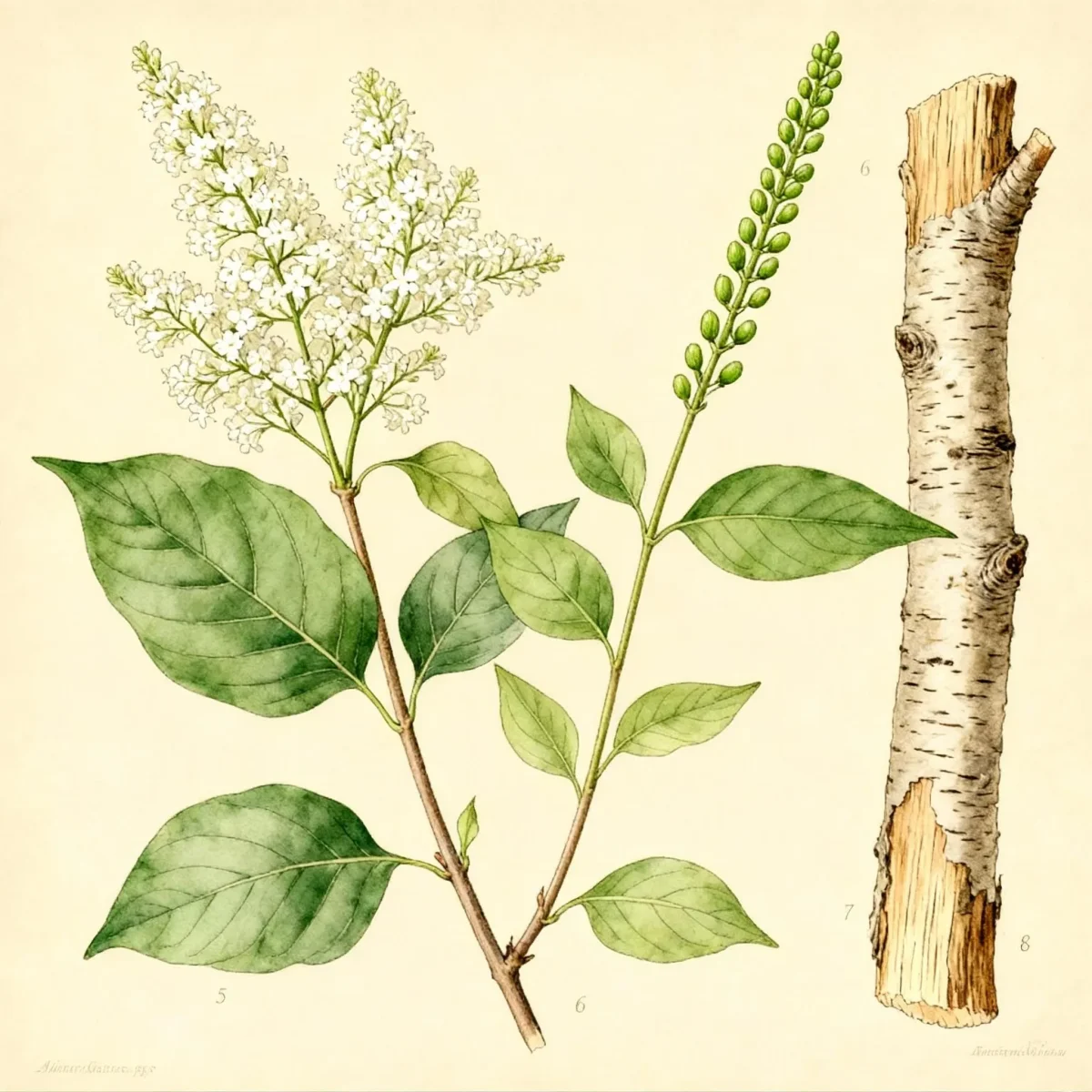
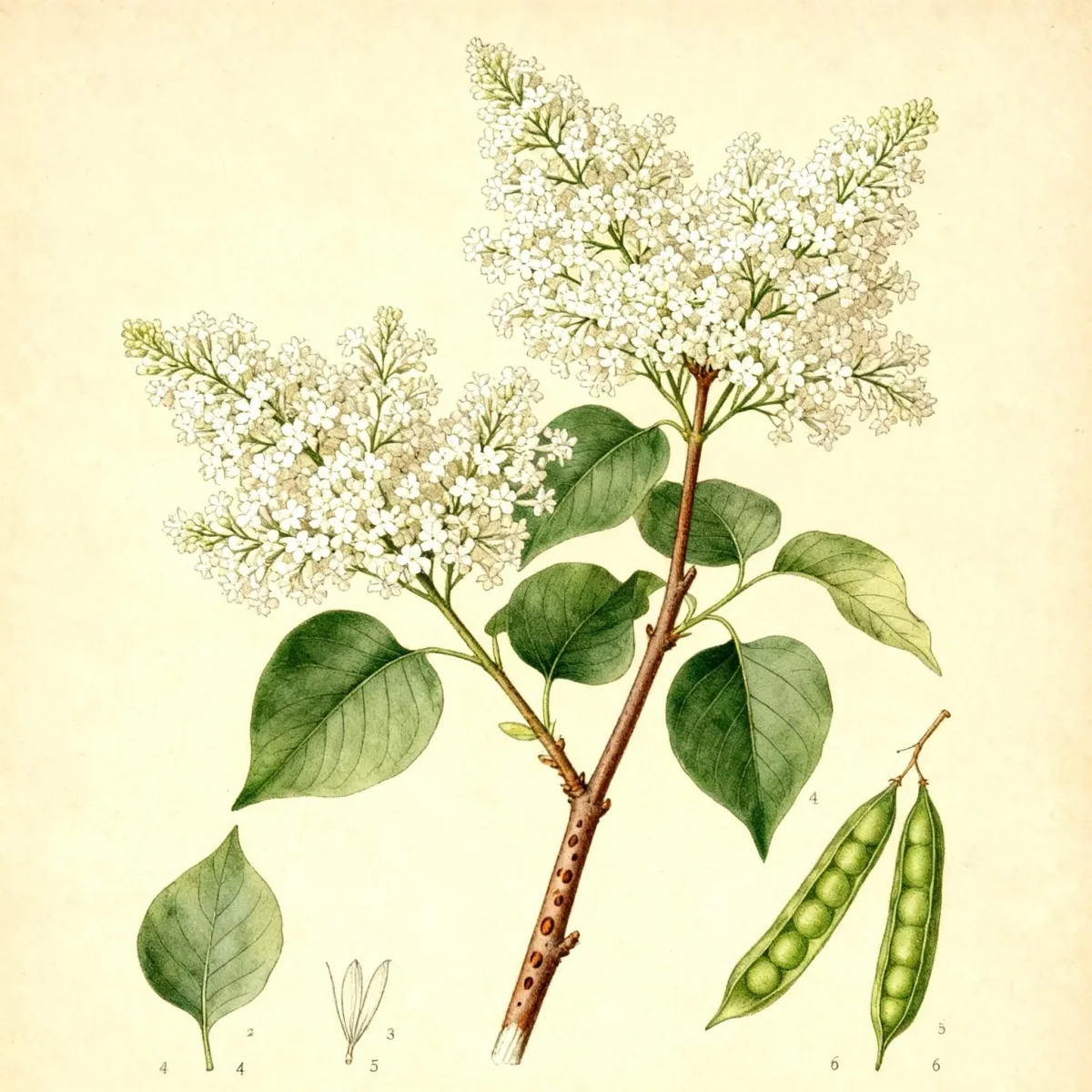
Syringa reticulata, commonly called Japanese tree lilac, typically grows as a small tree or large shrub. In tree form, it grows to 30’ tall and 20’ wide with an oval-rounded crown. Its best ornamental feature is its showy, fragrant, creamy white flowers which bloom in upright panicles to 12” long in late spring to early summer (later than most other lilac species). Some gardeners dislike the privet-like smell of the flowers. Flowers give way to loose clusters of brown capsules that persist into winter. Reddish-brown peeling bark is attractive on younger branches, gradually turning gray with age. Sharply-tipped, lanceolate to ovate, dark green leaves (to 6” long). No fall color.Genus name comes from the Greek word syrinx meaning tube or pipe in reference to the pith-filled but easily-hollowed stems of some genus plants.Specific epithet means netted-veined in reference to the leaf veins.Syringa reticulata subsp. Reticulata is native to Japan and is sometimes commonly called Japanese tree lilac. Syringa reticulata subsp. Pekinensis is native to China and is sometimes commonly called Chinese tree lilac or Peking lilac. Syringa reticulata subsp. Amurensis is native to Korea and eastern Russia and is commonly called Amur tree lilac or Amur lilac.
Tolerances
- Deer
- Clay Soil
Potential Problems
One of the great benefits of incorporating Syringa reticulata is its strong pest and disease resistance compared to other lilac types. It reportedly possesses good resistance to common lilac issues like powdery mildew, scale insects, and borers. Gardeners should remain vigilant, however, as susceptibility exists for blights, leaf spots, wilt, and ring spot virus under less-than-ideal conditions.
Additional insect pests, particularly caterpillars and leaf miner, may occasionally affect the foliage, though severe damage is rare. Be aware that flower buds are susceptible to frost injury if a late spring freeze occurs after the buds have begun to swell. Proper siting and maintaining good air circulation are the best preventative measures against most fungal issues.
Frequently Asked Questions
What hardiness zones is Japanese tree lilac suitable for?
The Japanese tree lilac, Syringa reticulata, is a robust choice for landscapes within USDA Zones 3 through 7.
How large does Syringa reticulata grow?
This species typically matures into a tree form reaching 20 to 30 feet tall with a spread of 15 to 20 feet wide, developing an oval-rounded crown.
What sun exposure does Japanese tree lilac need?
For optimal flowering, Syringa reticulata requires full sun exposure; however, it can tolerate light shade, though bloom production will be reduced.
When does Syringa reticulata bloom?
The bloom time for this hardy lilac in most regions is June, producing showy panicles of creamy white flowers.
Conclusion
The Syringa reticulata, or Japanese tree lilac, provides unique late-season color, excellent bark texture, and remarkably low maintenance, making it a superior choice for specimen planting or street applications. Ensure your site falls within USDA Zones 3–7 and provides full sun to maximize the beauty of this tree. Plan your pruning efforts immediately following the bloom period to ensure spectacular performance next summer.
Companion Planting
When integrating Syringa reticulata into a mature planting scheme, select companions that appreciate similar cultural needs—full sun and medium moisture. Consider planting summer-blooming perennials like Coneflowers (Echinacea) or Black-Eyed Susans (Rudbeckia) beneath the canopy for continuous color appeal once the lilac finishes flowering. Because the tree lilac leafs out slightly later than some early bloomers, pairing it with late-flowering spring bulbs ensures continuous interest in the foundational beds. Avoid overcrowding, as the Japanese tree lilac requires good air circulation to mitigate the slight risk of fungal disease.
Design Ideas
The upright, panicle-style flowers of the Japanese tree lilac contrast beautifully with the rounded blooms of other summer performers, offering textural variety. In formal settings, using the tree form of Syringa reticulata as a repeating element along an avenue or walkway creates strong vertical lines that lead the eye. For a mixed border, plant shorter shrubs with contrasting foliage color, such as Japanese maples (if zones match) or deciduous viburnums, anchoring the base of the tree while still keeping space clear for air movement around the trunk.