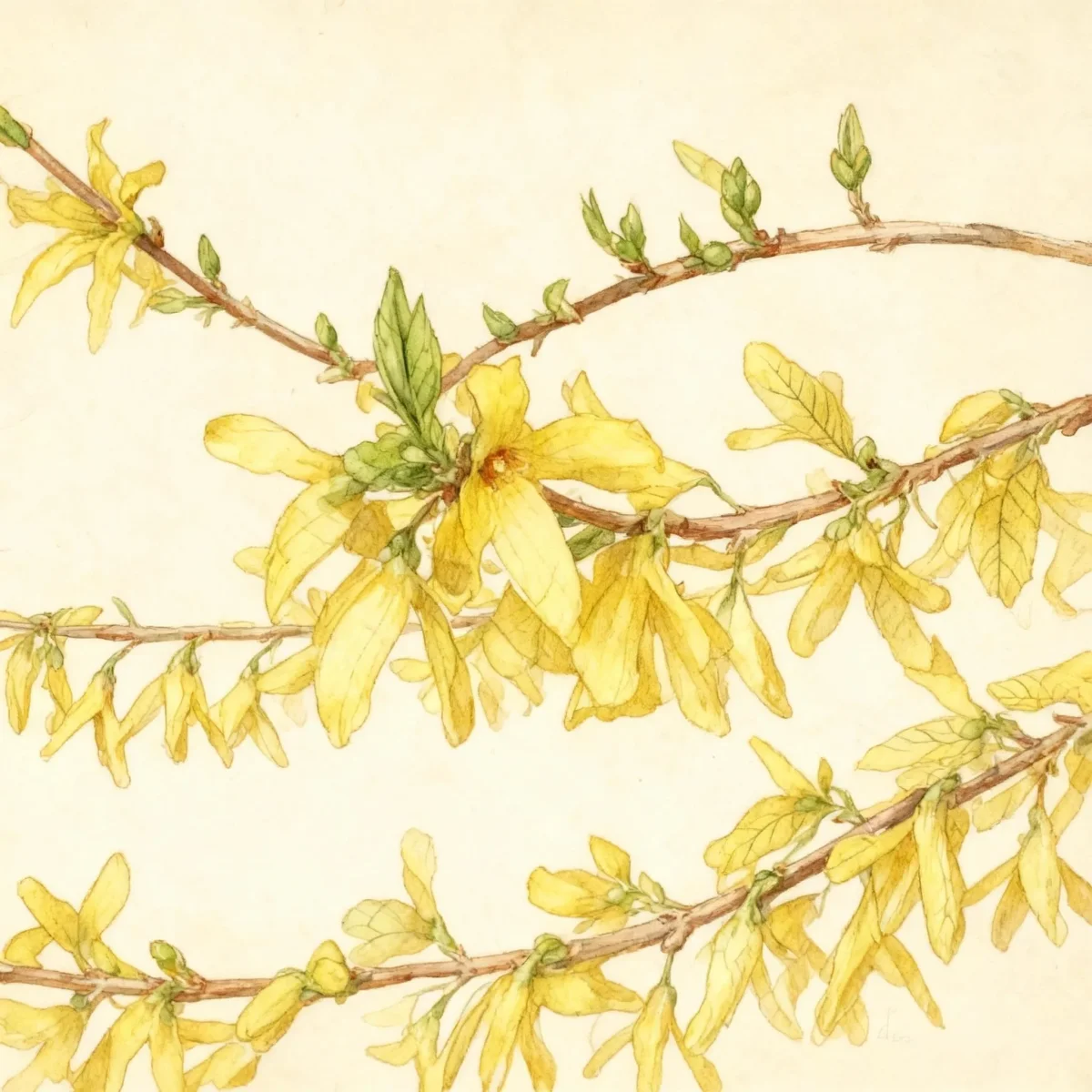
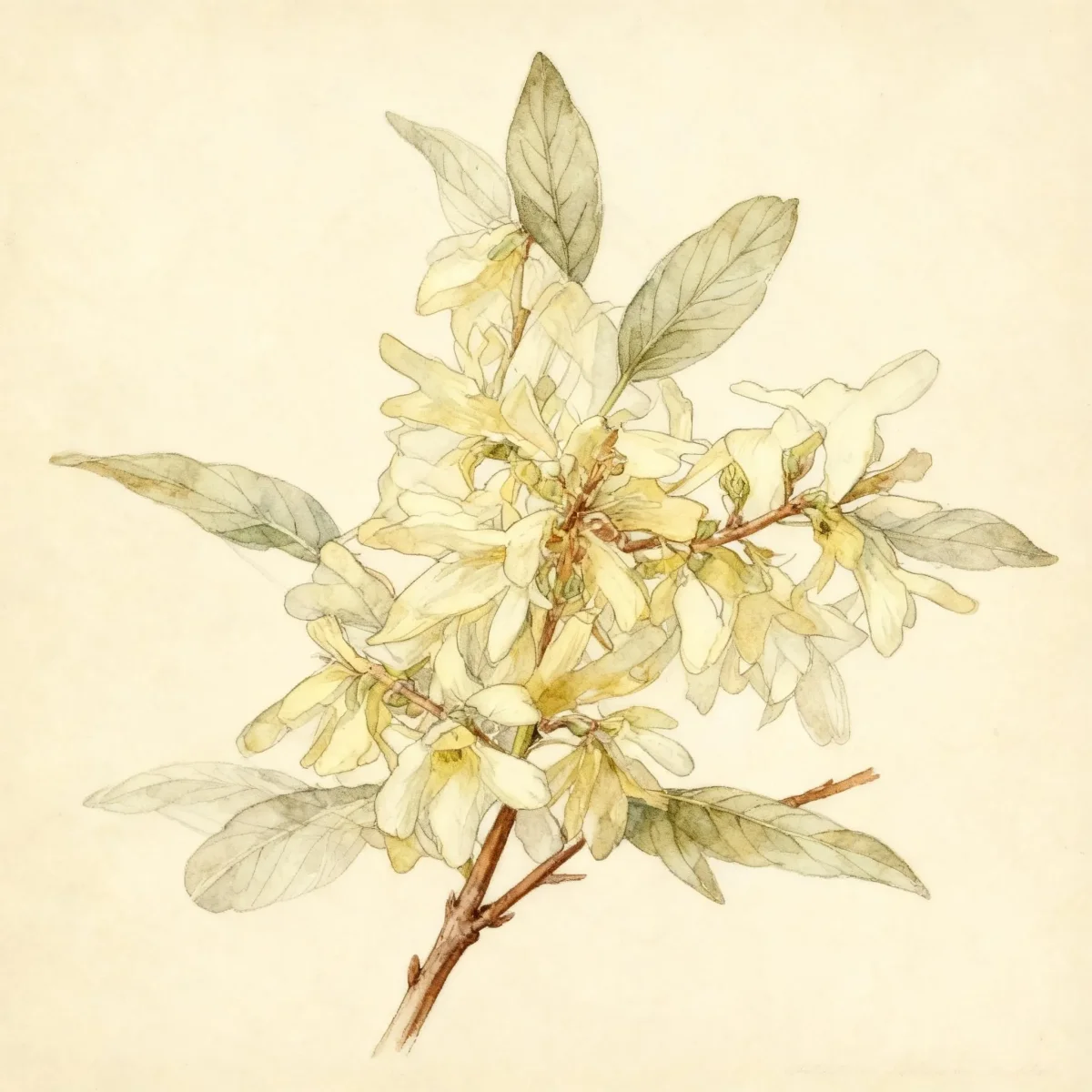
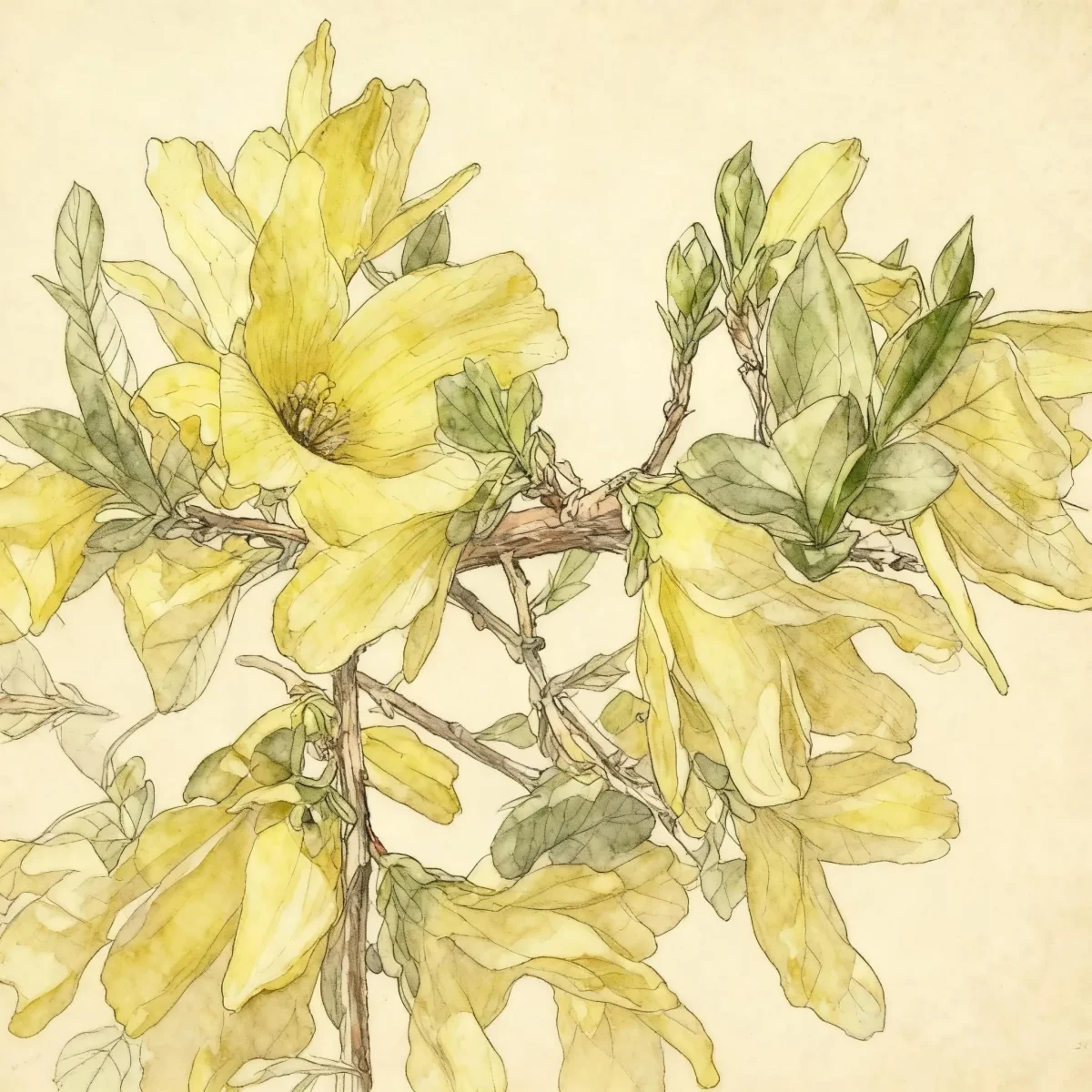
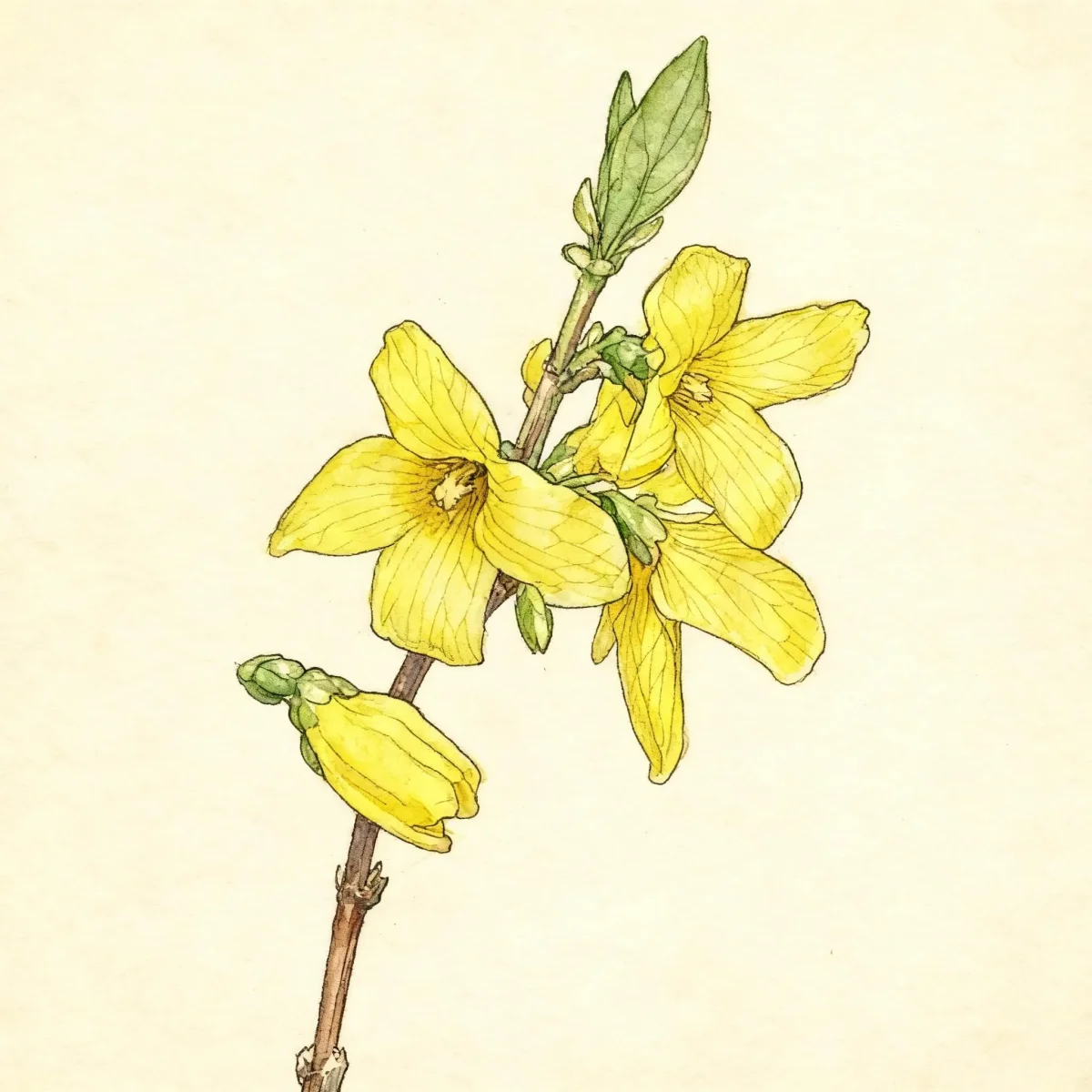
Chinese fringe tree (Chionanthus retusus)
The Chinese fringe tree, Chionanthus retusus, offers profuse, fragrant white blooms in late spring. A low-maintenance specimen tree for Zones 5-9.
Scroll down to discover growing tips, care requirements, companion plants, and more
Complete Plant Information
Overview
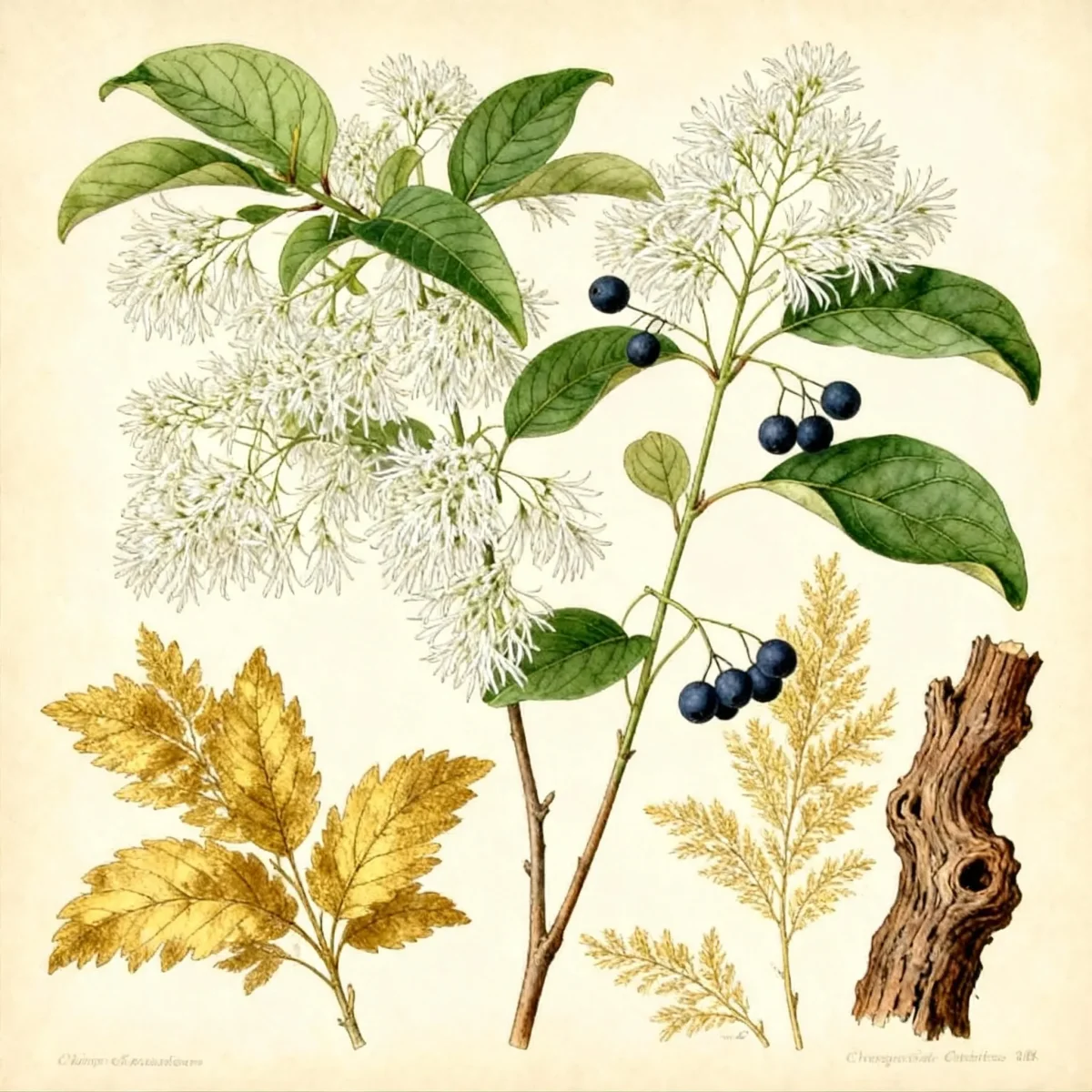
The Chinese fringe tree (Chionanthus retusus) is a highly attractive woody specimen valued for its spectacular display of snow-white flowers in late spring. These blooms possess fringe-like petals, creating a cloud of fragrance that distinguishes it from many early-season bloomers. This durable East Asian native adapts well to varied urban conditions where many ornamental trees struggle.
As a relatively low-maintenance deciduous tree, Chionanthus retusus offers year-round interest, transitioning from stunning spring flowers to attractive dark blue fruits in the fall, and featuring exfoliating bark in winter. It typically matures into a multi-stemmed shrub or small tree reaching 10 to 20 feet tall and wide. For optimal performance, this Chinese fringe tree thrives in deep, moist soils when given a location receiving ample sunlight.
Gardeners seeking low-impact beauty will appreciate the characteristics of Chionanthus retusus. It naturally resists most serious pests and diseases, requiring minimal pruning throughout its life. Its adaptable nature makes it an excellent candidate for flowering accents in foundation plantings, woodland borders, or near water features.
Fast Facts
- Plant Family: Oleaceae
- Plant Type: Tree
- Native Range: Asia
- Hardiness Zones: USDA Zones 5-9
- Size at Maturity:
- Height: 10-20 ft
- Spread: 10-20 ft
- Bloom Time: May to June
- Bloom Description: White
- Sun Exposure: Full sun to part shade
- Water Needs: Medium
- Maintenance Level: Low
How to Grow
Planting the Chinese fringe tree is best achieved in spring or early fall, ensuring it has time to establish its root system before experiencing temperature extremes. Select a location offering full sun for the most prolific flowering, though the tree tolerates part shade. Chionanthus retusus establishes best in average, medium moisture, well-drained soils, showing a preference for deep, moist, fertile, and slightly acidic conditions. Proper spacing, matching its 10 to 20-foot mature spread, is crucial.
Watering should be consistent, particularly for young trees, maintaining medium moisture levels. Avoid allowing the soil to become waterlogged, but understand that this species is intolerant of prolonged dry conditions. Established plants require little supplemental feeding if the soil is reasonably fertile. Pruning is seldom necessary; seldom prune, only removing crossing or damaged branches when absolutely required.
Adaptability is a hallmark of this species; it demonstrates tolerance to urban air pollution. In winter preparation, no special protection is usually needed outside of its hardiness range. Spring cleanup involves removing leaf debris, which helps reveal the attractive exfoliating gray-brown winter bark. Remember that male flowers tend to be slightly showier than female flowers, though only the fertilized female flowers produce the desirable late-season fruit display.
Landscape Uses
The versatility of the Chinese fringe tree makes it an excellent choice as a specimen plant, showcasing its airy white bloom structure against darker foliage. It excels when planted in groups, providing a cohesive screen or border element. For those designing rain gardens or near streams and ponds, its medium water needs and tolerance for moisture make Chionanthus retusus a natural fit near water edges.
Consider placing this flowering tree where its springtime fragrance can be appreciated, such as near patios or entryways. It works beautifully when sited within shrub or woodland borders, allowing its lower, wide-spreading form to blend naturally with surrounding plant layers. The contrast between its bright, showy flowers and the deep green of its lustrous leaves provides visual texture throughout the growing season.
When designing, remember that Chionanthus retusus benefits from rich, amended soil, so pair it with other acid-loving or woodland understory plants. Its moderate size prevents it from overwhelming small garden spaces, offering year-round structure without the heavy shadowing of larger shade trees.
Standout Features
Flower Qualities
- Showy
- Fragrant
Fruit Qualities
- Showy
Noteworthy Characteristics
Chionanthus retusus, commonly known as Chinese fringe tree, is native to China, Korea, and Japan. Like its American counterpart, it produces profuse, mildly fragrant, pure white flowers in terminal clusters up to 4 inches long that bloom in late spring to early summer. The tree often appears as a large, multi-stemmed shrub reaching 10–20 feet, though it can be trained as a small, single-trunked specimen. Attractive features include lustrous, leathery leaves that turn yellow in the fall and exfoliating gray-brown bark visible in winter.
Tolerances
- Tolerant of air pollution
Potential Problems
The Chinese fringe tree is generally robust, facing no serious insect or disease problems when sited correctly. Gardeners should monitor for minor issues, including susceptibility to mites, scale insects, or borers, particularly if the tree is stressed by inadequate watering or poor drainage. Occasionally, foliar issues such as leaf spots or powdery mildew may appear, especially in humid conditions or heavy shade.
Prevention lies largely in providing the ideal location—full sun and well-drained, moist soil—to maintain plant vigor. If insect pressure is observed, non-nontoxic horticultural oils or targeted insecticides may be necessary. Be aware that nursery-bought plants may or may not be identified as male or female, which influences whether or not you will see the attractive late-summer fruit.
Frequently Asked Questions
What hardiness zones is Chinese fringe tree suitable for?
The Chinese fringe tree (Chionanthus retusus) is suitable for USDA Hardiness Zones 5 through 9.
How large does Chinese fringe tree grow?
This tree typically reaches a mature height between 10 and 20 feet, with a similar spread of 10 to 20 feet.
What sun exposure does Chinese fringe tree need?
The optimal sun exposure for Chionanthus retusus is full sun, although it will tolerate partial shade, with best flowering occurring in direct light.
When does Chinese fringe tree bloom?
The distinctive white flowers appear relatively early, typically blooming from May into June.
Conclusion
The Chionanthus retusus, or Chinese fringe tree, stands out as a cherished ornamental for its stunning late-spring fragrance and delicate, white floral display. Its relatively low maintenance needs and adaptability to urban settings make it a practical and beautiful choice for many landscapes. Assess your site conditions, ensuring medium water availability and well-drained soil, before planting this spectacular addition to your garden.
Companion Planting
When planning the understory beneath the Chinese fringe tree, consider plants that share its preference for moist, well-drained, and slightly acidic soils. Hostas thrive in dappled shade beneath the canopy, offering excellent contrasting foliage texture during the summer months. Smaller evergreen shrubs, such as certain varieties of Azaleas or Rhododendrons, create a beautiful foundation planting that highlights the airy nature of the Chionanthus retusus blooms above them.
If establishing a rain garden, incorporating native ferns or moisture-loving perennials like Astilbe will enhance the area served by this tree. Because the Chinese fringe tree develops an attractive, rounded canopy, use vertical accents nearby, such as columnar evergreens, to add structural diversity to the planting scheme.
Wildlife Benefits
The late-season interest provided by the Chinese fringe tree extends beyond its flowers; the resulting fruit is highly valuable to local wildlife. If you have fertilized female plants, clusters of olive-like fruits ripen to a dark bluish-black color in late summer and fall. These fruits serve as an important and readily available food source for many species of backyard birds as they prepare for migration or overwintering.
Furthermore, the fragrant spring blooms attract several types of pollinators. While the fragrance is noted, the flowers themselves, with their fringed petals, offer nectar and pollen resources at a time when blooms might be becoming scarcer after the initial flush of spring bulbs. Planting Chionanthus retusus is a subtle way to support local insect health while providing lasting aesthetic appeal.