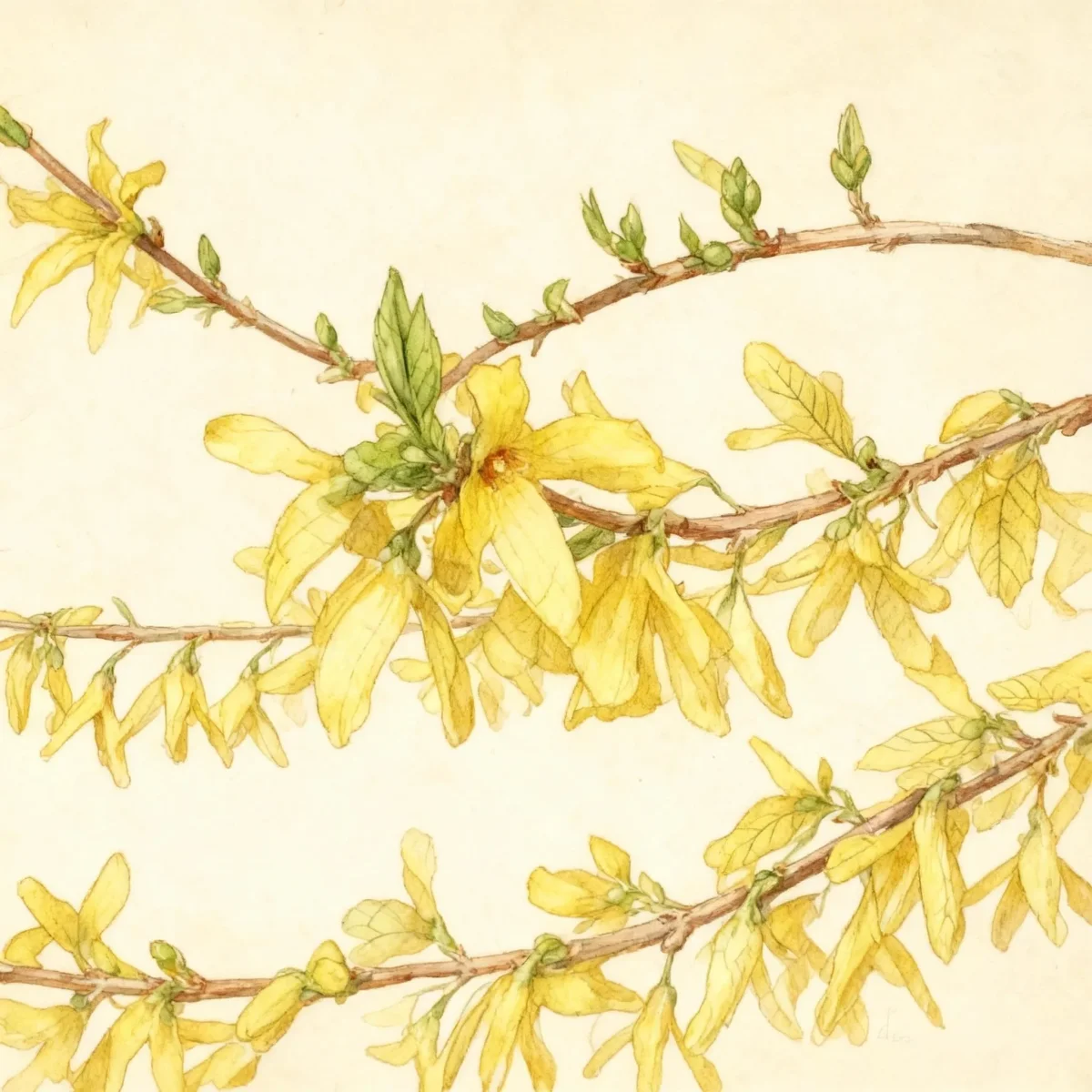
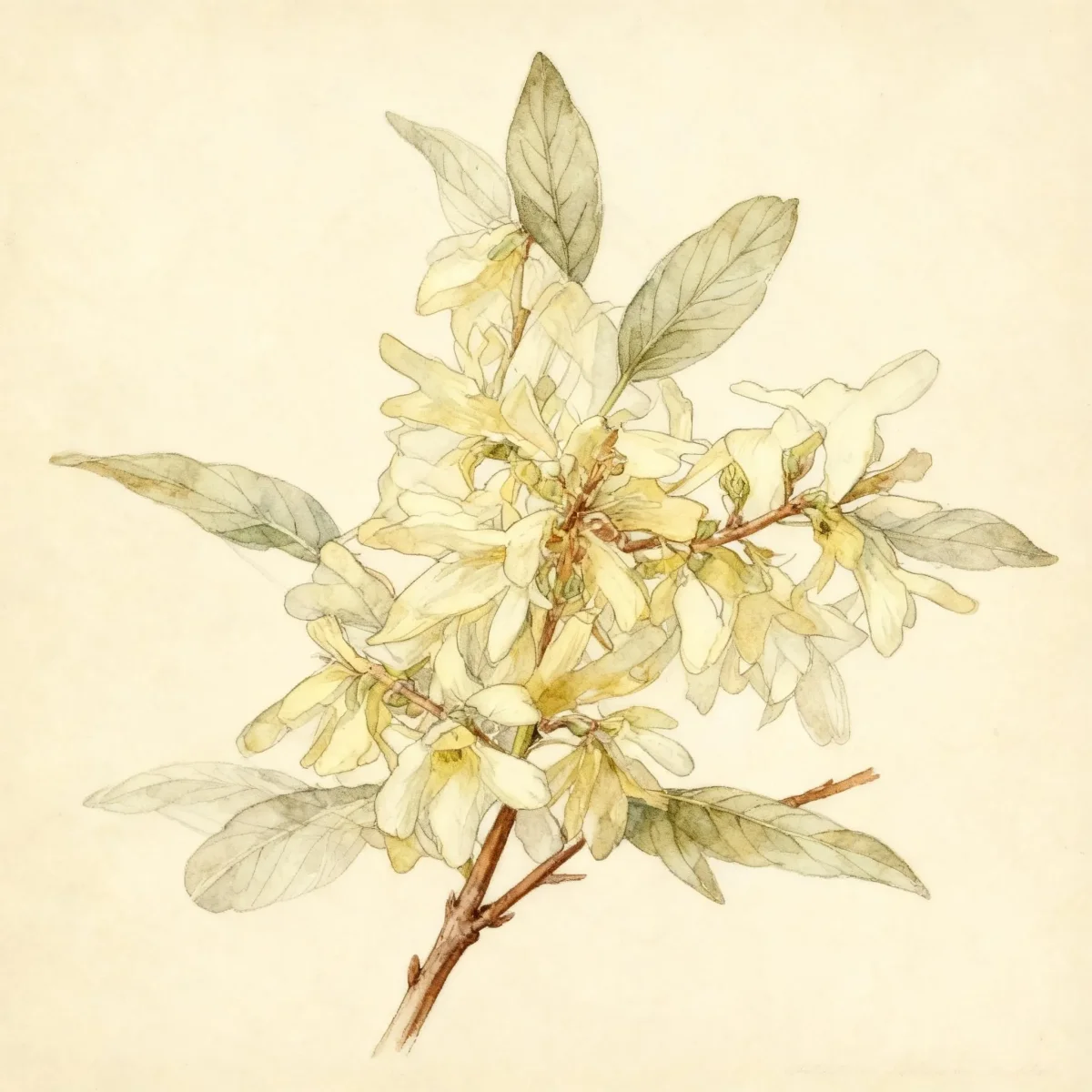
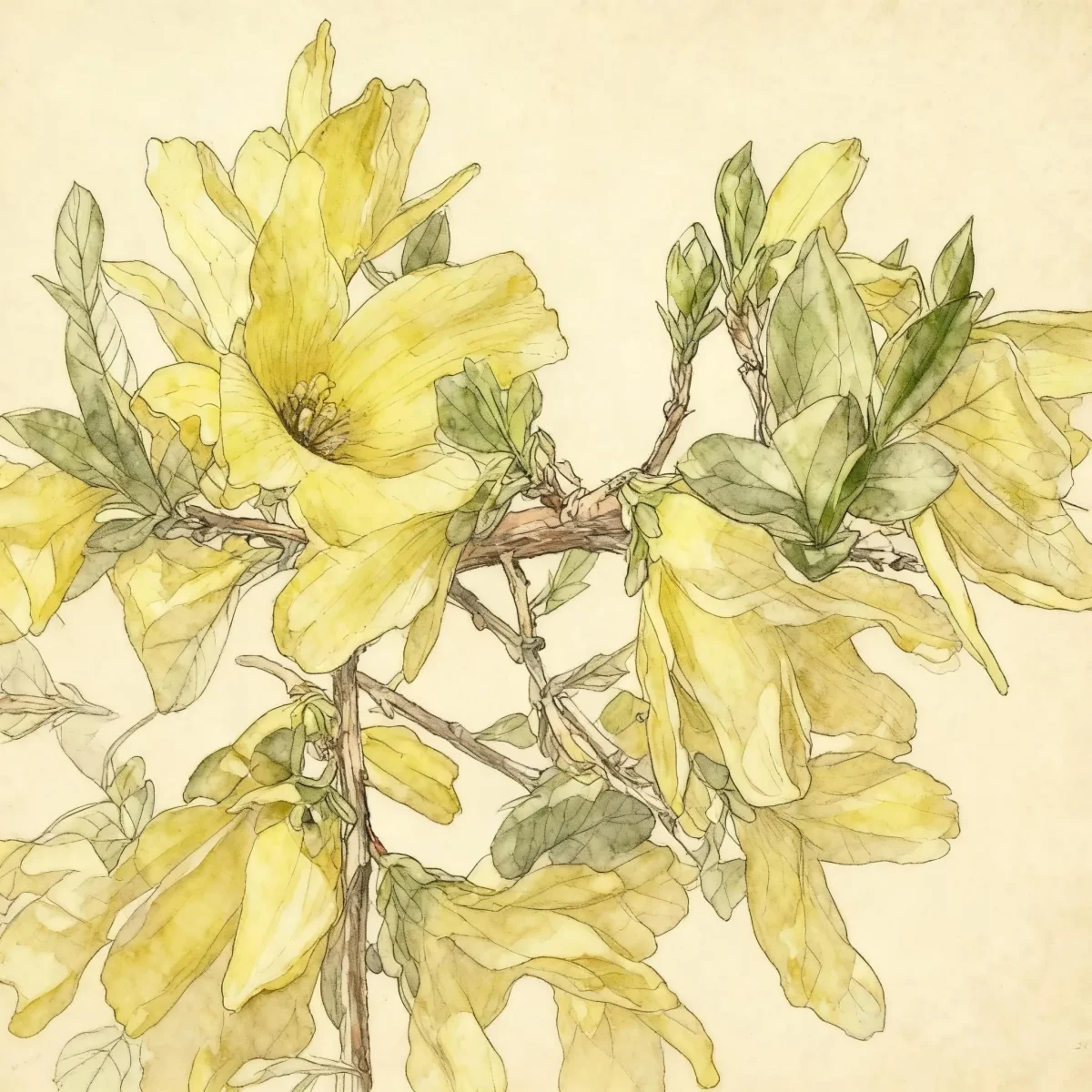
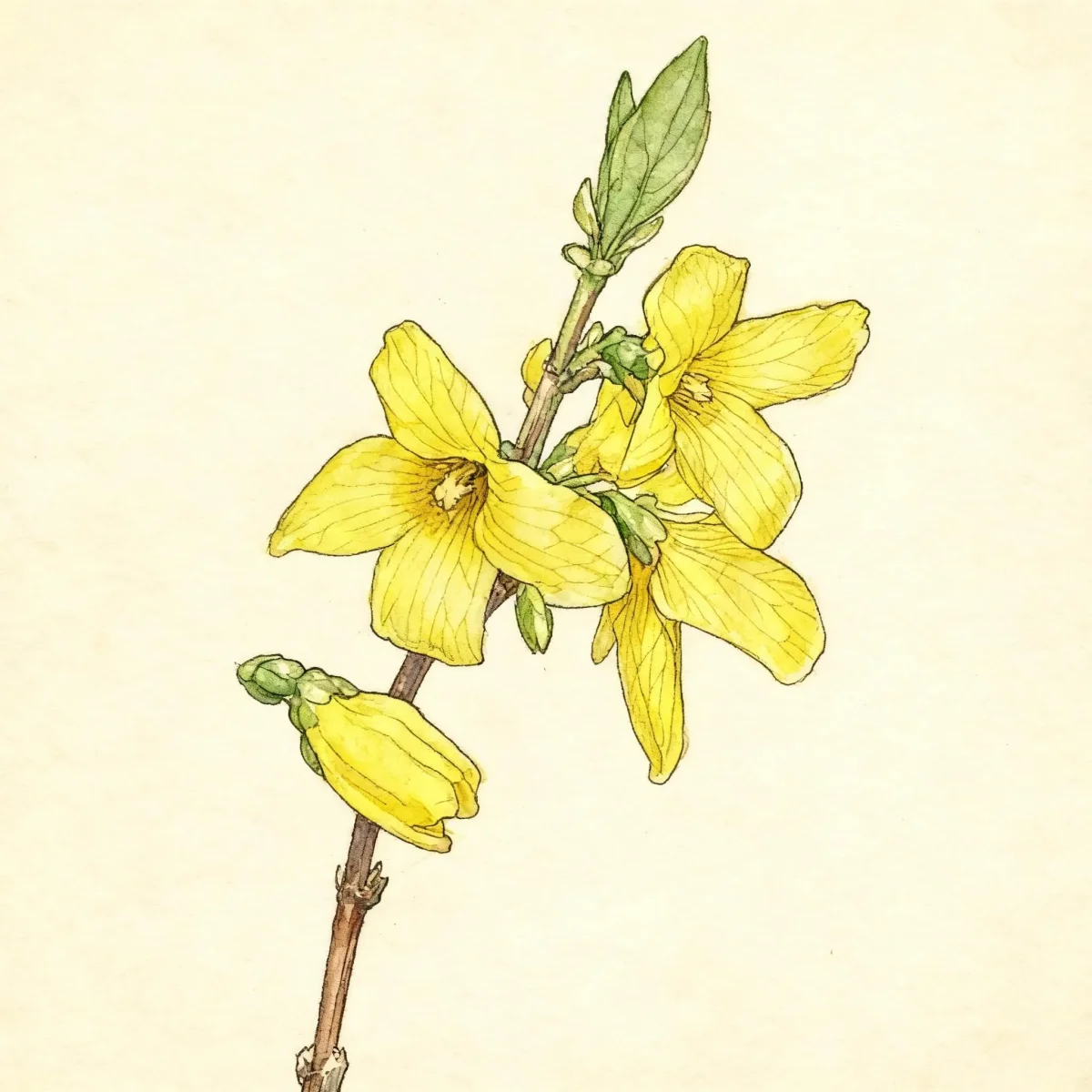
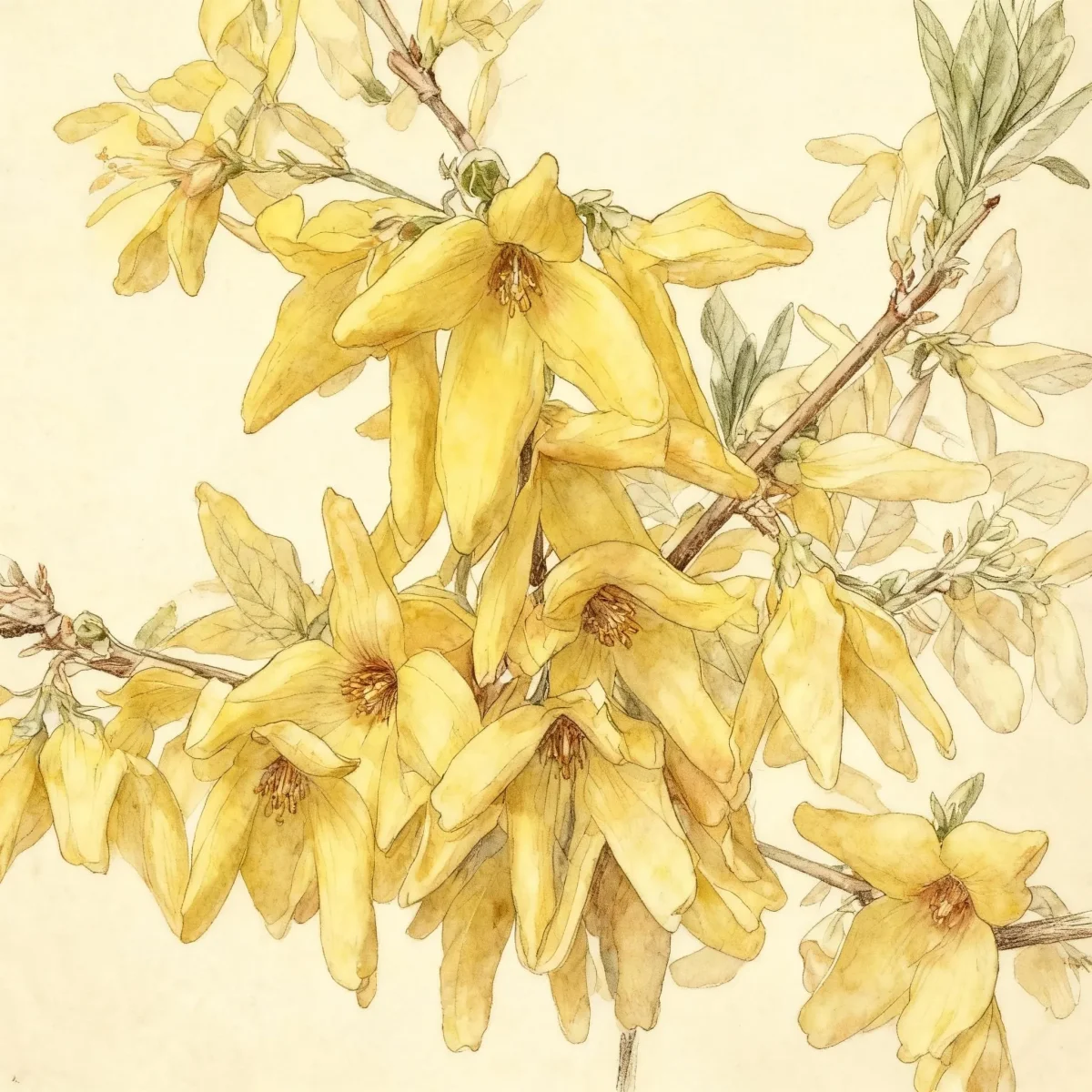
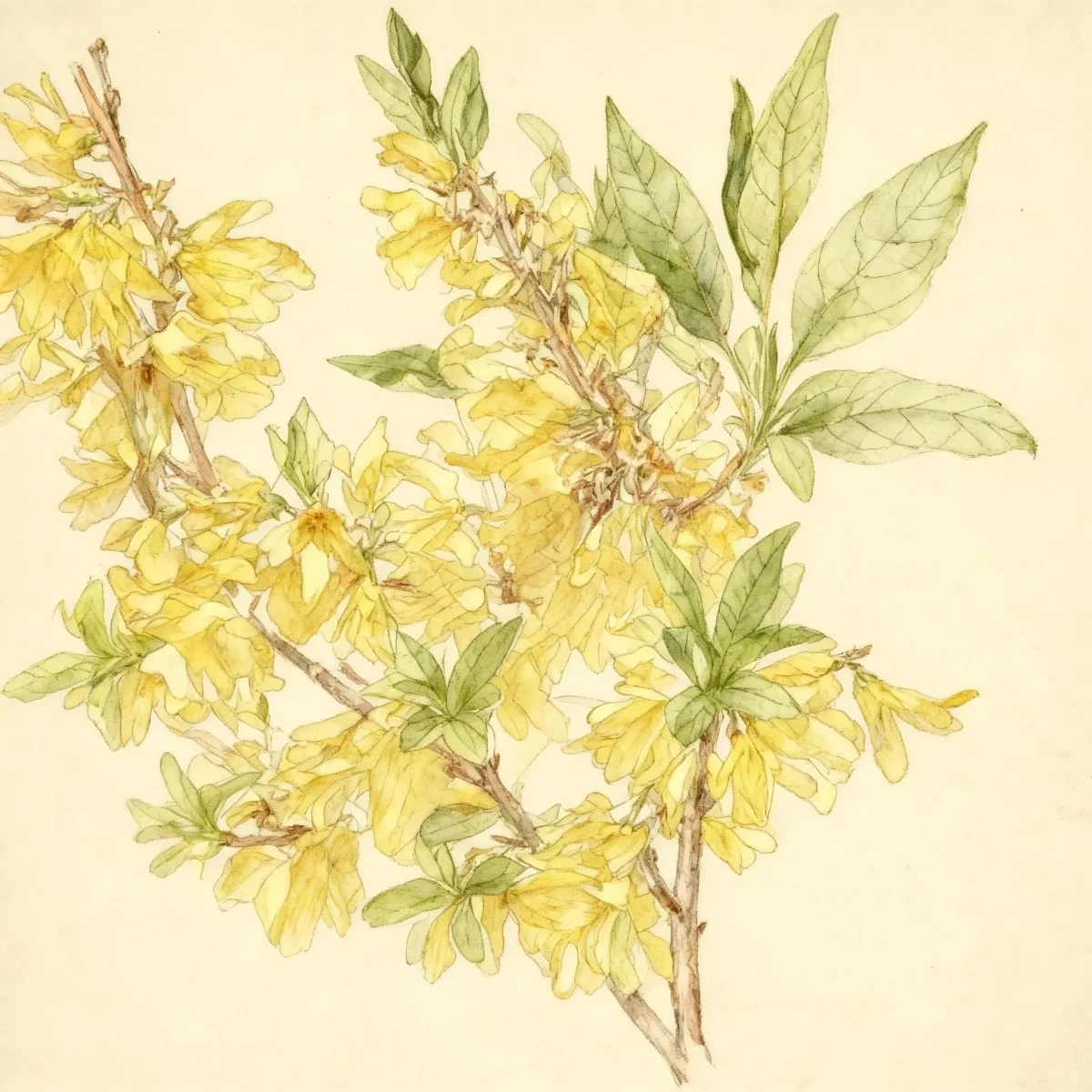
Fontanesia (Fontanesia fortunei)
Fontanesia fortunei is a low-maintenance, privet-like deciduous shrub native to China, valued for hedges and screens.
Scroll down to discover growing tips, care requirements, companion plants, and more
Complete Plant Information
Overview
Fontanesia fortunei, often referred to simply as Fontanesia, is a robust, multi-stemmed deciduous shrub recognized for its usefulness in hedging and screening applications. Although some gardeners consider it architecturally plain, its dense foliage and adaptability make it a highly practical choice for foundational plantings. This species reliably provides structure to the garden throughout the growing season.
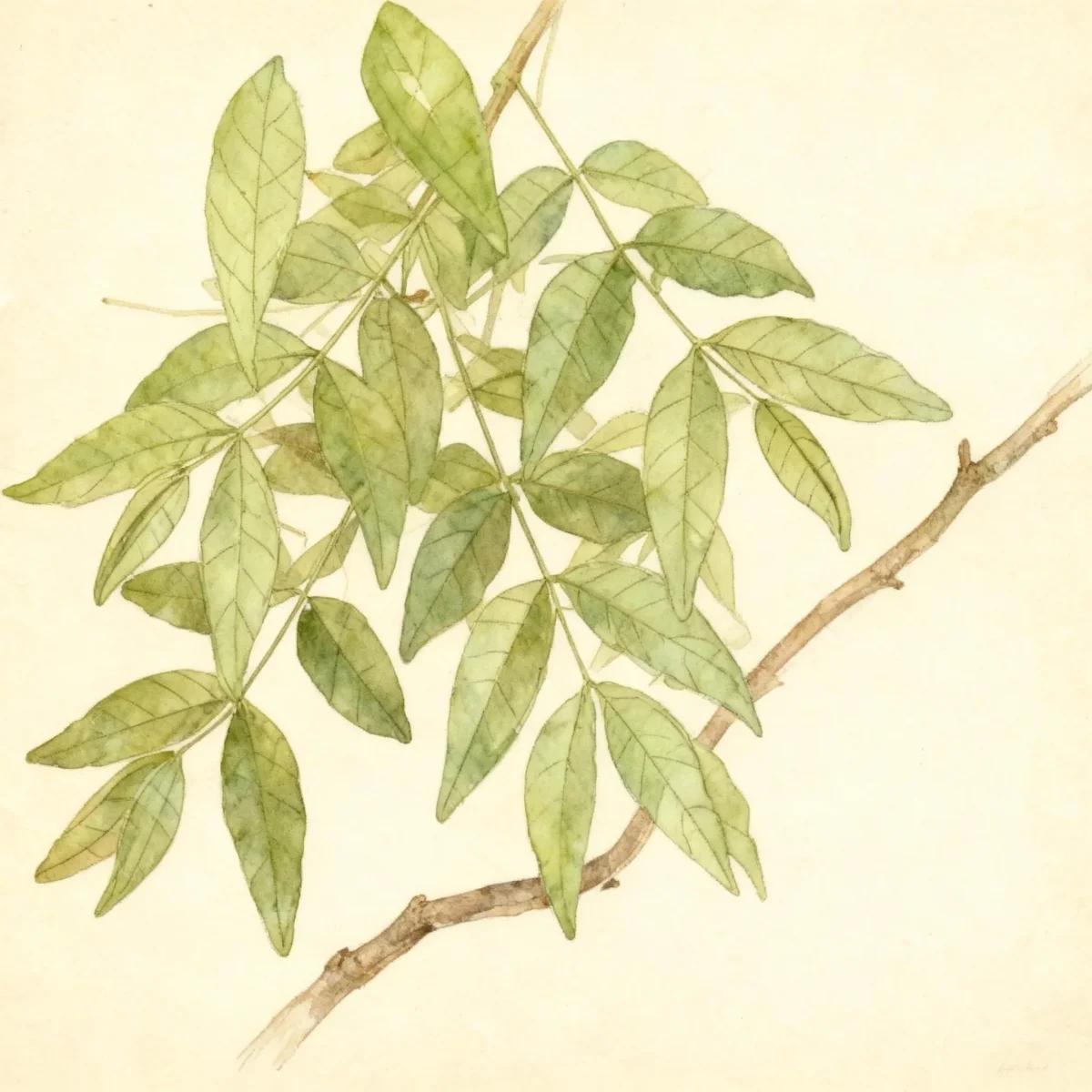
Originating in China, Fontanesia fortunei is characterized by opposite, dark green leaves carried on distinctive quadrangular stems. It offers a modest floral display in late spring with numerous small, greenish-white flowers, followed by small, winged samaras. The overall growth habit of Fontanesia lends itself well to formality or softer woodland margins.
This plant is appreciated for its low maintenance demands and general adaptability, fitting seamlessly into foundation plantings or large borders. Gardeners seeking reliable year-round screening or hedging material should certainly consider the dependable structure offered by Fontanesia fortunei.
Fast Facts
- Plant Family: Oleaceae
- Plant Type: Deciduous shrub
- Native Range: China
- Hardiness Zones: USDA Zones 6-9
- Size at Maturity:
- Height: 10-15 ft
- Spread: 4-9 ft
- Bloom Time: May to June
- Bloom Description: Greenish-white
- Sun Exposure: Full sun to part shade
- Water Needs: Medium
- Maintenance Level: Low
How to Grow
For optimal establishment, plant Fontanesia fortunei during the fall or early spring when temperatures are moderate. Select a site that provides its preferred cultural conditions: consistently moist, well-drained soils. While it thrives in full sun, it tolerates partial shade, though flowering may be slightly reduced in deeper shade.
Watering should be consistent, especially during the first year after planting, to encourage deep root development. Once established, this shrub demonstrates a moderate water requirement and possesses some drought tolerance. Fertilization is rarely necessary unless the soil quality is extremely poor; typically, a yearly application of balanced organic mulch suffices to maintain soil health.
Pruning is usually only required to maintain desired hedging dimensions or to remove any errant or damaged branches. Due to its strong constitution, Fontanesia fortunei seldom suffers major complications from pests or diseases, contributing to its overall low maintenance profile. Ensure good air circulation, particularly when planting in partial shade, to prevent superficial fungal issues common to dense plantings.
Landscape Uses
The primary utility of Fontanesia in landscape design lies in its dense, upright structure, making it an excellent candidate for functional plantings. It excels when utilized as a traditional hedge, providing a neat, formal barrier or property line marker. Furthermore, its height potential, reaching up to 15 feet in cultivation, makes it a valuable asset for creating dense privacy screens.
Beyond hedges, Fontanesia fortunei works well along woodland margins where its dark green summer foliage can provide a solid green backdrop for more colorful perennials or spring-flowering shrubs. While perhaps not a leading specimen plant, its reliability makes it a supreme background element. Pairing it with contrasting textures, such as fine-leaved evergreens or plants with bright fall color (which Fontanesia lacks), enhances its visual impact.
Standout Features
Flower Qualities
- Showy
Noteworthy Characteristics
Fontanesia fortunei, commonly called fontanesia, is a multi-stemmed, privet-like, deciduous shrub or small tree that typically grows in cultivation to 10-15’ tall, but reportedly may grow to as much as 30-40’ tall in its native habitat in China. Quadrangular stems are clad with opposite, narrow-ovate to lanceolate, dark green leaves. Four-petaled, greenish-white flowers (each to 1/6” long) bloom in late spring in small panicles (axillary racemes) to 2” long. Fruit is a flat, brown-winged samara (3/8” long).
Tolerances
- No data available
Potential Problems
This species boasts a clean bill of health concerning pests and diseases, with no significant insect or disease problems reported in standard horticultural settings. Gardeners can generally rely on Fontanesia fortunei to perform without intensive chemical treatments. Focus prevention efforts primarily on adequate soil drainage, as chronically waterlogged conditions can lead to root stress in any deciduous shrub.
Frequently Asked Questions
What hardiness zones is Fontanesia suitable for?
Fontanesia fortunei is winter hardy across USDA Zones 6 through 9, offering reliable performance in a significant portion of the temperate gardening regions.
How large does Fontanesia grow?
In typical garden settings, expect Fontanesia fortunei to mature to a height between 10 and 15 feet, with a spread ranging from 4 to 9 feet wide.
What sun exposure does Fontanesia need?
This deciduous shrub performs best when situated in full sun but adapts successfully to locations receiving part shade.
When does Fontanesia bloom?
The bloom time for Fontanesia is generally late spring into early summer, specifically May through June, when it displays clusters of small, greenish-white flowers.
Conclusion
Fontanesia provides gardeners with an exceptionally low-maintenance, versatile plant perfect for adding necessary structure through hedges or screens. The reliability and adaptable nature of Fontanesia fortunei solidify its role as a practical workhorse in the landscape. Before planting, verify that your local USDA hardiness zone falls between 6 and 9 to ensure the best long-term success for your new Fontanesia specimen.
Companion Planting
Choosing companions for Fontanesia should focus on plants that share similar cultural requirements for moisture and light exposure, especially since this shrub prefers consistently moist, well-drained soil. Consider planting shade-tolerant perennials beneath its canopy in partial sun areas, such as Hosta cultivars or Astilbe, which thrive in similar conditions. Contrast can be achieved by placing plants with strong autumnal color near this shrub, since Fontanesia lacks significant fall foliage interest, allowing the companion plants to take center stage as summer wanes.
Design Ideas for Screening
Given the height potential and density of Fontanesia fortunei, strategic placement is crucial for effective screening. Planted in rows spaced according to their mature spread (4-9 feet), a formal, opaque barrier develops relatively quickly for buffering roadsides or separating property sections. To soften the sometimes rigid look of a newly established hedge, incorporate taller, columnar evergreens intermittently throughout the planting to break up the mass while maintaining vertical interest.