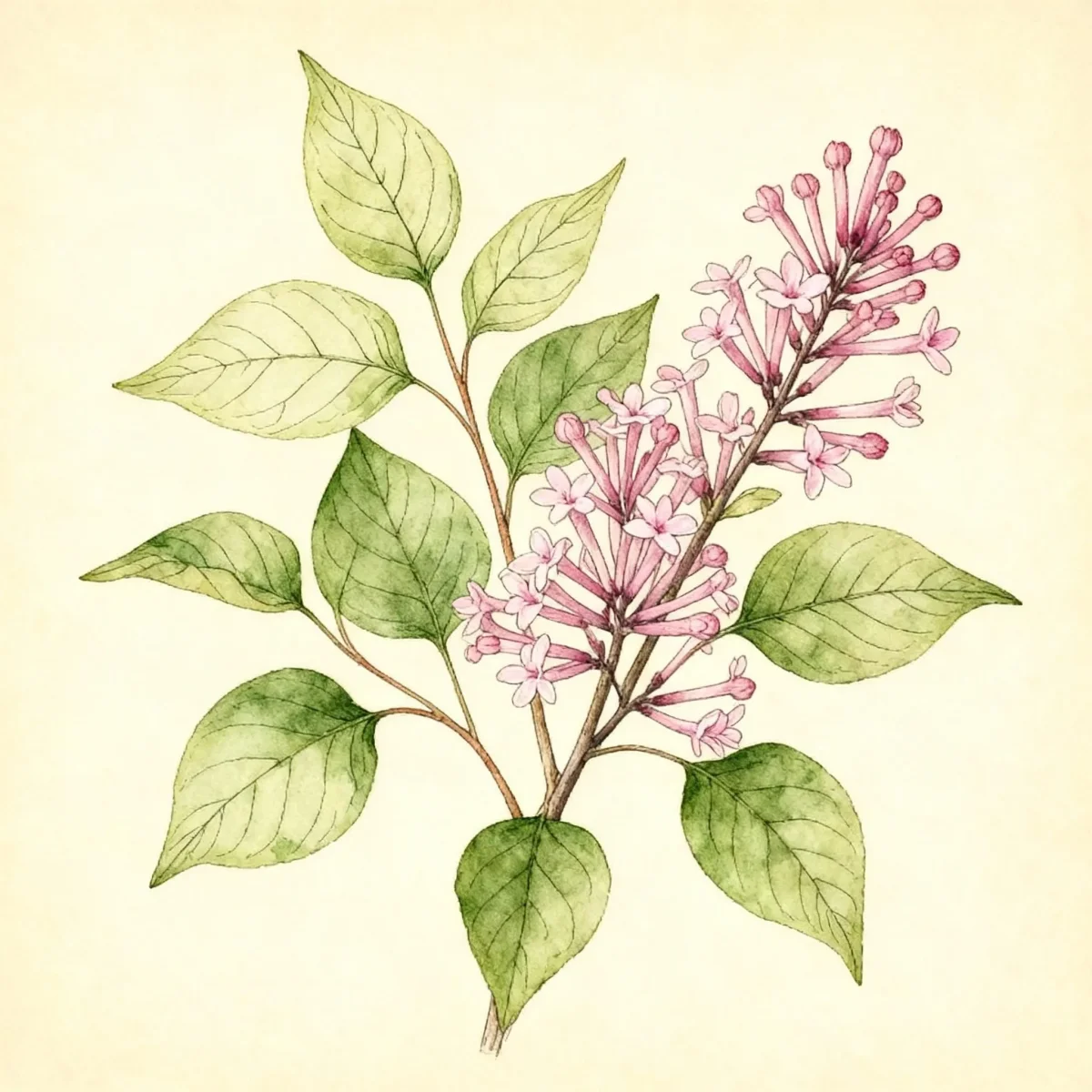
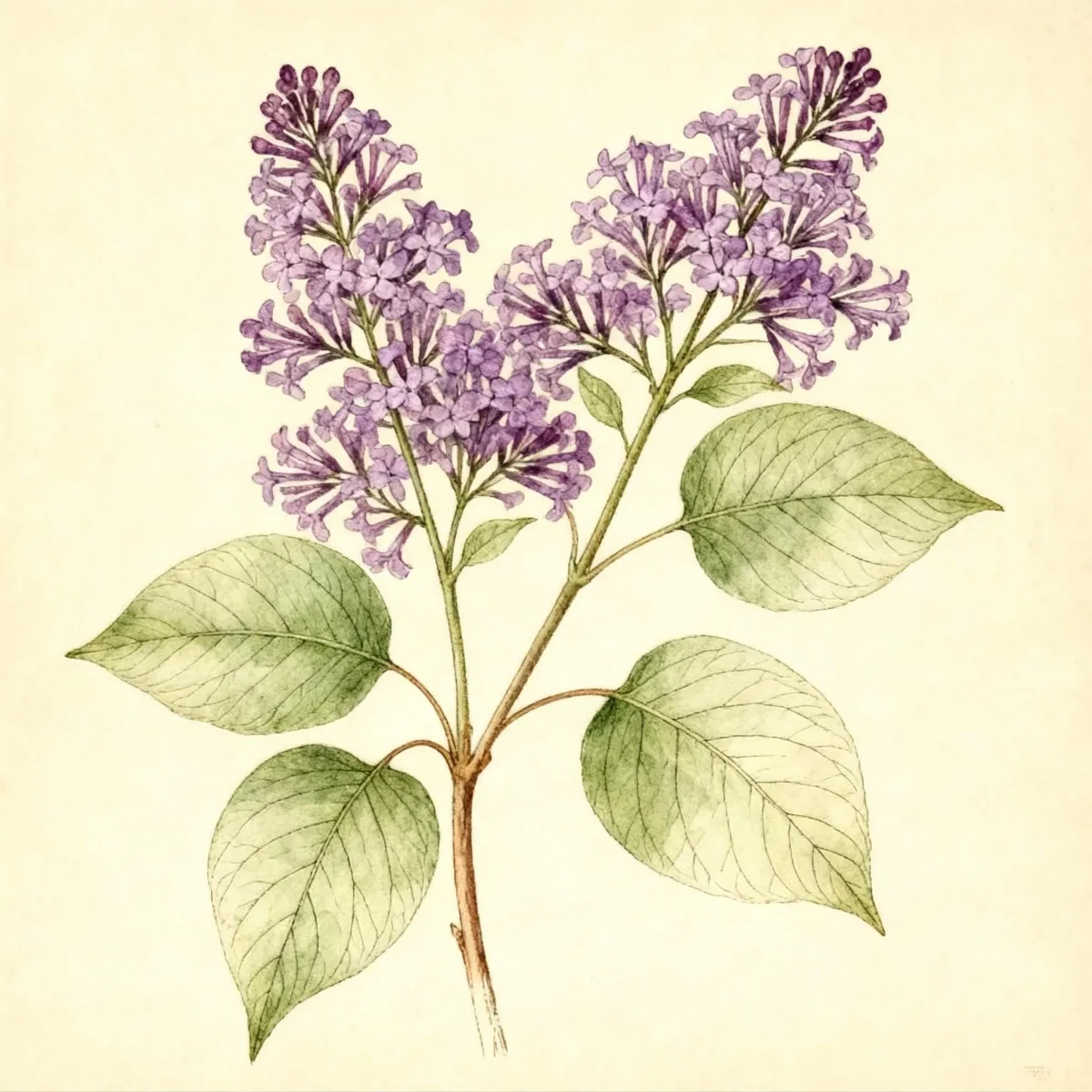
Lilac (Syringa meyeri var. spontanea)
Discover Syringa meyeri var. spontanea, a low-maintenance Lilac famed for fragrant, showy spring blooms and drought tolerance in Zones 3-7.
Scroll down to discover growing tips, care requirements, companion plants, and more
Complete Plant Information
Overview
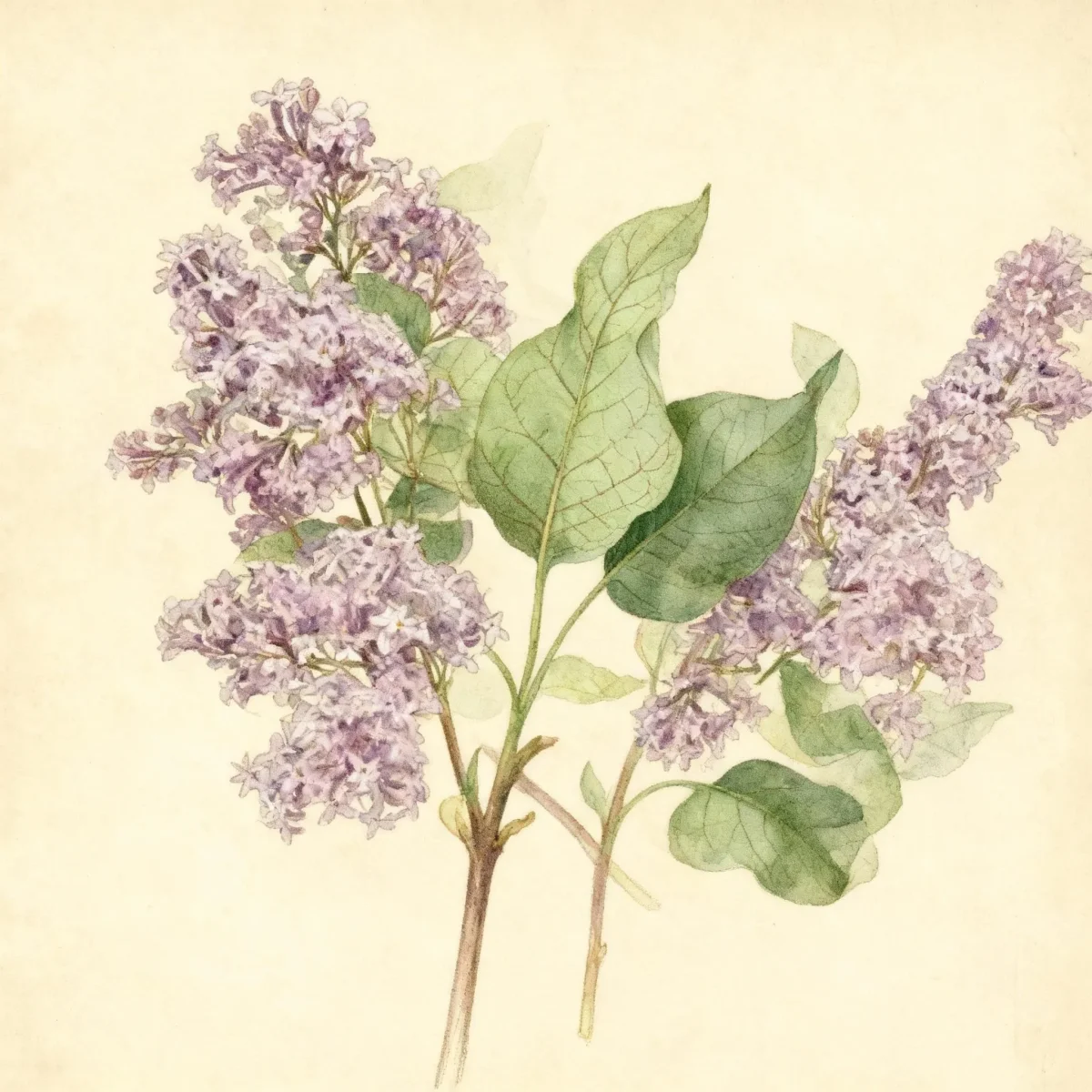
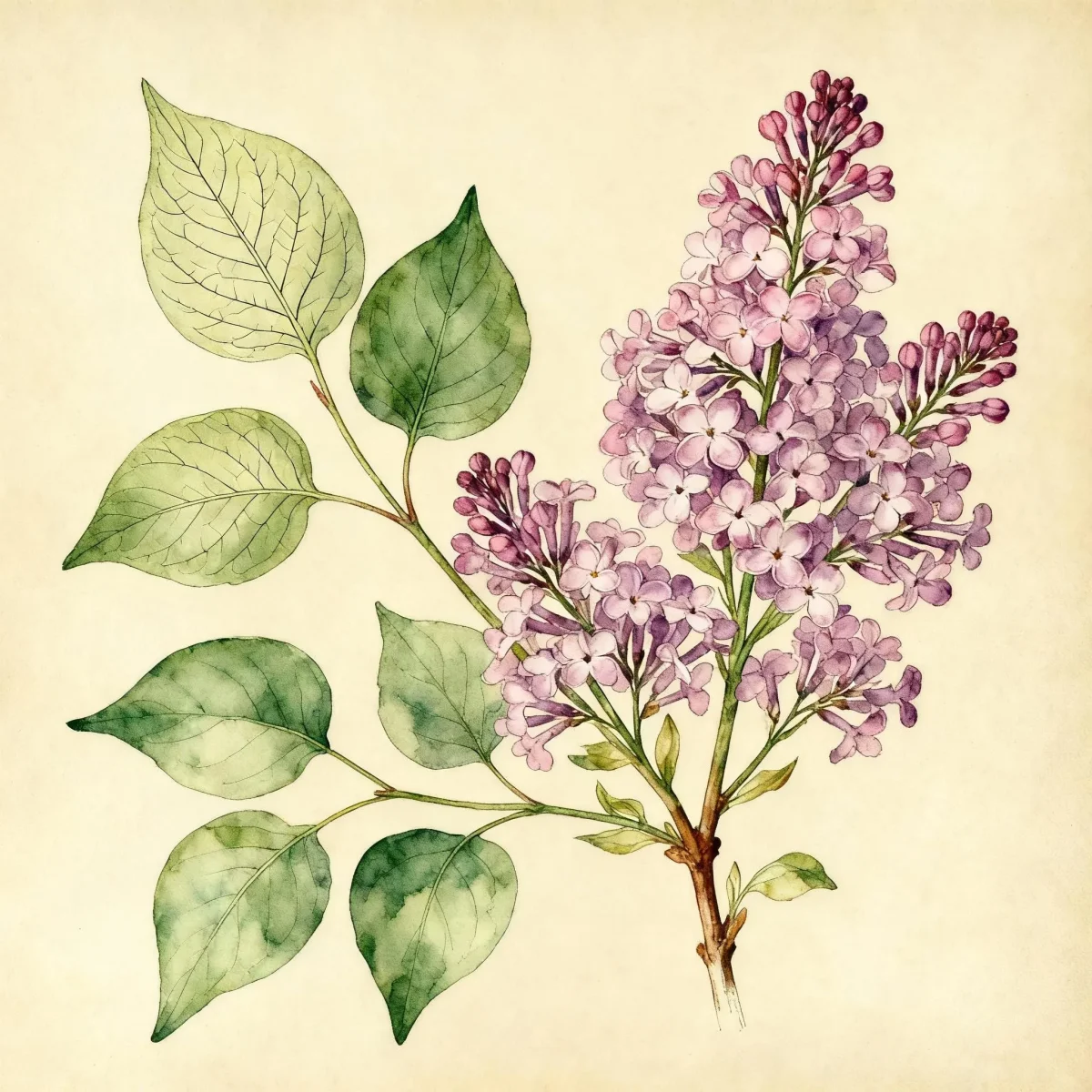
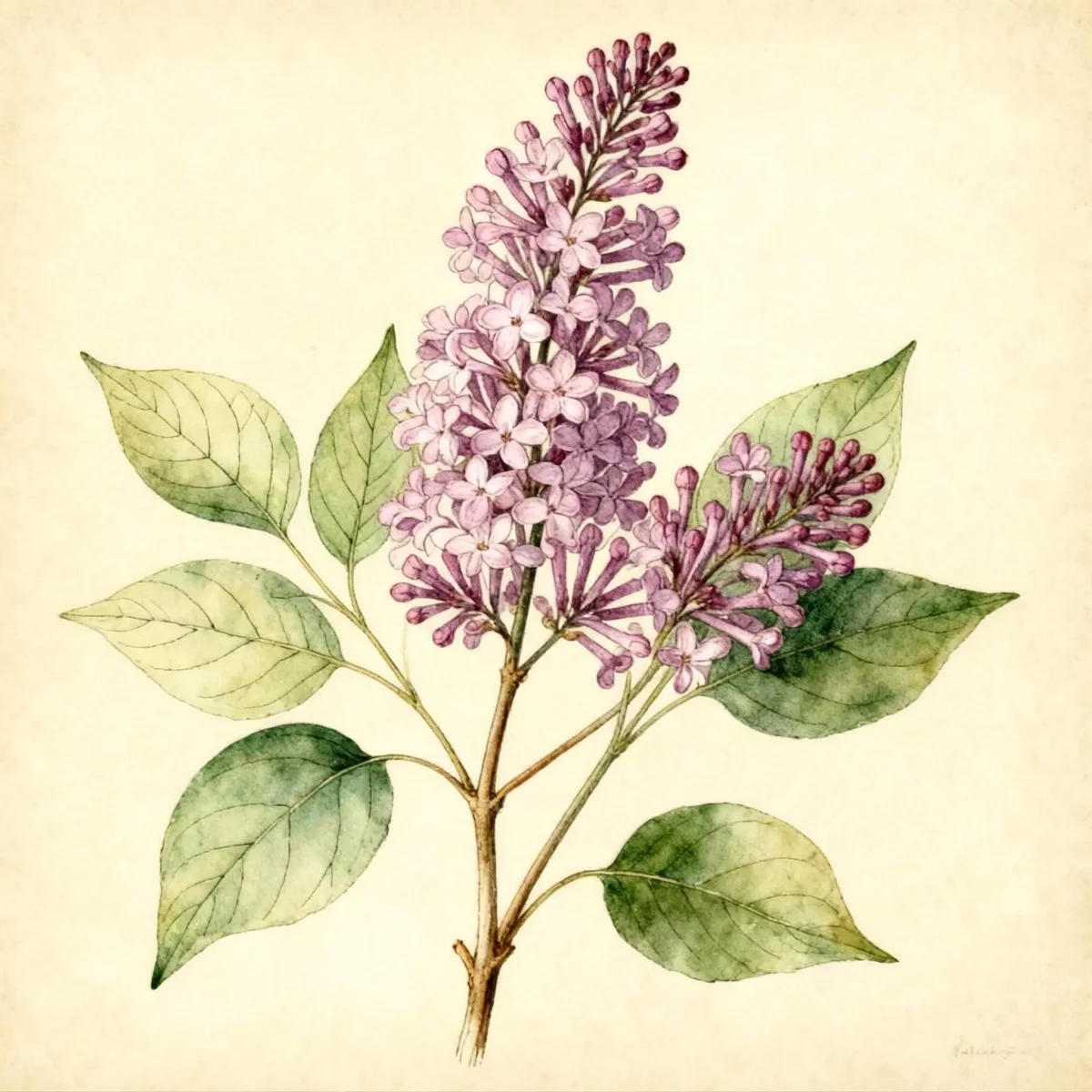
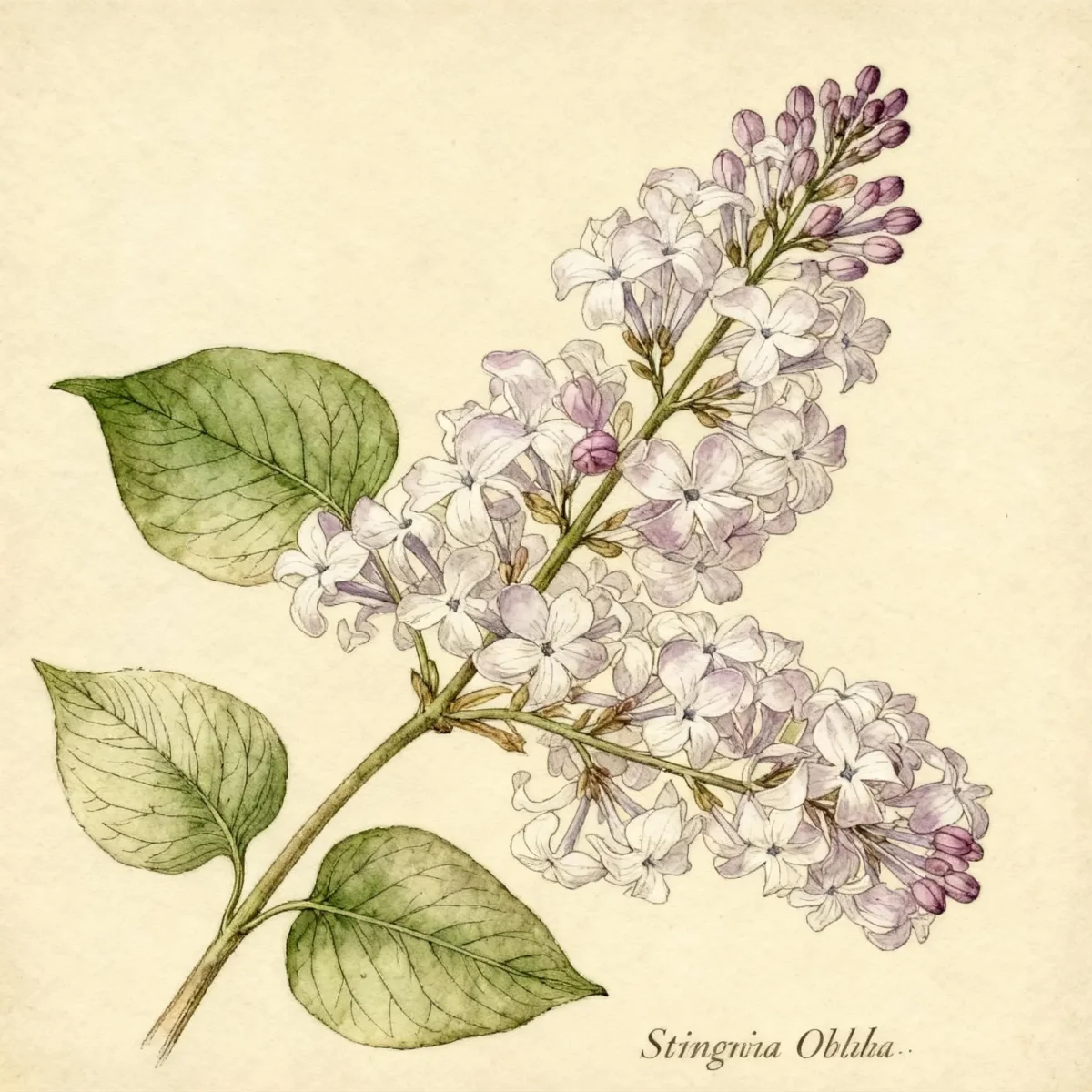
The Lilac, scientifically known as Syringa meyeri var. spontanea, offers a wonderful alternative or complement to standard lilacs, especially for gardeners seeking reliability and reduced maintenance. This plant is highly valued for its beautiful spring display of fragrant, violet-purple blossoms clustered in dense panicles. As a compact, slow-growing deciduous shrub, it fits nicely into smaller landscapes where larger varieties might overwhelm the space.
Originating in Northern China, this variety has proven exceptionally adaptable across USDA Zones 3 through 7. It combines aesthetic appeal with remarkable resilience, handling drier conditions once established better than many other flowering shrubs. The foliage remains attractive through the warmer months, offering good structural interest throughout the growing season.
For gardeners looking for functional beauty, Syringa meyeri var. spontanea serves well as a screen, hedge, or striking specimen planting. Its low maintenance requirements and tolerance for various soil conditions make it a sensible, long-lived addition to almost any well-placed sunny border.
Fast Facts
- Plant Family: Oleaceae
- Plant Type: Deciduous shrub
- Native Range: Northern China
- Hardiness Zones: USDA Zones 3-7
- Size at Maturity:
- Height: 4-8 ft
- Spread: 6-12 ft
- Bloom Time: April to May
- Bloom Description: Purple / violet
- Sun Exposure: Full sun
- Water Needs: Dry to medium
- Maintenance Level: Low
How to Grow
The Syringa meyeri var. spontanea thrives when planted in average, well-drained soil. While it tolerates dry to medium moisture levels, ensure the site receives full sun for the absolute best flowering performance, though it can handle light shade. If your soil is rich and moist, this Korean lilac will happily accept it, preferring soils that are slightly acid to slightly alkaline.
Watering needs are minimal once established, aligning with its drought and dry soil tolerances. Proper air circulation is essential to keeping this shrub healthy. Avoid overcrowding neighboring plants to prevent humidity issues, even though it resists mildew better than many other common lilacs.
Pruning should be executed immediately after the springtime bloom concludes in late May or early June. Prompt removal of faded flower heads before they set seed can encourage more prolific flowering the following season. Be aware that late spring frosts can injure the flower buds, leading to reduced bloom that year.
Landscape Uses
The manageable size and dense habit of Syringa meyeri var. spontanea make it versatile in garden design. It performs excellently when massed together to create a flowing shrub border where its summer foliage provides continued interest beyond the bloom period. It is also sturdy enough to be employed as an informal hedge or screen.
Due to its resistance to deer and its ability to tolerate dry soil, use this variety in woodland margins or in foundational plantings where maintenance access is limited. While specifically noted for its attractive summer foliage, consider using it as a vertical accent near structure or allowing its fragrance to carry near seating areas.
Standout Features
Flower Qualities
- Showy
- Fragrant
- Good Cut
Noteworthy Characteristics
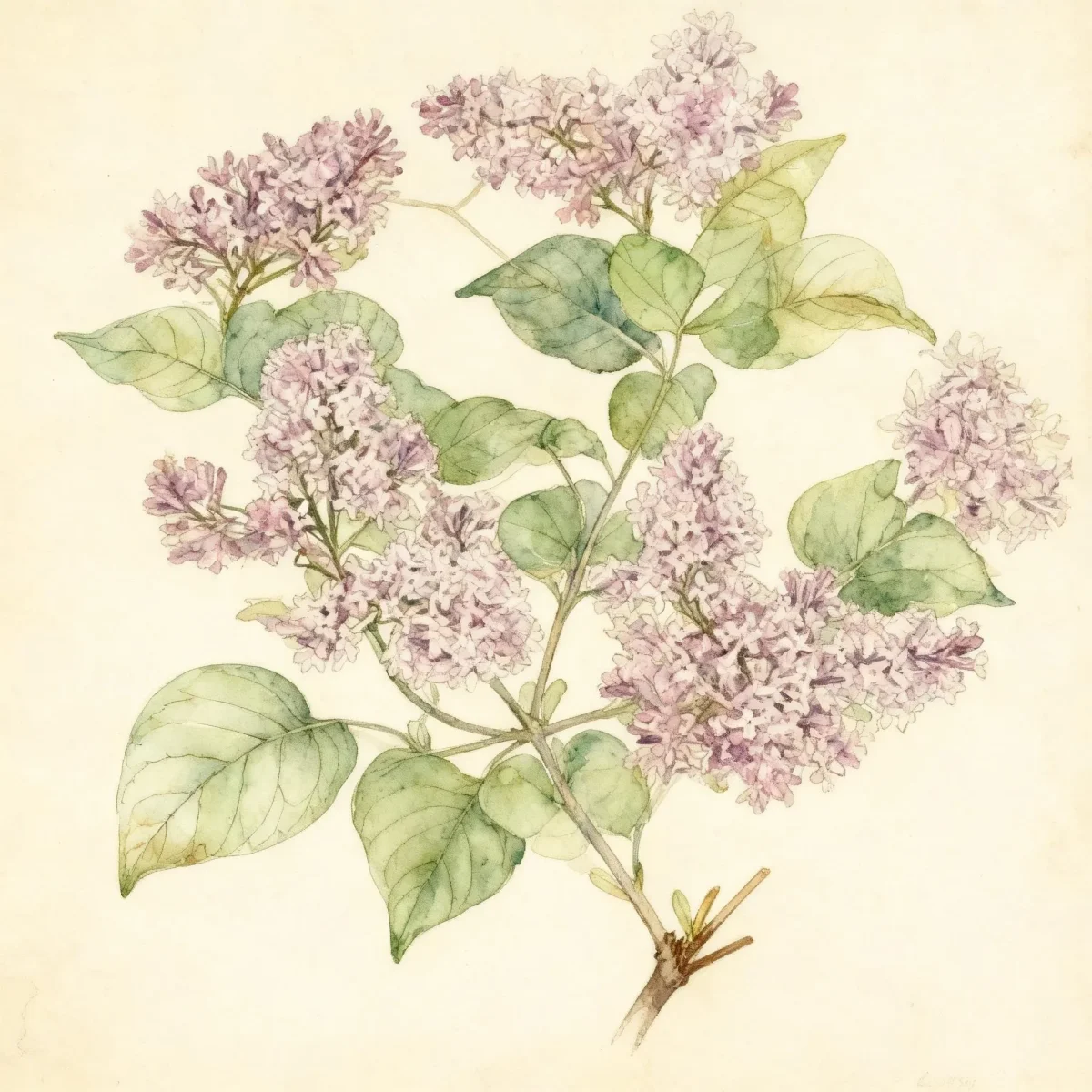
Syringa meyeri, commonly called Meyer lilac or Korean lilac, was reportedly found growing in a garden near Beijing, China by Frank Meyer in 1909, though it is not known to exist truly in the wild. It grows into a compact, rounded, slow-growing deciduous shrub reaching 5-8’ tall and spreading up to 10’ wide, bearing pale lilac to violet-purple flowers in small, dense panicles. The genus name honors the Greek word syrinx (tube or pipe) referencing the easily hollowed stems found on some members of this genus.
Tolerances
- Deer
- Drought
- Erosion
- Dry Soil
Potential Problems
This cultivar generally exhibits few significant issues regarding pests or diseases, notably showing very high resistance to powdery mildew. The primary concern arises from weather-related damage. Flower buds are particularly susceptible to injury from late spring frosts that might occur after the plant has broken dormancy, which can significantly reduce the spring bloom display. Plan your planting site carefully, watching historical frost data.
Frequently Asked Questions
What hardiness zones is Lilac suitable for?
The Syringa meyeri var. spontanea is hardy and recommended for USDA Growing Zones 3 through 7.
How large does Syringa meyeri var. spontanea grow?
This shrub typically matures to a height between 4 and 8 feet, with a spread that usually measures between 6 and 12 feet wide.
What is the optimal sun exposure for best blooming?
For the most magnificent display, this Lilac requires full sun, although it can tolerate light shade, which may sacrifice some of the overall bloom quantity.
When does Syringa meyeri var. spontanea bloom?
This variety flowers reliably in the spring, generally displaying its purple/violet blooms from April into May.
Conclusion
The Syringa meyeri var. spontanea is an outstanding choice for gardeners who value resilience combined with classic springtime fragrance and beauty. Its low maintenance needs and established hardiness make it a dependable source of color, differentiating it from more demanding relatives. Take time this fall or early spring to select the sunniest location in your yard to ensure your new Lilac performs optimally next season.
Companion Planting
When integrating Syringa meyeri var. spontanea into the landscape, consider pairing it with plants that enjoy similar conditions of full sun and dry to medium soil tolerance once established. Low-growing perennials like Lamb’s Ears (Stachys byzantina) or ornamental grasses such as Blue Fescue (Festuca glauca) thrive adjacent to it, providing textural contrast without competing heavily for moisture. Deeply rooted spring ephemerals can be planted beneath the shrub to offer early color before the lilac’s full canopy develops.
Seasonal Care Calendar
Early spring, just as buds begin to swell, is the time to check the area for any frost advisories, as tender flower buds are easily damaged. Mid-spring, after flowering ceases (usually late May), is the critical window for pruning off spent panicles and shaping the shrub. Summer maintenance involves little more than occasional deep watering if a prolonged drought strikes, given its drought tolerance. In autumn, focus on ensuring the base remains clear of debris, which aids in promoting that necessary air circulation around the stems over winter.