Common olive (Olea europaea)
The Common olive is an evergreen fruit tree native to the Mediterranean, prized for edible olives and picturesque gnarly trunks.
Scroll down to discover growing tips, care requirements, companion plants, and more
Complete Plant Information
Overview
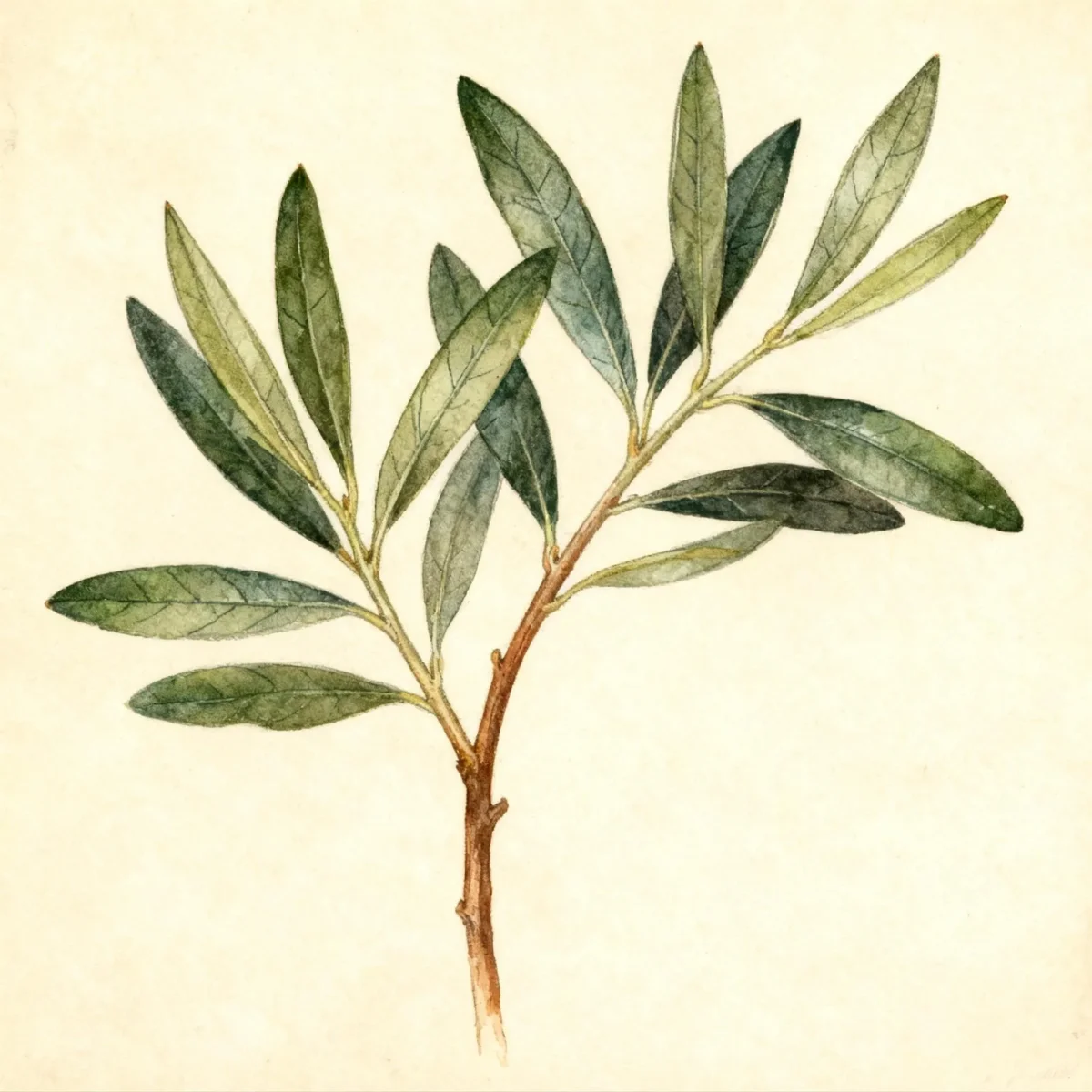
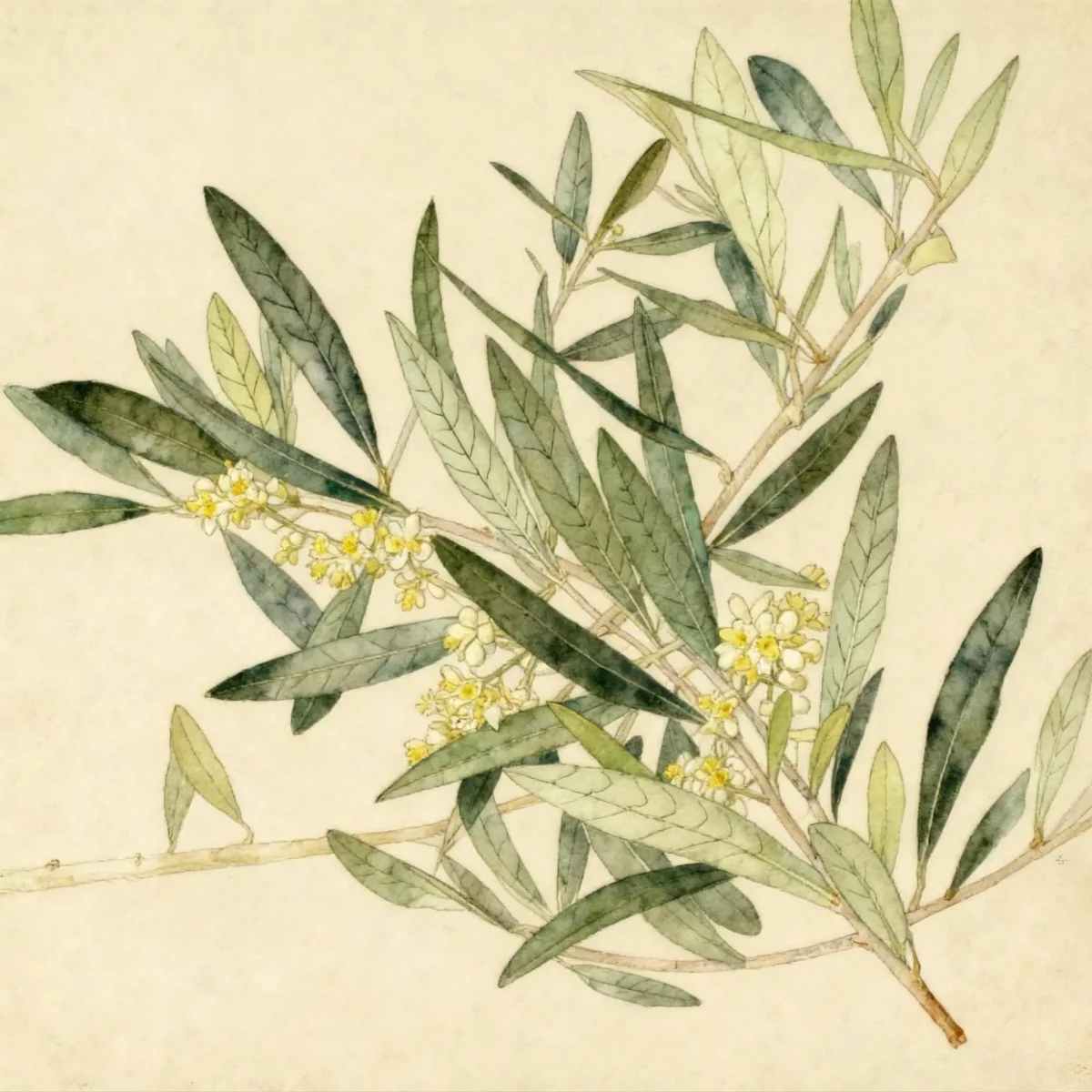
The Olea europaea, commonly known as the Common olive, is an iconic evergreen tree revered for millennia, both as a source of edible fruit and as a beautiful landscape feature. This species offers gardeners a taste of the Mediterranean, developing a picturesque, gnarly trunk with age that adds substantial character to the garden. Its distinct silvery-green foliage provides year-round visual interest.
As a producer of commercially important olives, the appeal of the Common olive extends beyond aesthetics. It thrives best in climates mirroring its native range, requiring plentiful heat and sun to ensure optimal performance and fruit set. While adaptable to general care, fulfilling its specific temperature requirements is key to success.
Gardeners should select a location that offers full sun and ensures reliable winter conditions, as this tree is only reliably hardy in warmer regions. For those situated outside ideal zones, container growing offers a viable, albeit more involved, path to enjoying the elegant form and fragrant blooms of this historic tree.
Fast Facts
- Plant Family: Oleaceae
- Plant Type: Fruit
- Native Range: Mediterranean
- Hardiness Zones: USDA Zones 8-10
- Size at Maturity:
- Height: 20-30 ft
- Spread: 15-25 ft
- Bloom Time: June to July
- Bloom Description: White
- Sun Exposure: Full sun
- Water Needs: Medium
- Maintenance Level: Medium
How to Grow
Planting the Olea europaea should be done when winter hardiness is assured, preferably in spring after the last frost, allowing the roots time to establish before stressful summer heat arrives. This species insists on fertile, medium-moisture, well-drained soils. Full sun exposure is non-negotiable for proper growth and maximizing fruit production potential.
Once established, the Common olive demonstrates notable drought tolerance, requiring only medium supplemental water during prolonged dry spells. Fertilization should be approached cautiously to prevent excessive leafy growth that may harbor disease. Pruning is generally light, focusing on shaping or removing dead wood, though commercial growers manage tree structure for harvest efficiency.
Specific temperature cues are essential for flowering. To initiate blooming, Olea europaea trees require a sustained period—at least two months—of winter temperatures falling below 50 degrees F. For gardeners in borderline zones (like the St. Louis area mentions), growing in containers is essential. These containers must be stored in cool conditions (40-50 degrees F) during winter dormancy indoors.
Landscape Uses
When winter hardy in Zones 8-10, the Common olive functions brilliantly as a stand-alone specimen tree, allowing its silvery leaves and sculptural trunk to shine. It also serves well as an architectural element in larger borders or drought-tolerant xeriscape designs, especially where Mediterranean styling is desired. Its climate compatibility means it performs best alongside other heat-loving, sun-drenched plants.
Where winters are too severe for in-ground planting, utilizing the Olea europaea in large containers on patios or decks provides excellent versatility. This allows the tree to be moved into conservatories or cool basements for winter protection, fulfilling the necessary cool-temperature requirements for future flowering. For good fruit production, ensure the chosen microclimate supports these Mediterranean conditions.
Standout Features
Flower Qualities
- Showy
- Fragrant
Fruit Qualities
- Showy
- Edible
Noteworthy Characteristics
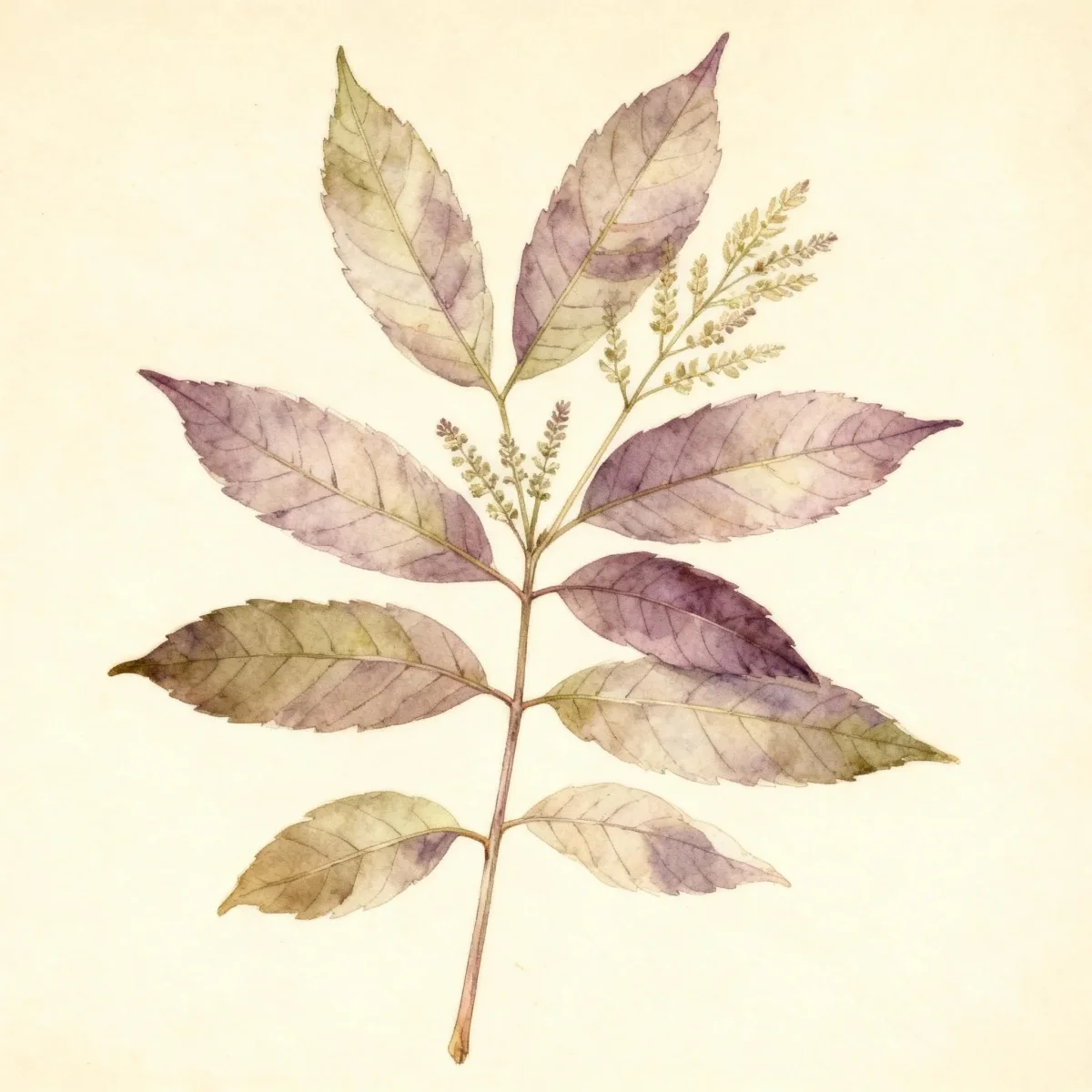
Olea europaea, commonly called common olive, is an evergreen tree that is native to the Mediterranean region. It typically grows to 20-30’ tall with a rounded crown, where the bark develops picturesque gnarls over time. Its elliptic leaves are distinctively gray-green above and silver-green beneath, complementing the very small, fragrant white flowers produced in summer. Olives from this species are commercially harvested for direct consumption and high-quality olive oil production.
Tolerances
- Drought
Potential Problems
The Common olive generally experiences few serious insect or disease problems. However, gardeners should remain vigilant for localized issues like olive knot, which presents as gnarled tissue on branches. Issues like verticillium wilt and root rot can occur, particularly in heavy or overly moist soils, emphasizing the need for excellent drainage. Scale insects may occasionally warrant attention, typically managed with horticultural oils if infestations are severe.
Frequently Asked Questions
What hardiness zones is Common olive suitable for?
The Common olive (Olea europaea) is generally suitable for USDA Hardiness Zones 8 through 10.
How large does Common olive grow?
This mature tree typically reaches a height between 20 and 30 feet tall, spreading to a width of 15 to 25 feet.
What sun exposure does Common olive need?
The Olea europaea requires full sun exposure to thrive and produce the best results, whether grown as an ornamental or for fruit.
When does Common olive bloom?
The Common olive usually blooms between June and July, producing small white, fragrant flowers.
Conclusion
The beautiful Olea europaea, or Common olive, remains a cherished horticultural subject, offering both aesthetic appeal through its silvery foliage and functional value through its fruit. Success heavily relies on matching the local climate to its Mediterranean needs, particularly regarding sun and cool winter exposure prior to flowering. Check your zone compatibility and, if possible, plan for cool overwintering to best enjoy this historic tree.
Companion Planting
Selecting appropriate companions for the Common olive involves prioritizing plants that share similar needs for full sun and excellent drainage. Plants native to arid or semi-arid Mediterranean regions, such as Lavender (Lavandula), Rosemary (Salvia rosmarinus), and drought-tolerant ornamental sages, pair very well culturally. Avoid companion plants that require rich, consistently moist soil, as this can compromise the drainage necessary to prevent root issues in the olive tree.
Mediterranean Design Ideas
The striking texture and color of Olea europaea make it a focal point in classical Mediterranean-inspired gardens. Plant the tree where its ancient, twisting trunk can be easily viewed, perhaps centered in a gravel courtyard or placed near a stone wall that retains afternoon heat. For softer transition planting underneath, use low-growing, thyme groundcovers or gravel that highlights the tree’s sculptural form rather than competing with its root zone.