Grass pink orchid (Calopogon tuberosus)
Discover the striking Calopogon tuberosus, a rare Grass pink orchid valued for its vibrant magenta blooms and low maintenance in wet gardens.
Scroll down to discover growing tips, care requirements, companion plants, and more
Complete Plant Information
Overview
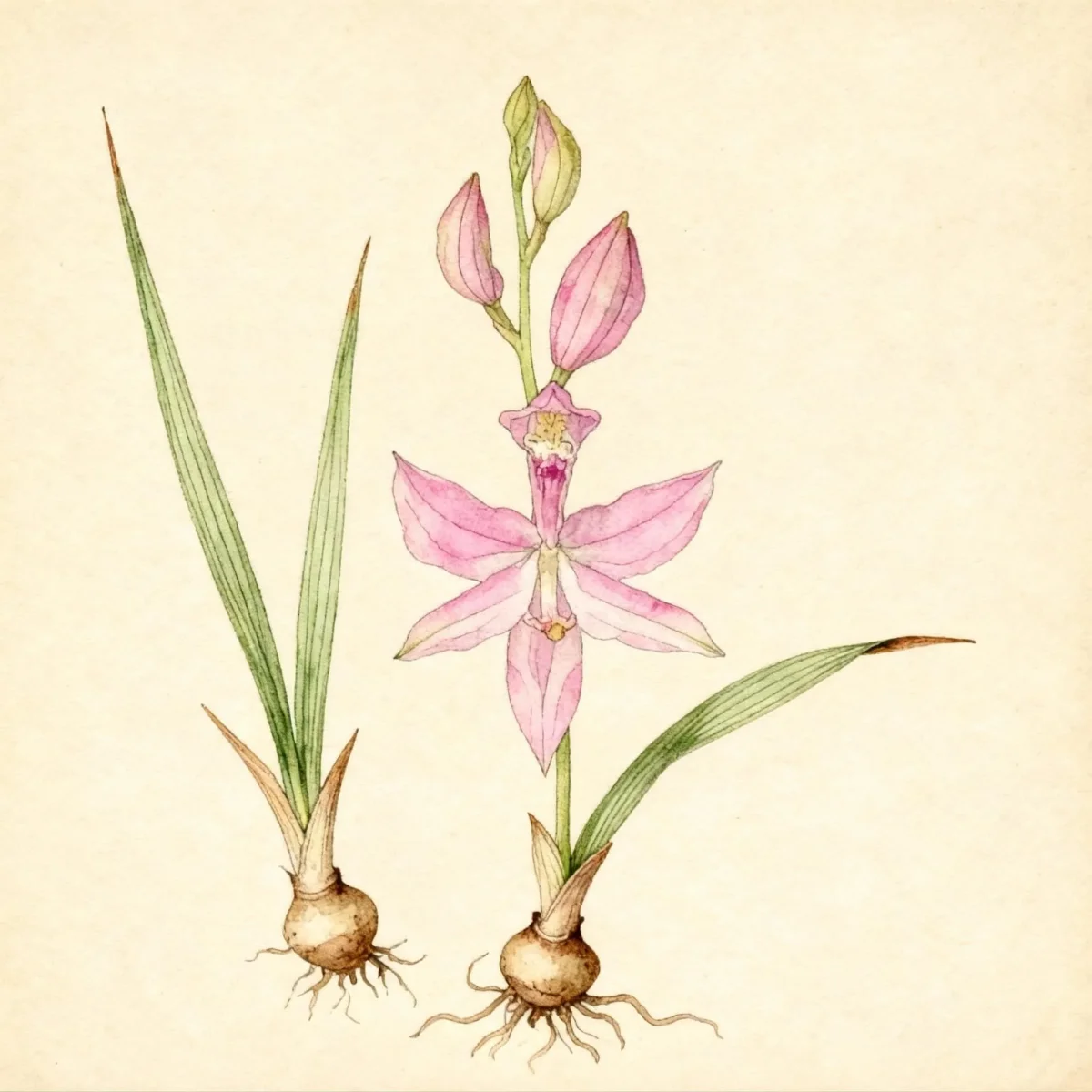
The Grass pink orchid (Calopogon tuberosus) is a spectacularly beautiful, yet surprisingly resilient, herbaceous perennial that captures the essence of North American wetlands. Its distinct flowers, often magenta or light pink, feature unique yellow, stamen-like hairs that mimic nectar guides, hence the common name “Bearded pink.” Cultivating this species offers gardeners a chance to showcase native orchid beauty with relatively low effort, provided its specific habitat needs are met.
Native to fens, bogs, and moist prairies across eastern North America, Calopogon tuberosus thrives only where it receives consistent moisture and ample sunlight. It is considered one of the more manageable terrestrial orchids when its requirements for wet, well-draining soil are satisfied. The plant produces a single, narrow, grass-like leaf from an underground corm each season, followed by an elegant flowering stalk.
Valued for both its aesthetic appeal to gardeners and its importance to specialized pollinators like bumblebees, the Grass pink orchid is a keystone species in native habitat restoration. Successful cultivation supports local ecosystems while providing a rare, showy display from late spring through mid-summer, proving that specialized beauty can often be low maintenance.
Fast Facts
- Plant Family: Orchidaceae
- Plant Type: Herbaceous perennial
- Native Range: Bahamas, Cuba, central and eastern North America
- Hardiness Zones: USDA Zones 3-9
- Size at Maturity:
- Height: “2-4 ft”
- Spread: “1-2 ft”
- Bloom Time: May to July
- Sun Exposure: Full sun
- Water Needs: Wet
- Maintenance Level: Low
How to Grow
Planting the Grass pink orchid is best done in spring in locations that mimic its native habitat: open, sunny areas with consistently saturated soil. Drainage is critical, despite the need for wet soil; amend planting areas heavily with sand and peat moss to ensure the corm does not sit in stagnant, heavy clay. These orchids are surprisingly adaptable to soil types provided the core demands—full sun, moisture, and drainage—are met for your Calopogon tuberosus.
Once established, care is minimal. Consistent moisture is non-negotiable; these plants require soil that is evenly moist to wet throughout the growing season. Avoid letting the area dry out during the bloom period in late spring and early summer. Fertilizing is generally unnecessary; over-fertilizing can promote excessive foliage growth at the expense of flowering structure.
As a herbaceous perennial in Zones 3-9, Calopogon tuberosus requires little winter protection, relying on its underground corm to survive dormant seasons. In late autumn, allow the foliage to die back naturally. In spring, clean up the old growth once new green shoots appear. If you provide the right conditions, this beautiful Grass pink orchid will reward you with reliable annual blooms.
Landscape Uses
The singular requirement of consistently wet, sunny locations makes Calopogon tuberosus an indispensable feature in specialized garden designs. They are perfectly suited for bog gardens or the edges of constructed rain gardens where water collects but does not stagnate severely. When sited correctly near the margins of a pond or in swales, the upright stalks of the Grass pink orchid provide vertical interest alongside other moisture-loving natives.
Because the Grass pink orchid prefers open habitats, pair it with other sun-loving, wetland-tolerant companions. Consider Iris species adapted to wet feet, various native sedges (Carex), or low-growing, non-competitive meadow plants. The thin, grass-like foliage of Calopogon tuberosus blends seamlessly into these settings until its spectacular flower display emerges in early summer.
Gardeners focused on native plant conservation should note that wild populations face threats from habitat loss and poaching. Therefore, choosing nursery-propagated stock from reputable growers is essential when incorporating this gem into your landscape design, ensuring you gain the beauty of Calopogon tuberosus without impacting wild resources.
Standout Features
Flower Qualities
- Showy
Noteworthy Characteristics
Calopogon tuberosus, commonly called grass pink orchid, is a herbaceous, perennial orchid native to much of eastern North America where it can be found growing in fens, bogs, moist prairies, meadows, savannas, and other high quality, open, mesic habitats. The underground corm will produce a single leaf and a central flowering stalk, and the stalk can reach up to 4’ tall producing 2-20 striking flowers. The flowers are visited primarily by large, long-tongued bees, attracted by the yellow, stamen-like hairs (the “beard”) at the top of the bloom.
Tolerances
- Wet Soil
Potential Problems
This species generally exhibits no major pest or disease problems when grown in its required high-moisture, high-sun environment. The primary risk to Calopogon tuberosus is cultural, specifically poor drainage leading to corm rot during dormancy or overly shady conditions which inhibit flowering. Ensure competition from aggressive wetland weeds is managed, especially when establishing new plants, though mature clumps are quite robust low-maintenance performers once settled.
Frequently Asked Questions
What hardiness zones is Grass pink orchid suitable for?
The Grass pink orchid (Calopogon tuberosus) is highly adaptable across a wide range, suitable for USDA Zones 3 through 9.
How large does Calopogon tuberosus grow?
This orchid typically reaches a height between 2 to 4 feet, with a spread of 1 to 2 feet, presenting a handsome vertical accent in the garden.
When does Calopogon tuberosus bloom?
The bloom time for this striking terrestrial orchid is generally from May through July, offering reliable summer color for wet garden areas.
What sun exposure does Grass pink orchid need?
Calopogon tuberosus requires full sun exposure to thrive and produce its abundant flower display.
Conclusion
The Grass pink orchid (Calopogon tuberosus) offers an exceptional combination of striking visual appeal and straightforward cultural needs, provided your garden includes reliably wet, sunny spots. Successfully incorporating this beautiful native orchid into rain gardens or bog features enriches local biodiversity. Check your soil moisture profile and zone compatibility today to plan the spring planting of your own Calopogon tuberosus.
Companion Planting for Wet Gardens
Selecting companions that share the love for wet, sunny soil ensures a cohesive and low-maintenance planting scheme around your Grass pink orchid. Look for other wetland natives that won’t aggressively outcompete the orchid’s underground corm. Good partners include various species of native Sedges (Carex) that provide textural contrast without heavy shade.
Another excellent grouping strategy involves pairing Calopogon tuberosus with other flowering wetland staples like specific species of native Meadowsweet (Filipendula) or certain moisture-loving native Irises. These plants bloom at slightly different times or offer varied foliage structures, ensuring continuous interest in the rain garden environment year-round.
When designing your wet area, remember that orchids require well-draining moisture, not standing puddles where water never moves. Choose companions that also appreciate this “moist but not soggy” profile during dry spells, reinforcing the rich, sandy, peaty substrate that favors the Grass pink orchid.
Habitat Considerations for Success
Understanding the native habitat of Calopogon tuberosus—fens, moist prairies, and savannas—is crucial for its long-term establishment. These areas generally feature high light penetration and seasonally fluctuating water tables rather than constantly submerged conditions. Replicating this environment in a home landscape means avoiding heavy shade created by surrounding shrubs or trees.
The narrow, linear leaf structure is a clue to its evolutionary niche; it is adapted to high light levels inherent to these open habitats. Low maintenance is directly tied to meeting this light requirement; if the plant is placed in partial shade, it will become leggy and struggle to bloom, increasing its susceptibility to any minor pest pressures.
If you are creating a dedicated bog garden, ensure a substantial amount of coarse sand and peat is incorporated into the native lower soil layer when planting the corms of the Grass pink orchid. This amendment ensures the necessary aeration that prevents the underground storage organ from decaying while still retaining the water essential to this wetland-loving species.