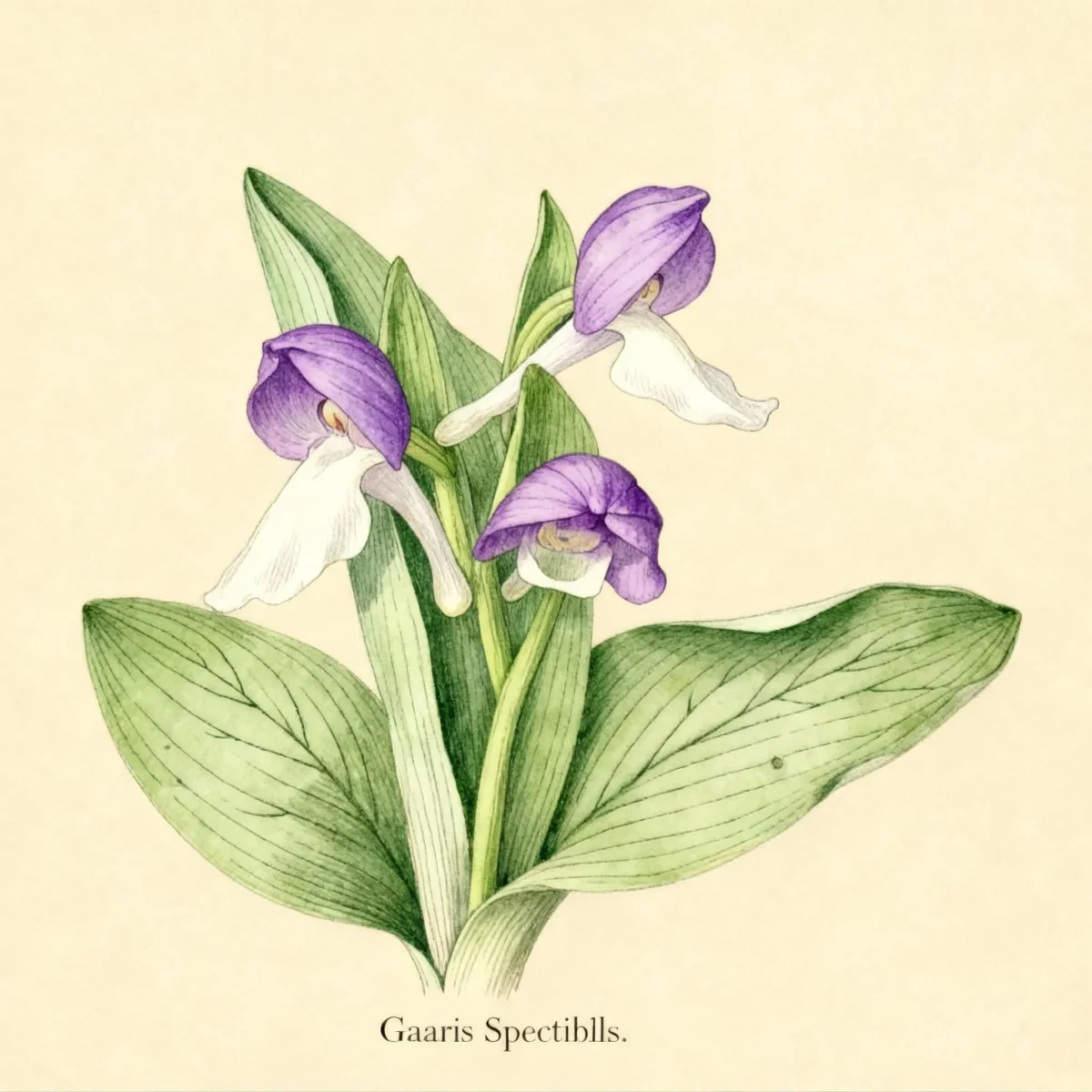
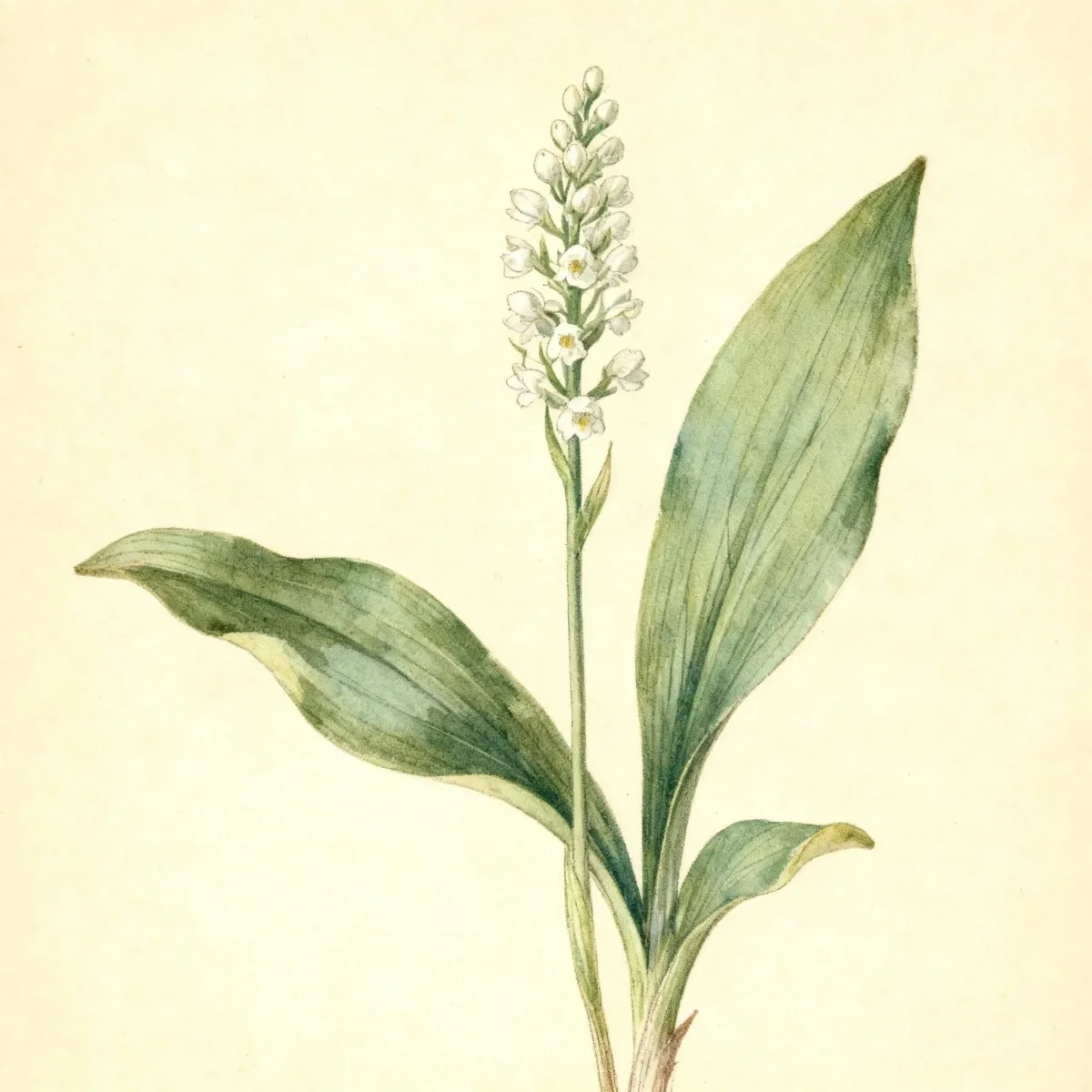
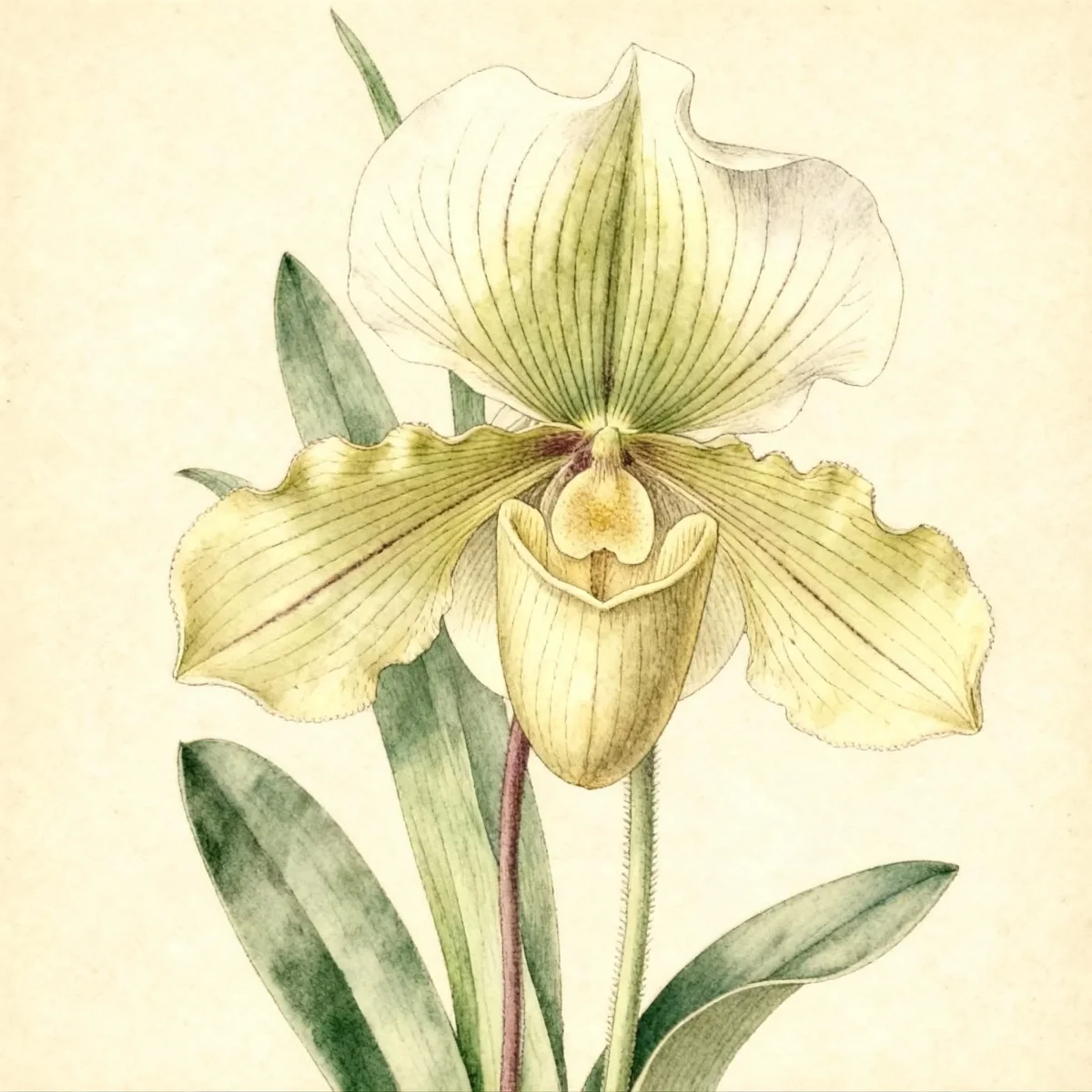
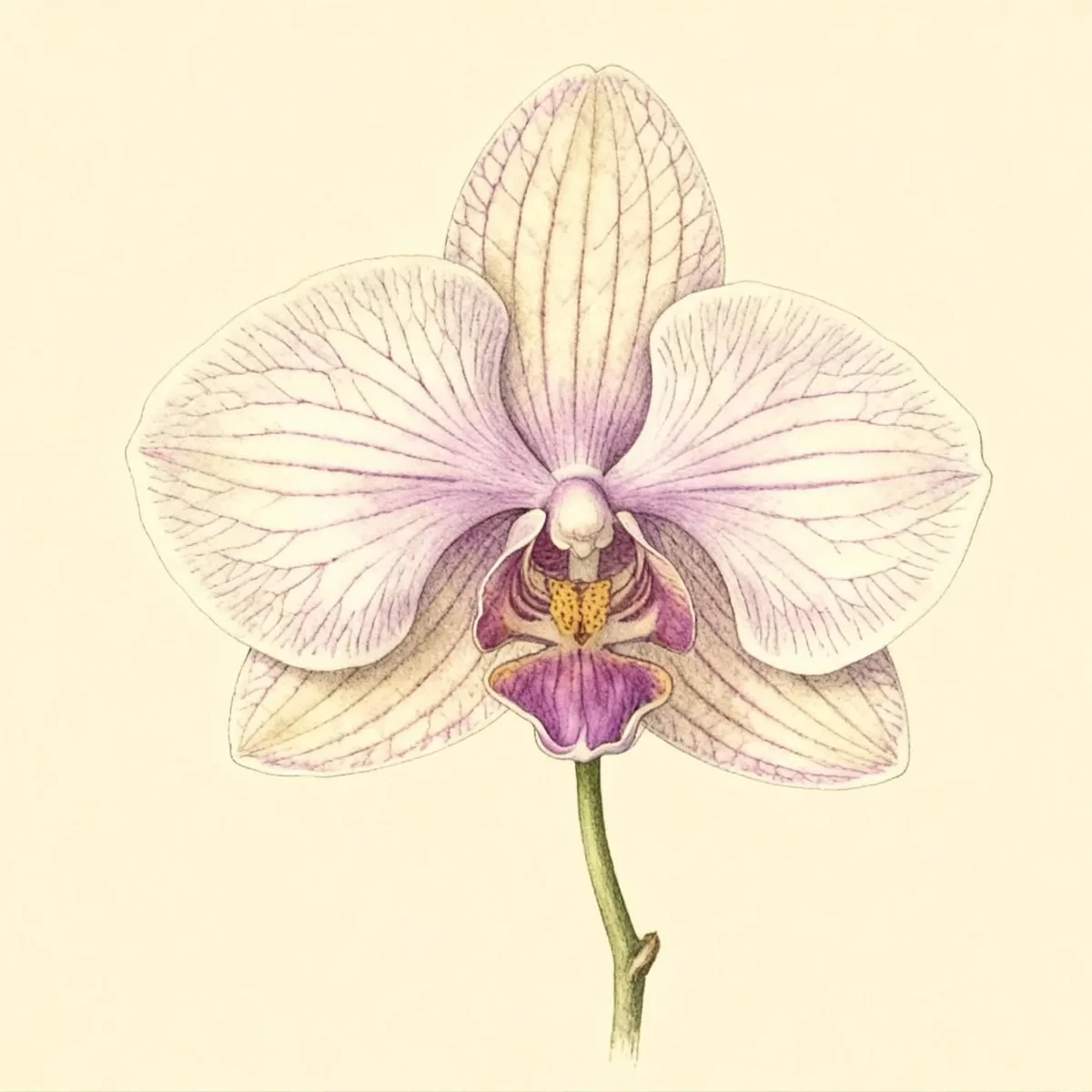
Lady slipper (Cypripedium kentuckiense)
Discover Cypripedium kentuckiense, the stunning Lady slipper orchid, thriving in moist woodlands from Zones 3-8.
Scroll down to discover growing tips, care requirements, companion plants, and more
Complete Plant Information
Overview
Cypripedium kentuckiense, often recognized as the Kentucky Lady’s Slipper, is a terrestrial orchid highly prized for its magnificent and unusually large blooms. This rare beauty produces a distinctive, inflated cream-colored pouch contrasted by purplish-brown sepals, making it a show-stopping addition to shaded, moist gardens. Successful cultivation offers a rewarding glimpse into the specialized world of native orchids.
This species spreads slowly via creeping rhizomes and requires specific woodland conditions to flourish. While native to damp woodlands and floodplains across parts of the Eastern United States, gardeners must closely mimic its natural high-moisture, rich soil environment. Due to its rarity and poor transplanting success from the wild, obtaining nursery-grown Cypripedium kentuckiense stock is essential.
The cultural requirements for this specific Lady slipper demand patience, particularly concerning soil drainage and moisture retention. Providing deep shade and consistently wet footing are the primary keys to maintaining this vulnerable species outside its natural range, rewarding the dedicated gardener with one of the largest flowers found among North American orchids.
Fast Facts
- Plant Family: Orchidaceae
- Plant Type: Orchid
- Native Range: United States
- Hardiness Zones: USDA Zones 3-8
- Size at Maturity:
- Height: 1.5-2.5 ft
- Spread: 1-1.5 ft
- Bloom Time: April to June
- Bloom Description: Creamy yellow with purplish brown sepals
- Sun Exposure: Part shade to full shade
- Water Needs: Medium to wet
- Maintenance Level: Medium
How to Grow
The best time to plant nursery-started Cypripedium kentuckiense is in spring or early autumn when the risk of harsh temperatures is lowest. Location selection is crucial; these orchids thrive best in rich, well-drained soils that maintain consistent moisture, often mimicking the conditions found in moist boggy areas or rich alluvial floodplains. They specifically prefer part shade, benefiting greatly from only 1-2 hours of gentle morning or evening sun, especially in hotter climates, though they tolerate heavy shade well (best performance is noted in Zones 3-7, requiring extra shade in Zone 8).
Watering must be consistent, maintaining a medium to wet soil condition year-round. Never allow the soil to dry out completely, especially during the active growing season. Fertilizing is generally unnecessary if the base soil is rich in organic matter. Since maintenance is listed as medium, gardeners should focus primarily on replicating the cool, damp, shaded microclimate this Lady slipper requires, rather than pruning or intensive feeding schedules.
Keep in mind that $Cypripedium$ species dislike disturbance; they spread slowly by creeping rhizomes. While propagation via seed or division is possible, gardeners should strictly avoid digging up wild specimens, as they transplant notoriously poorly and are often protected due to their vulnerable status in the wild. A quality winter mulch can help protect plants grown near the upper limits of their hardiness range, such as Zone 8.
Landscape Uses
The unique requirements of the Kentucky Lady’s Slipper, demanding deep moisture and significant shade, make it perfectly suited for specialized landscape niches. These orchids should be prioritized for moist woodland areas where competing, more aggressive perennials will not crowd them out. They should be placed where their spectacular flowers can be viewed up close, perhaps along winding shaded paths or tucked into protected woodland borders.
Since this rare plant is difficult to obtain commercially, ensure it remains the star feature of its planting location. Companion planting should focus on other shade-loving, moisture-tolerant woodland natives that do not aggressively compete for root space. Suitable partners might include certain ferns, Hellebores, or low-growing groundcovers that thrive in similar acidic, humus-rich conditions.
Avoid using $Cypripedium kentuckiense$ specimens in standard foundation plantings or areas subjected to foot traffic. Its value lies in its ephemeral, naturalistic beauty. Protecting this Lady slipper from competition and ensuring consistent, cool moisture will lead to clump-forming success over many seasons.
Standout Features
Flower Qualities
- Showy
Noteworthy Characteristics
$Cypripedium kentuckiense$, commonly called southern lady’s slipper or Kentucky lady’s slipper, is a clump-forming terrestrial orchid with a thick creeping rhizome and hairy stem, typically growing 18-30” tall. It produces the largest flowers of any known lady’s slipper, featuring a showy, cream to pale yellow pouch the size of a chicken egg, contrasted by mottled purplish-brown sepals. Ecologically, this orchid is vulnerable, with fewer than 3,000 plants possibly remaining in the wild, making successful cultivation vital.
Tolerances
- Heavy Shade
- Wet Soil
Potential Problems
This Lady slipper exhibits notable resistance to serious pest and disease issues under appropriate cultural conditions. The primary “potential problem” relates not to pests but to cultivation errors, primarily improper drainage or inadequate moisture levels, which can quickly compromise the plant’s delicate root system. Ensure the soil is rich in organic matter to buffer against rapid changes in moisture content.
If the plant fails to emerge or declines, investigate the soil profile immediately, ensuring it is not compacted or overly dry at any point during the growing season. Since these orchids transplant very poorly, focus management efforts on prevention and long-term stabilization rather than remedial actions after severe decline.
Frequently Asked Questions
What hardiness zones is Lady slipper suitable for?
$Cypripedium kentuckiense$ performs best in USDA Zones 3 through 7, though it can be successfully grown in Zone 8 provided it receives adequate additional shade to keep temperatures cool.
How large does Cypripedium kentuckiense grow?
This orchid typically reaches a height between 1.5 and 2.5 feet, with a spread ranging from 1 to 1.5 feet, spreading slowly via its creeping rhizomes.
What sun exposure does Lady slipper need?
This plant requires part shade to full shade conditions. It prefers minimal direct sun, ideally receiving only 1-2 hours of gentle light in the early morning or late evening.
When does Cypripedium kentuckiense bloom?
The spectacular blooming period for this Lady slipper is typically from April through June, featuring its large, creamy yellow pouch.
Conclusion
Cultivating $Cypripedium kentuckiense$ offers specialized rewards, providing one of the most impressive blooms in the native orchid palette. By meticulously replicating the cool, moist, shaded environment of its woodland home, you can help sustain this vulnerable Lady slipper outside of its shrinking natural range. Before planting, confirm your site meets the medium-to-wet soil and deep shade requirements to ensure this magnificent specimen thrives.
Companion Planting
When designing a habitat for $Cypripedium kentuckiense$, select companions that enjoy similar woodland floor conditions—rich, dark, continuously moist soil without being waterlogged. Good partners include moisture-loving ferns, such as Ostrich Fern ($Matteuccia\ struthiopteris$) or Painted Fern ($Athyrium$ cultivars), which offer textural contrast without aggressive spreading habits.
Because the Kentucky Lady’s Slipper is slow-growing and rare, avoid aggressive spreaders like mints or vigorous native grasses that could smother the rhizomes. Instead, focus on low-growing evergreen groundcovers that help maintain consistent soil temperature and moisture around the base of the orchid throughout the year.
Seasonal Care Calendar
Early Spring (Pre-Emergence): Gently clear away winter debris but avoid heavy digging near the plant’s shallow roots. Monitor soil moisture, ensuring it remains consistently damp as the plant prepares to emerge.
Late Spring/Early Summer (Blooming): This is the key growth period. Maintain consistent moisture levels as the flower stalk develops and blooms. Protect the exquisite flowers from intense afternoon sun exposure.
Late Summer/Fall: Reduce watering slightly as the plant naturally begins to go dormant, but do not allow the soil to dry out completely, especially if you are in a drier climate. Apply a light topdressing of rich compost if needed.
Winter: If growing near the hot edge of its range (Zone 8), a light winter mulch can help moderate soil temperatures, encouraging $Cypripedium$ survival through cold spells.