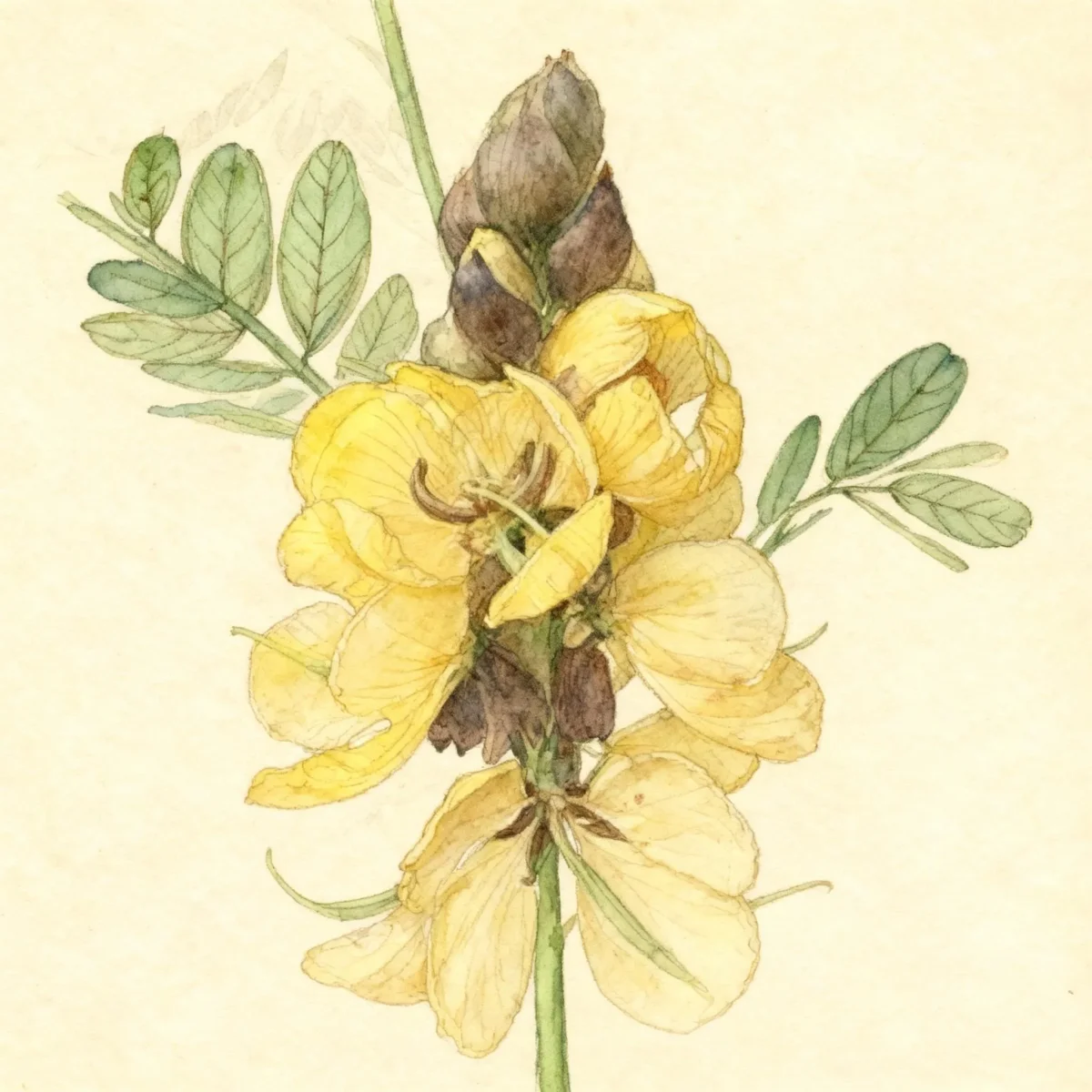
Star fruit (Averrhoa carambola)
The Averrhoa carambola, or Star fruit, is a slow-growing tropical ornamental valued for its edible, star-shaped fruit and showy blooms.
Scroll down to discover growing tips, care requirements, companion plants, and more

Complete Plant Information
Overview
The Averrhoa carambola, widely known as Star fruit, is a captivating tropical specimen valued commercially and ornamentally across suitable climates. This slow-growing, short-trunked evergreen tree offers aesthetic appeal year-round with its broad crown and distinctive, sensitive foliage. Gardeners prize it not only for its unique, edible fruit but also for its surprisingly showy, fragrant seasonal blossoms.
Originating primarily from Southeast Asia, Averrhoa carambola is best suited for warm environments where frost is not a concern. It develops into a substantial shade tree, reaching heights up to 30 feet, making it a striking focal point in frost-free landscapes. For those in marginal climates, its adaptability as a container plant extends its reach significantly.
The signature feature of this tree is its fruit: oblong, waxy berries that reveal a perfect star shape when sliced crosswise. Whether used in salads, desserts, or as a garnish, the Star fruit provides both visual appeal and a refreshing flavor profile ranging from sour to sweet. This combination of ornamental beauty and practical harvest makes Averrhoa carambola a worthwhile addition to tropical gardens.
Fast Facts
- Plant Family: Oxalidaceae
- Plant Type: Broadleaf evergreen
- Native Range: Indonesia, India, Sri Lanka
- Hardiness Zones: USDA Zones 10-12
- Size at Maturity:
- Height: 20-30 ft
- Spread: 20-30 ft
- Bloom Time: Seasonal bloomer
- Bloom Description: Rose
- Sun Exposure: Full sun
- Water Needs: Medium
- Maintenance Level: Low
How to Grow
Optimal establishment for Averrhoa carambola requires planting in the spring after all danger of frost has passed, though tropical regions can plant almost anytime. Locate the tree where it receives full sun exposure. The soil medium is critical: use rich, acidic loams that are consistently moist but exceptionally well-drained to prevent root issues. This tree appreciates shelter from strong winds, which can damage foliage and developing fruit.
Consistent watering is essential for the Star fruit; maintain evenly moist soil conditions, especially during dry periods, as indicated by its medium water needs. While maintenance is generally low, fertilization schedules should align with active growth periods to support fruit production. Pruning should focus mainly on removing crossing branches or damaged wood to maintain the desired rounded crown structure.
Protecting Averrhoa carambola from cold is paramount. It is generally intolerant of frost and stops active growth when temperatures drop below 55 degrees F. Gardeners in cooler zones should treat it as a container specimen, bringing the plant indoors before the first chill. Indoor overwintering may limit or prevent fruit set, but it protects the tropical nature of the Star fruit.
Landscape Uses
The Averrhoa carambola functions beautifully as a small ornamental shade tree in year-round warm climates, offering dappled light beneath its attractive canopy. Its broad, rounded silhouette makes it an excellent specimen plant for lawns or open courtyards where its form can be fully appreciated. The seasonal rose flowers and waxy yellow-orange fruit ensure continuous visual interest throughout the year.
For those managing cooler environments, the Star fruit excels as an interesting container plant. Grown on a patio or deck during the summer, it can be brought into a bright greenhouse or sunroom for safe wintering. This adaptability allows gardeners outside of Zones 10-12 to enjoy the novelty of growing Averrhoa carambola even if fruit harvest is inconsistent.
When planning companion plantings, choose shrubs or perennials that also thrive in acidic, well-drained soil and full sun conditions. Since the tree’s crown is wide, consider planting lower-profile, colorful annuals or groundcovers beneath it that appreciate the filtered light provided by the mature canopy of the Star fruit.
Standout Features
Flower Qualities
- Showy
- Fragrant
Fruit Qualities
- Showy
- Edible
Noteworthy Characteristics
Averrhoa carambola, commonly called star fruit is a small, slow-growing, short-trunked tropical tree that probably originated in Malaysia, Indonesia and southern China. It is grown commercially in many tropical and sub-tropical areas around the world for its unusual fruit and also serves as an attractive, multi-branched ornamental tree. Each leaf has leaflets sensitive to light and touch, folding up like mimosas when disturbed, and the fragrant rose flowers give way to waxy fruits that are star-shaped when sliced, hence the common name.
Tolerances
No specific environmental tolerances beyond its core cultural requirements were listed; focus on meeting its need for full sun and consistent moisture to ensure successful cultivation of Averrhoa carambola.
Potential Problems
This tree generally avoids serious insect or disease issues, contributing to its low maintenance profile. However, wet or overly saturated soils present the primary threat, often leading to root rot. Growers must vigilantly ensure that the soil is well-drained to mitigate this risk when caring for Star fruit.
Other potential fungal issues include anthracnose, various leaf spots, and sooty mold, which typically emerge under highly humid conditions. Insect management may occasionally require attention for pests such as scale, fruit flies, beetles, and scale, often managed with basic horticultural oils or targeted treatments as needed.
Frequently Asked Questions
What hardiness zones is Star fruit suitable for?
The Averrhoa carambola is winter hardy only in USDA Zones 10 through 12, thriving only where frost is absent or very rare.
How large does Star fruit grow?
This tropical specimen typically matures to a height between 20 to 30 feet tall, with a similar spread of 20 to 30 feet, forming a broad, rounded crown.
What sun exposure does Averrhoa carambola need?
For optimal growth and fruit production, the Star fruit requires full sun exposure throughout the day.
When does Averrhoa carambola bloom?
The Averrhoa carambola is a seasonal bloomer, producing fragrant, rose-colored flowers typically in up to four separate flushes throughout the year.
Conclusion
The Averrhoa carambola offers an exceptional combination of exotic ornamental appeal—featuring sensitive foliage and rose-colored blooms—alongside the highly desirable, edible Star fruit. Its low maintenance requirements in tropical settings make it an easy feature tree. Before planting, ensure your location falls consistently within USDA Zones 10-12 to guarantee long-term success for this unusual tropical beauty.
Container Growing
Growing Averrhoa carambola in containers is the primary strategy for gardeners outside its native tropical range. Select a large, sturdy container that accommodates its mature root structure and width, ensuring excellent drainage holes are present. Use a slightly acidic potting mix, enriched with organic matter to mimic its preferred loamy habitat.
When grown in pots, the tree becomes completely dependent on the gardener for all moisture and nutrients. Water thoroughly when the top inch or two of soil feels dry, but never allow the pot to stand in water, which promotes lethal root rot. Annual repotting into a slightly larger container or root pruning is necessary to maintain vigor.
During winter, move the containerized Star fruit indoors, ideally to a location receiving maximum available sunlight, such as a south-facing window or basement grow-light setup. Minimize water and stop fertilizing when temperatures drop below 55 degrees F to encourage dormancy until safe to return outside in spring.
Edible Uses and Harvest
The distinctive fruit of Averrhoa carambola is ready for harvest once the skin transitions to its characteristic orange-yellow hue. The fruits are typically 3 to 6 inches long and should be picked carefully when ripe, as they bruise easily. Taste profiles can vary, so try a sample to determine if your specific variety leans toward the tart or the mildly sweet side.
Once harvested, the Star fruit is exceptionally versatile in the kitchen. Its juicy flesh is wonderful eaten fresh out-of-hand, but it really shines when sliced crosswise to reveal the 5-angled, star shape, perfect for garnishing beverages and platters. It also integrates well into fruit salads or provides an acidic counterpoint when briefly cooked into chutneys or baked goods.
Proper management of soil moisture and sun exposure directly impacts fruit quality and quantity. While the tree is low maintenance, high-quality fruit often results from consistent care aligned with the Averrhoa carambola’s cultural needs, ensuring that the resulting harvest is worth the effort.