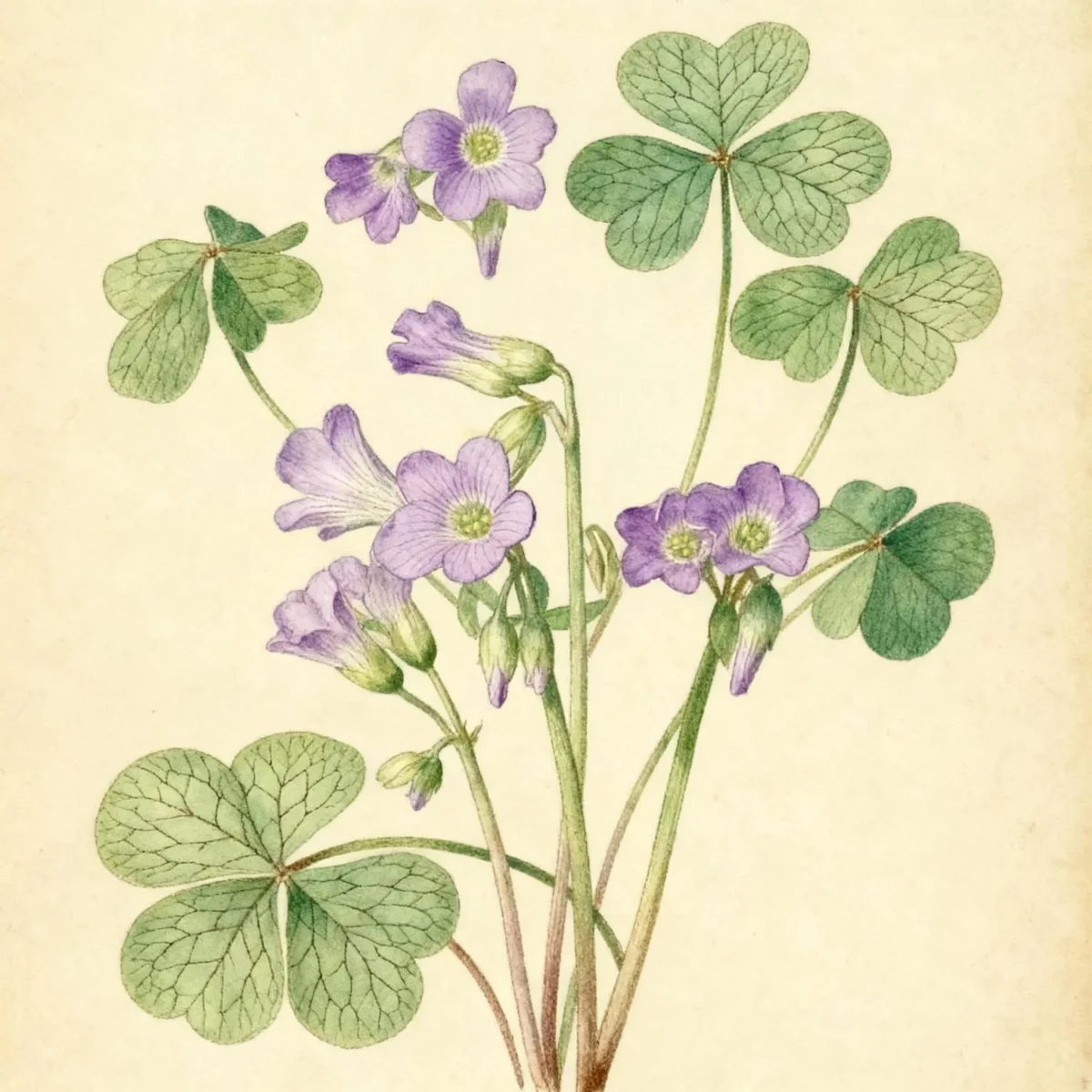
Violet wood sorrel (Oxalis violacea)
Oxalis violacea, Violet wood sorrel, is a low-maintenance bulbous perennial native to North America, featuring showy pink-lavender flowers.
Scroll down to discover growing tips, care requirements, companion plants, and more
Complete Plant Information
Overview
Violet wood sorrel, scientifically known as Oxalis violacea, is a delightful and unassuming herbaceous perennial highly valued for its native appeal. This species is particularly noted for sending up delicate, clover-like foliage and striking, variably-colored flowers directly from a scale-covered bulb. Gardeners appreciate Oxalis violacea for its low maintenance needs and ability to naturalize beautifully across various sunny to partially shaded spots.
Being a true bulb, this plant offers seasonal interest, typically flowering robustly in May with blooms ranging from pink to lavender to violet hues. Its presence contributes significantly to regional ecosystems, making it an excellent choice for native plant gardens or revitalizing disturbed areas like prairies and glades where it naturally thrives.
The name Oxalis itself references the characteristic sour taste of the leaves—a feature that makes Violet wood sorrel a unique, zesty addition to culinary explorations like salads. Despite its small stature, this plant packs a punch in texture and color, easily forming colonies in optimal conditions.
Fast Facts
- Plant Family: Oxalidaceae
- Plant Type: Herbaceous perennial
- Native Range: North America
- Hardiness Zones: USDA Zones 5-9
- Size at Maturity:
- Height: 0.5-0.75 ft
- Spread: 0.5-0.75 ft
- Bloom Time: May
- Bloom Description: Pink, lavender
- Sun Exposure: Full sun to part shade
- Water Needs: Medium
- Maintenance Level: Low
How to Grow
Oxalis violacea is best established by planting its scale-covered bulbs during the fall season. Ensure planting takes place in average, medium soils that are well-drained. While adaptable, this violet wood sorrel performs best when sited in full sun to partial shade locations, mimicking its native preference for open woods and glades.
Care requirements are minimal, aligning with its low maintenance rating. Provide medium water, ensuring the soil stays consistently moist but not waterlogged, especially during active growth in spring. Fertilization is generally unnecessary if planted in suitable, slightly acidic natural soil.
As a bulbous perennial, Oxalis violacea manages seasonal changes well. After blooming, the plant may die back slightly but can often offer a repeat showing of flowers with the return of cooler weather in the fall. No specific pruning is required; simply let the plant manage its foliage cycle naturally. Its ability to spread rapidly via runners from the bulbs means it can quickly form extensive colonies if conditions are ideal.
Landscape Uses
The versatility of Violet wood sorrel makes it suitable for several design applications. It excels when utilized in rock gardens, where its small stature complements stone features, or along border fronts where its low profile won’t obscure taller companions. For gardeners focused on regional biodiversity, Oxalis violacea is a primary candidate for native plant gardens.
Because it naturalizes readily, this species is perfect for creating sweeping, informal drifts in meadows or lightly wooded areas. When naturalized, it offers excellent groundcover benefits and requires virtually no intervention once established. Consider pairing this bulbous perennial with other spring-blooming natives that share similar moisture and sun requirements.
Standout Features
Flower Qualities
- Showy
Noteworthy Characteristics
Oxalis violacea, commonly called violet wood sorrel, is a common Missouri native wildflower which occurs state-wide in dryish, acidic soils on glades, rocky open woods, fields and prairies. A bulbous, stemless perennial typically growing 4-8” tall in which the long-stemmed leaves and longer, leafless flower stalks rise directly from the bulb. The familiar clover-like leaves have three inversely heart-shaped, often center-creased, green leaflets which are purplish beneath. Variably-colored, 5-petaled flowers (ranging from white to pink to lavender to violet) with greenish throats appear in spring. A repeat bloom will sometimes occur in the fall with the return of cooler weather. Although the leaves have a sour taste, they make a zesty and interesting addition to salads. The genus name Oxalis comes from the Greek word oxys meaning “acid”, “sour” or “sharp”, in reference to the taste of the leaves. Specific epithet means violet.
Tolerances
- No serious insect or disease problems
Potential Problems
This plant enjoys a reputation for being robust, as it experiences no serious insect or disease problems under normal growing conditions. Gardeners should remain observant, primarily ensuring the soil drains adequately, as excessive wetness around the bulbs can lead to rot, though this is uncommon in its preferred habitats. Control spreading rates if the plant becomes too vigorous in rich, moist soils by dividing the bulbs or managing runners.
Frequently Asked Questions
What hardiness zones is Violet wood sorrel suitable for?
Oxalis violacea is reliably hardy in USDA Zones 5 through 9, making it suitable for a wide swath of North America.
How large does Violet wood sorrel grow?
This bulbous perennial remains small, typically reaching between 0.5 and 0.75 feet both in height and spread at maturity.
What sun exposure does Oxalis violacea need?
Violet wood sorrel prefers a location ranging from full sun to part shade, providing flexibility in landscape planning.
When does Violet wood sorrel bloom?
The primary bloom time for Oxalis violacea is May, producing characteristic pink and lavender flowers.
Conclusion
Oxalis violacea is a superb choice for gardeners seeking a charming, native, bulbous perennial that requires very little intervention. Its appealing foliage and showy flower display make it an excellent naturalizing element or a feature in rock gardens. Ensure your site falls within USDA Zones 5-9 and offers sun to part shade before planting your Oxalis violacea bulbs this coming fall.
Companion Planting
When designing a garden around Violet wood sorrel, consider companion plants that appreciate similar soil pH and moisture regimes. Since Oxalis violacea thrives in dryish, acidic soils, pairing it with other woodland edge or glade natives works well. Look to plants that bloom later in the season to extend visual interest after the violet wood sorrel finishes its main flush.
Good companions include various native sedges (Carex species) which tolerate similar light conditions and provide complementary grassy texture. Early spring ephemerals that die back early can also be good partners, allowing space for the Oxalis violacea to spread its leaves fully once established.
Design Ideas for Naturalized Plantings
Utilizing Oxalis violacea in naturalized settings allows its tendency to spread by runners to work to your benefit rather than becoming a management concern. Plant bulbs in large, irregular masses beneath open canopy trees or along the edges of sunny prairies. This technique maximizes the visual impact of the spring blooms against a background of still-emerging grasses.
In smaller gardens, group bulbs densely near pathways or at the front of mixed borders. Their low height ensures they never obstruct views of subsequent plantings. The distinctive, almost purplish underside of the leaflets also provides subtle textural contrast to solid green plantings throughout the growing season.