Purple granadilla (Passiflora edulis)
Grow Purple granadilla (Passiflora edulis), a fast-growing evergreen vine, for its showy flowers and edible, flavorful purple passionfruits in USDA Zones 10-12.
Scroll down to discover growing tips, care requirements, companion plants, and more
Complete Plant Information
Overview
The Purple granadilla, known scientifically as Passiflora edulis, is a vigorous, tendril-climbing evergreen vine highly valued for both its dramatic blossoms and its flavorful fruit. This shallow-rooted climber wraps itself securely around supports using coiled tendrils, making it an excellent choice for vertical gardening in appropriate climates. Gardeners are drawn to Passiflora edulis not only for the edible purple passionfruits but also for the intensely beautiful, bowl-shaped flowers that precede them.
Native to Brazil, this passionflower thrives in tropical and subtropical regions, typically requiring heat and consistent moisture to become fully established. While it grows primarily as an evergreen vine, flowering and fruiting are often most prolific during warmer times of the year, slowing down during winter months. Successful cultivation depends on providing ample support, consistent water, and significant sunlight exposure.
Successfully growing Passiflora edulis offers significant aesthetic rewards through its exotic blooms and practical culinary benefits from the ripe fruit. Whether integrated into a pergola or grown as a container specimen, the Purple granadilla introduces lush, glossy foliage and unique architectural presence to the landscape.
Fast Facts
- Plant Family: Passifloraceae
- Plant Type: Vine
- Native Range: Brazil
- Hardiness Zones: USDA Zones 10-12
- Size at Maturity:
- Height: 10-15 ft
- Spread: 3-5 ft
- Bloom Time: Seasonal bloomer
- Bloom Description: White with pruple based filaments
- Sun Exposure: Full sun
- Water Needs: Medium
- Maintenance Level: Medium
How to Grow
For optimal performance, plant Passiflora edulis where it receives full sun; however, it can tolerate light afternoon shade, though flowering may be reduced. This vine establishes best in warm conditions, ideally planted outdoors after all danger of spring frost has passed. Soil preparation is crucial: use moist, fertile, well-drained, sandy loams. In containers, opt for a well-drained, peaty-humusy potting mix, ensuring the container has adequate support structures like a trellis or cage ready for immediate growth.
During the active growing season, water the Purple granadilla evenly and consistently, as this flowering vine appreciates high humidity. Good air circulation is vital to discourage the development of fungal diseases common in dense growth. Since vines produce flowers on new growth, pruning can be managed early in the growing season to shape the plant or rejuvenate older wood.
For gardeners in zones outside the 10-12 range, container culture is essential for winter protection. Before the first fall frost, transition the vines indoors, placing them in a bright, south-facing window or a sunny sunroom. During the late fall through late winter dormancy period, reduce watering frequency until new growth resumes in spring.
Landscape Uses
The Purple granadilla is spectacular as overhead screening or as a feature plant trained up substantial garden architecture. Where winter hardy (Zones 10-12), utilize Passiflora edulis on pergolas, arbors, sturdy trellises, or strong fences to maximize its vertical reach and display its pendulous flowers overhead. Its rapid growth habit makes it an excellent choice for quickly covering unsightly structures.
In cooler regions, grow the vine in large containers placed on sunny decks or patios during summer months where it becomes an immediate focal point. When planning its location, ensure that the support system is robust enough to handle the mature weight of the vine and its developing fruit. These vines pair well with other sun-loving tropical foliage plants, adding layers of texture and height variation.
Standout Features
Flower Qualities
- Showy
Fruit Qualities
- Showy
- Edible
Noteworthy Characteristics
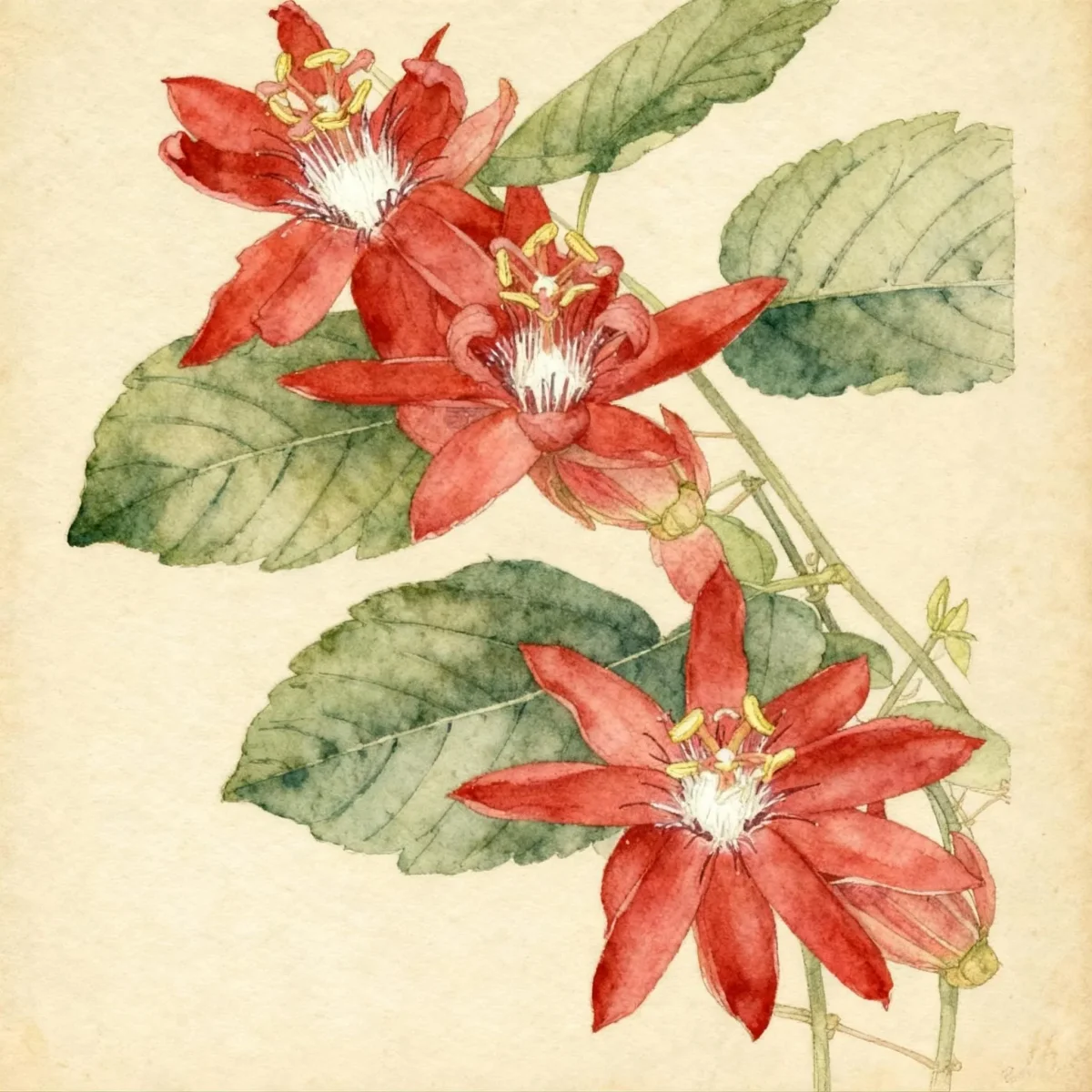
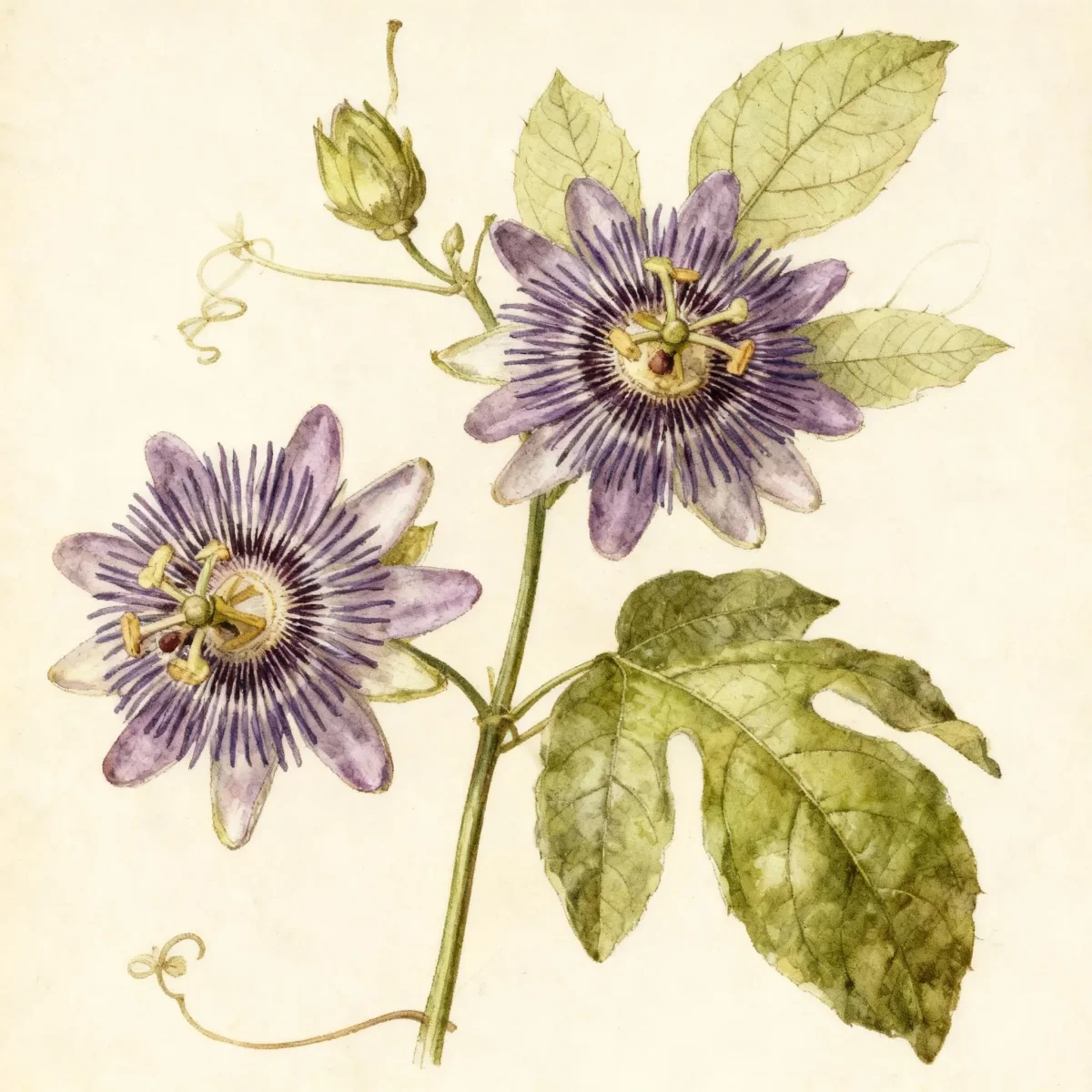
Passiflora edulis, commonly called purple passionfruit, is a shallow-rooted, tendril-climbing, evergreen vine that typically grows to 10-15’ long and produces extremely showy bowl-shaped fragrant purple-white passionflowers followed by edible, ovoid, purple passionfruits. Individual flowers bloom for only one day, featuring a decorative corona of white filaments with purple bases, symbolizing the historical religious significance ascribed to the flower by early Spanish settlers. The glossy, three-lobed leaves provide lush coverage, and the resulting fruit contains numerous seeds surrounded by sweet, juice-filled sacs, making the Purple granadilla a truly multipurpose ornamental and edible plant.
Tolerances
No specific tolerances were provided aside from requiring protection from frost below Zone 10.
Potential Problems
While Passiflora edulis generally avoids serious insect or disease complications, gardeners should monitor for common regional issues. Caterpillars, being butterfly larvae, may feed heavily on the leaves, creating unsightly holes; management usually involves manual removal unless damage is severe. Nematodes and certain fungi can attack the roots, especially in poorly drained soils, emphasizing the need for fertile, well-drained substrates. Immediate destruction of plants suffering from viral diseases is recommended to prevent spread within the garden.
Frequently Asked Questions
What hardiness zones is Purple granadilla suitable for?
The Purple granadilla (Passiflora edulis) is winter hardy in USDA Zones 10 through 12.
How large does Purple granadilla grow?
This vine typically reaches a height between 10 and 15 feet long, with a spread between 3 and 5 feet wide.
What sun exposure does Purple granadilla need?
Passiflora edulis requires full sun for the best flowering and fruiting performance, although it can tolerate light shade.
When does Purple granadilla bloom?
This plant is a seasonal bloomer, producing flowers described as white with purple-based filaments.
Conclusion
The Purple granadilla (Passiflora edulis) offers gardeners a rewarding combination of exotic beauty and edible harvest from its fast-growing, evergreen structure. Its striking flowers and delicious purple passionfruit make it a standout specimen in tropical and subtropical settings. Before planting, ensure your location meets the Zone 10 minimum requirement or prepare to manage it as a protected container plant during winter months.
Companion Planting
Selecting appropriate companions for Passiflora edulis revolves around its requirement for full sun and well-drained soil. Since this vine climbs readily, avoid planting aggressive groundcovers directly at its base that might compete heavily for moisture or root space. Consider pairing it with heat-tolerant, upright structures like hardy grasses (e.g., Miscanthus in compatible zones) or less vigorous shrubs that offer structural contrast without overwhelming the vine’s lower foliage.
In container settings, look to plants that tolerate similar watering needs but offer textural divergence. Succulents or drought-tolerant annuals that prefer drier surface soil but still enjoy high sun can create an interesting juxtaposition beneath the humidity-loving Passiflora edulis. Always ensure air circulation remains good around the base of the vine to mitigate potential fungal issues.
Container Growing
Growing Purple granadilla successfully in containers requires diligence, particularly regarding soil structure and support. Utilize a lighter, well-draining potting mix, as clay or heavy garden soil will compact and impede root health necessary for this shallow-rooted climber. A container at least 15-20 gallons in size is recommended to give the extensive root system room to develop adequately to support mature vine growth.
It is essential to install a strong support system—a sturdy cage, obelisk, or large trellis—directly into the pot when planting, as training a mature vine onto a new structure can cause damage. During the active summer season, containers dry out quickly, necessitating consistent, even watering to meet the medium water needs of the vine while ensuring drainage remains excellent.