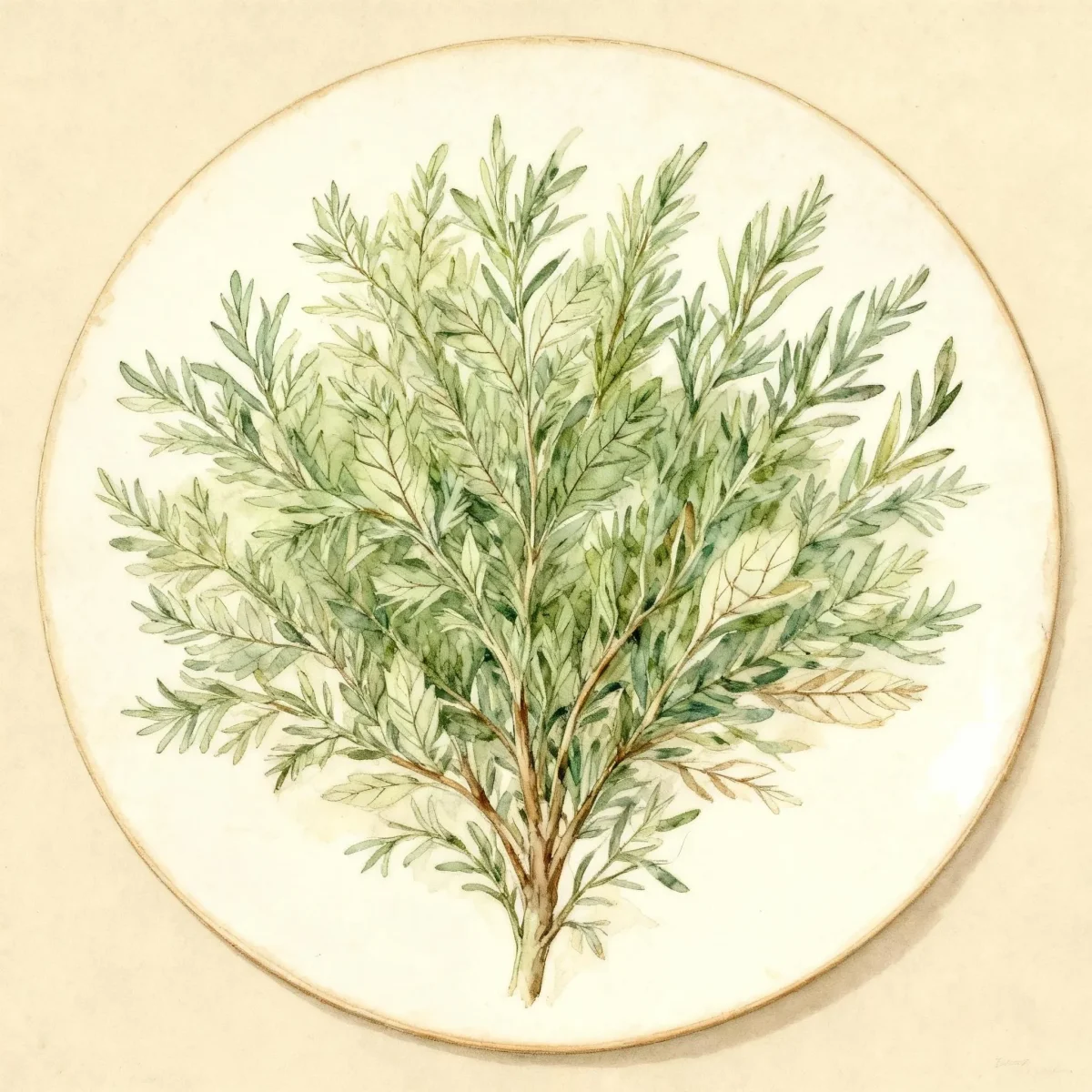
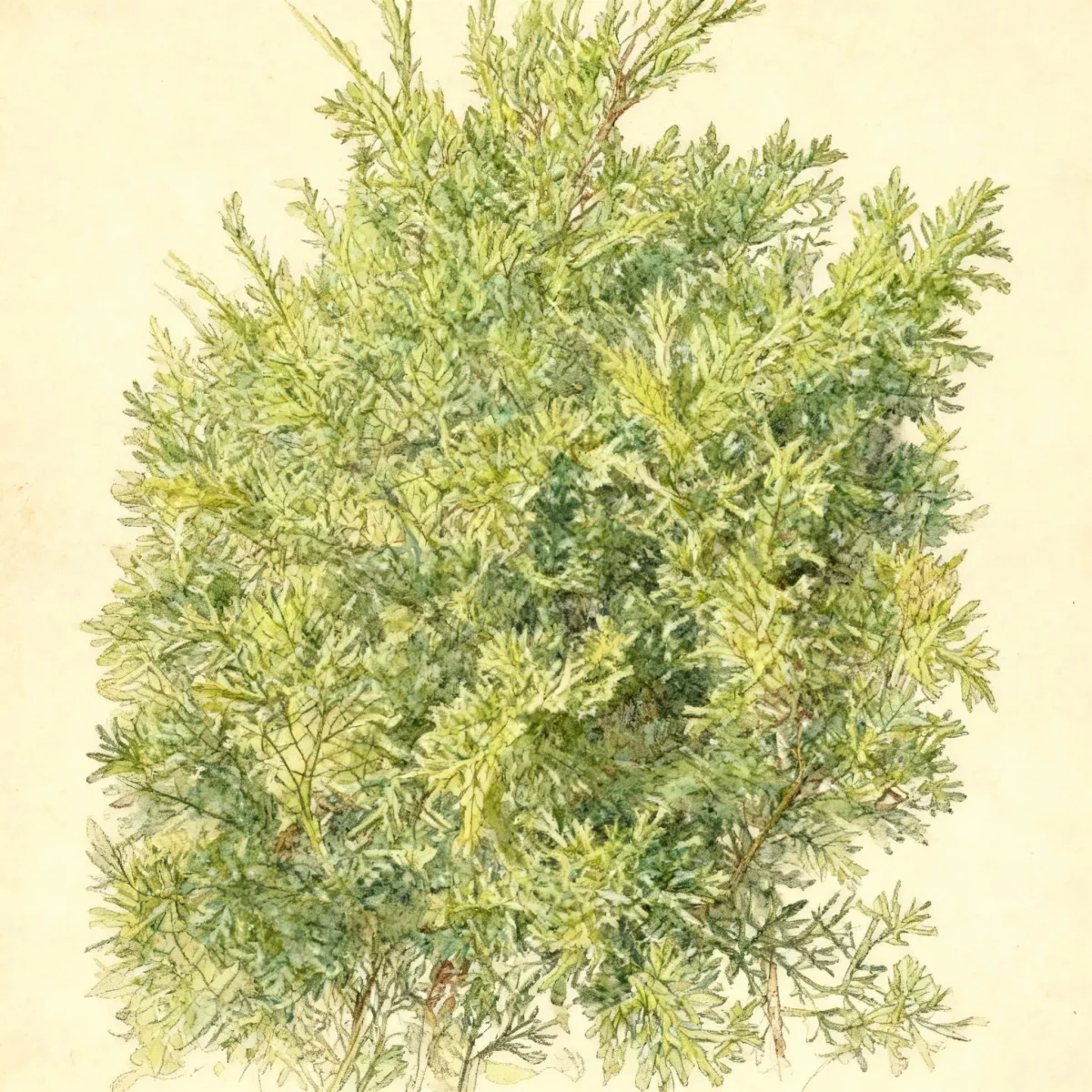
Russian arbor-vitae (Microbiota decussata)
Microbiota decussata, the Russian arbor-vitae, is a low-maintenance, evergreen ground cover with fine texture, hardy in Zones 3-7.
Scroll down to discover growing tips, care requirements, companion plants, and more
Complete Plant Information
Overview
The Microbiota decussata, widely known as the Russian arbor-vitae, offers gardeners a distinctive, low-growing accent perfect for softening hard edges or covering slopes. This dwarf, evergreen conifer is native to the harsh, high-altitude regions of far-eastern Russia, lending it exceptional hardiness in cooler climates. Its fine, feathery foliage provides year-round interest, transitioning from bright green in summer to an attractive bronze-purple hue when temperatures drop.
As a shrubby ground cover, Microbiota decussata spreads horizontally, making it an effective textural alternative to many common junipers. Gardeners value its low maintenance profile and resilience against browsing animals. This plant thrives best where summers remain relatively cool, showcasing its best form as a creeping carpet of texture against the landscape.
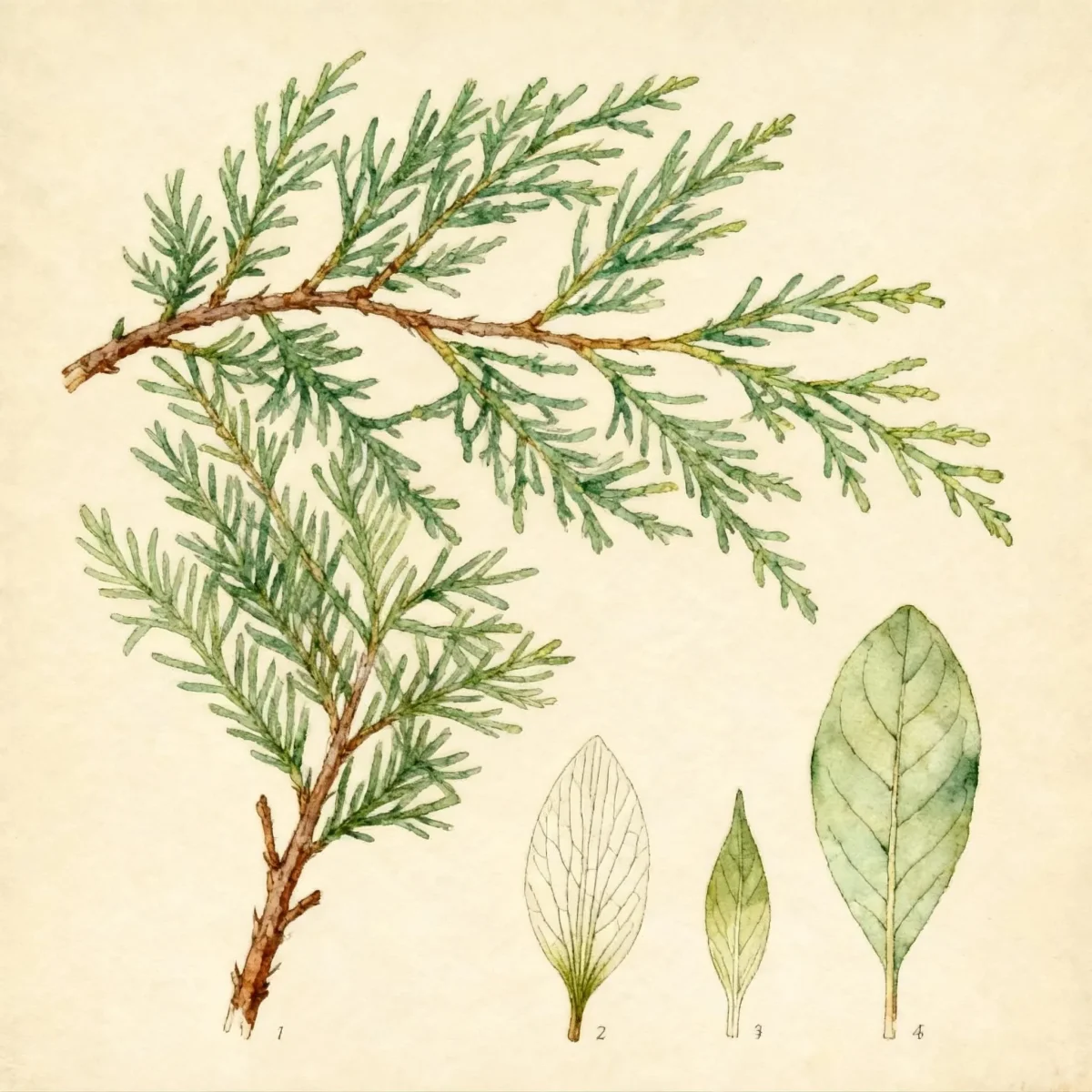
Its species name, decussata, poetically refers to the crisscross arrangement of its scale-like leaves, a feature that helps distinguish it within the Cupressaceae family. For gardeners seeking reliable evergreen coverage that requires minimal intervention once established, the Russian arbor-vitae is a highly practical choice suitable for USDA Zones 3 through 7.
Fast Facts
- Plant Family: Cupressaceae
- Plant Type: Needled evergreen
- Native Range: Southeastern Siberia
- Hardiness Zones: USDA Zones 3-7
- Size at Maturity:
- Height: 0.5-1.5 ft
- Spread: 3-12 ft
- Bloom Time: Non-flowering
- Bloom Description: Non-flowering
- Sun Exposure: Full sun to part shade
- Water Needs: Medium
- Maintenance Level: Low
How to Grow
Planting Microbiota decussata is best done in the spring or early fall, ensuring the roots establish before extreme weather hits. Locate it where it receives full sun to light shade, although it appreciates protection from the harshest afternoon sun, especially in warmer peripheries of its range. The most crucial soil requirement is good drainage; Microbiota decussata is notably intolerant of wet, poorly-drained soils which rapidly invite root rot. Amend heavy soils with grit or organic matter before planting.
Watering should be consistent, requiring only medium amounts, especially through the first year to establish deep roots. Once established, this plant generally handles average moisture well, though drought stress should be avoided during prolonged hot periods. Fertilization is rarely necessary; this evergreen is accustomed to lean, mountainous soils and excessive feeding can sometimes lead to weak, floppy growth.
Pruning is generally minimal, as the goal is usually to maintain its natural spreading ground cover habit. Avoid planting where reflected heat is intense, as performing poorly in hot, humid summers is a known characteristic. In cold winter regions, ensure adequate snow cover or mulch surrounds the base to insulate the shallow roots, protecting the plant through Zone 3 winters.
Landscape Uses
The Russian arbor-vitae excels as functional ground cover where a dense, low mat is desired. Its ability to spread widely—up to 12 feet—makes it economically efficient for covering banks and slopes, fulfilling vital erosion control needs while maintaining year-round green structure. It forms a denser, more uniform carpet than many sprawling junipers, offering good visual texture.
Consider using Microbiota decussata in rock gardens, letting its stems cascade slightly over stone edges, or integrate it into the foreground of shrub borders. Because it is more shade tolerant than many traditional groundcover evergreens, it offers excellent textural contrast beneath high canopy trees where turf struggles. Its fine texture pairs well against coarse-leafed perennials or broadleaf evergreens, providing necessary contrast in foundation plantings.
This species is an excellent alternative to traditional groundcovers, offering reliability across diverse conditions within Zones 3-7. Its resistance to deer browsing further enhances its value as a dependable, low-profile planting element across the landscape plan.
Noteworthy Characteristics
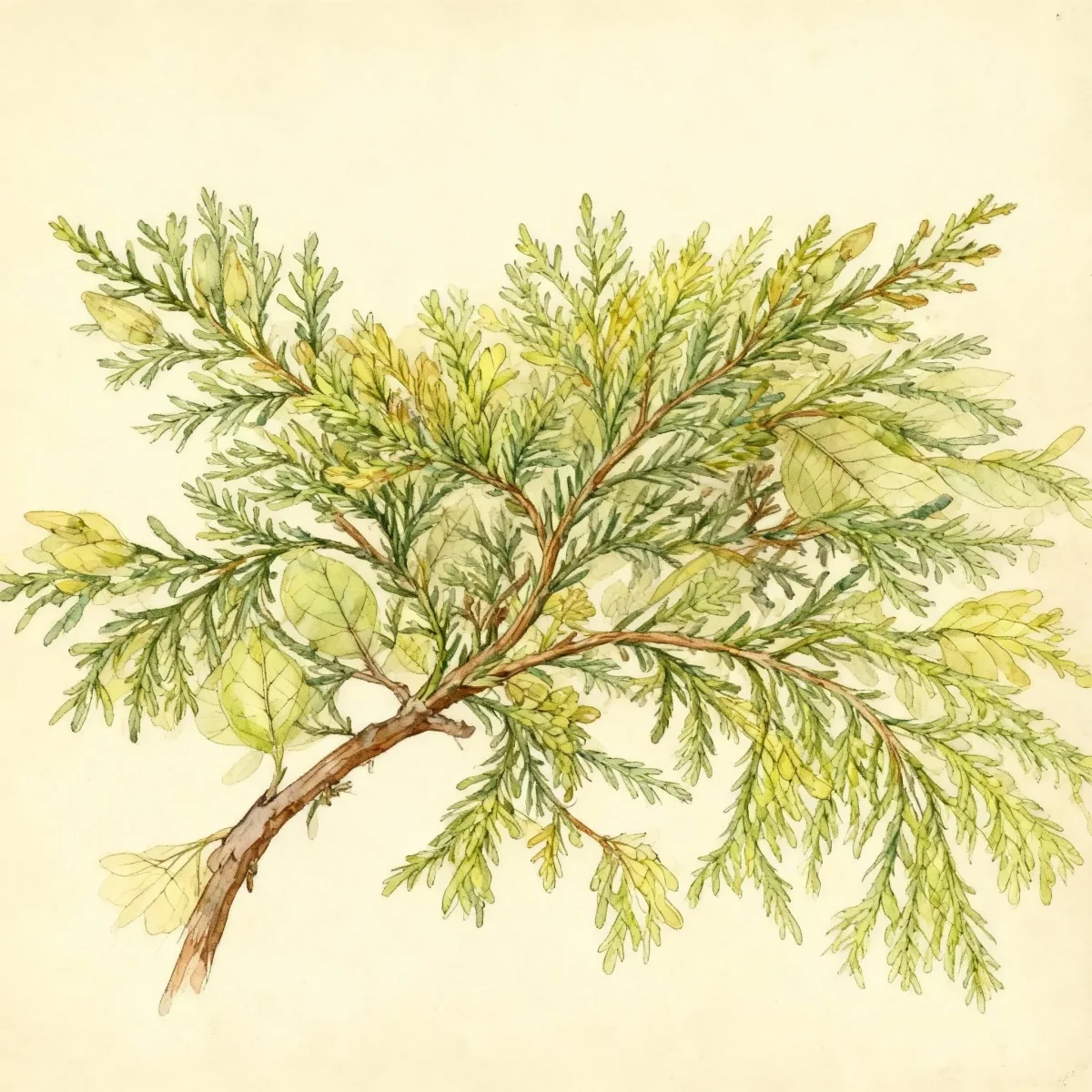
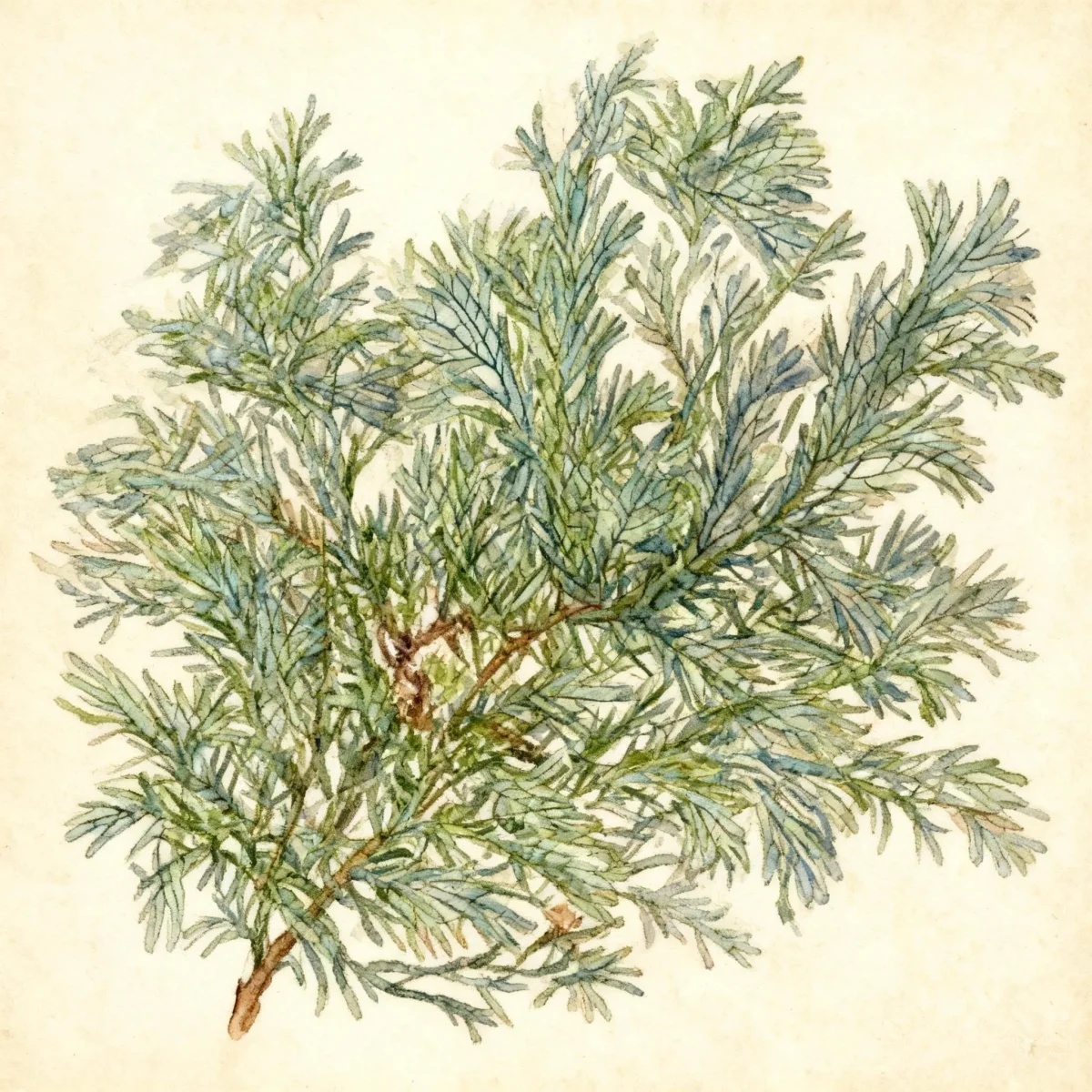
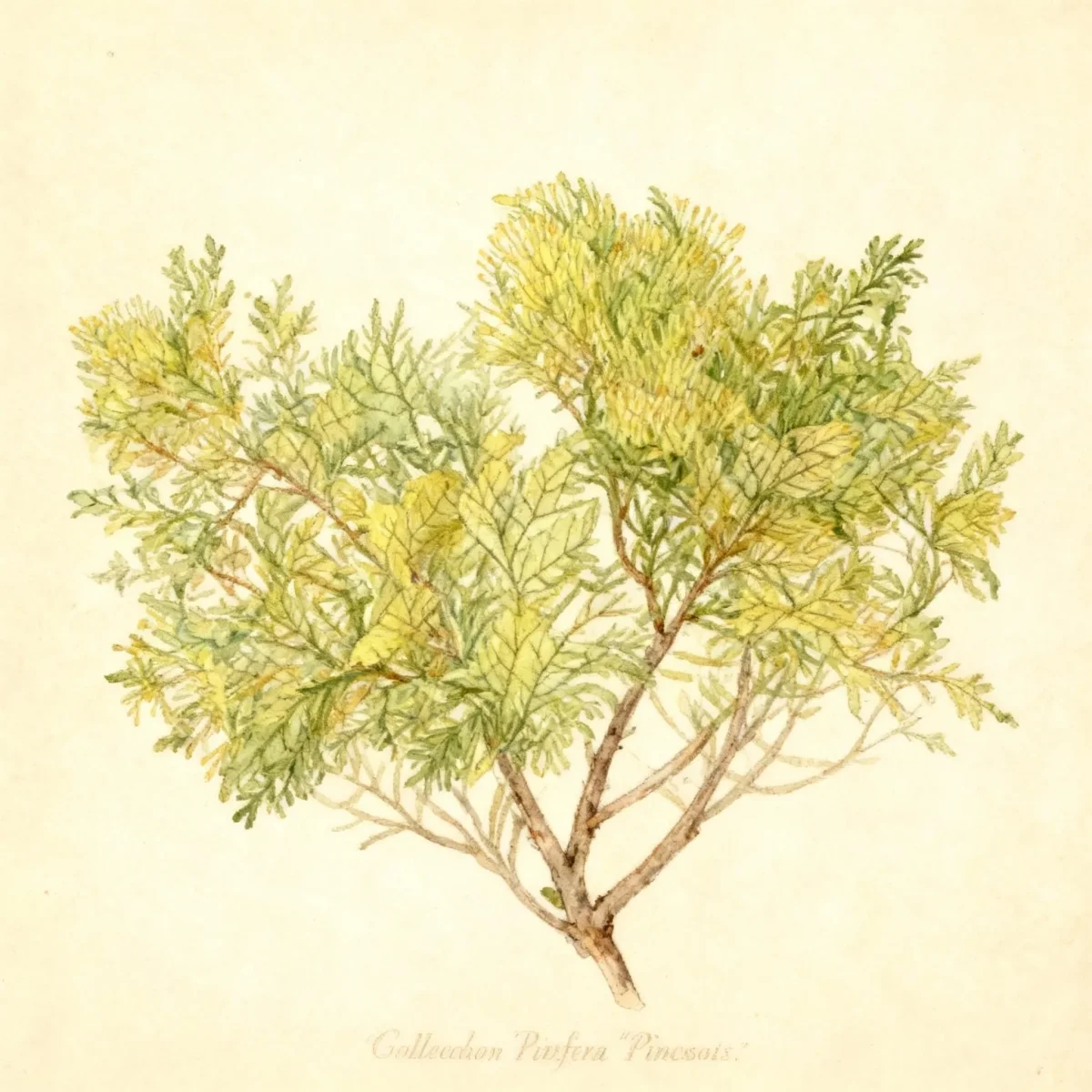
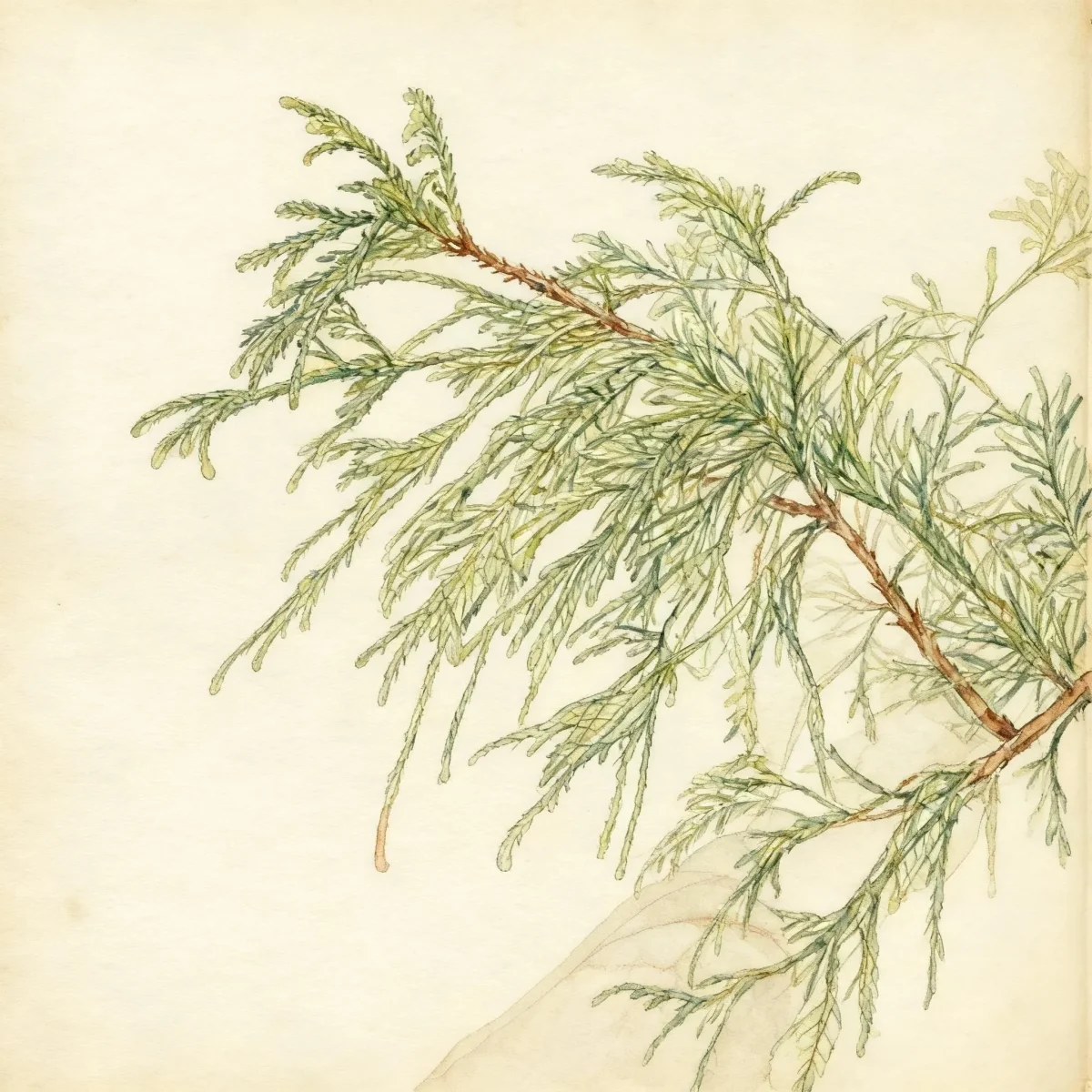
Microbiota decussata, commonly called Siberian cypress or Russian arbor-vitae, is a dwarf, evergreen conifer endemic to the Sikhote-Alin mountains of far-eastern Russia where it grows above the timberline on bald peaks. It forms a shrubby ground cover to 8-18” tall with indefinitely spreading stems that nod at the tips, potentially spreading to as much as 10-12’. Feathery, soft-textured, scale-like foliage is arranged in flat, fan-like sprays reminiscent of arborvitae (Thuja), changing color from bright green in summer to bronze-purple in fall and winter.
Tolerances
- Deer
- Erosion
Potential Problems
The most critical vulnerability for Microbiota decussata relates to soil saturation. Poorly drained soils will inevitably lead to root rot, which can quickly destabilize or kill otherwise healthy specimens. Furthermore, while exceptionally cold-hardy, this plant tends to falter when grown in climates characterized by hot, humid summers, where air circulation and persistent moisture stress the foliage. On a positive note regarding pests and browsing animals, deer tend to avoid this plant, simplifying landscape planning in deer-prone areas. Ensure excellent drainage to mitigate the majority of cultural issues associated with the Russian arbor-vitae.
Frequently Asked Questions
What hardiness zones is Russian arbor-vitae suitable for?
The Russian arbor-vitae is suitable for USDA Zones 3 through 7, offering excellent cold tolerance.
How large does Microbiota decussata grow?
This evergreen typically maintains a low height between 0.5 and 1.5 feet, but it spreads significantly, often reaching widths of 3 to 12 feet wide.
What sun exposure does Microbiota decussata need?
This conifer performs best with full sun to part shade exposure, adapting well to dappled light conditions.
When does Microbiota decussata bloom?
The Microbiota decussata is a non-flowering, needled evergreen that does not produce conspicuous blooms.
Conclusion
The Russian arbor-vitae offers unparalleled evergreen texture and reliable, low-maintenance coverage, especially valued for its deer resistance and suitability for cooler climates. Incorporating Microbiota decussata into sloping areas or rock gardens provides year-round architectural interest. Before planting, always confirm your landscape site offers the requisite well-drained soil conditions to ensure long-term success for this Siberian beauty.
Companion Planting
When selecting partners for Microbiota decussata, focus on plants that share its preference for cool summers and medium water needs, while offering strong textural or color contrast. Pairing the fine, scale-like foliage of the Russian arbor-vitae with broadleaf evergreens, such as Japanese Holly (Ilex crenata cultivars) or low-growing heathers, creates an attractive tapestry of textures. For seasonal color, consider early spring bulbs like dwarf daffodils or low-mounding sedums that can tolerate the same light levels without shading out the low-growing conifer.
Seasonal Care Calendar
Spring cleanup involves removing any winter debris and applying a light layer of mulch, taking care not to pile it directly against the stems of the Microbiota decussata, as this can trap moisture and encourage rot. During summer, monitor moisture levels, especially in the first few seasons, ensuring the soil remains consistently moist but never waterlogged. In fall, the foliage begins its decorative shift into bronze and purple tones; very little active care is needed aside from ensuring heavy, wet snow does not crush the low-spreading branches if they are laden. Winter protection for this Zone 3 hardy plant is usually minimal, provided it is sited correctly away from harsh winter winds where desiccation is a risk.