Lacebark pine (Pinus bungeana)
Discover the ornamental Lacebark pine (Pinus bungeana), prized for its stunning exfoliating white bark and low maintenance needs in Zones 4-8.
Scroll down to discover growing tips, care requirements, companion plants, and more
Complete Plant Information
Overview
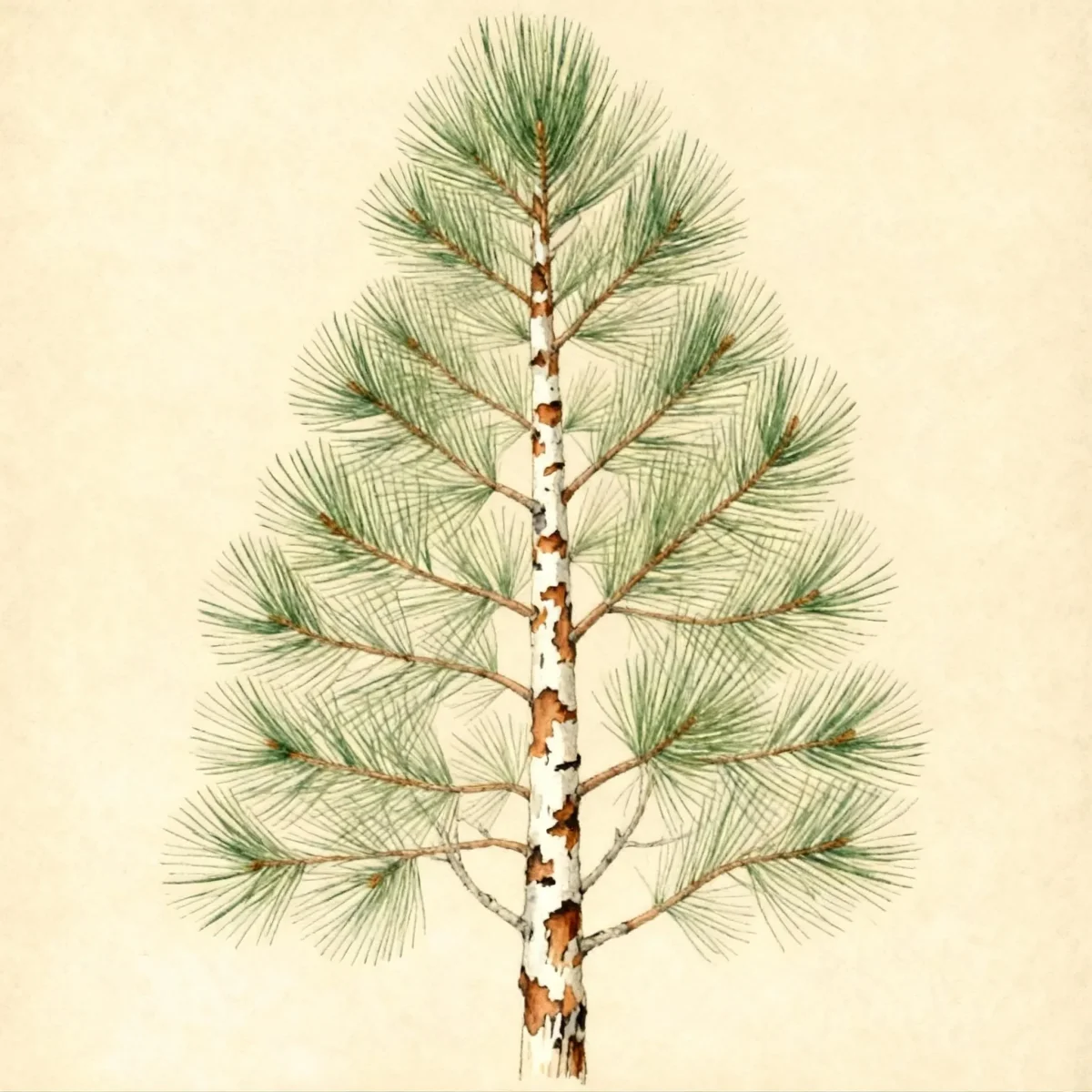
The Lacebark pine (Pinus bungeana) is a highly valued ornamental conifer, primarily celebrated for its spectacular exfoliating bark. As the tree matures, the outer bark peels away revealing an attractive mosaic underneath, featuring shades of white, olive, and purple, eventually developing a striking milky white finish. This slow-growing evergreen provides year-round visual interest, making Pinus bungeana a focal point in any landscape design.
This species is relatively easy to care for once established, thriving in full sun and average soils. Although it grows slowly, patience is rewarded with a substantial specimen tree reaching heights of 30 to 50 feet over time. The medium to dark green needles give texture, but the true show begins after about a decade when the signature bark display of the Lacebark pine starts to emerge.
Adding the Pinus bungeana to an open area ensures its unique structure and bark are fully visible. While it can be grown as a single trunk, it often naturally forms a spreading, multi-stemmed habit. Consider its long-term structure when siting this slow-maturing beauty.
Fast Facts
- Plant Family: Pinaceae
- Plant Type: Needled evergreen
- Native Range: Central and northern China
- Hardiness Zones: USDA Zones 4-8
- Size at Maturity:
- Height: 30-50 ft
- Spread: 20-35 ft
- Bloom Time: Non-flowering
- Bloom Description: Non-flowering
- Sun Exposure: Full sun
- Water Needs: Medium
- Maintenance Level: Low
How to Grow
Planting the Lacebark pine is best done in the spring or fall to allow the roots time to establish before extreme weather hits. Choose a location that provides full sun exposure, as insufficient light will negatively impact bark development. This species is easily grown in average, medium, well-drained soils. Avoid heavy, soggy areas, as consistent drainage is key to success.
Water should be supplied consistently throughout the first few growing seasons, meeting its ‘Medium’ water needs until the root system is fully mature. After establishment, Pinus bungeana is quite drought-tolerant, though deep, infrequent watering during prolonged dry spells is always beneficial. Fertilizer is rarely required if the native soil is adequate; excessive feeding can promote weak, overly rapid growth that compromises structure.
Pruning should be minimal, focusing only on removing dead, damaged, or rubbing branches. Because the ornamental value is the bark, avoid wounding the trunk or lower branches unnecessarily. Be aware that the branches of Pinus bungeana can be brittle, making it susceptible to damage from heavy snow or ice, especially if the tree has multiple trunks. Structural pruning early on can sometimes mitigate this risk.
Landscape Uses
The primary role of the mature Pinus bungeana in the landscape is as a specimen planting. White-barked mature trees serve as excellent focal points, drawing the eye even in winter when deciduous trees have dropped their leaves. Given its slow growth rate, it is best placed where it will not immediately overcrowd surrounding shrubs or smaller accent plants.
Because the Lacebark pine eventually develops a wide, spreading canopy, ensure adequate space surrounds the planting site. Companion planting should focus on species that contrast well with the peeling bark in texture or color—think smooth green foliage or evergreen shrubs that remain low to the ground. It works well when sited against darker backgrounds, like deep green hedges or dark-colored structures, to maximize the visual impact of the white bark patches.
Standout Features
Fruit Qualities
- Showy
Noteworthy Characteristics
Pinus bungeana, commonly called lacebark pine, is valued for its exfoliating bark which peels to reveal a stunning patchwork of white, olive, light purple, and silver, eventually reaching a milky white maturity. Patience is necessary, as this signature visual feature usually takes at least 10 years to begin exfoliating significantly. It often presents as a spreading multi-trunked tree with medium to dark green needles held in bundles of three.
Tolerances
- Deer
Potential Problems
The Lacebark pine generally exhibits no serious insect or disease problems, contributing to its low maintenance rating. However, a significant structural issue lies in its brittleness; branches are susceptible to breakage under heavy snow or ice accumulation. This vulnerability is particularly pronounced in trees that maintain a multi-trunked form. To mitigate breakage, ensure excellent drainage, avoid over-fertilizing to promote dense wood, and site the tree where it is protected from high winds if possible.
Frequently Asked Questions
What hardiness zones is Lacebark pine suitable for?
The Lacebark pine is suitable for USDA Hardiness Zones 4 through 8.
How large does Lacebark pine grow?
At maturity, Pinus bungeana typically reaches a height of 30 to 50 feet, with a spread ranging from 20 to 35 feet.
What sun exposure does Pinus bungeana need?
Pinus bungeana requires full sun to thrive and develop its best ornamental characteristics.
When does Pinus bungeana bloom?
This species is a conifer and is non-flowering.
Conclusion
The Lacebark pine offers unparalleled winter interest due to its beautifully mottled, exfoliating bark, making it a premier specimen tree for observant gardeners. Its low demands for water and maintenance ensure that this unique evergreen, Pinus bungeana, remains a visually rewarding feature for decades. Before planting, confirm your location falls within USDA Zones 4-8 and ensure the site allows enough room for its eventual 35-foot spread.
Companion Planting
When selecting companions for the Lacebark pine, focus on materials that complement its upright structure and contrasting bark texture without competing for light. Because Pinus bungeana demands full sun and well-drained soil, pair it with other high-light-loving, drought-tolerant shrubs or perennials. Consider broadleaf evergreens that offer a solid dark green backdrop, such as Boxwood (Buxus) varieties pruned low, or Japanese Holly (Ilex crenata).
Avoid planting shallow-rooted or high-water-demand plants directly beneath the Lacebark pine. The competition for water in the root zone can stress the pine, potentially slowing the development of its prized bark show. Groundcovers that prefer dry shade, such as certain varieties of Sedum or creeping Thyme, can work well at the edges of its canopy, provided they are not planted too close to the trunk flare.
Seasonal Care Calendar
Spring is the ideal time for assessing any winter damage to the Lacebark pine and cleaning up any fallen debris or cones. This is also the best time, if necessary, to apply a slow-release fertilizer sparingly around the drip line, though most pines do not require supplemental feeding. Monitor for pests during warmer weather, although serious infestations are rare for Pinus bungeana.
During summer, focus entirely on deep watering during extended dry periods to support root health, remembering this tree prefers medium water needs rather than constant moisture. In the arid conditions that can stress plants, deep, slow application allows water to penetrate deeply without encouraging shallow root growth. Fall preparation involves ensuring the soil is well-moistened going into winter; this helps prevent winter desiccation, especially for young trees.