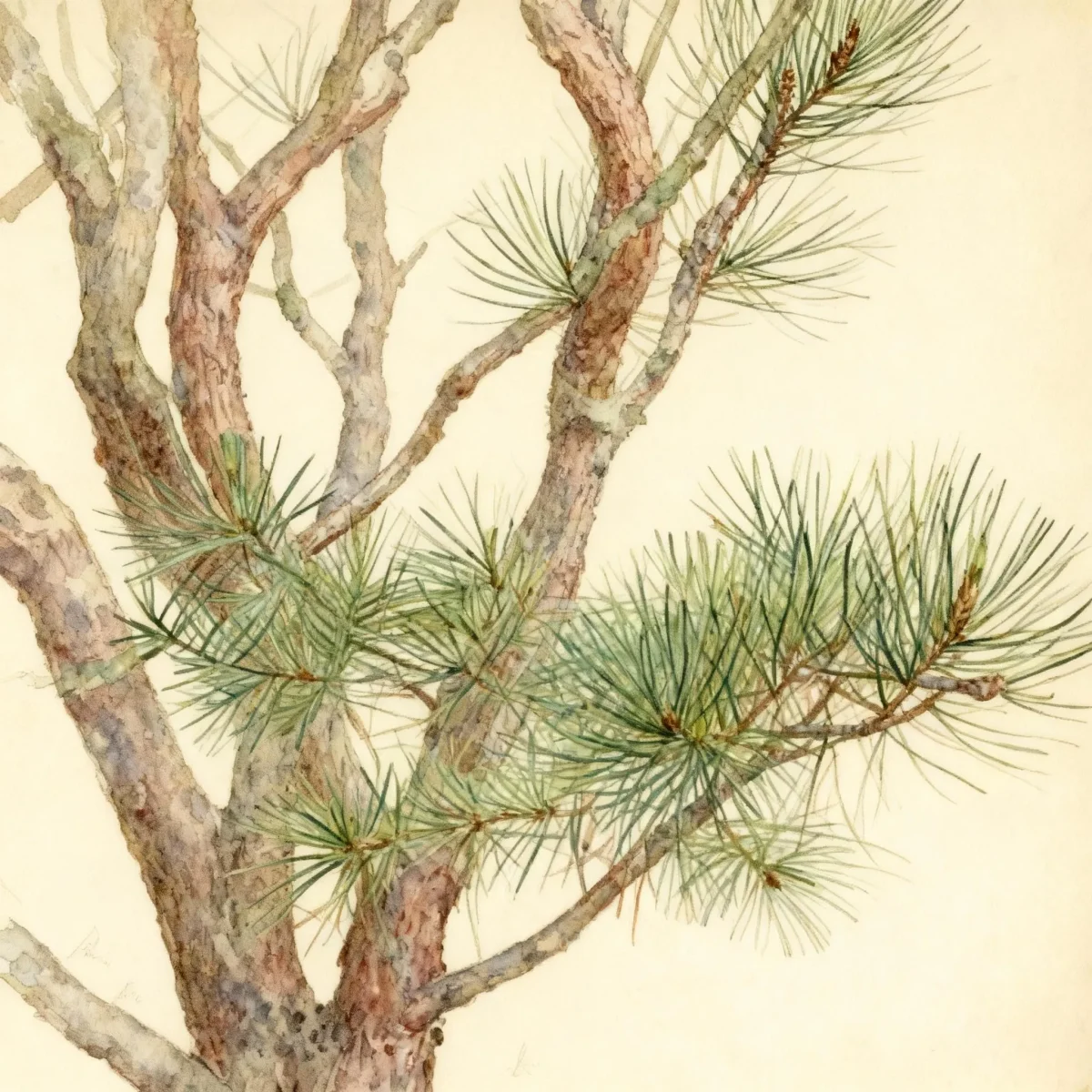
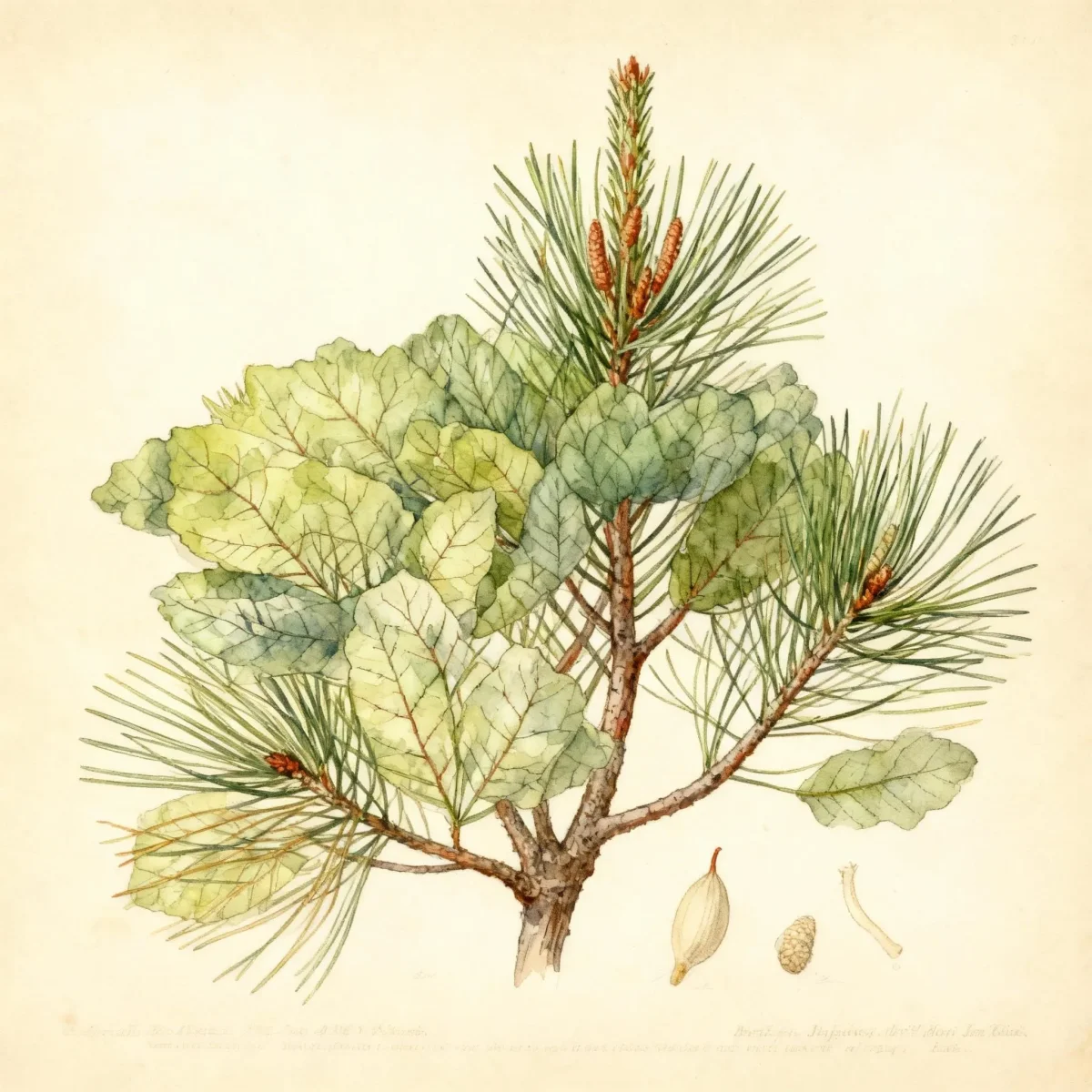
Korean pine (Pinus koraiensis)
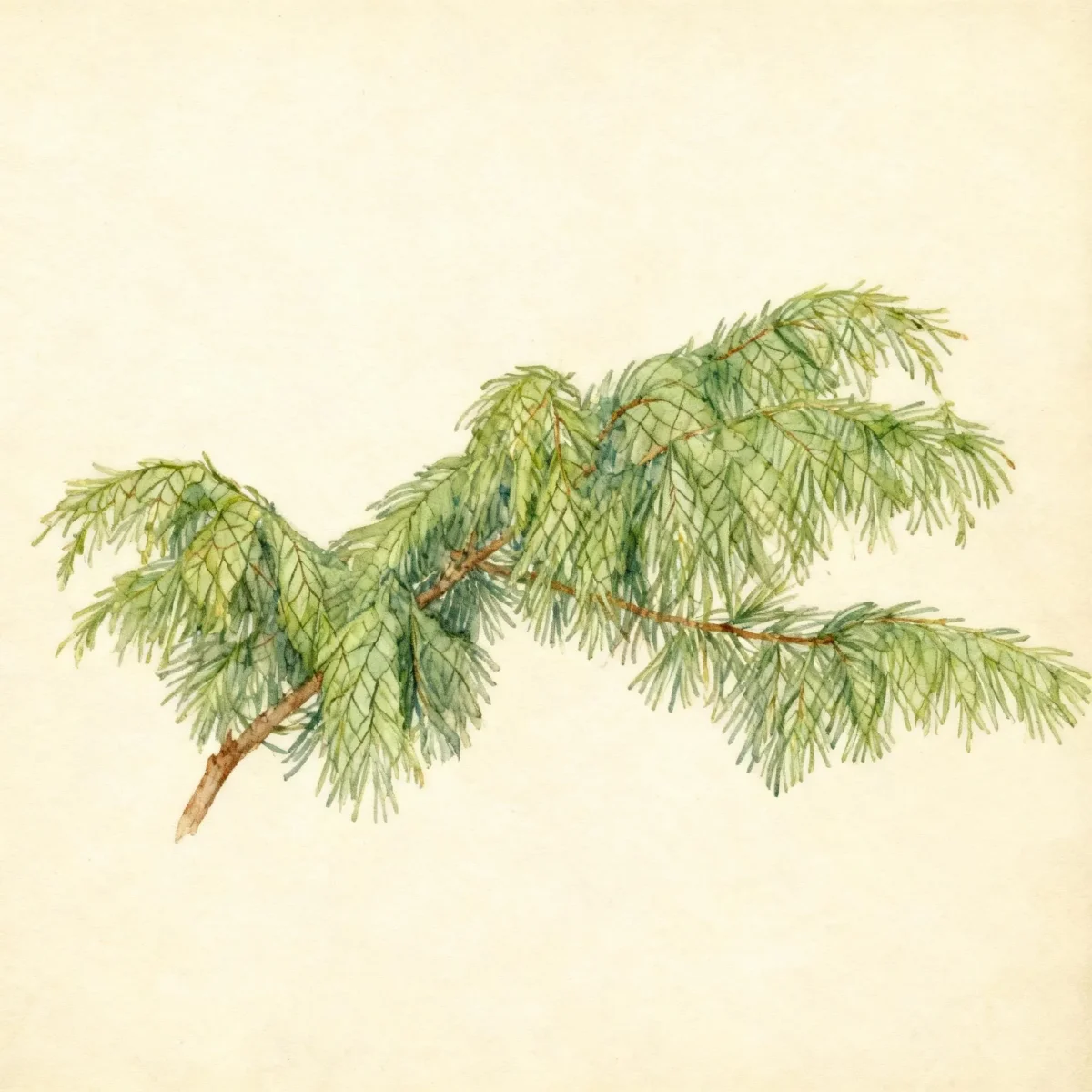
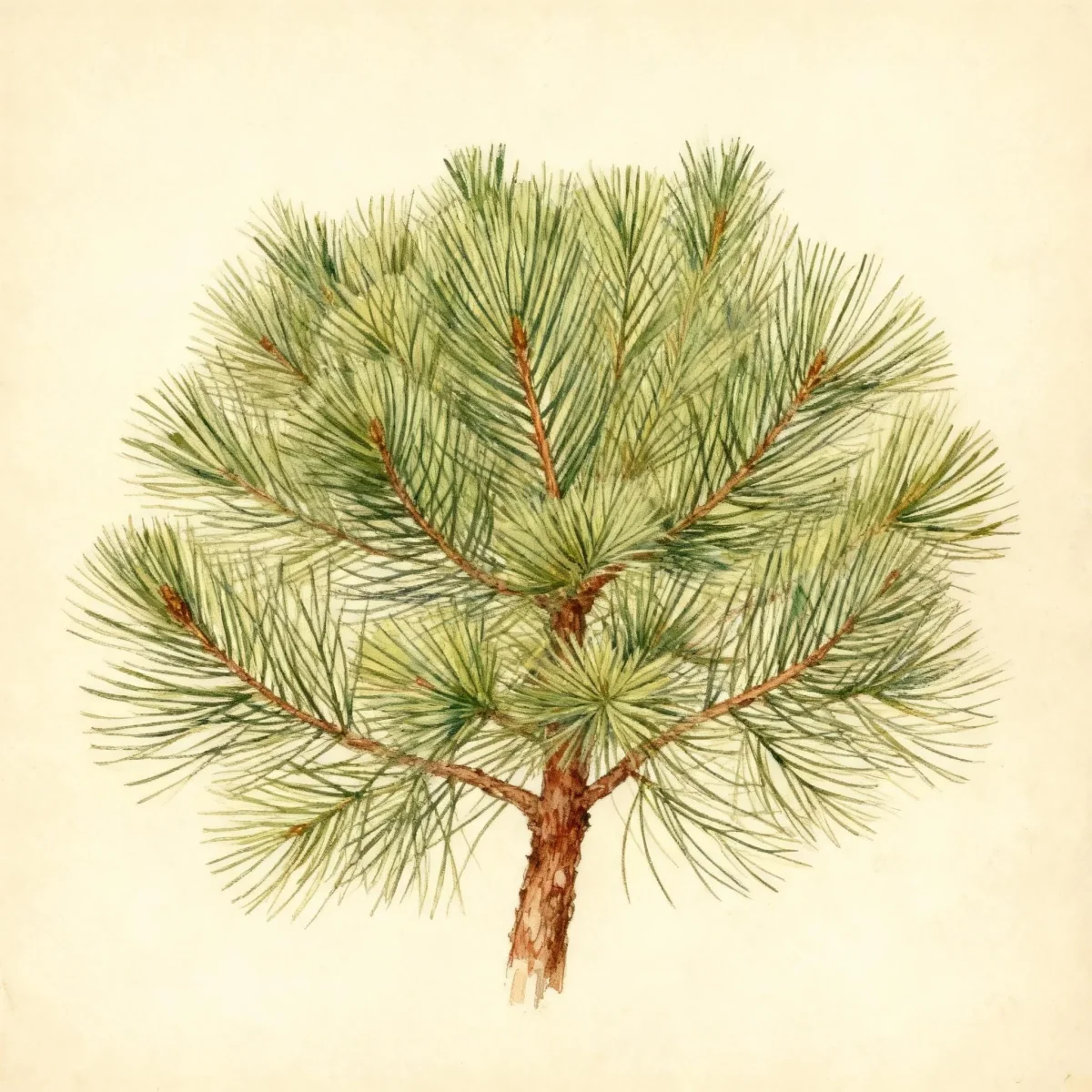
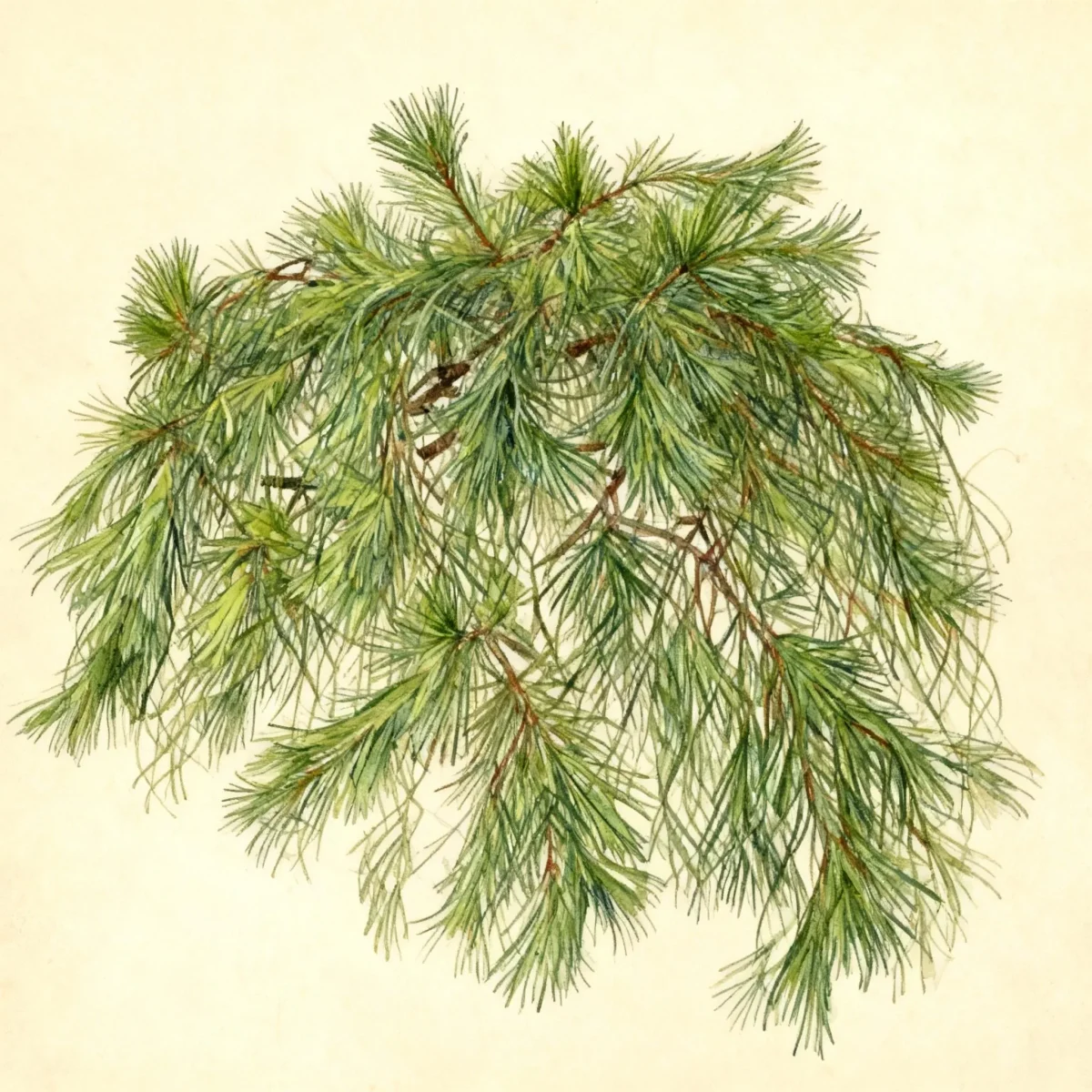
The Korean pine (Pinus koraiensis) is a stately, blue-green needled evergreen valuable for edible pine nuts and formal pyramidal shape.
Scroll down to discover growing tips, care requirements, companion plants, and more
Complete Plant Information
Overview
The Korean pine, or Pinus koraiensis, is a magnificent, long-lived needled evergreen prized for its stately form and edible seeds. Belonging to the white pine group, this conifer provides year-round structure and notable aesthetic appeal in suitable landscapes. Its attractive blue-green needles and pyramidal shape offer an elegant alternative to more common spruce varieties.
While highly valued in its native East Asia, successful cultivation of Pinus koraiensis often requires attention to its preference for cooler summers. Gardeners should note that while it is exceptionally cold-hardy, intense heat and humidity can stress this species. When sited correctly, planting the Korean pine as a specimen or screen provides significant visual impact and produces large cones containing commercially harvested pine nuts.
Fast Facts
- Plant Family: Pinaceae
- Plant Type: Needled evergreen
- Native Range: Eastern temperate Asia
- Hardiness Zones: USDA Zones 4-7
- Size at Maturity:
- Height: 30-50 ft
- Spread: 25-35 ft
- Bloom Time: Non-flowering
- Bloom Description: Non-flowering
- Sun Exposure: Full sun
- Water Needs: Medium
- Maintenance Level: Medium
How to Grow
Establish your Pinus koraiensis during the cooler months, either early spring or early fall, to minimize transplant shock. This tree thrives best when planted in deep, moist, and highly well-drained loam soils. While tolerant of varied textures, including sandy or clay compositions, it strictly requires avoiding locations where water pools or drains poorly. Ensure it receives full sun exposure for optimal growth density and cone production.
Watering requirements are medium; established trees can handle short dry spells, but consistent moisture is vital, especially during the first few growing seasons after planting. Deep, infrequent watering encourages the development of a strong, deep root system. Fertilization is usually unnecessary if the soil is adequate; heavy feeding can sometimes lead to weak, overly rapid growth susceptible to pests or disease.
Mature Pinus koraiensis generally requires little pruning, often developing its pleasing horizontal branching pattern naturally. Prune only to remove dead, damaged, or crossing lower limbs if required for clearance. Be mindful that these trees generally prefer cooler summer climates and may struggle in regions known for prolonged heat and high humidity, despite their excellent cold tolerance (often hardy to Zone 3). They exhibit a general tolerance for urban environments, provided roots have adequate space and drainage.
Landscape Uses
The Korean pine is a versatile, large evergreen, though perhaps “uncommonly planted” compared to other conifers. Due to its eventual size and strong upright structure, it excels when used as a prominent single specimen where its mature form can be appreciated fully. The pyramidal shape, which relaxes with age, makes it an imposing focal point in large lawns or open park settings.
For functional screening, Pinus koraiensis is superb. Planted in tight groups or rows, the dense foliage of these blue-green needled trees creates an effective visual barrier against neighboring properties or undesirable views. When planning groupings, remember the significant mature spread of 25 to 35 feet to ensure sufficient air circulation and light penetration between individuals.
While typically used in open settings, smaller or younger specimens can anchor large foundation plantings or serve as excellent background material in mixed borders featuring deciduous shrubs that offer seasonal color contrast against the year-round resilience of the Korean pine.
Standout Features
Fruit Qualities
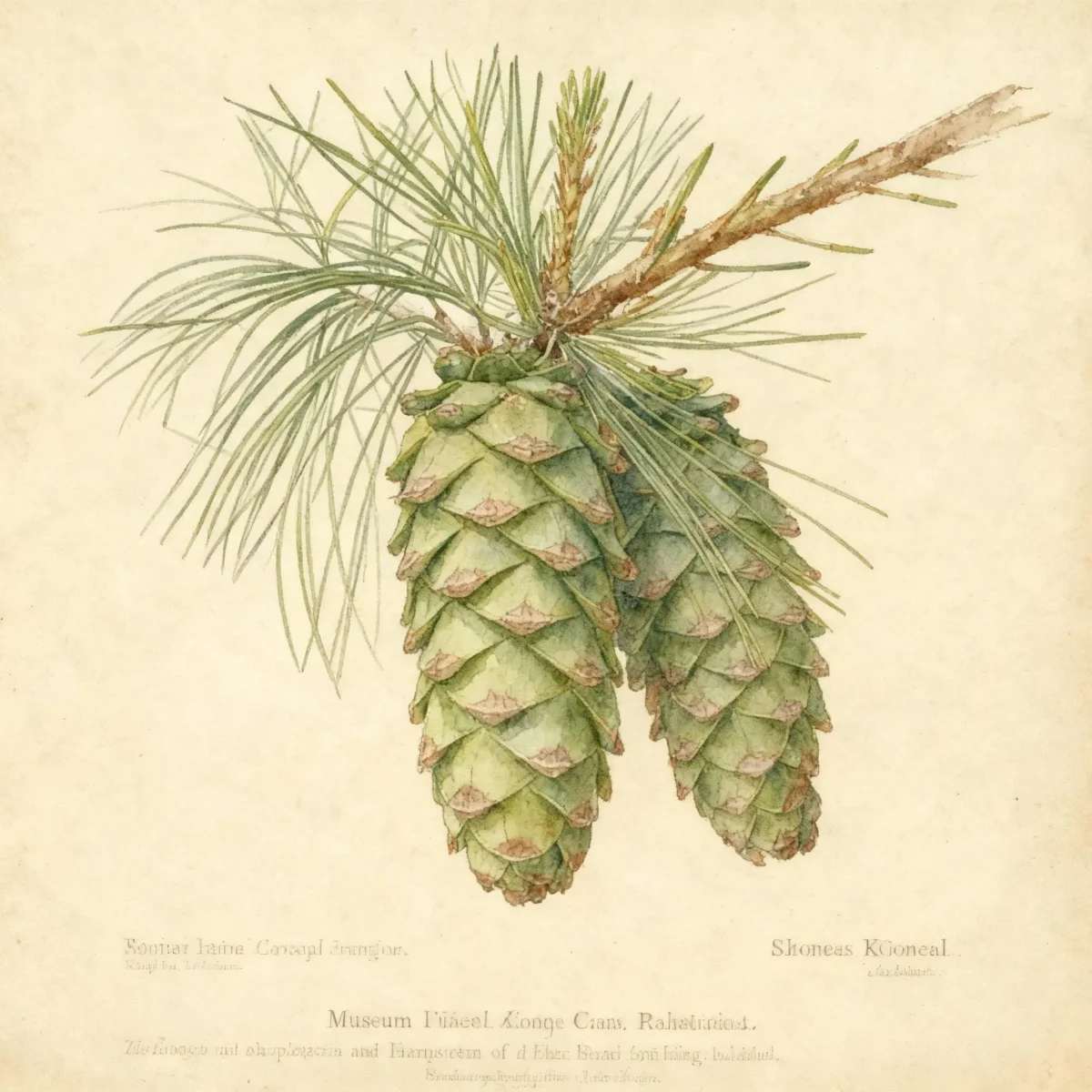
The cones of Pinus koraiensis mature to brown and yield large, edible seeds known as pine nuts, which are widely distributed commercially.
Noteworthy Characteristics
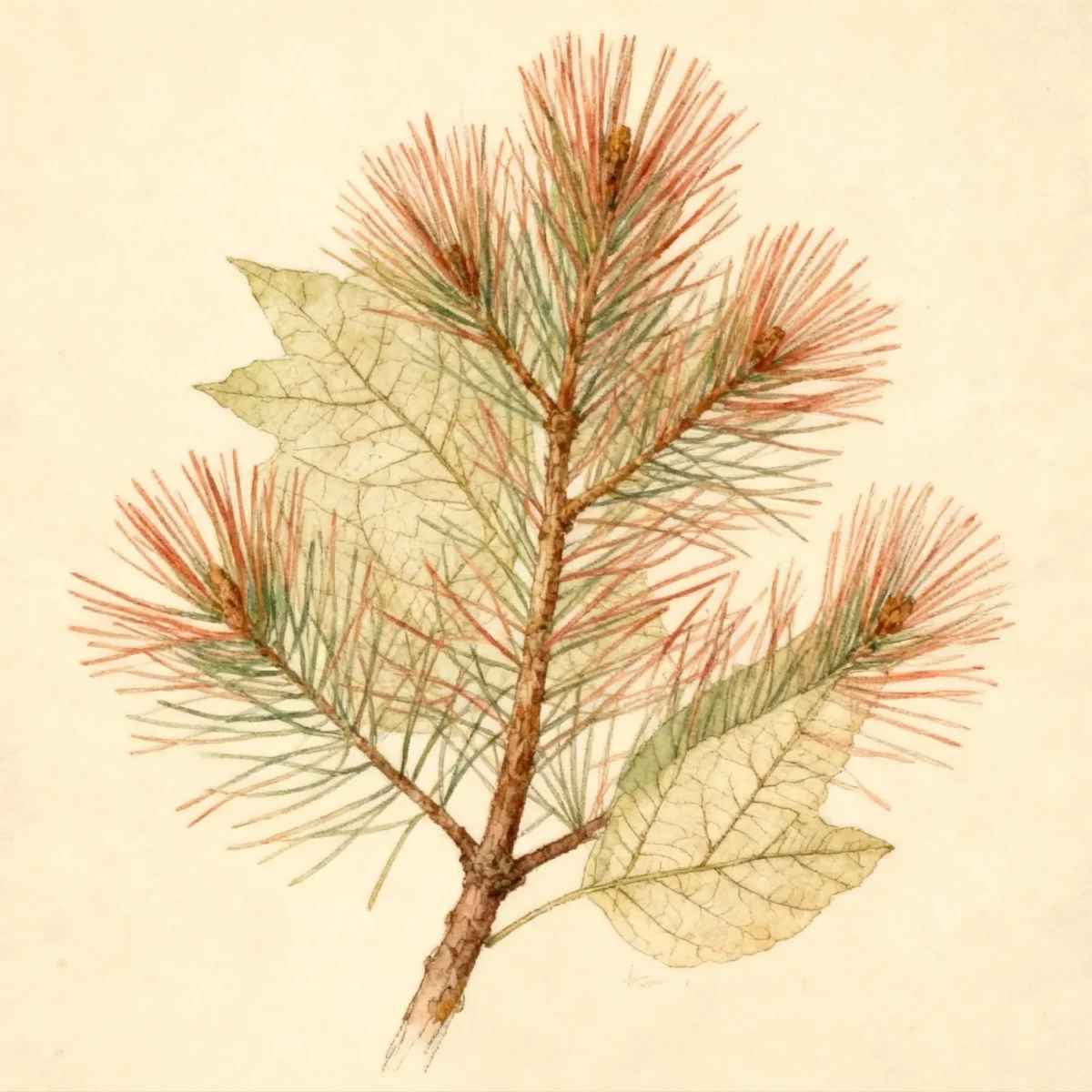
The specific epithet, koraiensis, signifies its origin in Korea. This tree is recognized for developing a loose pyramidal shape with almost horizontal branching as it matures, creating a dignified silhouette. The presence of five needles per bundle contributes to its softer, blue-green texture compared to pines with fewer needles per fascicle.
Tolerances
- Deer
Potential Problems
While ideally hardy in its native environment, gardeners should monitor for key diseases and pests that can affect Pinus koraiensis. Susceptibility includes tip blight, various rusts, and root rots, especially where drainage is substandard. Ensure excellent soil conditions to boost natural tree vigor, making it less susceptible to opportunistic invaders.
Pine needle scale can become a serious localized problem, sometimes requiring targeted insecticidal treatments. Furthermore, secondary pests like sawflies, various moths, and borers may appear, particularly if the tree is already stressed by adverse climate conditions such as excessive summer heat and humidity. Proactive identification and treatment are crucial for managing these issues effectively.
Frequently Asked Questions
What hardiness zones is Korean pine suitable for?
The Korean pine (Pinus koraiensis) is suitable for USDA Hardiness Zones 4 through 7.
How large does Korean pine grow?
When mature, Pinus koraiensis typically reaches a height between 30 and 50 feet, with a spread ranging from 25 to 35 feet.
What sun exposure does Korean pine need?
Pinus koraiensis requires full sun exposure to develop properly and maintain dense foliage.
When does Korean pine bloom?
This species is a conifer and is classified as non-flowering.
Conclusion
The Pinus koraiensis offers gardeners a stately, long-lived evergreen defined by its attractive blue-green needles and the bonus of commercially viable pine nuts. Properly sited in full sun within Zones 4-7 and given adequate drainage, this Korean pine will reward you with reliable year-round structure. Before purchasing, verify your site conditions suit its preference for cooler summers to ensure the best long-term success for your specimen.
Companion Planting
When integrating Pinus koraiensis into a mixed landscape, focus on understory plants that appreciate similar soil acidity and drainage while offering seasonal contrast. Consider using acid-loving, shade-tolerant flowering shrubs like Rhododendrons or Azaleas near the drip line, as these will enjoy the partial shade cast by the large canopy without competing aggressively for immediate surface moisture. If planting near deciduous trees, aim for species with contrasting, brighter fall leaf color to enhance the winter greenery provided by the Korean pine.
For ground cover near specimen plantings, low-growing evergreens or spreading perennials that thrive in well-drained soil are excellent choices. Species requiring consistently wet feet or heavy, dense shade should be avoided, as they will clash with the Korean pine’s cultural requirements and risk competing for limited water during dry months.
Design Ideas: Architectural Use
The mature, horizontal branching habit of Pinus koraiensis makes it an excellent architectural component in formal or Japanese-inspired garden designs, where straight lines and defined shapes are valued. Use it as a strong vertical anchor contrasted against softer, mounding deciduous shrubs like certain forms of Japanese Maple. Its pyramidal youth transitions beautifully into a less rigid, picturesque shape suitable for softening large, modern landscapes where a truly massive specimen is desired.
When massed for screening, ensure planting centers are spaced appropriately to allow the mature branch structure to develop its full density. This prevents future crowding and potential fungal issues caused by poor air circulation between crowded needled branches. The consistent color of the Pinus koraiensis provides a stable backdrop against which perennial borders can shift through the seasons.