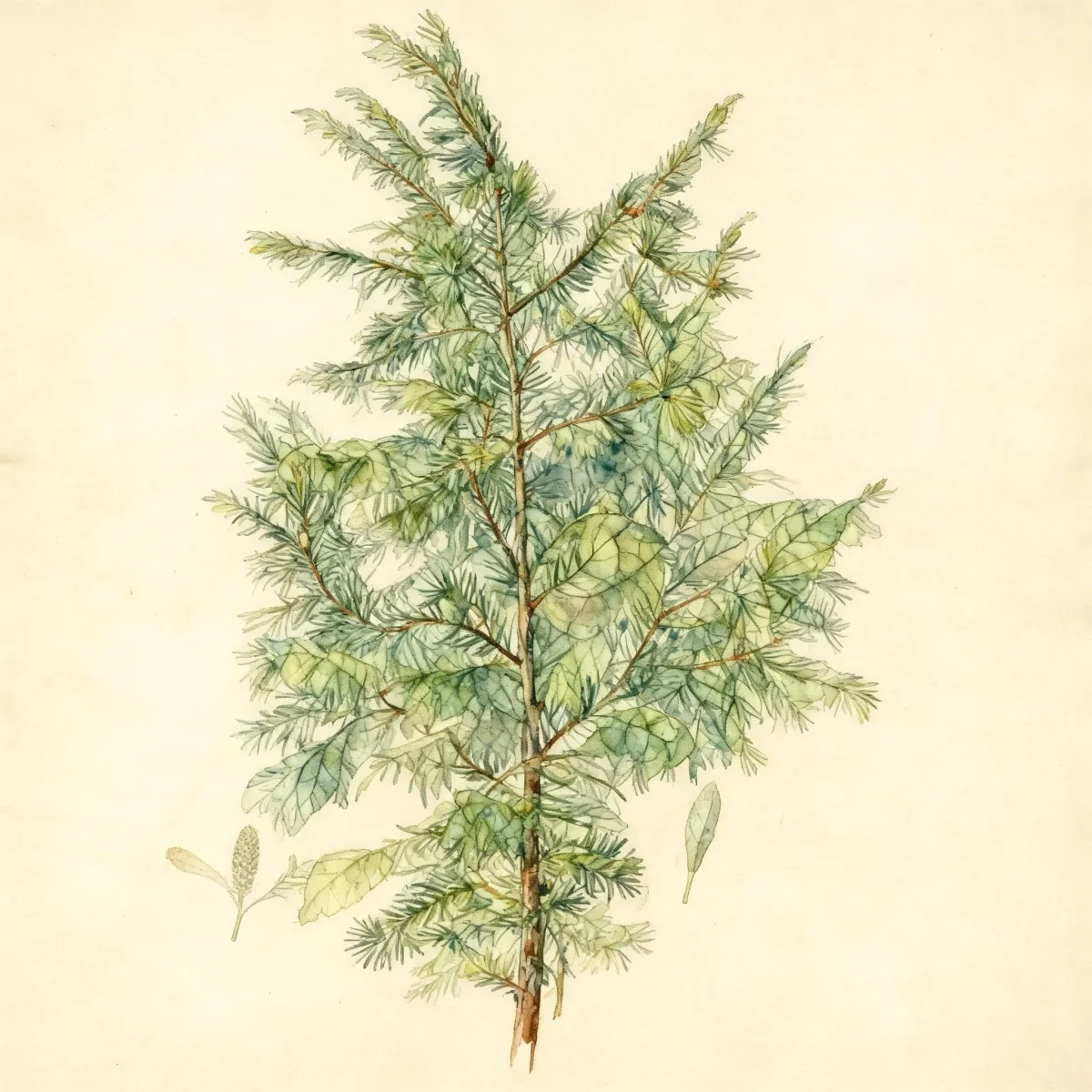
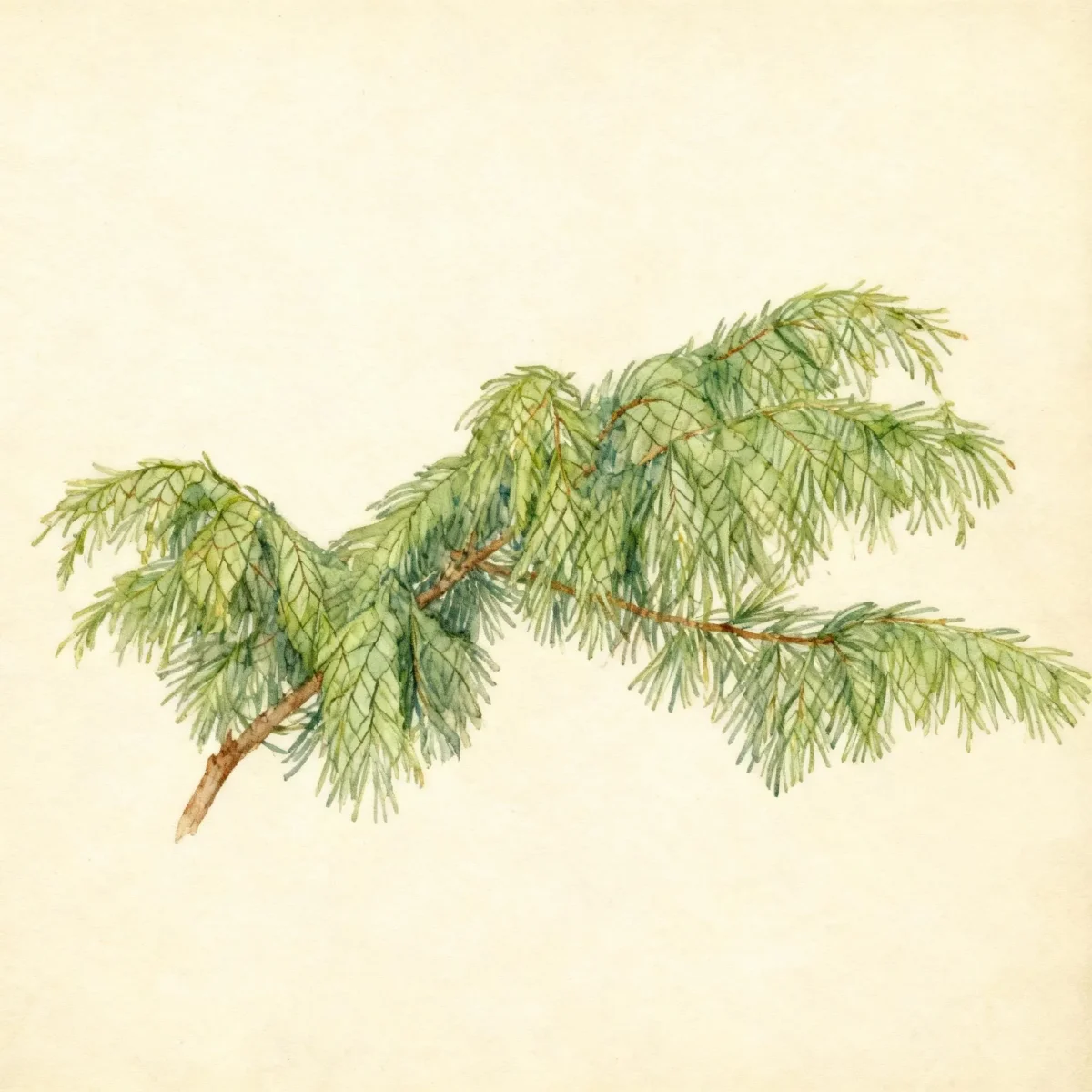
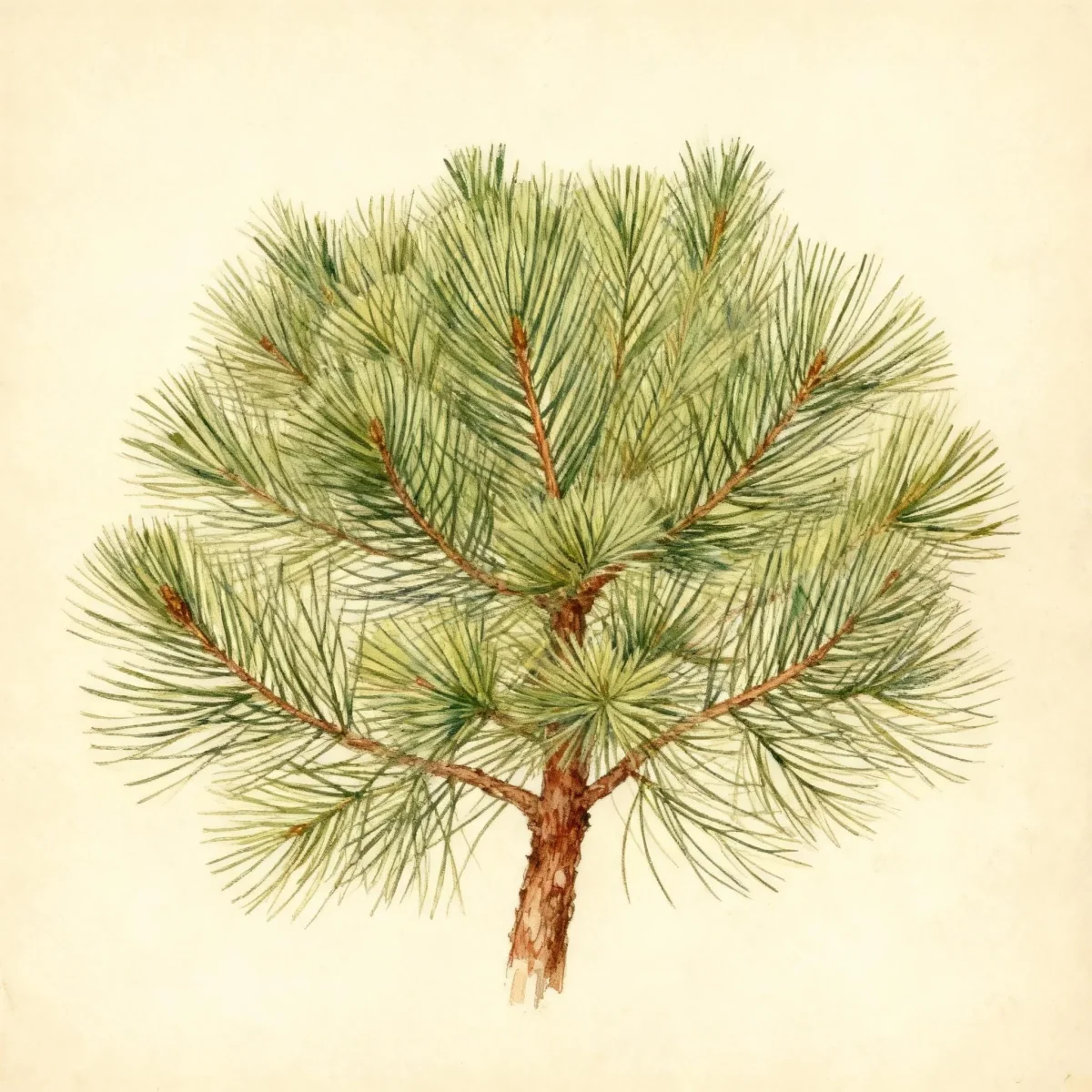
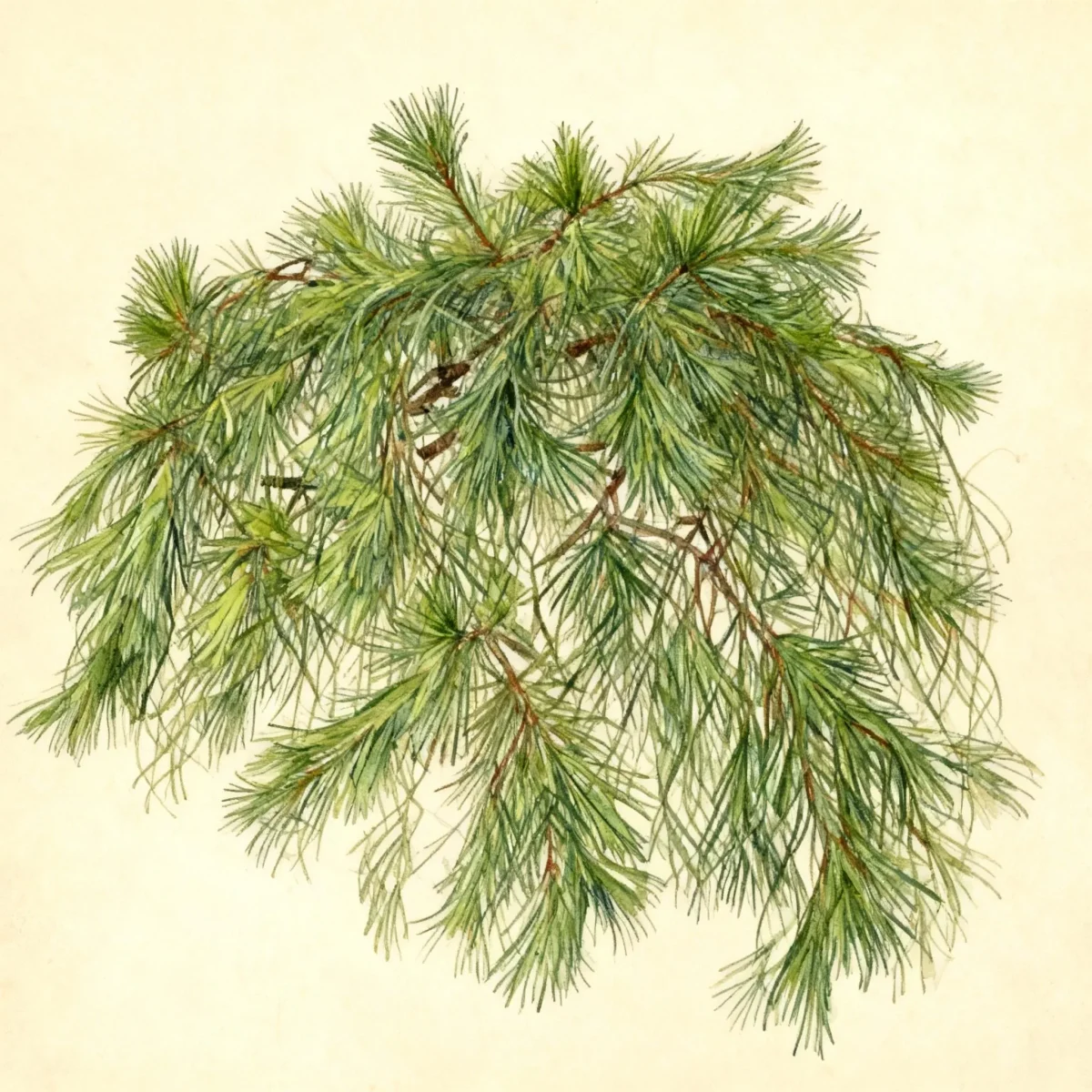
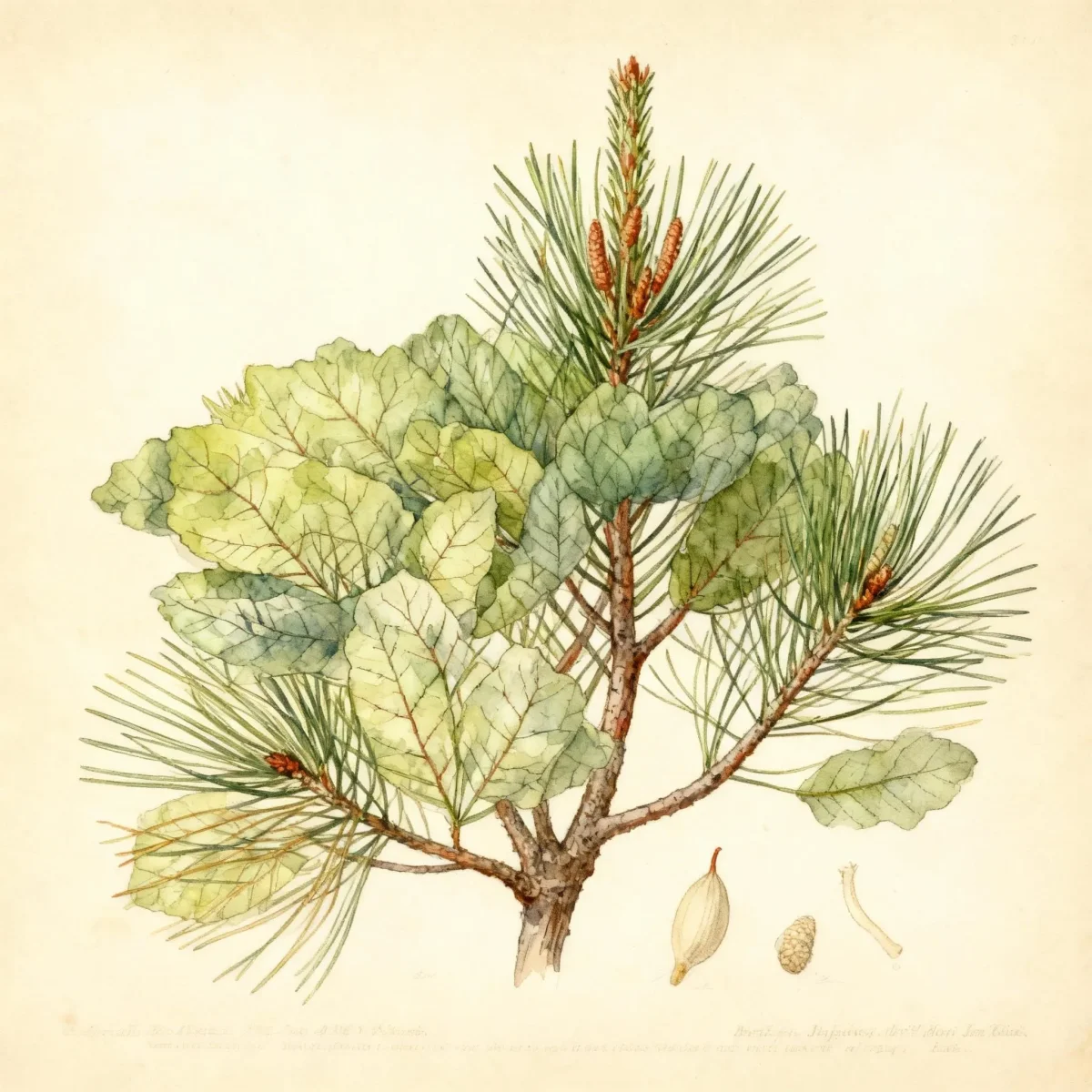
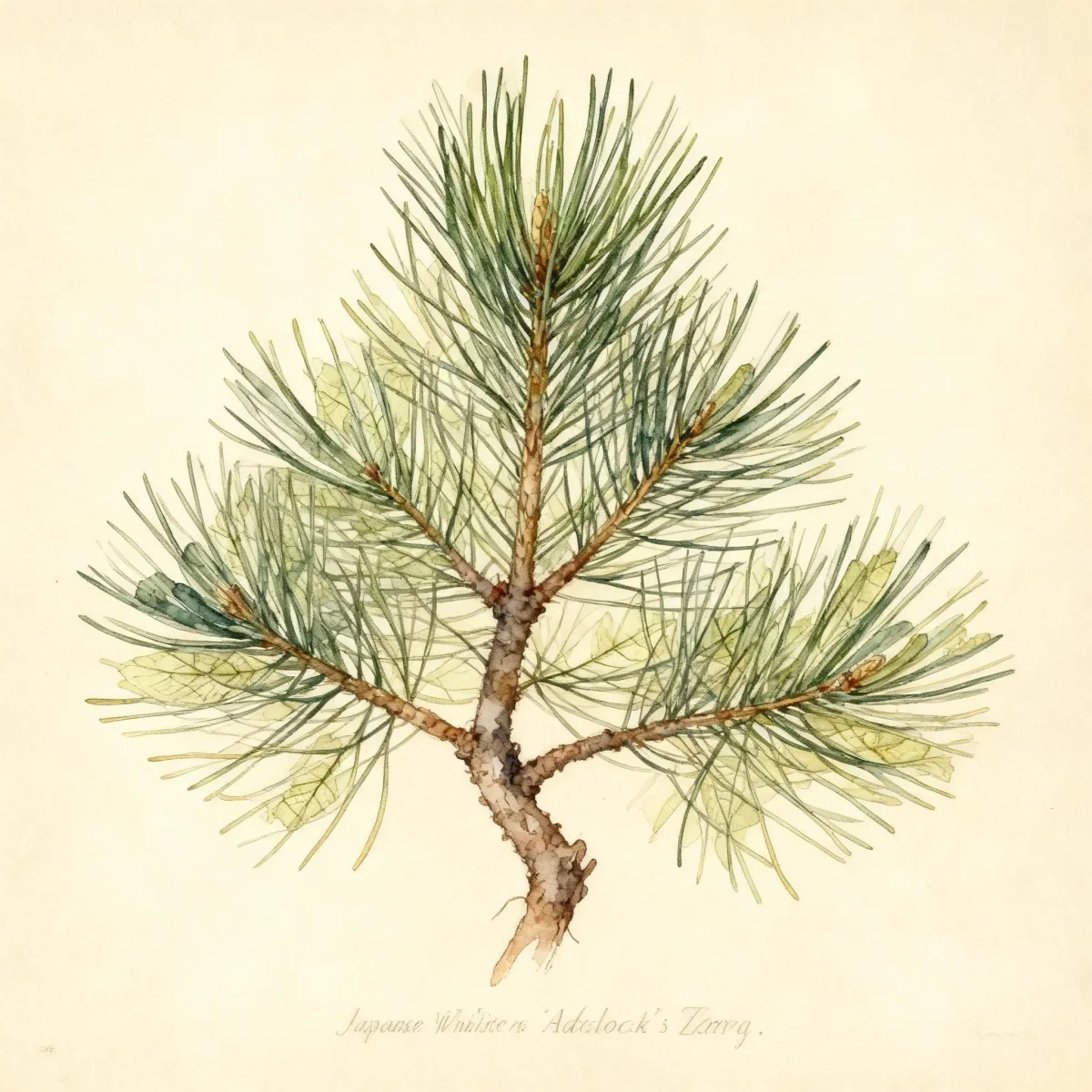
Japanese black pine (Pinus thunbergii)
The robust Japanese black pine (Pinus thunbergii) is a striking needled evergreen offering dark foliage contrasted by bright buds.
Scroll down to discover growing tips, care requirements, companion plants, and more
Complete Plant Information
Overview
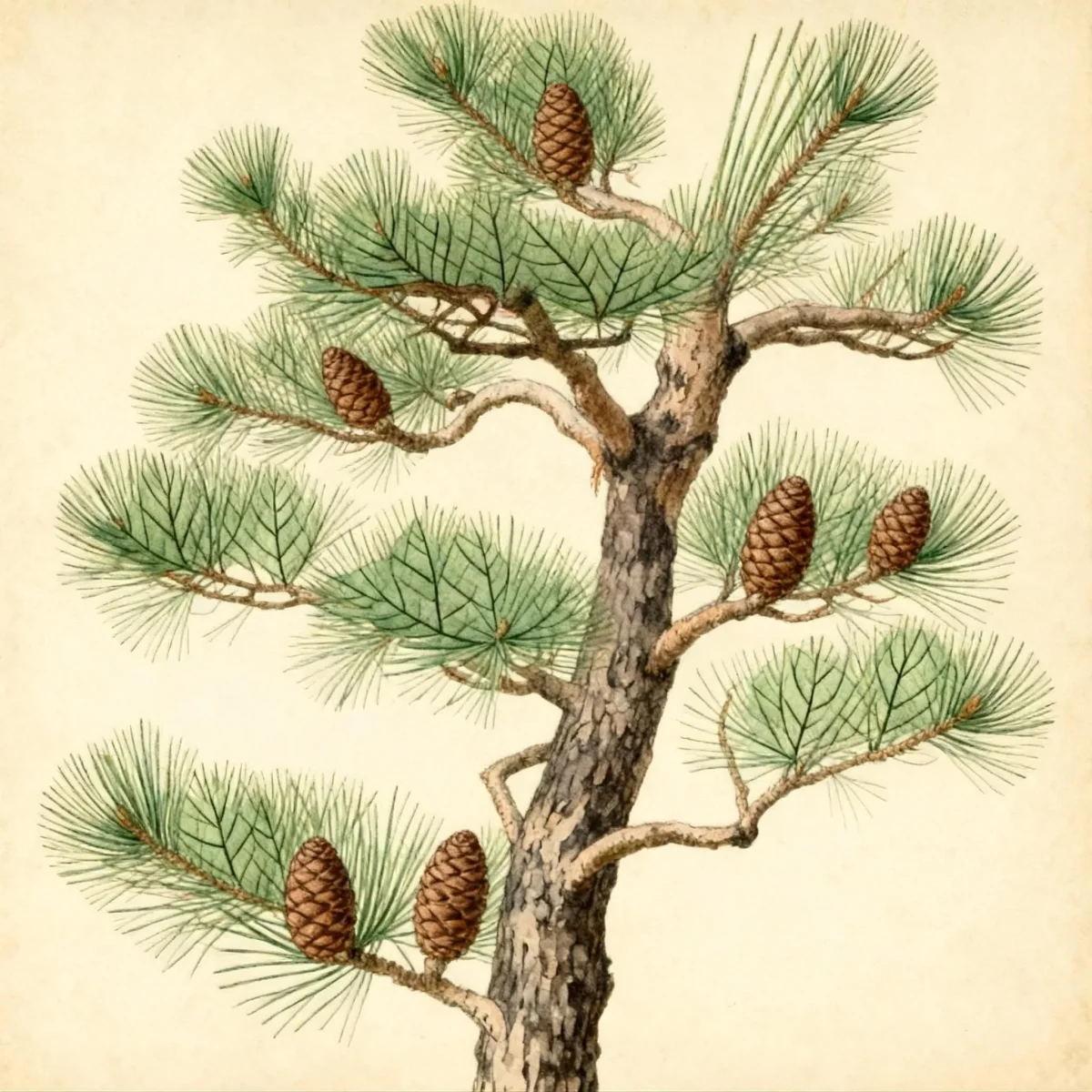
The Japanese black pine (Pinus thunbergii) is a highly valued conifer prized for its rugged texture and architectural form, making it a centerpiece in many landscapes. Its most distinctive feature is the contrasting whitish terminal buds set against the deep, dark green needles. In its native habitat, Pinus thunbergii can reach impressive heights, although cultivated specimens usually settle within a more manageable 20 to 60-foot range.
This resilient needled evergreen thrives best when given its preferred environment—plenty of sunshine and excellent drainage. While it maintains a generally conical shape when young, the Japanese black pine tends to spread more irregularly with age, offering excellent visual interest throughout the seasons. Its tough nature allows it to perform reliably where other pines may struggle.
Gardeners appreciate Pinus thunbergii not only for its aesthetic appeal as a specimen tree but also for its adaptability towards specialized uses like bonsai. Its striking needles, typically held in bundles of two and reaching up to 4.5 inches long, create a dense screen that offers year-round structure and deep color to the garden palette.
Fast Facts
- Plant Family: Pinaceae
- Plant Type: Needled evergreen
- Native Range: Coastal Japan, South Korea
- Hardiness Zones: USDA Zones 5-8
- Size at Maturity:
- Height: 20-60 ft
- Spread: 12-20 ft
- Bloom Time: Non-flowering
- Bloom Description: Non-flowering
- Sun Exposure: Full sun
- Water Needs: Medium
- Maintenance Level: Medium
How to Grow
Planting locations for Pinus thunbergii should prioritize full sun exposure, ensuring the tree receives unobstructed light for optimal density and health. This tree performs best when grown in fertile, medium-moisture soils, provided they are extremely well-drained; standing water is detrimental to root health. While full sun is preferred, the Japanese black pine can tolerate some light afternoon shade without significant structural decline.
Care routines should focus on establishing deep root systems initially through consistent watering. Once established, this species requires only medium water input, demonstrating a notable tolerance for some drought conditions, fitting its coastal origins. Fertilization is generally unnecessary unless soil tests indicate severe nutrient deficiencies, as over-fertilizing can weaken its natural defenses.
Pruning is often dictated by aesthetic goals, particularly when shaping the candles (new growth flushes) in spring for bonsai or formal specimen structures. Be aware that Pinus thunbergii benefits from its inherent toughness, showing good salt tolerance, which is a significant advantage when planting near harsh, icy winter roadways or coastal environments.
Landscape Uses
The imposing structure and handsome dark needles make the Japanese black pine an excellent choice as a singular specimen tree, serving as a powerful focal point in a mixed border or open lawn area. Its height range allows it to anchor larger landscape designs effectively. Furthermore, its unique growth habit and needle structure make it a highly sought-after candidate for cultivation as bonsai, where its rugged profile can be carefully managed over decades.
When selecting companions, pair this conifer with broadleaf evergreens or deciduous shrubs that offer textural or color contrast. Consider planting beneath it, or near it, plants tolerant of its dappled shade once mature, ensuring you maintain adequate air circulation around the base of the pine.
Because of its salt tolerance and dramatic presence, Pinus thunbergii is successful in creating windbreaks where resilience is needed, or as the structural backbone in formal Asian-inspired garden environments where its strong lines can be celebrated.
Standout Features
Noteworthy Characteristics
Pinus thunbergii commonly known as Japanese black pine, is noted for its whitish terminal buds that provide interesting contrast with its dark green foliage. In optimum growing conditions, this tree will grow in a generally conical form to 100’ tall, spreading somewhat irregularly with age. In cultivation, it is more often seen in the 20-60’ tall range. Needles (to 4.5” long) in bundles of two are an attractive dark green. Young foliage candles are upright.
Tolerances
- Deer
Potential Problems
Healthy, well-maintained trees in optimum growing conditions have few major problems. Potential diseases include Diplodia tip blight, rusts, cankers, twig/needle blight and leaf cast. Potential insect pests include pinewood nematodes, caterpillars, miners, sawfly, scale, mealybugs, borers and weevils. These pines may struggle in the St. Louis area where environmental conditions do not favor most conifers. Proper scouting during pest and disease outbreaks is crucial; ensure good air movement and avoid overhead watering to mitigate fungal risks.
Frequently Asked Questions
What hardiness zones is Japanese black pine suitable for?
The Japanese black pine is adaptable to USDA Hardiness Zones 5 through 8.
How large does Pinus thunbergii grow?
This tree typically reaches a height between 20 and 60 feet, with a spread of 12 to 20 feet.
What sun exposure does Pinus thunbergii need?
For best development, Pinus thunbergii requires full sun, though it can tolerate a small amount of light shade in the afternoon.
When does Japanese black pine bloom?
As a conifer, Japanese black pine is non-flowering.
Conclusion
The Japanese black pine offers robust year-round structure and captivating textural contrast via its dark needles and bright buds, making it an indispensable landscape specimen. By ensuring well-drained soil and maximum sunlight, gardeners can successfully cultivate this tough conifer. Before purchasing, confirm that your site falls within USDA Zones 5-8 to ensure the longevity of your Pinus thunbergii.
Companion Planting
When selecting plants to accompany Pinus thunbergii, emphasize drought-tolerant species that appreciate full sun, mirroring the preferences of the pine. Low-growing, silvery foliage plants like Blue Fescue (Festuca glauca) provide an excellent color counterpoint to the dark green needles below. Larger shrubs with interesting exfoliating bark, such as certain maples or serviceberries pruned to show their structure, pair well for seasonal interest outside the main drip line of the pine.
Seasonal Care Calendar
Spring is the best time to monitor the candles of your Japanese black pine for shaping purposes. If you wish to control the length of new growth (candling), this is the period to gently remove or prune back the soft, elongated shoots. During periods of establishment in summer, maintain medium watering frequency, ensuring deep root saturation rather than frequent shallow sprinkling. In autumn, avoid heavy fertilization, which encourages tender growth susceptible to winter burn, focusing instead on clearing needle debris from critical root zones.