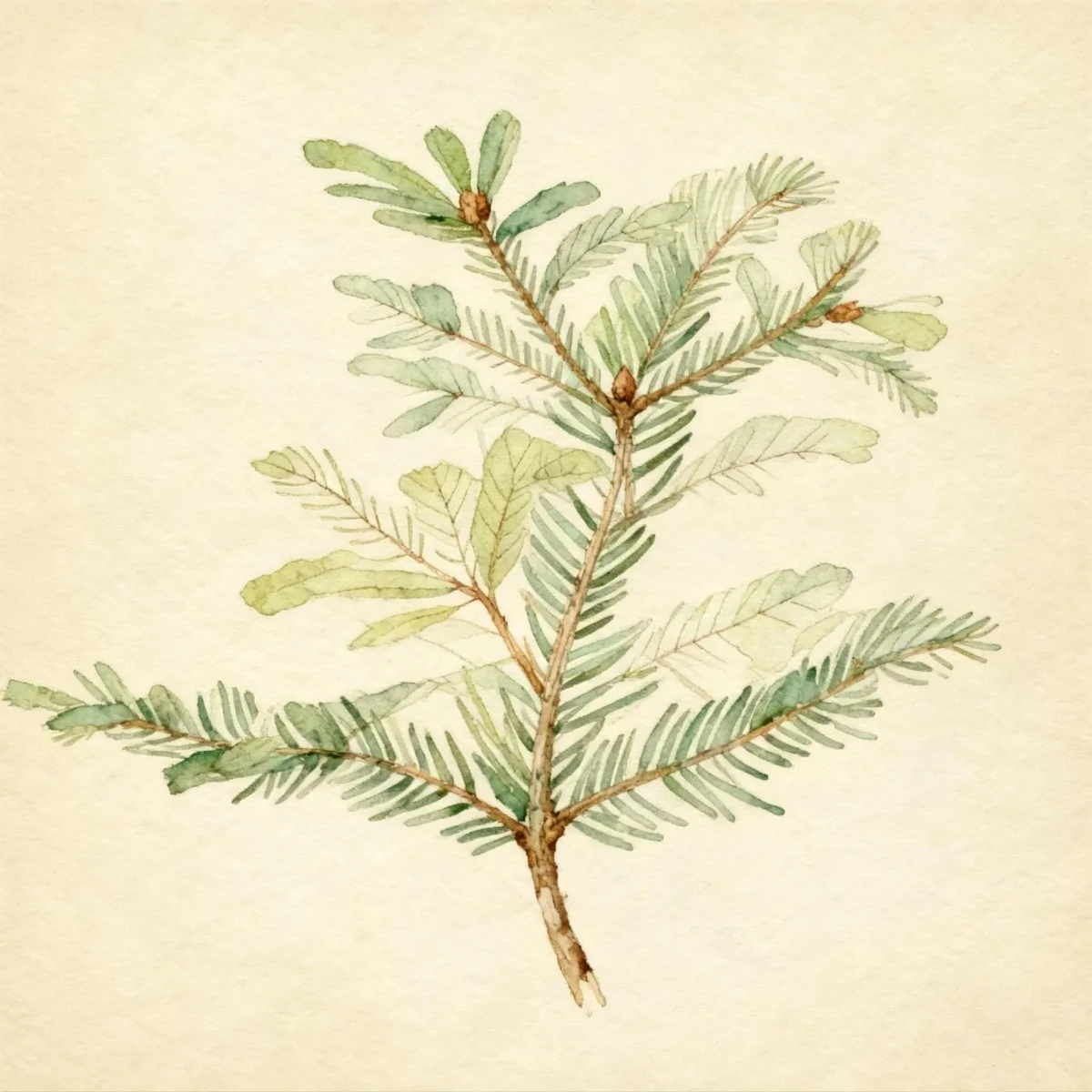
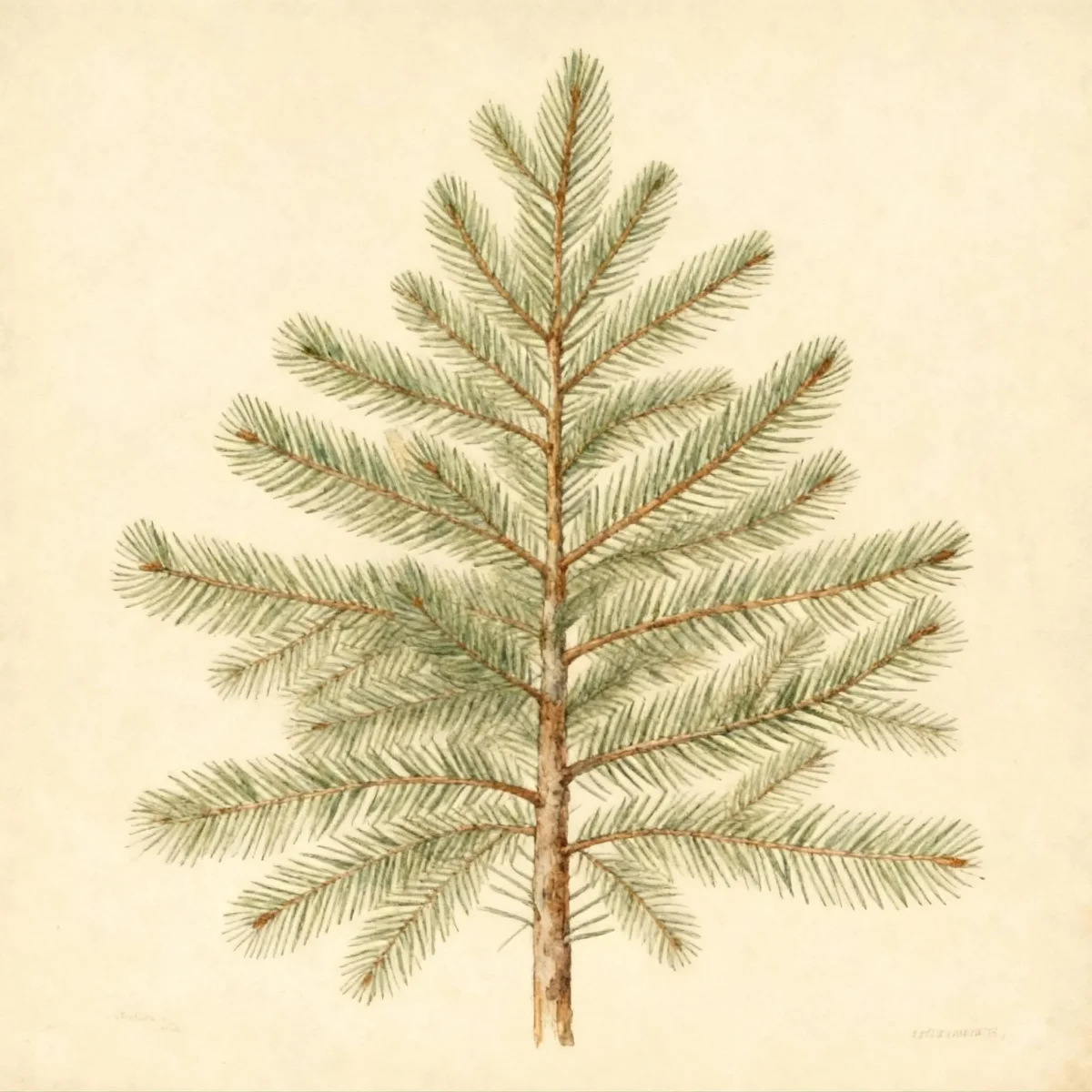
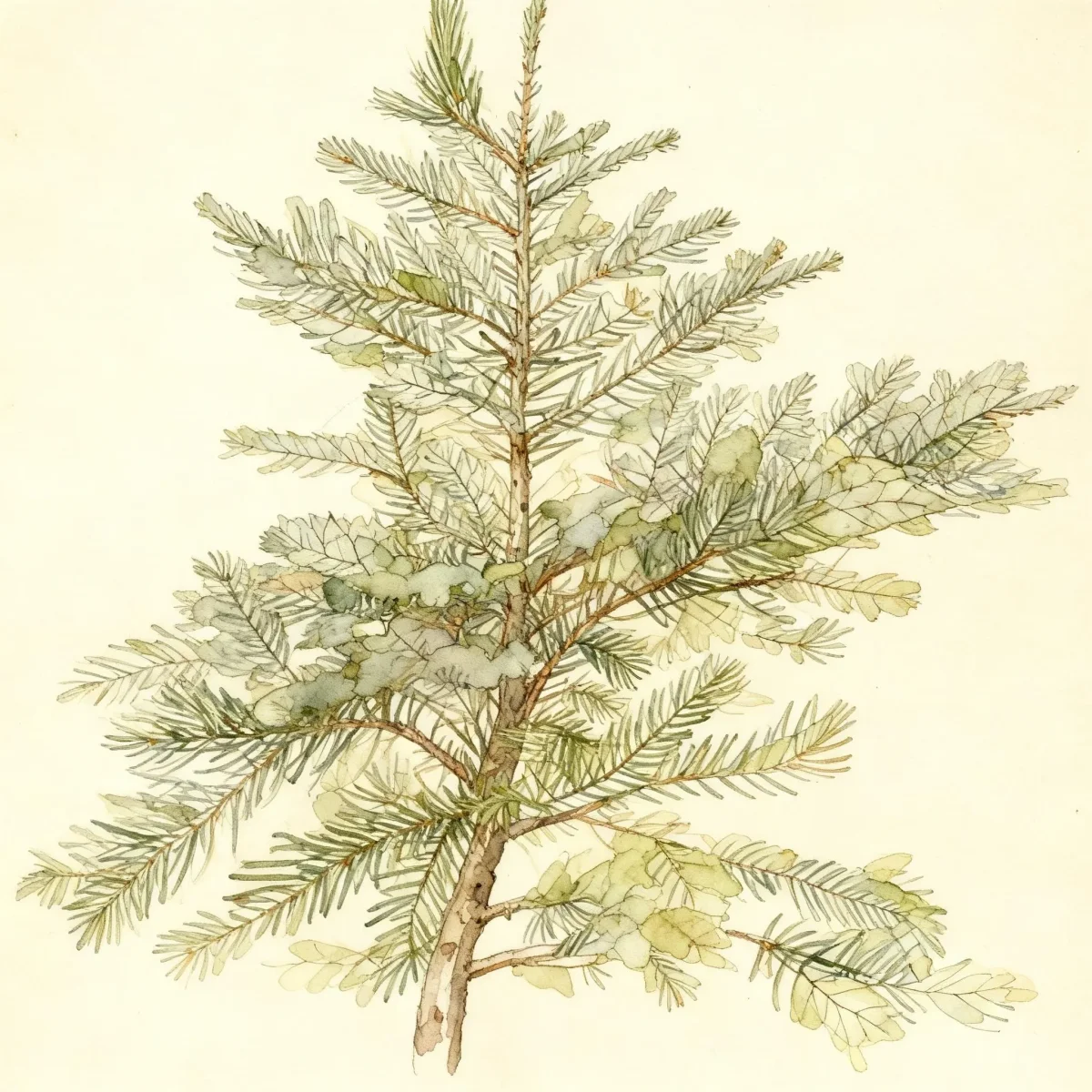
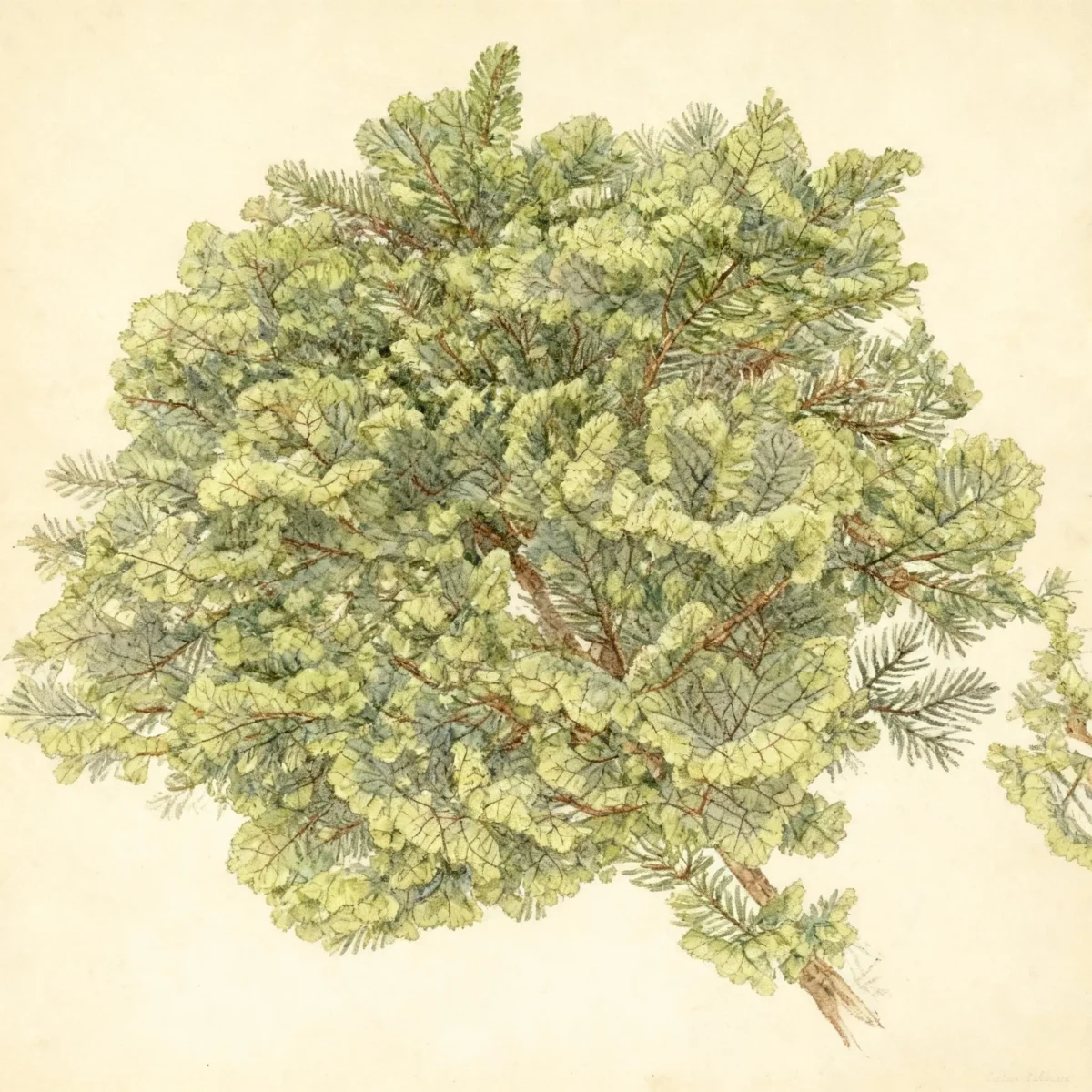
Caucasian fir (Abies nordmanniana)
Abies nordmanniana, the Caucasian fir, is a dense, glossy evergreen known for its beautiful dark green needles and upright cones.
Scroll down to discover growing tips, care requirements, companion plants, and more
Complete Plant Information
Overview
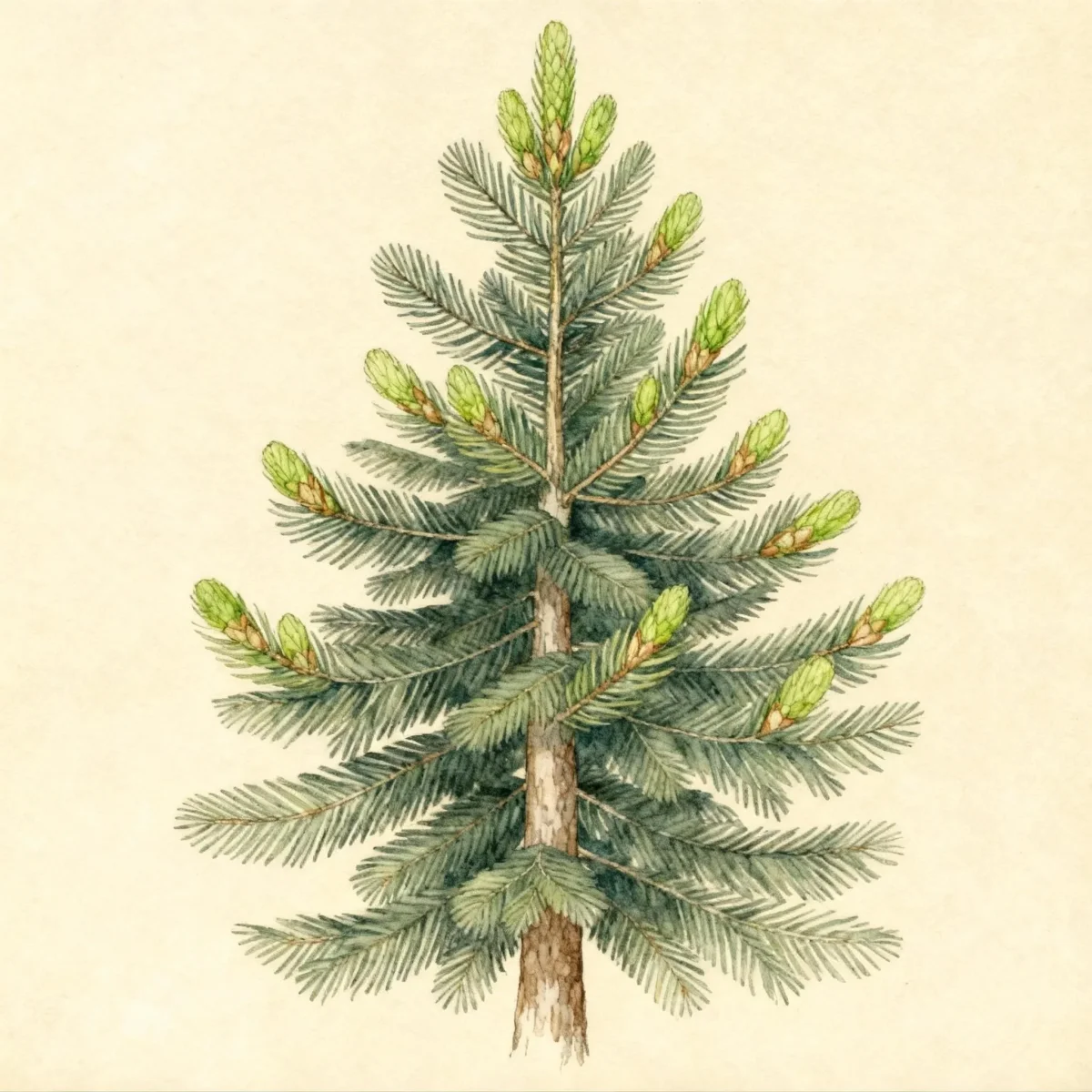
The Caucasian fir (Abies nordmanniana) is a highly valued needled evergreen celebrated for its exceptional foliage and stately pyramidal habit. Distinguished by glossy, dark green needles that densely clad its branches, this conifer provides excellent year-round structure in larger landscapes. As Abies nordmanniana matures, it retains its lower branches, creating a beautifully dense specimen tree.
Native to cool climates in the Caucasus region, the Abies nordmanniana thrives where soil moisture is consistently met and summers are moderate. While magnificent in its native range, gardeners must pay close attention to its temperature and soil preferences to ensure success with the Caucasian fir. Its impressive stature makes it a dramatic focal point in the garden.
This sturdy fir is generally slow-growing initially but develops into a robust specimen, often utilized commercially as a high-quality Christmas tree. For optimal performance, prioritize rich, well-drained, acidic soil conditions when establishing your Abies nordmanniana.
Fast Facts
- Plant Family: Pinaceae
- Plant Type: Needled evergreen
- Native Range: Caucasus, Turkey
- Hardiness Zones: USDA Zones 4-6
- Size at Maturity:
- Height: 35-50 ft
- Spread: 15-25 ft
- Bloom Time: Non-flowering
- Bloom Description: Non-flowering
- Sun Exposure: Full sun to part shade
- Water Needs: Medium
- Maintenance Level: Medium
How to Grow
Planting the Caucasian fir should occur in spring or early fall when temperatures are moderate, allowing the tree time to establish roots before facing temperature extremes. Select a site offering full sun or light afternoon shade, ensuring the soil is rich, acidic, and, critically, well-drained. Abies nordmanniana performs poorly in heavy clay soils, which can lead to root saturation and eventual decline.
Water needs are medium; establish a consistent watering schedule, especially during dry spells in the first few years. Once established, the Caucasian fir requires consistent moisture but demands excellent drainage to prevent rot issues. Fertilization is rarely necessary if the soil is rich, but a slow-release coniferous fertilizer in early spring can encourage robust growth. Pruning is minimal, usually reserved only for removing damaged or crossing lower branches for clearance.
A key consideration for growing Abies nordmanniana is climate compatibility. Since these trees are native to cool climates, they are not recommended for landscapes experiencing hot, humid summers, particularly south of USDA Zone 6, as they struggle under intense heat stress. Protect young trees from harsh winter winds, although mature specimens show good cold tolerance within their designated zones.
Landscape Uses
The structure and deep green color of the Caucasian fir make it an exceptional specimen fir for the landscape, serving as a majestic focal point in estate or large-yard settings. Its dense, pyramidal shape holds well, providing strong vertical interest against a clear sky or layered plantings of deciduous shrubs and perennials. While it is a popular commercially grown Christmas tree, its full potential is realized when planted as an ornamental yard tree.
Use the Abies nordmanniana to anchor larger, mixed evergreen borders or as a visual screen where height and density are required. Due to its eventual size (up to 50 feet wide), ensure large initial spacing is provided to allow for full canopy development. Because it is generally intolerant of urban pollution, site selection is crucial; place it away from heavily trafficked or heavily industrialized areas.
Standout Features
Noteworthy Characteristics
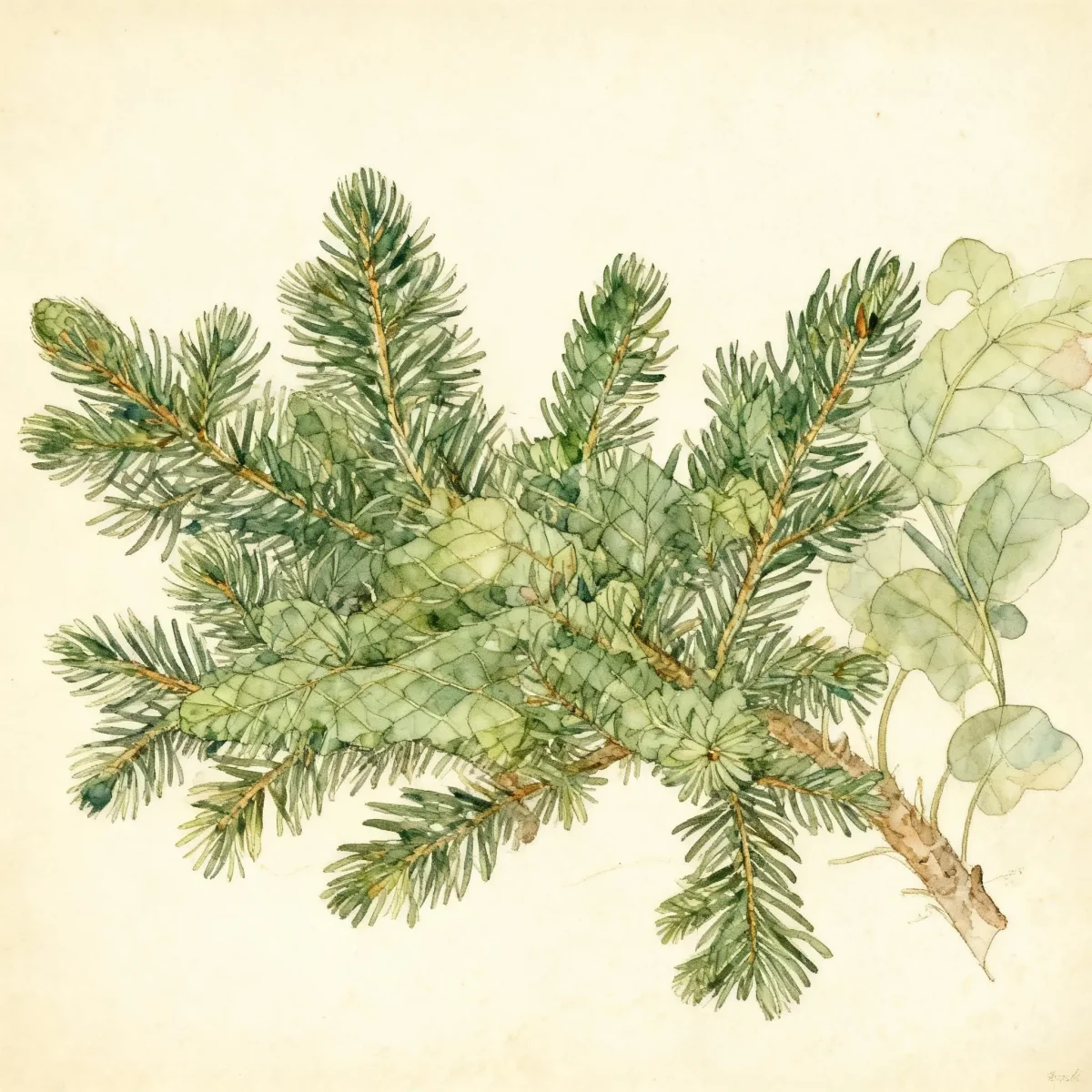
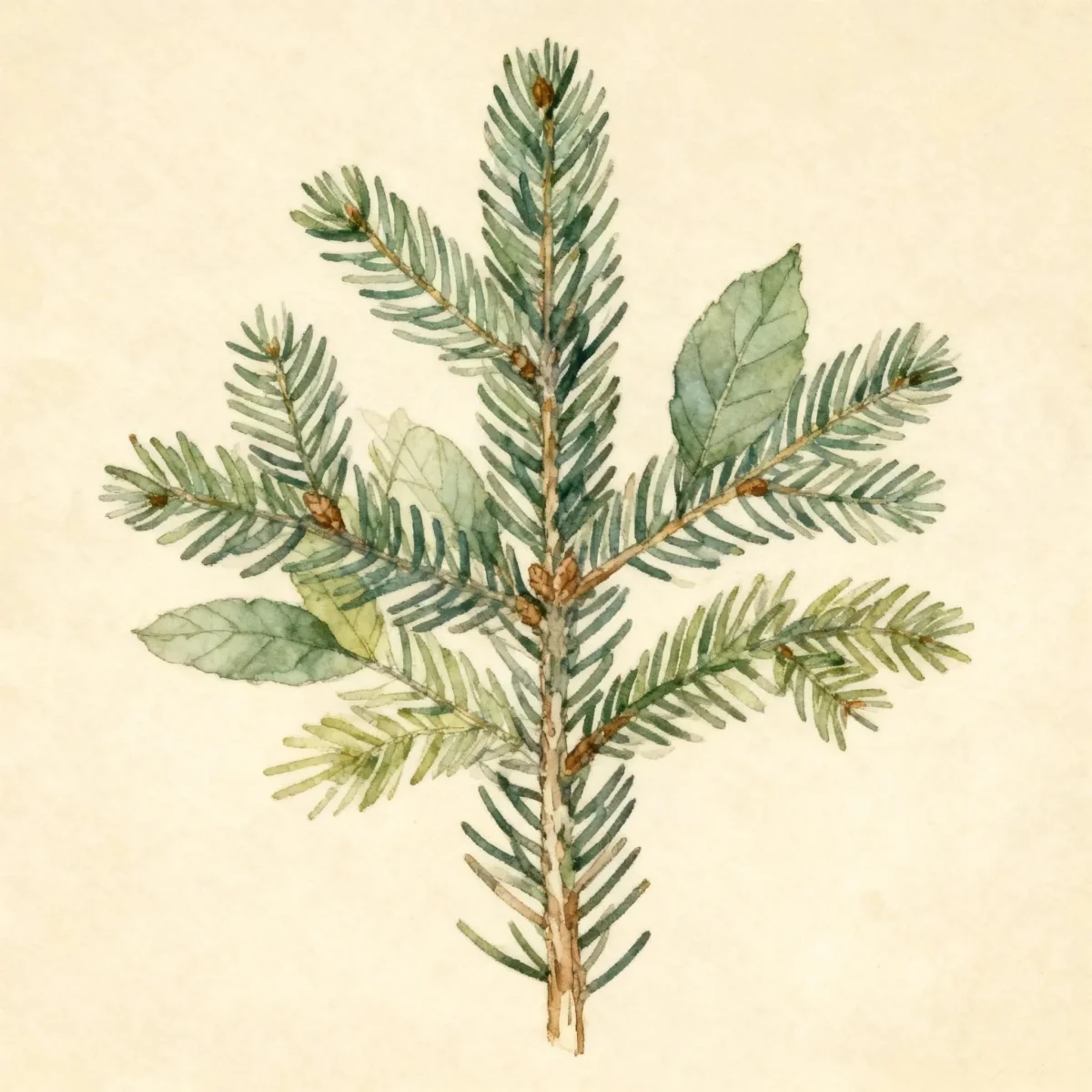
The Caucasian fir offers dense, beautiful foliage year-round. Its needles are glossy dark green, flattened, and feature two distinct white bands underneath, setting them apart visually. Distinctively, the seed cones are cylindrical, dark reddish-brown, and stand upright on the branch before disintegrating once the seeds ripen, a characteristic shared by all true firs.
Tolerances
- Generally intolerant of urban pollution
Potential Problems
While the Caucasian fir is relatively free from severe, overwhelming pest or disease syndromes, gardeners should remain vigilant, especially when planted outside optimal cool conditions. Common insect pests that may appear include bagworms, scale, aphids, spruce budworms, and potentially damaging balsam woolly adelgids. Spider mites can become an issue during periods of high heat and drought stress.
Disease management focuses primarily on ensuring proper cultural conditions. Problems like cankers, heart rot, and root rot are often exacerbated by poor drainage or planting the tree in heavy clay soil. Twig blight and needle rust are fungal issues that can flare up in overly humid or crowded conditions. Maintain adequate spacing and only water the soil surface to minimize foliage moisture and encourage good air circulation.
Frequently Asked Questions
What hardiness zones is Caucasian fir suitable for?
The Caucasian fir (Abies nordmanniana) is hardy in USDA Zones 4 through 6.
How large does Caucasian fir grow?
In cultivation, the Abies nordmanniana typically reaches a mature height between 35 to 50 feet tall and spreads 15 to 25 feet wide.
What sun exposure does Caucasian fir need?
This species performs best when it receives full sun to part shade exposure.
When does Caucasian fir bloom?
The Caucasian fir is a non-flowering conifer, meaning it does not produce noticeable flowers, as it reproduces via cones.
Conclusion
The Caucasian fir (Abies nordmanniana) offers superior ornamental value through its dense branching and lustrous, long-lasting needles, making it an elegant choice for specimen planting. For long-term success with this magnificent Abies nordmanniana, the gardener must prioritize cool, consistently moist, well-drained soil and appropriate hardiness zone selection. Before planting, confirm your site offers sufficient space and drainage to accommodate this impressive evergreen.
Companion Planting Considerations
Selecting compatible neighbors is vital for the Caucasian fir, as it prefers acidic, rich soil and suffers in competition with shallow-rooted, aggressive growers. Pairing it with other tolerant conifers like certain spruces (Picea) or hemlocks (Tsuga) that share similar dislike for heavy lime or alkaline soils works well. Furthermore, groundcovers that prefer slightly acidic, well-drained conditions, such as Pachysandra or certain low-mounding junipers, can help shelter the root zone without competing aggressively.
Consider using companion plants that offer textural or color contrast against the deep green of the Abies nordmanniana. Deciduous shrubs with bright fall color, like Fothergilla or native maples situated slightly behind the fir, will highlight its deep green density once the autumn season arrives. Avoid planting shrubs that require heavy seasonal pruning directly beneath its canopy, as this can disrupt the fir’s lower branching structure.
Seasonal Care Calendar
Spring maintenance is crucial for preparing your Caucasian fir for the growing season. In early spring, apply a balanced, slow-release fertilizer only if soil tests indicate a deficiency, focusing the application over the drip line rather than directly against the trunk. This is the best time to check for overwintering pests like scale or early aphid activity.
Summer care for the Caucasian fir centers entirely on managing water. The medium water requirement means irrigation must be supplemental during dry spells, especially for newly planted specimens. Deep, infrequent watering is preferred over light, frequent sprinkling; aim moisture directly at the root zone and avoid overhead watering if possible to discourage humidity-related fungal issues.
As fall approaches, gradually reduce watering to encourage the tree to harden off slightly before the first hard frost. Unlike many deciduous trees, the Caucasian fir requires little specific winter cleanup other than checking for any fallen branches or cone debris. Protect very young trees from heavy, wet snow accumulation by gently brushing snow off branches using an upward sweeping motion, being careful not to break the frozen wood.