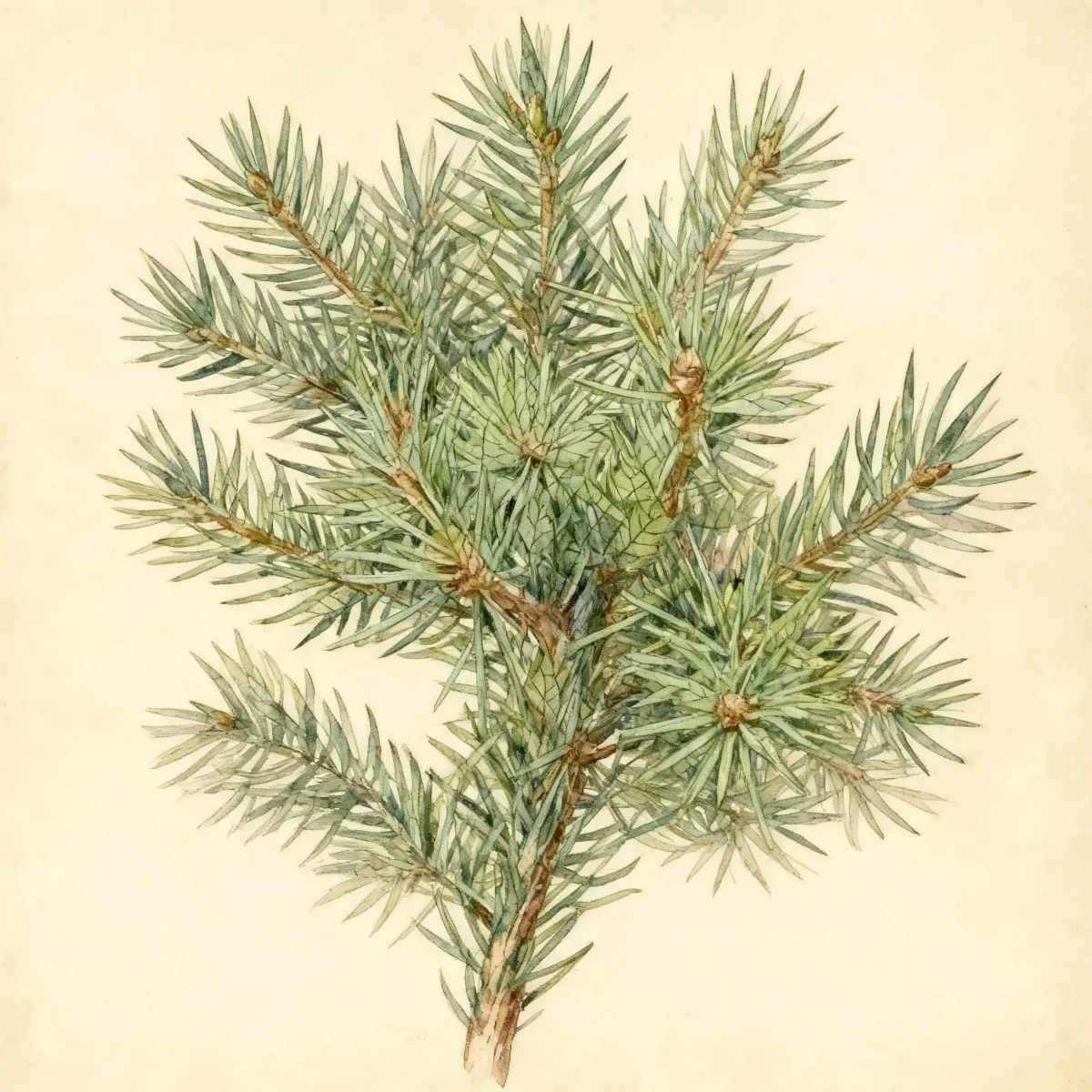
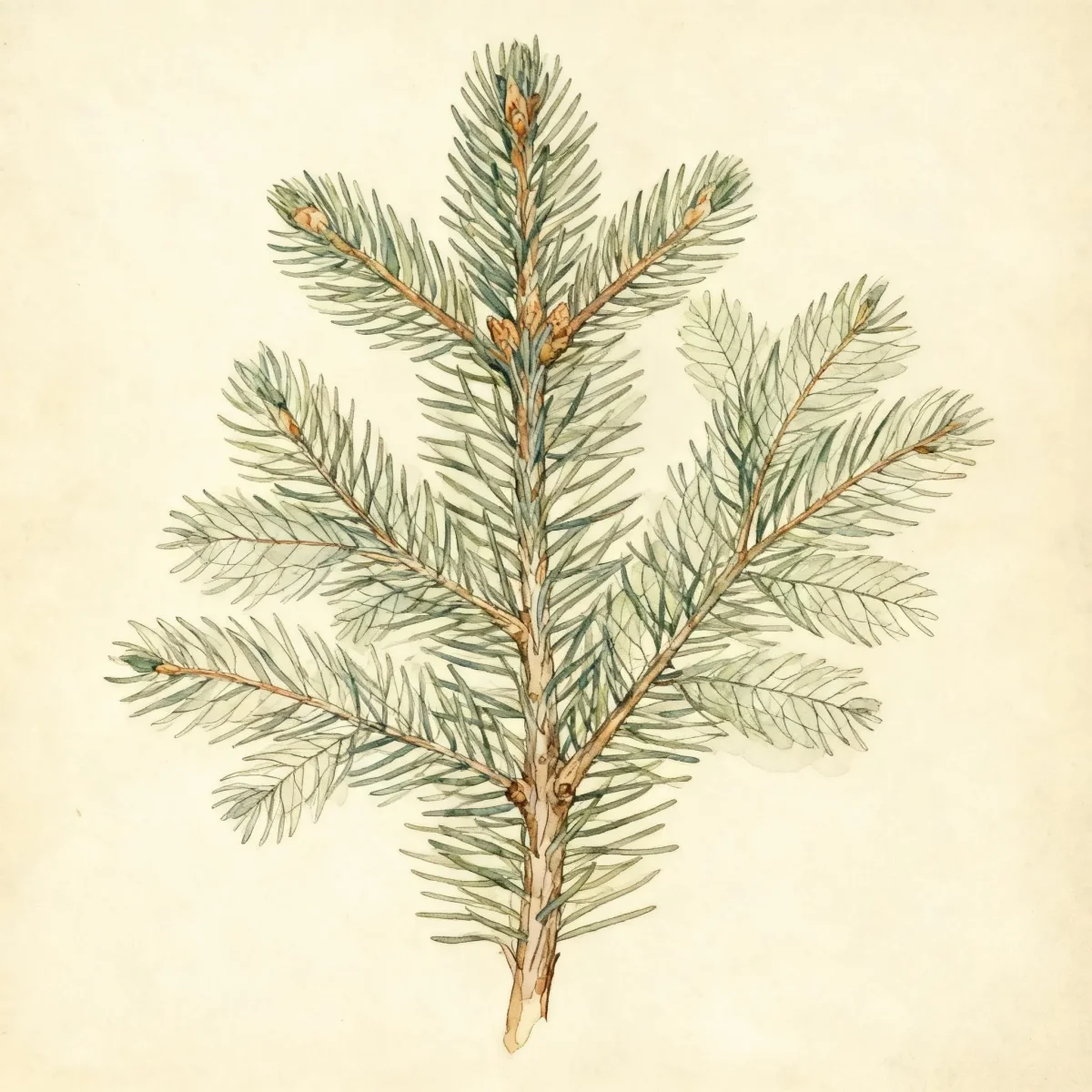
Mugo pine (Pinus mugo)
The durable Mugo pine (Pinus mugo) is a versatile, low-maintenance needled evergreen ideal for rock gardens and foundations.
Scroll down to discover growing tips, care requirements, companion plants, and more
Complete Plant Information
Overview
The Mugo pine (Pinus mugo) is a celebrated specimen in temperate landscaping, valued for its adaptability and dense, evergreen texture across challenging seasons. This hardy species naturally forms a bushy, multi-stemmed silhouette, often resulting in a structure wider than it is tall, providing year-round visual interest. While some forms can develop into small trees, the commercially available cultivars of Pinus mugo often remain compact, making them essential for structured garden design.
Native to the mountainous regions of Central Europe, the Mugo pine thrives where other broadleaf evergreens struggle. Its resilience is demonstrated by its tolerance for poor native soils and urban conditions, offering excellent textural contrast against flowering shrubs and deciduous trees. Gardeners appreciate this Pinus mugo for its low maintenance requirements once established in a sunny location.
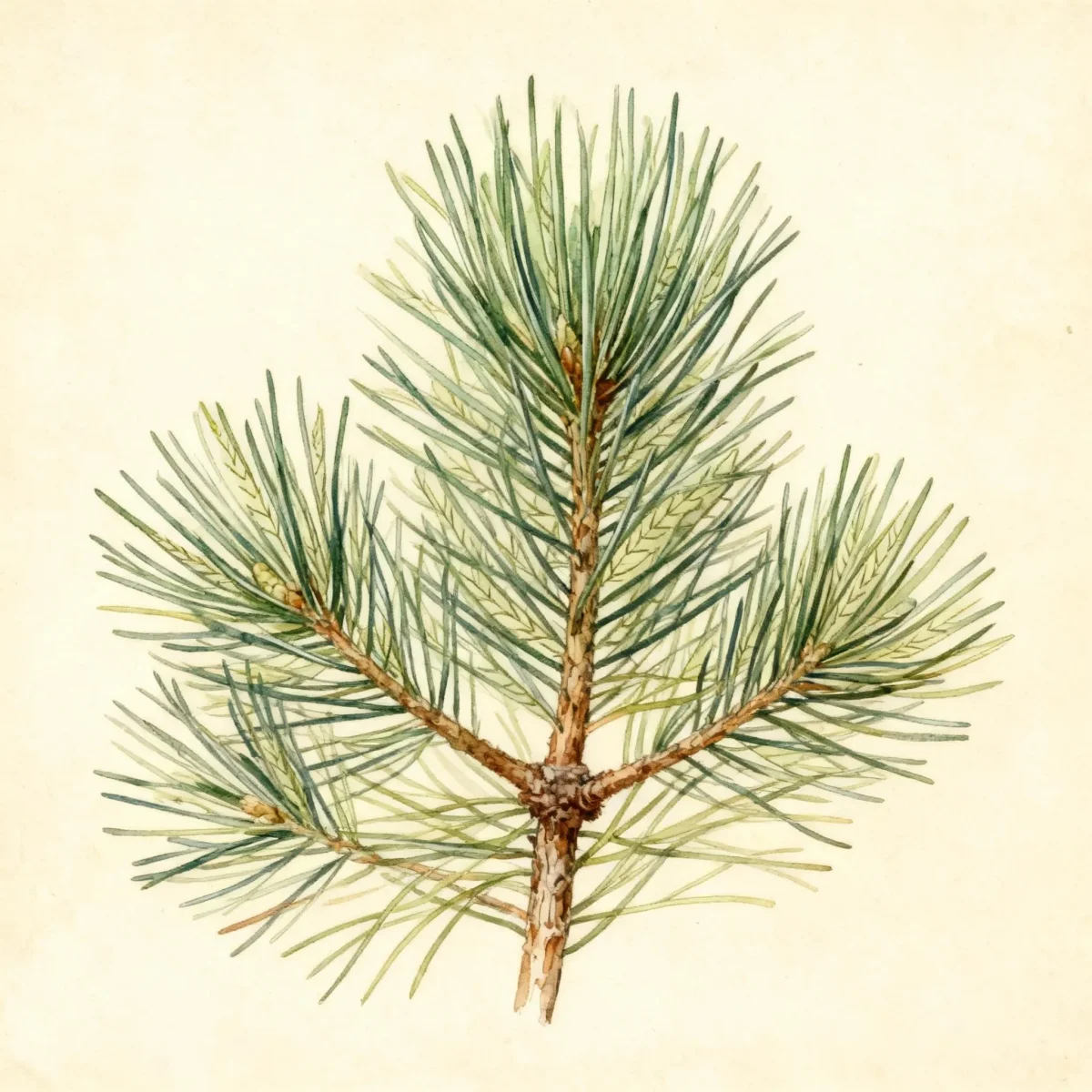
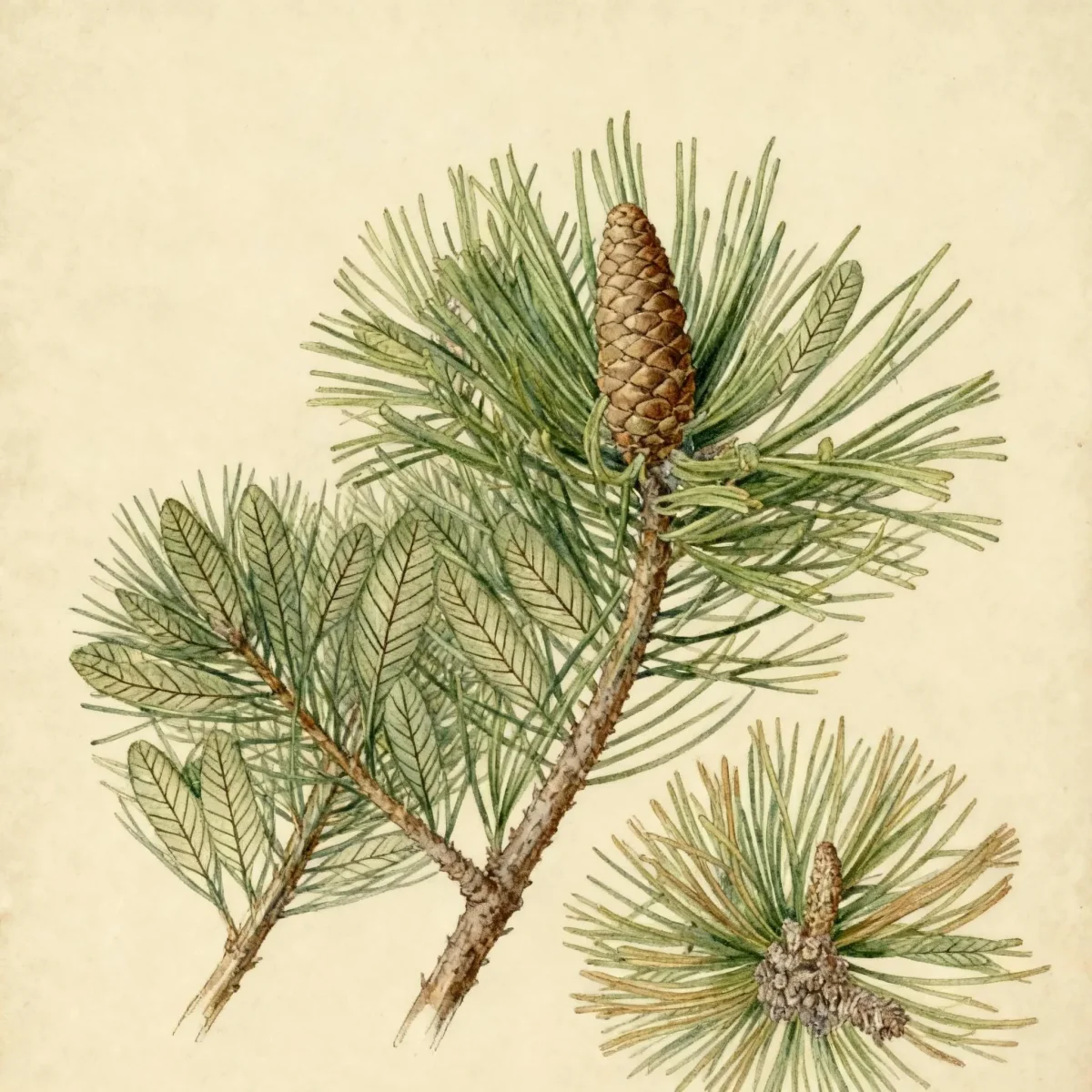
This versatile evergreen features bright green needles that persist throughout the year, complemented by dull brown, oval female cones. Whether utilized as a backdrop or a foreground anchor, the Mugo pine delivers reliable structure, proving invaluable across USDA Zones 2 through 7.
Fast Facts
- Plant Family: Pinaceae
- Plant Type: Needled evergreen
- Native Range: Central Europe to Bulgaria
- Hardiness Zones: USDA Zones 2-7
- Size at Maturity:
- Height: 15-20 ft
- Spread: 25-30 ft
- Bloom Time: Non-flowering
- Bloom Description: Non-flowering
- Sun Exposure: Full sun
- Water Needs: Medium
- Maintenance Level: Low
How to Grow
Planting the Mugo pine should optimally occur in spring or fall when temperatures are mild, allowing the roots to establish before summer heat or deep winter freezes. Ensure the chosen site provides full sun exposure, as light is critical for maintaining a dense growth habit. Pinus mugo prefers moist, well-drained loams, though it exhibits good tolerance for sandy soils; critically, avoid locations where water pools, as it dislikes poorly-drained wet soils.
Once established, the Mugo pine requires medium water input, particularly during dry periods. Fertilization is rarely needed if the original soil is decent, as excessive feeding can lead to weak, sparse growth. The most important cultural practice involves pruning: prune annually in late winter to retain a compact shape. If pruning is neglected, this robust shrub may quickly outgrow its designated area as it matures.
Site selection should account for its mature size, especially if you have selected a cultivar that tends toward the larger end (up to 20 feet tall and wide). Furthermore, remember this species generally prefers cooler summer climates, so monitor summer heat stress in the southern reaches of its hardiness range.
Landscape Uses
The primary application for the Mugo pine in modern landscapes leverages the dozens of compact and dwarf cultivars developed specifically for smaller spaces. These forms are perfect anchors for rock gardens, providing immediate, enduring texture among alpine plants and stone features. They also serve excellently as low, informal foundation plantings where a dense, sprawling evergreen screen is required.
While species plants might be harder to source, dwarf cultivars are widely available. Use them to define edges or create layered interest in mixed evergreen borders. Their resilience makes them suitable for mass plantings on slopes where soil stability is a concern, and their dense branches offer shelter when not too closely hedged.
For the dedicated hobbyist, Pinus mugo makes a superb subject for bonsai, responding well to careful training and pruning to create miniature landscapes reflecting their wild, mountainous origins.
Standout Features
Noteworthy Characteristics
Pinus mugo, commonly called mugo pine or Swiss mountain pine, is a variable species that is most often seen as a bushy, multi-stemmed shrub or broad-rounded small tree to 15-20’ tall. Mature plants typically exhibit a dense habit, usually growing wider than tall, though prostrate forms also exist. Native to the mountains of central and southern Europe, it features bright green needles in bundles of two and dull brown female cones up to 2 1/2” long.
Tolerances
- Deer
- Air Pollution
Potential Problems
Pines, including the Mugo pine, can face challenges related to regional climate, sometimes proving difficult in areas with very hot, humid summers like the St. Louis area. Watch closely for fungal diseases; the plant is somewhat susceptible to tip blight, various rusts, and root rots, especially in overly wet conditions.
Insect pests that commonly target this species include pine needle scale and sawflies, which can severely thin out the foliage if not managed quickly. Borers and various moths may also appear, particularly on stressed specimens. Ensure proper air circulation and avoid planting in poorly drained soil to bolster natural resistance against these common issues.
Frequently Asked Questions
What hardiness zones is Mugo pine suitable for?
The Mugo pine is exceptionally hardy, fitting well within USDA Zones 2 through 7, making it suitable for cold regions across North America and Europe.
How large does Pinus mugo grow?
Typical mature heights range from 15 to 20 feet, but the spread is often wider, reaching 25 to 30 feet, though many dwarf cultivars remain much smaller.
What sun exposure does Pinus mugo need?
This species requires full sun exposure to develop the dense, desirable habit for which it is known.
When does Mugo pine bloom?
Pinus mugo is a conifer and is classified as non-flowering in the traditional sense; it produces cones rather than ornamental flowers.
Seasonal Care Calendar
Late Winter and Early Spring
This is the ideal time for structural maintenance on your Mugo pine. Examine the plant for any winter damage or overly crowded interior branches. Prune annually in late winter before new growth starts to encourage the dense shape desired in landscape settings. Check the soil moisture as the ground thaws; avoid saturating the base.
Summer Care and Monitoring
Focus primarily on watering during this period, especially if you are growing the Mugo pine outside of its preferred cool summer climate range. Monitor foliage closely for early signs of pest activity, such as tiny scales clinging to the needles or fuzzy sawfly larvae feeding on new growth. Immediate, targeted treatment is best for successful management.
Companion Planting for the Mugo Pine
Because Pinus mugo thrives in full sun and prefers well-drained, slightly acidic soil, companion plants should share these general requirements to ensure mutual success. Consider placing low-growing shrubs like Dwarf Spirea or Japanese Barberry cultivars (if deer are not an issue) near the base, as they tolerate similar sun exposure.
For rock garden settings, pair this Mugo pine with hardy, low-growing perennials that enjoy sharp drainage. Sedum varieties, creeping Thyme, or Dianthus look wonderful cascading over the stones nearby, while contrasting their fine texture with the bold needles of the pine.
If dealing with the larger species forms, use underplanting to suppress weeds without disturbing the pine’s shallow root system. Groundcovers that tolerate dry shade or partial sun spreading out from beneath the canopy will provide a finished, naturalistic look.
Conclusion
The Mugo pine (Pinus mugo) stands out as an exceptionally tough, reliable evergreen that offers essential year-round structure with minimal intervention. Its adaptability to various soils and remarkable tolerance for low maintenance make it a cornerstone for gardeners across a broad range of cold climates. Before planting, confirm your specific USDA hardiness zone matches the suitability of your chosen ‘Mugo pine’ cultivar.