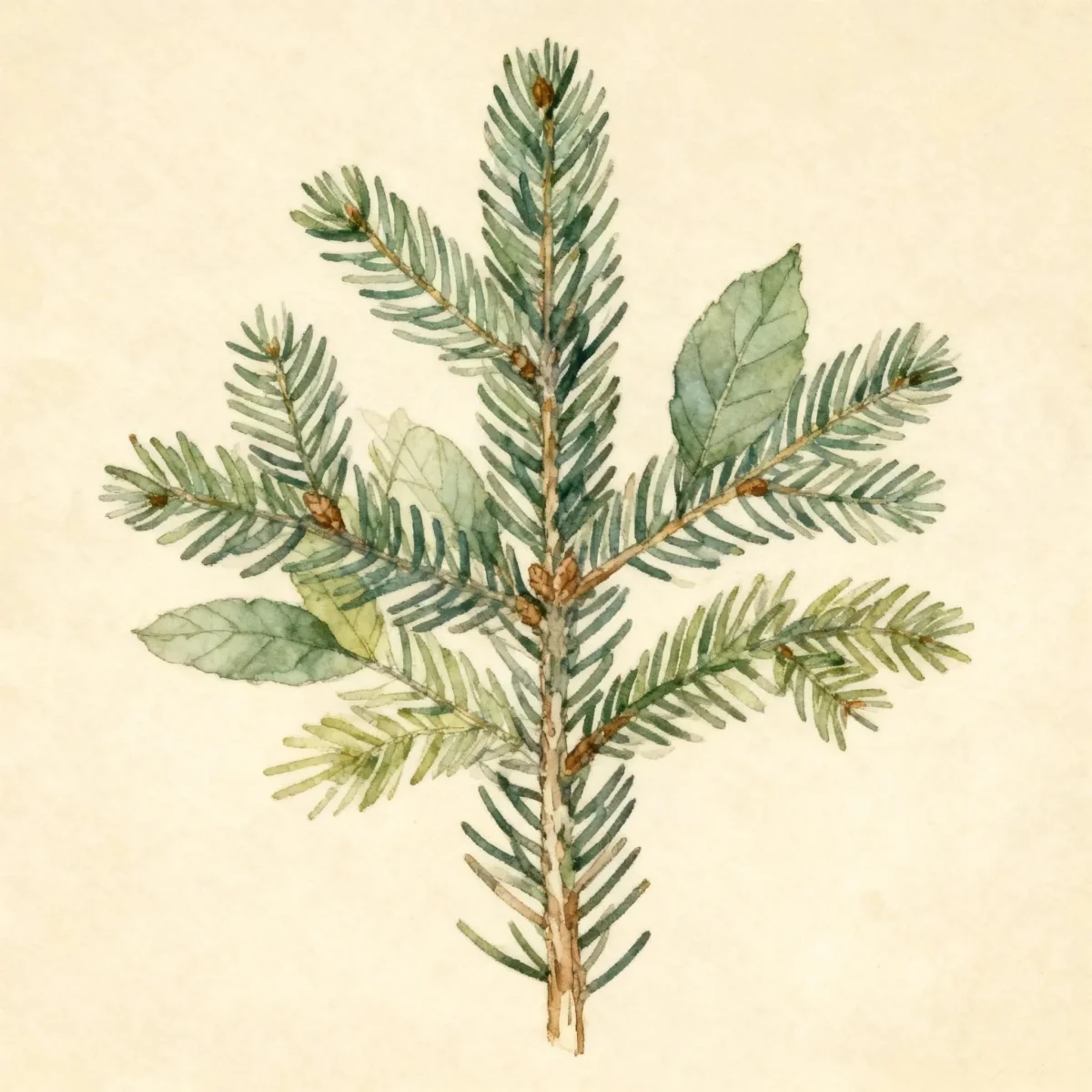
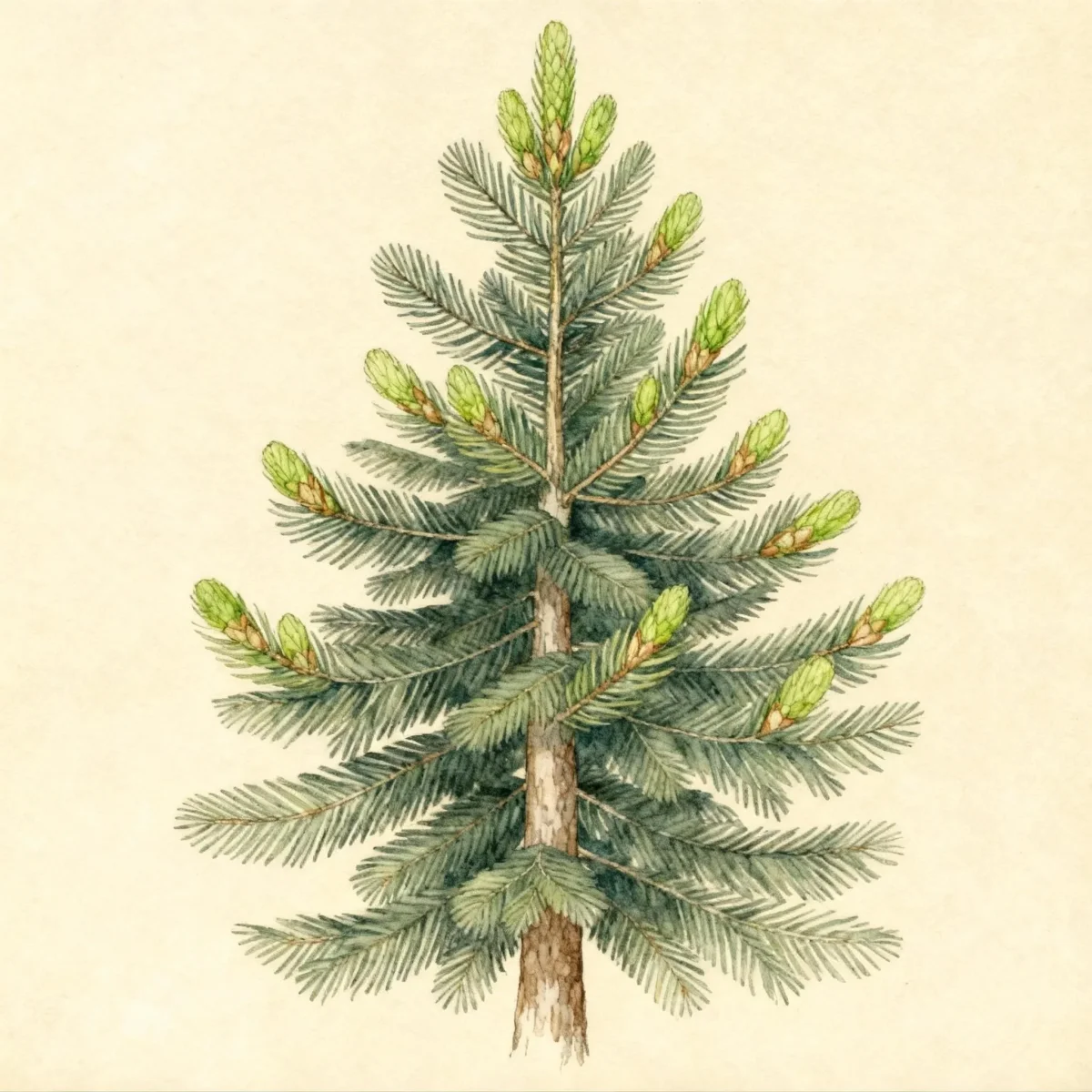
Fraser fir (Abies fraseri)
The Fraser fir (Abies fraseri) is a narrow, highly valued evergreen native to the Southern Appalachians, perfect as a holiday tree specimen.
Scroll down to discover growing tips, care requirements, companion plants, and more
Complete Plant Information
Overview
The Fraser fir, designated scientifically as Abies fraseri, is a highly prized native conifer renowned for its stunning pyramidal shape and desirable fragrance, making it a staple in Christmas tree production. This species thrives in the cooler, moist microclimates of the upper Southern Appalachian Mountains of the Southeastern United States. As a narrow, spire-like evergreen, the Abies fraseri offers strong vertical interest in the landscape when siting permits its mature size.
Gardeners seeking a classic, dense evergreen specimen will appreciate the finely textured foliage of this fir. Its flattened, dark green needles are white-banded beneath, contrasting beautifully and adding year-round visual appeal. While sensitive to heat and humidity outside its cool native range, successful cultivation in USDA Zones 4 through 7 yields a statuesque tree excellent for focal points.
Though native populations are localized and subject to threats, the Fraser fir remains a symbol of mountain ecology and holiday tradition. Its robust growth structure, provided cultural needs are met—especially rich, well-drained, slightly acidic soil—ensures it will serve as a magnificent, long-term landscape anchor.
Fast Facts
- Plant Family: Pinaceae
- Plant Type: Needled evergreen
- Native Range: Southeastern United States
- Hardiness Zones: USDA Zones 4-7
- Size at Maturity:
- Height: 30-50 ft
- Spread: 10-25 ft
- Bloom Time: Non-flowering
- Sun Exposure: Full sun to part shade
- Water Needs: Medium
- Maintenance Level: Medium
How to Grow
Planting the Fraser fir should occur during the cooler seasons—fall or early spring—to allow the root system to establish before summer heat stress begins. The essential requirement for successful Abies fraseri growth is highly specific: the soil must be rich, consistently moist, slightly acidic, and possess excellent drainage. Avoid planting in heavy clay soils, as this often leads to poor vigor and eventual decline. Select a location offering full sun to mild afternoon shade, remembering that trees native to high elevations perform very poorly in hot, humid conditions typical outside of USDA Zone 7 boundaries.
Watering needs are medium; maintain consistent moisture, especially during the first few years post-establishment. Deep, slow watering sessions are preferable to frequent, shallow sprinklings. Fertilization is rarely necessary if the native soil conditions (rich, acidic loam) are replicated; otherwise, a slow-release evergreen fertilizer in early spring can support slower growth rates typical of firs. Pruning is generally unnecessary unless shaping is desired, as the natural narrow, pyramidal form is highly desirable.
Protecting the young tree from reflected heat and ensuring good air circulation are crucial maintenance considerations. While mature trees adapt somewhat, they resent the compacting and pollution common in urban settings. Be vigilant for pests, particularly the balsam woolly adelgid, which is a significant threat to wild and cultivated stands of Fraser fir.
Landscape Uses
The defining structure of the Fraser fir—a narrow, pyramidal evergreen with a stately spire-like crown—makes it an exceptional specimen tree. It commands attention as a focal point in a lawn or a dramatic anchor at the corner of a large property. Due to its relatively contained spread (up to 25 feet) compared to massive pines or spruces, it fits well into larger suburban landscapes where space is slightly more limited than in deep woodland settings.
When designing a foundation planting or border, utilize the Abies fraseri as a backdrop for lower-growing, acid-loving shrubs like rhododendrons or azaleas, whose bloom times offer seasonal contrast to its year-round green. Because it is so strongly associated with cool, high-altitude environments, pairing it with native Appalachian woodland companions such as mountain laurel or hemlocks can create a cohesive, naturalized appearance.
Commercially, this species is unmatched as a Christmas tree, but in the landscape, it fulfills the vital role of providing year-round structure, screen, and visual weight. Ensure placement allows for its eventual 50-foot height, as moving a mature fir is extremely difficult.
Standout Features
Noteworthy Characteristics
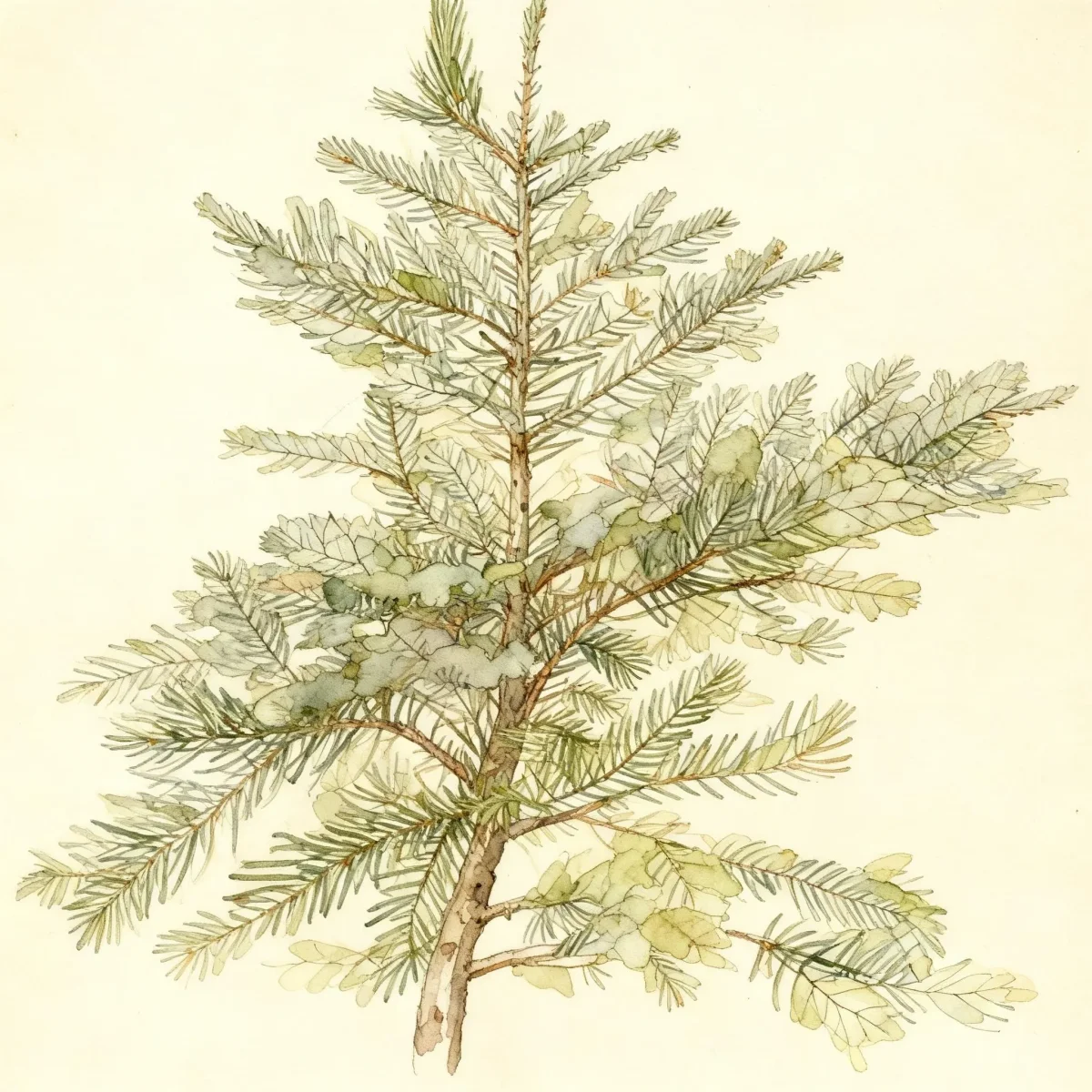
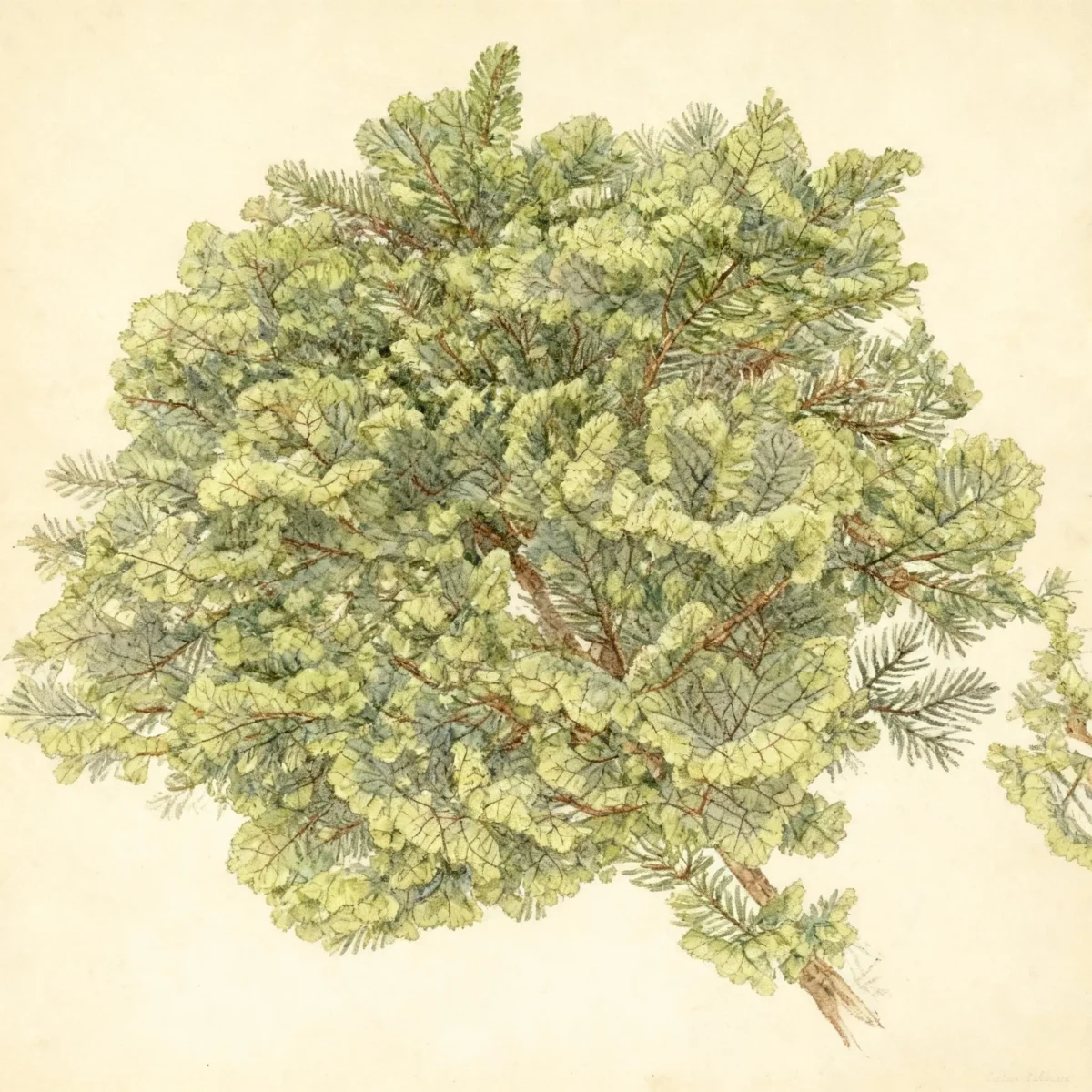
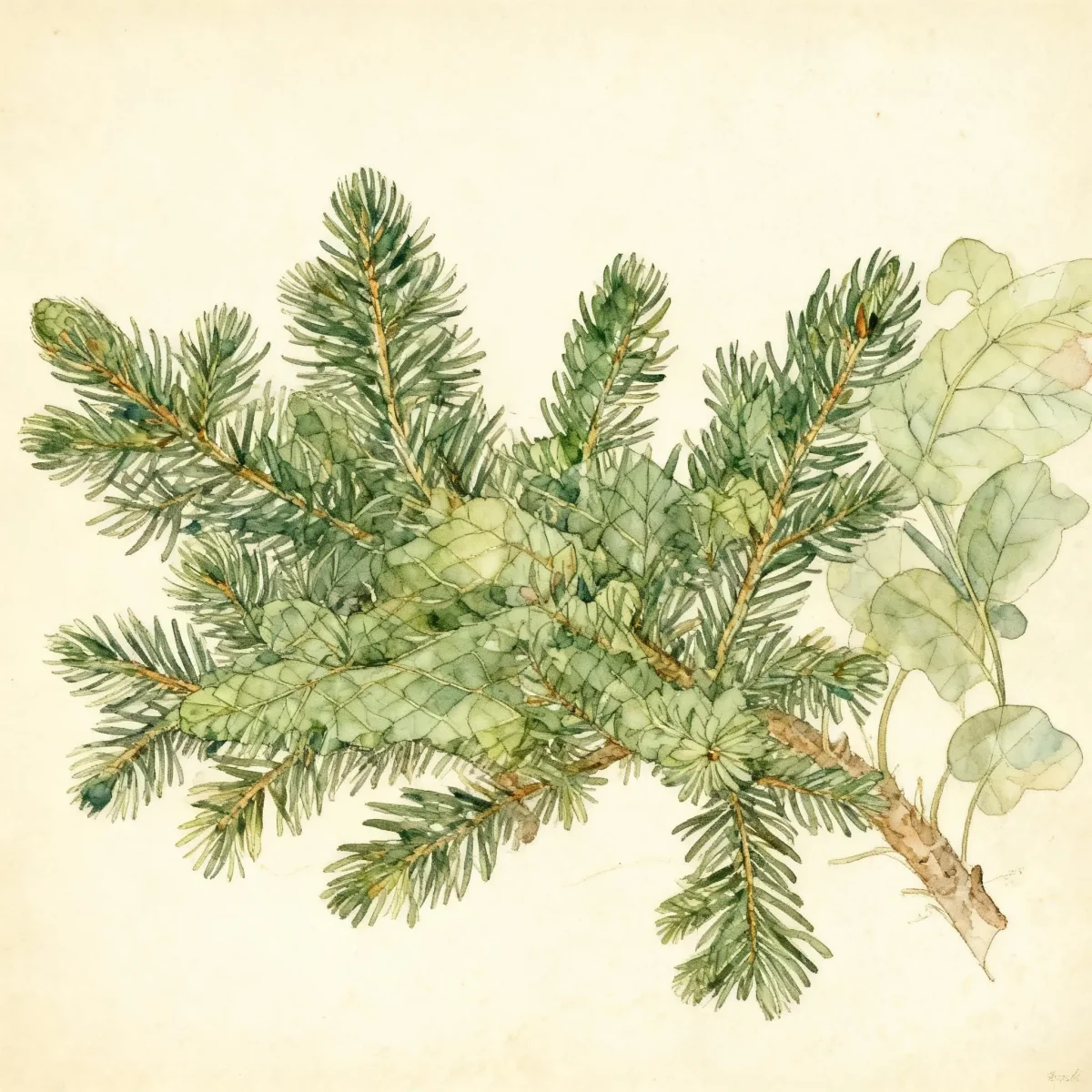
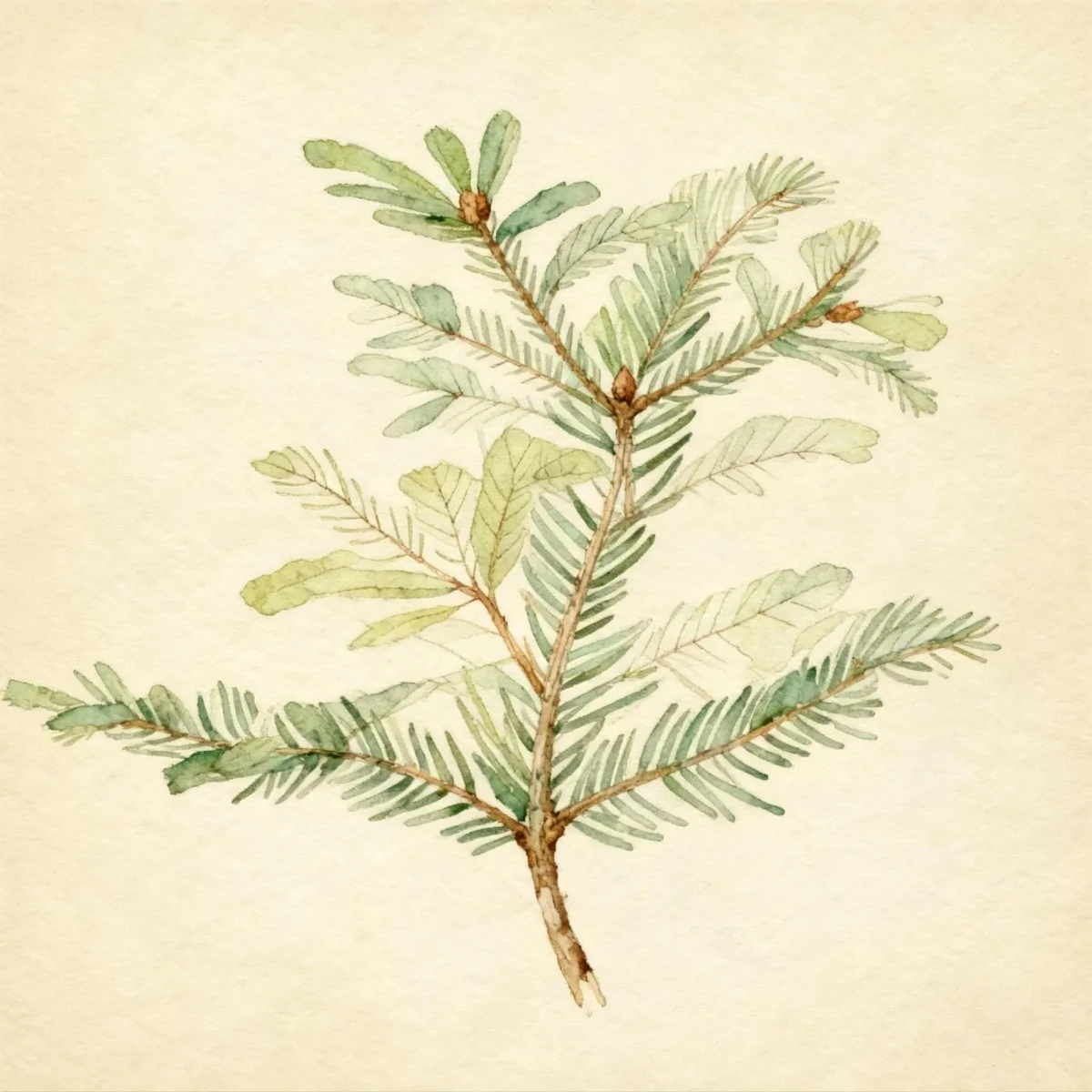
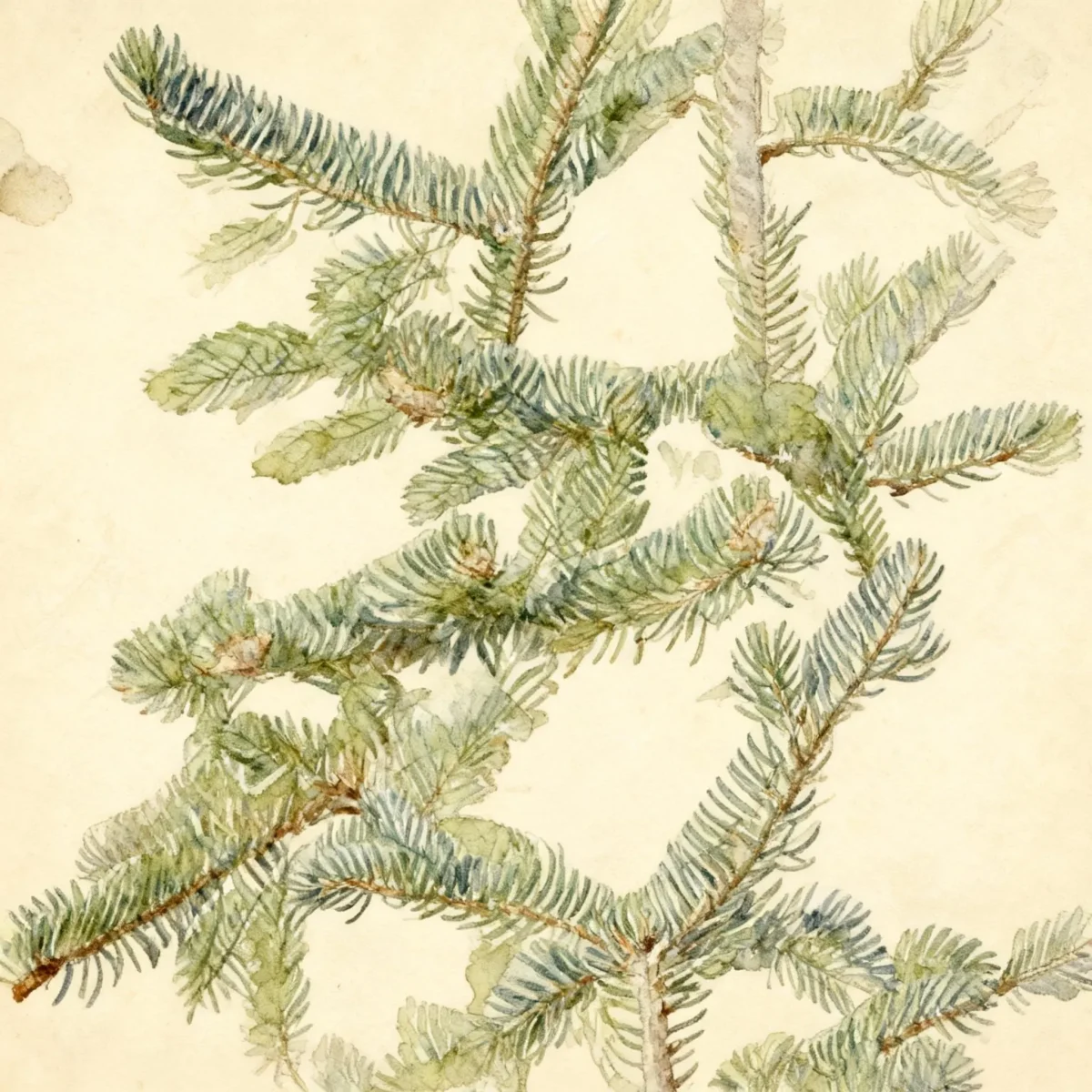
Abies fraseri, commonly called Fraser fir, is native to small pockets of the southern Appalachian Mountains in North Carolina and Tennessee extending into the southwestern corner of Virginia and far northern Georgia. It is typically found at elevations ranging from 4500’ to 6900’. Although rare in nature, Fraser fir is one of the most popular Christmas trees sold in commerce today, and is commonly grown in tree farms for that purpose. This is a narrow, pyramidal, evergreen conifer with a spire-like crown. It grows to 30-50’ tall over time with a spread of 10-25’. It is very similar to balsam fir (Abies balsamea), the primary difference being in the bracts of the cone scales. Flattened, shiny, dark green needles (to 1” long) are white-banded beneath. Needles are densely borne on resinous stems. Resin blisters may appear on the bark, giving rise to a regional common name of she-balsam for this tree. Seed cones are purple with conspicuously protruding bracts. As is distinctive with the firs, the cones appear upright on the branches.Genus name is an ancient Latin name for a tree described by Pliny around 77 A.D.Specific epithet and common name honor John Fraser (1750-1811), Scottish botanist and plant collector, who discovered this plant and introduced it to Britain.
Tolerances
- Trees are generally intolerant of urban pollution
Potential Problems
The primary biological threat facing Abies fraseri in its native habitat, and increasingly in cultivated settings, is the Balsam woolly adelgid. This invasive, tiny insect sucks sap from the tree, causing swelling and ultimately resulting in the death of high-elevation stands. Aggressive monitoring and the timely application of horticultural oils or systemic insecticides are crucial if infestation is suspected.
In addition to this major pest, be aware of other common insect threats, including bark beetles, spruce budworms, aphids, bagworms, and scale insects. Spider mites can become problematic when the tree is stressed by hot, dry conditions, often indicated by stippling or bronzing of the needles.
Fungal diseases also pose a risk. Pay attention to root rots, which result directly from poor drainage—a condition the Fraser fir absolutely cannot tolerate. Twig blight and needle rust can also affect aesthetic quality, often managed by ensuring good air circulation during planting and avoiding overhead watering to keep foliage dry.
Frequently Asked Questions
What hardiness zones is Fraser fir suitable for?
The Fraser fir (Abies fraseri) is suitably hardy within USDA Zones 4 through 7.
How large does Fraser fir grow?
This evergreen conifer typically reaches mature heights between 30 and 50 feet, spreading to a width of 10 to 25 feet.
What sun exposure does Fraser fir need?
Abies fraseri prefers full sun to partial shade conditions for optimal health and structure.
When does Fraser fir bloom?
As a conifer, the Fraser fir is non-flowering; it reproduces via cones, which appear upright on the branches.
Conclusion
For gardeners in appropriate cool climates, Abies fraseri offers unparalleled aristocratic beauty and traditional significance. Its narrow pyramidal habit and dense, aromatic needles secure its status as a premier landscape evergreen, favored both for its visual impact and its heritage. Before purchasing, carefully assess your site conditions, prioritizing rich, moist, well-drained soil, and ensure you are within USDA Zones 4-7 to give this magnificent Fraser fir the best chance to thrive.
Companion Planting
Selecting companions for Abies fraseri should focus on plants that share its cultural requirement for slightly acidic, moist, well-drained soil and partial shade protection. Plants that thrive under the high canopy of mature firs or thrive in similar acidic soil profiles include ferns like the Christmas fern (Polystichum acrostichoides) and various woodland wildflowers native to the Appalachians.
Consider incorporating acid-loving shrubs for understory planting, such as Rhododendrons and Azaleas, particularly those with compact habits that won’t compete directly with the fir’s root zone. Groundcovers like mosses (if the shade is deep enough) or low-growing pachysandra also help retain soil moisture and moderate ground temperatures, benefiting the shallow-rooted fir.
Avoid drought-tolerant or alkaline-loving plants, as these indicators suggest your soil pH or moisture regime is unsuitable for this mountain native. A companion planting scheme that mimics a healthy, rich Appalachian forest floor will best support the long-term health of your Abies fraseri.
Design Ideas for Vertical Interest
The strong vertical silhouette of the Fraser fir makes it invaluable for creating formal lines or breaking up horizontal expanses in a landscape plan. Use it sparingly as a specimen, allowing its classic Christmas tree shape to be fully appreciated without obstruction from surrounding architecture or dense shrubbery. In contemporary or minimalist designs, a single, well-placed Abies fraseri offers powerful, unchanging structure throughout the year.
For creating visual depth in large gardens, employ this fir mid-ground to background. Its relatively dense branching habit provides an excellent dark buffer against which lighter-colored deciduous trees or bright perennial borders can stand out vividly during the growing season. Its unchanging color in winter is crucial for providing structure when deciduous elements have dropped their leaves.
Because the Fraser fir cones stand upright atop the branches, they provide distinct textural interest, far different from the drooping cones of pines. When designing viewpoints, position seating areas where the fine texture of the needles against a bright sky can be fully appreciated, remembering the resin blisters that give rise to the regional name ‘she-balsam.’