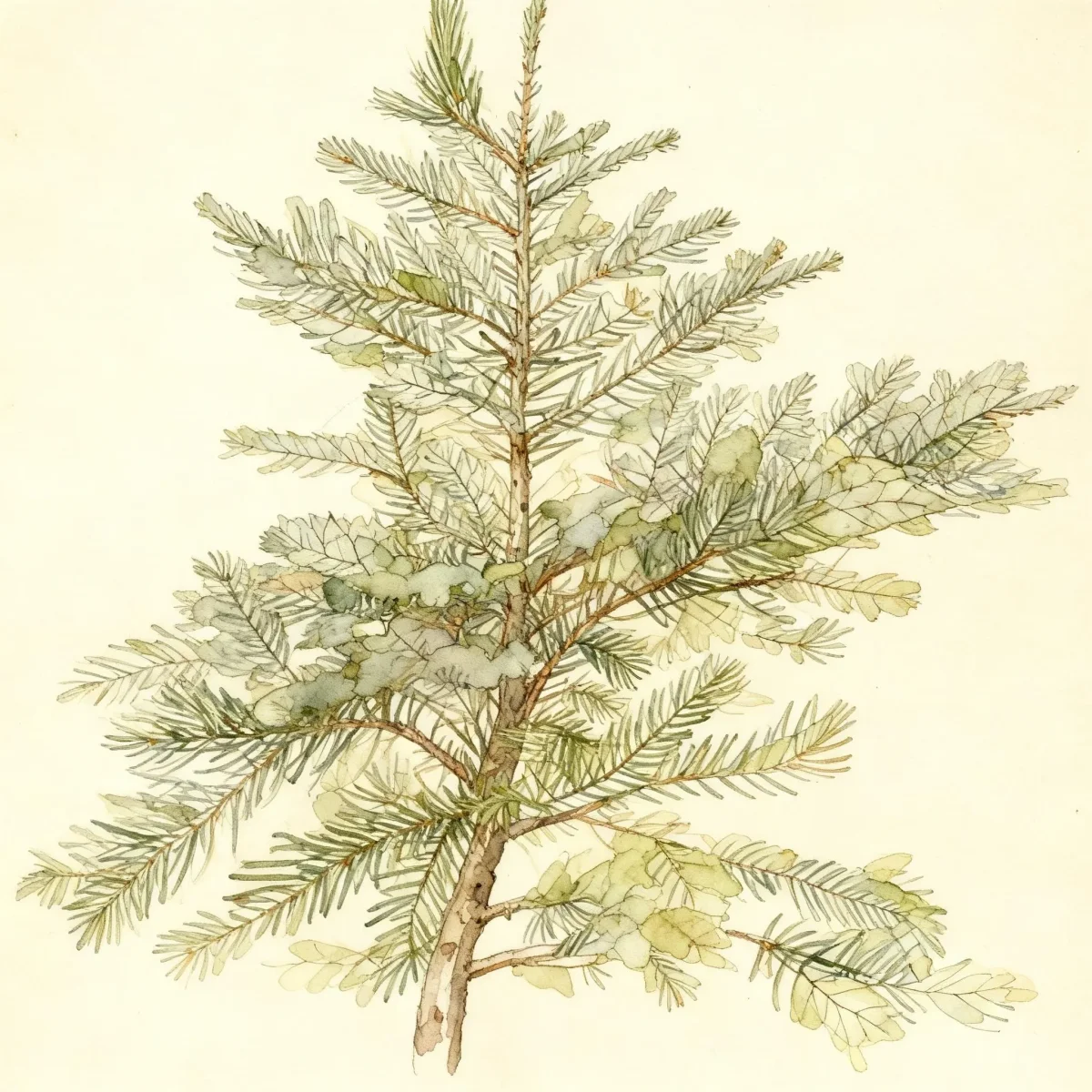
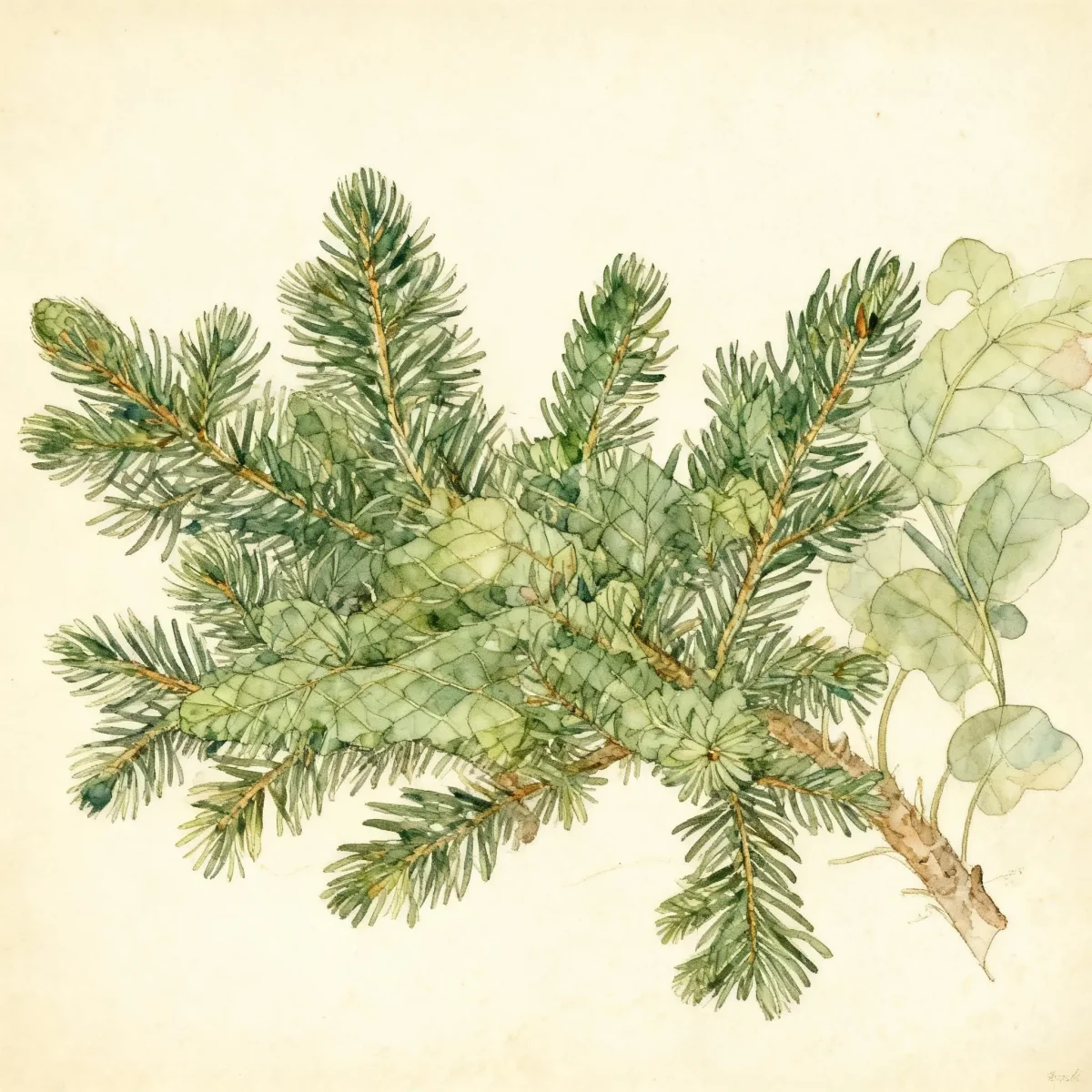
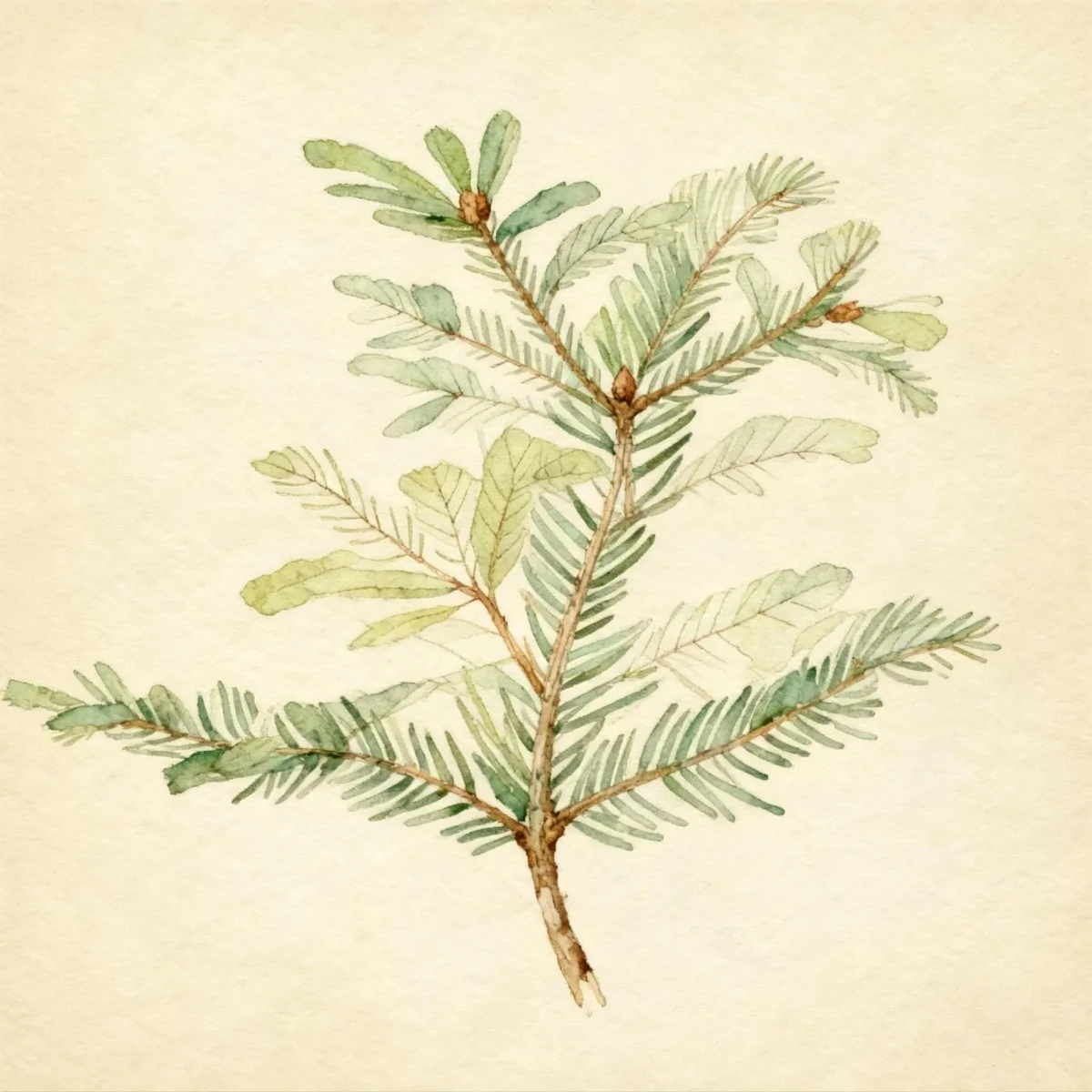
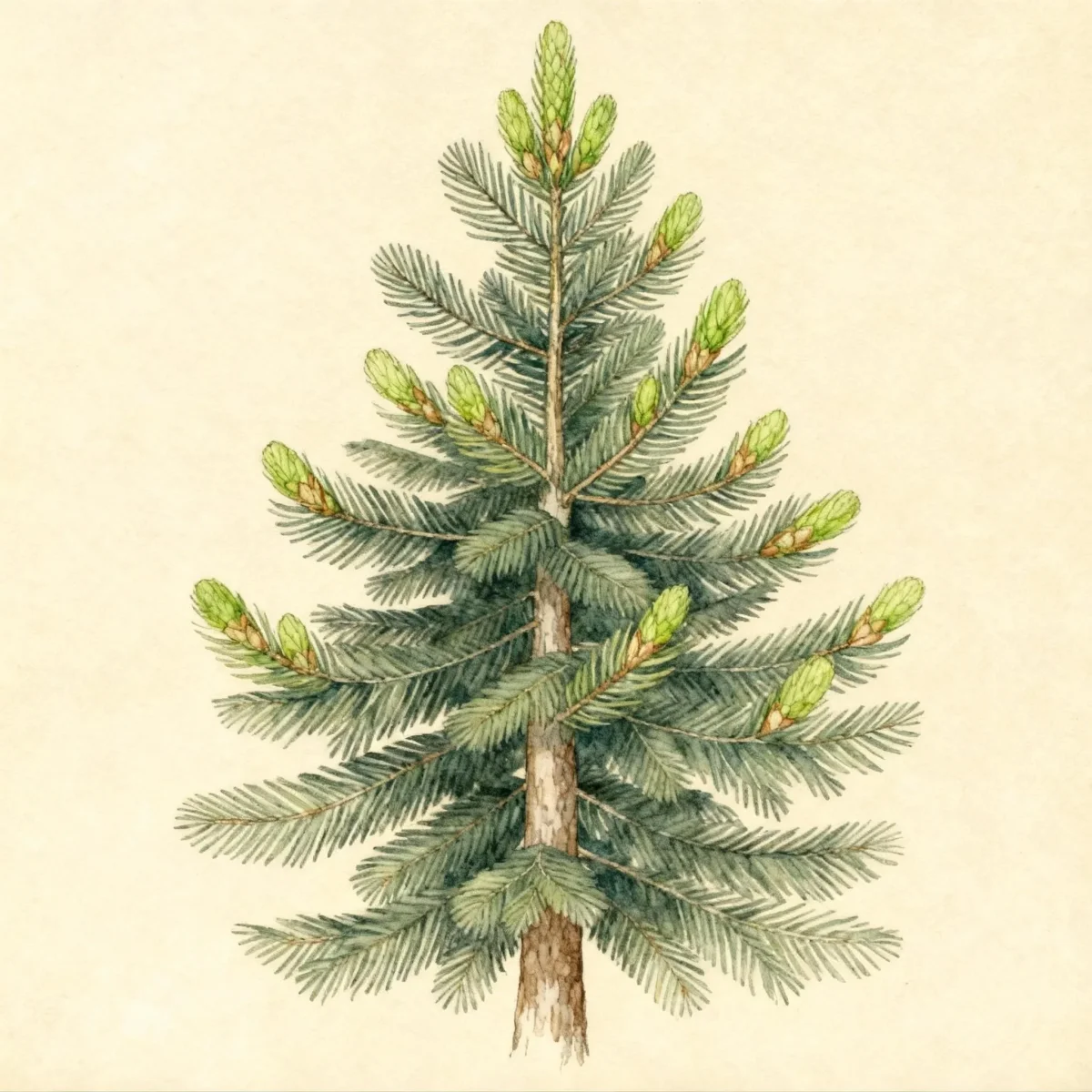
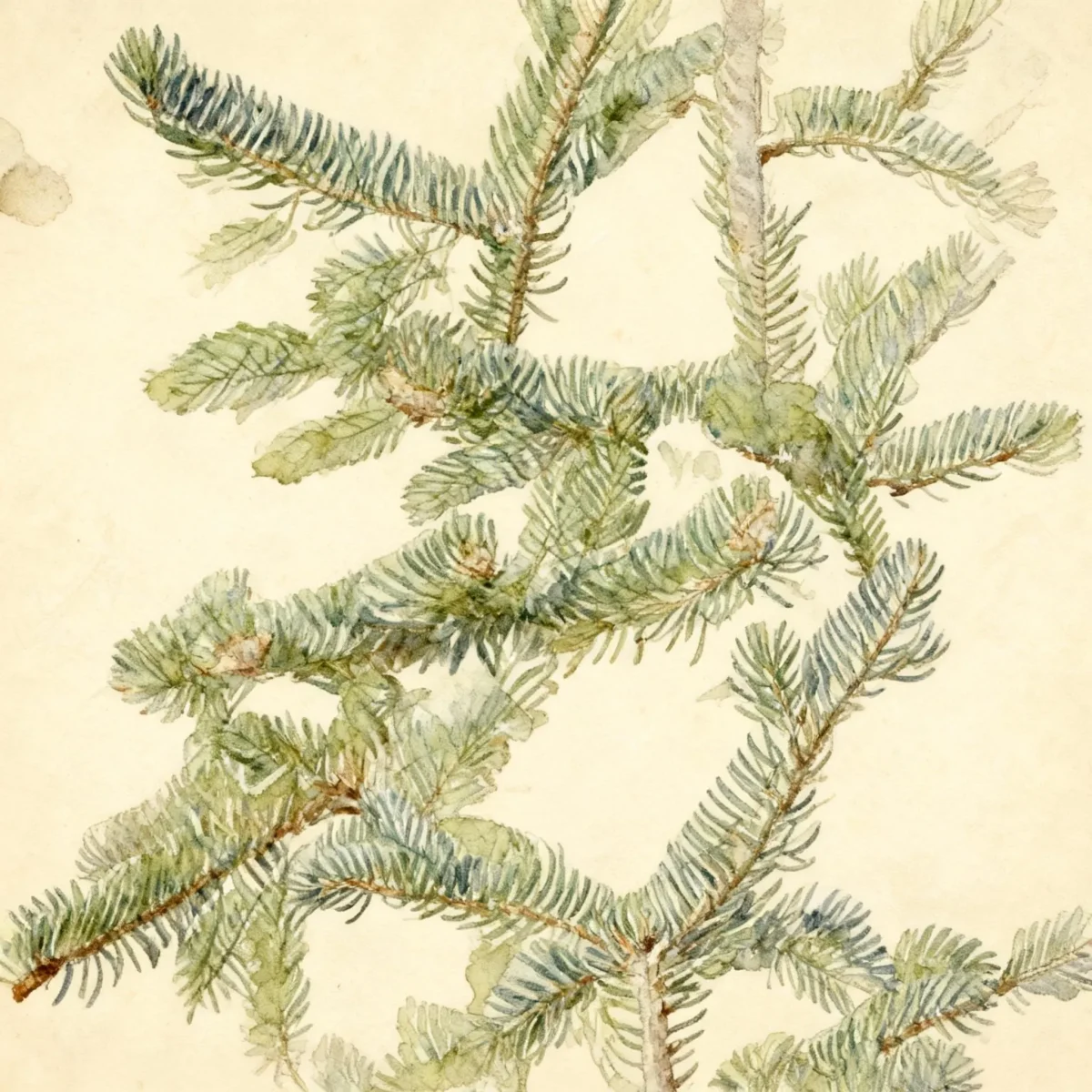
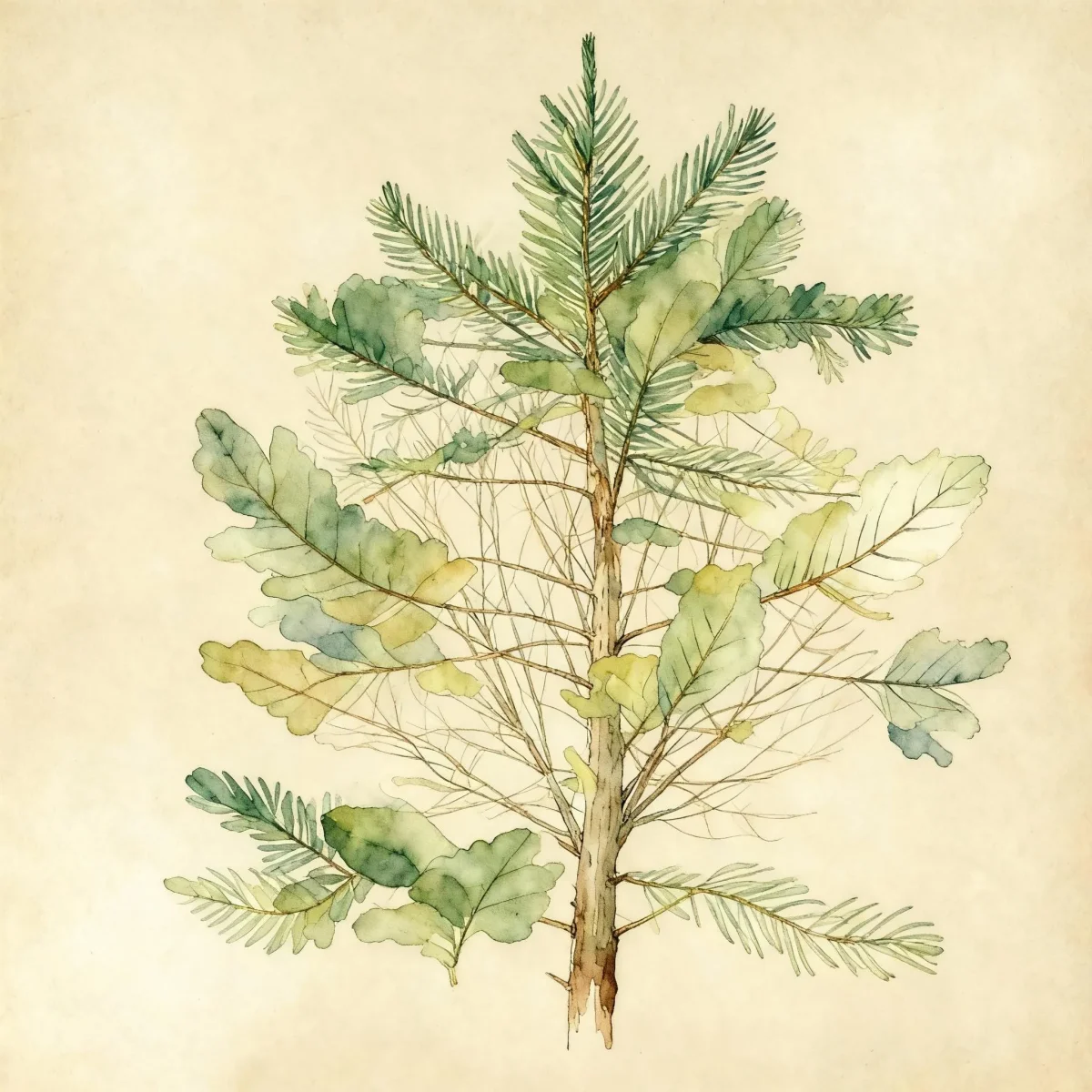
Grand fir (Abies grandis)
The magnificent Grand fir (Abies grandis) is a towering evergreen native to the Pacific Northwest, prized for its height and aromatic needles.
Scroll down to discover growing tips, care requirements, companion plants, and more
Complete Plant Information
Overview
The Grand fir (Abies grandis) is a truly exceptional tree, distinguished by its immense stature, securing its place as one of the tallest firs globally. This majestic needled evergreen commands attention, transitioning from a spire-like crown when young to a broader, dome shape with age. Gardeners drawn to monumental scale will appreciate the presence of Abies grandis in large properties or naturalized settings.
Native to the moist, cool conditions of the Pacific Northwest, the Grand fir thrives where rich, deep soils are consistently available. Its flat, shiny dark green needles release a distinct, pleasant tangerine-like aroma when crushed, offering sensory appeal beyond its impressive visual structure. While it is a slow-grower in many regions, its potential height approaching 250 feet makes site selection critical.
Cultivating this species requires understanding its very specific moisture and climate needs; it performs poorly outside its native cool, wet environment, especially south of USDA Zone 6. When correctly sited, the Abies grandis provides year-round structure and deep texture to the landscape, rewarding attentive gardeners with a living monarch of the forest ecosystem.
Fast Facts
- Plant Family: Pinaceae
- Plant Type: Needled evergreen
- Native Range: Northwestern United States
- Hardiness Zones: USDA Zones 5-6
- Size at Maturity:
- Height: 100-250 ft
- Spread: 20-35 ft
- Bloom Time: Non-flowering
- Bloom Description: Non-flowering
- Sun Exposure: Full sun to part shade
- Water Needs: Medium
- Maintenance Level: Medium
How to Grow
Establishment of the Grand fir requires careful consideration of its preference for rich, consistently moist, and well-drained soil with a slightly acidic pH. Planting should ideally occur in early spring or late fall when cooler weather minimizes transplant shock. Ensure the planting site allows for its massive mature spread, favoring deep, rich, alluvial soils typically found in lowland or coastal bottomland areas of its native haunts.
Watering is crucial for sustained growth, necessitating a medium water schedule that mimics its native cool and moist Pacific Northwest climate. Avoid letting the soil dry out completely, particularly during initial establishment or hot summers outside its preferred zone. Fertilization is usually unnecessary in optimal soil conditions; however, deep, rich media supports the best growth rate for Abies grandis.
Pruning is rarely needed except to remove dead or damaged wood, as the natural form of the grand fir is highly desirable. Gardeners must recognize that this tree performs poorly east of the Cascades and is not successful south of USDA Zone 6 due to heat and drier summer conditions. Protect young specimens from deer browsing and ensure adequate air circulation to minimize potential fungal issues.
Landscape Uses
The primary suggested use for Abies grandis is as a large specimen fir for the landscape, signaling that this tree demands space and isolation to develop its full architectural grandeur. It functions best in extensive naturalistic plantings, large estates, or within protected, cool environments like arboreta where its towering height can be fully appreciated against the skyline. Use it as a monumental anchor point in a Pacific Northwest-themed garden design.
When spacing allows, the grand fir serves as a powerful backdrop for smaller understory plantings. Companion plants should share its affinity for cool, moist soils, such as rhododendrons, azaleas, or western sword ferns. Avoid planting near structures, sidewalks, or utility lines, as its ultimate spread and height present significant long-term logistical challenges in standard suburban settings.
Due to its size, Abies grandis is generally unsuitable for street plantings or small urban yards. Its value is aesthetic and ecological, providing significant vertical interest and excellent cover when allowed to mature into its natural, majestic form.
Standout Features
Noteworthy Characteristics
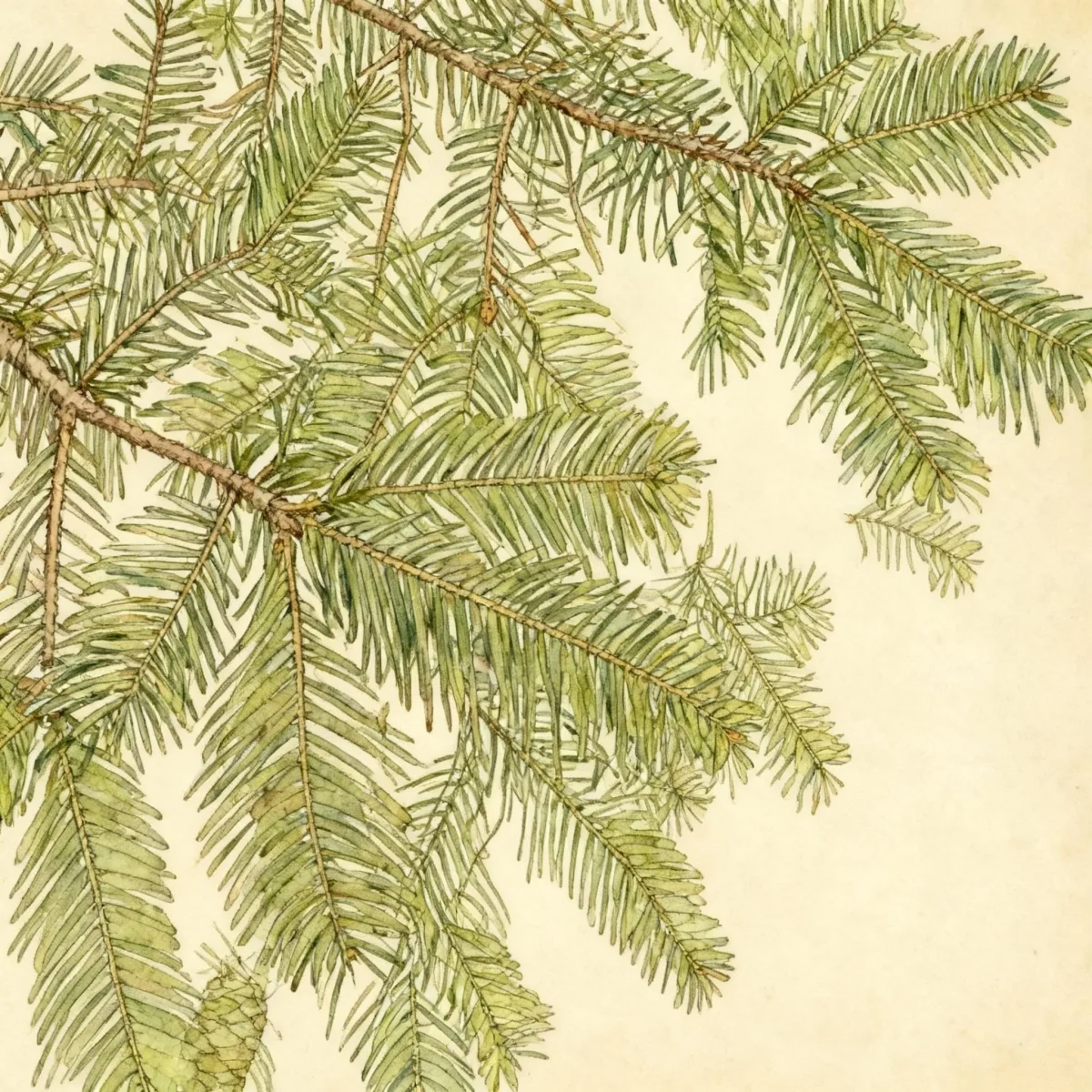
Abies grandis, commonly called grand fir, is a large, evergreen fir with a spire crown in youth that typically rounds into a multiple-leadered dome with age. It is native to moist coastal bottomlands and alpine slopes from sea level to 6000’ in elevation in the Pacific Northwest. The flat needles, up to 2 1/2 inches long, are highly aromatic, emitting a balsamy, tangerine-like scent when crushed. Distinctively, its cylindrical seed cones stand upright and disintegrate in the fall, dropping their scales after the seeds ripen.
Potential Problems
Abies grandis generally exhibits few serious insect or disease struggles when grown in its ideal, cool, moist habitat. However, the balsam woolly adelgid poses a significant threat to the health of this tree in certain susceptible areas. Other potential insect pests include various bark beetles, spruce budworms, and scale insects, while spider mites can appear during periods of unexpected heat stress.
Regarding disease, watch for cankers, heart rot, and root rot, which are often exacerbated by poor drainage or overly hot conditions. If you notice twig blight or needle rust, improve air circulation through minimal structural thinning. Vigilance against these pests and diseases is key to successfully maintaining a healthy Abies grandis.
Frequently Asked Questions
What hardiness zones is Grand fir suitable for?
The Grand fir (Abies grandis) is suitable for USDA Hardiness Zones 5 through 6.
How large does Grand fir grow?
This can become one of the tallest firs, reaching mature heights between 100 and 250 feet, with a spread of 20 to 35 feet wide.
What sun exposure does Abies grandis need?
Abies grandis requires full sun to part shade conditions to achieve optimal growth and density.
When does Grand fir bloom?
The Grand fir is a non-flowering conifer belonging to the gymnosperms, meaning it does not produce traditional flowers.
Conclusion
The Grand fir (Abies grandis) offers unparalleled vertical scale and a distinctive, fragrant needle profile, making it a superior choice for large-scale, naturalistic landscapes in regions that mimic its cool, moist origins. While its cultural requirements are strict, success with this magnificent tree results in a truly awe-inspiring specimen. Before planting, rigorously confirm that your site falls within USDA Zones 5-6 and can provide the consistent, rich moisture this giant demands.
Companion Planting
When incorporating Abies grandis into a larger planting design, selecting companions that share its need for cool, consistently moist, and acidic soil is vital for mutual success. Look towards woodland understory plants that tolerate the filtered light provided beneath the spreading canopy of a maturing grand fir. Excellent companions include various ferns, especially the Western Sword Fern, which mirrors the native habitat structure.
Consider pairing the Abies grandis with moisture-loving ericaceous shrubs like Rhododendrons and Azaleas, ensuring their root zones do not compete aggressively with the Fir’s established base. For groundcover, try using mosses or low-growing woodland sedges that appreciate the dappled shade and humid microclimate fostered by the massive evergreen canopy of the Grand fir.
Seasonal Care Calendar
Spring marks the crucial time for monitoring new growth on the Abies grandis for early signs of pest activity, such as the developing balsam woolly adelgid. Ensure adequate soil moisture is maintained as the growing season begins, especially if your spring has been drier than usual. Summer management focuses almost entirely on irrigation, confirming the medium water needs are met without waterlogging the soil.
As autumn arrives, the focus shifts to preparation for potential winter stress, which is particularly relevant outside the core Pacific Northwest range. Continue deep watering until the ground freezes to help the tree harden off properly, safeguarding the root system through the winter. Minimal winter protection is typically required for established trees within Zones 5-6, but young specimens benefit from temporary windbreaks if placed in exposed locations. Spring cleanup involves removing any fallen debris that might harbor overwintering pests.