European larch (Larix decidua)
The European larch (Larix decidua) is a magnificent deciduous conifer, offering soft green foliage that turns brilliant gold in autumn. A low-maintenance, large specimen tree thriving in cooler climates.
Scroll down to discover growing tips, care requirements, companion plants, and more
Complete Plant Information
Overview
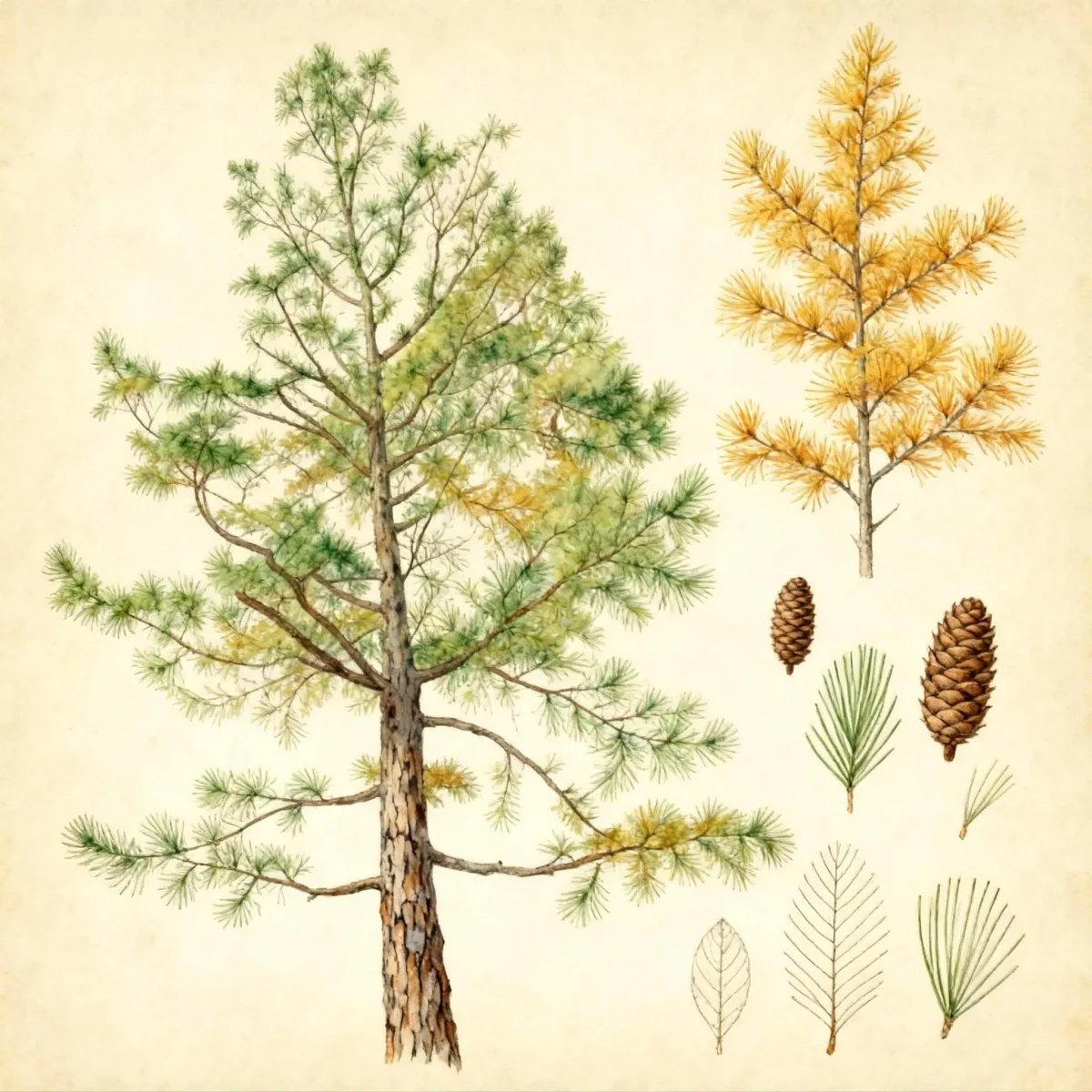
The European larch (Larix decidua) is a stately and unusual specimen tree, recognized as a deciduous conifer. Unlike most needle-bearing evergreens, this species sheds its soft, bright green needles each fall after transforming them into a stunning golden yellow display. This characteristic provides dynamic seasonal interest, making it a vital component in northern landscapes.
This large tree establishes a pyramidal shape early in life, supported by strong horizontal branching that often features gracefully drooping branchlets. While its structure is visually appealing year-round, its cultural requirements demand attention; Larix decidua performs best where summers are cool and winters are reliably cold, mirroring its native mountainous European environment.
The Larix decidua is valued for its rapid growth rate when conditions are favorable and its importance as a timber source in Europe. Gardeners looking for a grand, low-maintenance accent tree that offers dramatic seasonal color in suitable climates should consider incorporating the European larch.
Fast Facts
- Plant Family: Pinaceae
- Plant Type: Tree
- Native Range: Europe
- Hardiness Zones: USDA Zones 2-6
- Size at Maturity:
- Height: 60-100 ft
- Spread: 20-30 ft
- Bloom Time: Non-flowering
- Bloom Description: Non-flowering
- Sun Exposure: Full sun
- Water Needs: Medium
- Maintenance Level: Low
How to Grow
For optimal establishment, plant the European larch during the dormant season, typically early spring or late fall, ensuring the root ball is handled carefully. Larix decidua requires full sun exposure; while it tolerates light shade, it struggles severely in deep shade. Soil preference is crucial: this species thrives best in moist, well-draining gravelly loams.
Watering should be consistent, especially during the establishment phase, respecting its medium water needs. Once mature, it prefers consistent moisture but shows poor tolerance for dry soils. Avoid fertilizing unless a soil test indicates a severe deficiency, as this tree is renowned for its low maintenance requirements when planted correctly.
Pruning is generally minimal, focusing primarily on removing damaged or crossing branches when the tree is young to encourage the desired pyramidal form. Be aware that Larix decidua performs poorly in hot, humid climates, like the St. Louis area, and absolutely cannot tolerate the pollution common in industrial city centers. Best health is maintained by providing the cool, crisp conditions typical of its Alpine origins.
Landscape Uses
The sheer size this tree attains means the European larch must be sited with future scale in mind; it requires substantial space to develop its characteristic wide canopy and height. It is commonly utilized as a stately specimen tree in large parks, open lawns, or as a bold accent in northern US and Canadian landscapes where cooler temperatures prevail.
Due to its distinct deciduous nature, it pairs well with broadleaf evergreens that can anchor the winter landscape, providing contrast when the larch has shed its needles. While it is generally not recommended for confined residential backyards, it serves excellently as a screen or backdrop feature, though hedges are less common due to its majestic, open growth habit.
Standout Features
Noteworthy Characteristics
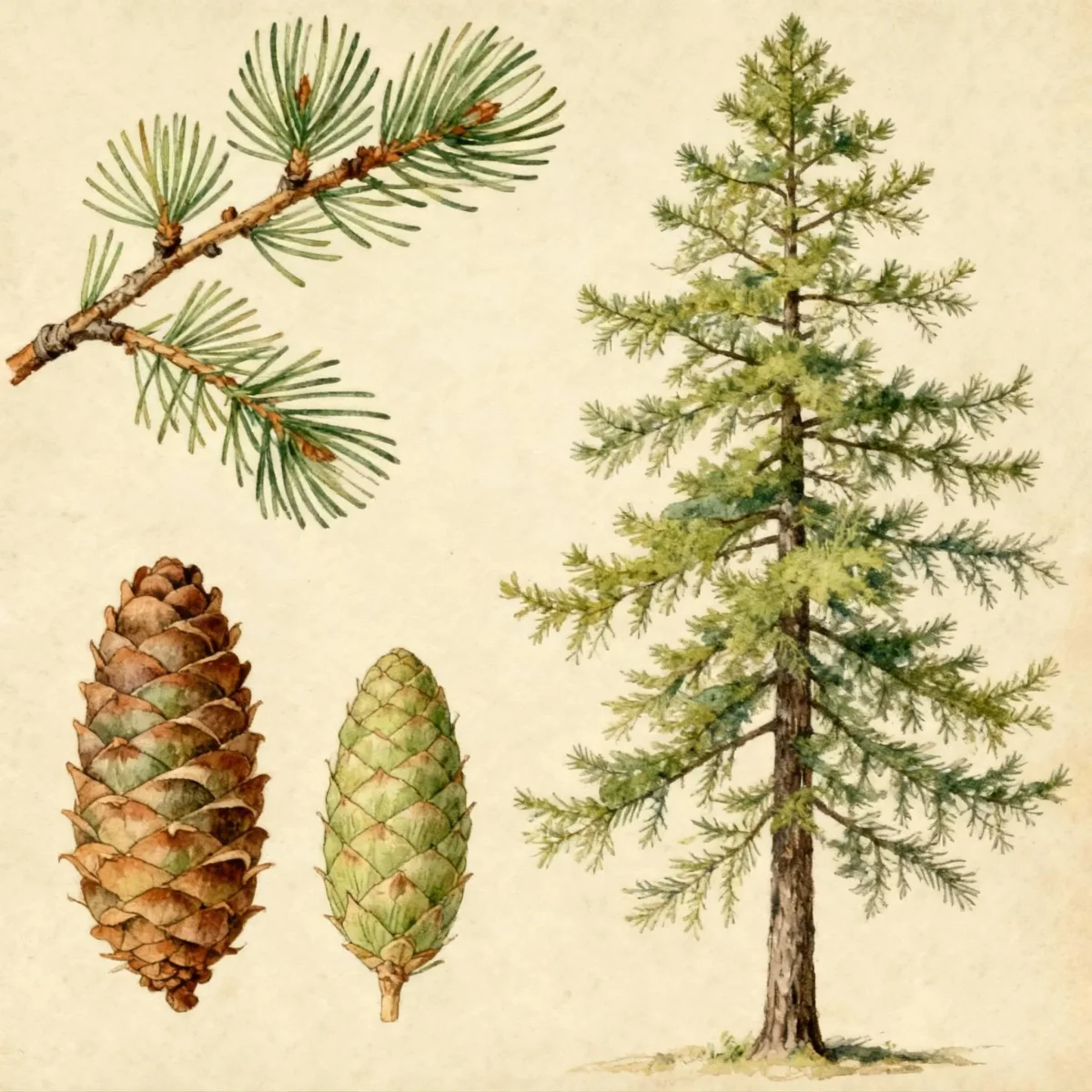
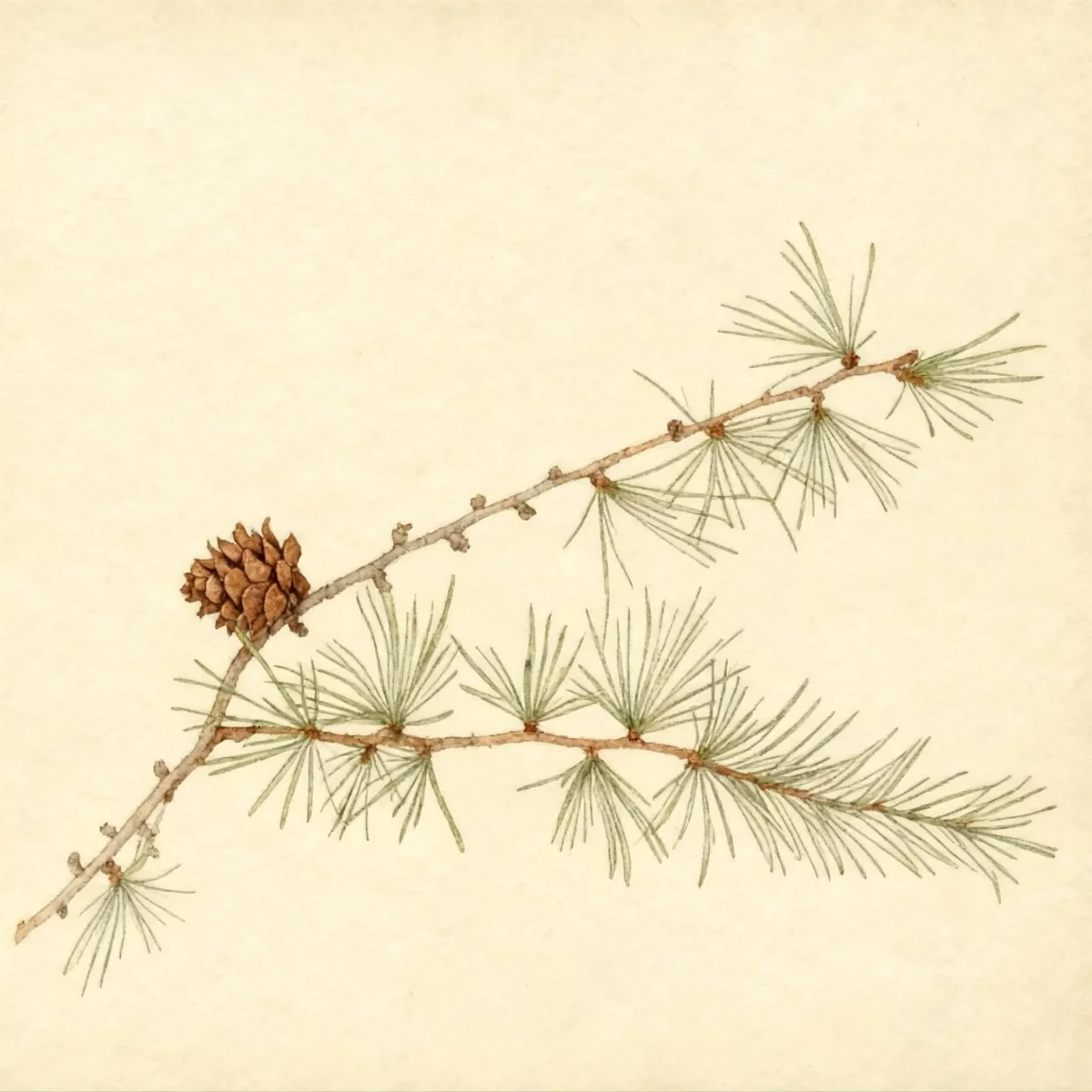
Larix decidua, commonly called European or common larch, is a deciduous conifer although it looks like a needled evergreen in summer. It is a large tree that will grow to 60-100’ tall with a pyramidal shape, horizontal branching and drooping branchlets. Shape becomes broader and more irregular with age. It is perhaps best noted for its soft green foliage that turns golden yellow in fall before dropping. Needles (to 1.5” long) appear in tuft-like clusters, and erect reddish brown cones (to 1.25”) are covered with brown hairs. Bark on mature trees is scaly, furrowed, and reddish-brown, making this an important timber tree in Europe.
Tolerances
- Deer
Potential Problems
While generally considered tough once established in proper settings, the European larch is susceptible to several pests and diseases. Watch for insect issues such as the larch case-bearer, which can skeletonize foliage, as well as aphids, larch sawfly, tussock moth, and Japanese beetle activity.
Disease management often centers on prevention through good site selection, emphasizing air circulation and avoiding overly wet conditions. Potential fungal problems include needle cast, needle rust, and canker development. Maintaining the correct cultural conditions—cool summers and well-drained soil—is the best defense against these threats.
Frequently Asked Questions
What hardiness zones is European larch suitable for?
The European larch (Larix decidua) is suitable for USDA Hardiness Zones 2 through 6, requiring cold winters for optimal performance.
How large does Larix decidua grow?
This impressive tree typically reaches mature heights between 60 and 100 feet tall, with a spread ranging from 20 to 30 feet wide.
What sun exposure does Larix decidua need?
The Larix decidua requires full sun to thrive and achieve its best growth and autumn color display.
When does European larch bloom?
This species is classified as non-flowering, meaning it does not produce showy blossoms; it instead develops inconspicuous cones.
Conclusion
The European larch offers unparalleled seasonal transition for large landscapes, transitioning from soft summer green to spectacular autumn gold. Successful cultivation of Larix decidua relies heavily on matching its preference for cool, moist, gravelly soils and abundant sunlight. Before planting, carefully assess your local climate to ensure it aligns with USDA Zones 2-6 requirements.
Companion Planting
When planting near Larix decidua, select trees and shrubs that tolerate similar cool, temperate conditions and require full sun exposure. Consider companions that offer contrasting texture or persistent color throughout the year. Good choices include hardy maples (like Acer saccharum cultivars) or other large conifers that thrive in Zones 2-6, such as white pine (Pinus strobus), which offer a denser green backdrop to contrast the larch’s eventual dormancy.
Avoid planting within the root zone of species known to be intolerant of cool, moist loam or those susceptible to the same specific regional pests affecting larch. Since the European larch is intolerant of dry soils, companion plants should also have medium to high water requirements, particularly during establishment.
Seasonal Care Calendar
Early spring is the best time to inspect the European larch for any winter damage and to remove any persistent debris adhering to the branches before bud break. This period is also critical for applying dormant oil treatments if the previous year showed significant insect pressure from pests like aphids or sawflies.
As summer progresses, monitor soil moisture closely, especially during dry spells, ensuring the medium water needs of Larix decidua are met without allowing the roots to become saturated or dry out completely. The tree will appreciate cooler summer temperatures; if you are near the warmer edge of its range (Zone 6), stress management via deep, infrequent watering may be necessary.
Fall is spectacular as the needles transition to bright yellow before dropping. Cleanup after needle drop is minimal; generally, the tree requires little attention other than inspecting the bark for signs of canker or other fungal issues on mature specimens. Winter care is virtually non-existent outside of ensuring young trees have adequate wind protection if planted in very exposed areas.