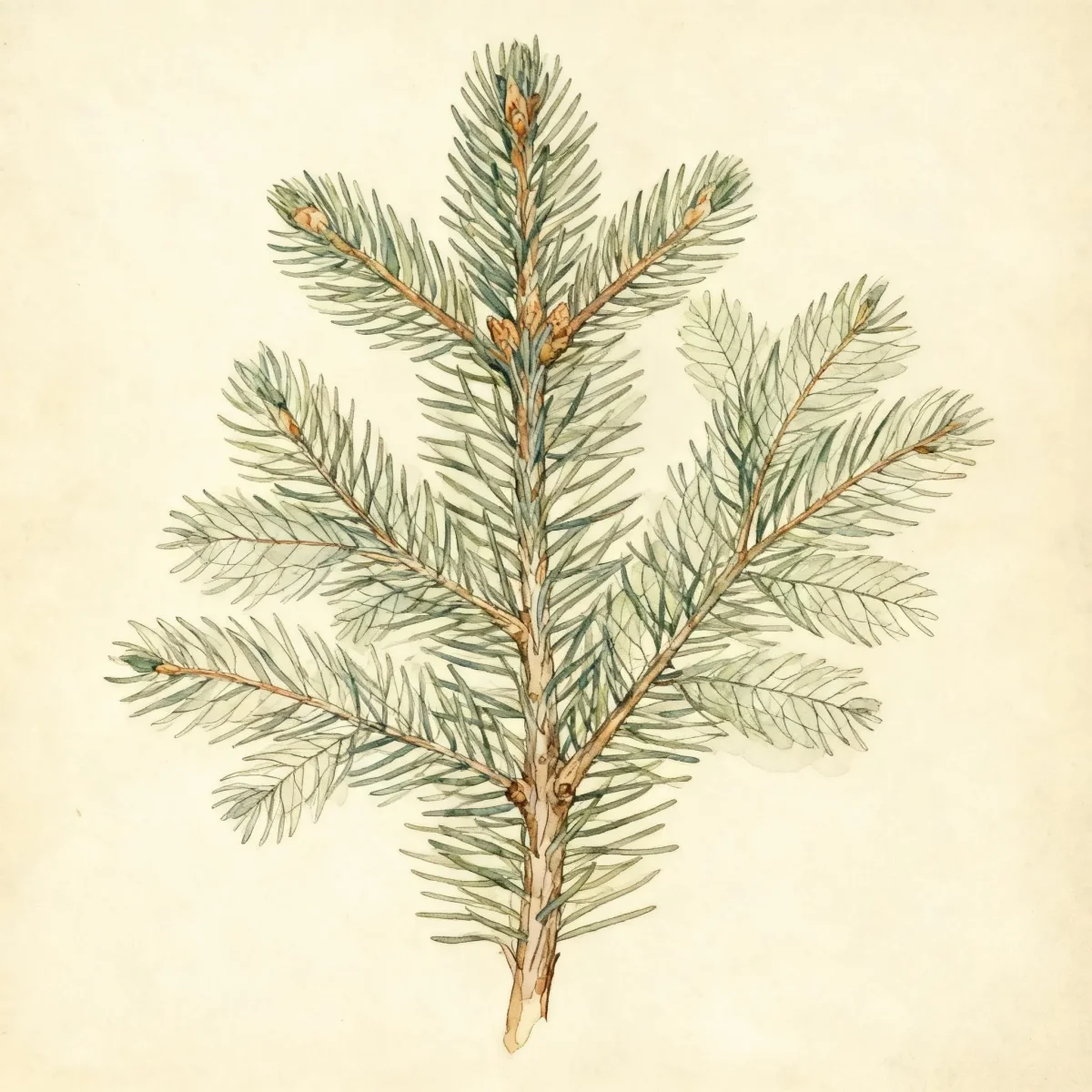
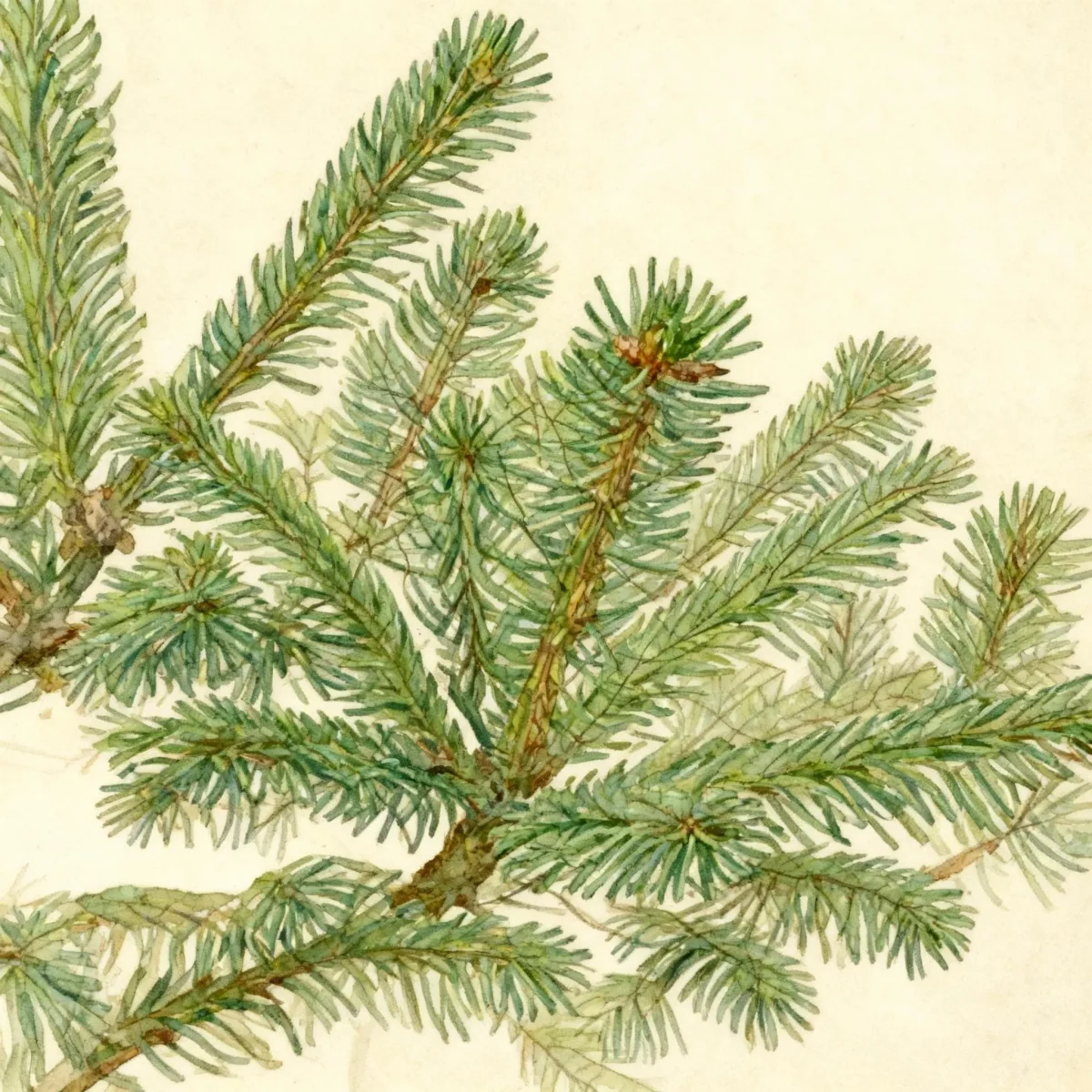
Norway spruce (Picea abies)
The Norway spruce (Picea abies) is a large, fast-growing evergreen conifer valued for its pyramidal shape and pendulous branches, ideal for cold climates.
Scroll down to discover growing tips, care requirements, companion plants, and more
Complete Plant Information
Overview
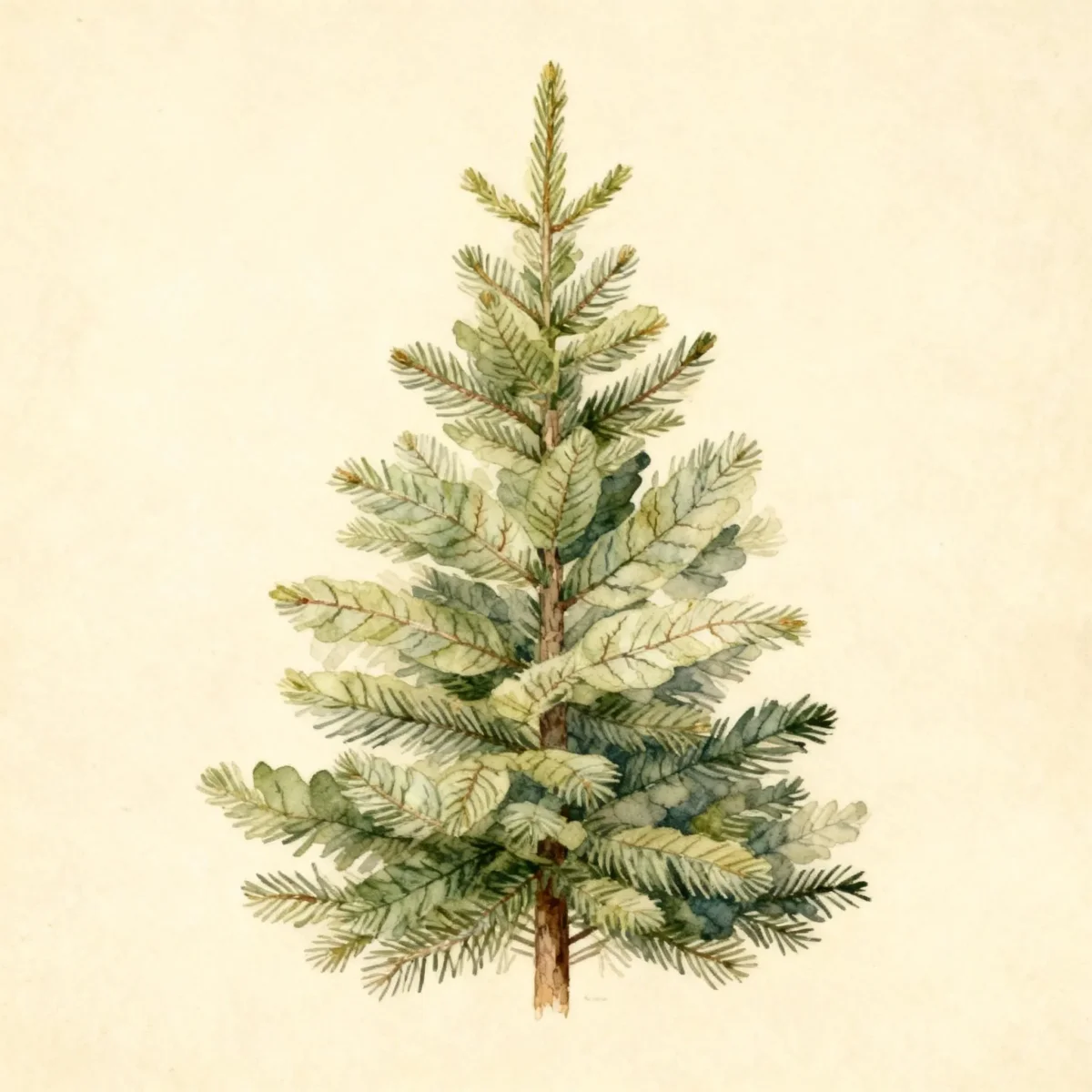
The Norway spruce (Picea abies) stands as a magnificent, large pyramidal evergreen conifer, deeply valued across cool and temperate landscapes. It provides year-round structure and drama, making it a staple for large property designs where vertical presence is desired. This species, Picea abies, is known particularly for its rapid growth rate compared to many other spruce varieties.
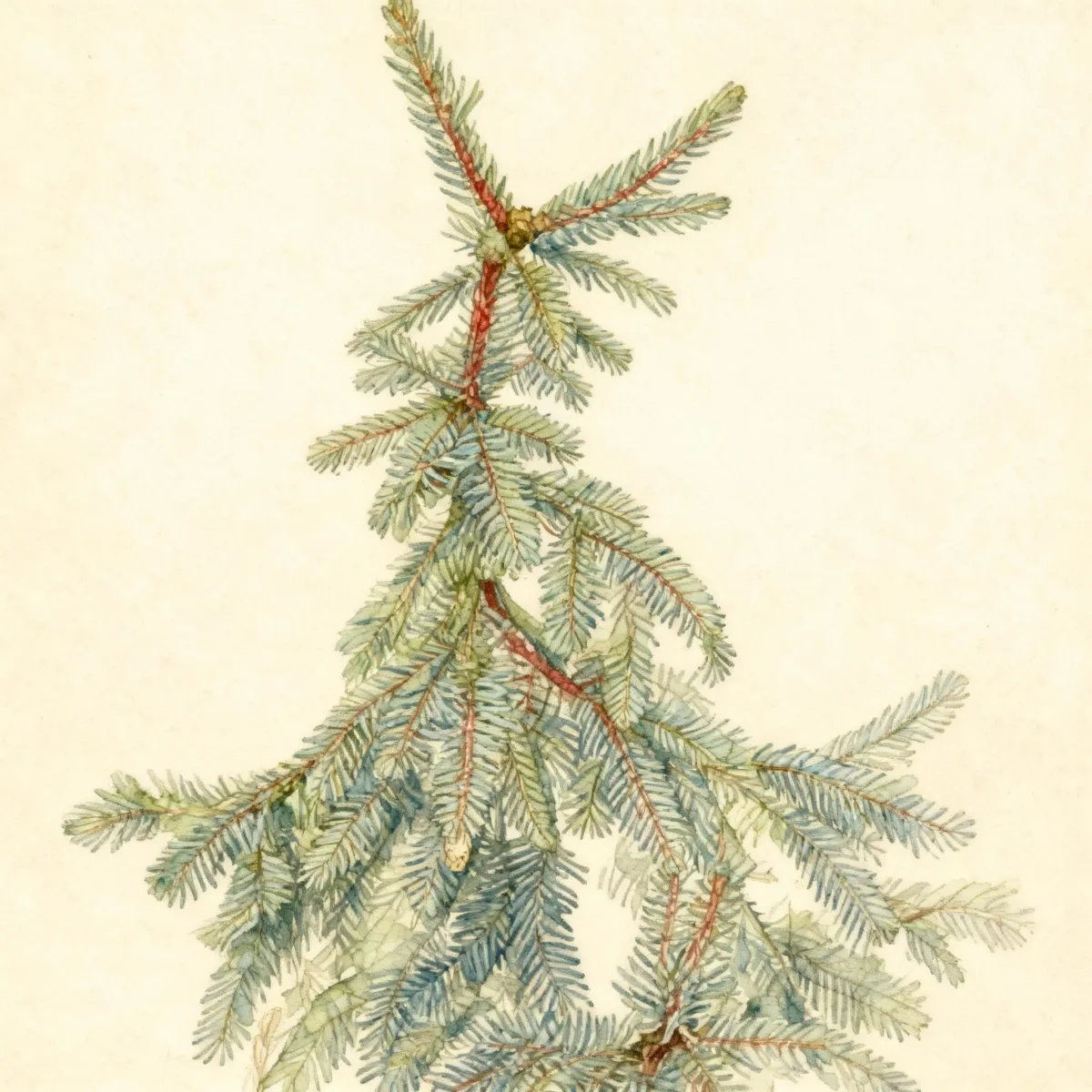
Native to the mountains of central and northern Europe, the Norway spruce thrives best where summers remain cool. While it can reach impressive heights in its native range, landscape specimens in North America typically mature between 40 and 60 feet tall, maintaining a classic, stately silhouette. Its secondary branches often exhibit a graceful, pendulous habit as the tree ages, distinguishing it visually.
Functionally, the Picea abies provides excellent screening and windbreak capabilities, especially in colder northern regions where it excels. Gardeners appreciate its low maintenance needs once established, pairing its deep green needles with its resilience against common urban stressors.
Fast Facts
- Plant Family: Pinaceae
- Plant Type: Needled evergreen
- Native Range: Europe
- Hardiness Zones: USDA Zones 2-7
- Size at Maturity:
- Height: 40-60 ft
- Spread: 25-30 ft
- Bloom Time: Non-flowering
- Bloom Description: Non-flowering
- Sun Exposure: Full sun
- Water Needs: Medium
- Maintenance Level: Low
How to Grow
Planting the Norway spruce is best accomplished in the late fall or early spring, allowing the root system time to establish before extreme weather hits. This species performs optimally in full sun exposure, which is crucial for maintaining dense foliage coverage across its structure. Prepare the site to accommodate its substantial mature size, ensuring the site has well-drained soil. Picea abies prefers acidic soils but is easily grown in average, evenly moist conditions, particularly appreciating rich sandy soil compositions.
Care for the Norway spruce is straightforward, aligning with its low maintenance rating. Water deeply and regularly, especially during the first few growing seasons, to encourage deep root development. While established trees show some tolerance for dryish soils, consistent medium moisture is ideal for optimal health. Avoid heavy fertilization unless soil tests indicate severe deficiencies; this tree focuses its energy on structure rather than excessive vegetative growth.
The Picea abies generally requires little pruning, though occasional removal of dead or damaged limbs is beneficial. Be mindful that the species prefers cool summer climates and may struggle or exhibit slower growth south of USDA Zone 7 due to heat stress. Protect young specimens from intense afternoon sun if planting in the warmer edge of its hardiness range.
Landscape Uses
The sheer scale and year-round color of the Norway spruce make it an impressive specimen tree for large lawns or park settings. When sited appropriately, it functions superbly as an evergreen screen, providing privacy and defining property lines effectively in cold northern climates. Its pyramidal form provides strong vertical contrast against low-slung ornamental plantings.
For larger properties, consider mass plantings of Picea abies to create a dramatic woodland border or an effective windbreak capable of slowing cold winter winds. Although the standard tree is massive, many dwarf cultivars exist, offering smaller, manageable options perfect for foundation plantings or substantial rock gardens where space is limited.
When integrating this conifer, pair it with deciduous trees or shrubs that offer contrasting leaf shapes and seasonal color, preventing winter landscapes from becoming monotonous. Its evergreen structure acts as a stabilizing backdrop throughout the year, allowing seasonal blooms to stand out vividly against the deep green needles.
Standout Features
Noteworthy Characteristics
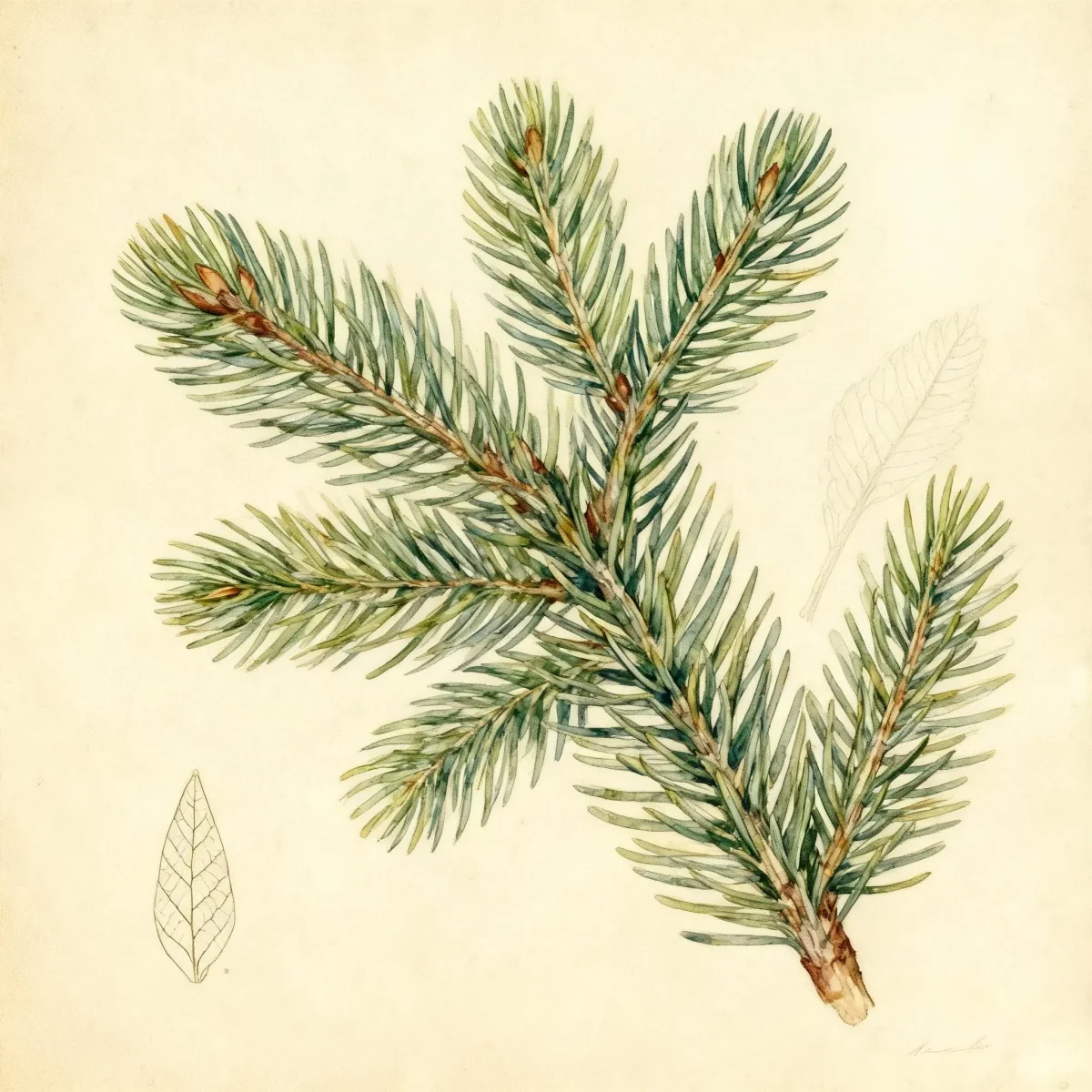
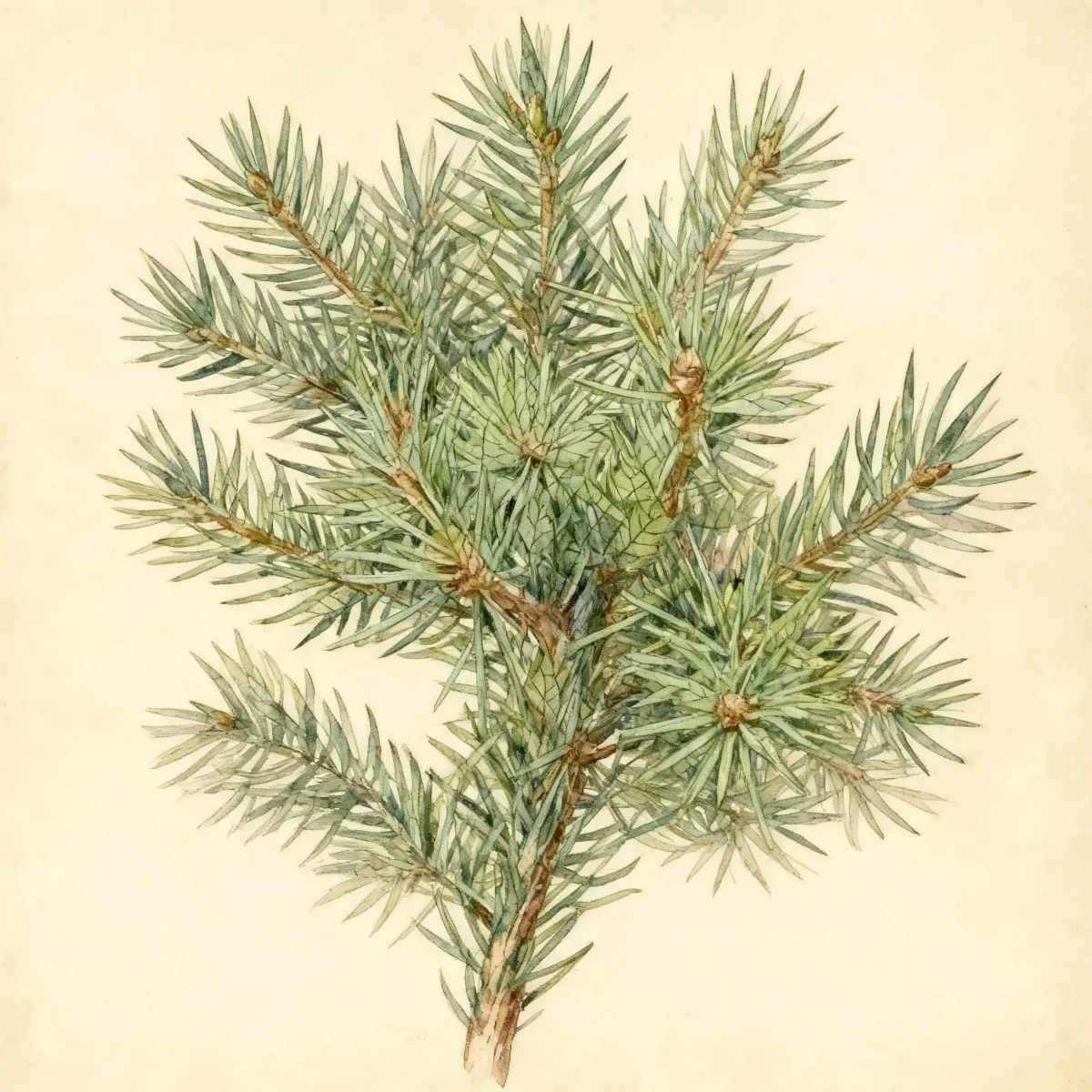
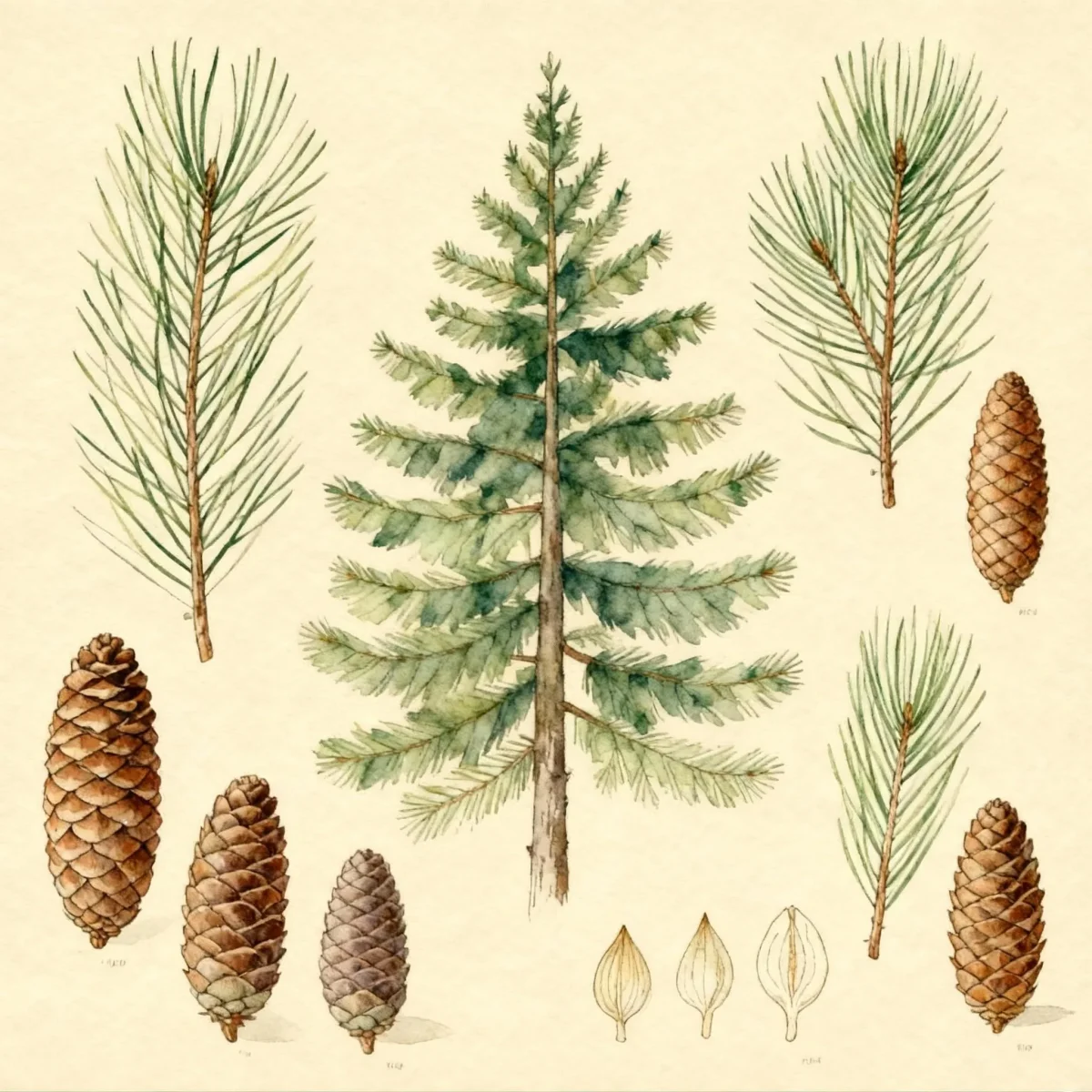
Picea abies, commonly called Norway spruce, is a large pyramidal evergreen conifer that is native to the mountains of northern and central Europe east to the Urals. In its native European habitat, it typically matures to 100-150’ (occasionally to 200’) tall, though landscape specimens in North America are notably shorter, maturing to 40-60’ tall. It is noted for its rapid growth, featuring pendulous secondary branches and cylindrical seed-bearing cones up to 9 inches long. The genus name derives from the Latin word pix, meaning “pitch,” referring to the sticky resin found on spruce bark.
Tolerances
- Deer
- Air Pollution
Potential Problems
The Norway spruce can occasionally be susceptible to Cytospora canker, a fungal disease that causes flagging and dieback, most often symptomatic on older, lower branches that have lost needles due to insufficient light or crowding. Good air circulation is essential for prevention. Wood decay can also become an issue if the base of the trunk remains persistently wet.
Monitor for various pests during the growing season. Watch actively for aphids, which can cause sticky residue (honeydew) on the branches, and for borers, bagworms, and budworms. Red spider mites can also become troublesome, leading to bronzing or stippling of the needles, especially during hot, dry periods.
To minimize issues, ensure proper planting depth and avoid soil compaction around the root zone. Prune only when necessary, making clean cuts to prevent entry points for decay or disease pathogens.
Frequently Asked Questions
What hardiness zones is Norway spruce suitable for?
The Norway spruce (Picea abies) is hardy and adaptable across USDA Zones 2 through 7.
How large does Norway spruce grow?
This tree typically reaches a height of 40 to 60 feet with a spread between 25 and 30 feet at maturity in cultivated settings.
What sun exposure does Picea abies need?
Picea abies requires full sun exposure to maintain its best shape and density.
When does Picea abies bloom?
The Norway spruce is a non-flowering needled evergreen, producing cones rather than typical flowers.
Conclusion
The Picea abies offers exceptional value as a fast-growing, large-scale evergreen, lending powerful structure to any landscape, particularly in colder regions. This robust Norway spruce is relatively low maintenance once established, provided it receives adequate moisture in its preferred full sun location. Before planting, carefully assess your site dimensions to accommodate its eventual 60-foot height and ensure local zoning permits large shade trees.
Companion Planting
Selecting appropriate neighbors can enhance the health and aesthetic appeal of your Picea abies. Due to its preference for acidic soil and consistent moisture, excellent companions include acid-loving shrubs like Rhododendrons and Azaleas, provided these are planted far enough away to avoid root competition once the spruce matures.
Groundcovers that tolerate shade cast by mature evergreens are also beneficial for suppressing weeds near the base. Consider low-growing plants that do not require constant weeding directly around the trunk, as root disturbance can exacerbate stress on the Norway spruce.
For textural contrast, deciduous trees that show bright fall color, such as certain maples or birches planted at a distance, will make the consistent green of the Picea abies stand out year-round. Avoid planting shallow-rooted, high-water-demand specimens directly underneath the canopy.
Design Ideas for Large Screening
The primary functional role for Picea abies in landscape design is establishing a dense, tall screen or an effective windbreak. To maximize wind mitigation efficiency, plant trees in staggered rows rather than a single straight line, ensuring the foliage offers maximum density against prevailing winds.
When using Norway spruce for screening, allow adequate space between individuals; while they can be planted close for maximum interior privacy sooner, overcrowding leads to poor air circulation and increases the risk of fungal issues like Cytospora canker. A spacing of 20 to 25 feet between centers is often recommended for long-term health.
In formal settings, maintain the natural pyramidal shape; however, in more relaxed, park-like designs, allowing the lower branches of the Picea abies to sweep the ground enhances its natural, stately appearance. Dwarf cultivars can line walkways or lower transition areas adjacent to the major upright specimens.