Engelmann spruce (Picea engelmannii)
Discover the Engelmann spruce (Picea engelmannii), a majestic needled evergreen thriving in cool, high-elevation climates from zones 2-5.
Scroll down to discover growing tips, care requirements, companion plants, and more
Complete Plant Information
Overview
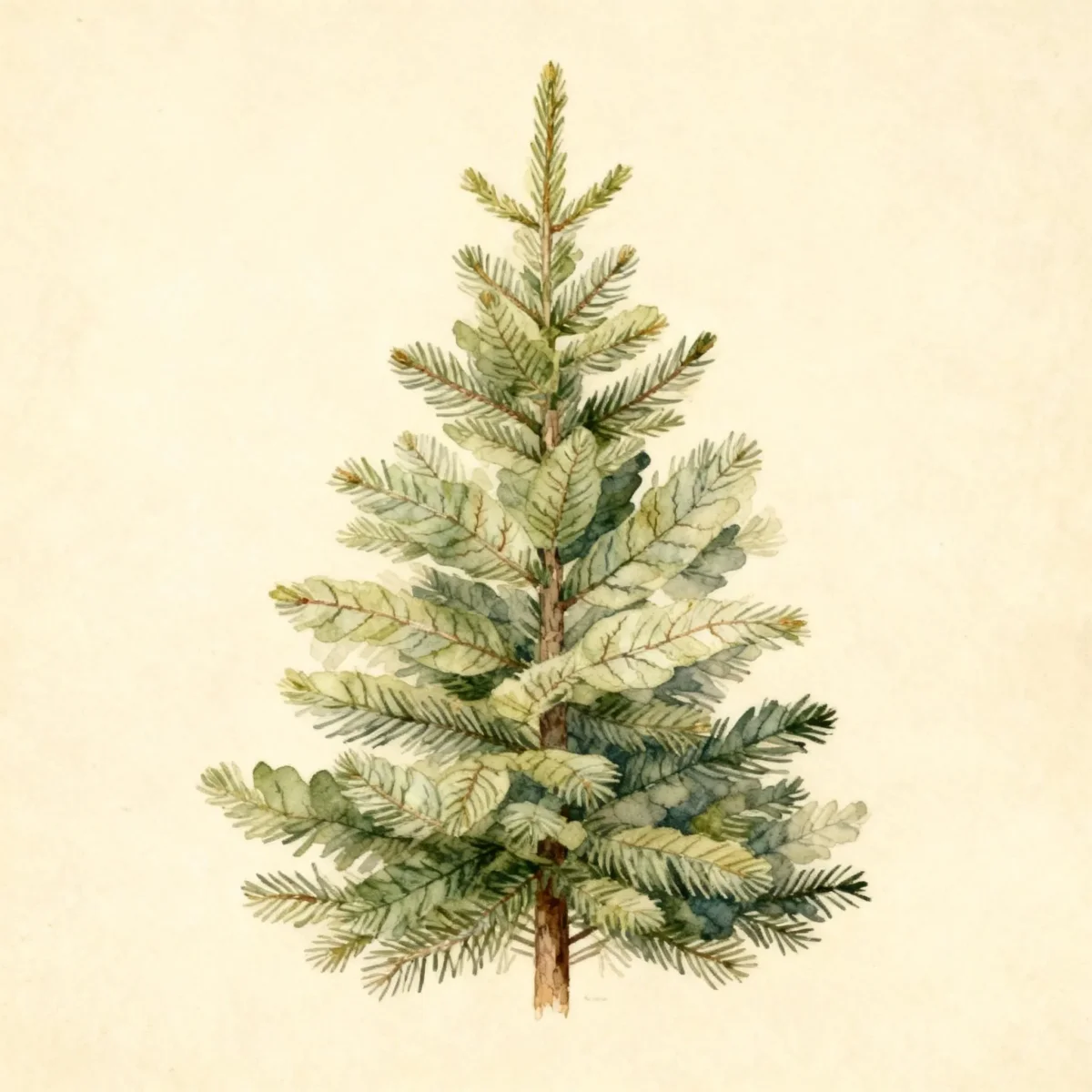
The Engelmann spruce, or Picea engelmannii, is a magnificent, high-elevation conifer highly valued for its classic, narrow conical silhouette, making it a show-stopping specimen in appropriate landscapes. Native to the western mountains, this tree is exceptionally cold-hardy, thriving where other evergreens might struggle against extreme weather conditions. While it can reach heights of 100 feet in its native habitat, cultivation often results in a slightly smaller, slow-growing form.
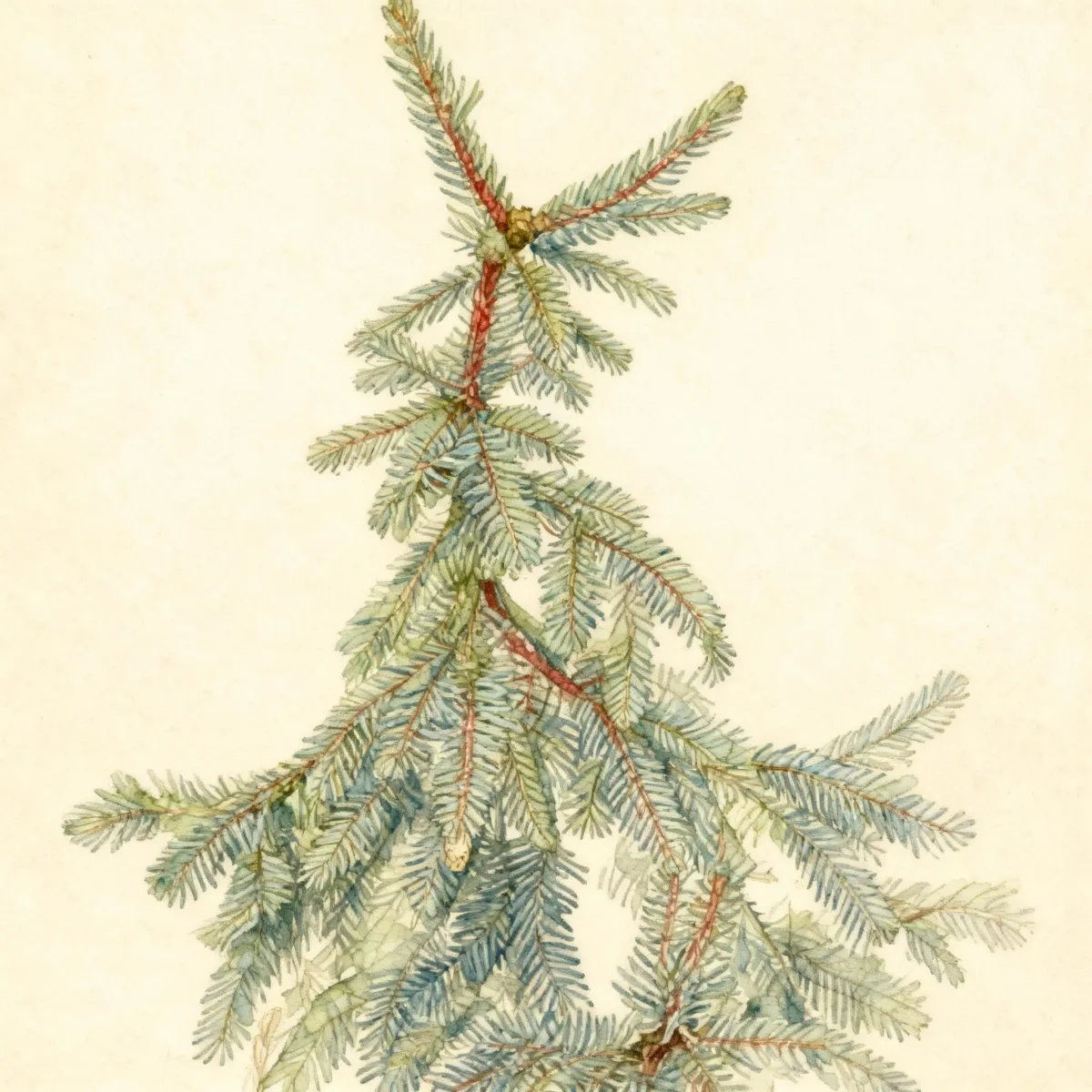
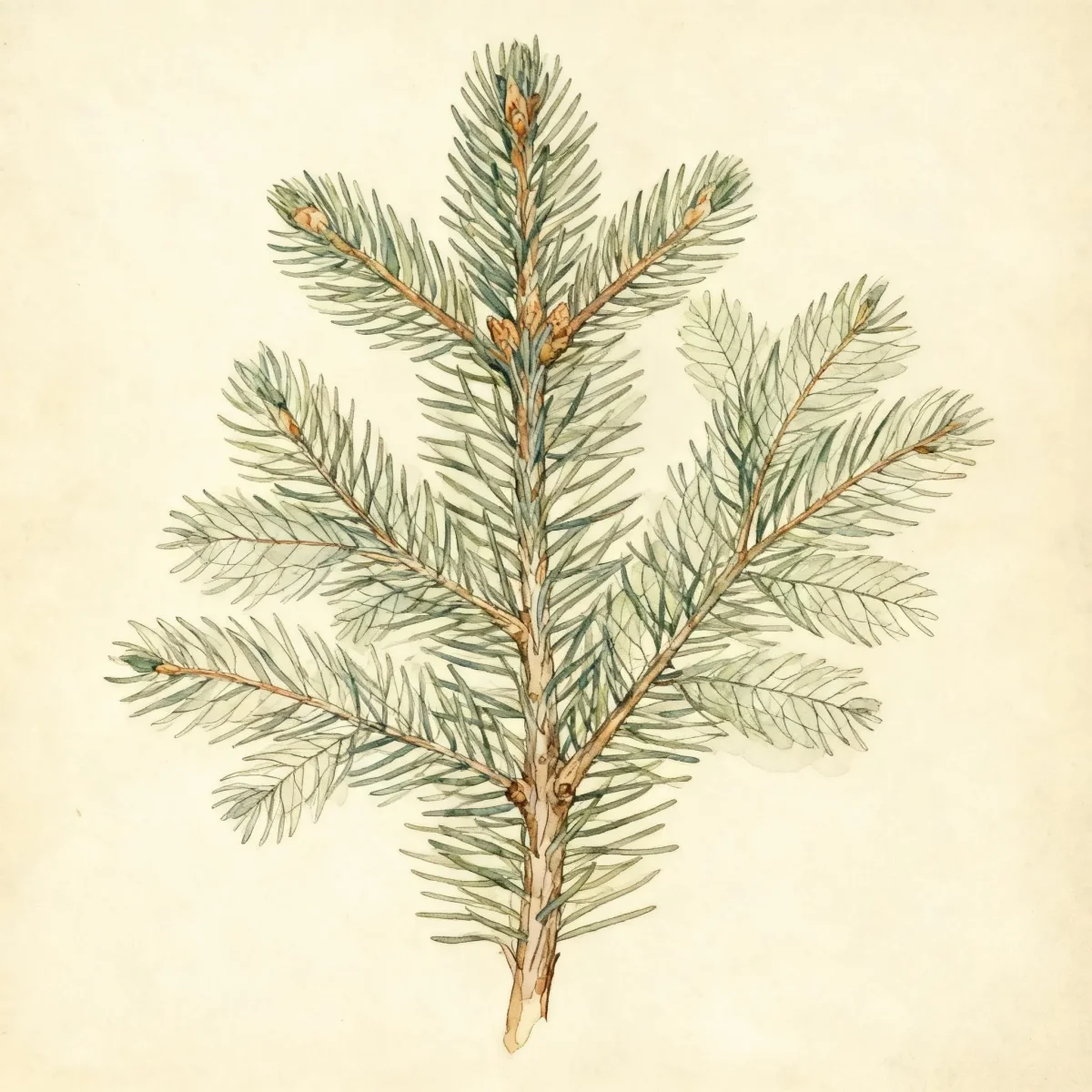
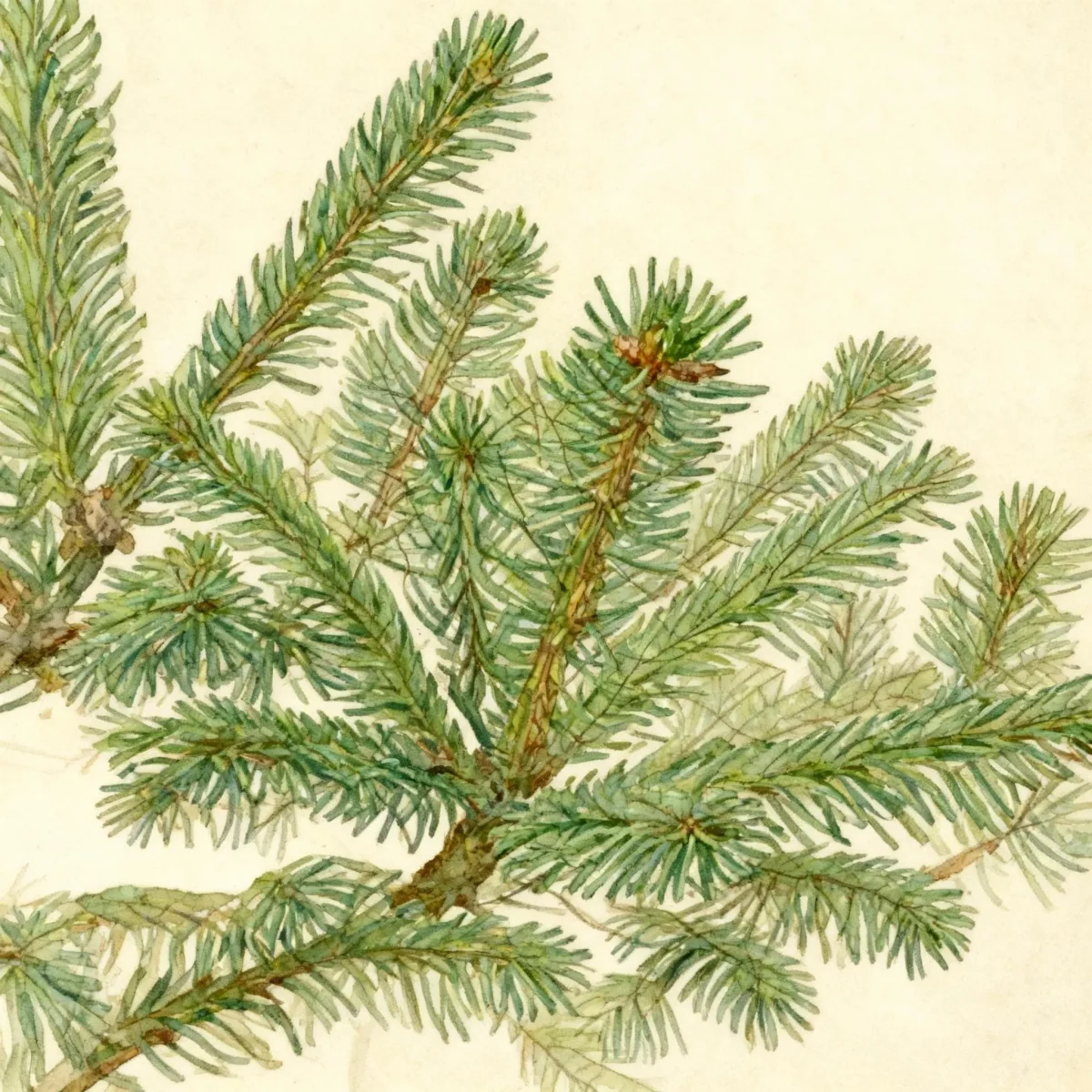
This species is renowned for its year-round deep green to blue-green color provided by its flexible, four-sided needles. The bark is thin and scaly, often displaying interesting reddish-brown or purplish tones, adding texture to the winter garden. As an important timber species in the Rockies, the Engelmann spruce brings a touch of rugged mountain grandeur to cooler garden settings.
Gardening challenges often arise outside its preferred native range; Picea engelmannii is intolerant of high heat and humidity, performing best in regions that mimic its cool, crisp mountain environment. With low maintenance requirements once established, the Engelmann spruce rewards thoughtful placement with decades of stately, pyramidal evergreen presence.
Fast Facts
- Plant Family: Pinaceae
- Plant Type: Needled evergreen
- Native Range: Western North America
- Hardiness Zones: USDA Zones 2-5
- Size at Maturity:
- Height: 70-100 ft
- Spread: 10-15 ft
- Bloom Time: Non-flowering
- Bloom Description: Non-flowering
- Sun Exposure: Full sun
- Water Needs: Medium
- Maintenance Level: Low
How to Grow
Planting Picea engelmannii should ideally occur in the spring or early fall, allowing the root system time to establish before extreme seasonal stress. Select a location that offers full sun exposure throughout the day. The ideal growing medium involves moist, well-drained clay loams, mimicking its native rocky mountain soils. Avoid areas suffering from poor drainage, as these conifers perform poorly if kept waterlogged, especially in heavy clay.
Water needs are medium; maintain consistent moisture, particularly for younger specimens, ensuring the soil does not dry out completely between waterings. Established Engelmann spruce requires minimal supplemental fertilizer, as overly vigorous growth can sometimes lead to weak wood structure. Pruning is generally unnecessary except to remove dead or damaged limbs; the natural conical form of the Picea engelmannii is its primary aesthetic asset.
Gardeners situated near the southern edge of its hardiness range, such as the St. Louis area mentioned in botanical notes, must exercise caution. These regions experience heat and humidity that the Engelmann spruce struggles to tolerate, leading to reduced vigor and slower growth rates. In these marginal zones, ensure excellent air circulation and diligent watering during summer droughts.
Landscape Uses
As a recommended use, the Engelmann spruce functions perfectly as a large specimen evergreen, commanding attention in an open lawn area where its full pyramidal shape can be appreciated. Its native history suggests it is best suited for cooler climates where its structure can mature without environmental stress. Due to its mature height, plan placement carefully, ensuring adequate clearance from structures and overhead wires.
This spruce works well in mixed evergreen borders, providing strong vertical contrast against lower-growing shrubs or broadleaf evergreens. When used in rustic or mountain-themed landscape designs, the Picea engelmannii serves as an anchor, evoking the wilderness of the Rocky Mountains. Given its slow growth rate, integrating it into any large design requires long-term planning for its substantial footprint.
Standout Features
Noteworthy Characteristics
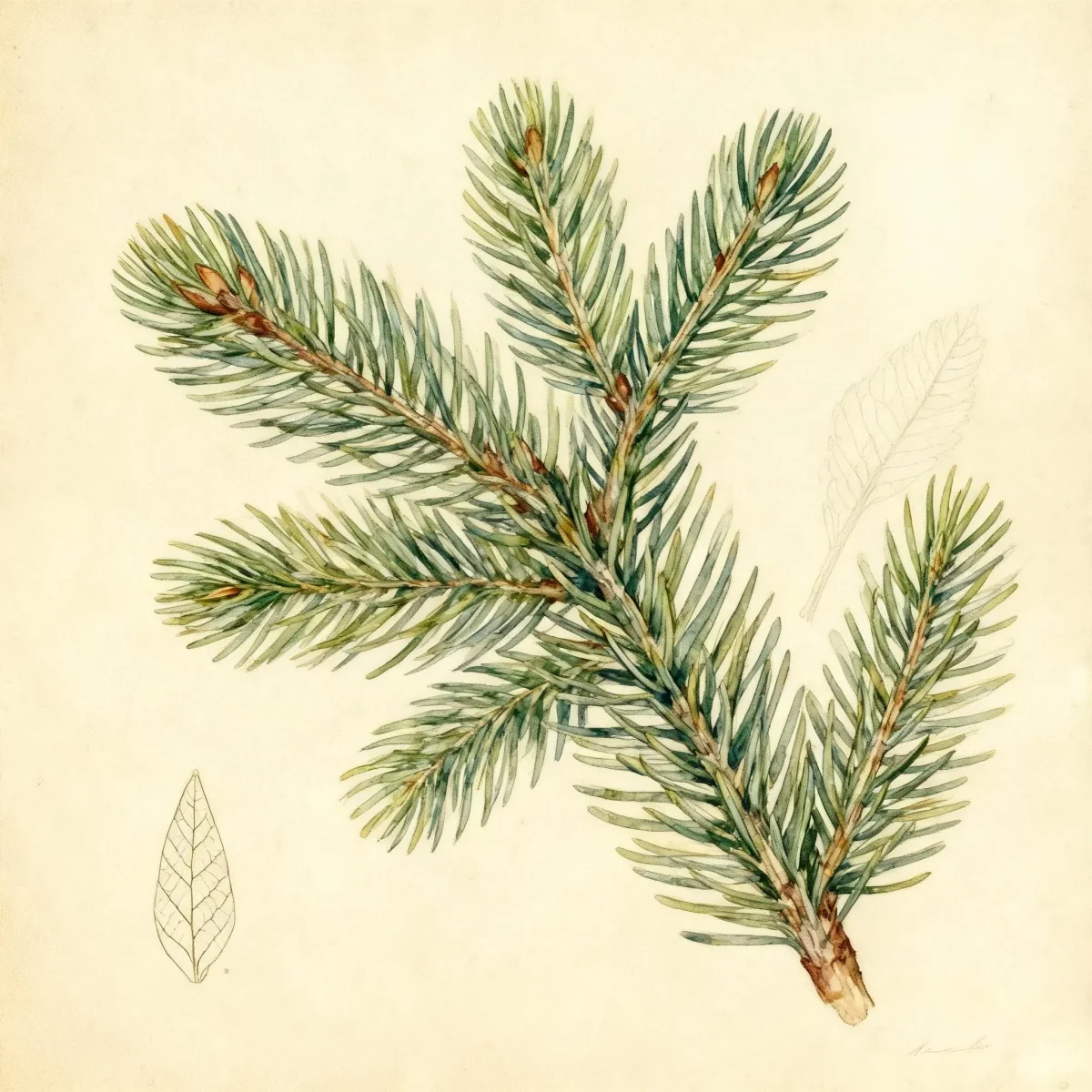
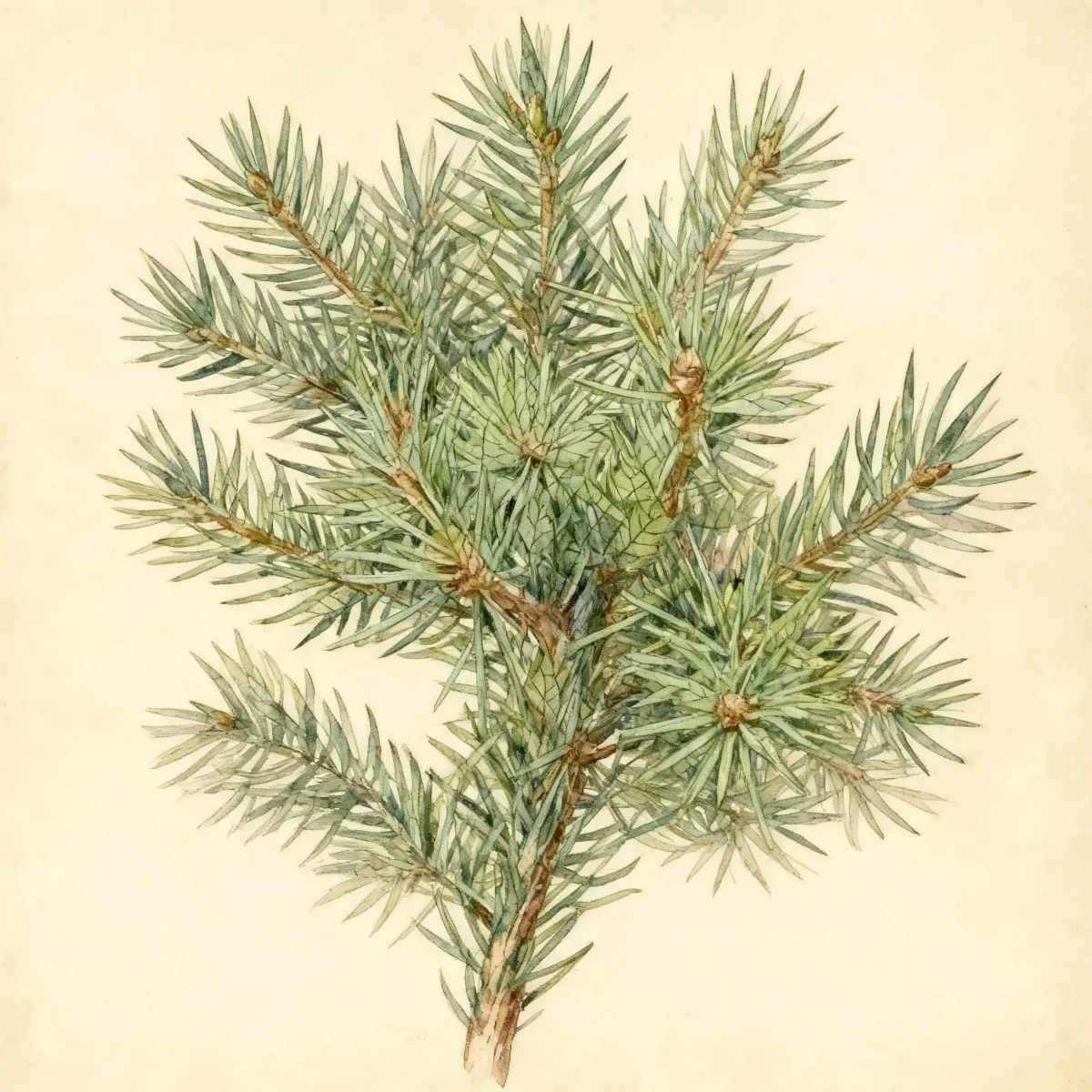
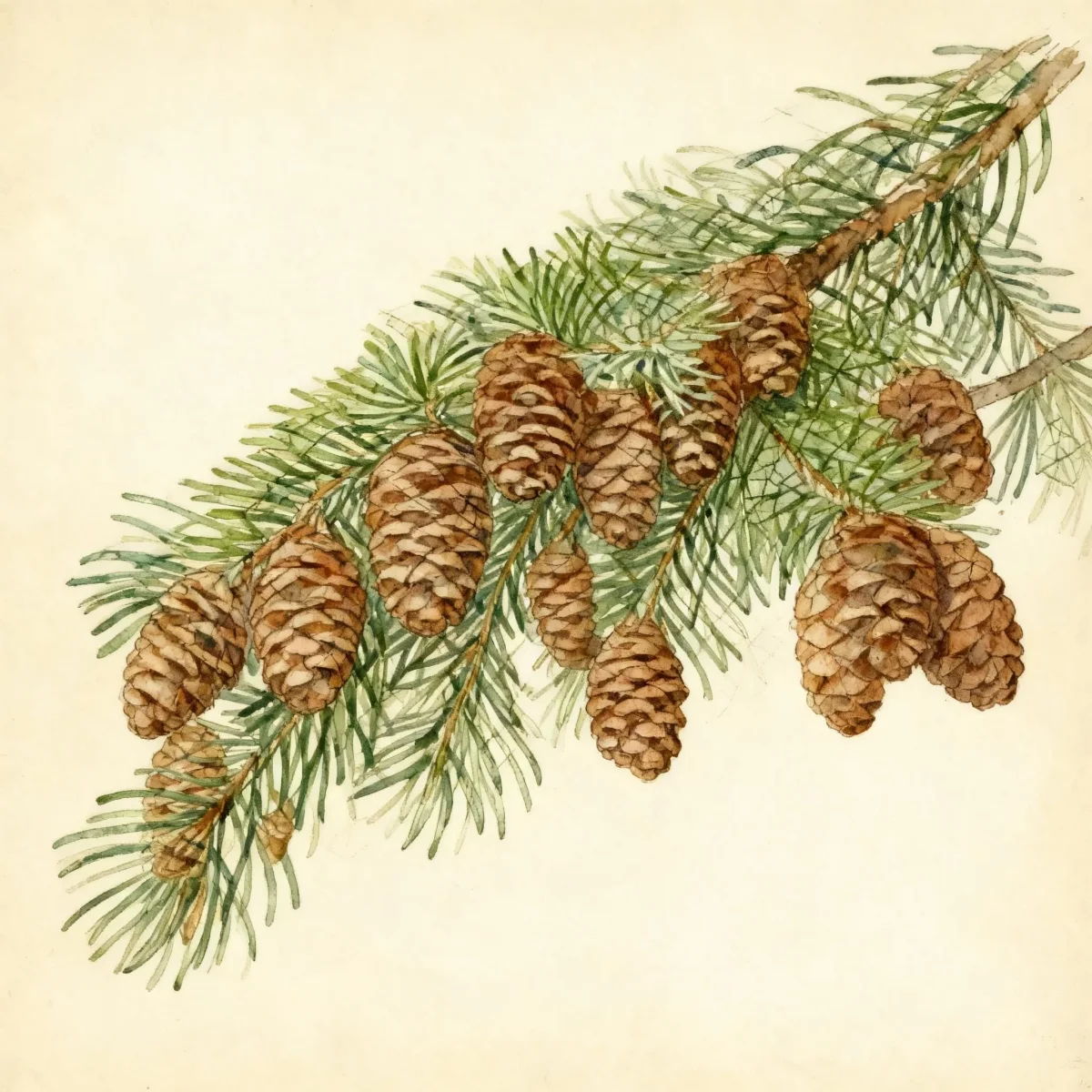
The presence of flexible, 4-sided needles distinguishes this tree; these needles measure up to 1 inch long and range from dark green to blue-green hues. The tree produces characteristic chestnut brown cones, reaching about 2.5 inches long, which feature delicate, paper-thin scales. The thin, scaly bark often shows hints of reddish-brown or a purplish tinge.
Tolerances
- Deer
Potential Problems
While generally robust, Picea engelmannii does face specific threats, particularly in compromised planting locations. Susceptibility to wood rot and brown rot indicates that drainage is paramount; constantly wet feet will rapidly invite fungal diseases that lead to decay. Arborists should also watch for spruce budworm, which can defoliate new growth if infestations become severe. Promptly removing infected wood can help manage small outbreaks.
Frequently Asked Questions
What hardiness zones is Engelmann spruce suitable for?
The hardiness zones for Picea engelmannii range from USDA Zone 2 to Zone 5, indicating exceptional cold tolerance suitable for northern and higher altitude regions.
How large does Engelmann spruce grow?
In ideal, cool-climate conditions, the Engelmann spruce may reach mature heights between 70 and 100 feet tall, with a spread of 10 to 15 feet.
What sun exposure does Picea engelmannii need?
This conifer requires full sun exposure to maintain dense foliage and healthy growth habits.
When does Picea engelmannii bloom?
Picea engelmannii is a non-flowering, needled evergreen; it produces cones instead of typical ornamental flowers.
Conclusion
The Engelmann spruce (Picea engelmannii) offers gardeners a stately, low-maintenance, cool-climate evergreen with impressive height and texture. Its adaptation to harsh conditions makes it a dependable pyramidal vertical accent where winters are severe. Before planting, carefully evaluate your site conditions, ensuring adequate sun exposure and excellent soil drainage to support this magnificent mountain native.
Companion Planting
When selecting companions for Picea engelmannii, prioritize plants that share its affinity for cooler microclimates and well-drained soil, avoiding species that require heat or high humidity. Consider native associates from the Rocky Mountain understory, such as various low-growing Vaccinium species or hardy ferns that appreciate the dappled shade cast by the maturing spruce. For lower borders, use contrasting textures like low-mounding junipers or creeping thyme near the drip line, ensuring these foundation plants do not compete aggressively for root space near the spruce base.
Seasonal Care Calendar
Spring is the critical time for checking on the Engelmann spruce after winter dormancy; clean up any fallen needles or debris from around the base (but leave a layer of mulch). During the dry summer months, although it prefers medium water, supplemental, deep watering during extended periods without rain is essential, especially for trees under 20 feet tall. In the fall, apply a fresh layer of bark mulch, avoiding piling it directly against the trunk flares, which helps insulate the roots against incoming severe winter cold.