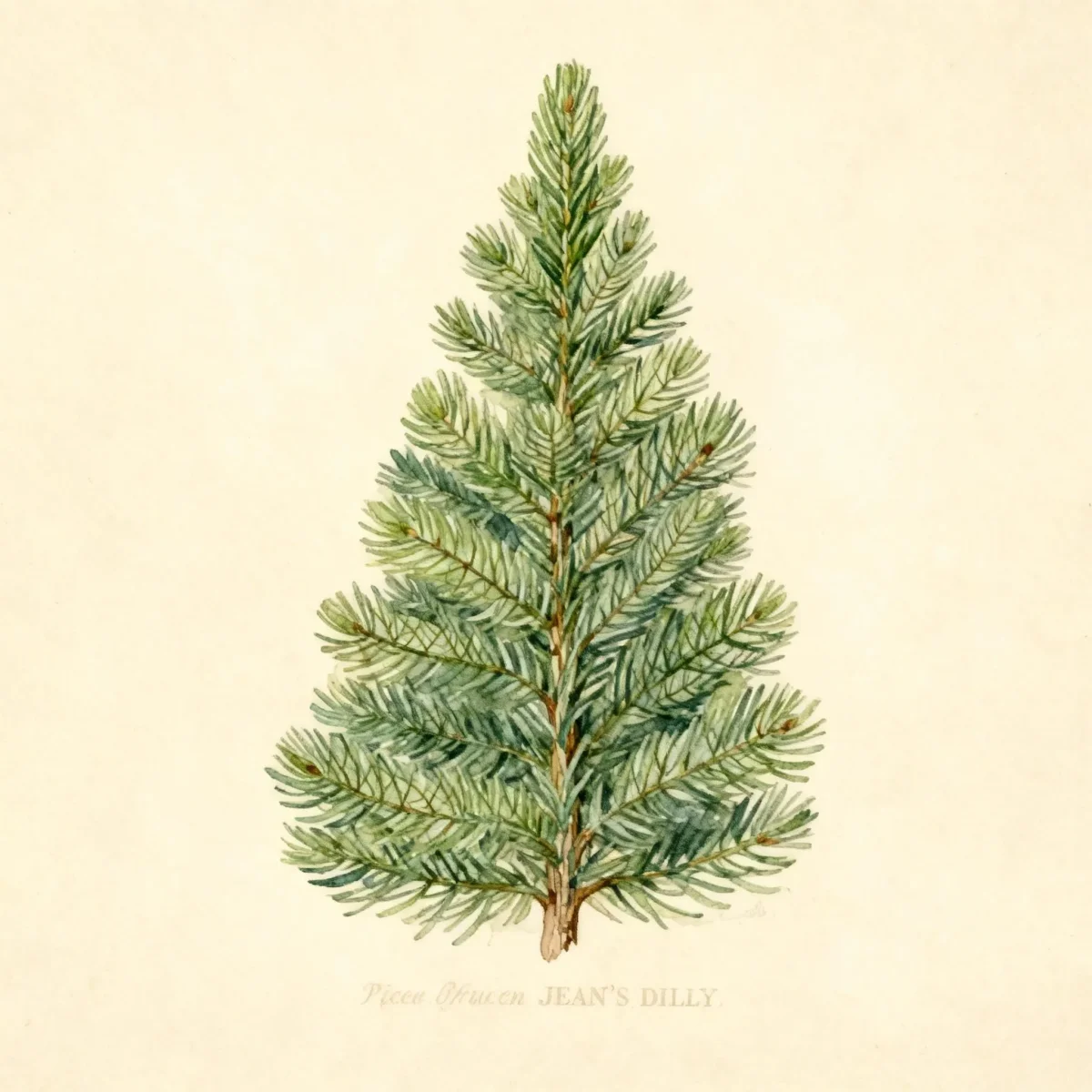
White spruce (Picea glauca)
Extremely hardy Picea glauca, White spruce, is a vital evergreen for cold climates, offering conical form and blue-green needles.
Scroll down to discover growing tips, care requirements, companion plants, and more
Complete Plant Information
Overview
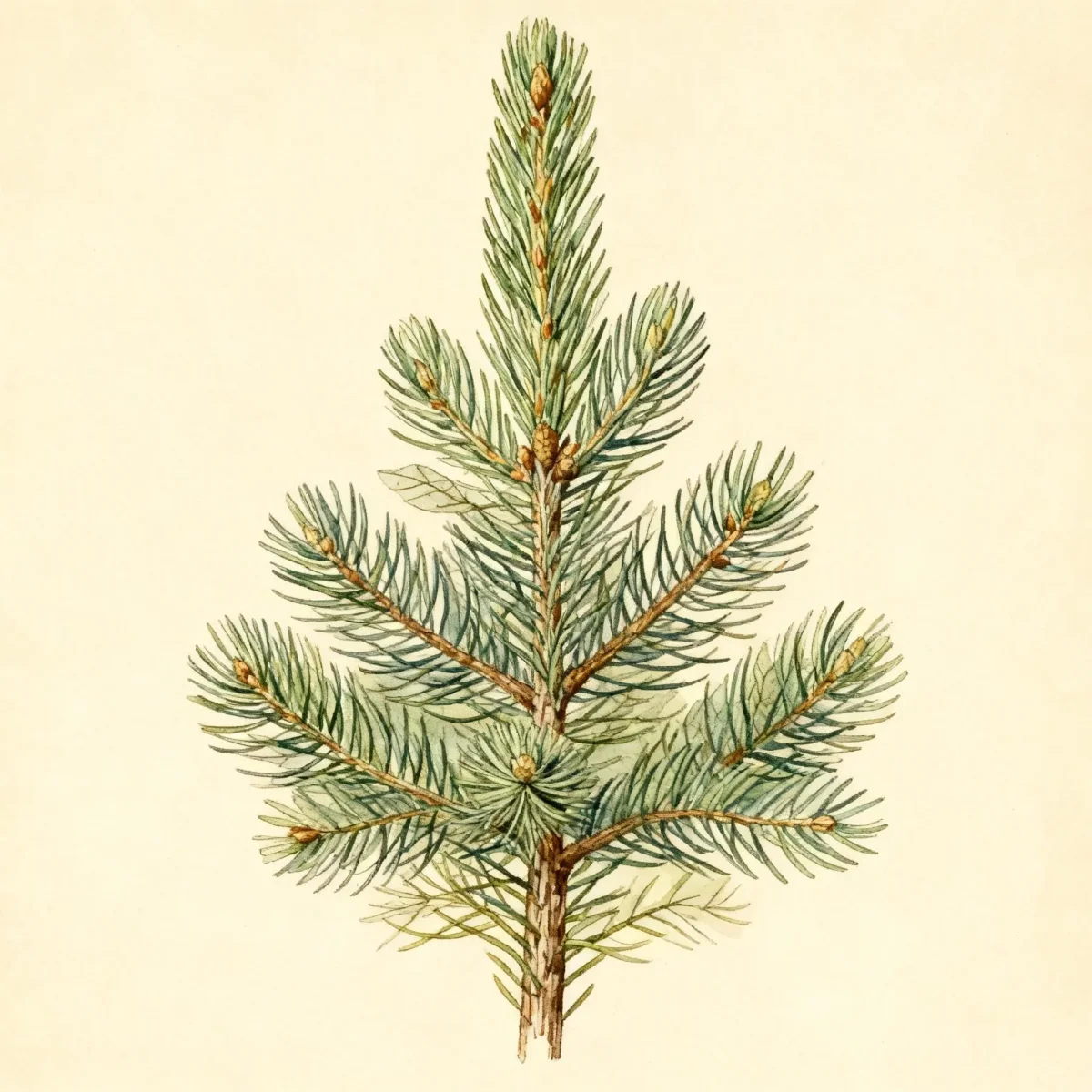
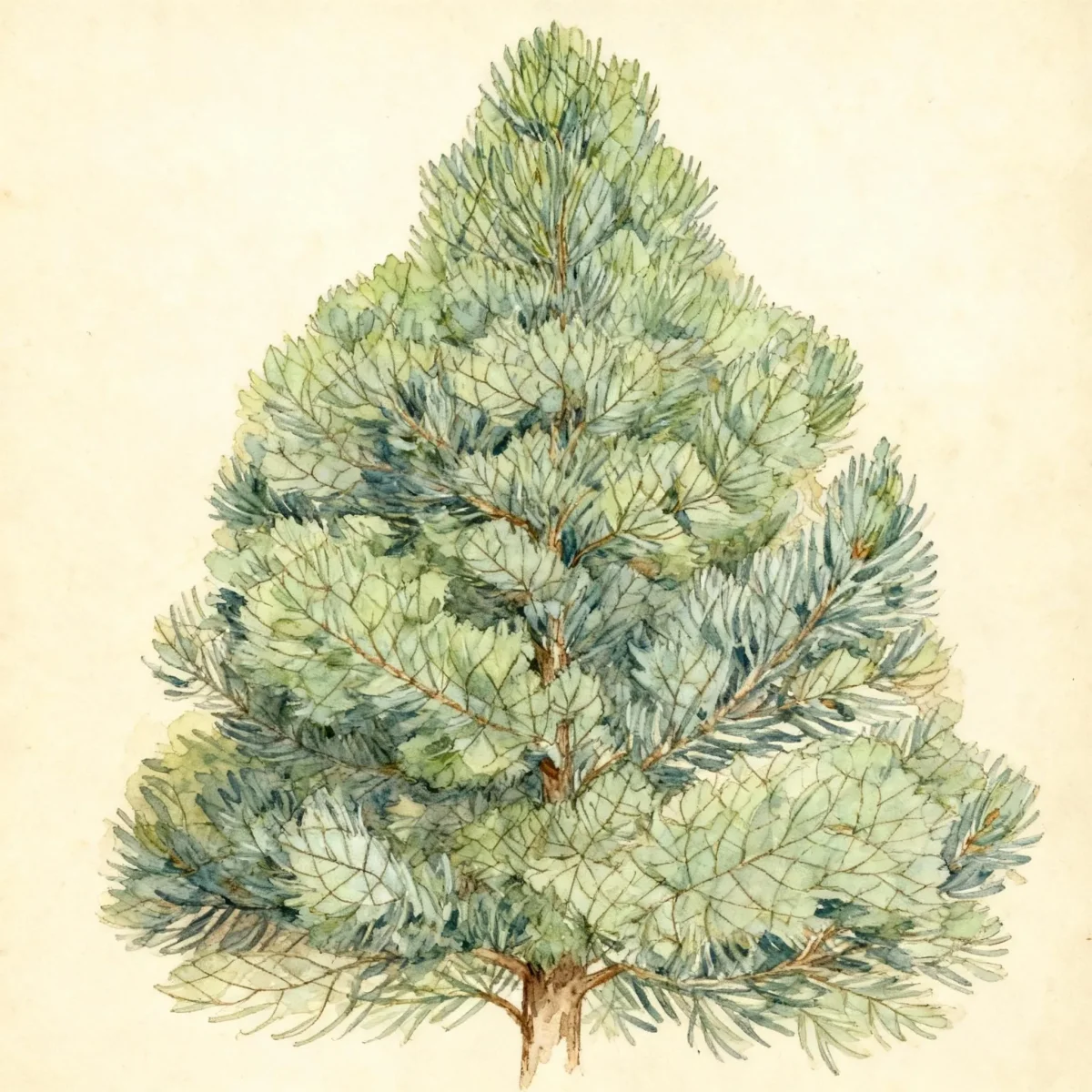
The White spruce, scientifically known as Picea glauca, is an exceptionally hardy needled evergreen celebrated for its dense, pleasingly conical shape that holds form well into maturity. Native to the vast boreal forests of North America, this tree thrives in cooler climates, making it a foundational species where severe winters are the norm. Its aesthetic appeal is enhanced by blue-green needles that bear a distinctive whitish, waxy bloom, giving rise to its common name.
Picea glauca provides year-round structure and visual weight in the landscape, serving as an excellent backdrop or focal specimen. While it can reach considerable heights, it maintains a reliable form, contrasting beautifully with deciduous plantings. Gardeners should recognize its preference for cold, consistent conditions, as this dictates its successful long-term cultivation outside its native range.
Functionally, the White spruce offers excellent screening capabilities due to its dense habit. It is an extremely resilient conifer once established in suitable cool environments. However, potential growers in warmer zones must be aware of limitations, especially regarding high heat and humidity, which compromise the overall health and vigor of Picea glauca.
Fast Facts
- Plant Family: Pinaceae
- Plant Type: Needled evergreen
- Native Range: Canada, northern United States
- Hardiness Zones: USDA Zones 2-6
- Size at Maturity:
- Height: 40-60 ft
- Spread: 10-20 ft
- Bloom Time: Non-flowering
- Bloom Description: Non-flowering
- Sun Exposure: Full sun
- Water Needs: Medium
- Maintenance Level: Low
How to Grow
The best time to plant the White spruce is typically during the cooler, moist periods—early spring or fall—allowing the root system to establish before temperature extremes occur. This conifer demands its location provide full sun for best density, though it will tolerate some light shade. The most critical soil requirement for successful Picea glauca establishment is moist, well-drained conditions; avoid heavy, wet soils where root rot may develop.
Ongoing care involves maintaining consistent moisture levels, classifying its needs as medium water. Fertilization is rarely required if the soil is naturally fertile, but monitoring for signs of stress is important. Ensure excellent air circulation around the mature plant. Good airflow helps dry the dense foliage, mitigating conditions favorable for fungal issues.
Seasonal attention should focus on recognizing environmental limitations. Plants perform optimally in regions with cold winters and cool summers. In areas experiencing high heat and humidity, such as south of USDA Zone 6, Picea glauca will struggle significantly. Furthermore, be mindful that this species exhibits intolerance to urban stresses like salt spray and air pollutants, requiring careful site selection away from heavily trafficked or salted roadsides.
Landscape Uses
The robust, upright nature of the White spruce makes it supremely valuable for functional landscape designs. Its primary recommendation is as a specimen tree, where its classic, stately silhouette can be appreciated individually. Due to its dense growth pattern and solid vertical presence, Picea glauca excels when employed as a natural, living windbreak or an effective visual screen.
When used for screening, plant several white spruce in an offset row to maximize density over time, creating an impressive, year-round privacy barrier. While it is generally too large for small gardens, in larger properties, it anchors foundation plantings or acts as bold backdrop elements against lower-growing shrubs. Its evergreen texture provides critical winter interest.
Consider pairing Picea glauca with plants that share similar needs for excellent drainage and robust cold tolerance. Avoid planting near limestone soils or areas prone to road salt runoff, as these conditions stress the tree quickly. The formality of the spruce lends itself well to traditional or woodland-edge garden designs.
Standout Features
Noteworthy Characteristics
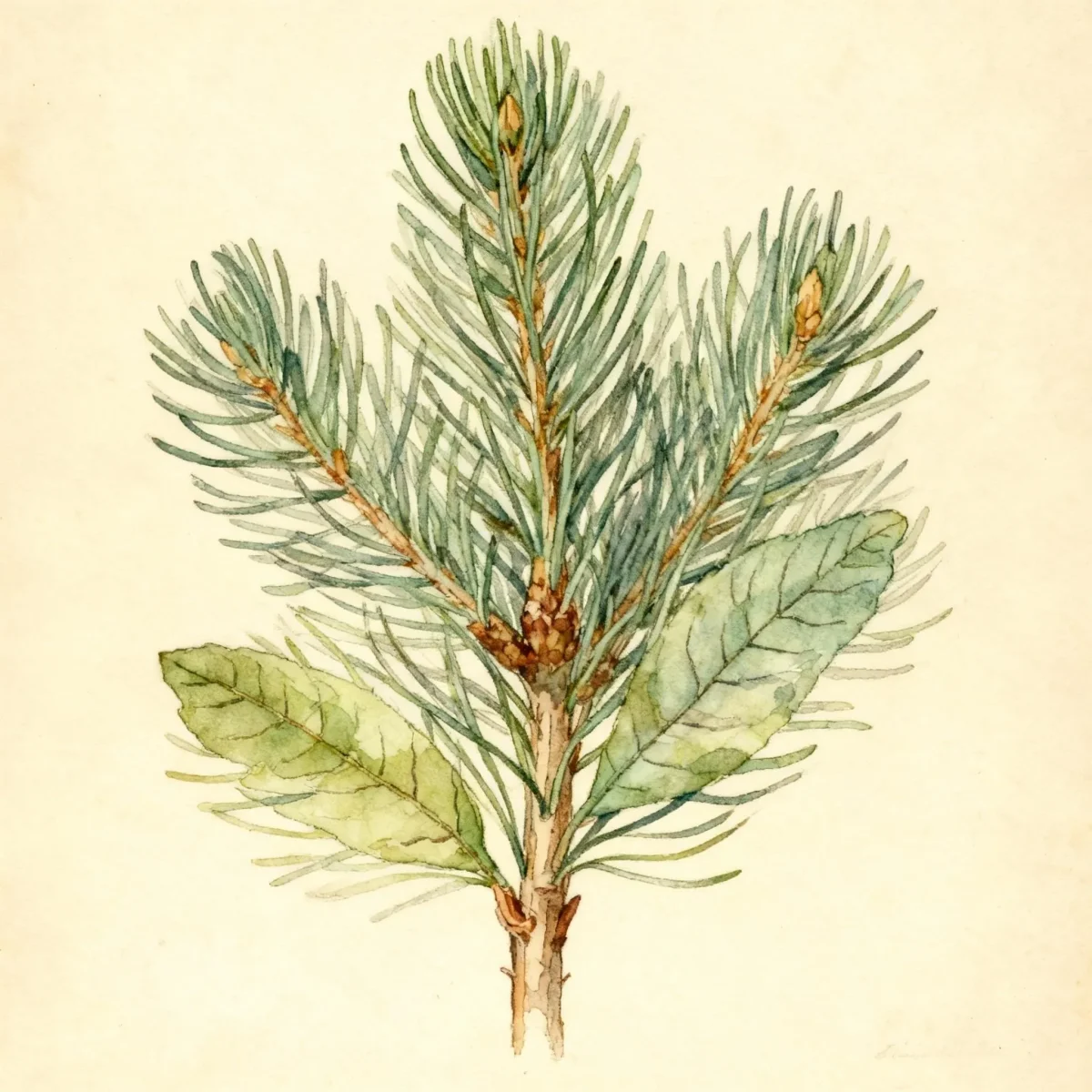
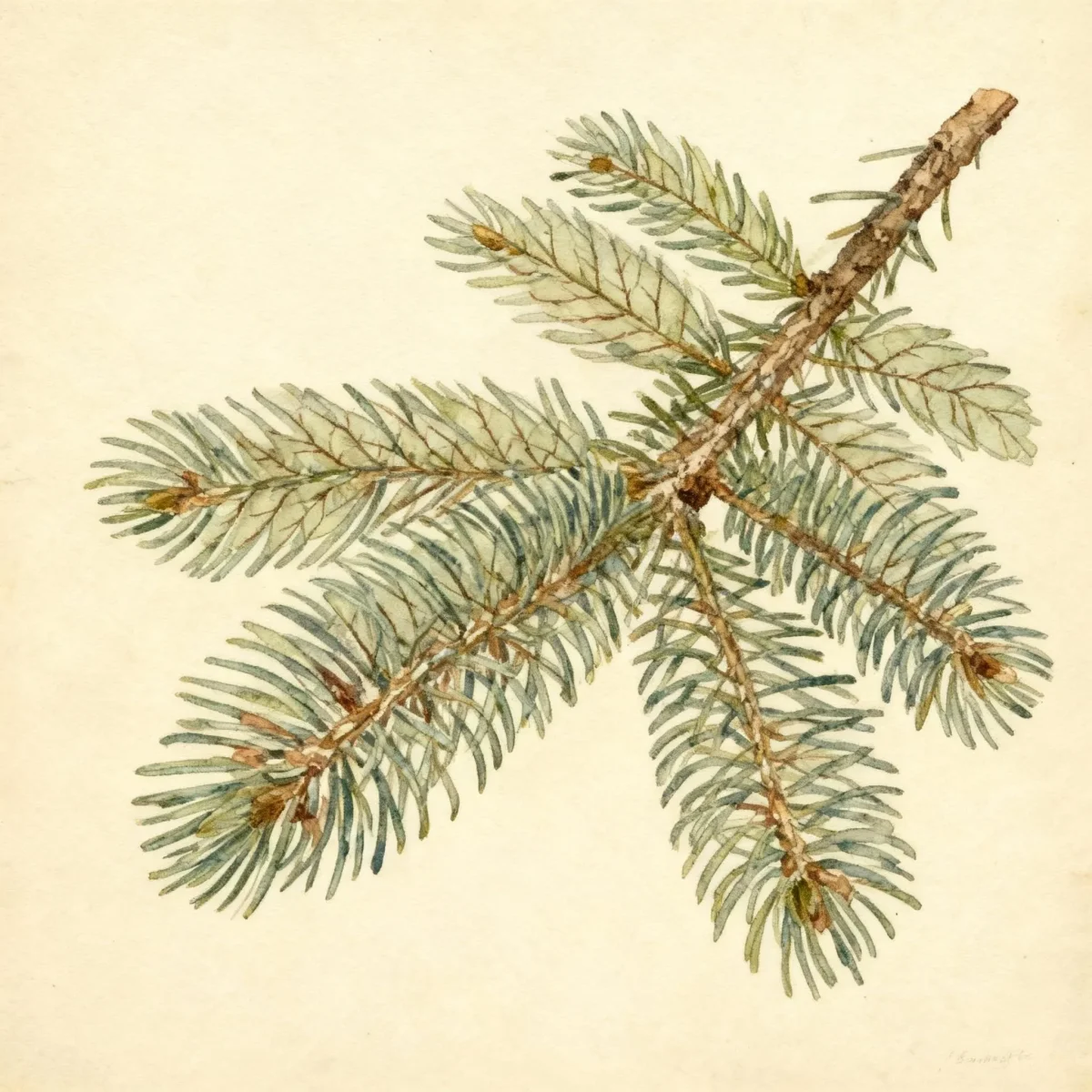
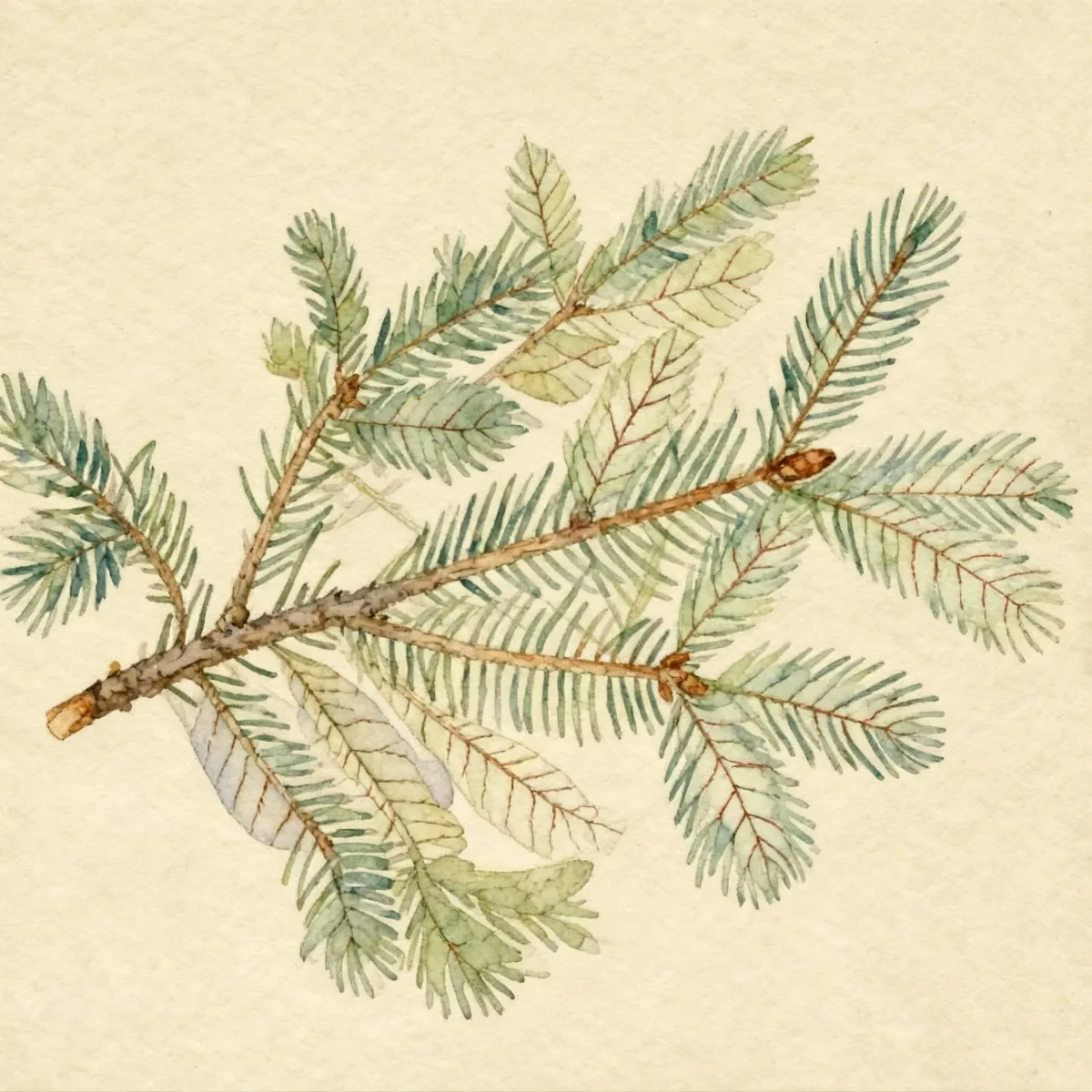
Picea glauca, commonly called white spruce, is an extremely hardy evergreen conifer native to upland areas and lake/stream margins stretching from Alaska across Canada to Newfoundland, dipping south into the Great Lakes states. This tree typically carries blue-green needles up to 3/4” long, which are pungently aromatic when crushed and feature a glaucous white waxy coating that gives the species its name. Cylindrical pale brown cones, up to 2.5” long, distinguish its reproductive cycle, while the genus name likely refers to the sticky pitch found on spruce bark.
Tolerances
- Deer
Potential Problems
The White spruce is generally regarded as having few serious, widespread insect or disease issues when sited correctly in cold climates. However, growers must remain vigilant for several potential threats that can emerge, particularly when the plant is stressed or located outside its preferred environment. Susceptibility includes fungal issues such as needle and stem rust, canker, and the more serious trunk and root rot, which are often exacerbated by poor drainage.
In some regions, specific pests can cause significant defoliation or structural damage. Keep an eye out for the yellow-headed spruce sawfly, the spruce budworm, and the eastern spruce beetle, which require targeted intervention if infestations become severe. Additionally, spider mites are common; repeated, heavy infestations can seriously injure the fine foliage of Picea glauca.
Management centers heavily on cultural practices. Ensuring the plant receives its required full sun exposure and maintains good air circulation helps reduce humidity and fungal load. Promptly remove affected needles and prune out diseased branches to maintain tree health and prevent the spread of pathogens like rust or canker.
Frequently Asked Questions
What hardiness zones is White spruce suitable for?
The White spruce (Picea glauca) is highly cold-tolerant and is suitable for USDA Hardiness Zones 2 through 6.
How large does White spruce grow?
At maturity, this species typically reaches a height between 40 to 60 feet, with a spread ranging from 10 to 20 feet wide.
What sun exposure does White spruce need?
Picea glauca requires full sun exposure to develop the most dense and healthy growth habit, although it can tolerate a degree of light shade.
When does White spruce bloom?
This needled evergreen is non-flowering; it does not produce colorful blooms, instead relying on cones for its reproductive cycle.
Conclusion
The White spruce proves itself a valuable asset for landscapes demanding dependable, year-round evergreen structure, particularly succeeding where hardiness is a primary concern. Its cold tolerance and classic form ensure that Picea glauca remains a cornerstone evergreen for northern garden designs. Before planting, confirm your location falls within USDA Zones 2-6 and select a site offering full sun and excellent drainage to maximize the life and beauty of your Picea glauca.
Companion Planting in Colder Climates
Since the White spruce thrives in cool, moist, well-drained conditions, it pairs excellently with other northern natives that appreciate similar cultural needs. Consider planting slower-growing, shade-tolerant understory shrubs like various lowbush blueberries (Vaccinium) or Labrador Tea (Rhododendron groenlandicum) near the drip line where some dappled shade occurs under the mature canopy.
For textural contrast at ground level, utilize hardy, moisture-loving perennials such as Astrantia or native ferns that appreciate rich, cool soil. Avoid pairing Picea glauca with broadleaf evergreens that prefer warmer, drier conditions, as the resulting competition for resources or microclimate mismatch will likely stress one or both species.
Seasonal Care Calendar
Spring is the ideal time for a foundational check-up for your White spruce. Inspect needles for any signs of winter burn or mite activity that may have developed during dormancy. Apply a slow-release balanced fertilizer only if soil tests indicate severe nutrient deficiencies, remembering that low maintenance is characteristic of this species.
During the summer months, focus exclusively on supplemental watering during extended dry spells, ensuring the ground receives a slow, deep soaking rather than frequent shallow watering. This encourages deep root growth, vital for long-term drought resistance in established individuals. Avoid heavy pruning during the heat of summer.
In autumn, before the ground freezes hard, ensure the tree has access to adequate moisture to avoid winter desiccation injury, especially if the previous summer was dry. Protect the base from deer browsing, if necessary—though the tree shows some natural tolerance—before heavy snows arrive. Winter care primarily involves protecting the area from excessive salt runoff if it is planted near driveways.