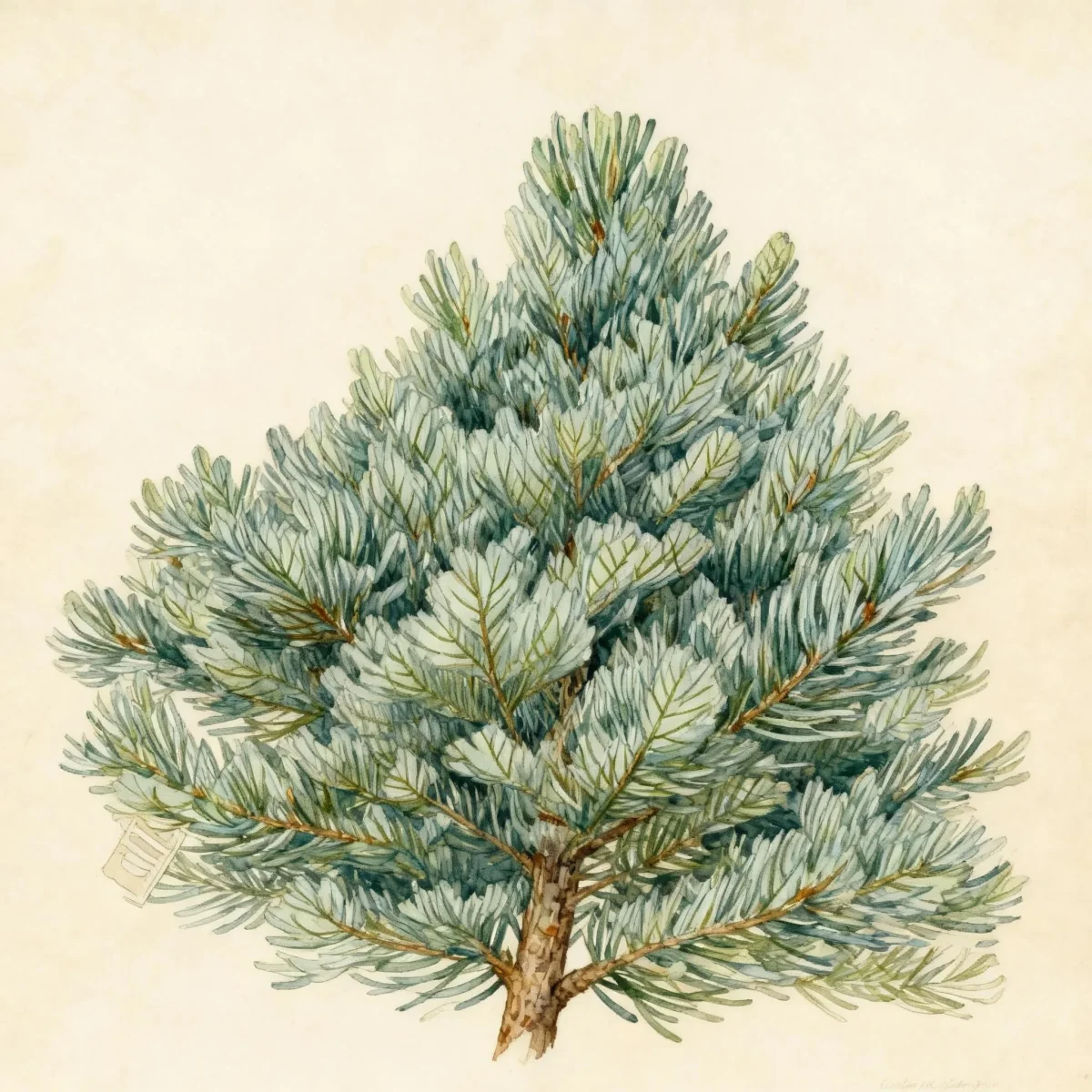
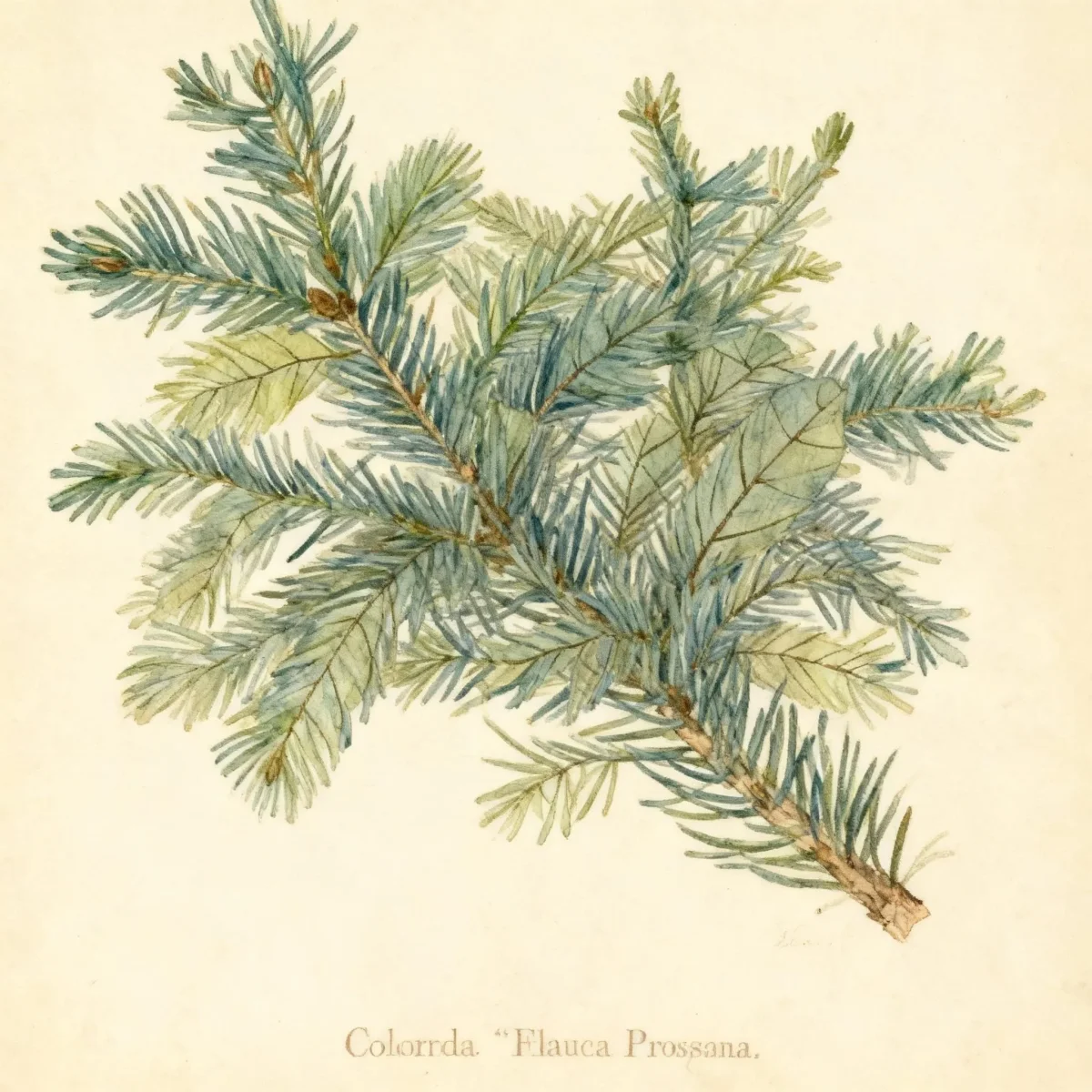
Colorado spruce (Picea pungens)
The striking Colorado spruce (Picea pungens) is a pyramidal evergreen famous for its blue-green needles and drought tolerance once established.
Scroll down to discover growing tips, care requirements, companion plants, and more
Complete Plant Information
Overview
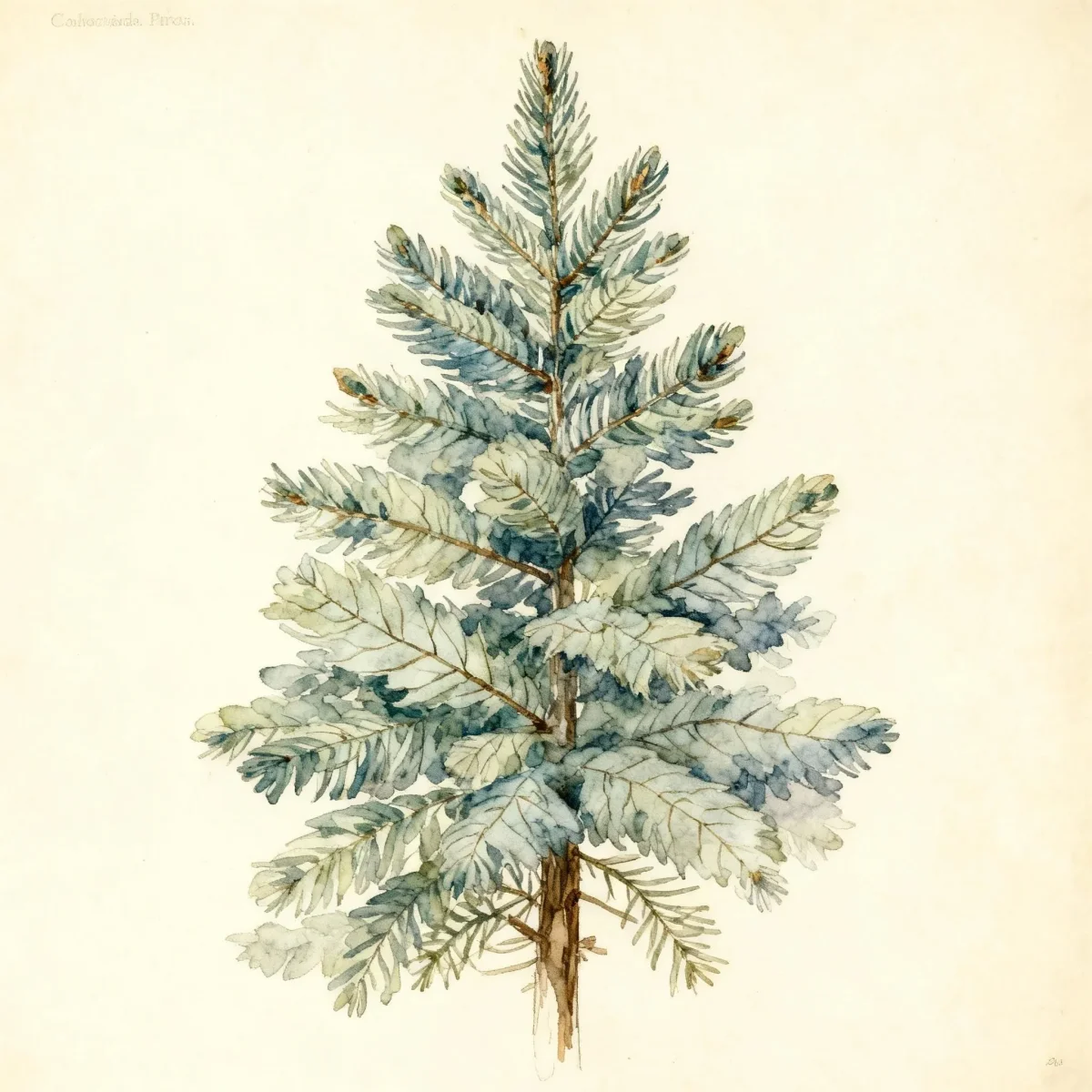
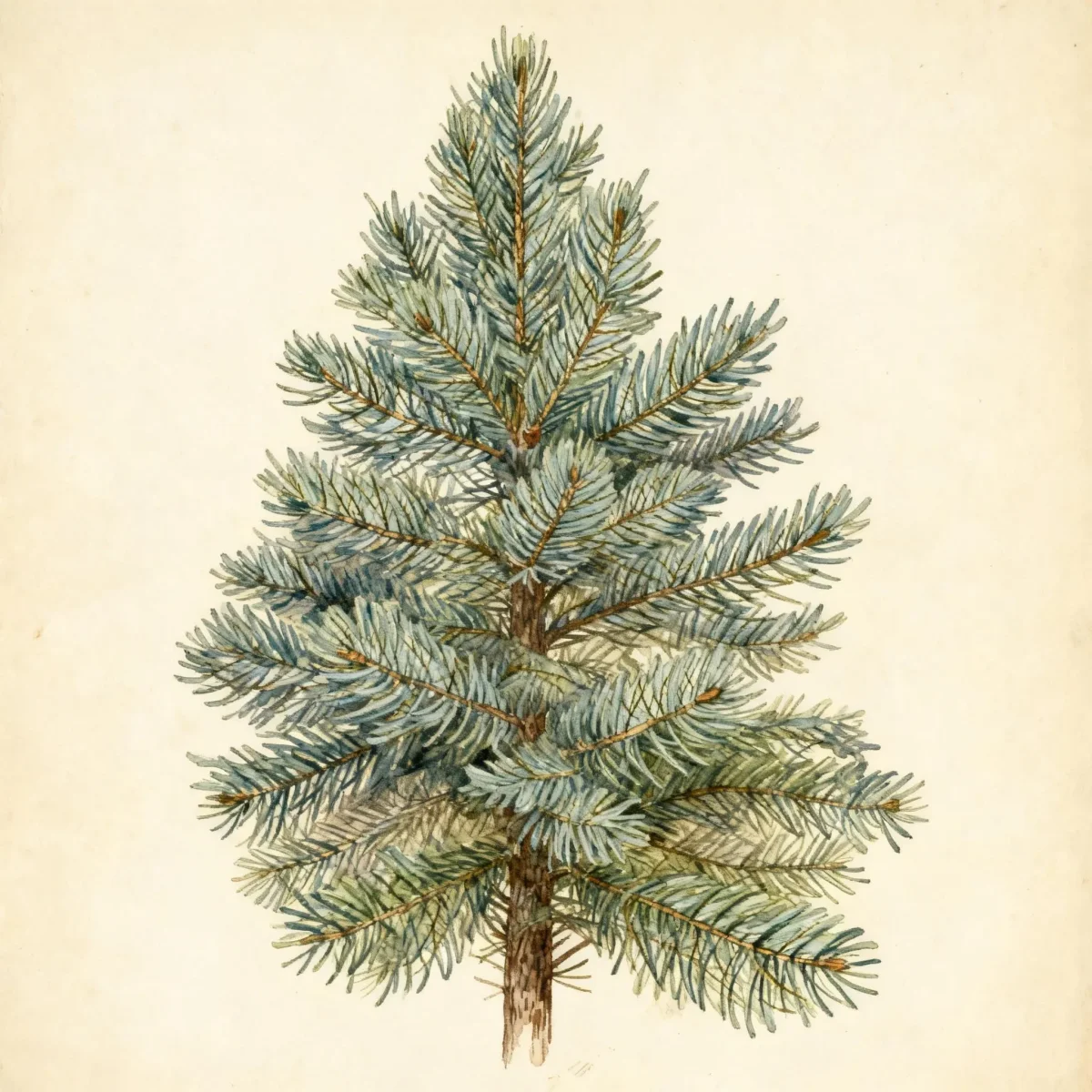
The Colorado spruce, scientifically known as Picea pungens, is a highly valued, slow-growing needled evergreen celebrated for its majestic pyramidal shape and often stunning silver-blue to blue-green stiff foliage. Native to the moist elevations of the Rocky Mountains, this specimen tree brings strong vertical interest and year-round structure to any large landscape. Its impressive stature makes the Picea pungens a commanding focal point.
While capable of reaching over 100 feet in its native habitat, cultivated specimens typically mature between 30 and 60 feet tall, offering substantial visual weight to expansive properties. Gardeners often favor cultivars based on the intensity of their needle color, as the blue-hued varieties are particularly coveted for contrast against green backgrounds.
Established Colorado spruce trees exhibit impressive toughness, tolerating significant environmental stressors once past their initial establishment phase. Due to its robust nature and magnificent form, the Picea pungens remains a classic choice for large residential properties, parks, and open institutional landscapes requiring low maintenance screening or impressive solitude.
Fast Facts
- Plant Family: Pinaceae
- Plant Type: Needled evergreen
- Native Range: Rocky Mountains
- Hardiness Zones: USDA Zones 2-7
- Size at Maturity:
- Height: 30-60 ft
- Spread: 10-20 ft
- Bloom Time: Non-flowering
- Bloom Description: Non-flowering
- Sun Exposure: Full sun
- Water Needs: Medium
- Maintenance Level: Low
How to Grow
Planting the Colorado spruce is best done in the spring or early autumn when temperatures are moderate, allowing the roots time to establish before summer heat or winter cold sets in. This conifer thrives in full sun exposure, which is crucial for developing the best needle color, though it can tolerate some light afternoon shade, especially in hot, humid climates. Picea pungens prefers average, acidic soils that are well-drained.
Consistent moisture is vital, particularly during the first few years of establishment. While mature established plants show some drought tolerance, ensure the soil stays consistently moist and never dries out completely during early growth phases. Avoid overly soggy conditions, as poor drainage can lead to root issues, but rich, moist soils are ideal for vigorous growth.
Maintenance for the Colorado spruce is generally low once properly sited. Pruning is rarely needed beyond removing damaged or dead lower branches. Avoid heavy pruning on mature trees, as conifers often struggle to regenerate growth on old wood. Be aware that this species generally prefers cooler climates and may struggle or decline in areas with persistently hot and humid summers.
Landscape Uses
The primary recommended use for the Picea pungens is as a prominent landscape specimen. Its perfect, narrow pyramidal shape and dense branching structure make it an excellent architectural accent tree, anchoring corners or providing vertical relief in large garden designs. While the species itself is large, observant gardeners often seek out many compact to dwarf cultivars, which are commonly sold and perfect for smaller scales or mixed evergreen borders.
When used as a specimen, ensure adequate space surrounds the tree to allow its full width to develop without encroaching on structures or other large plantings. Due to its dense habit, it also serves well as a formidable screen or windbreak, though selecting slower-growing cultivars might be preferable for property lines. Companion planting should focus on species that appreciate similar sun exposure and drainage, perhaps contrasting it with broadleaf deciduous trees or low-mounding shrubs beneath its wide canopy.
Standout Features
Noteworthy Characteristics
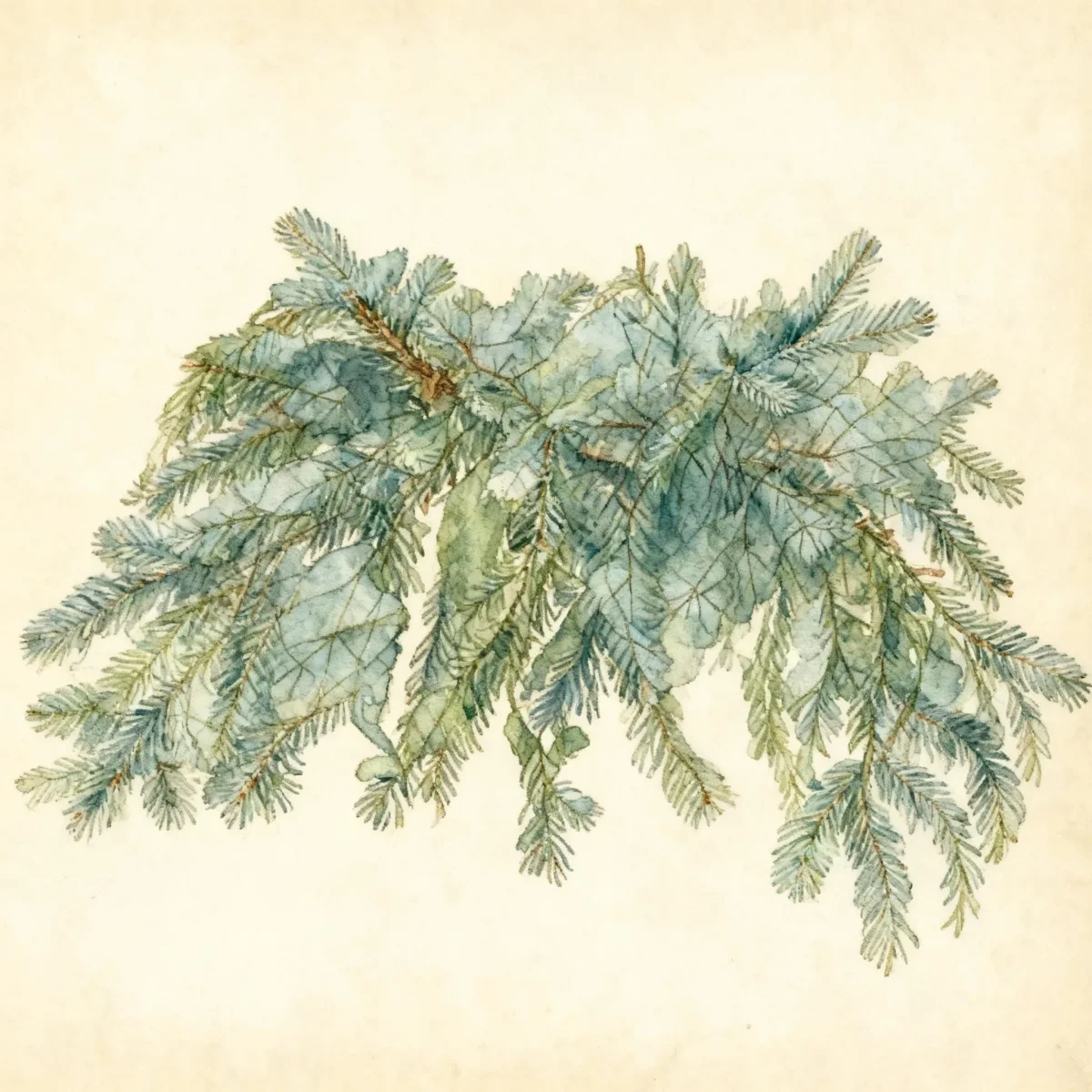
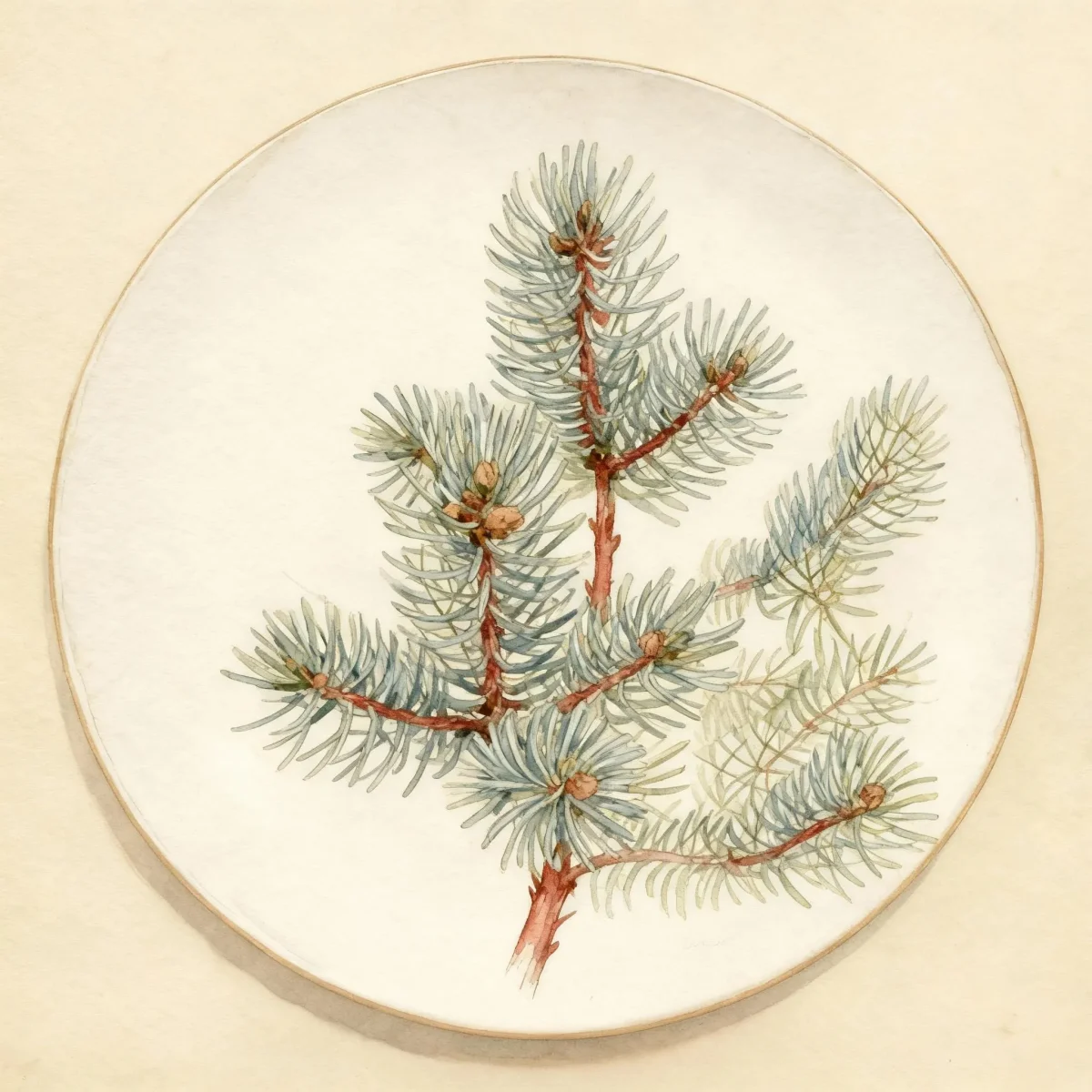
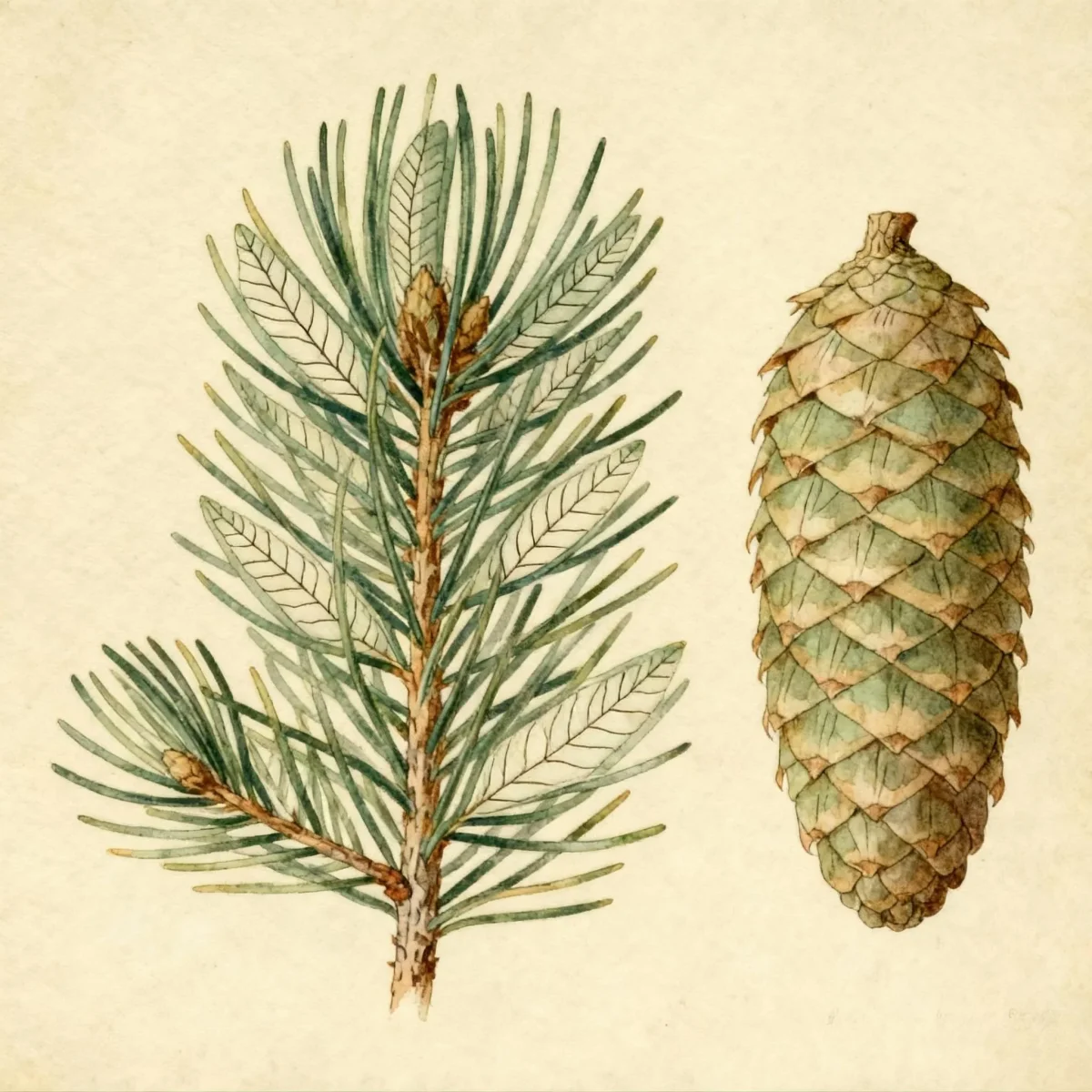
Picea pungens, commonly called Colorado spruce, is a medium to large, narrow, pyramidal conifer with horizontal branching extending fully to the ground. Its stiff, bristly, four-angled needles exhibit colors ranging from green to blue-green to a prized silver-blue hue. Cylindrical, light brown cones mature to about four inches long, featuring flexible scales, contrasting nicely with the dark gray, furrowed bark of mature specimens.
Tolerances
- Rabbit
- Deer
- Drought
- Air Pollution
Potential Problems
The main concerns for the Colorado spruce relate to fungal diseases, particularly in humid or crowded conditions. It is susceptible to needle cast, cytospora canker, and rust, which manifest as browning and loss of needles, especially lower down the trunk where air circulation is poor. Prevention involves ensuring proper spacing and avoiding overhead watering late in the day.
Pest management should focus on regular scouting for common threats. Watch closely for aphids, especially spruce gall aphids, which cause distorted growth tips, as well as scale insects, bagworms, and budworms. Spider mite invasions are also common, particularly when the tree is stressed by drought or heat, and can lead to significant stippling and browning of new growth.
Frequently Asked Questions
What hardiness zones is Colorado spruce suitable for?
Picea pungens is highly cold-hardy, making it suitable for USDA Zones 2 through 7.
How large does Colorado spruce grow?
In typical cultivation settings, the height ranges from 30 to 60 feet, with a spread of 10 to 20 feet.
Does Picea pungens flower?
No, this species is a non-flowering, needled evergreen conifer; it produces cones rather than flowers or fruit typical of broadleaf plants.
What sun exposure does Picea pungens need?
The Colorado spruce requires full sun to achieve the most desirable needle color and maintain dense growth.
Conclusion
The Colorado spruce remains a landscape staple due to its exceptional hardiness, impressive pyramidal form, and stunning blue-tinged needles. For gardeners in cooler, drier regions, this Picea pungens offers unmatched year-round structure with relatively low maintenance needs. Always confirm that your site offers full sun and well-draining soil before planting this magnificent evergreen.
Companion Planting
When selecting companions for the imposing Colorado spruce, focus on plants that thrive in full sun and do not compete excessively for soil moisture once the spruce is established. Low-growing, spreading perennials that thrive in slightly acidic soil can look wonderful beneath the lower branches, provided they are kept well clear of the trunk base to allow for necessary air circulation. Consider using plants with contrasting foliage textures, like the fine leaves of Japanese forest grass (if sited in partial shade beneath the canopy edge) or low-growing junipers that accentuate the stiffness of the spruce needles.
Seasonal Care Calendar
For successful long-term health of your Picea pungens, seasonal attention is beneficial. In early spring, before new growth begins, check the entire canopy for signs of winter damage or early insect activity, addressing any pest concerns immediately. Watering must be rigorously maintained throughout the first three summers, ensuring deep, slow soakings rather than frequent shallow sprinkles. In the fall, while the tree is not actively growing, ensure it receives adequate moisture before the ground freezes, as evergreens continue to transpire water throughout winter.