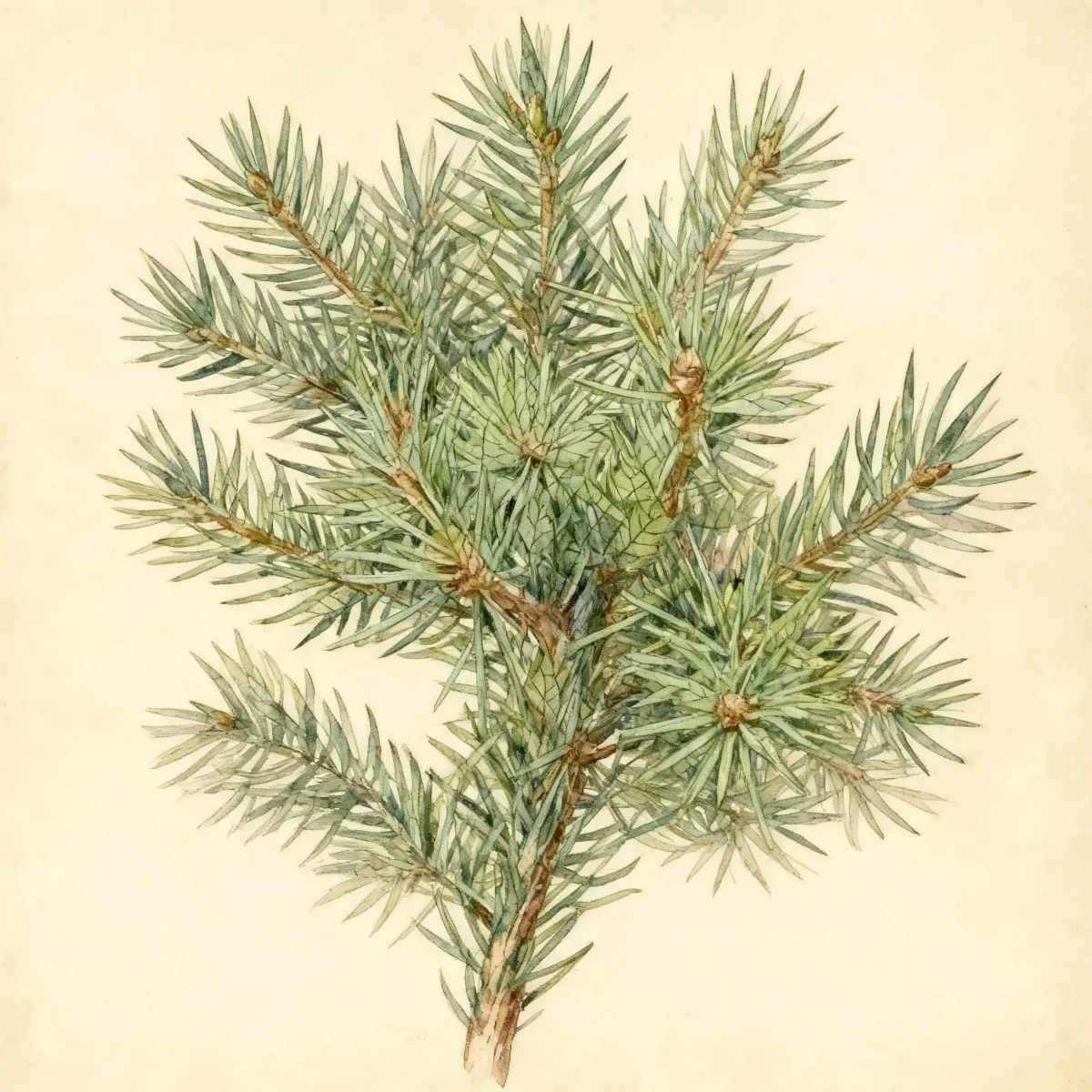
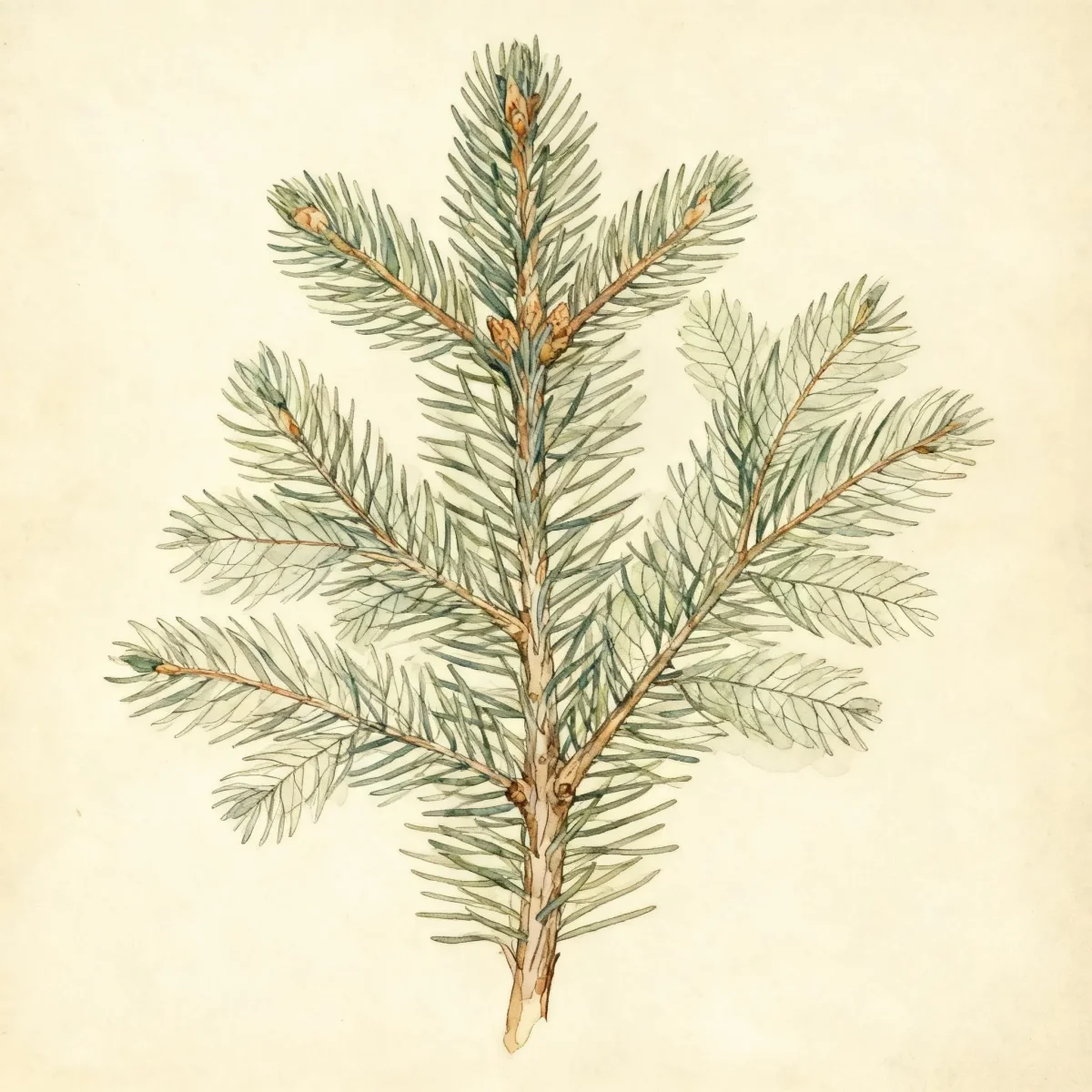
Jack pine (Pinus banksiana)
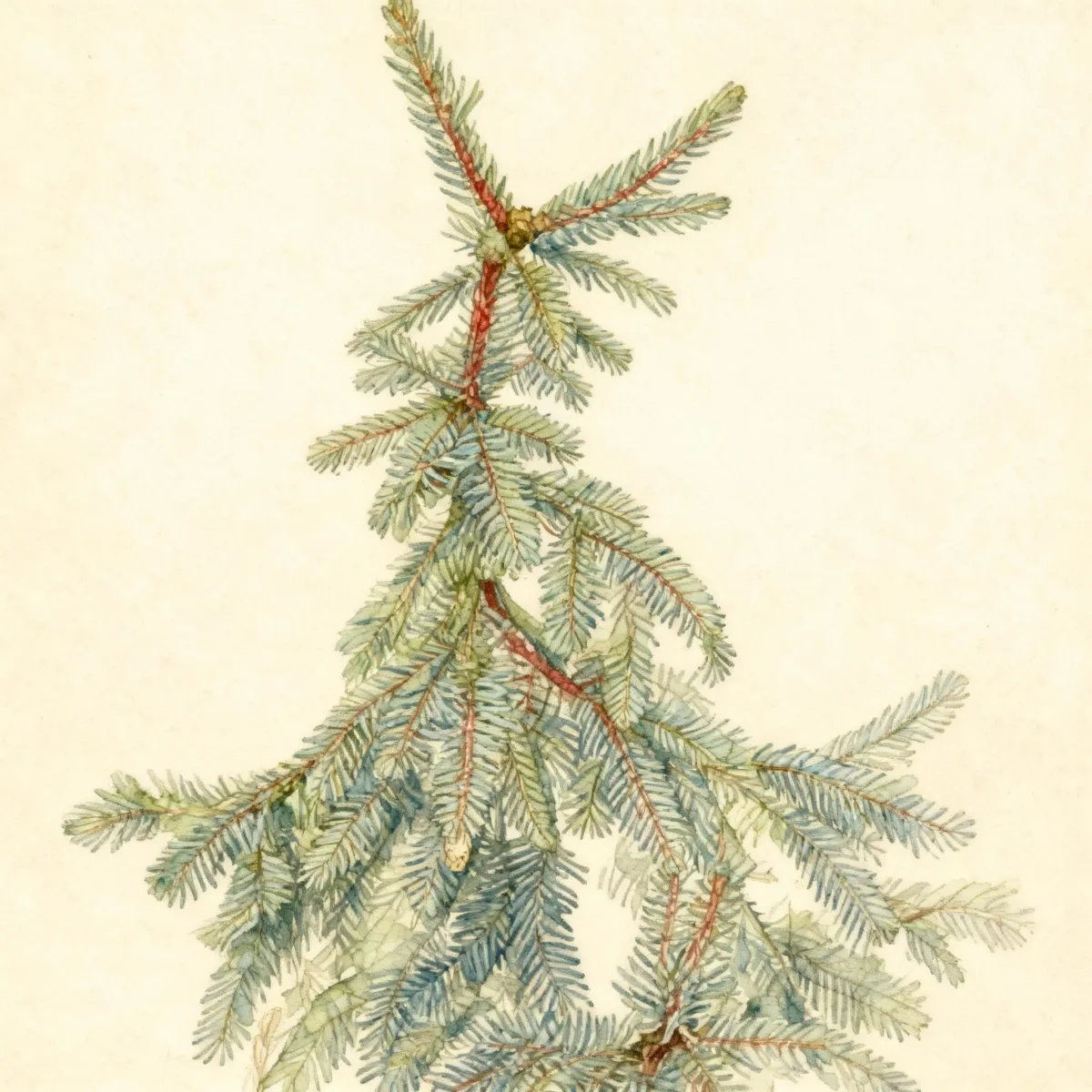
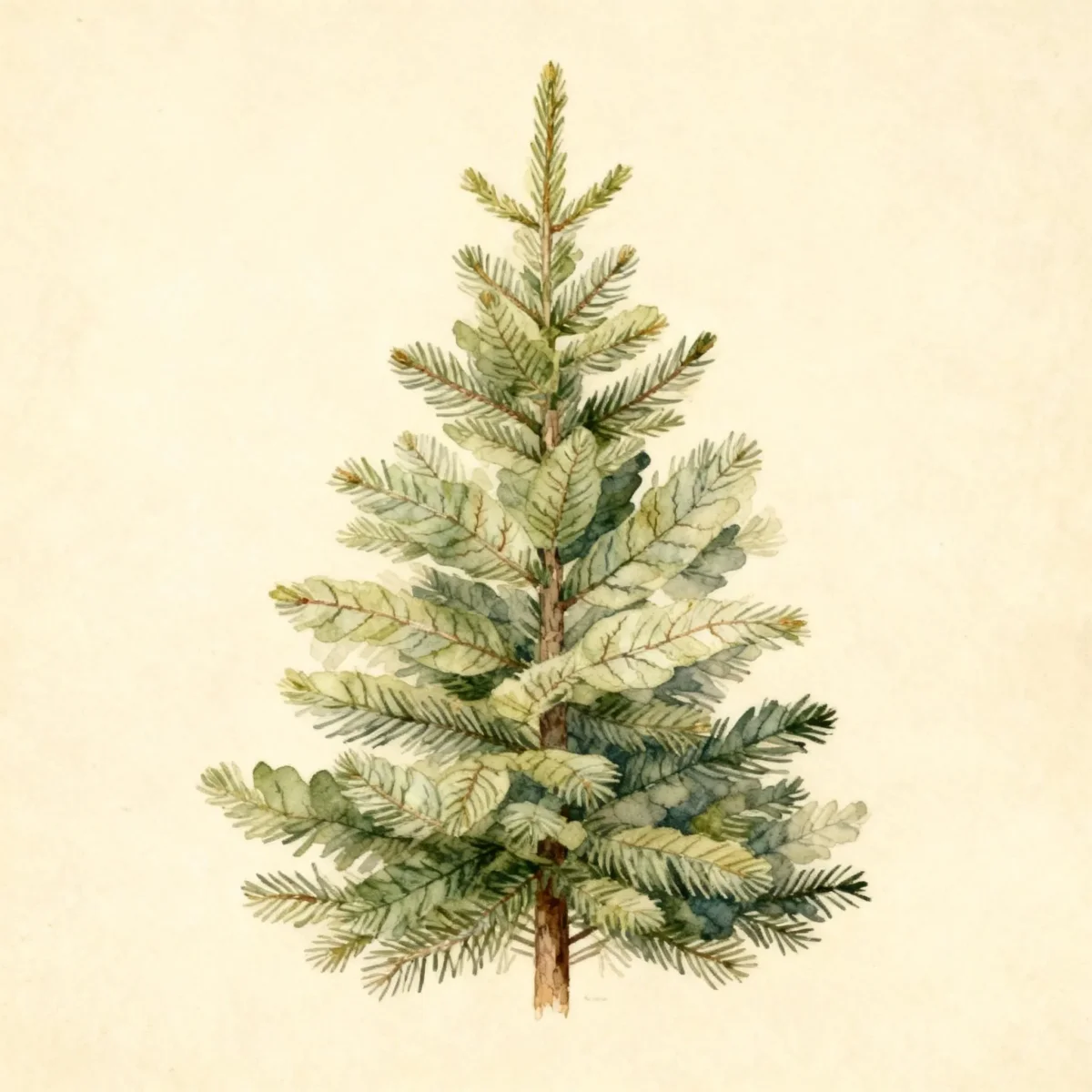
The Jack pine (Pinus banksiana) is a scrubby northern evergreen ideal for poor soils, noted for fire-dependent serotinous cones.
Scroll down to discover growing tips, care requirements, companion plants, and more
Complete Plant Information
Overview
The Jack pine (Pinus banksiana) is a distinctly hardy conifer, native to the northern extremes of North America, thriving where many other pines cannot establish. This is not typically an ornamental specimen due to its naturally scraggly form, but it offers immense ecological and utilitarian value, particularly in harsh, exposed landscapes. Known for its remarkable cold tolerance, the Pinus banksiana is often found on dry, barren plains where soil quality is minimal.
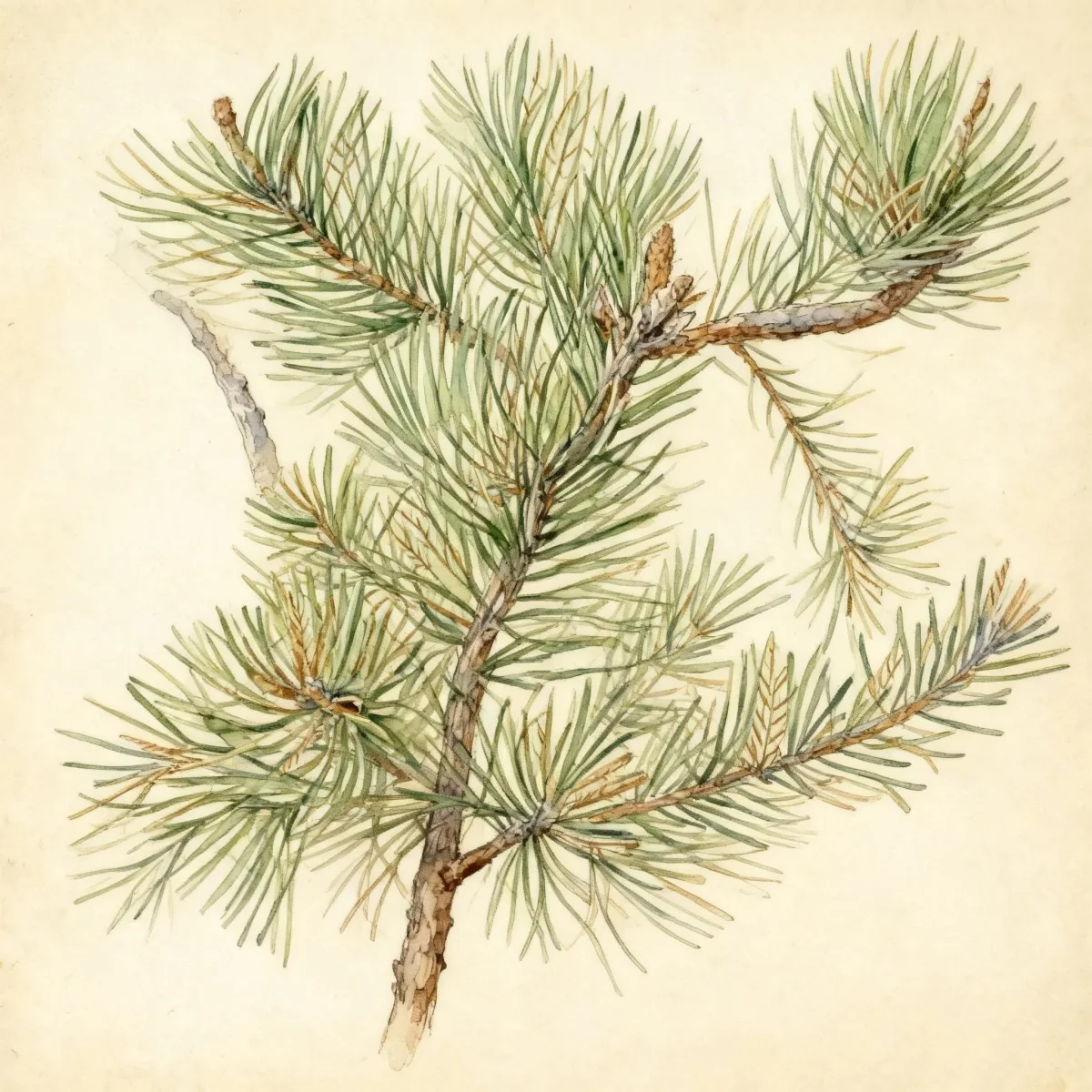
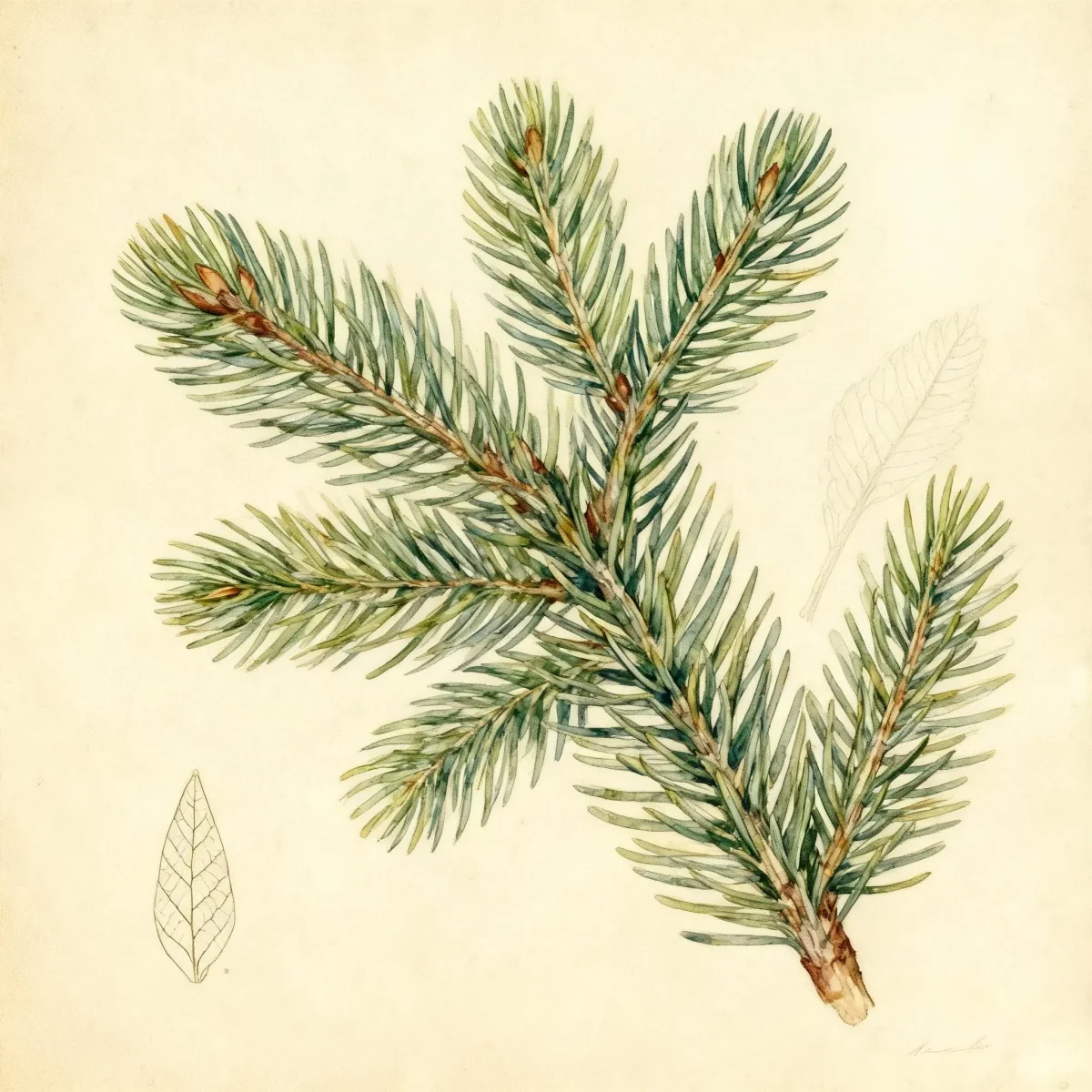
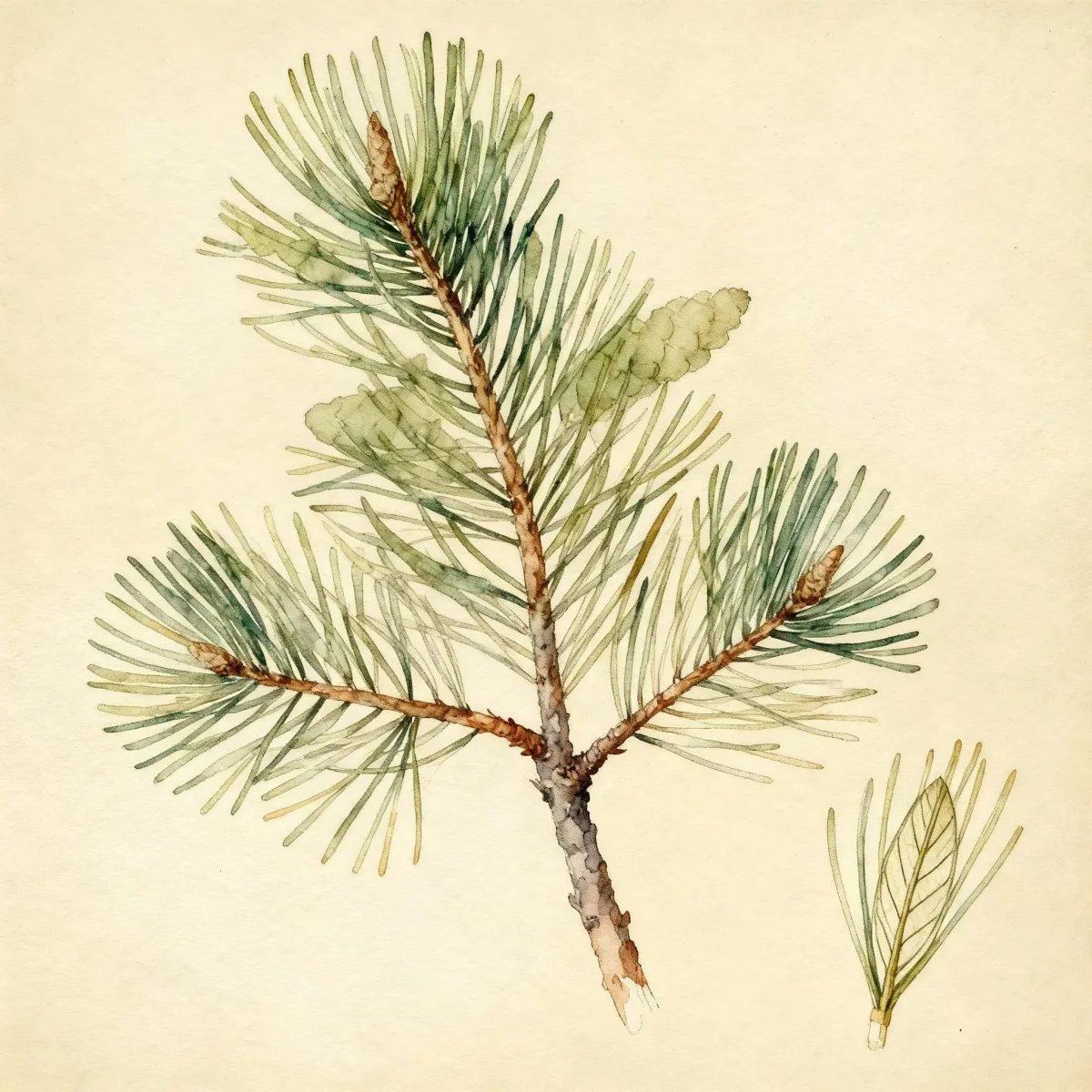
This small to medium-sized tree features short, stiff, olive-green needles paired in bundles of two. A unique feature contributing to its survival is its cones, which are often serotinous—sealed with resin and requiring the heat of a forest fire to open and release seeds. This survival mechanism makes the Jack pine a key player in post-disturbance forest regeneration across its native range.
Gardening for resilience is where Pinus banksiana truly shines. It demands full sun and tolerates a wide range of challenging soils, making it an excellent choice for land restoration projects or low-maintenance screening where superior aesthetics are secondary to ruggedness.
Fast Facts
- Plant Family: Pinaceae
- Plant Type: Needled evergreen
- Native Range: North America
- Hardiness Zones: USDA Zones 2-6
- Size at Maturity:
- Height: 35-50 ft
- Spread: 20-30 ft
- Bloom Time: Non-flowering
- Bloom Description: Non-flowering
- Sun Exposure: Full sun
- Water Needs: Medium
- Maintenance Level: Low
How to Grow
The Jack pine thrives when planted in average, well-drained, sandy loams, provided it receives unfiltered full sun exposure throughout the day. Due to its intolerance for shade, select a bright location away from deciduous tree canopies. While it demands good drainage, Pinus banksiana tolerates a surprisingly wide variety of soils once established, often preferring the poorer conditions that suppress competitors.
Watering requirements are medium; establish the tree with consistent moisture for the first few years. Once mature, this pine is quite drought-tolerant, aligning with its wild preference for dry plains. Avoid overly rich soil amendments or heavy fertilization, as this can compromise its natural resilience and encourage softer, less desirable growth patterns.
This species performs best in geographic areas characterized by cool summers and reliably deep winter cold. Gardeners in warmer, humid climates may find the Jack pine struggles. Minimal pruning is usually required; remove dead or damaged lower branches for a slightly cleaner appearance, but remember that lower branching often dies naturally due to shading, remaining attached to the trunk for a period.
Landscape Uses
While generally not recommended for formal specimen use, especially in areas with hot summers, the Jack pine excels in functional planting schemes. Its ability to anchor itself in poor, dry soils makes it invaluable for stabilizing slopes or improving aesthetics in highly compromised site conditions.
Consider planting Pinus banksiana as part of informal windbreaks or screens, particularly on the northern or western boundaries of a property where cold protection is needed. Because it develops an irregular, open habit with age, avoid planting it too close to structures or where dense privacy is desired.
When using it in a revised native landscape, pair it with other hardy, low-maintenance species suited to sandy or rocky soils, such as certain junipers or hardy groundcovers that naturally inhabit boreal or transitional zones. The coarse texture of the Jack pine provides excellent contrast against finer-leaved, sun-loving perennials.
Standout Features
Noteworthy Characteristics
Pinus banksiana, commonly called Jack pine, is a scrubby northern pine that is native throughout much of Canada from the Northwest Territories to Nova Scotia south to the Great Lakes and northern New England. It is particularly noted for its short, stiff, olive green needles (to 1.5” long) in bundles of two, its strongly-curved cones (to 2.5” long) and its ability to grow in poor soils. Closed cones are serotinous (sealed by resin), but will open after forest fires to distribute seed for new growth, an intriguing adaptation for natural propagation.
Tolerances
- Deer
Potential Problems
In climates that do not match its native habitat—specifically areas with hot summers—healthy, well-maintained Pinus banksiana trees can struggle, often showing signs of stress due to environmental conditions unfavorable to most pines. Common afflictions include needle cast, root rots, and rusts, which are often exacerbated by poor air circulation or excessive moisture.
Insect pests can cause localized issues; the jack pine budworm is cited as a significant concern in certain regions. Gardeners should also monitor for common threats like sawflies, tussock moths, and the pine needle miner. Vigilance during early spring is important for spotting larval activity.
Management focuses on prevention through proper placement—ensuring cool summer conditions and sharp drainage. If pests are noted, early identification allows for targeted treatment before significant needle loss occurs, helping maintain the vigor of your Pinus banksiana.
Frequently Asked Questions
What hardiness zones is Jack pine suitable for?
The Jack pine is highly adaptable to cold weather, thriving in USDA Hardiness Zones 2 through 6.
How large does Pinus banksiana grow?
This conifer usually reaches mature heights between 35 and 50 feet tall, with an average spread ranging from 20 to 30 feet wide.
What sun exposure does Pinus banksiana need?
This hardy tree requires consistently bright conditions and demands full sun exposure to develop properly.
When does Jack pine bloom?
Pinus banksiana is classified as non-flowering, as it is a conifer producing cones rather than true flowers.
Conclusion
For gardeners needing a tough, low-maintenance evergreen capable of weathering harsh winters and surviving in deficient soils, the Jack pine (Pinus banksiana) offers unmatched ruggedness. Its unique serotinous cones and preference for poor organic material make it a crucial ecological component in northern landscapes. Before planting, confirm your climate falls comfortably within USDA Zones 2-6 to ensure this resilient pine has the best chance to flourish.
Companion Planting
When planning a planting scheme around the Pinus banksiana, focus on species that share its affinity for full sun and well-drained, even lean, soils. Avoid moisture-loving companions, as overly rich soil can invite fungal issues in the Jack pine. Hardy, dry-land natives such as various species of Juniperus or certain drought-tolerant prairie grasses create an aesthetically honest composition that complements the rugged form of the pine.
Wildlife Benefits
While not a primary pollinator attractor due to being wind-pollinated and non-flowering, the Pinus banksiana offers vital structural habitat. Its dense canopy, particularly when young, provides essential cover and nesting sites for various bird species, including being the sole breeding ground for the rare Kirtland’s warbler in certain Michigan tracts. The cones, once opened, provide seeds that are an important winter food source for granivorous birds and small mammals across its native range.