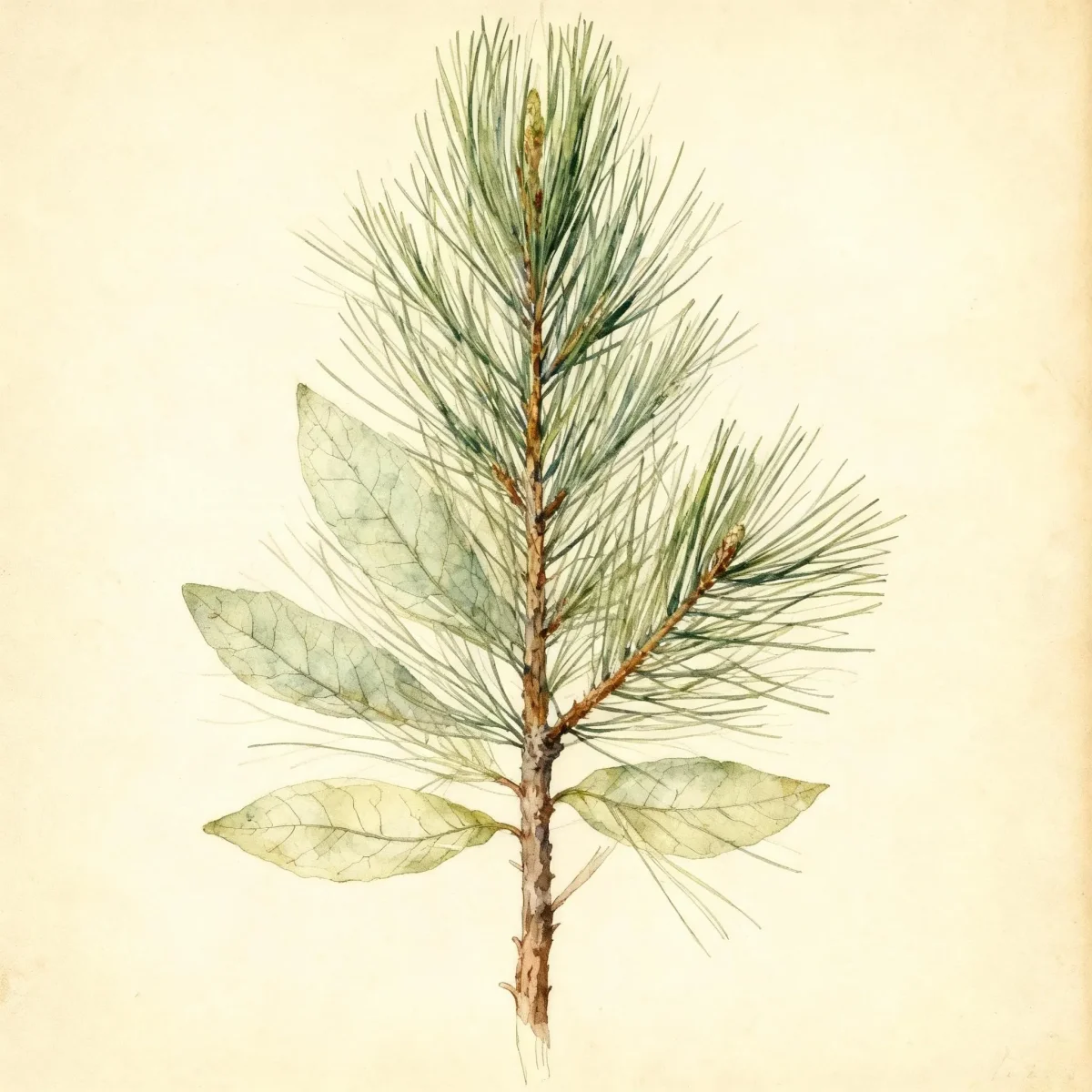
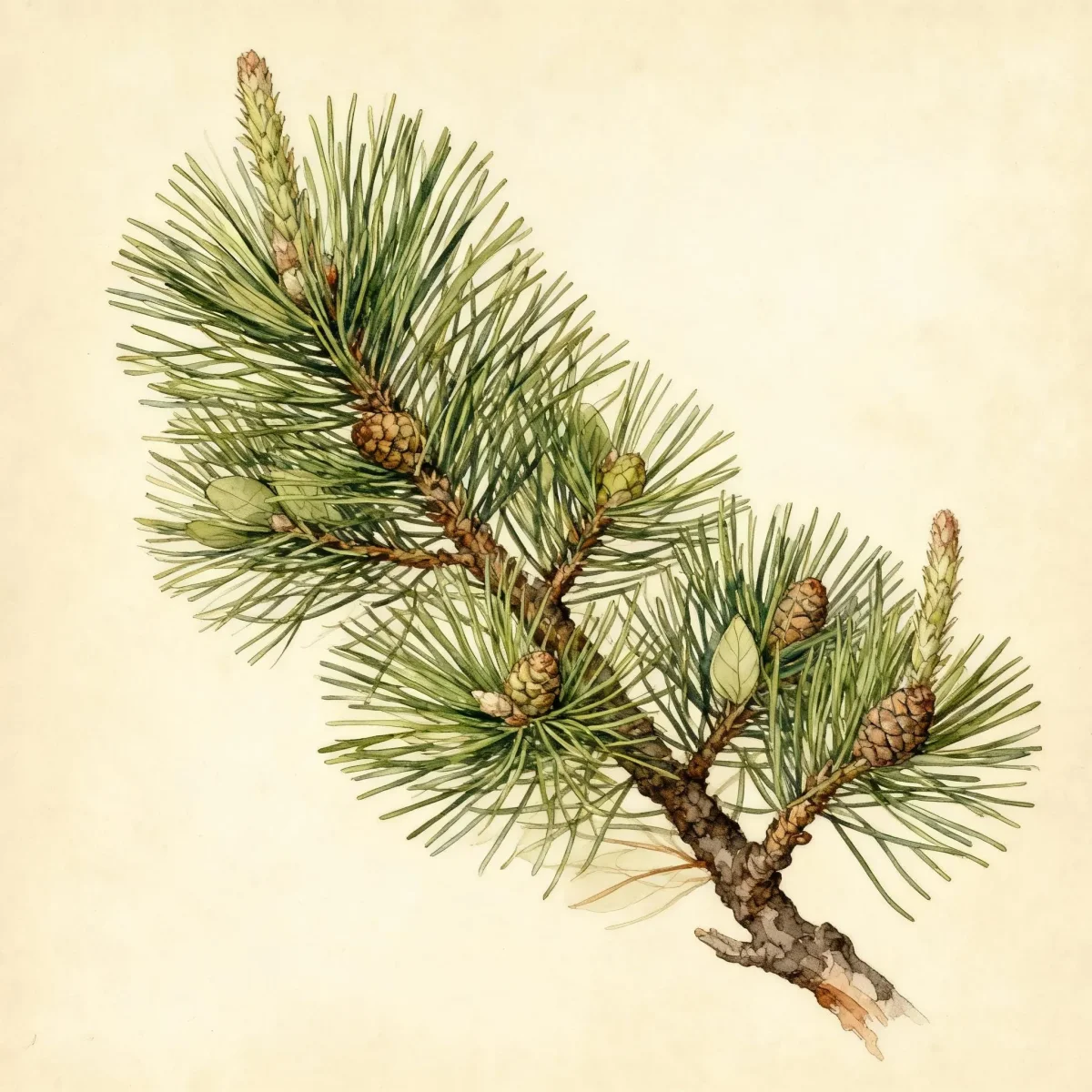
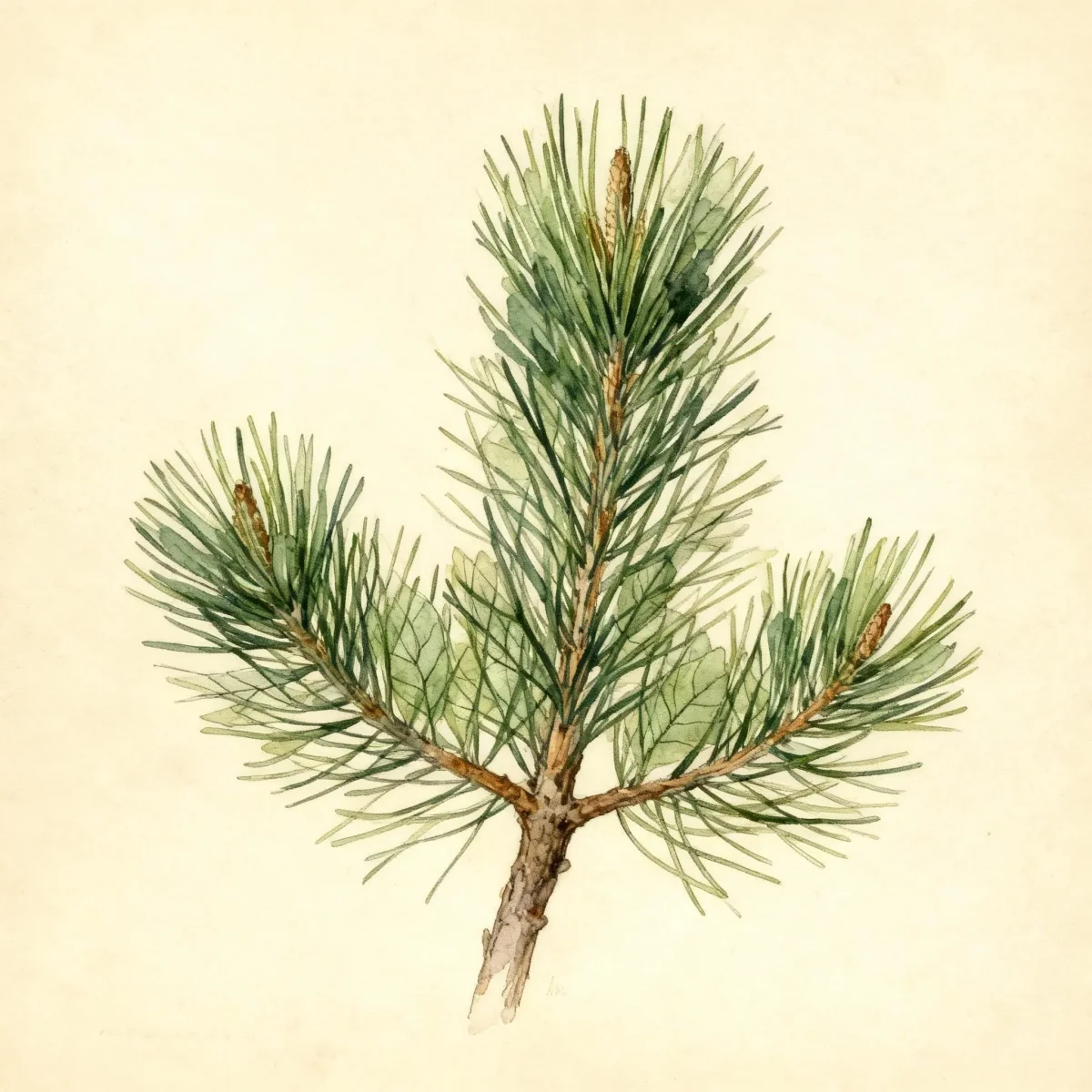
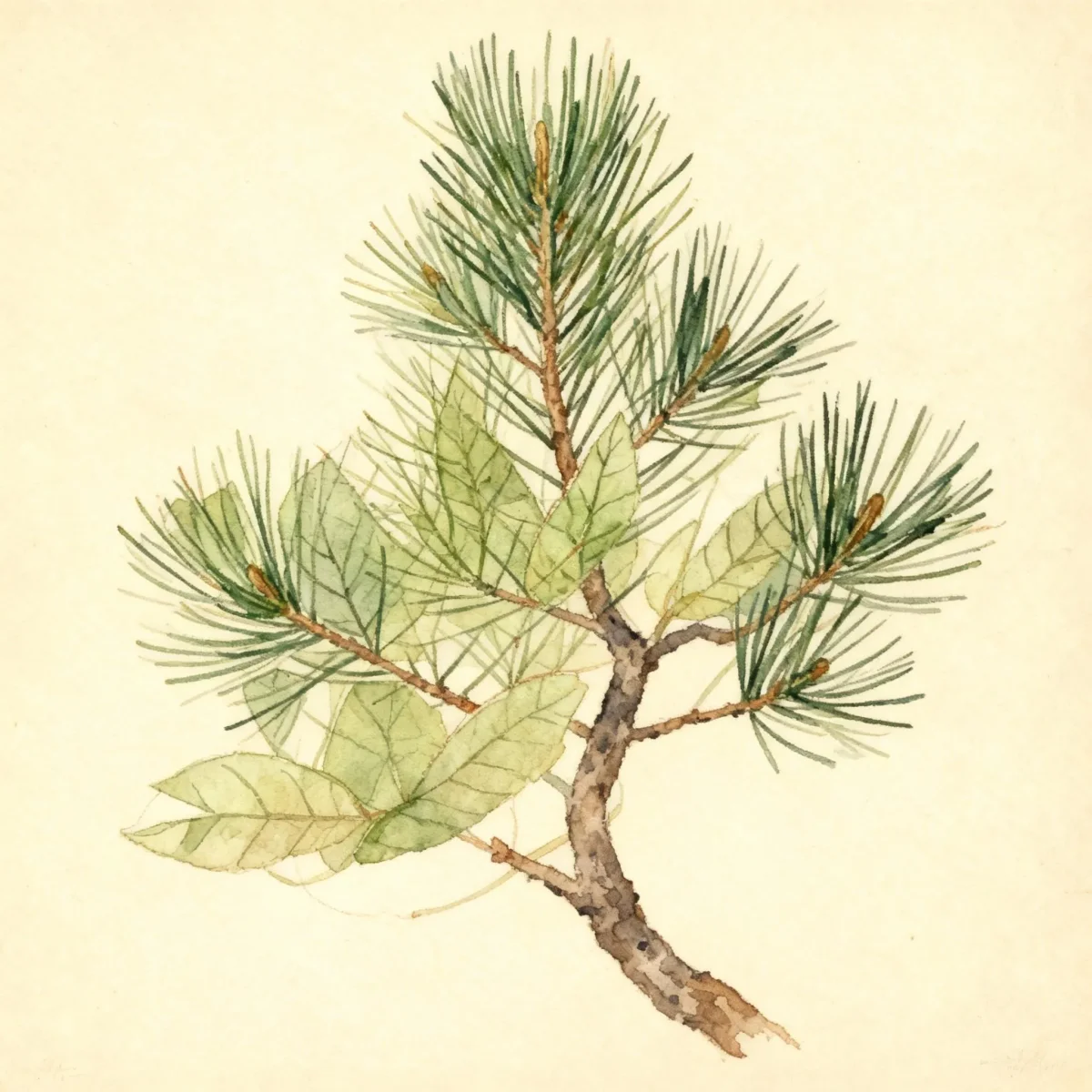
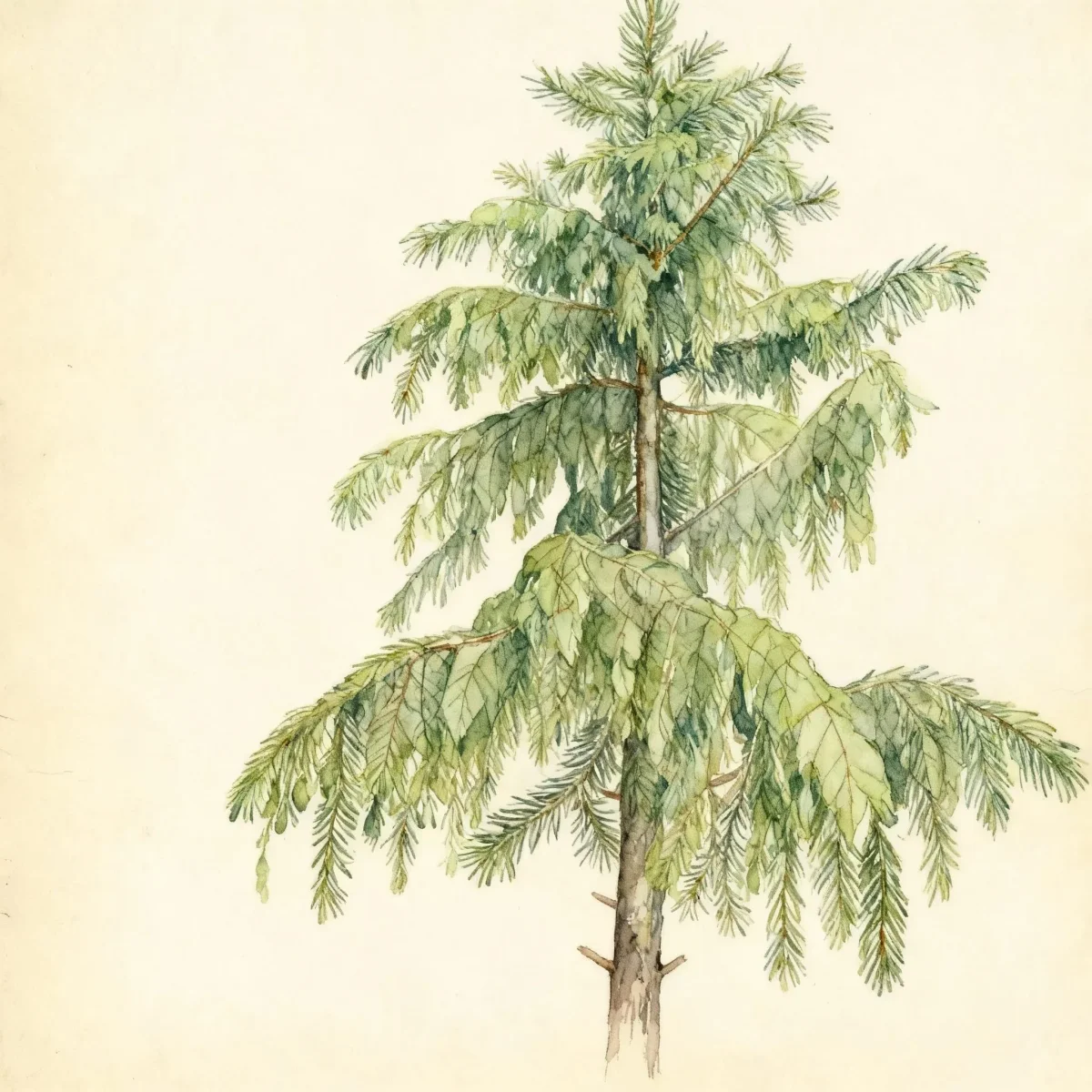
Short-leaf pine (Pinus echinata)
Discover Pinus echinata, the tough Short-leaf pine, a native needled evergreen thriving in dry soils of USDA Zones 6-9.
Scroll down to discover growing tips, care requirements, companion plants, and more
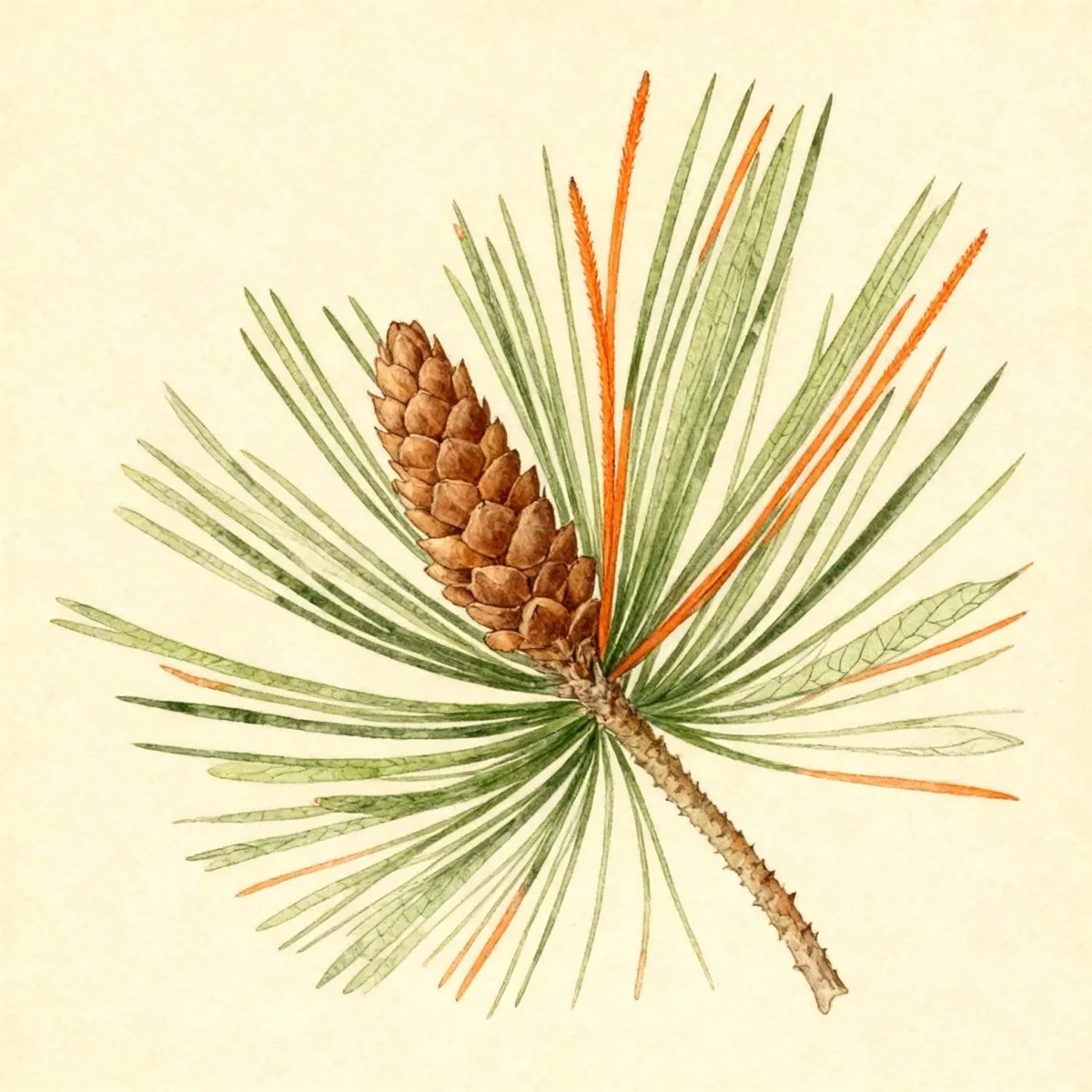
Complete Plant Information
Overview
The Short-leaf pine, scientifically known as Pinus echinata, is a significant and hardy needled evergreen native to the Southeastern United States. This tree is valued for its tolerance to difficult, dry conditions, making it a reliable choice where other conifers might struggle. It establishes a deep taproot quickly, contributing to its drought tolerance once established.
Pinus echinata matures into a medium-sized pine, typically exhibiting a short pyramidal crown in cultivation that broadens with age. Its common names reflect its characteristics; the needles are relatively short compared to many other pines, typically measuring between three to five inches long. This tree offers year-round visual appeal with its dark bluish-green foliage and attractive, scaly reddish-brown bark on mature specimens.
For gardeners focused on native habitats or low-input landscapes, Pinus echinata is an excellent candidate. It requires minimal attention once sited correctly, fitting well into naturalized areas or as a robust screen. While vital in commercial timber operations, homeowners appreciate its steadfast nature and ability to thrive where conditions are less than ideal.
Fast Facts
- Plant Family: Pinaceae
- Plant Type: Needled evergreen
- Native Range: Southeastern United States
- Hardiness Zones: USDA Zones 6-9
- Size at Maturity:
- Height: 50-60 ft
- Spread: 20-35 ft
- Bloom Time: Non-flowering
- Bloom Description: Non-flowering
- Sun Exposure: Full sun
- Water Needs: Dry to medium
- Maintenance Level: Low
How to Grow
The best time to establish Pinus echinata is during the dormant season, ideally fall or early spring, when soil moisture is adequate to encourage root establishment. Site this pine in full sun conditions, as it thrives best with maximum light exposure. It is highly adaptable to a wide range of soils but performs optimally in well-drained, average, sandy loams.
Watering requirements for the Short-leaf pine are minimal once the initial establishment period has passed. Aim for dry to medium moisture levels; avoid consistently wet or waterlogged conditions, which this species does not tolerate well. Fertilization is generally unnecessary unless the soil is extremely poor, as this native pine is adapted to lean environments.
A critical consideration for anyone transplanting Pinus echinata is its tendency to form a deep taproot early in its life. This complicates moving larger specimens successfully. When planting, ensure the final location is chosen carefully, especially in northern reaches of its range like the St. Louis area, where the tree benefits from some protection from harsh winter extremities. Pruning is generally reserved for removing dead or damaged limbs rather than shaping.
Landscape Uses
While commercial forestry utilizes Pinus echinata extensively, its role in residential landscaping leans toward the natural and functional rather than purely ornamental displays. Due to its eventual size and robust evergreen structure, it excels in native plant gardens and large naturalized areas, serving as a living backdrop to the landscape.
The structure the Short-leaf pine offers makes it an effective screen or windbreak, especially during the initial years as it develops its height. Since it tolerates dry conditions once established, consider pairing it with other drought-tolerant native shrubs and perennials that thrive in full sun, such as certain varieties of yucca or coneflowers, allowing for a cohesive, low-water planting scheme.
Standout Features
Noteworthy Characteristics
Pinus echinata, commonly called shortleaf pine, is native to Missouri where it mostly occurs in dry, sandy or rocky upland areas in the Ozark region. This fast-growing pine develops a short pyramidal crown that spreads slightly with maturity, reaching 50-60 feet tall in cultured settings. Its foliage consists of dark bluish-green needles appearing in bundles of two, complemented by cylindrical brown cones, typically only produced after the tree is two decades old. Mature specimens feature striking reddish-brown bark segmented into scaly plates, historically making it a key timber source in the South.
Tolerances
- Deer
- Drought
- Dry Soil
Potential Problems
Healthy, well-maintained trees, especially when sited correctly according to their natural range, usually experience few significant health issues. The primary concerns for Pinus echinata are insect pests common to pines, specifically pine beetles and weevils. If infestations are suspected, proper identification is crucial for targeted management approaches.
Preventative care focuses on maintaining appropriate environmental conditions—namely ensuring excellent drainage and avoiding excessive moisture stress, which can weaken the tree and make it susceptible to secondary invasion. Pruning should only occur when necessary, as major wounds can invite pests. Regularly monitor the crown and trunk for signs of pitch flow or bore holes.
Frequently Asked Questions
What hardiness zones is Short-leaf pine suitable for?
The Short-leaf pine (Pinus echinata) is reliably hardy in USDA Zones 6 through 9.
How large does Pinus echinata grow?
In cultivation, Pinus echinata typically reaches heights between 50 and 60 feet, with a spread of 20 to 35 feet. Wild specimens can grow significantly taller.
What sun exposure does Short-leaf pine need?
This conifer requires full sun to achieve its best growth and structure in the landscape.
When does Pinus echinata bloom?
Pinus echinata is classified as non-flowering, as it is a conifer producing cones rather than traditional flowers.
Conclusion
The Short-leaf pine (Pinus echinata) offers exceptional resilience, especially beneficial for sites with dry or average soil conditions where other evergreens might fail. Its low maintenance requirement combined with its sturdy, native structure solidifies its value for naturalized plantings. Before planting, ensure your location falls within USDA Zones 6-9 and provides full sun exposure to guarantee the long-term health of your new Short-leaf pine.
Companion Planting
When establishing Pinus echinata in a native landscape, selecting companions that share its preference for dry soil and full sun is essential for longevity. Consider utilizing various upland prairie grasses or drought-tolerant flowering perennials that won’t compete heavily for water from the pine’s developing taproot system. Good companions in the Southeast include various species of native Goldenrod (Solidago) or Purple Coneflower (Echinacea purpurea), which enjoy similar sun exposure and tolerate lean soils.
For structural contrast beneath the towering pine, drought-tolerant native shrubs that tolerate partial shade cast by the maturing tree can be effective. Look toward low-growing sumac varieties or certain types of native blueberry (Vaccinium) which appreciate the acidic soil conditions often found near pines and can handle the slightly drier conditions near the drip line of the Pinus echinata.
Design Ideas for Screening
The inherent height potential and dense needle structure of the Short-leaf pine make it an excellent choice for creating lasting visual screens or windbreaks. Unlike faster-growing but shorter-lived privacy options, Pinus echinata provides a permanent, durable barrier. Planting them in staggered rows, rather than straight lines, can create a more natural and visually interesting screen that mimics forest edges.
For defined property boundaries needing robust year-round coverage, plant them on centers slightly wider than their typical spread, anticipating that the maturity they reach in cultivation (50-60 feet tall) will offer significant sight blockage. Because Pinus echinata establishes a deep taproot, it is less susceptible to windthrow than shallow-rooted species, adding to the reliability of a screen planting.