Jeffrey's pine (Pinus jeffreyi)
Jeffrey's pine (Pinus jeffreyi) is a towering conifer known for aromatic cinnamon-brown bark, thriving in sunny, dry mountain environments.
Scroll down to discover growing tips, care requirements, companion plants, and more
Complete Plant Information
Overview
The Jeffrey’s pine, scientifically known as Pinus jeffreyi, is a magnificent, tall conifer native to the dry, mountainous regions of western North America. Gardeners seeking a truly grand specimen for expansive landscapes value this tree for its impressive stature, straight trunk, and distinctive, aromatic bark. Mature specimens develop cinnamon-brown, deeply fissured plates on their lower trunks, often emitting pleasant scents reminiscent of vanilla or pineapple.
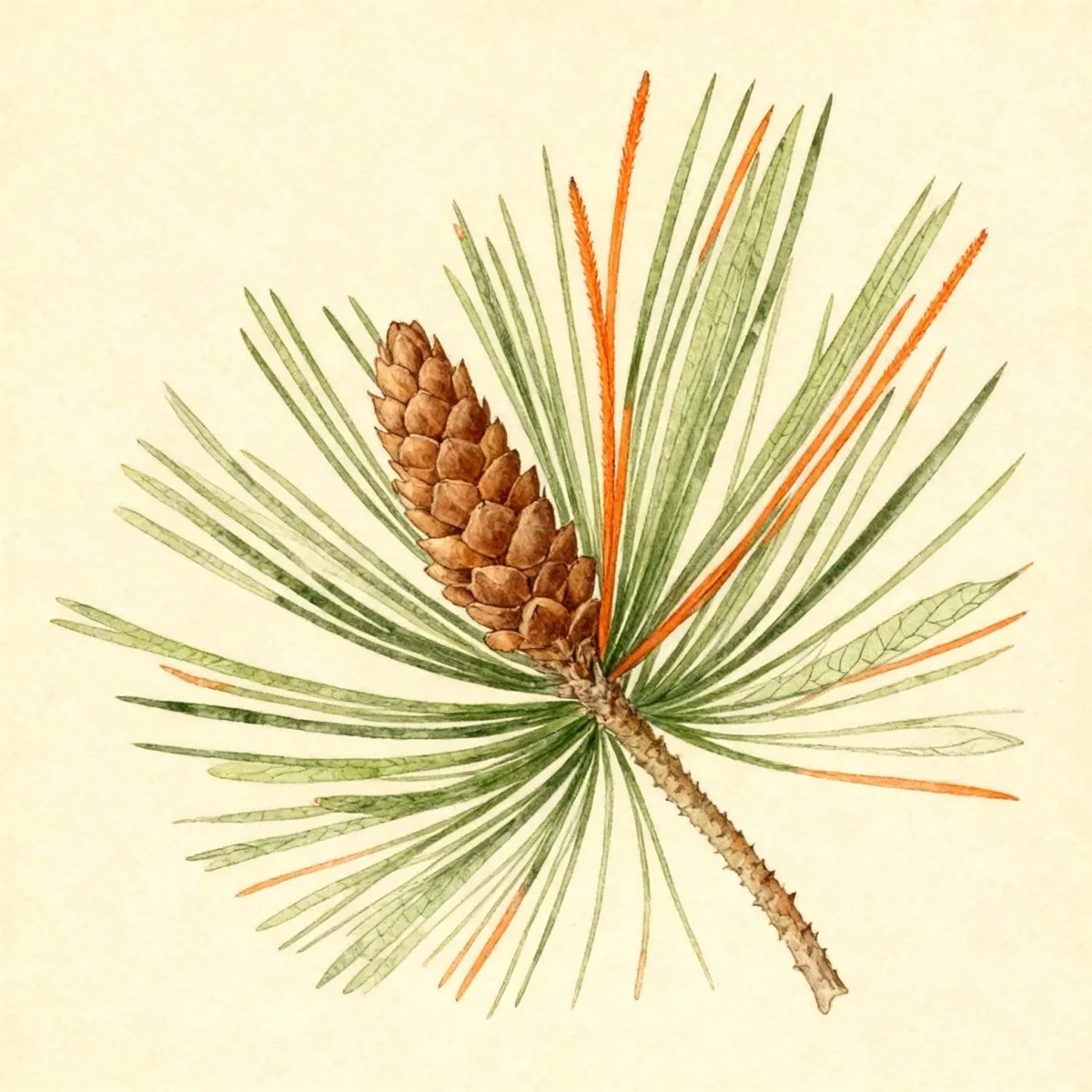
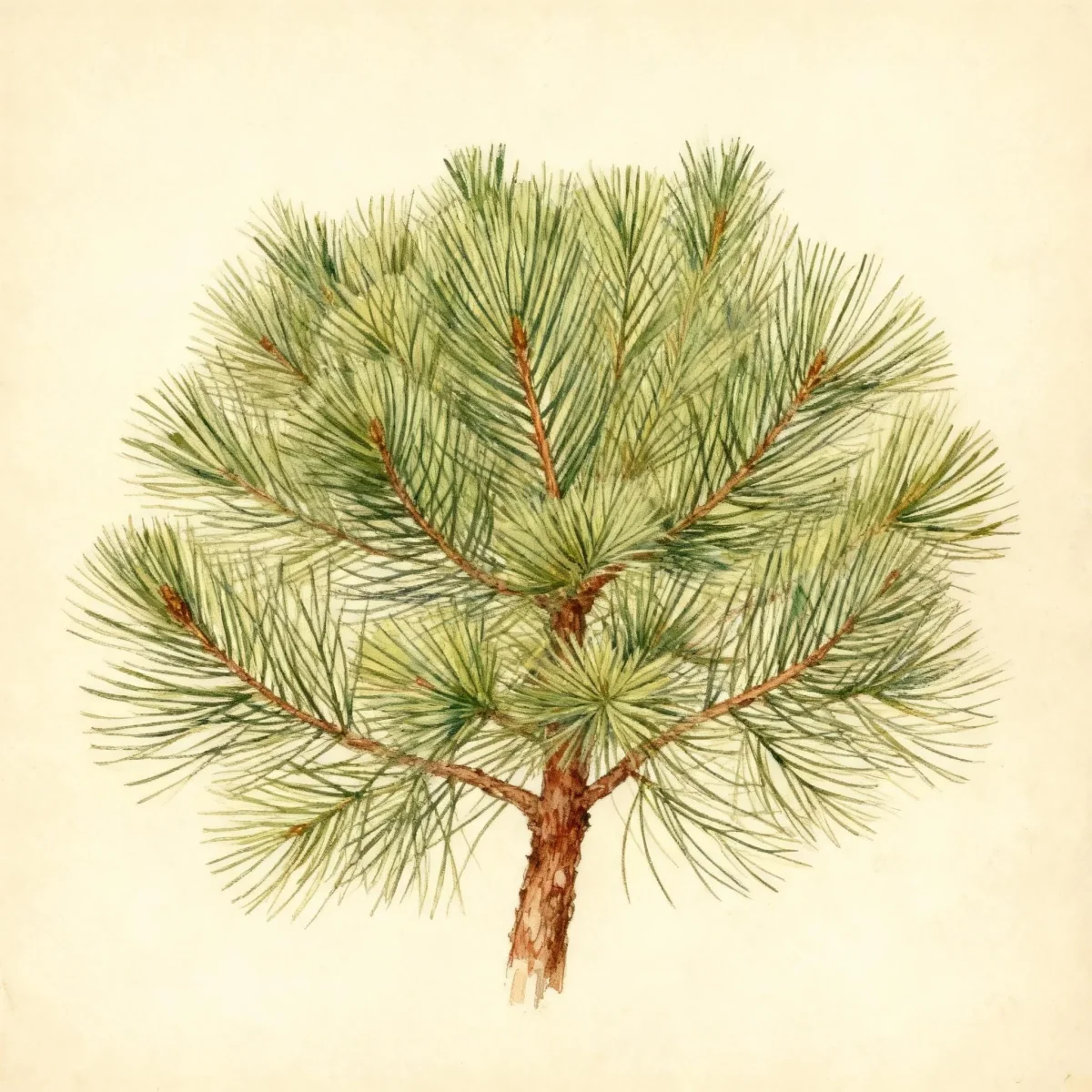
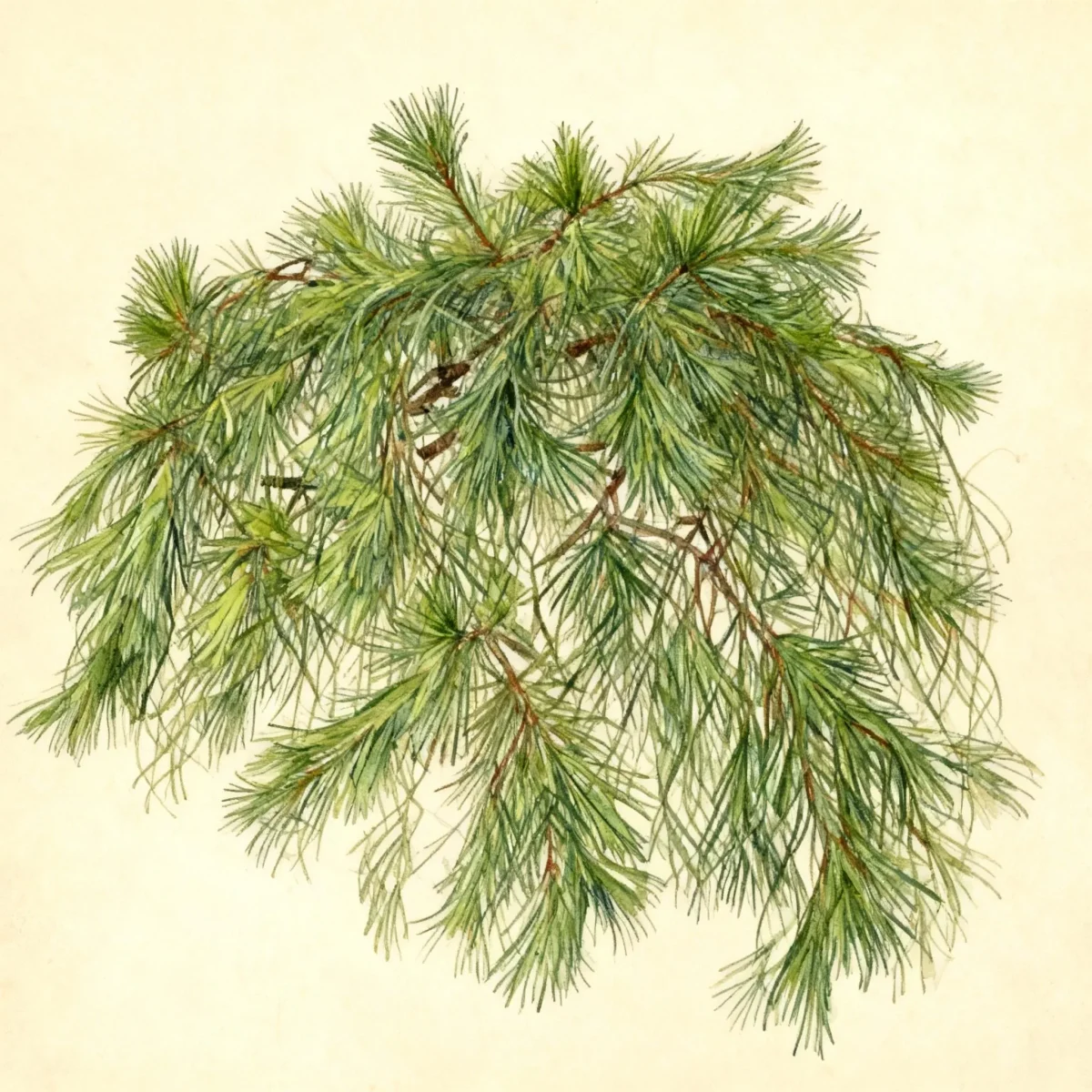
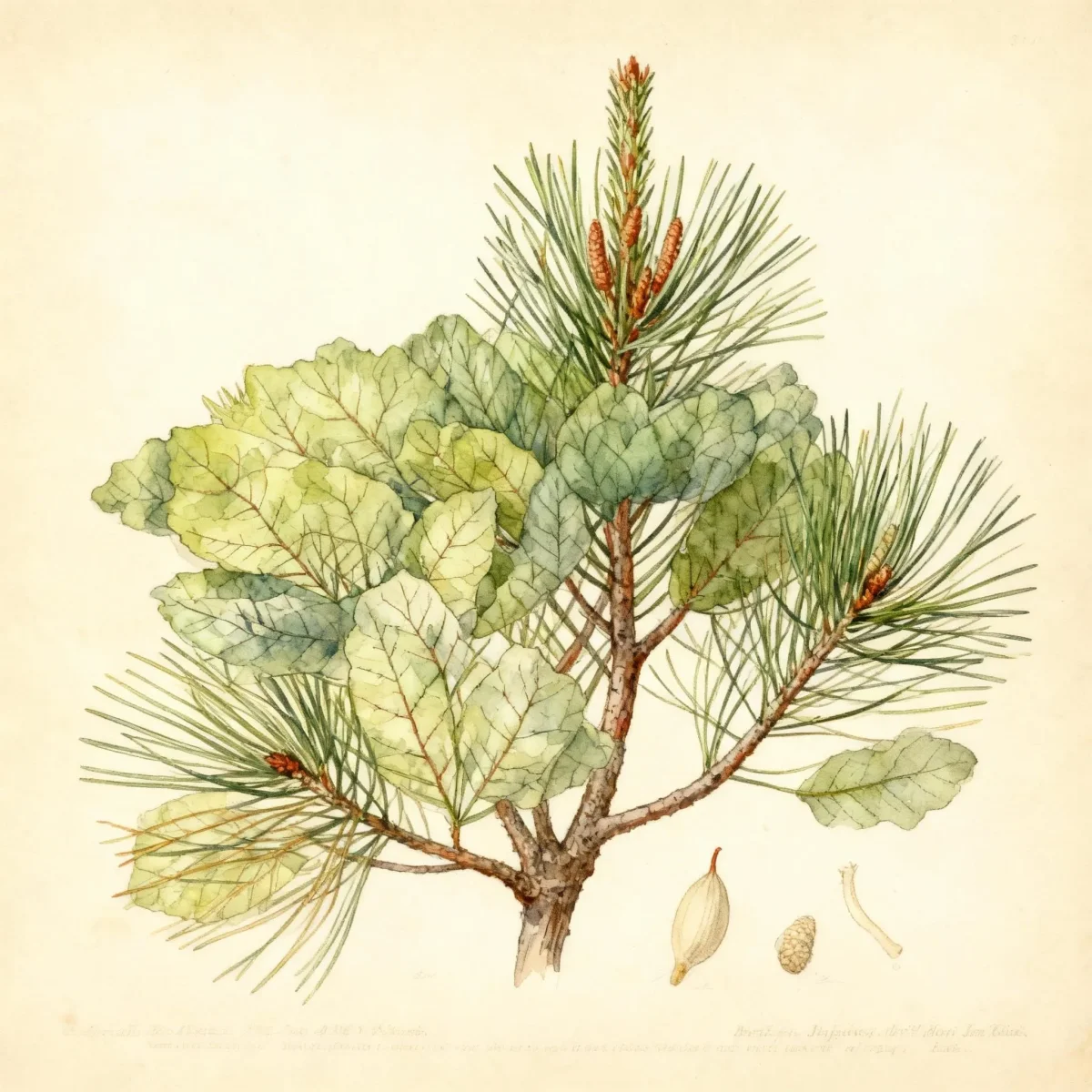
This imposing needled evergreen produces long, bluish-green needles arranged in clusters of three, contrasting beautifully with its large reddish-brown cones. While reaching impressive heights of 80 to 140 feet, the Pinus jeffreyi maintains a relatively controlled spread, making it architecturally significant in large open areas. It is a long-lived species best suited for gardeners with significant space who can provide the full sun conditions it requires.
Though undeniably striking, gardeners must approach cultivating Jeffrey pine with an understanding of its native habitat. It demands excellent drainage and prefers cooler summers, which limits its suitability across all regions of the US. Careful site selection is crucial to allowing this monumental Pinus jeffreyi to express its full, majestic potential.
Fast Facts
- Plant Family: Pinaceae
- Plant Type: Needled evergreen
- Native Range: Southern Oregon to northern Baja California
- Hardiness Zones: USDA Zones 5-7
- Size at Maturity:
- Height: 80-140 ft
- Spread: 25-35 ft
- Bloom Time: Non-flowering
- Bloom Description: Non-flowering
- Sun Exposure: Full sun
- Water Needs: Dry to medium
- Maintenance Level: Medium
How to Grow
The ideal time to plant Pinus jeffreyi is during the dormant season, ensuring the roots establish before the stress of summer heat arrives. This species requires full sun exposure for optimal growth and health. Cultivation success heavily relies on soil composition: grow in moist, well-drained loams, though established trees show respectable drought tolerance. Trees tolerate a wide range of soils, including sandy and clay loams, but absolutely avoid poorly-drained situations.
Watering requirements for Pinus jeffreyi lean toward dry to medium once established; supplemental irrigation should be deep and infrequent, especially during prolonged dry spells. Fertilization is rarely necessary, as excessive vigor can sometimes lead to weaker wood structure in these mountain natives. Light pruning is generally reserved for removing damaged or diseased branches, as heavy shearing is not recommended for mature conifers.
Gardeners in warmer regions should note that Jeffrey pine strongly prefers cool summer climates and may struggle where summers are persistently hot and humid. Shady conditions must also be avoided entirely. In areas approaching the marginal limits of Zone 7, ensure winter protection is not needed for young specimens, though established trees are generally hardy within their specified zones.
Landscape Uses
The primary role of Jeffrey’s pine in the landscape is as a monumental specimen tree reserved for very large properties. Its towering height and commanding vertical presence make it an exceptional focal point in vast park settings or large estates where scale is not a concern. Consider its mature dimensions when planning, as this tree will quickly outgrow restricted suburban yards.
Due to its size and strong profile, Pinus jeffreyi works best planted as a solitary anchor in an open lawn area, allowing observers to appreciate the full sweep of its trunk and crown structure. Companion planting should involve lower-growing, drought-tolerant native shrubs or groundcovers that do not compete heavily for resources near the base of this long-lived conifer. Avoid placing it near structures or under power lines where its immense growth potential poses a risk.
Standout Features
Noteworthy Characteristics
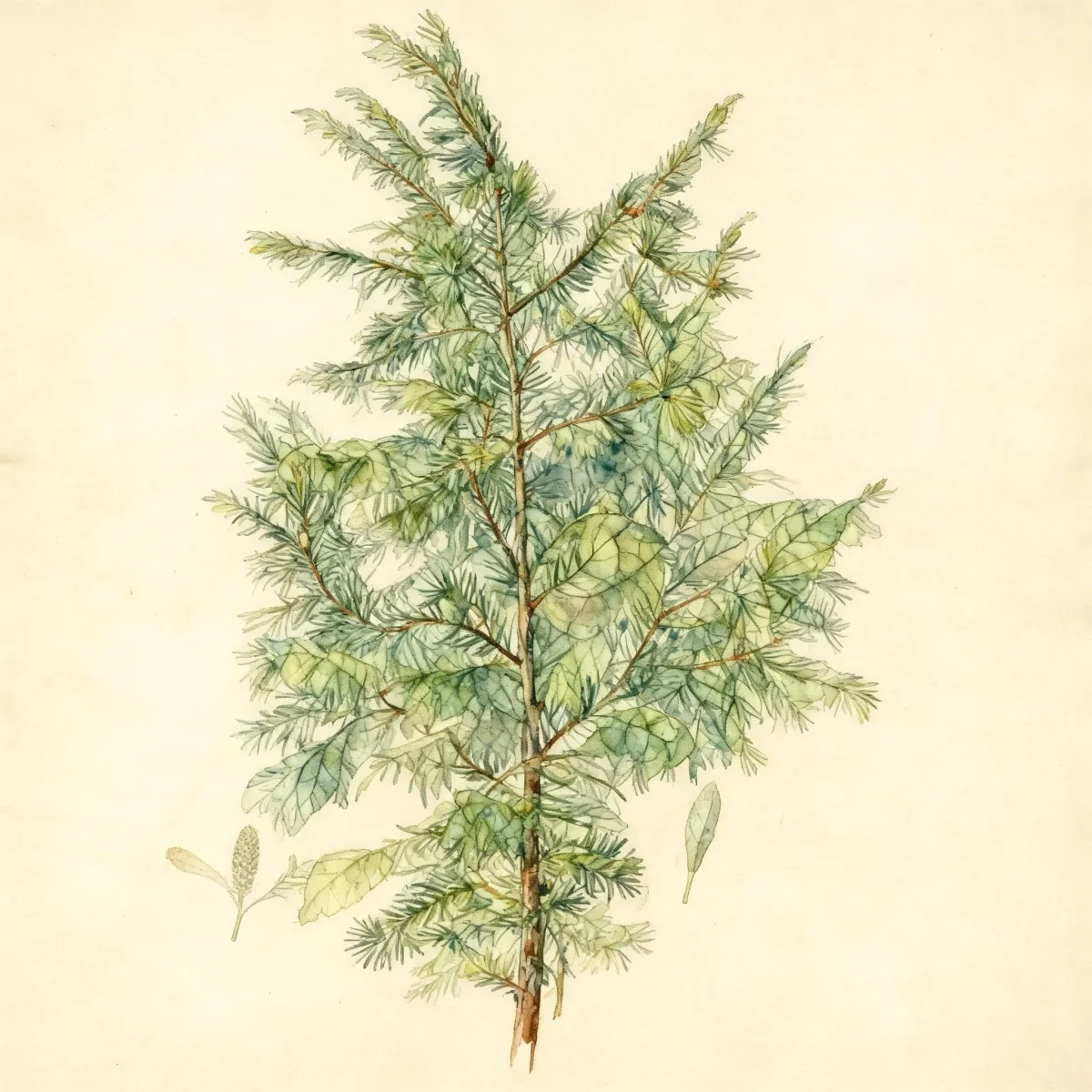
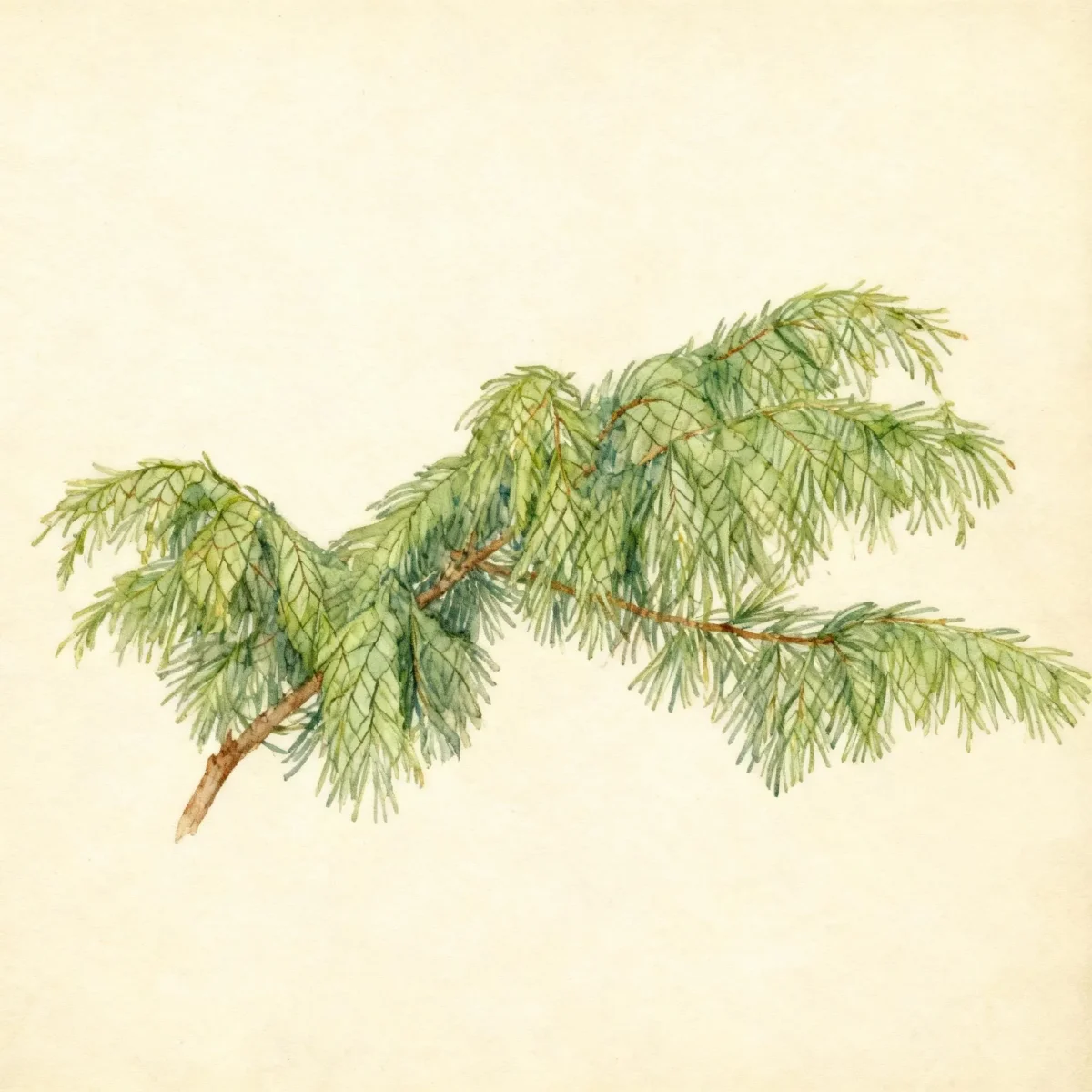
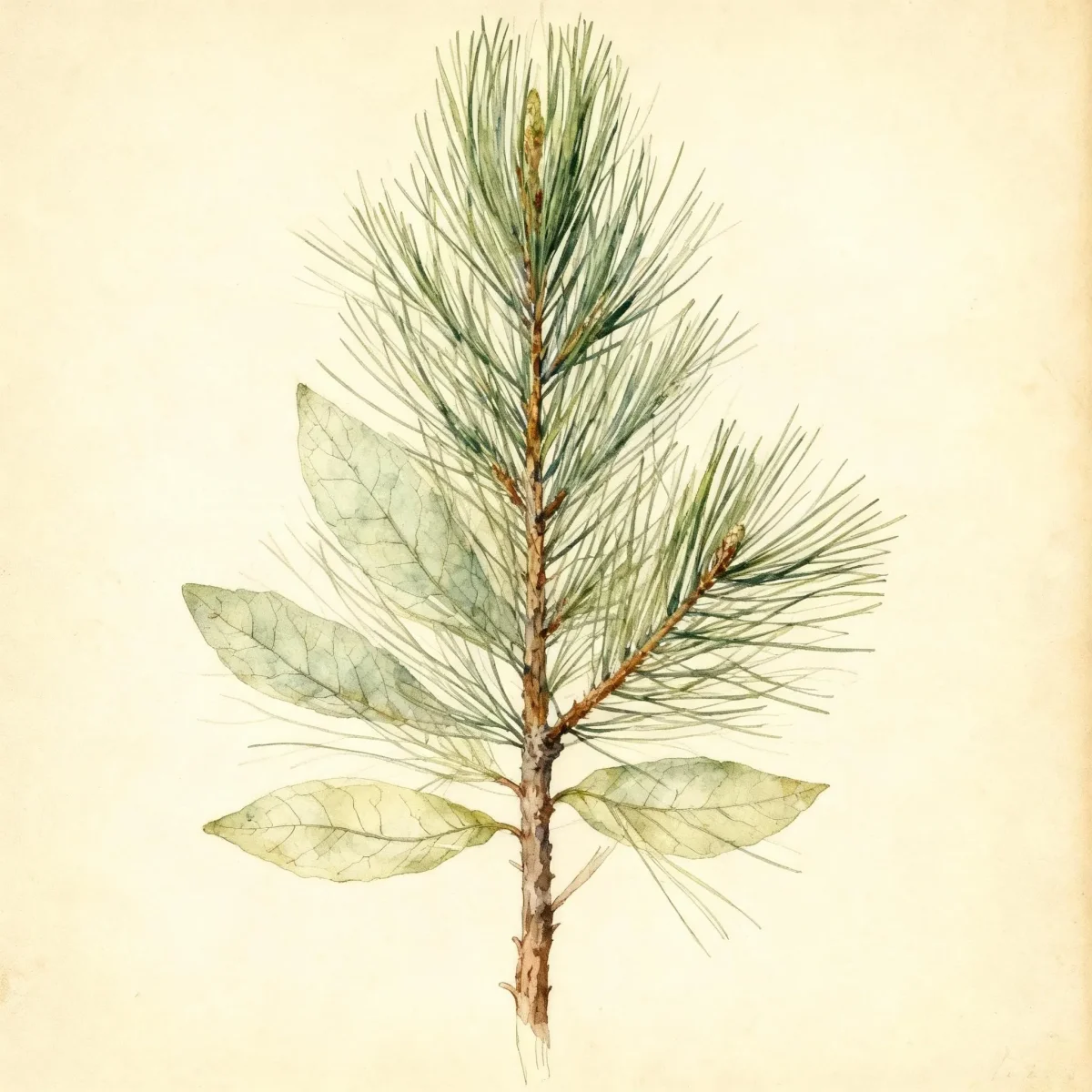
Pinus jeffreyi, commonly called Jeffrey pine, is native to mountainous areas, often on dry exposed slopes, from southwestern Oregon south through the Sierras in California to Baja California. It is a tall, erect, long-lived, single-trunk, evergreen conifer with a straight trunk and conic to rounded crown. Mature trees are noted for having cinnamon-brown bark that is divided into scaly plates separated by deep fissures, frequently possessing a pleasant aroma. Bluish-green needles (to 7-9” long) appear in bundles of three, contrasting beautifully with its large, egg-shaped to cylindrical cones (to 5-12” long).
Tolerances
- Deer
- Drought
Potential Problems
This pine can be difficult to grow well in the St. Louis area and similar humid regions because of specific soil and climate requirements. The primary challenge relates to sustained summer heat combined with potential humidity, which contrasts sharply with the cool, dry mountain air where Pinus jeffreyi naturally thrives. In areas with poorly-drained soil, root rot becomes a significant risk, particularly for younger trees. Prevention involves meticulous attention to drainage during initial planting and selecting planting sites that mimic the dry, exposed slopes of its native habitat.
If cultural requirements are not met, the Jeffrey pine may exhibit reduced vigor, slower growth rates, and heightened susceptibility to secondary fungal infections. Always ensure the planting site offers excellent airflow and does not retain standing water after heavy rains. For established trees showing distress, deep, slow watering during extreme dry periods can help support root health, though environmental suitability remains the top factor for long-term success.
Frequently Asked Questions
What hardiness zones is Jeffrey’s pine suitable for?
The Pinus jeffreyi is reliably suitable for USDA Hardiness Zones 5 through 7.
How large does Jeffrey’s pine grow?
This tree achieves significant height, maturing between 80 to 140 feet tall, with a spread typically ranging from 25 to 35 feet wide.
What sun exposure does Pinus jeffreyi need?
The Jeffrey’s pine absolutely requires full sun exposure to maintain its tall, open habit and develop its characteristic bark.
When does Jeffrey’s pine bloom?
As a pine tree, Pinus jeffreyi is non-flowering; it reproduces via cones rather than traditional blossoms.
Conclusion
The towering presence and uniquely fragrant bark firmly establish the Jeffrey’s pine as a spectacular choice for large-scale landscape design where space allows. This majestic Pinus jeffreyi offers unmatched vertical appeal, provided its needs for full sun and excellent drainage are met. Before planting, thoroughly evaluate your site conditions, especially summer temperatures, to ensure this magnificent conifer will thrive for centuries.
Companion Planting
Selecting appropriate companions for Jeffrey’s pine involves prioritizing plants that share its tolerance for dry conditions and full sun exposure. In its native Sierra habitat, it often shares ground with various manzanitas (Arctostaphylos spp.) or certain native bunchgrasses, which can mimic the sharp drainage the pine requires. Avoid aggressive groundcovers near the base, as root competition can stunt the growth of the developing pine.
When incorporating smaller shrubs, look for species adapted to USDA Zones 5-7 that thrive in lean soils. Plants known for surviving well alongside established, drought-tolerant pines in rocky or sandy soils make excellent choices for softening the base of the tree without causing hydrological stress to the Pinus jeffreyi.
Design Ideas for Immense Scale
Given that the Jeffrey’s pine matures into one of the tallest native conifers, it excels as a visual anchor in open, prairie-style landscape designs or arboreta. Do not use this tree near intimate seating areas; its scale benefits from distance, allowing the eye to travel up its immense trunk. Consider planting it on a slight elevation to maximize its perceived height and dominance over the surrounding property.
The rugged texture of the trunk bark and the dark green-blue needles provide fantastic contrast against pale stucco walls or light-colored hardscaping elements, drawing attention to its unique features. For true landscape impact, plant the Pinus jeffreyi in groups of three spread significantly apart, creating a layered woodland effect typical of its montane origins.