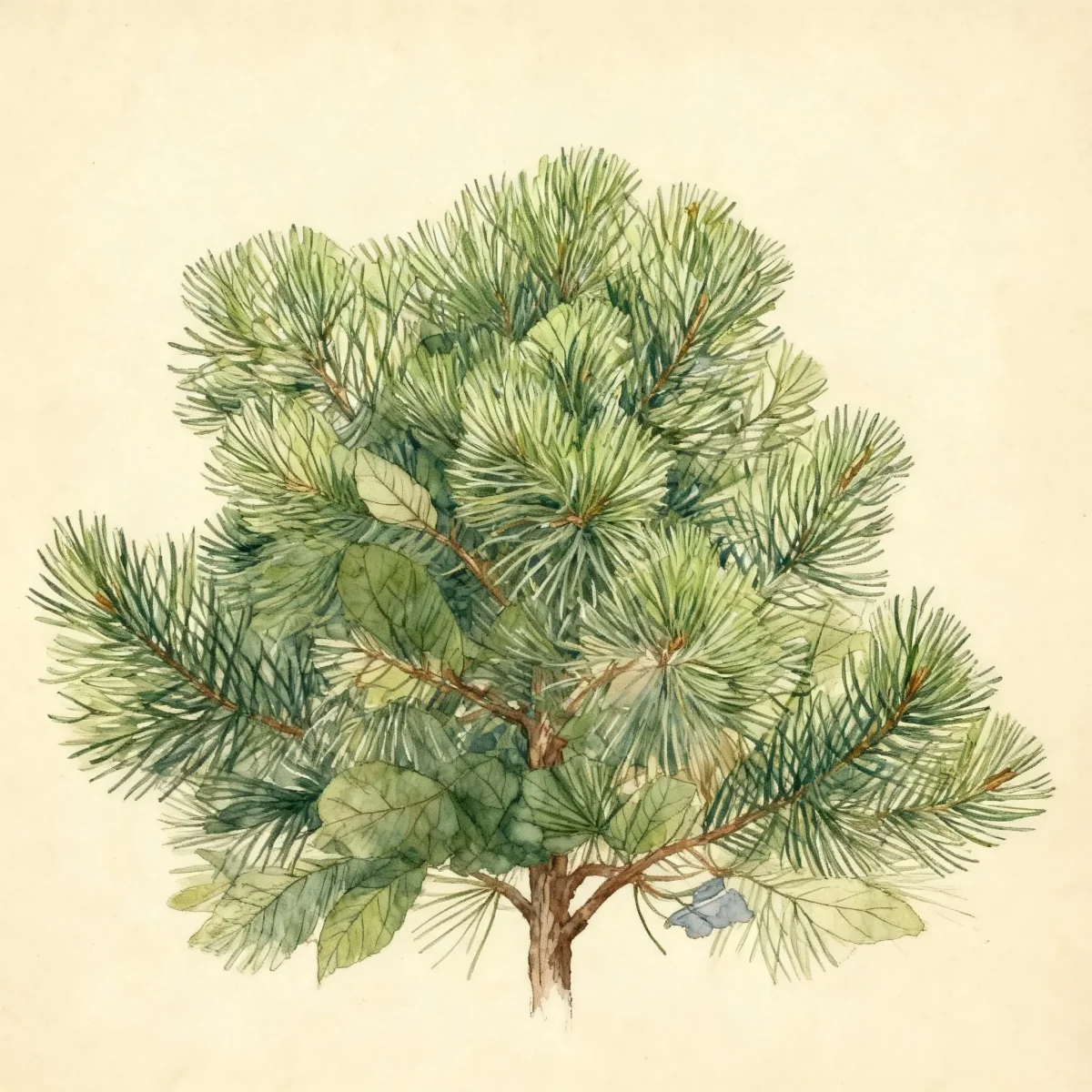
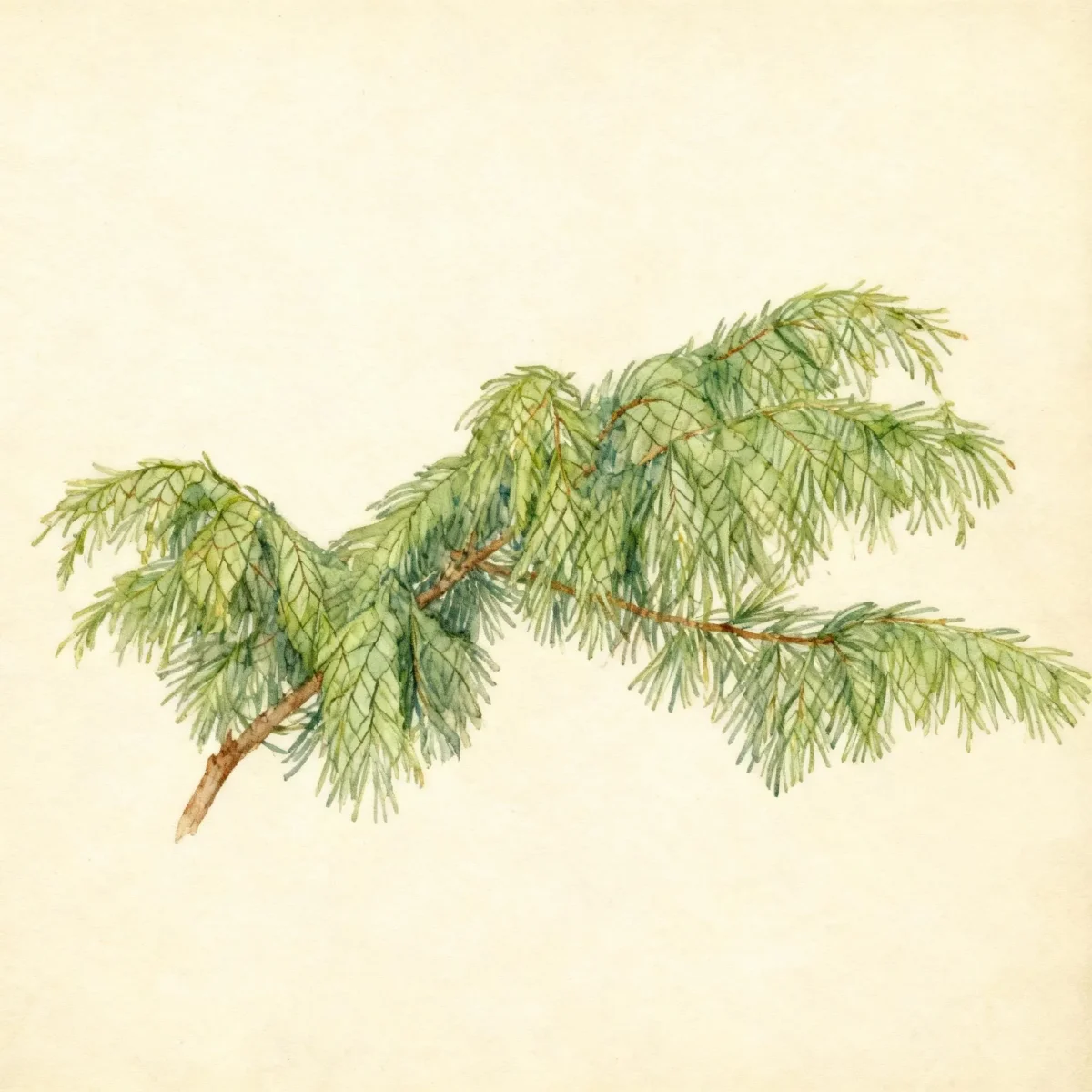
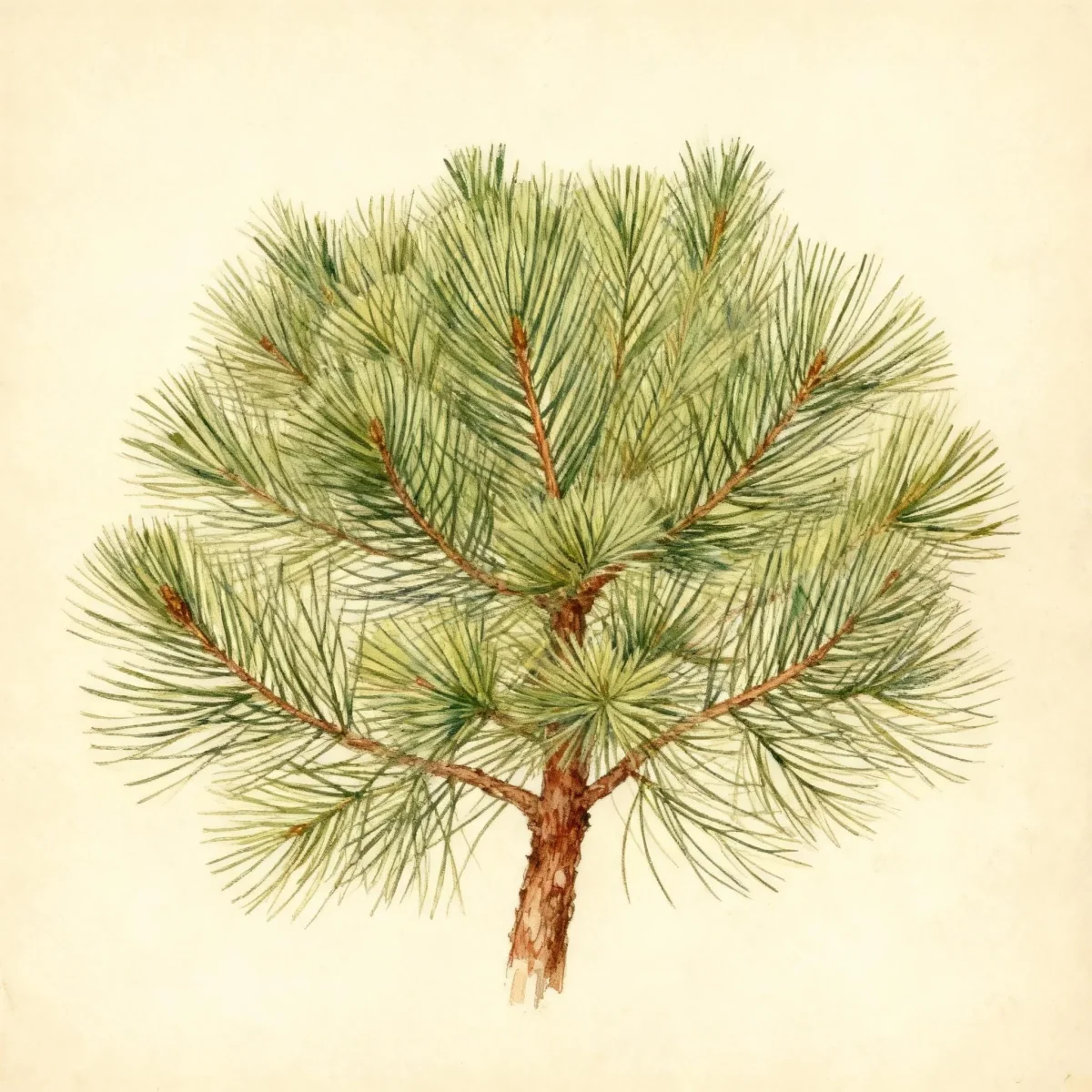
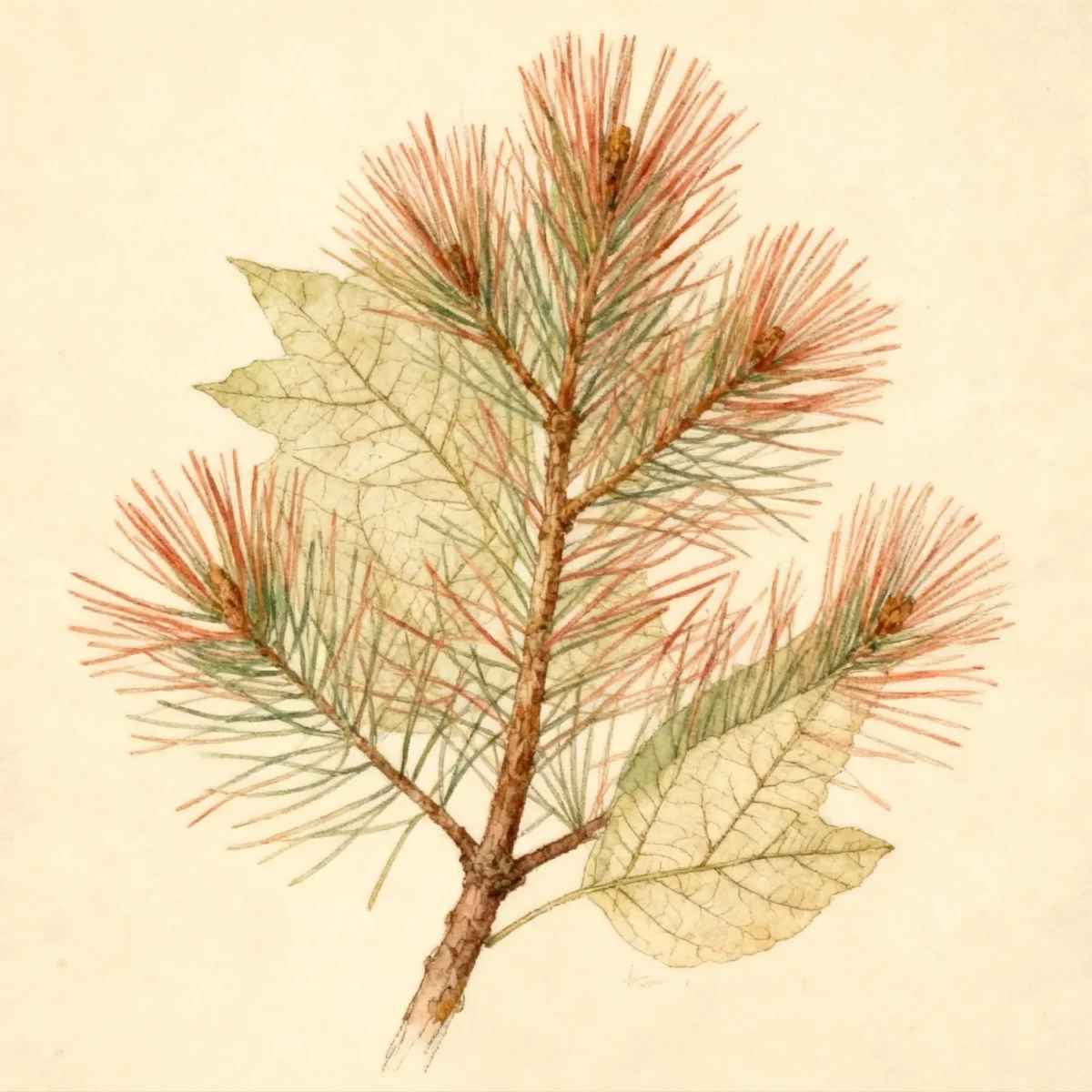
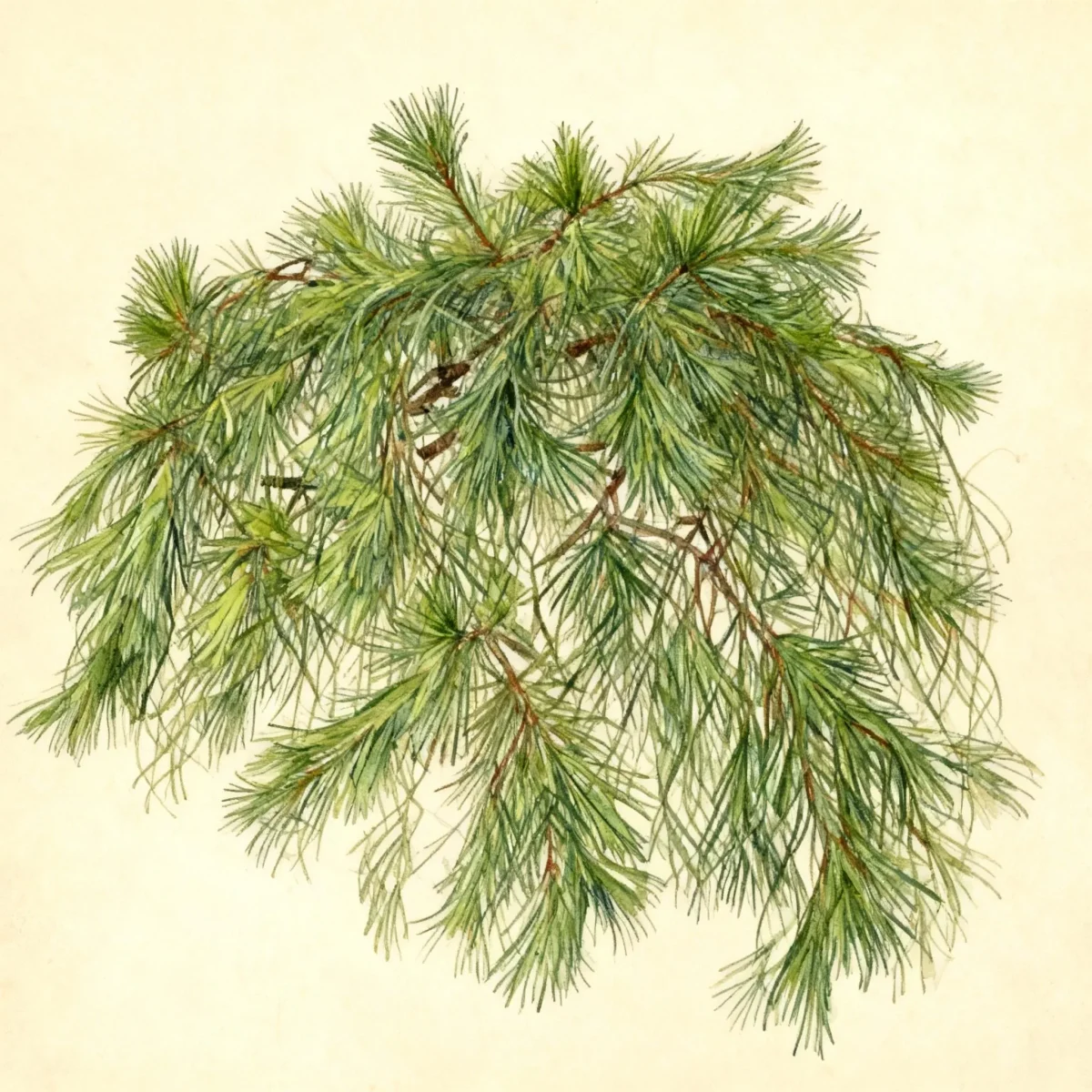
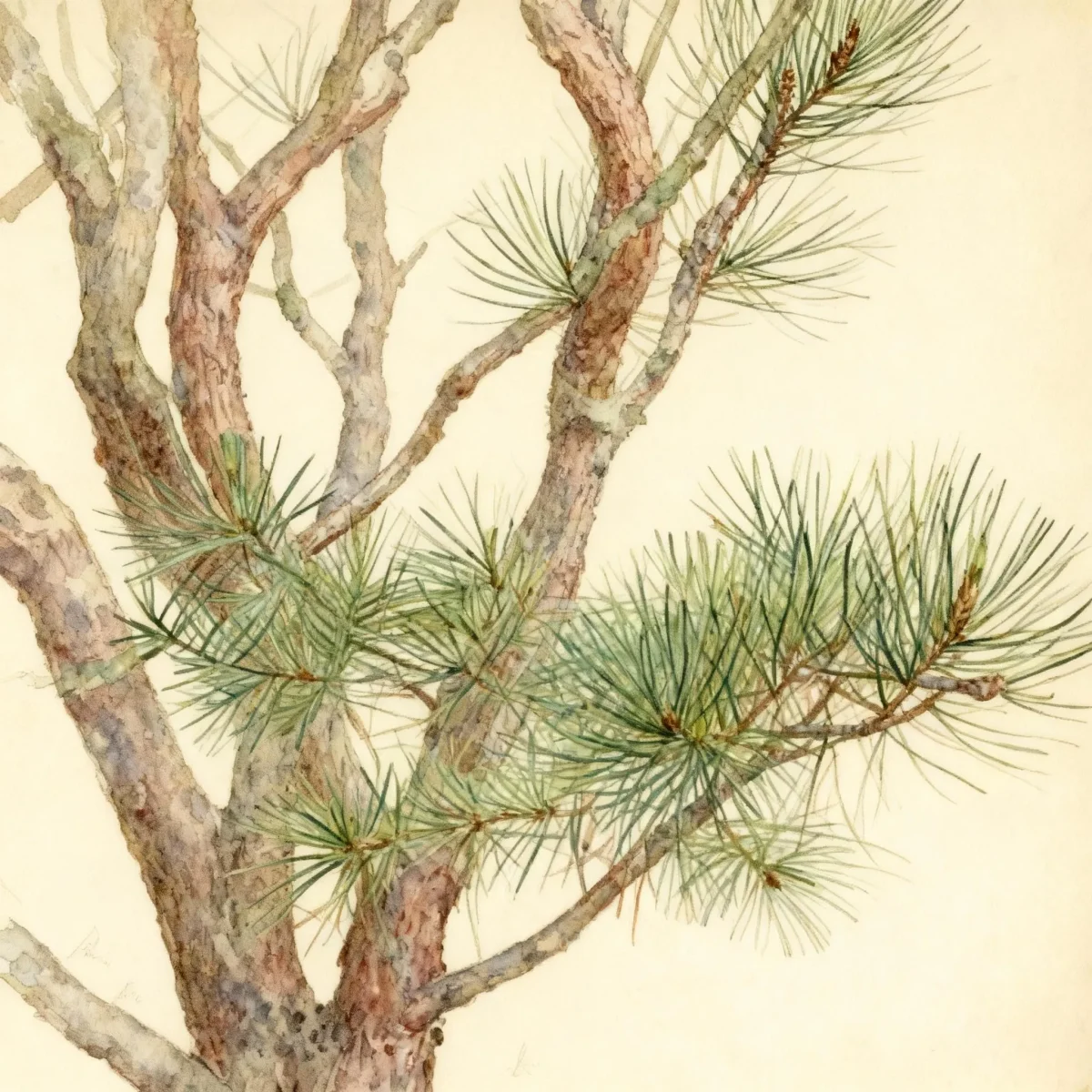
Austrian pine (Pinus nigra)
The Austrian pine (Pinus nigra) is a robust, needled evergreen valuable for screening. It handles sun and clay soils well.
Scroll down to discover growing tips, care requirements, companion plants, and more
Complete Plant Information
Overview
The Austrian pine (Pinus nigra) is recognized as a magnificent, large conifer prized for its strong structure and dense, dark green foliage. This towering evergreen offers significant year-round visual interest, transitioning from a dense pyramid in youth to a broad, spreading crown in maturity. Its tolerance for marginal conditions makes the Pinus nigra a steadfast choice where many other pines struggle.
Grown for its imposing presence, the Austrian pine provides excellent screening and specimen planting opportunities across the landscape. Its stiff, dark needles and rugged, furrowed black bark add texture and contrast, especially to milder plantings. Though it requires a high degree of sunlight, its adaptability to heavy soils and pollution broadens its usefulness in challenging environments.
Gardeners must respect the mature size potential of the Pinus nigra, ensuring ample space for its 40 to 60-foot mature height. While highly useful as a windbreak or barrier, regional disease pressures should always be considered before mass planting this species.
Fast Facts
- Plant Family: Pinaceae
- Plant Type: Needled evergreen
- Native Range: Central and southern Europe
- Hardiness Zones: USDA Zones 4-7
- Size at Maturity:
- Height: 40-60 ft
- Spread: 20-40 ft
- Bloom Time: Non-flowering
- Bloom Description: Non-flowering
- Sun Exposure: Full sun
- Water Needs: Medium
- Maintenance Level: Medium
How to Grow
Planting Pinus nigra should ideally occur in the spring or fall, allowing the root system time to establish before facing the stress of summer heat or deep winter freezes. Select a site that receives full, unobstructed sunlight throughout the day. While it prefers deep, moist, well-drained soils, the Austrian pine is notably forgiving and handles clay soils better than many pines. Ensure that locations provide adequate space for its extensive mature spread.
Once established, watering needs are listed as medium; this means consistent moisture through the first few growing seasons is crucial. After establishment, this species exhibits some drought tolerance, though supplemental watering during prolonged dry periods benefits overall health. Fertilization is generally unnecessary unless the soil is exceedingly poor; focus instead on soil aeration and drainage. Avoid heavy pruning, allowing the natural shape of the Austrian pine to develop.
When caring for mature specimens, regular scouting for potential problems is vital, especially in areas prone to tip blight. Remove obviously diseased or damaged branches immediately to mitigate spread, following standard evergreen pruning techniques. This species is generally tolerant of urban pollution, making it resilient downtown or alongside roadways, provided air circulation remains good.
Landscape Uses
The Austrian pine excels when used as a bold specimen plant, where its massive scale and evergreen texture can anchor a large yard or commercial space. Its density makes it an outstanding natural screen or windbreak, effectively buffering strong winds or obscuring undesirable views across property lines. However, due to documented susceptibility to certain diseases in vulnerable regions, use must be strategic.
For large properties or rural settings, creating an allee or grouping of several Pinus nigra trees provides a formal, impressive approach. In smaller or disease-prone suburban settings, gardeners should substitute known resistant cultivars or choose alternative screening materials, as the susceptibility of the common Austrian pine can lead to early decline.
Standout Features
Noteworthy Characteristics
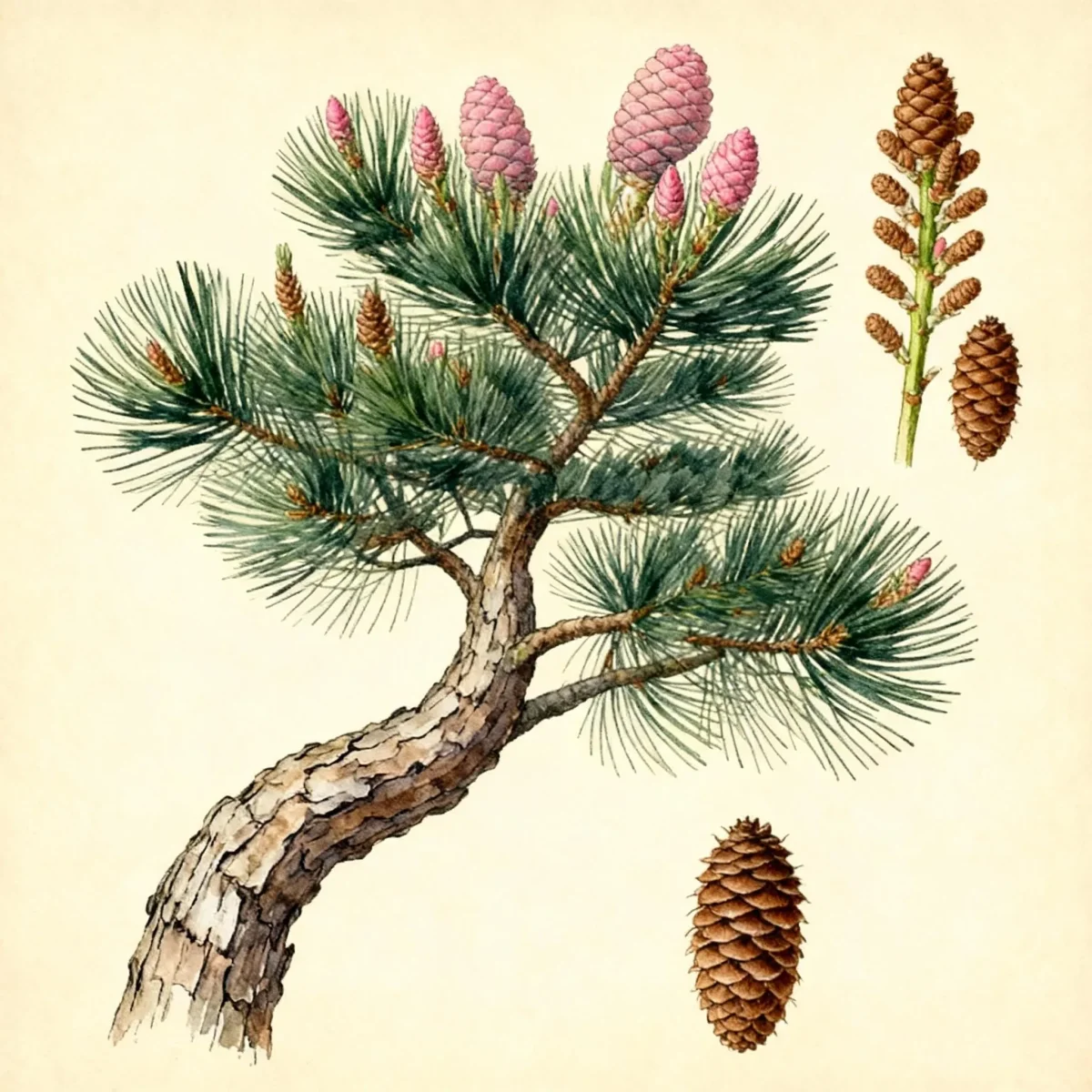
The stiff, dark green needles of the Austrian pine grow 3 to 6 inches long, typically held in bundles of two. Mature trees display attractive, spreading branching, crowned by plate-like bark that is deeply furrowed and dark brown to black. This robust conifer offers dramatic visual weight and excellent year-round screening capability to the landscape.
Tolerances
- Deer
- Air Pollution
Potential Problems
The most significant threat to the Austrian pine is Sphaeropsis (Diplodia) tip blight, which is particularly prevalent in the Midwest, leading to significant dieback and mortality in susceptible trees. Dothistroma needle blight is another serious fungal concern, causing premature needle drop. Landscape managers must remain vigilant for infestations of pine moths and the devastating pine wilt nematode.
Management relies heavily on prevention; planting resistant cultivars or selecting a different species entirely is highly recommended in areas where blight is known to be endemic. If planting proceeds, ensure excellent air circulation and avoid overhead watering to reduce humidity, which encourages fungal growth. Promptly destroy infected debris to limit disease inoculum.
Frequently Asked Questions
What hardiness zones is Austrian pine suitable for?
The Austrian pine (Pinus nigra) is suitable for gardeners gardening in USDA Zones 4 through 7.
How large does Austrian pine grow?
This species generally reaches a height between 40 and 60 feet, with a spread ranging from 20 to 40 feet wide at maturity.
What sun exposure does Pinus nigra need?
Pinus nigra requires full sun exposure to thrive, as it is adapted to open environments.
When does Pinus nigra bloom?
This plant is a conifer and is non-flowering; it produces cones rather than traditional flowers.
Conclusion
The Austrian pine remains a resilient choice for large-scale planting, offering robust screening and handsome evergreen architecture defined by its dark needles and furrowed bark. While its adaptability to clay and pollution is commendable, gardeners must actively monitor for fungal diseases like tip blight that plague the standard Pinus nigra. Always confirm regional disease risk factors before committing significant space to this impressive, though sometimes vulnerable, conifer.
Companion Planting
When siting the Austrian pine, it is beneficial to pair it with companion plants that share similar needs for excellent drainage and full sun exposure. Avoid planting moisture-loving perennials directly beneath the canopy, as the dense needles of Pinus nigra can create dry shade underneath once established. Instead, consider low-growing, drought-tolerant groundcovers that can handle the filtered light beneath its spreading branches, such as creeping junipers or sedums adapted to lean soil profiles.
For aesthetic contrast, select deciduous shrubs or perennials that offer bright seasonal color against the deep, consistent green backdrop of the Pinus nigra. A grouping of flowering dogwoods or vibrant maples positioned far enough away to allow air circulation will highlight the texture and form of the pine while adding seasonal visual interest without encouraging fungal spread.
Seasonal Care Calendar
Early spring, just as the ground thaws, is the ideal time for applying a balanced, slow-release fertilizer if soil tests indicate nutrient deficiencies, but remember fertilization is often optional for this tough species. Late spring is crucial for inspecting new growth; look closely for the brown signaling of Sphaeropsis tip blight beginning to form on the new candle tips. Throughout the summer, monitor watering; while established Austrian pine tolerates dryness, deep, infrequent watering during severe drought is beneficial.
Fall preparation focuses on clearing debris from around the base of the tree to reduce overwintering sites for pests and fungal spores. Avoid heavy mulching right against the trunk flare, as dampness encourages rot. In winter, if snow load is excessive or icy, gently brush heavy accumulations off the branches using an upward sweeping motion to prevent branch breakage, protecting the structure of your magnificent specimen.