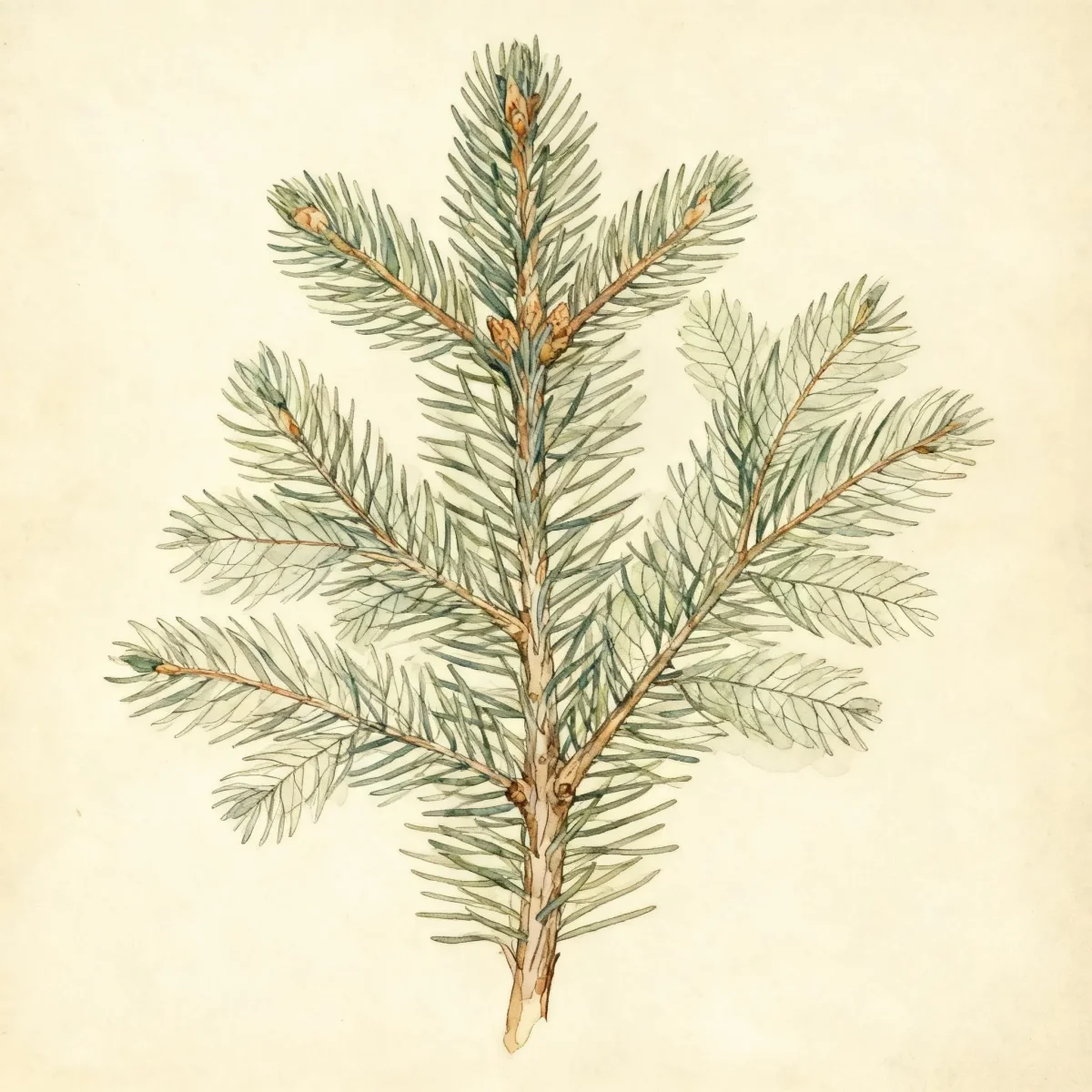
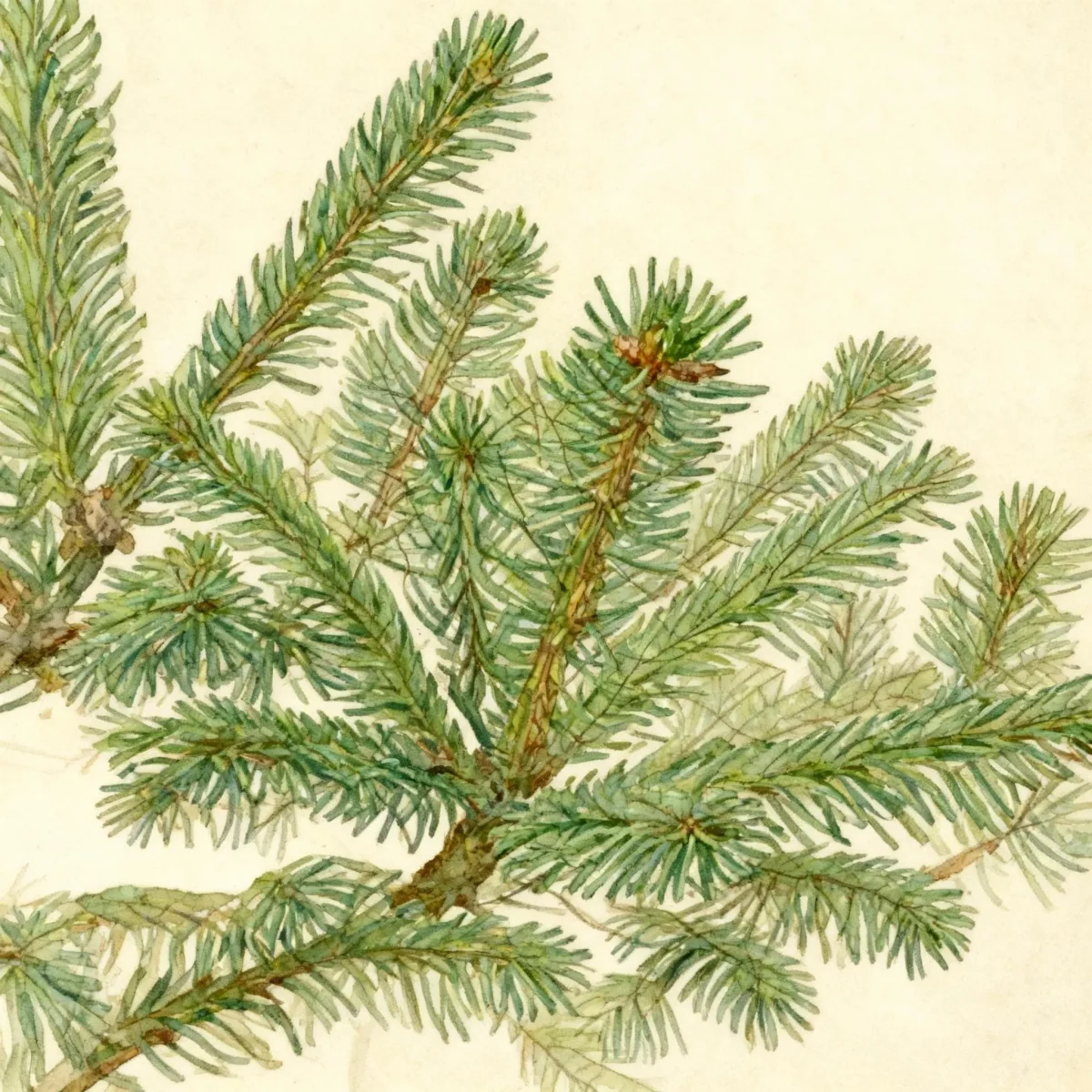
Ponderosa pine (Pinus ponderosa)
Pinus ponderosa, the majestic Ponderosa pine, is a large conifer native to Western North America, thriving in full sun.
Scroll down to discover growing tips, care requirements, companion plants, and more
Complete Plant Information
Overview
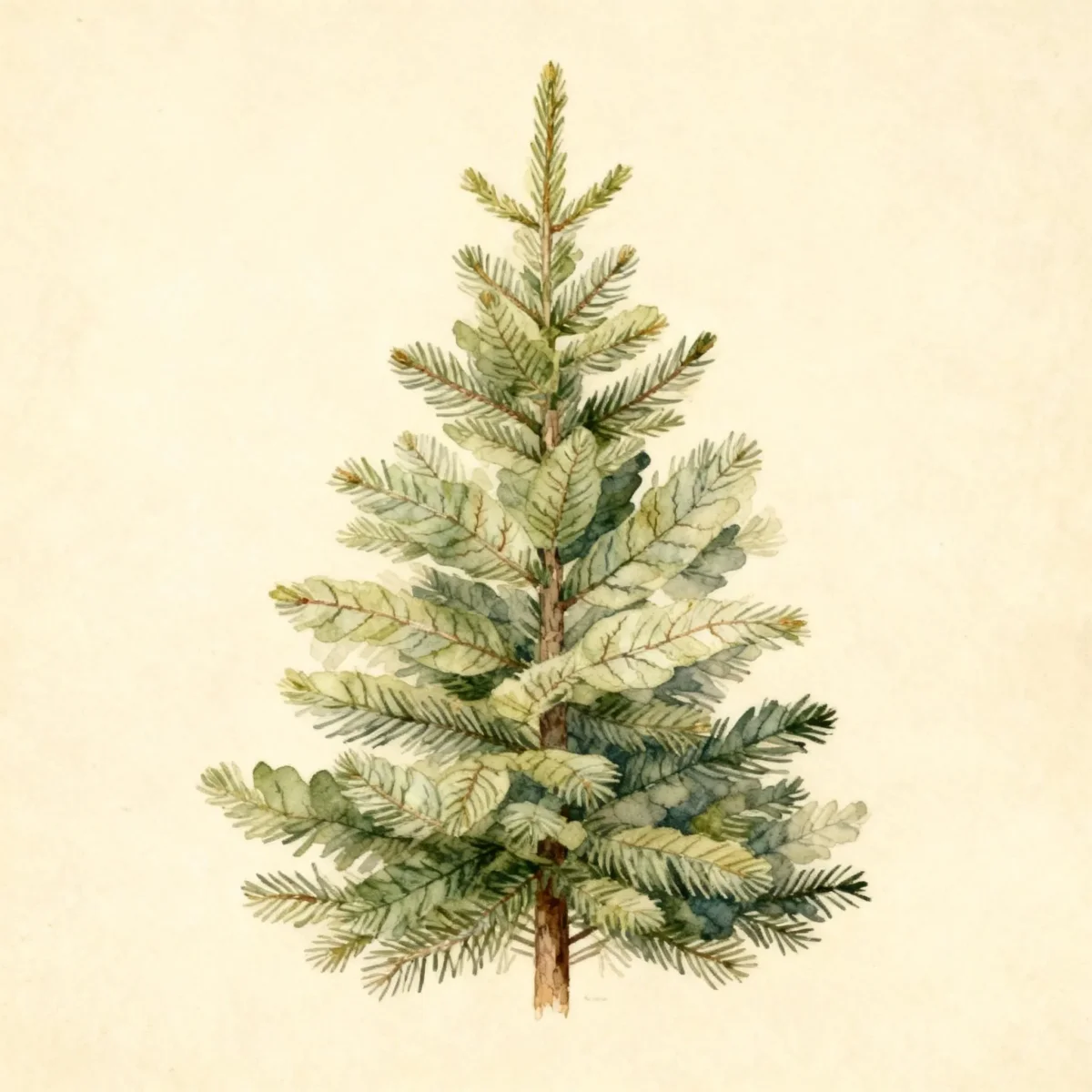
The Ponderosa pine (Pinus ponderosa) stands as a monumental feature in the landscapes of Western North America. This majestic needled evergreen is instantly recognizable by its towering height, often reaching over 100 feet, and its distinctive, platy, yellowish-orange bark on mature specimens. It commands attention where planted, offering year-round structure and a crisp, resinous aroma.
As the dominant pine in its native habitat, Pinus ponderosa is highly valued for its rugged beauty and hardiness, particularly in dry, well-drained conditions. While massive, its cultural needs are surprisingly straightforward, requiring minimal intervention once established, fitting the profile of a low-maintenance specimen tree.
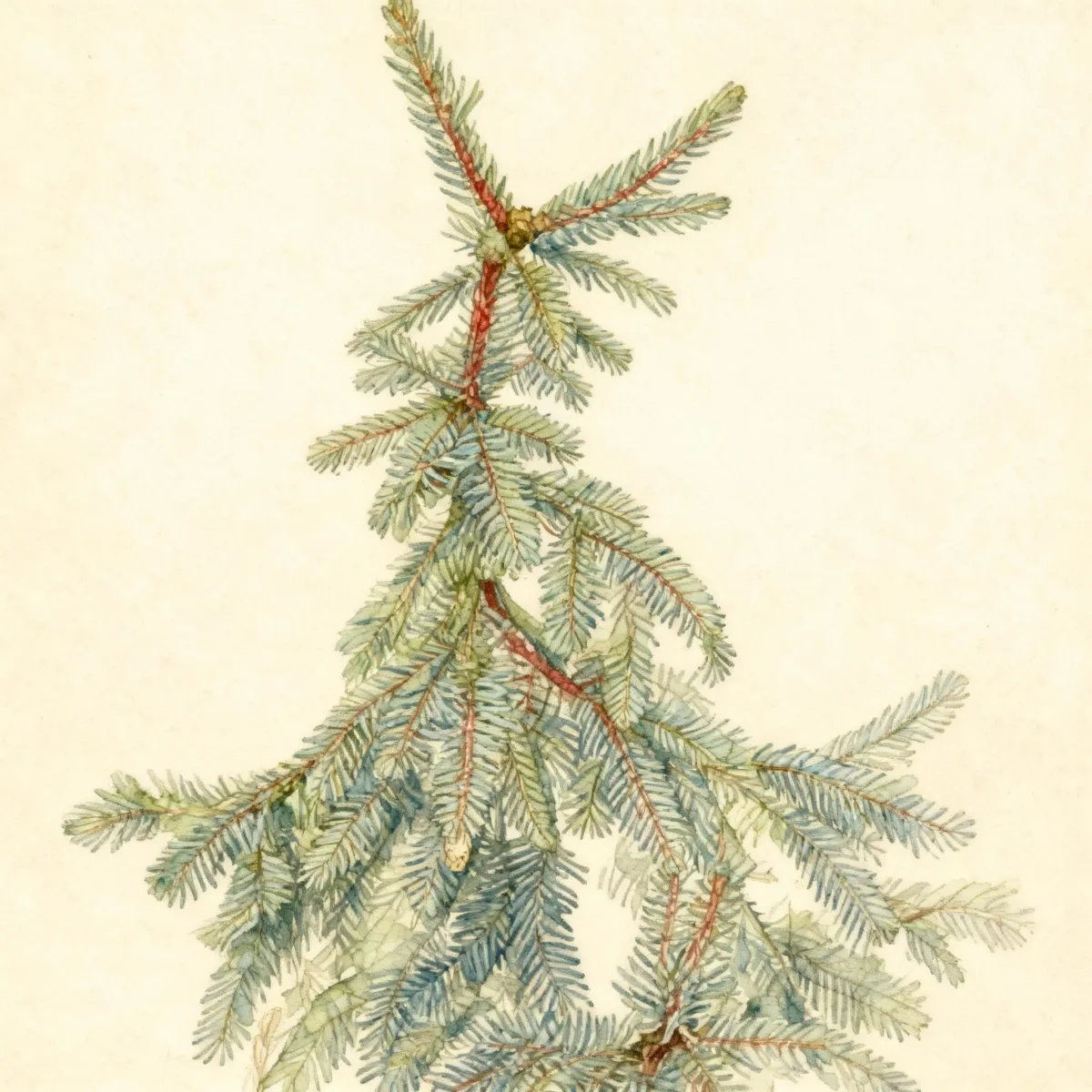
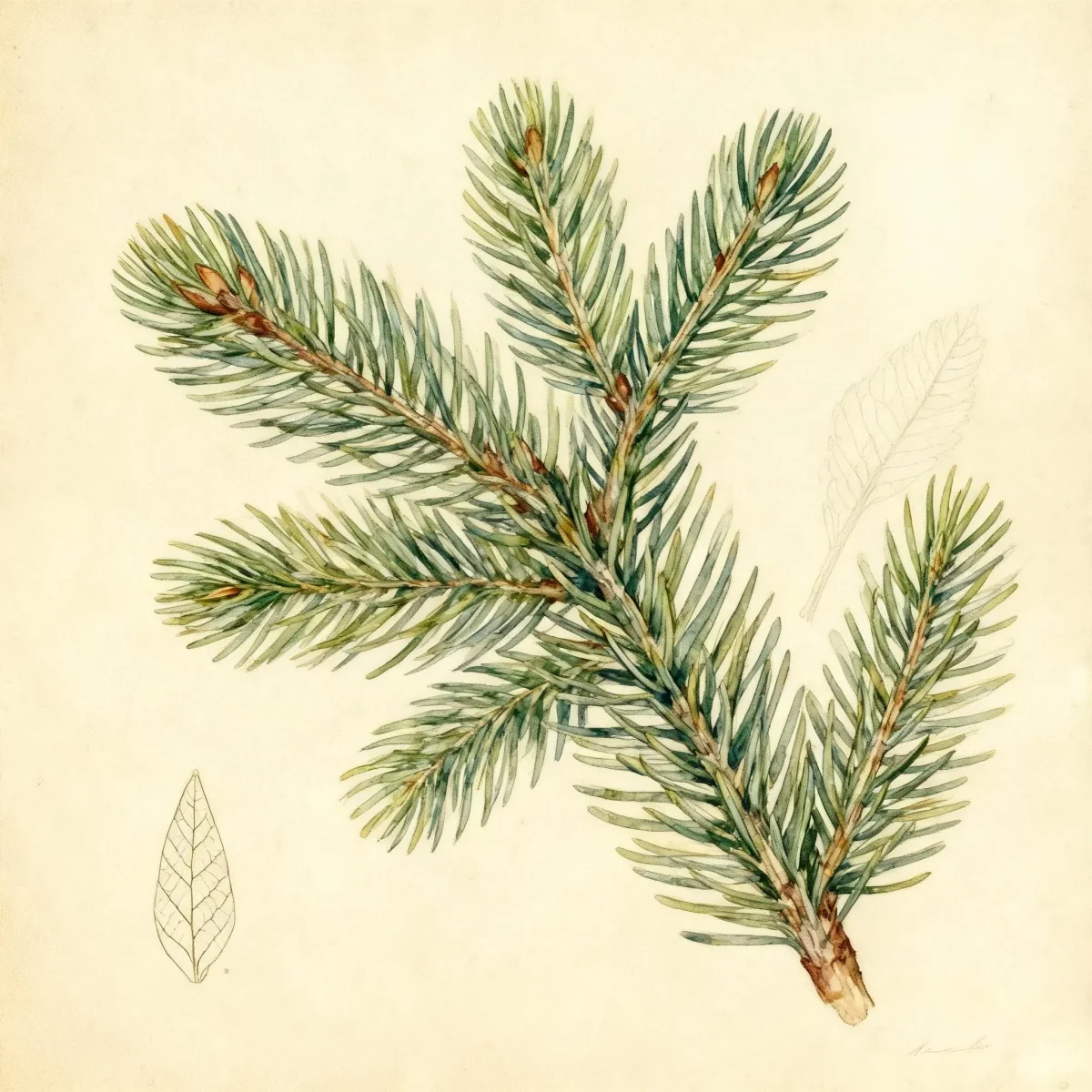
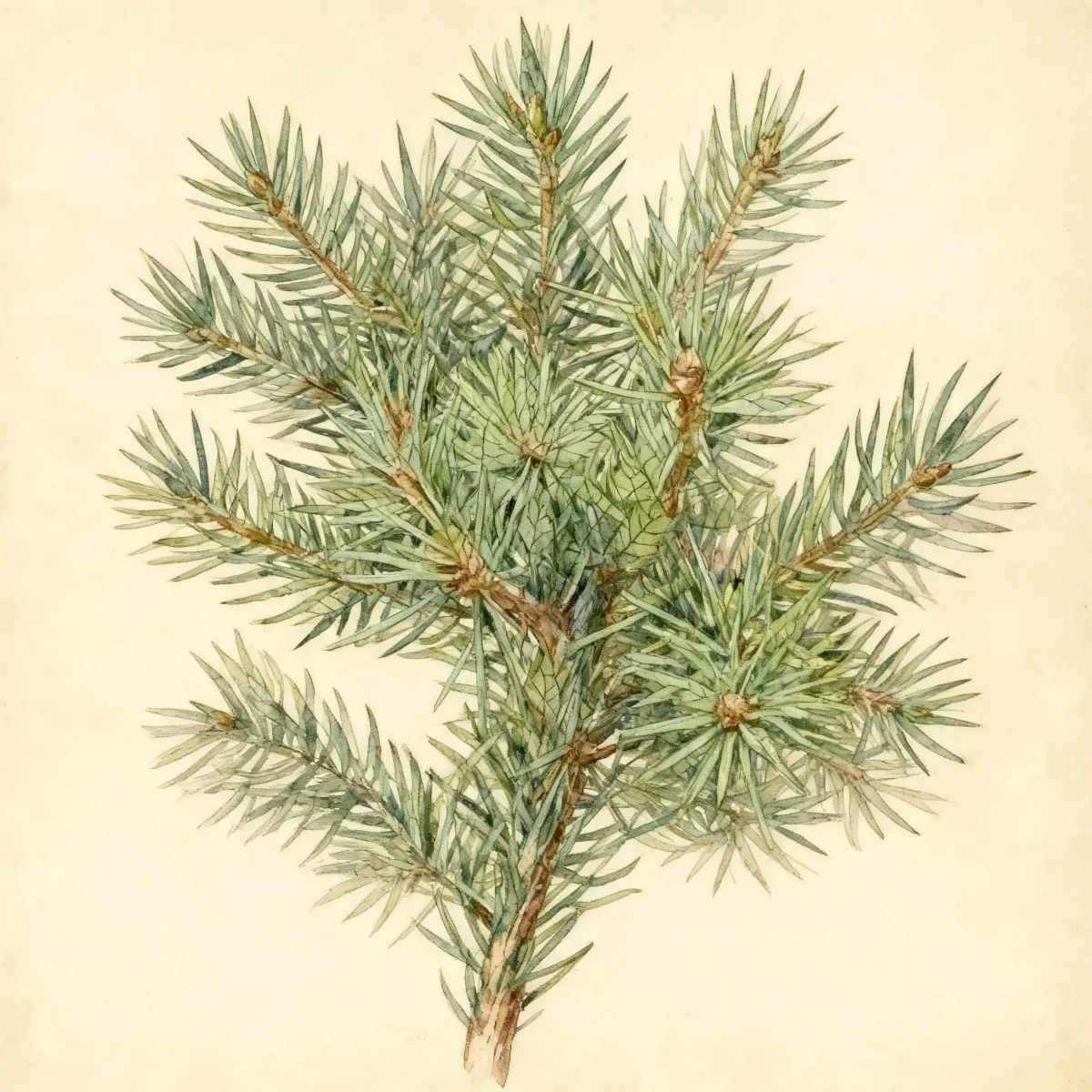
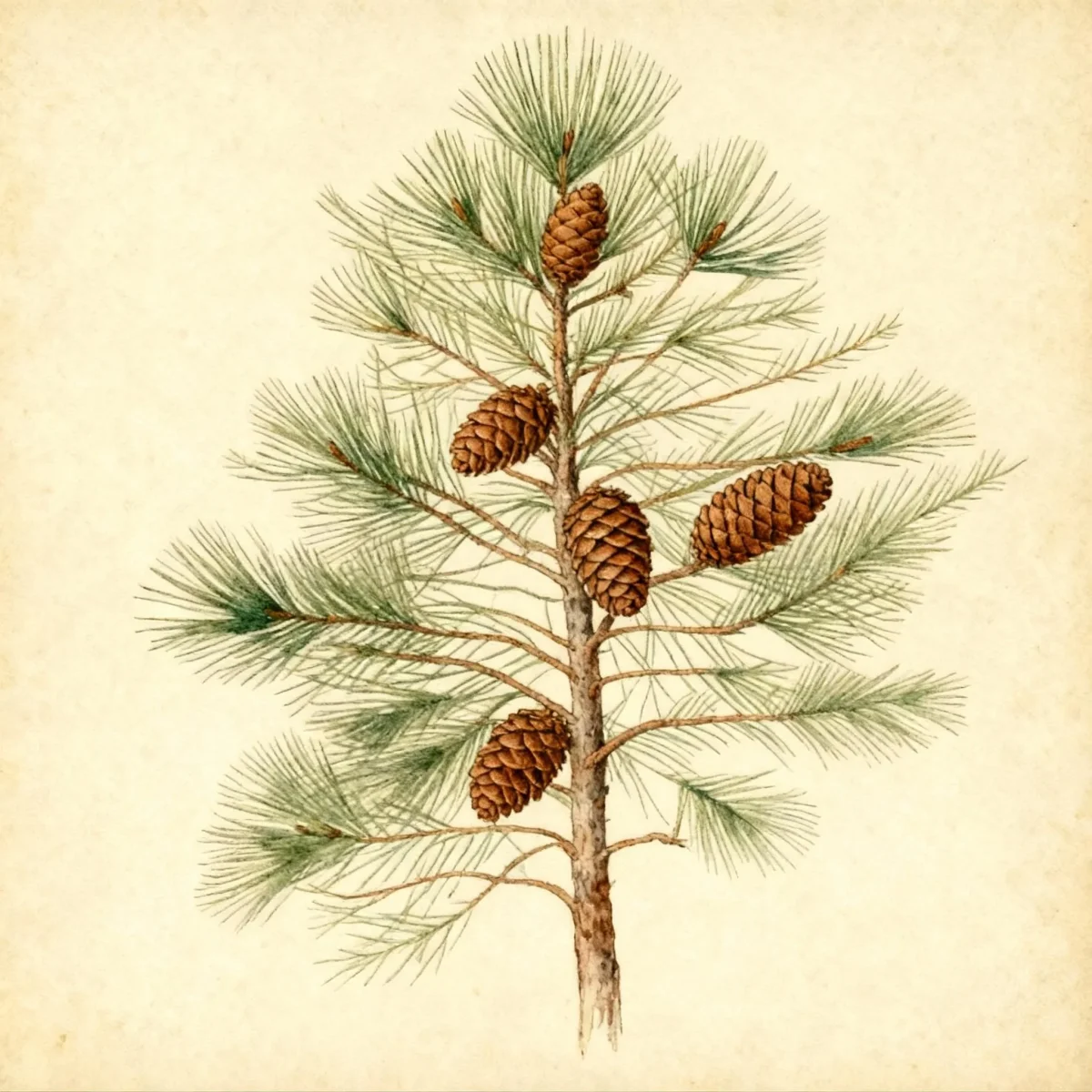
A key identifying feature of the Ponderosa pine includes its long, dark yellow-green needles, typically held in bundles of three, projecting from the branch tips. This tree embodies the grandeur of western mountain forests, providing significant visual impact in large acreage landscapes where its 60- to 125-foot stature can be fully appreciated.
Fast Facts
- Plant Family: Pinaceae
- Plant Type: Needled evergreen
- Native Range: Western North America
- Hardiness Zones: USDA Zones 3-7
- Size at Maturity:
- Height: 60-125 ft
- Spread: 25-30 ft
- Bloom Time: Non-flowering
- Bloom Description: Non-flowering
- Sun Exposure: Full sun
- Water Needs: Medium
- Maintenance Level: Low
How to Grow
The Pinus ponderosa thrives when planted in full sun, as it exhibits absolutely no tolerance for shade. For optimal establishment, choose a site that offers average moisture but guarantees excellent drainage. The preferred soil substrate involves medium-moisture, sandy to gravely loams.
Care is generally considered low maintenance once the tree is established. Water needs are medium; ensure consistent watering during establishment to help the root system develop, allowing the soil to approach dryness between soakings. After settling, established specimens exhibit good drought tolerance. Fertilization is rarely needed unless soil fertility is severely lacking.
Pruning should be avoided unless absolutely necessary for safety or branch clearance, as the natural, conical form of the Ponderosa pine is its greatest asset. Avoid planting in areas prone to poor air circulation or heavy clay soils, which can exacerbate fungal issues and root rot risks common to many pines.
Landscape Uses
The sheer scale of the Ponderosa pine dictates its use primarily in expansive, open landscapes, such as parks, large estates, or naturalized areas where its 125-foot potential height can be safely accommodated. It functions supremely well as a specimen tree, providing dominant vertical interest across the skyline.
Because of its size and strong resinous scent, it is effective when used as an anchor point in a large-scale native planting scheme, reminiscent of its natural mountain habitats. While it is not suitable for small residential yards, it serves as an excellent windbreak or background screen in agricultural or rural settings, provided the climate aligns with USDA Zones 3 through 7.
Standout Features
Noteworthy Characteristics
Pinus ponderosa, commonly called Ponderosa pine, is the dominant pine tree of the western U.S. It usually grows best at elevations of 4000-8500 feet. It is native primarily to mountain areas from British Columbia to Mexico east to North Dakota, Nebraska and Texas. Trees may live to 600 years, developing striking, massive trunks up to 4 feet in diameter. Its mature bark transitions from dark brown to a distinctive bright yellowish-brown or reddish-orange, marked by large, scaly plates.
Tolerances
- Deer
- Drought
Potential Problems
In its native habitat, healthy, well-maintained trees usually have few major problems. However, growers outside the preferred climate, such as those in hot, humid regions, may see significant struggles when establishing Pinus ponderosa. Key threats include opportunistic pests and diseases in stressed trees.
The most significant antagonists may include root rots, needle blight, and blister rust, all favored by overly saturated or poorly draining soils. Additionally, bark beetle infestations can cause swift and severe damage to large conifers, rapidly compromising the tree’s health. Ensure proper site selection with sharp drainage to mitigate fungal threats.
Frequently Asked Questions
What hardiness zones is Ponderosa pine suitable for?
The Ponderosa pine is highly adaptable across USDA Zones 3 through 7.
How large does Pinus ponderosa grow?
This tree typically reaches heights between 60 and 125 feet, with a spread of 25 to 30 feet at maturity.
What sun exposure does Ponderosa pine need?
Pinus ponderosa requires full sun exposure to develop properly and maintain health; it cannot tolerate shade.
When does Ponderosa pine bloom?
This conifer is non-flowering, producing cones instead of traditional blooms.
Conclusion
The Ponderosa pine is an indispensable component of large Western landscapes, valued for its impressive stature, characteristic bark, and low maintenance needs once situated correctly. To successfully integrate this magnificent conifer, verify that your site matches the full sun requirements and the well-drained soil profile necessary for Pinus ponderosa health. Always check your local USDA Hardiness Zone compatibility before planning your planting.
Companion Planting
When integrating the Ponderosa pine into a large property or naturalized area, selecting companions that share its love for dry, well-drained, and sun-drenched conditions is crucial. Consider pairing it with other drought-tolerant natives common to western montane environments, such as various junipers (Juniperus spp.) or Pinyon pines, which share similar cultural requirements.
For understory planting beneath the canopy—applied sparingly due to the deep shade cast by mature Pinus ponderosa—use tough, low-growing shrubs or groundcovers that tolerate dry shade once the pine is established. Avoid shallow, water-loving perennials near the drip line, as the pine’s root system will out-compete them for moisture.
Specific Design Considerations
Designing with the large form of Pinus ponderosa requires significant setback planning to accommodate its mature spread of up to 30 feet and eventual towering height. It serves best as a background screen, defining property lines or drawing the eye upward in vast open spaces. Its sculptural quality, especially the deeply furrowed bark, provides excellent winter interest.
Because this plant emits a strong, appealing resinous scent, it is perfect for placement near outdoor seating areas, patios, or paths where residents can frequently enjoy its fragrance. Ensure placement allows viewing of the trunk’s magnificent bark transition during sunset, highlighting the reddish-orange plates characteristic of the mature Ponderosa pine.