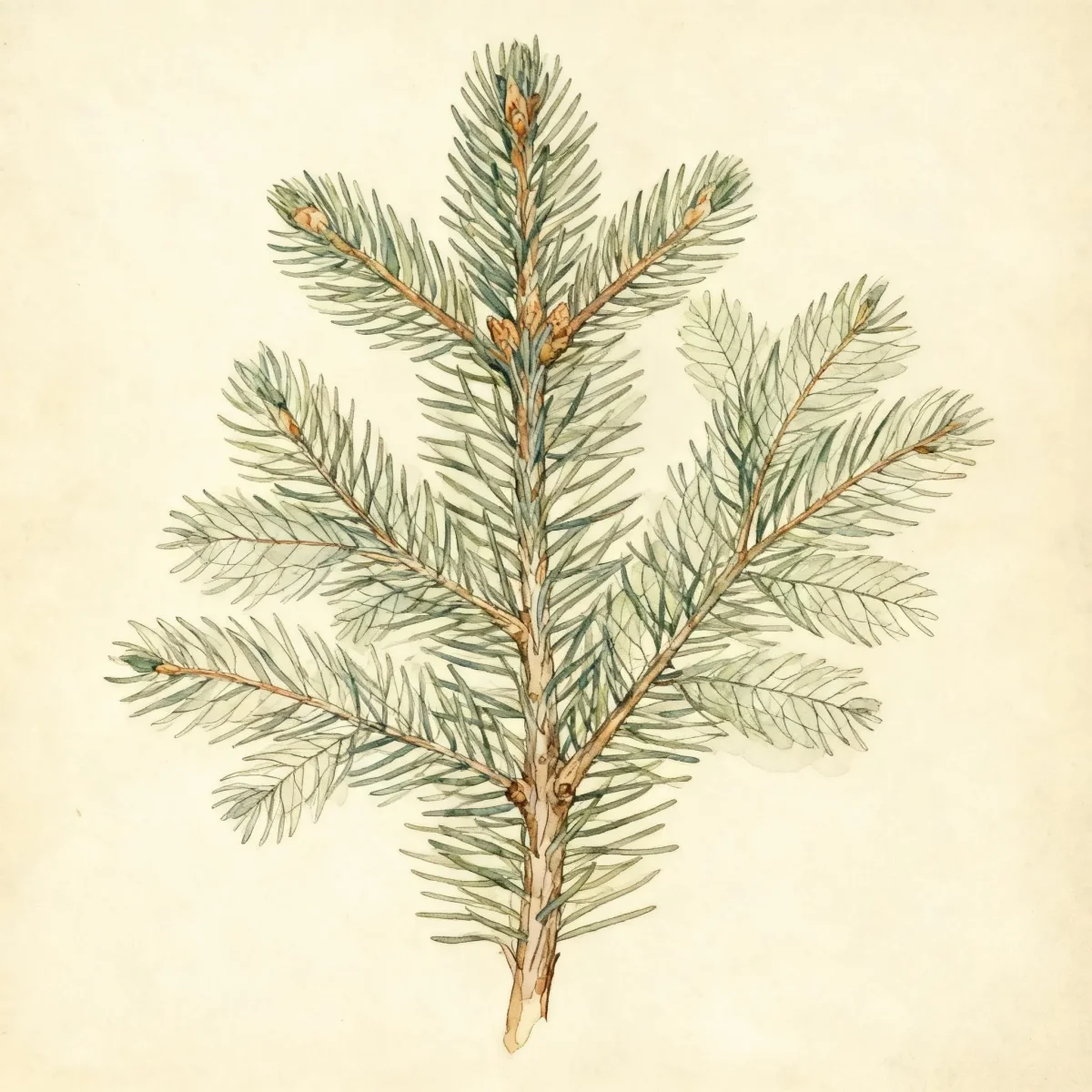
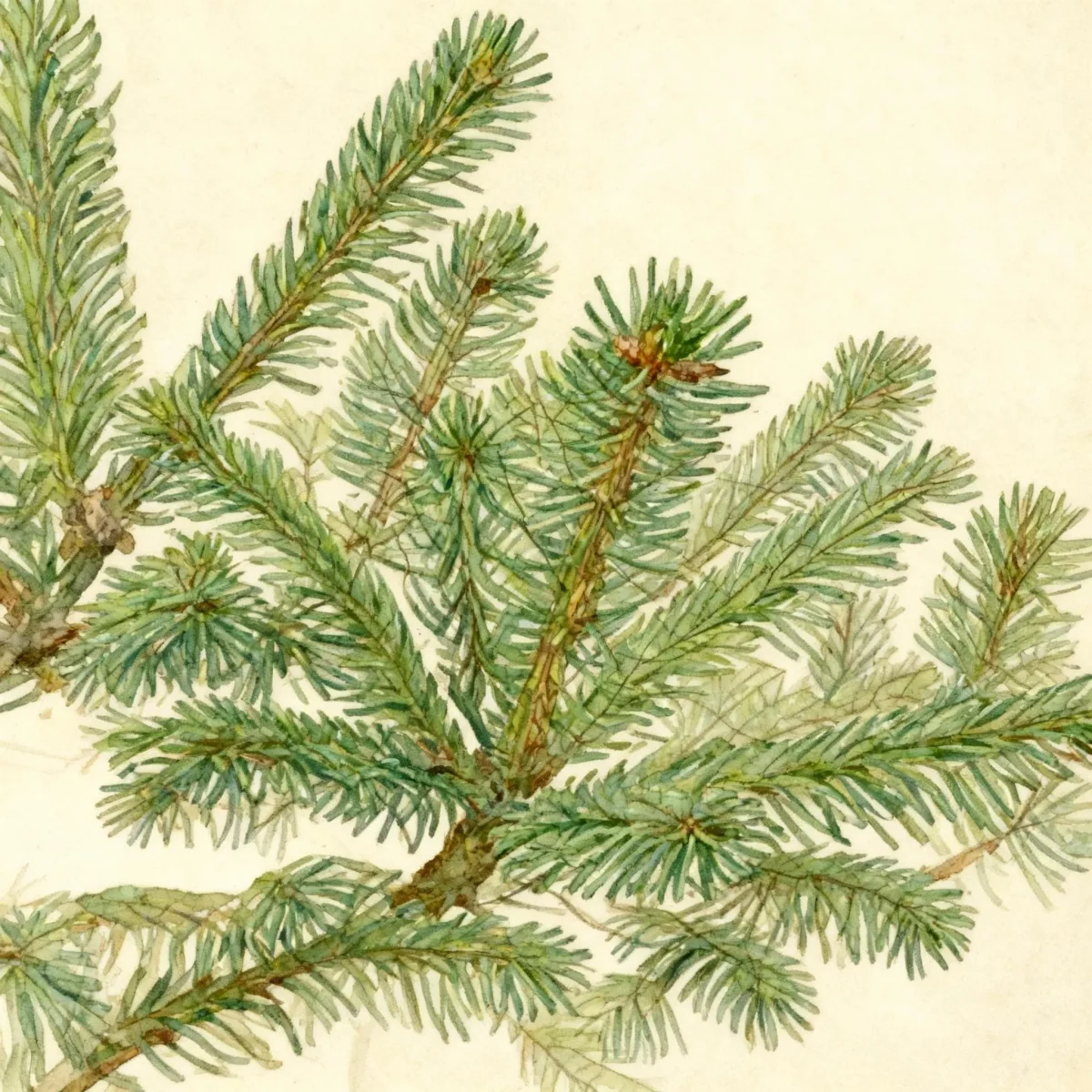
Red pine (Pinus resinosa)
Pinus resinosa, the Red pine, is a stately, fast-growing conifer perfect for northern landscapes in USDA Zones 2-5.
Scroll down to discover growing tips, care requirements, companion plants, and more
Complete Plant Information
Overview
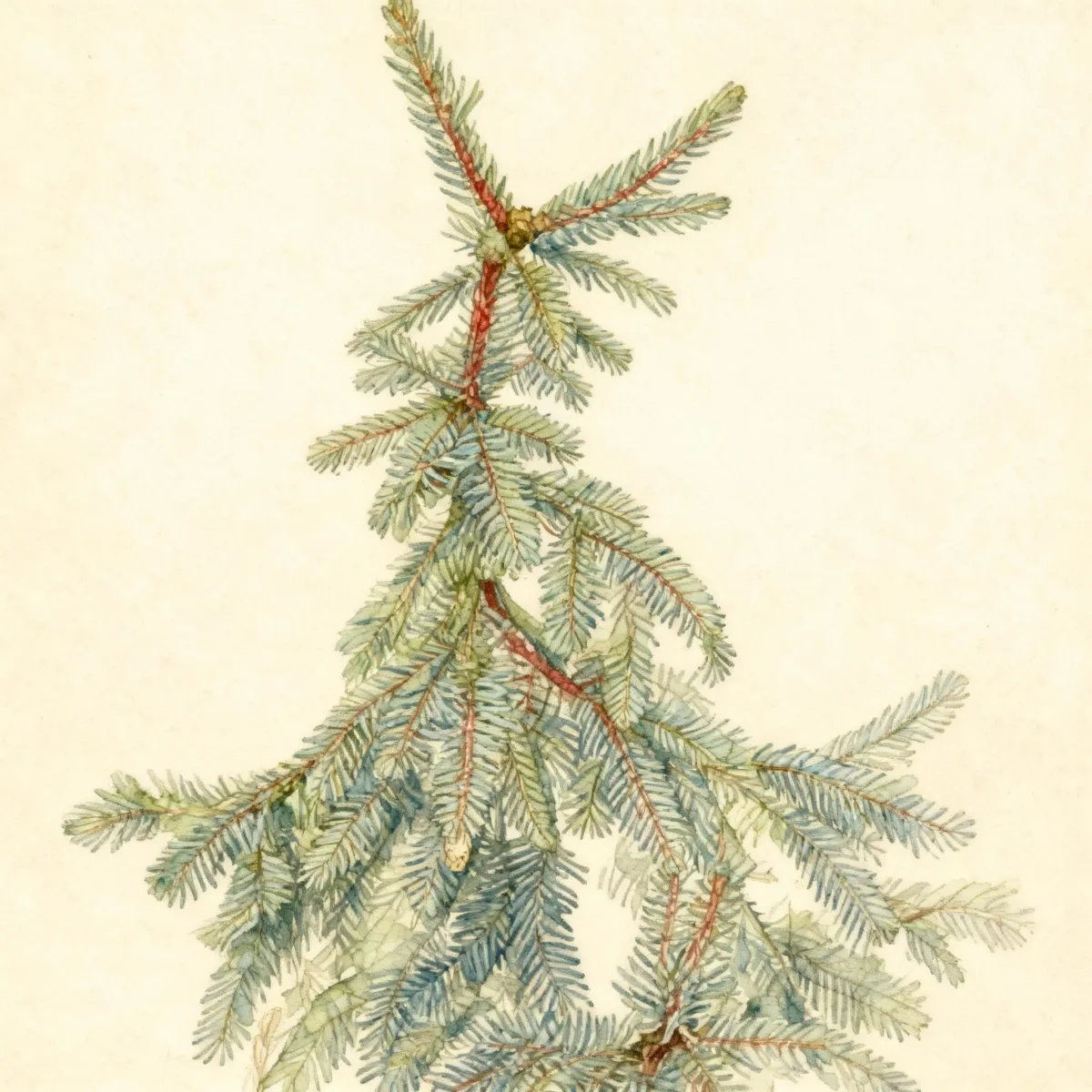
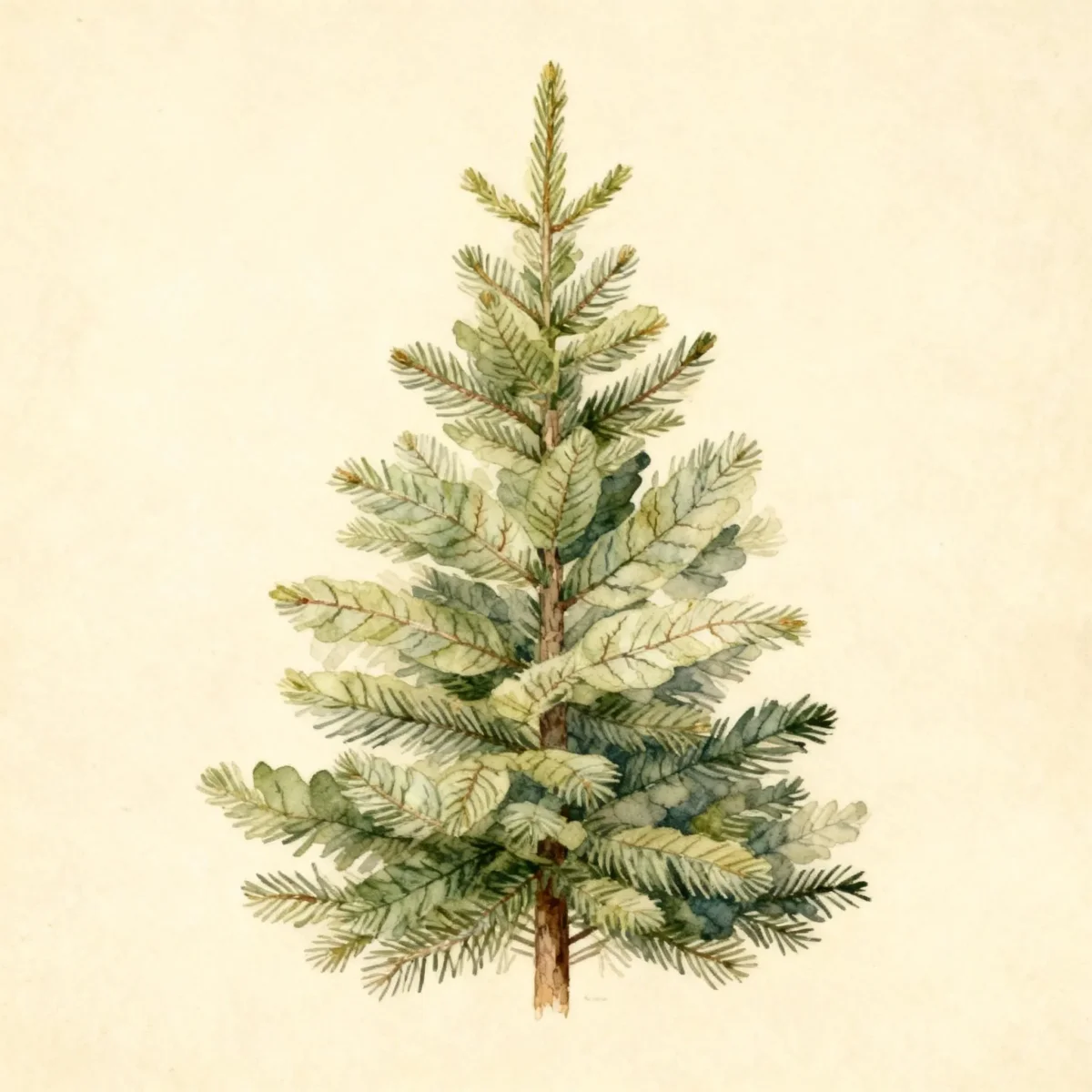
The Red pine (Pinus resinosa) is a magnificent, rapidly growing conifer native to cooler regions of Eastern North America. Known for its straight trunk and distinct reddish-tinged bark, this species offers imposing vertical structure even in maturity. Gardeners seeking a substantial evergreen presence in cooler climates value the Pinus resinosa for its speed and iconic silhouette.
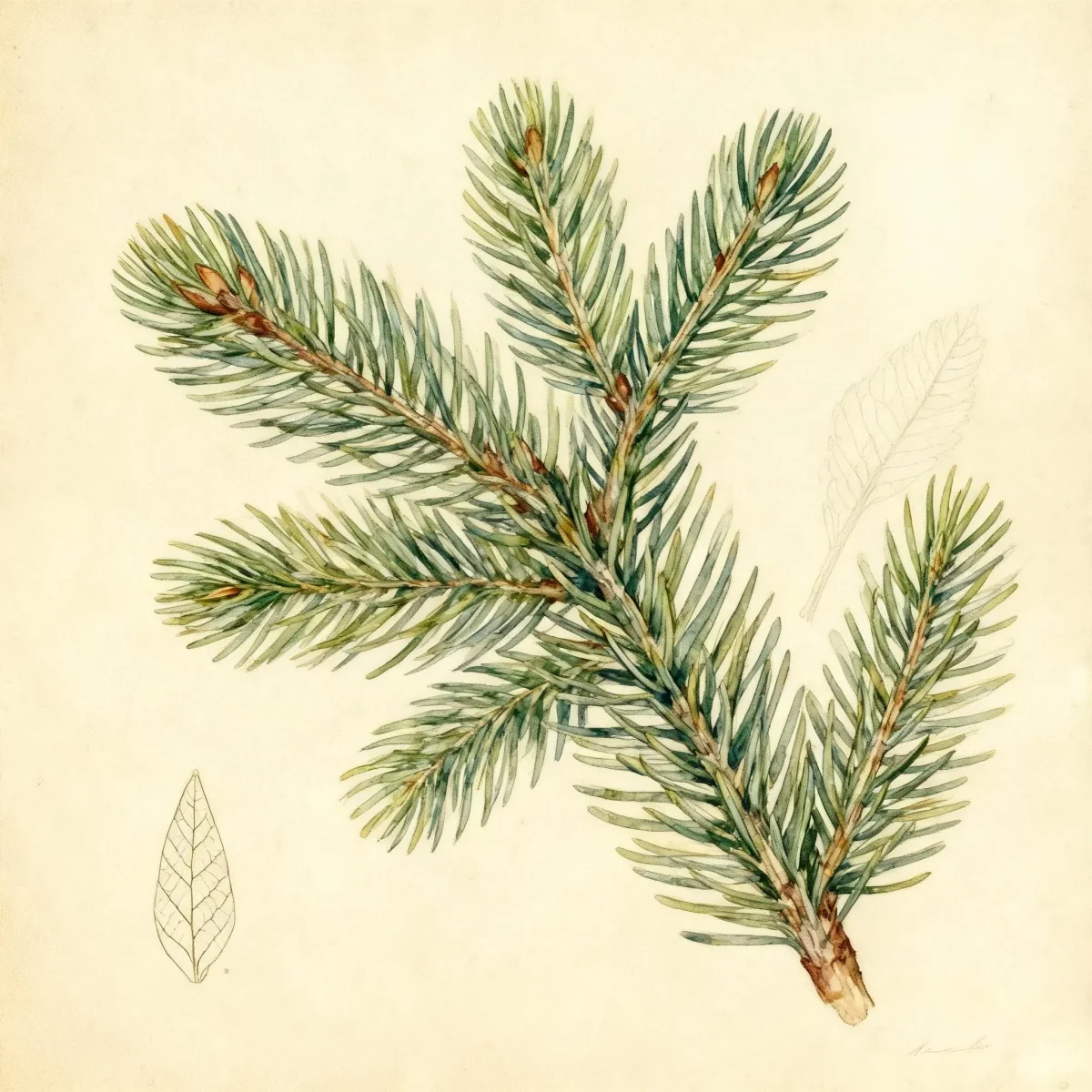
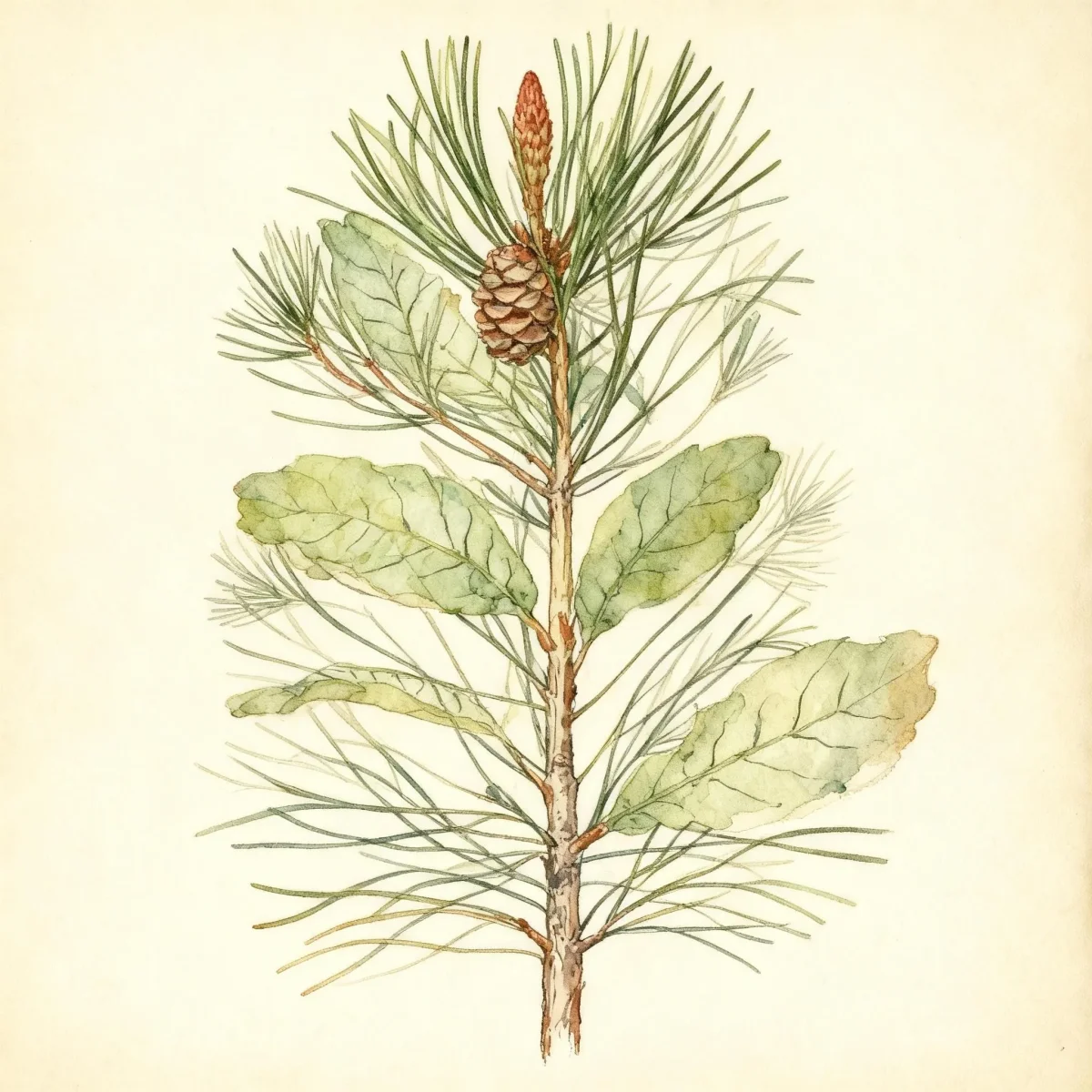
This needle evergreen typically reaches heights between 50 and 80 feet, distinguishing itself with soft, deep green needles clustered in fascicles of two. These needles are unique, snapping crisply when bent, providing immediate identification for the Red pine. It thrives best where summer heat and humidity are moderated, reinforcing its suitability for northern landscape designs.
While valued commercially for timber, in the landscape, Pinus resinosa functions best as a windbreak or screening element where its resilience and low maintenance needs are appreciated. It establishes quickly in the right conditions, offering year-round color and structure where softer broadleaves might thin out.
Fast Facts
- Plant Family: Pinaceae
- Plant Type: Needled evergreen
- Native Range: Eastern North America
- Hardiness Zones: USDA Zones 2-5
- Size at Maturity:
- Height: 50-80 ft
- Spread: 20-25 ft
- Bloom Time: Non-flowering
- Bloom Description: Non-flowering
- Sun Exposure: Full sun
- Water Needs: Medium
- Maintenance Level: Low
How to Grow
Planting the Red pine should occur during the cooler, wetter parts of the year—spring or fall—to minimize transplant shock. Locate Pinus resinosa where it receives full sun exposure throughout the day; light tolerance is extremely low, making shade unacceptable for long-term health. The ideal substrate is average, well-drained sandy loam with medium moisture retention.
Ongoing care is straightforward, reflecting its low maintenance rating. Once established, moisture needs are categorized as medium; ensure regular, deep watering during extended dry spells, especially through its first few growing seasons. Fertilization is rarely necessary unless soil tests indicate severe nutrient deficiencies. Avoid heavy pruning, as this tree develops best naturally with minimal interference.
The Pinus resinosa performs optimally in geographic areas characterized by cool summers and reliably cold winters. Gardeners located in transitional zones must be mindful of its intolerance for prolonged heat and humidity, which stresses the tree. While it tolerates various soils, ensure excellent drainage, as standing water will quickly lead to root issues. It also shows some intolerance to significant urban pollution.
Landscape Uses
The imposing stature and full-sun requirements of the Red pine mean it is best utilized in expansive settings, not close foundation plantings. Due to its need for cool summers, the recommended landscape placement for Pinus resinosa is generally restricted to USDA Zone 5 and colder regions. South of these zones, environmental stress often leads to poor performance and increased susceptibility to pests and disease.
In suitable northern climates, the tree excels as a highly effective screen or windbreak due to its dense, conical shape when young, maturing into a more open crown. It provides excellent year-round structure along property lines or in large park-like settings. When used sparingly as a backdrop, its ruddy bark provides visual interest during winter months.
Companion planting should focus on species that share similar requirements for full sun and well-drained, slightly acidic soil, such as native birches or understory shrubs tolerant of some root competition. Avoid placing it near species requiring heavy moisture or afternoon shade, as this will compromise the health of the Red pine.
Standout Features
Noteworthy Characteristics
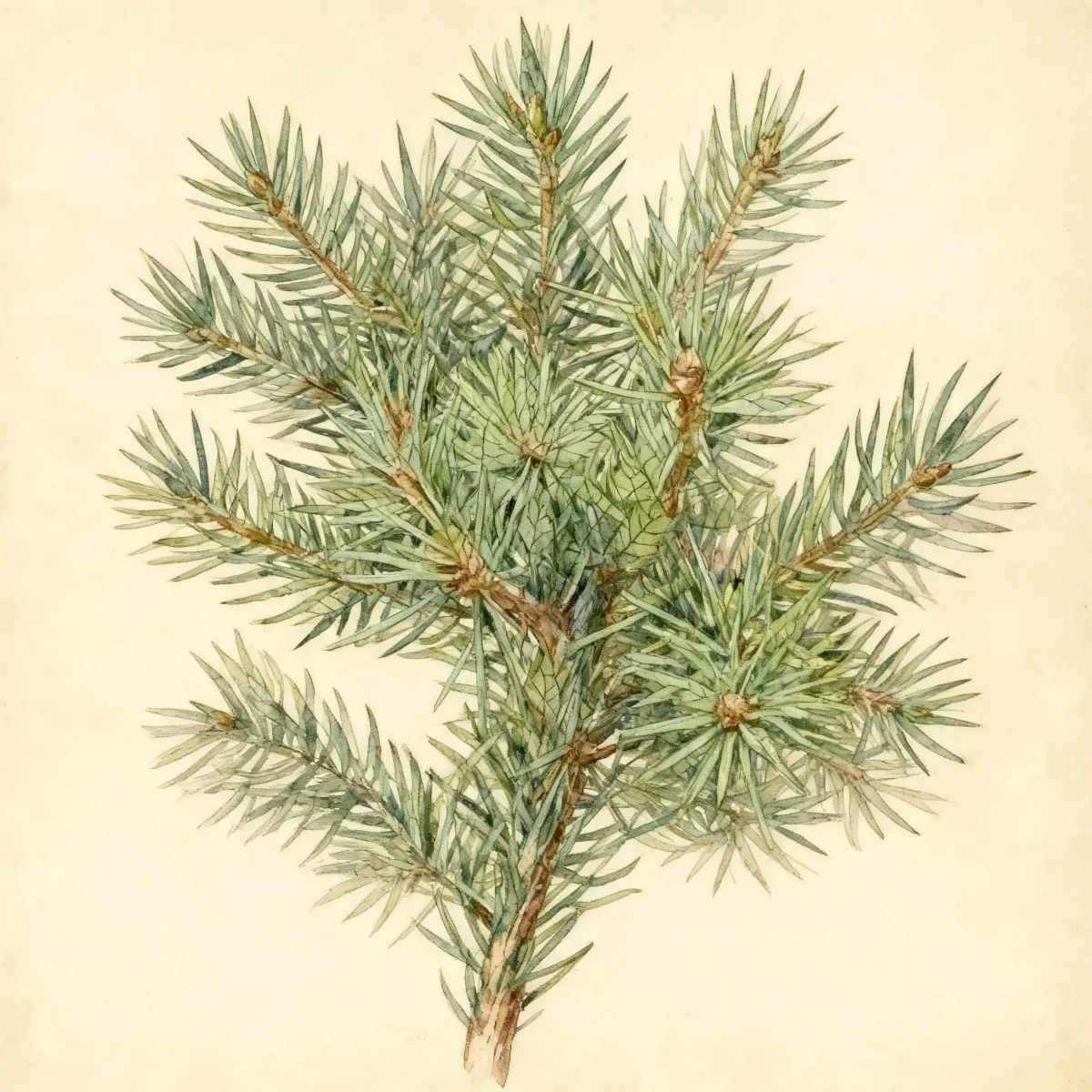
Pinus resinosa, commonly called red pine, is a conical, straight-trunked, evergreen conifer with horizontal to ascending branching and an oval to rounded crown. It typically grows to 50-80’ (less frequently to 125’) tall. It is native from Newfoundland to Manitoba south to Minnesota, Wisconsin, Michigan, Pennsylvania and New York. Sharply-pointed, yellow-green to dark green needles (4-6” long) in bundles of two are soft but brittle (snap crisply when bent). Ovoid female seed cones mature to chestnut brown in the second year and lack prickles on the scales.
Tolerances
- Deer
- Drought
Potential Problems
In climates where summers are hot and humid, the Red pine often struggles, making it prone to several issues. The primary concerns are various fungal diseases, including needle cast, needle blight, bark canker, root rots, and rusts. Prevention often centers on ensuring the tree is sited correctly in a cool, breezy location with excellent drainage to mitigate fungal pressure.
Insect pests can also pose a significant threat, particularly in stressed trees. The budworm is cited as the most significant insect pest in some regions where the Pinus resinosa grows. Other common invaders include sawflies, pine beetles, pine gall weevil, tussock moth, and the pine needle miner. Integrated Pest Management (IPM) approaches focusing on monitoring and timely intervention are key to managing these pests.
Frequently Asked Questions
What hardiness zones is Red pine suitable for?
The ideal range for cultivating Pinus resinosa is USDA Zones 2 through 5. Planting south of Zone 5 is not recommended due to heat stress.
How large does Red pine grow?
This species typically reaches a mature height between 50 and 80 feet, although some specimens can grow taller. The spread usually ranges from 20 to 25 feet wide.
What sun exposure does Pinus resinosa need?
This needled evergreen absolutely requires full sun to thrive and exhibits very little tolerance for shaded conditions.
When does Pinus resinosa bloom?
The tree is non-flowering, as is typical for most conifers, developing cones instead of traditional blossoms.
Conclusion
The Red pine (Pinus resinosa) offers superior vertical structure and reliable evergreen screening, particularly cherished in cooler climates for its hardiness between USDA Zones 2 and 5. With its distinct reddish bark and readily identifiable snapping needles, this stately tree only requires low maintenance when situated in its preferred full sun environment with medium, well-drained soil. Before planting, confirm your local climate patterns to ensure the cool summers necessary for a healthy, long-lived Pinus resinosa.
Companion Planting
Selecting appropriate companions is vital for the Red pine landscape, as its cultural requirements limit friendly neighbors. Focus plantings on other conifers or hardy broadleaf specimens that also demand full sun and excellent drainage. Species like White Spruce (Picea glauca) or certain deciduous trees native to the upper Great Lakes region often share compatible soil profiles and humidity tolerance levels.
Avoid using moisture-loving perennials or shade-tolerant shrubs near the base of Pinus resinosa. The pine develops a wide, spreading root system that demands moisture primarily for itself, and competition from thirsty understory plants can stress the tree, making it more vulnerable to needle blight mentioned in its potential problems section.
Seasonal Care Calendar
Spring is an excellent time for observing the Red pine for early signs of pest activity, such as emerging budworm larvae. Address any winter dieback or broken branches immediately after the threat of hard frost has passed to encourage clean new growth. Monitor soil moisture closely during late spring drought periods when the tree begins ramping up its seasonal growth.
Summer care should focus almost entirely on avoiding irrigation mistakes and minimizing canopy disturbance. If necessary, conduct any structural pruning only during the dormant season to reduce stress. In the fall, resist the urge to heavily amend the soil around the base; simply allow fallen needles to decompose naturally, contributing to the acidic soil environment the Pinus resinosa prefers.