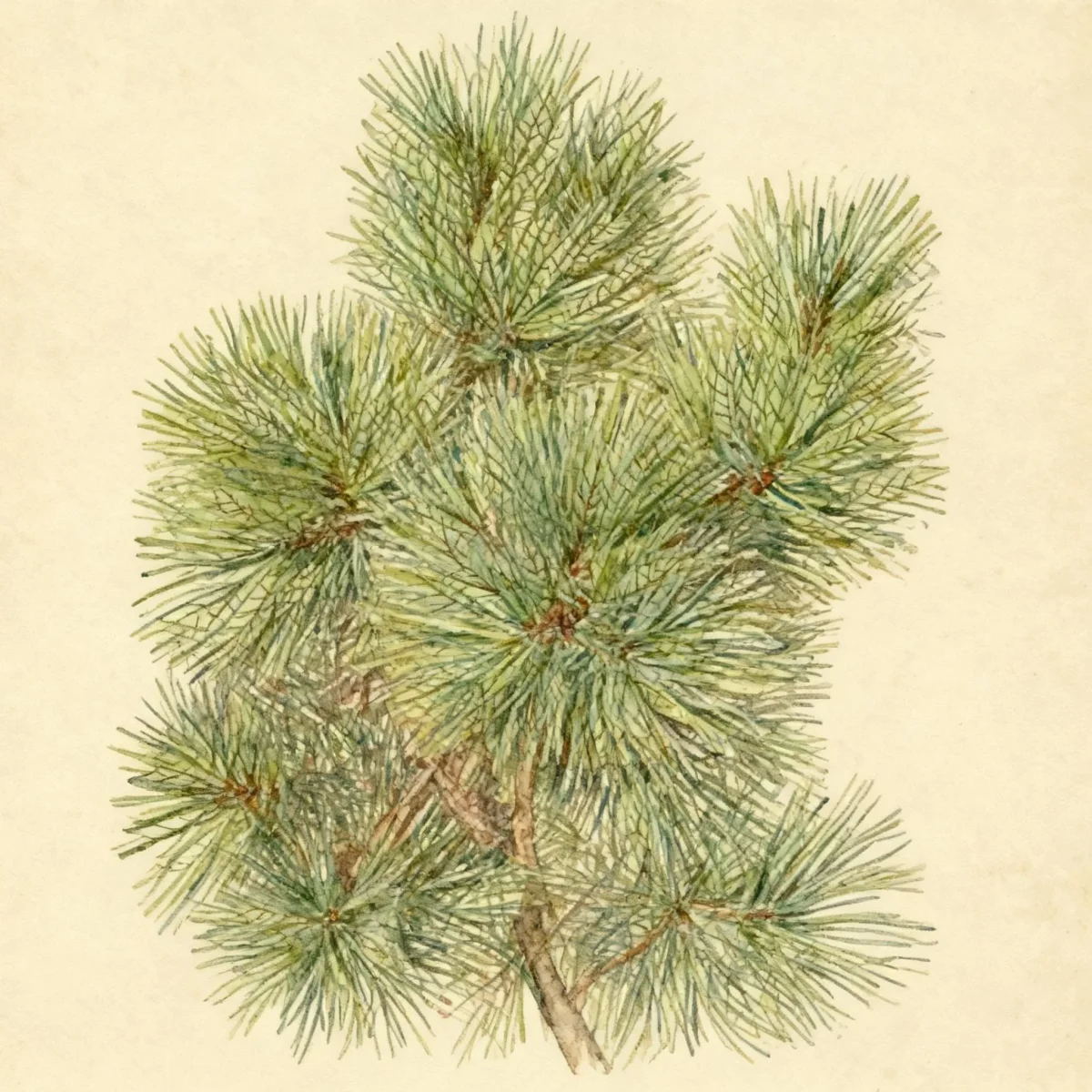
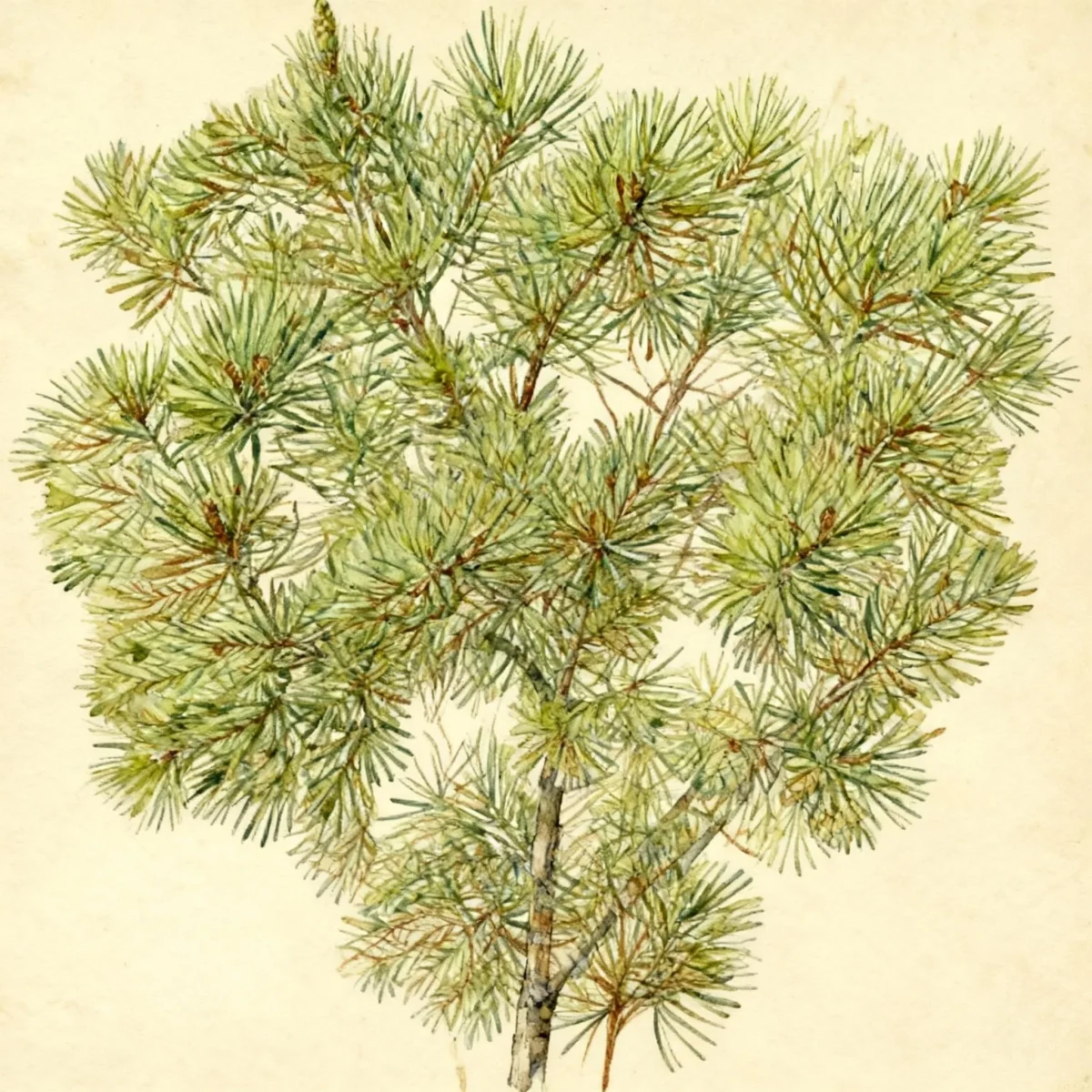
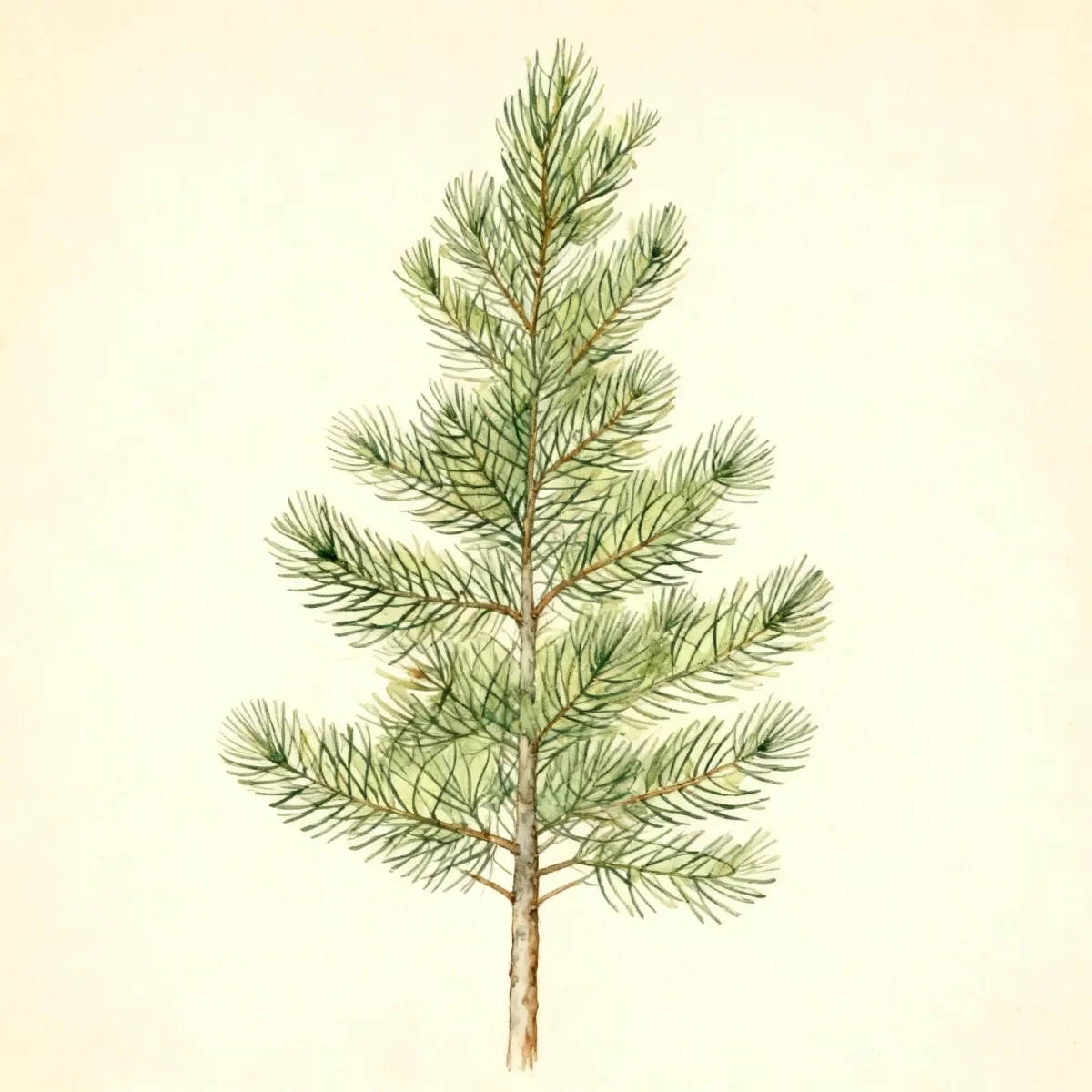
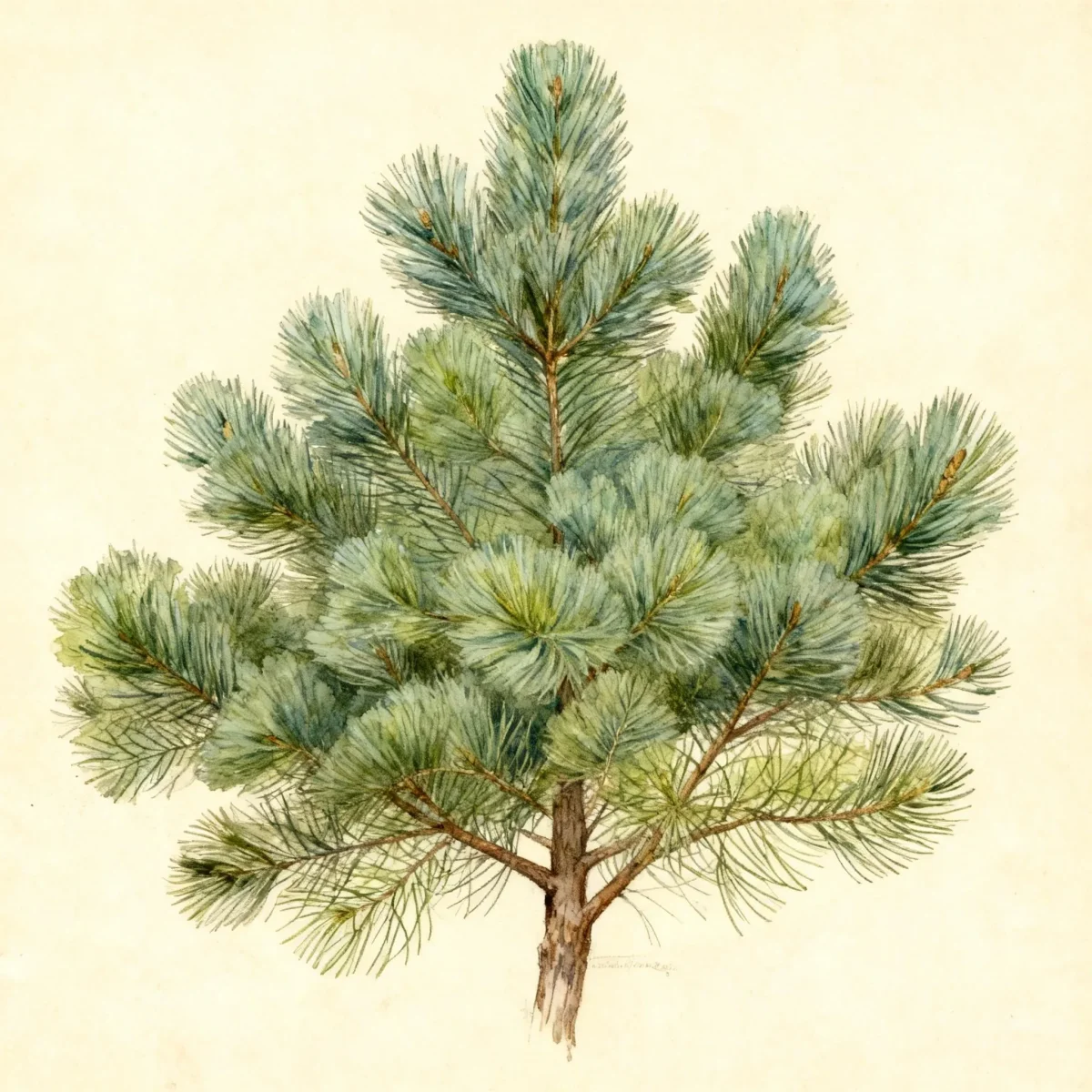
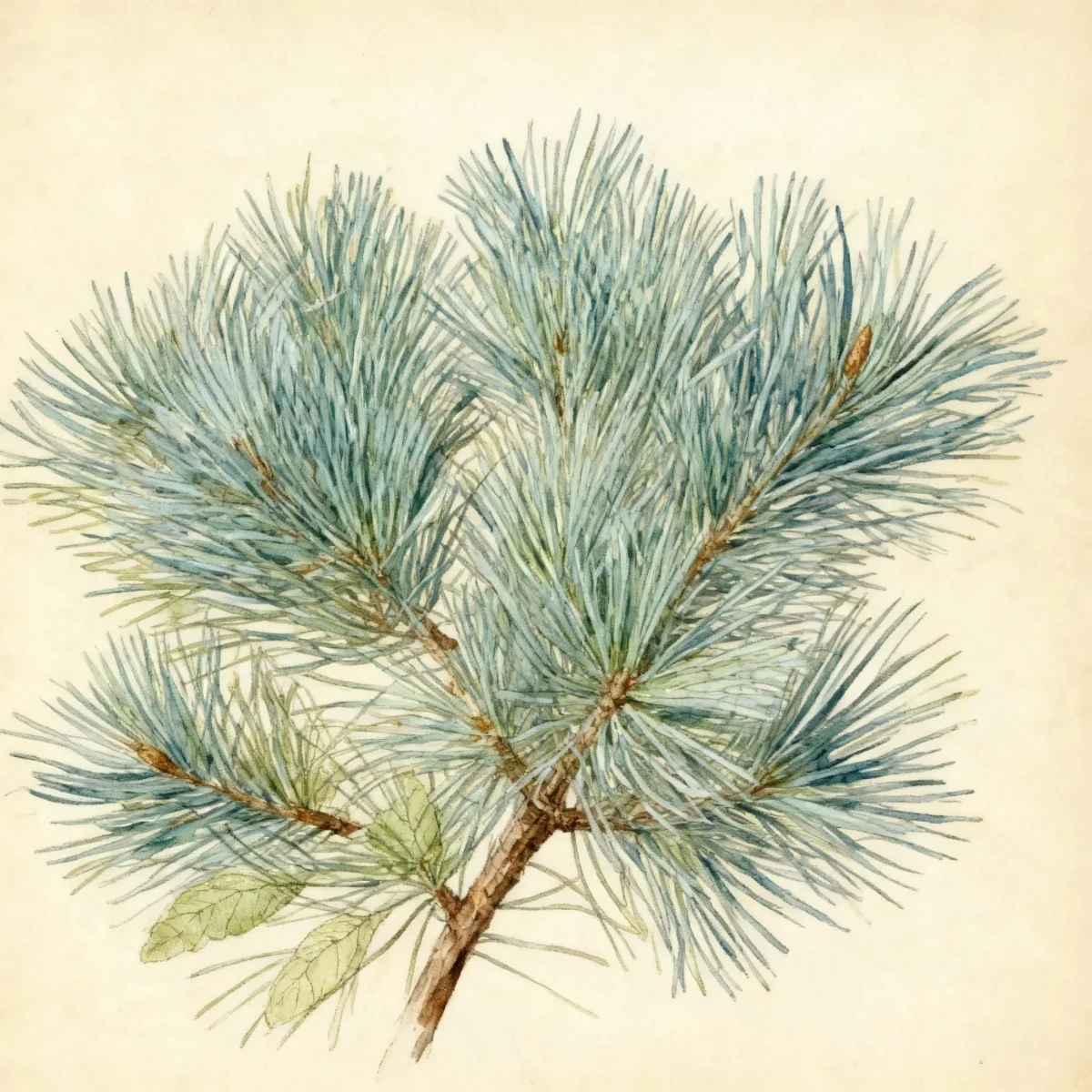
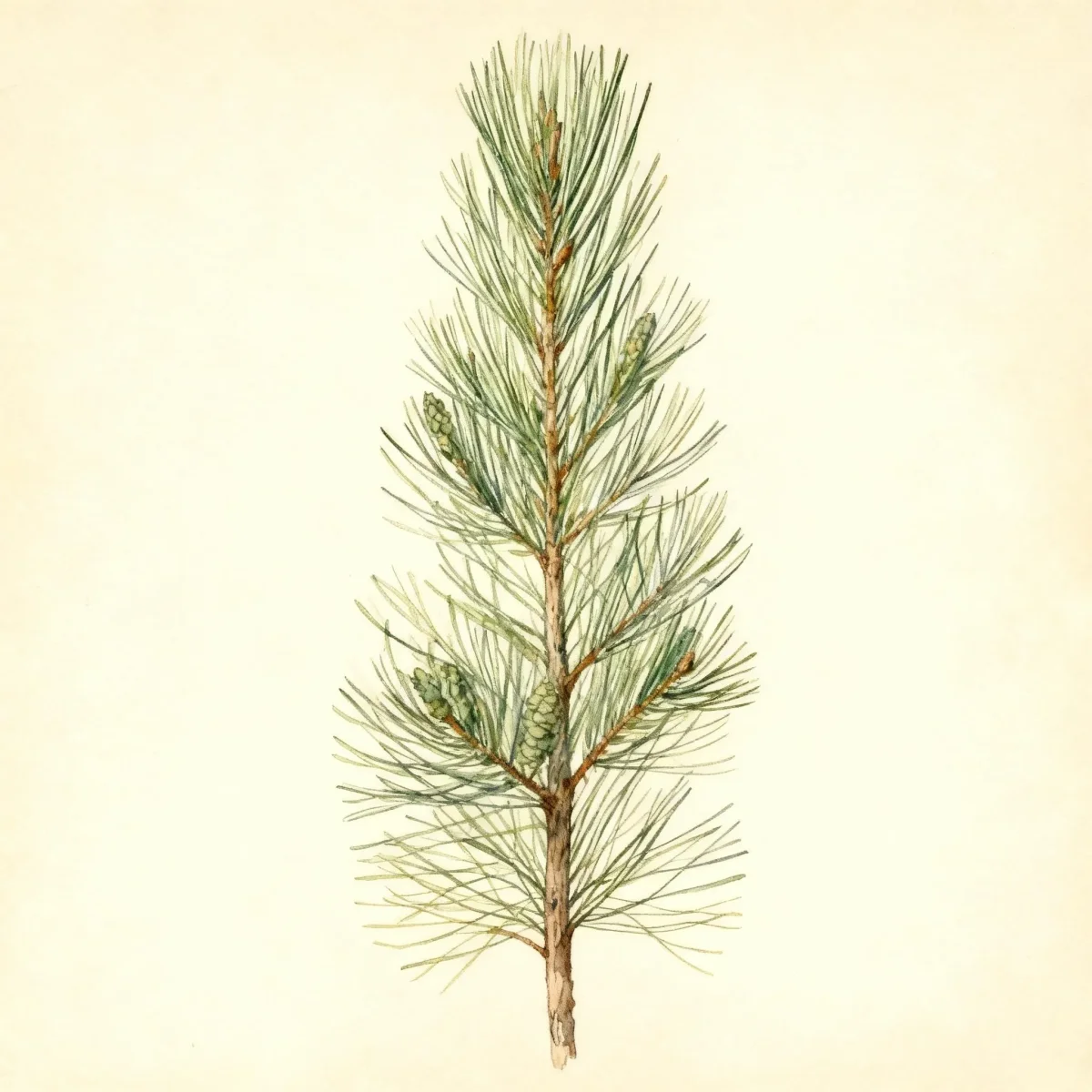
Eastern white pine (Pinus strobus)
The Eastern white pine (Pinus strobus) is a majestic, rapidly growing needled evergreen known for its soft needles and stately presence.
Scroll down to discover growing tips, care requirements, companion plants, and more
Complete Plant Information
Overview
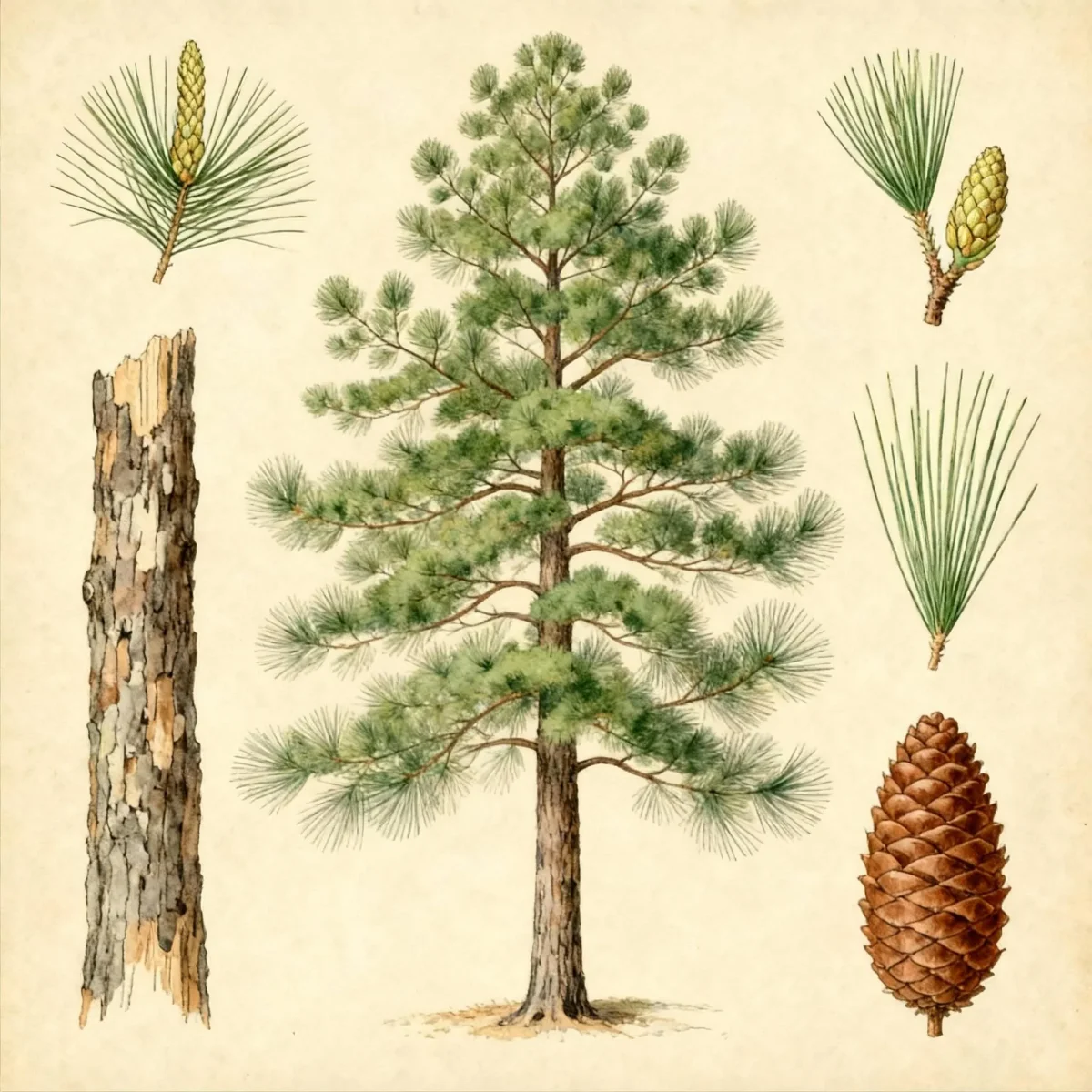
The Eastern white pine, botanically known as Pinus strobus, is a cornerstone species of eastern North American forests, valued highly in landscapes for its rapid growth and stately appearance. This needled evergreen transitions from a youthful, pyramidal shape to a broad, irregular crown as it matures, offering year-round structural interest. It is critically important not only for timber but also for its aesthetic appeal, featuring soft, bluish-green needles bundled in fives that are pleasant to the touch.
As the state tree of Maine and Michigan, Pinus strobus represents resilience and longevity, often living for centuries in the wild. While it can reach towering heights, careful pruning allows gardeners to manage its size, meaning this impressive tree can even be adapted for use as a formal hedge. Its low maintenance requirements once established further cement its status as a premier choice for large properties or open, park-like settings.
Gardeners seeking an imposing specimen with significant visual impact should consider the Eastern white pine. Its presence provides excellent shelter and structure, and while it produces distinctive brown cones, its primary appeal lies in its architectural form and unique, soft texture.
Fast Facts
- Plant Family: Pinaceae
- Plant Type: Needled evergreen
- Native Range: Southeastern Canada, eastern United States
- Hardiness Zones: USDA Zones 3-8
- Size at Maturity:
- Height: 50-80 ft
- Spread: 20-40 ft
- Bloom Time: Non-flowering
- Bloom Description: Non-flowering
- Sun Exposure: Full sun to part shade
- Water Needs: Medium
- Maintenance Level: Low
How to Grow
Planting the Eastern white pine is best achieved in the spring or fall, allowing the root system time to establish before extreme temperatures hit. This species demands acidic, medium-moisture, well-drained soil; avoid heavy clay or alkaline conditions at all costs, as the tree is highly intolerant of these situations. Full sun exposure is ideal, though it tolerates partial shade, especially when young.
Care for established Pinus strobus is relatively straightforward due to its low maintenance score. Ensure consistent medium watering, particularly during the first few growing seasons following planting, until deep roots develop. Fertilization is rarely necessary if the soil is fertile, which this species prefers for optimal health.
Due to its sensitivity to air quality, be cautious planting near heavily polluted urban sites, as Pinus strobus struggles with high levels of sulfur dioxide and ozone. Pruning should focus primarily on aesthetic shaping or removing damaged wood, though it can be sheared into hedges, which requires annual attention to maintain the desired dimension.
Landscape Uses
The sheer scale and majestic profile of the Eastern white pine make it an excellent specimen tree, requiring significant space to spread its branches and achieve its mature grandeur in lawns or open park settings. For properties with adequate room, siting a Pinus strobus where it can be viewed from a distance maximizes its stately, irregular crown shape.
It blends well in naturalized woodland gardens, acting as a powerful vertical anchor among deciduous trees and large shrubs. While it can be sheared into a formal hedge providing a substantial, soft evergreen screen, understand that this practice requires consistent, dedicated maintenance to control the substantial growth rate of white pine. Its preference for well-drained, slightly acidic conditions means companion plantings should share similar soil preferences.
As an important historical timber tree, incorporating Pinus strobus connects the landscape to regional history, even if its primary modern role is one of monumental shade and year-round texture.
Standout Features
Fruit Qualities
- Showy
Noteworthy Characteristics
Pinus strobus, commonly called Eastern white pine, is a rapid-growing, long-lived, needled evergreen tree that is native to the northeastern United States and Canada (State tree of Maine and Michigan). Although pyramidal in its early years, it matures to a broad oval habit with an irregular crown. Bluish green needles (to 5” long) are soft to the touch and appear in bundles of five, contrasting nicely with its cylindrical, brown cones.
Tolerances
- Rabbit
- Deer
Potential Problems
While resilient once sited correctly, Eastern white pine is susceptible to several significant pests and diseases, especially in humid climates. The most dangerous native threat is white pine blister rust, a fungal disease that attacks the bark and is usually fatal; preventing this requires actively removing any species of Ribes (currants and gooseberries) near the tree, as they serve as alternate hosts for the pathogen.
Insect pests require vigilance; common issues include the white pine weevil, which damages terminal shoots, and the Zimmerman moth larvae. Regular inspection of the needles and bark is critical for early detection of canker or insect boring activity. Maintaining proper site conditions—avoiding soil compaction and alkalinity—is the best cultural defense against general stress that invites secondary infections.
Frequently Asked Questions
What hardiness zones is Eastern white pine suitable for?
The Eastern white pine is hardy across USDA Zones 3 through 8, making it adaptable to a wide range of cooler and temperate climates in North America.
How large does Eastern white pine grow?
In cultivated settings, this tree typically reaches heights between 50 and 80 feet, with a corresponding spread of 20 to 40 feet, though truly magnificent specimens in the wild can exceed 100 feet.
What sun exposure does Pinus strobus need?
Pinus strobus thrives best in areas receiving full sun, but it can tolerate partial shade, especially when younger, provided air circulation remains adequate.
When does Eastern white pine bloom?
This species is a conifer and noted as non-flowering; reproduction occurs via cones rather than traditional flowers.
Conclusion
The Eastern white pine (Pinus strobus) remains a superb choice for gardeners creating a landscape that requires long-term vertical structure and soft, year-round texture. Its combination of rapid growth, low maintenance needs, and historical significance makes it invaluable. Ensure your location provides the acidic, well-drained soil it requires, and check your local hardiness zone compatibility before planting this majestic native.
Companion Planting
Selecting companions for Pinus strobus requires focusing on plants that share its need for acidic soil and appreciate the filtered light provided by a mature canopy. Shrubs like Rhododendron and Azalea thrive in the same conditions, often used beneath the pine canopy to create layered woodland interest. Groundcovers such as Wintergreen or native ferns also benefit from the cool, slightly shaded environment created by the pine’s needles.
When planting near the base, avoid species that require heavy amending or liming, as alkaline soil will severely stress the Eastern white pine. Focus on hardy evergreens or acid-loving perennials that complement the rich green texture without competing heavily for soil nutrients in the upper root zone.
Seasonal Care Calendar
Spring is the crucial time for inspecting your Pinus strobus for overwintering damage and early signs of disease, particularly blister rust cankers or weevil activity at the terminal buds. Early spring is also the optimal time to apply any necessary soil amendments to correct pH levels if testing reveals alkalinity creeping in.
During the summer, monitor critical moisture levels, especially during dry spells, ensuring the medium soil requirement is met, though overwatering must be avoided to prevent root rot. If pruning for aesthetic reasons, lightweight shearing to control hedging should be done in mid-summer after the first flush of growth has hardened off.
Fall preparation is minimal, focusing mainly on clearing debris from around the base to improve air circulation, which helps mitigate fungal issues throughout the winter. As a hardy evergreen, the Eastern white pine requires no winter covering, but newly planted trees benefit from slow-release winter watering if the ground does not freeze solid where you live.