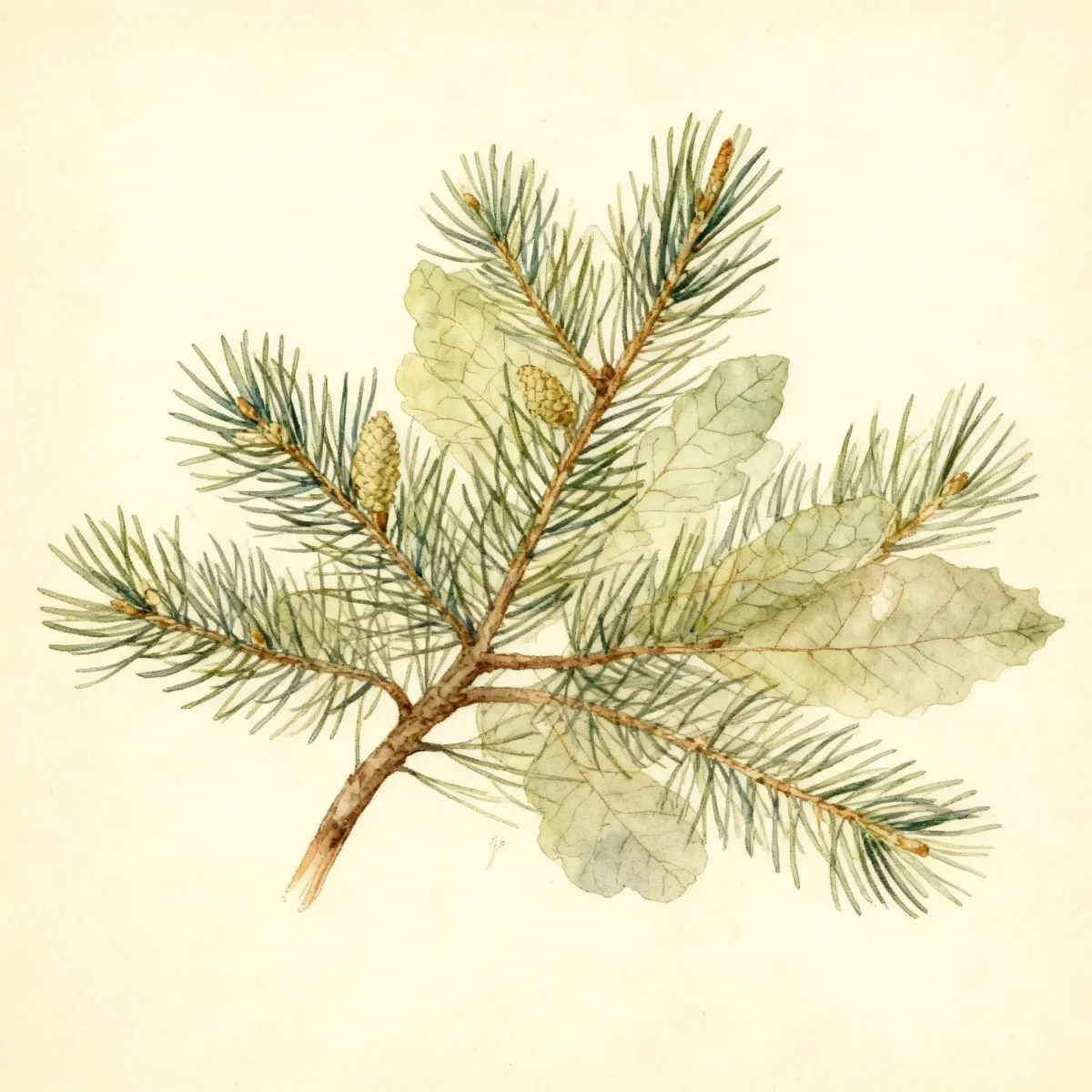
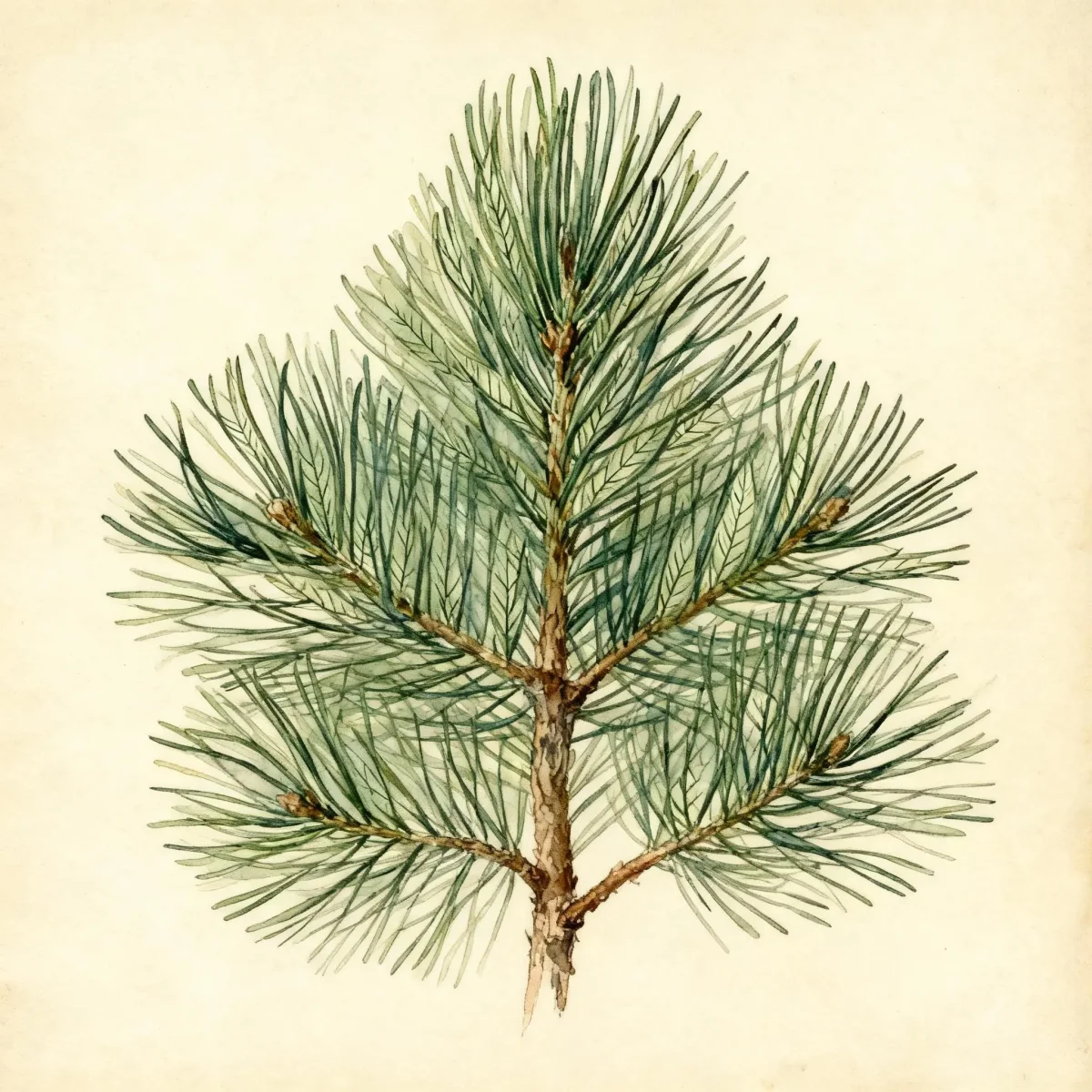
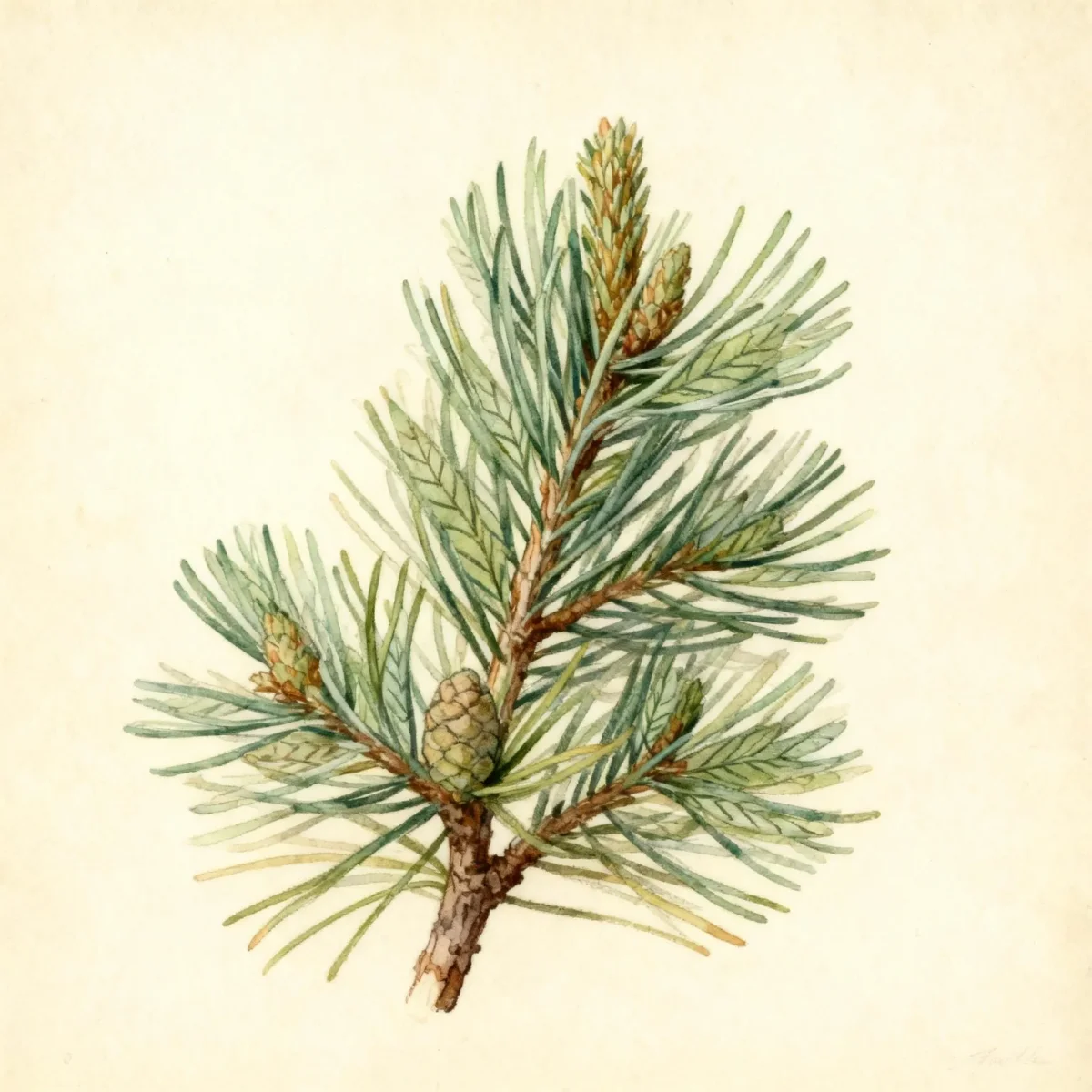
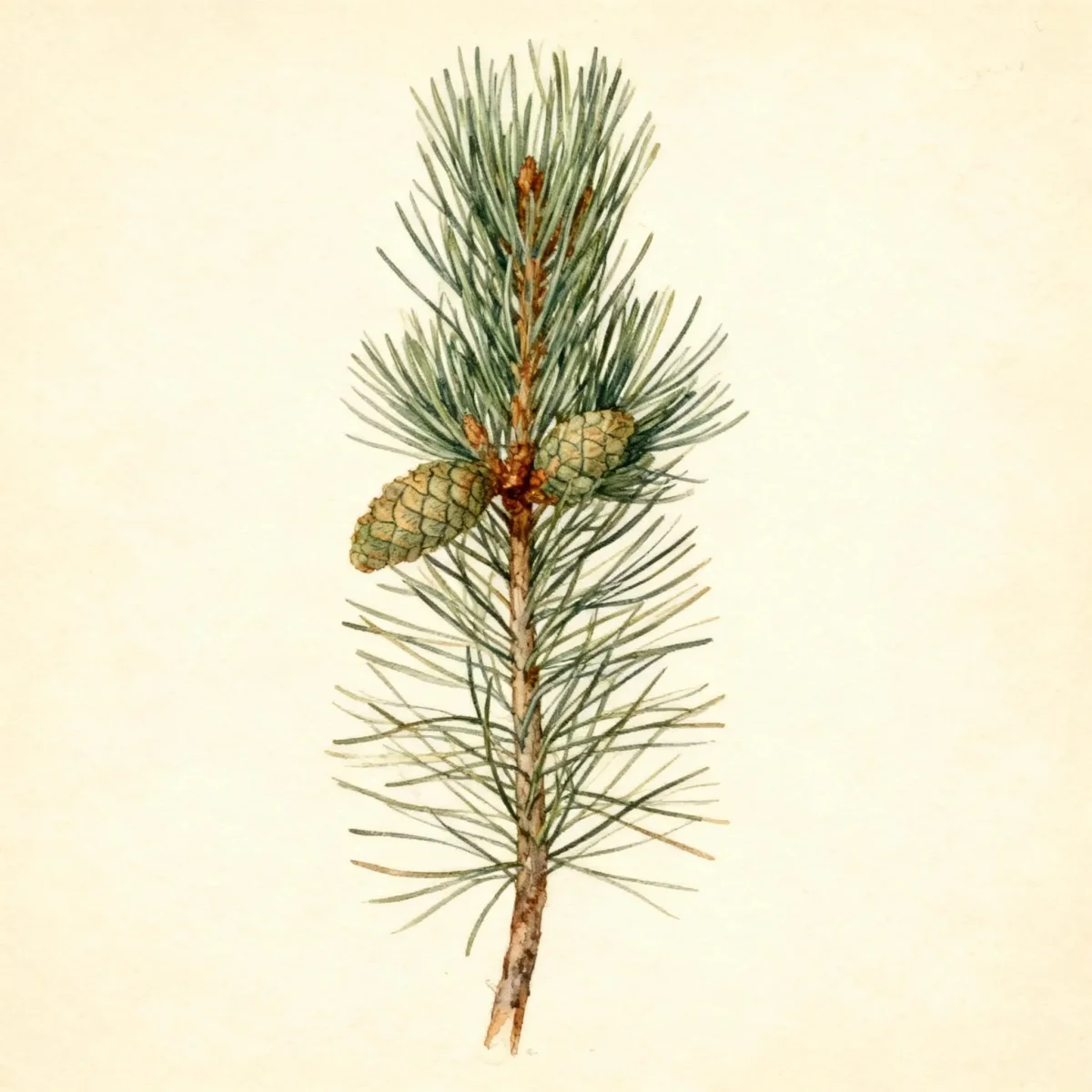
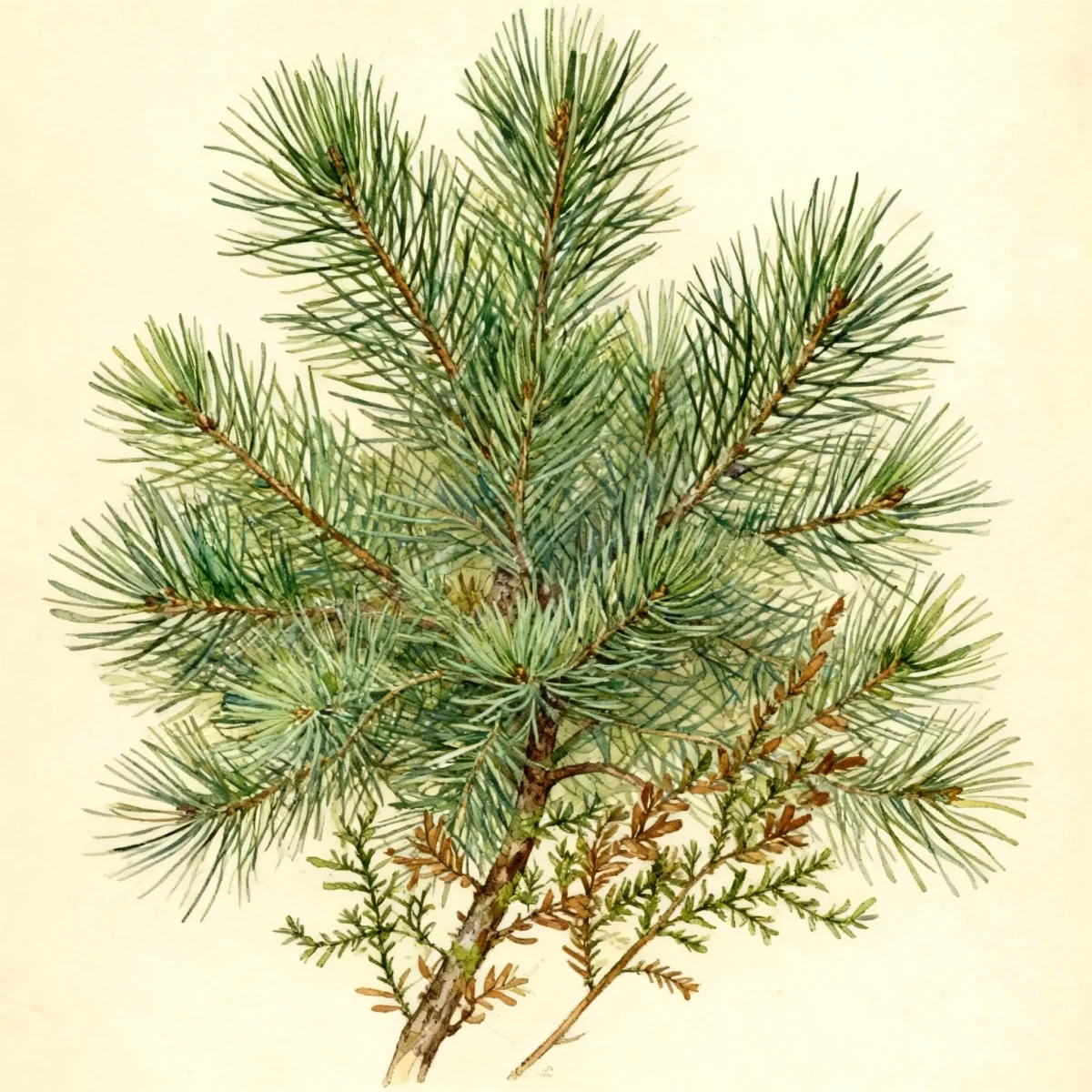
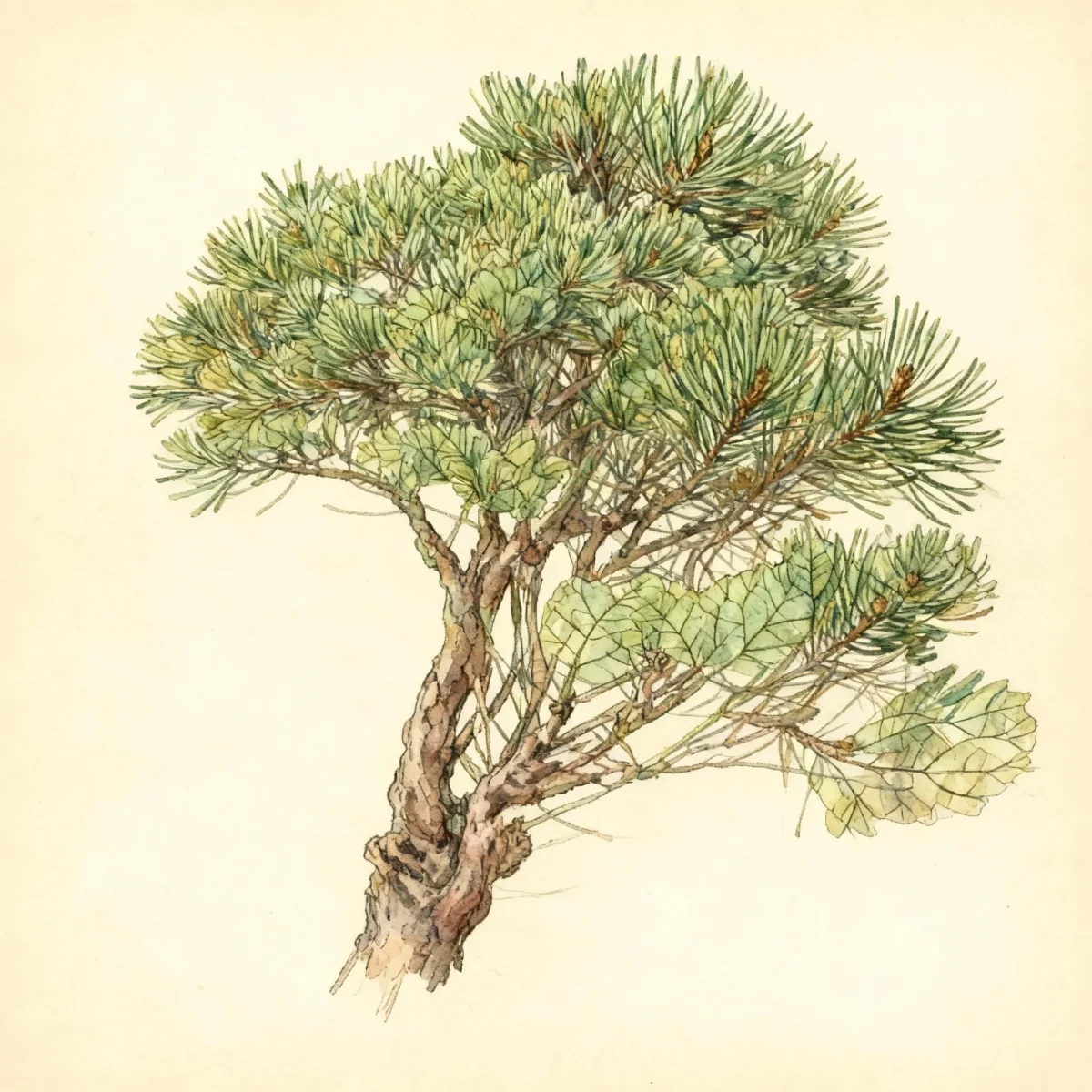
Scotch pine (Pinus sylvestris)
Pinus sylvestris, or Scotch pine, is a widely distributed conifer known for distinctive orange-red bark, suitable for Zones 2-7.
Scroll down to discover growing tips, care requirements, companion plants, and more
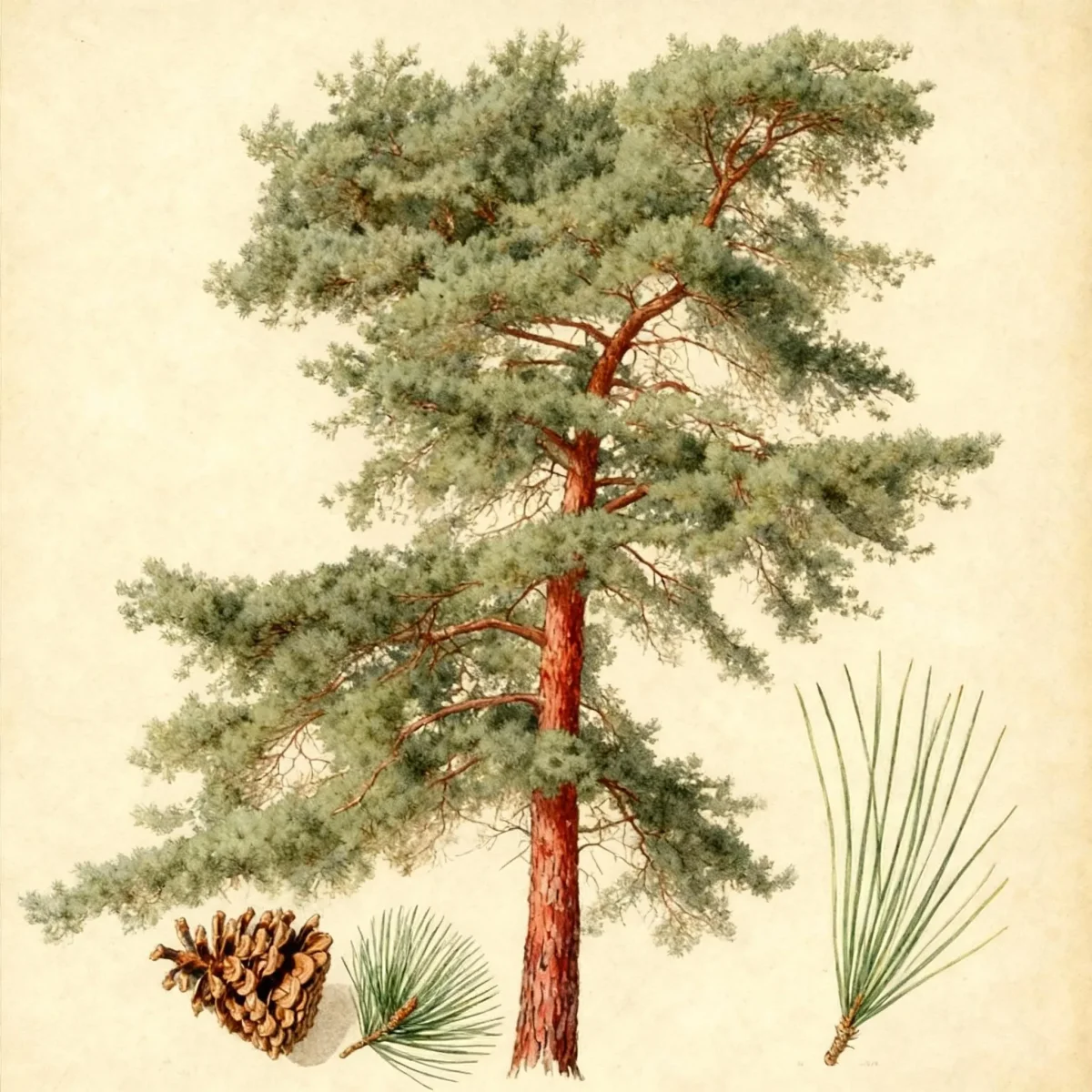
Complete Plant Information
Overview
The Scotch pine (Pinus sylvestris) is a fast-growing, robust needled evergreen celebrated for its aesthetic appeal and wide adaptability across various climates. Its most striking feature is the highly visible, flaking orange to reddish-brown bark found on the upper trunk and branches, which provides excellent winter interest. As a medium-sized conifer in landscapes, it offers an open, irregular crown structure that matures gracefully.
Native to both Europe and Asia, Pinus sylvestris is historically significant as a major timber source in Europe and the only pine native to Great Britain. Gardeners value the Scotch pine for its hardiness and structural form, establishing it as a long-lived specimen tree. Its needles are often a characteristic blue-green and twist slightly, further adding texture to the landscape.
The practical benefits of growing Pinus sylvestris include its low maintenance requirements once established and its historical popularity as a Christmas tree species. While it ultimately develops significant size, selected cultivars are available for smaller garden spaces. Ensure you site this tree properly, as it strongly prefers cooler summer climates over hot, humid regions.
Fast Facts
- Plant Family: Pinaceae
- Plant Type: Needled evergreen
- Native Range: Asia, Europe
- Hardiness Zones: USDA Zones 2-7
- Size at Maturity:
- Height: 30-60 ft
- Spread: 30-40 ft
- Bloom Time: Non-flowering
- Bloom Description: Non-flowering
- Sun Exposure: Full sun
- Water Needs: Medium
- Maintenance Level: Low
How to Grow
Planting the Scotch pine should ideally occur in spring or fall when temperatures are moderate, allowing its root system to establish before extreme heat or cold hits. This species requires full sun exposure for best vigor and growth habit. Although adaptable, Pinus sylvestris thrives best in moist, acidic, well-drained soils, sometimes tolerating poorer soil conditions provided drainage is exceptional.
Watering requirements are medium; be sure to provide deep, consistent water during the first few growing seasons to encourage deep root development. Once mature, this pine exhibits good drought tolerance, but deep watering during prolonged dry spells is beneficial. Fertilization is generally unnecessary unless soil tests reveal severe deficiencies; Scots pine is tough and highly tolerant of urban pollution.
Pruning is usually minimal, mostly involving the removal of dead or diseased wood. Avoid heavy shearing, as it disrupts the tree’s natural form. Because this pine naturally dislikes the heat and humidity of the deep South, gardeners in transition zones should monitor closely for heat stress, which can exacerbate susceptibility to pests and diseases.
Landscape Uses
The sheer scale of the standard Pinus sylvestris makes it an excellent choice for large properties, acting as a commanding specimen tree or a backdrop screen. Its mature height and spread necessitate ample room, but its striking bark ensures it remains architecturally interesting even from a distance or during winter months. In commercial forestry, it remains an important timber tree across Europe.
Fortunately for smaller settings, numerous compact and dwarf cultivars of the Scotch pine have been developed. These smaller forms are excellent for use in rock gardens, beside foundations where space is limited, or featured as focal points in mixed shrub borders. Pair the bluish-green needles and orange bark with darker evergreens or broadleaf deciduous shrubs for maximum contrast.
Historically, this species has been commercially grown for holiday use, meaning seeds and transplants are widely available. When planning your landscape, remember that the mature, open crown of the Scots pine allows filtered light beneath, supporting the growth of shade-tolerant groundcovers directly under its canopy, unlike more densely shaded pines.
Standout Features
Noteworthy Characteristics
Pinus sylvestris, commonly called Scots pine, is a fast-growing, conical to columnar, medium sized conifer with distinctive flaking orange/red-brown bark. It typically grows 30-60’ tall in cultivation, but may reach 100’ in the wild, developing an open-rounded, irregular crown as it matures. It features twisted, blue-green needles in bundles of two, gray to light brown cones, and scaly orange/red bark on the upper trunk.
Tolerances
- Deer
Potential Problems
Scots pine and its cultivars may struggle in regions offering excessive soil wetness, extreme heat, or high humidity, such as the deep South, rendering them susceptible to stress. Sphaeropsis (Diplodia) tip blight is a significant concern in some areas and should be managed by promptly pruning infected stem tips, ensuring tools are sterilized between cuts. Always watch for signs of pine wilt nematode, which can be fatal, and monitor for common pests like sawflies, scale insects, and various moths. Proper siting based on native range preference significantly reduces these risks for your Pinus sylvestris.
Frequently Asked Questions
What hardiness zones is Scotch pine suitable for?
The Scotch pine is highly cold-tolerant, suitable for USDA Hardiness Zones 2 through 7.
How large does Pinus sylvestris grow?
In cultivation, Pinus sylvestris typically reaches a height of 30 to 60 feet with a spread between 30 and 40 feet, though it can reach 100 feet in ideal wild settings.
Sun exposure does Scotch pine need?
This evergreen requires full sun exposure to maintain its best color, density, and overall health.
When does Pinus sylvestris bloom?
As a gymnosperm, the Scotch pine is non-flowering; it develops cones instead of true flowers.
Conclusion
The Scotch pine is a valuable, low-maintenance conifer defined by its unique peeling orange bark and hardy nature across cool temperate zones. Selecting the right location, focusing on full sun and excellent drainage, will ensure success with your Pinus sylvestris. Check your local USDA Hardiness Zone compatibility (2-7) before planting this magnificent specimen.
Companion Planting Potential
Selecting companions for Pinus sylvestris requires acknowledging its preference for acidic soil and its need for full, unobscured sunlight. Pair it with other acid-loving evergreens such as Rhododendrons or Azaleas, ensuring that the understory plants remain smaller so as not to shade the pine’s lower canopy. For seasonal contrast, consider deciduous shrubs like Dogwood (Cornus) varieties whose bright stems or flowers contrast nicely with the pine’s blue-green needles.
Seasonal Care Calendar
Spring is the ideal time to scout for emerging issues like tip blight or insect activity before the growing season fully kicks off. During summer droughts, even established Scotch pine benefits from deep watering, especially in hotter climates where stress is higher. In autumn, focus cleanup efforts on removing dropped needles and debris from the base of the tree to improve air circulation and reduce hiding spots for overwintering pests. Winter interest is maximized by ensuring the bark remains visible, which means clearing competing low-growing vegetation around the trunk.