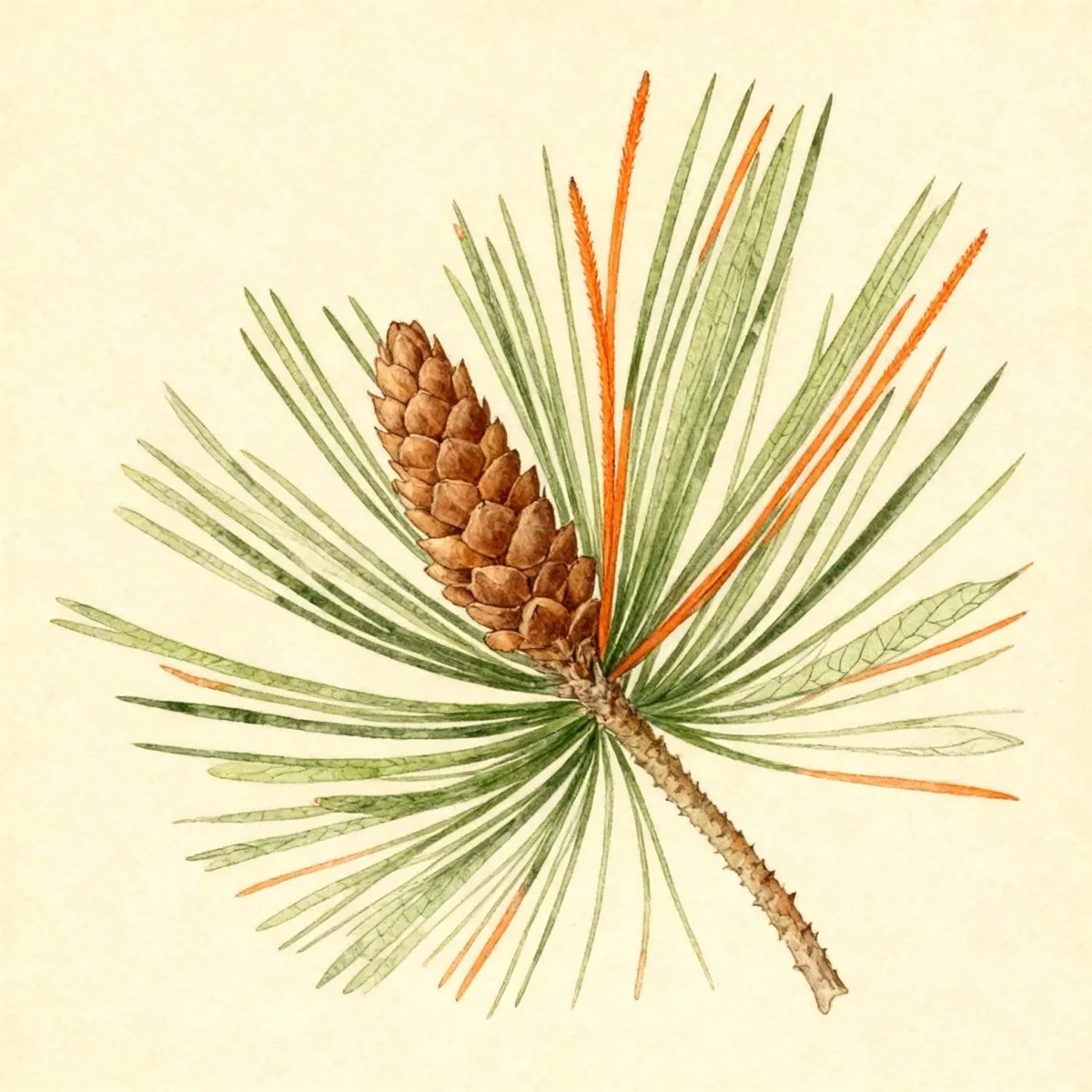
Loblolly pine (Pinus taeda)
Pinus taeda, the Loblolly pine, is a fast-growing evergreen native to the Southeast US, thriving in moist, sunny spots.
Scroll down to discover growing tips, care requirements, companion plants, and more
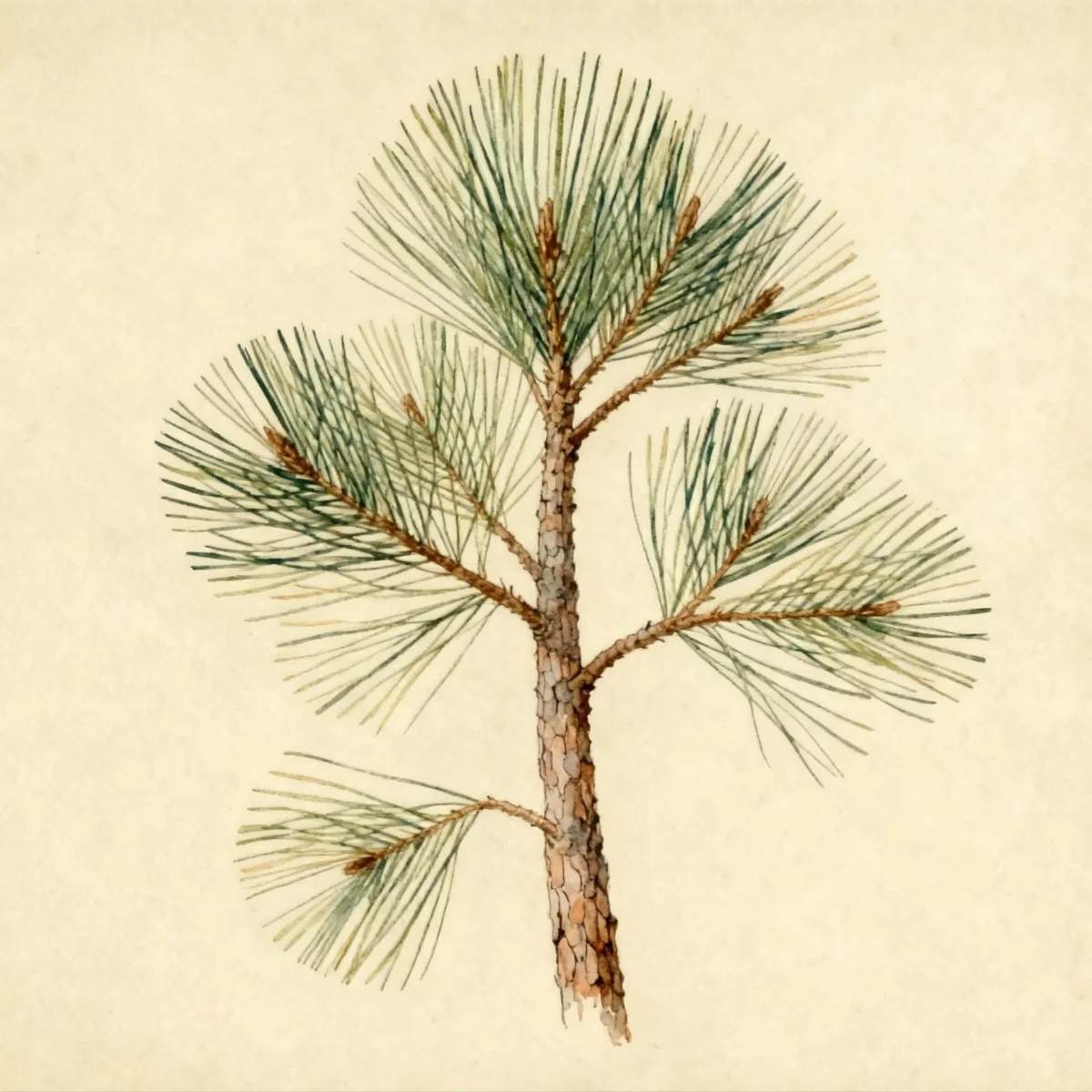
Complete Plant Information
Overview
The Loblolly pine (Pinus taeda) is a cornerstone species of the Southeastern United States, prized for its rapid growth and imposing stature in the landscape. This versatile needled evergreen provides year-round structure, quickly maturing into a medium to tall conifer ideal for large properties. Its adaptability allows it to anchor landscapes, especially those with challenging, moist soil conditions.
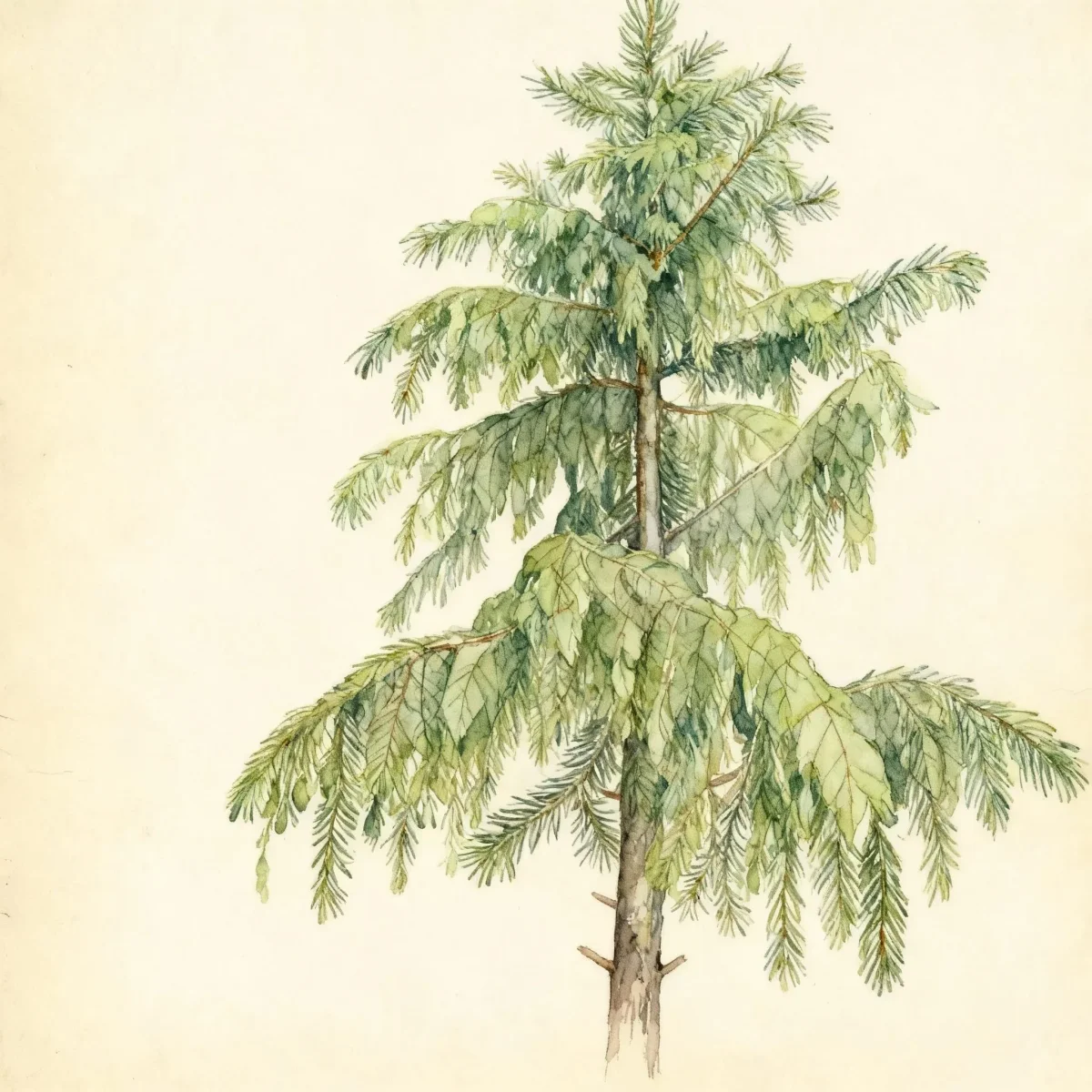
As a major timber source, Pinus taeda exhibits remarkable vigor, often reaching heights near 90 feet in ideal wild settings, though they settle around 40 to 50 feet in cultivation. Gardeners seeking an imposing screen or a specimen tree that thrives where others might fail will find the Loblolly pine an attractive, low-maintenance choice. Its dense, oval-rounded crown develops as the tree sheds lower limbs with maturity.
The native adaptability of the Loblolly pine spans from coastal plains to upland soils, reflecting its tolerance for a wide range of conditions, provided it receives ample sunlight. Its common name, loblolly, references its affinity for swampy or low-lying areas, further highlighting its suitability for wet garden sites.
Fast Facts
- Plant Family: Pinaceae
- Plant Type: Needled evergreen
- Native Range: Southeastern United States
- Hardiness Zones: USDA Zones 6-9
- Size at Maturity:
- Height: 40-90 ft
- Spread: 20-40 ft
- Bloom Time: Non-flowering
- Bloom Description: Non-flowering
- Sun Exposure: Full sun
- Water Needs: Medium to wet
- Maintenance Level: Low
How to Grow
Planting Pinus taeda is best achieved in the spring or fall, allowing it time to establish roots before facing extreme seasonal temperatures. Select a location offering full sun exposure, as this species shows no tolerance for shade. The ideal soil profile for a Loblolly pine is moist, acidic, and potentially poorly drained; it is highly recommended for rain gardens or low areas.
Maintenance for established Loblolly pine is generally considered low. Water deeply during the first few years to encourage robust root development, especially if the region experiences dry spells. While fertilization is rarely required in its native, fertile soil conditions, ensure the pH remains consistent with its preference for acidic environments. Pruning should be limited primarily to removing crossing branches or damaged wood.
Perform seasonal checks for common pests like the southern pine beetle, particularly during periods of drought stress, which weakens the tree. In northern limits of its range, be mindful that it is not reliably winter hardy below Zone 6b (-5°F), so site selection is crucial outside the warm, humid summers it prefers.
Landscape Uses
The most significant landscape application for the Loblolly pine lies in utilizing its moisture tolerance and rapid vertical growth. It performs exceptionally well when planted in low, perpetually moist areas where turfgrass or other broadleaf trees struggle, making it an excellent choice for rain garden installations. Furthermore, due to its mature size and density, Pinus taeda creates an effective, lasting visual screen.
If you require mature background screening or defining property lines, planting Loblolly pine in a linear arrangement provides a formidable barrier that offers year-round green relief. While it is infrequently sold widely outside its native range, landscape architects value its ability to quickly establish woodland character adjacent to bottomland forests or naturalized wetland edges.
Standout Features
Noteworthy Characteristics
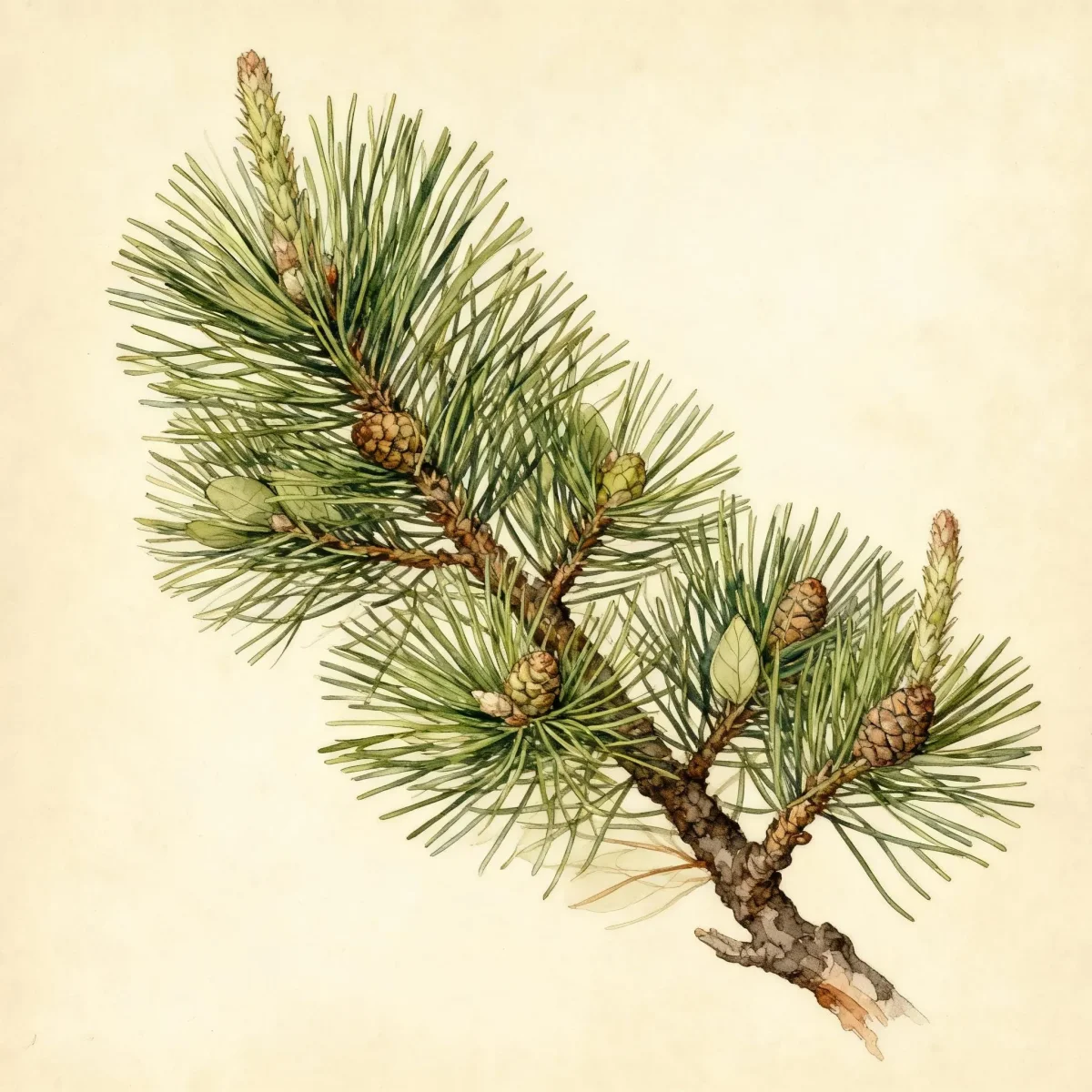
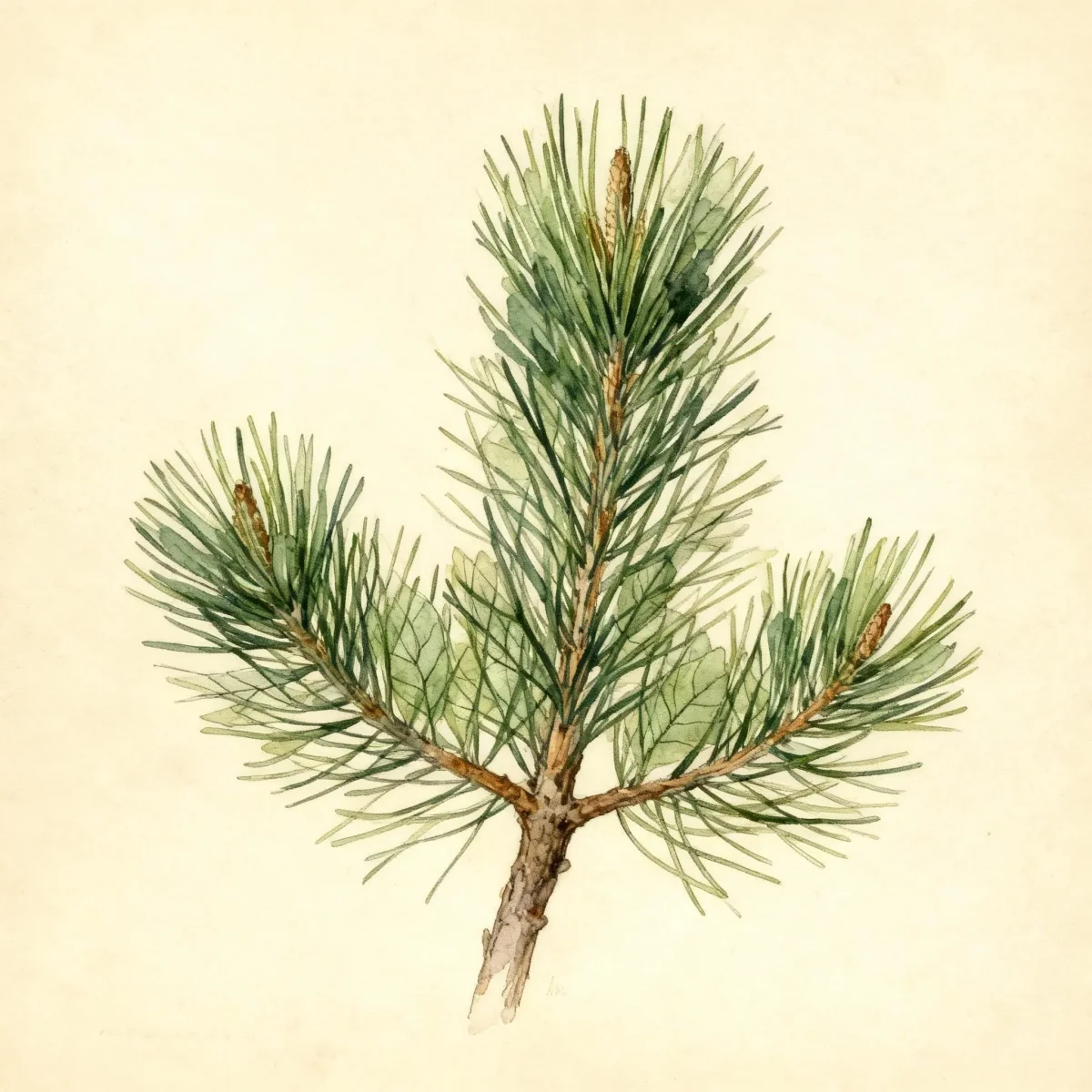
Pinus taeda, commonly called Loblolly pine, is a fast-growing, medium to tall conifer that is common to the southeastern U.S. It typically grows from sea level to 2400’ in conditions ranging from poorly-drained low wet areas to well-drained upland soils, native from southern New Jersey to Florida and west to eastern Texas. This tree is particularly noted for its straight trunk, and it features dark yellow-green needles (5-10” long) held in bundles of three, alongside sharply-spined, stalkless cones (3-6” long). This is an important timber tree whose wood is used for pulp, plywood and general construction.
Tolerances
- Deer
Potential Problems
In its native habitat, healthy, well-maintained trees usually have few major problems, but monitoring is necessary. Susceptibility increases during stress, making the tree vulnerable to southern pine beetle and pine engraver beetle attacks. Gardeners should also watch for signs of fungal issues like fusiform rust and various rots, especially in overly wet or humid conditions. Outside the core Southeast, limited winter hardiness often becomes a significant concern, affecting tree establishment in cooler northern climates.
Frequently Asked Questions
What hardiness zones is Loblolly pine suitable for?
The Loblolly pine (Pinus taeda) is hardy in USDA Zones 6 through 9, performing best where summers are hot and humid.
How large does Loblolly pine grow?
This tree typically reaches 40 to 50 feet tall in a cultivated setting but has the potential to grow up to 90 feet or more in the wild, with a spread between 20 and 40 feet.
What sun exposure does Pinus taeda need?
Pinus taeda requires full sun exposure to thrive and will not tolerate shaded conditions, which should be a primary consideration when selecting a planting site.
When does Loblolly pine bloom?
The Loblolly pine is classified as non-flowering, producing cones instead of traditional flowers.
Conclusion
The Loblolly pine remains a vital feature in its native range, offering exceptional speed of growth and superb performance in sites with medium to wet soils. Integrating Pinus taeda into large-scale plantings provides necessary year-round screening and habitat structure. Before planting, confirm that your site falls within USDA Zones 6-9 and provides the required full day of sunshine.
Companion Planting
When establishing Pinus taeda, select companion plants that share its affinity for acidic, moist soils and full sunlight. Look toward wetland-edge species that value reliable moisture, such as certain Fetterbush (Leucothoe) varieties or various native sedges and rushes that can handle seasonal inundation near the base of the pine. Avoid shallow-rooted species that will compete directly with the developing pine root system for surface nutrients.
As the Loblolly pine matures, its dense canopy will cast deep shade, which necessitates rotating companion choices to shade-tolerant options underneath the mature drip line. Smaller, shade-tolerant native ferns or mosses can eventually serve as groundcover in the understory once the pine crown lowers its branches.
Wildlife Benefits
While primarily grown for timber and screening, the cones and needles of Pinus taeda offer crucial winter resources for local wildlife. The seeds contained within the cones are an important food source for various granivorous birds, including finches and crossbills, especially during lean winter months. Furthermore, the dense, year-round foliage provides critical thermal cover and nesting sites for songbirds attempting to escape harsh weather.
The thick bark and structure of mature trees also offer essential habitat niches. Cavities or rough bark surfaces can attract climbing mammals and specific insect-eating birds looking for shelter or foraging opportunities within the extensive root flare zones typical of mature pine stands.