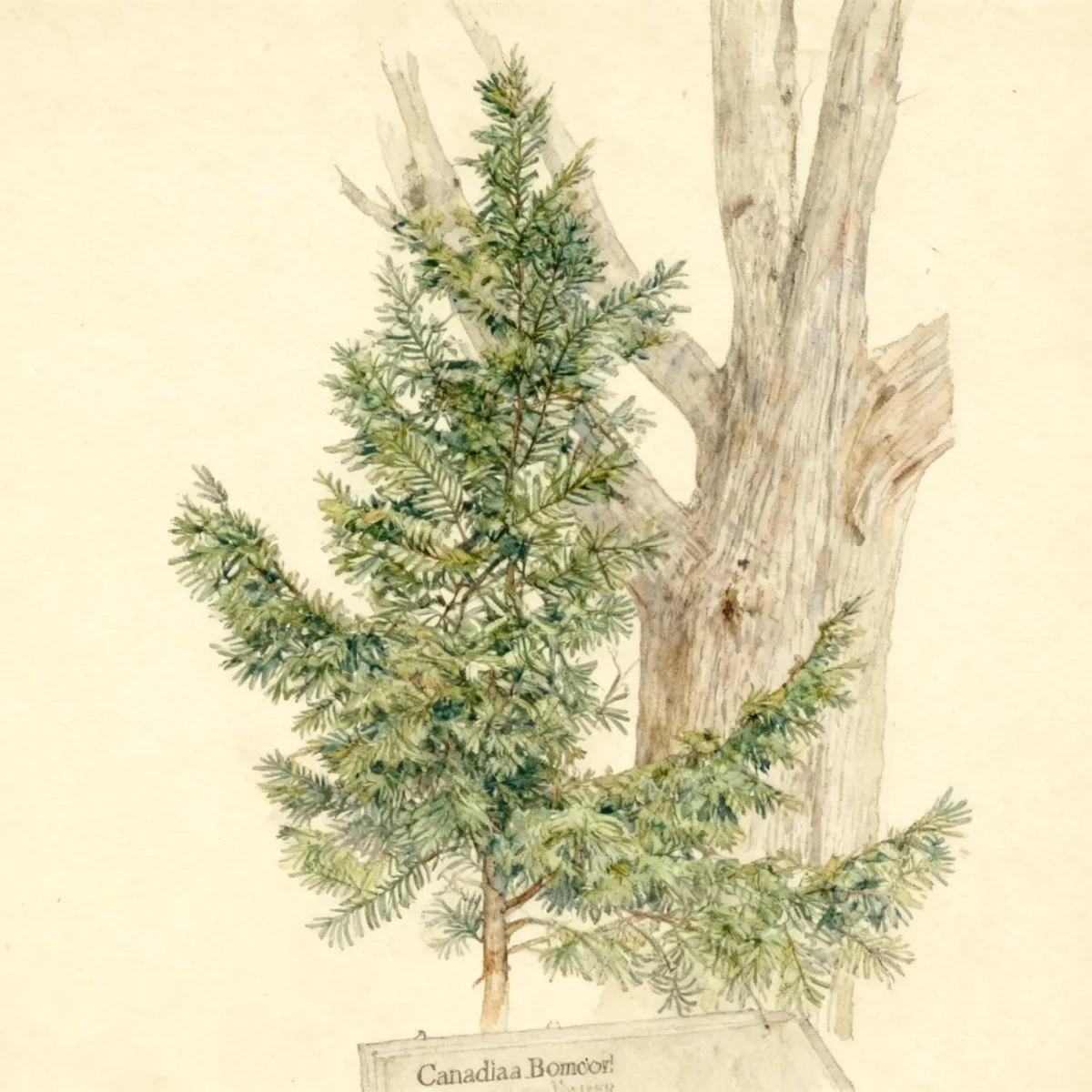
Canadian hemlock (Tsuga canadensis)
The majestic Tsuga canadensis, or Canadian hemlock, is a dense, pyramidal conifer with lacy evergreen foliage, ideal for shady landscapes.
Scroll down to discover growing tips, care requirements, companion plants, and more

Complete Plant Information
Overview
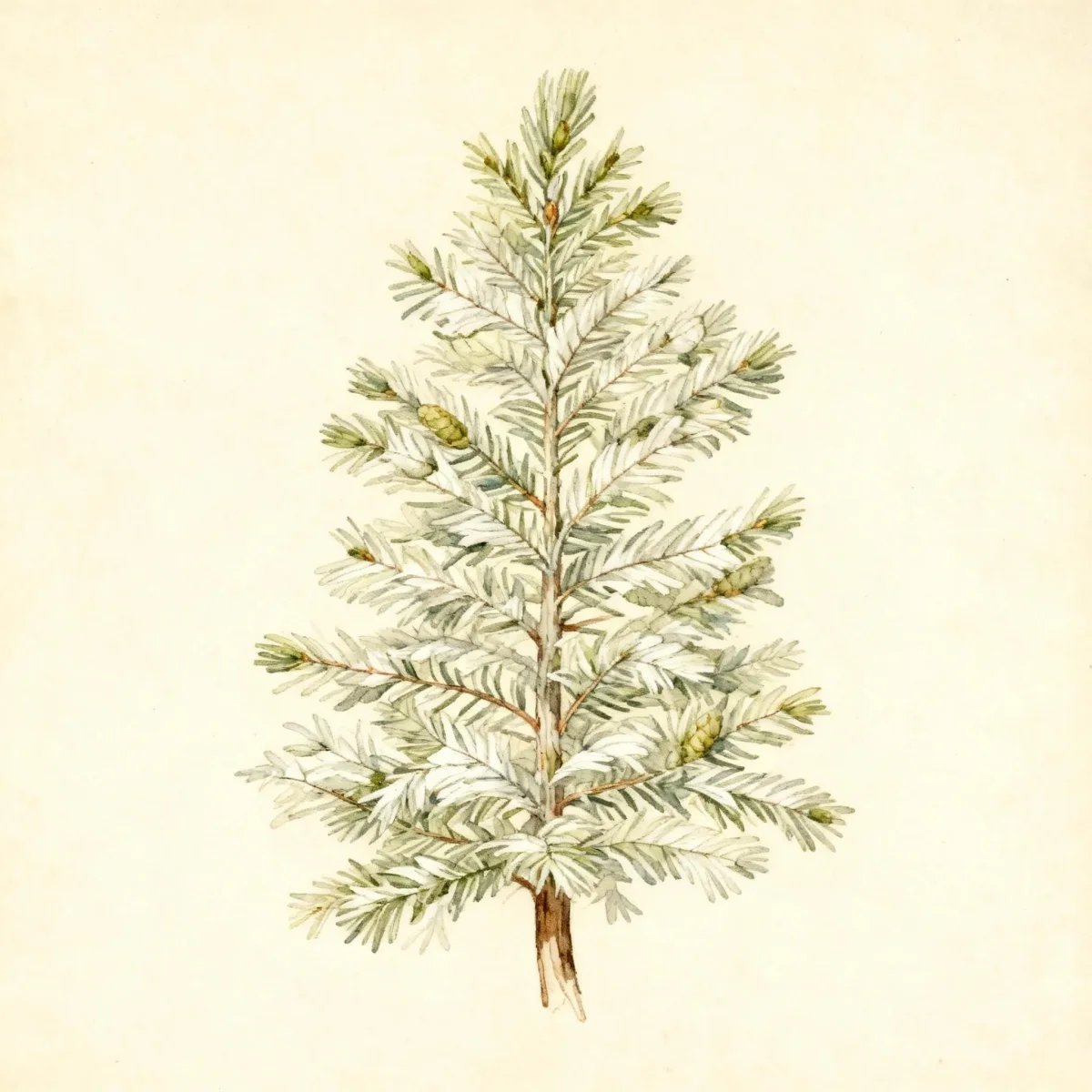
The Canadian hemlock (Tsuga canadensis) is a stately, dense, pyramidal conifer highly valued for its graceful, lacy texture, making it a stunning feature in shaded gardens. Native to eastern North American moist woods and slopes, this tree brings an old-world elegance to newer landscapes. Its short, flat needles create a soft appearance, contrasting with the bolder texture of spruces or pines.
As a slow-growing evergreen, Tsuga canadensis offers year-round structure and privacy screening. It thrives best when protected from harsh elements, lending its beauty to sheltered ravines or woodland borders where moisture is consistent. Gardeners appreciate the Canadian hemlock for its low maintenance profile once established in the right settings.
This species is particularly noted for having the smallest needles and cones within the Tsuga genus. Whether used as a formal hedge or allowed to develop its natural pyramidal form, Tsuga canadensis provides essential vertical contrast in shaded landscapes across USDA Zones 3 through 7.
Fast Facts
- Plant Family: Pinaceae
- Plant Type: Needled evergreen
- Native Range: North America
- Hardiness Zones: USDA Zones 3-7
- Size at Maturity:
- Height: 40-70 ft
- Spread: 25-35 ft
- Bloom Time: Non-flowering
- Bloom Description: Non-flowering
- Sun Exposure: Part shade to full shade
- Water Needs: Medium
- Maintenance Level: Low
How to Grow
Planting the Canadian hemlock is best done in the spring or fall when temperatures are moderate. Choose a location offering dependable moisture and well-drained soil, ideally receiving part shade. While it tolerates full sun in cooler northern climates, deep shade provides the best protection against summer scorch, especially in hotter areas (south of Zone 6).
Watering is crucial, especially when cultivating young Tsuga canadensis. This tree is intolerant of drought and requires regular watering during prolonged dry spells to ensure establishment. Once mature, medium water needs must still be met; avoid letting the soil become saturated or bone dry.
For optimal health, apply a thick application of mulch around the base annually, ensuring it doesn’t touch the trunk. This helps maintain consistent soil moisture and regulates root temperatures. While maintenance is generally low, screening locations should be sheltered from strong drying winds, which can cause foliage burn.
Landscape Uses
The natural form and evergreen foliage of Tsuga canadensis make it an exceptional choice for creating privacy screens and formal hedges where dense coverage is required year-round. Its graceful, airy texture softens the edges of the landscape, contrasting beautifully with broadleaf evergreens or deciduous shrubs.
This tree excels as a stately lawn specimen, drawing the eye upward with its pyramidal silhouette. Due to its tolerance for shade, it is perfect for planting beneath taller canopy trees or along the north side of structures where sunlight is limited. Use it to anchor woodland garden designs or along naturalized stream valleys.
Standout Features
Noteworthy Characteristics
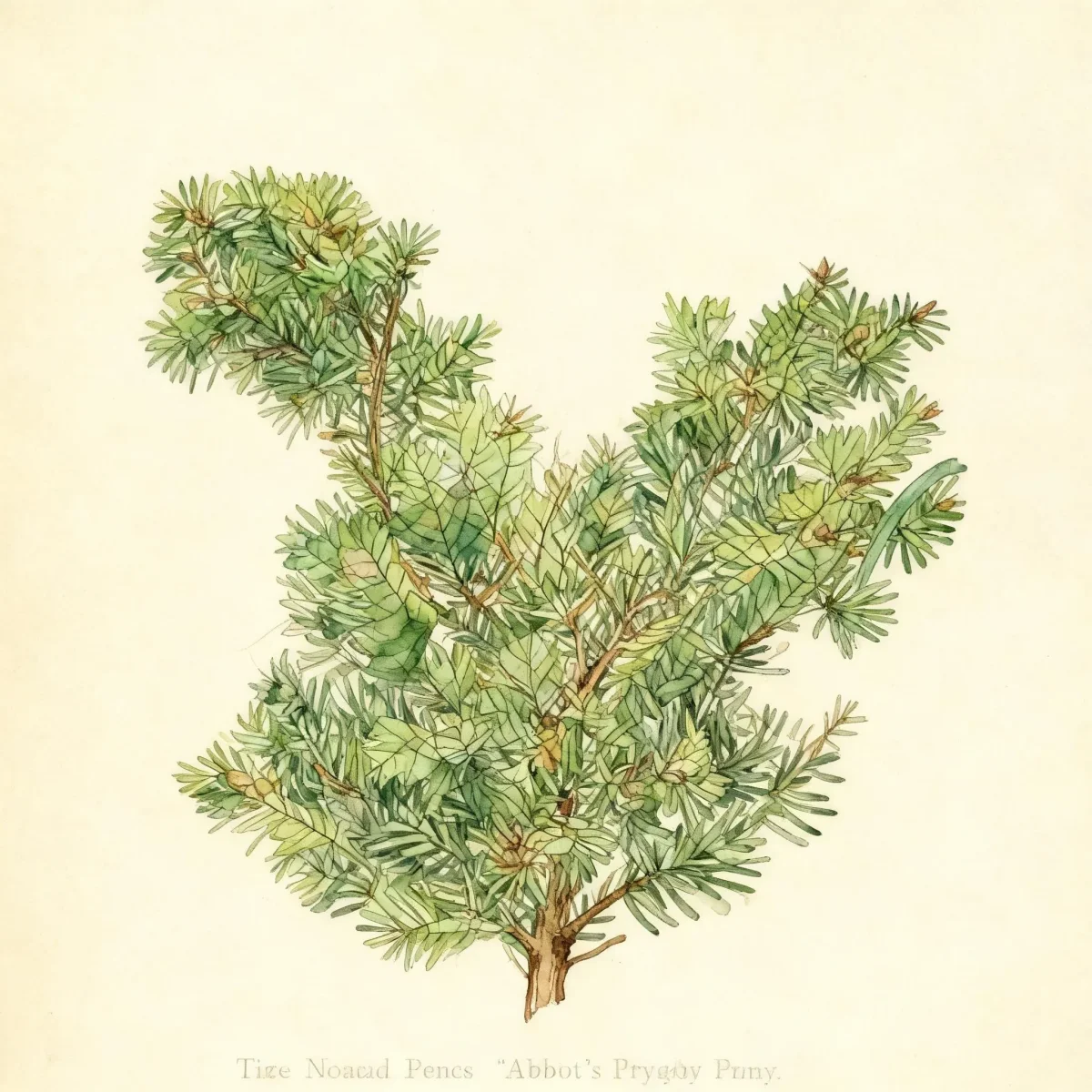
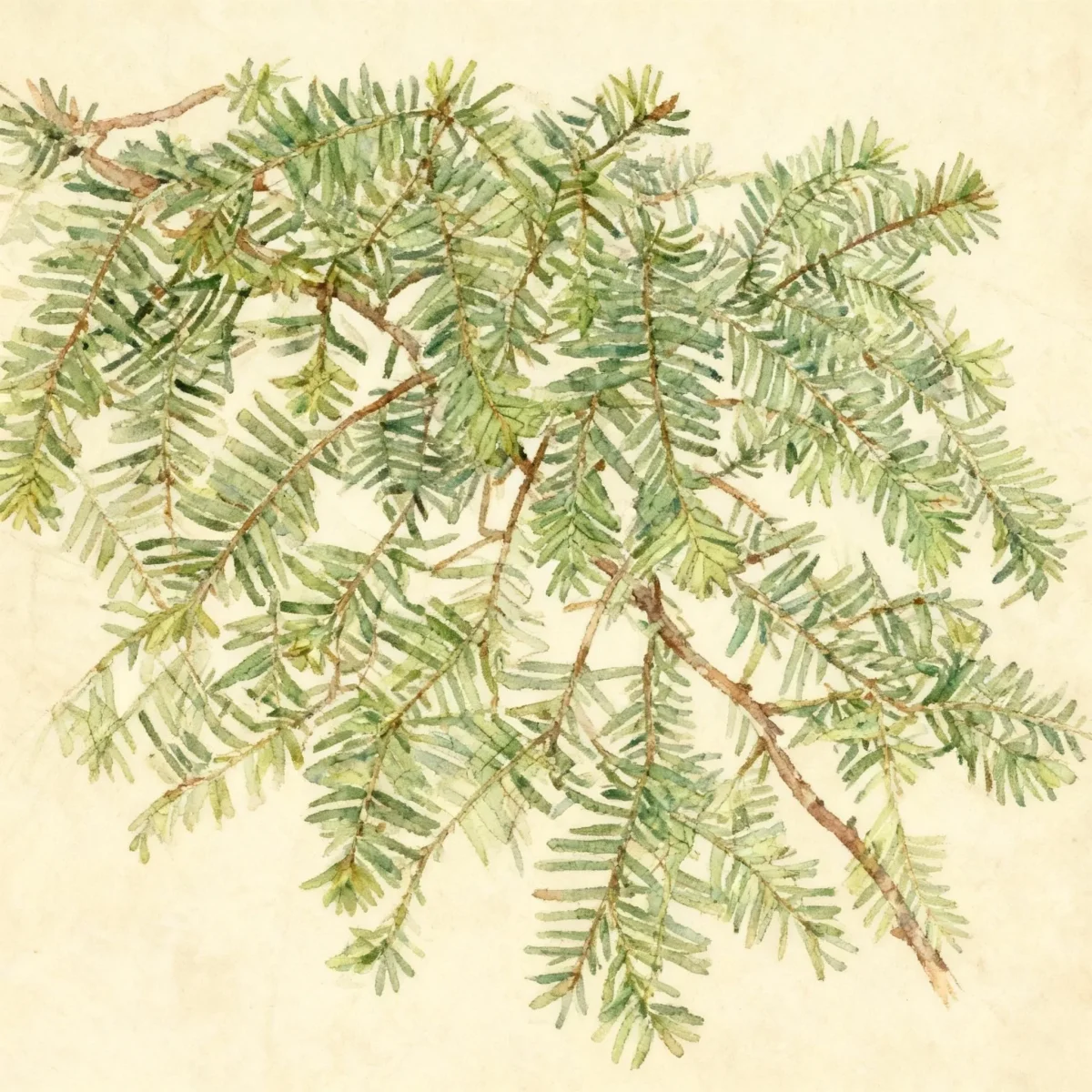
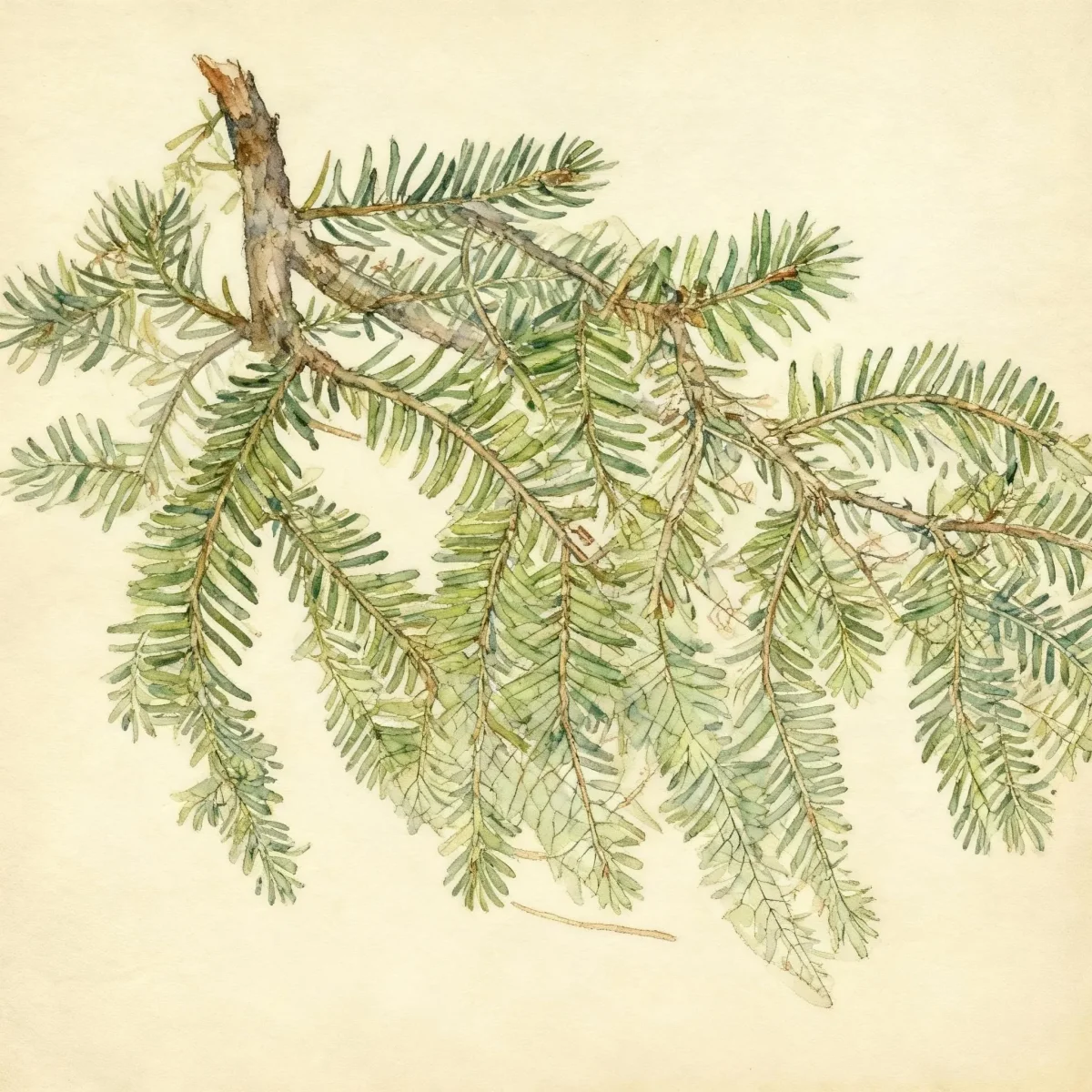
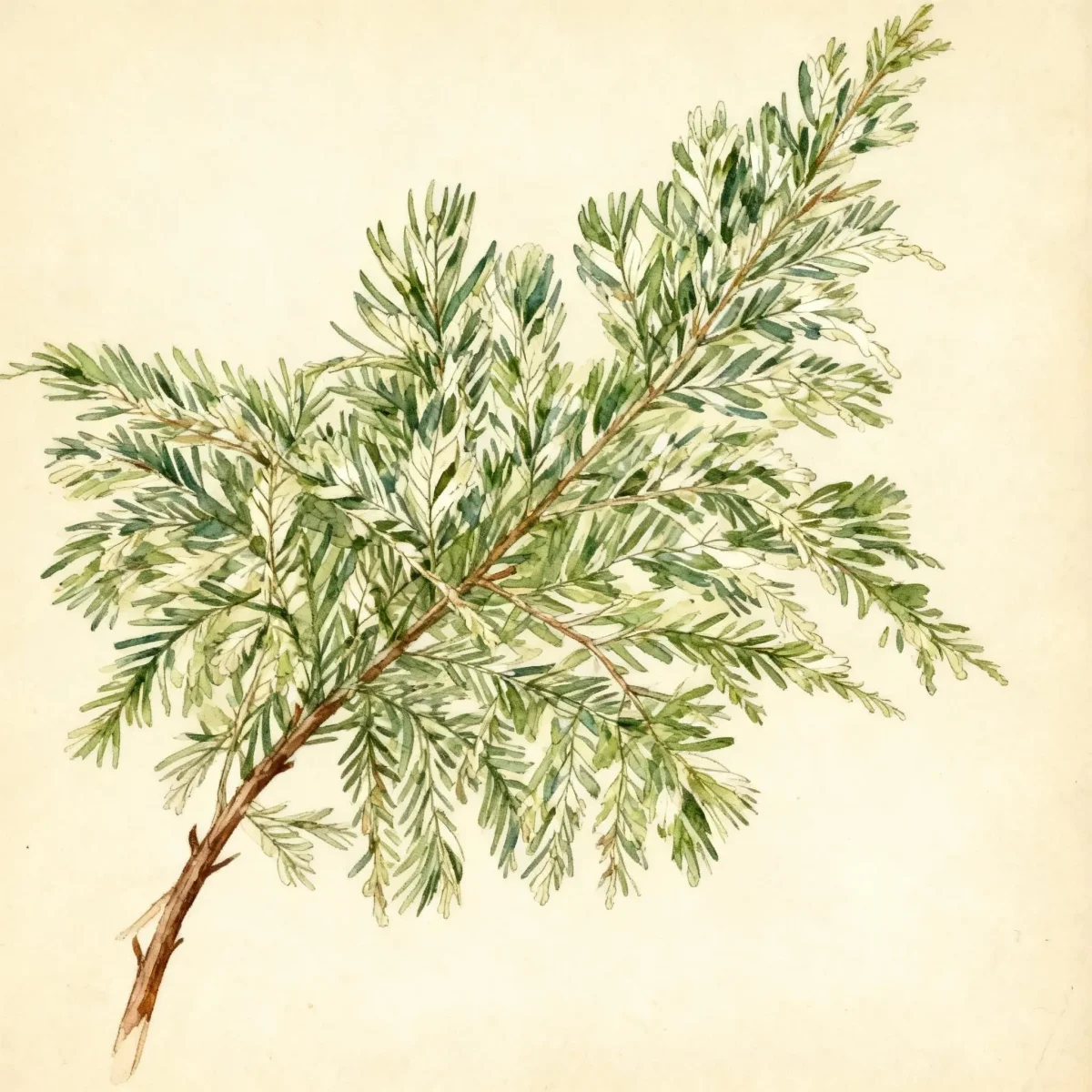
Tsuga canadensis, commonly called Canadian hemlock or eastern hemlock, is a dense, pyramidal conifer of the pine family that is native to moist woods, moist slopes, rocky hillsides/ridges, wooded ravines, and stream valleys from eastern Canada south to Maine and Wisconsin and further south in the Appalachian Mountains to Georgia and Alabama. It grows to 40-75’ tall in the wild. This species is noted for having the smallest needles and cones in the genus. Flat sprays of lacy evergreen foliage give this tree a graceful form. Short dark green needles (to 9/16” long) with two white bands beneath are arranged in two opposite rows. Needles are attached to twigs by slender stalks. Small, pendant, short-stalked, seed-bearing cones (to 3/4” long) are tan-brown. Lower branches often dip toward the ground. Thick and ridged bark on mature trees is red-brown to gray-brown. State tree of Pennsylvania. No part of this tree is poisonous.
Tolerances
- Deer
- Heavy Shade
- Black Walnut
Potential Problems
A healthy plant in the proper environment has few problems. Potential disease problems for plants in the genus Tusga include needle blight (needles turn yellow and die), canker, rusts and rots. Potential insect problems include bagworms, borers, leaf miner, saw fly and spider mites. Foliage may scorch in very hot weather. Prolonged drought can be fatal. Hemlock woolly adelgid (HWA) is a tiny (1/32”) sap-sucking insect (relative of the aphid) that has recently become a serious threat to the survival of native hemlocks in the wild in the eastern United States. HWA was accidentally introduced into the U. S. In the 1920s from Eastern Asia. It has been known to exist in the Pacific Northwest since 1927, but was first observed in the forests of Virginia in the 1950s.
HWA has spread widely, documented in Pennsylvania as of 2013, and is aggressively killing mature specimens in many eastern parks. Control involves systemic treatments, particularly pesticides containing imidacloprid or dinotefuran, applied when the pests are active. Early detection is key to saving established trees; look for white, cottony tufts at the base of the needles near the twig.
Frequently Asked Questions
What hardiness zones is Canadian hemlock suitable for?
The Canadian hemlock (Tsuga canadensis) is reliably hardy across USDA Zones 3 through 7.
How large does Canadian hemlock grow?
This conifer typically matures to a height between 40 and 70 feet, with a broad spread ranging from 25 to 35 feet.
What sun exposure does Canadian hemlock need?
Tsuga canadensis prefers part shade to full shade. It requires protection from intense afternoon sun, especially in warmer climates.
When does Canadian hemlock bloom?
This species is non-flowering, as it is a conifer producing cones rather than true flowers.
Conclusion
The Canadian hemlock (Tsuga canadensis) offers unmatched grace and year-round screening potential, especially for shaded sections of the garden where few other large evergreens thrive. Its low maintenance requirements make it a practical investment for long-term landscape structure. Before planting, confirm your garden falls within USDA Zones 3-7 and ensure soil moisture is consistent to support this beautiful native tree.
Companion Planting in Shade
Since Tsuga canadensis thrives in moisture and shade, companion planting should focus on shade-tolerant species with differing foliage textures for contrast. Consider planting hostas, astilbes, or ferns beneath the canopy of the Canadian hemlock for textural variety at ground level. The fine texture of the hemlock also pairs well with broadleaf evergreens like rhododendrons or mountain laurel, provided those shrubs receive slightly more light than the hemlock prefers.
Managing Soil Acidity for Tsuga canadensis
Like many conifers in the Pinaceae family, Tsuga canadensis generally prefers slightly acidic soil conditions, though it tolerates average soils. If your soil tests alkaline, incorporating peat moss or elemental sulfur during planting can help lower the pH, mimicking the slightly acidic environment of its native woodland habitat. Avoid applying lime near the planting area, as decreased acidity can exacerbate nutrient deficiencies.