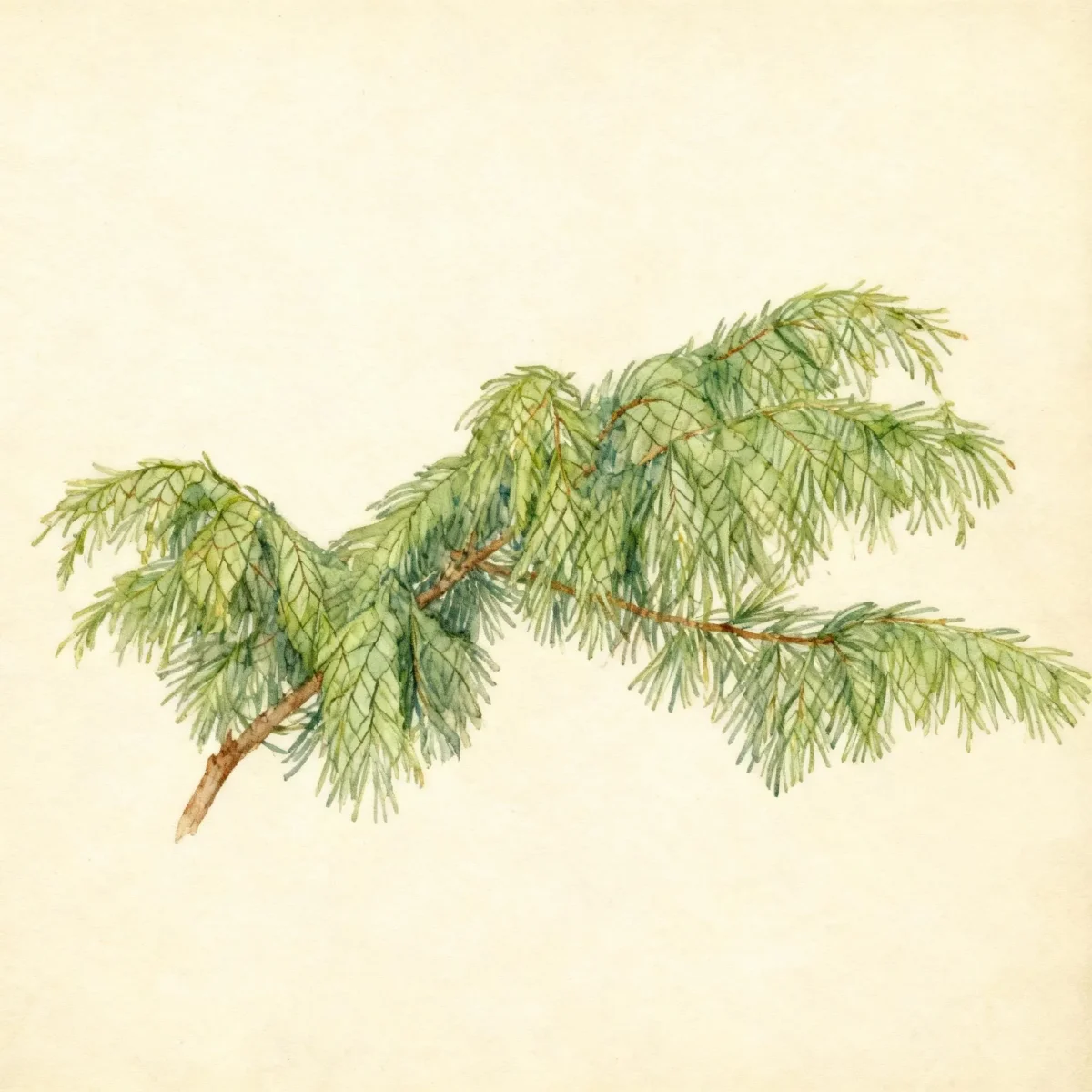
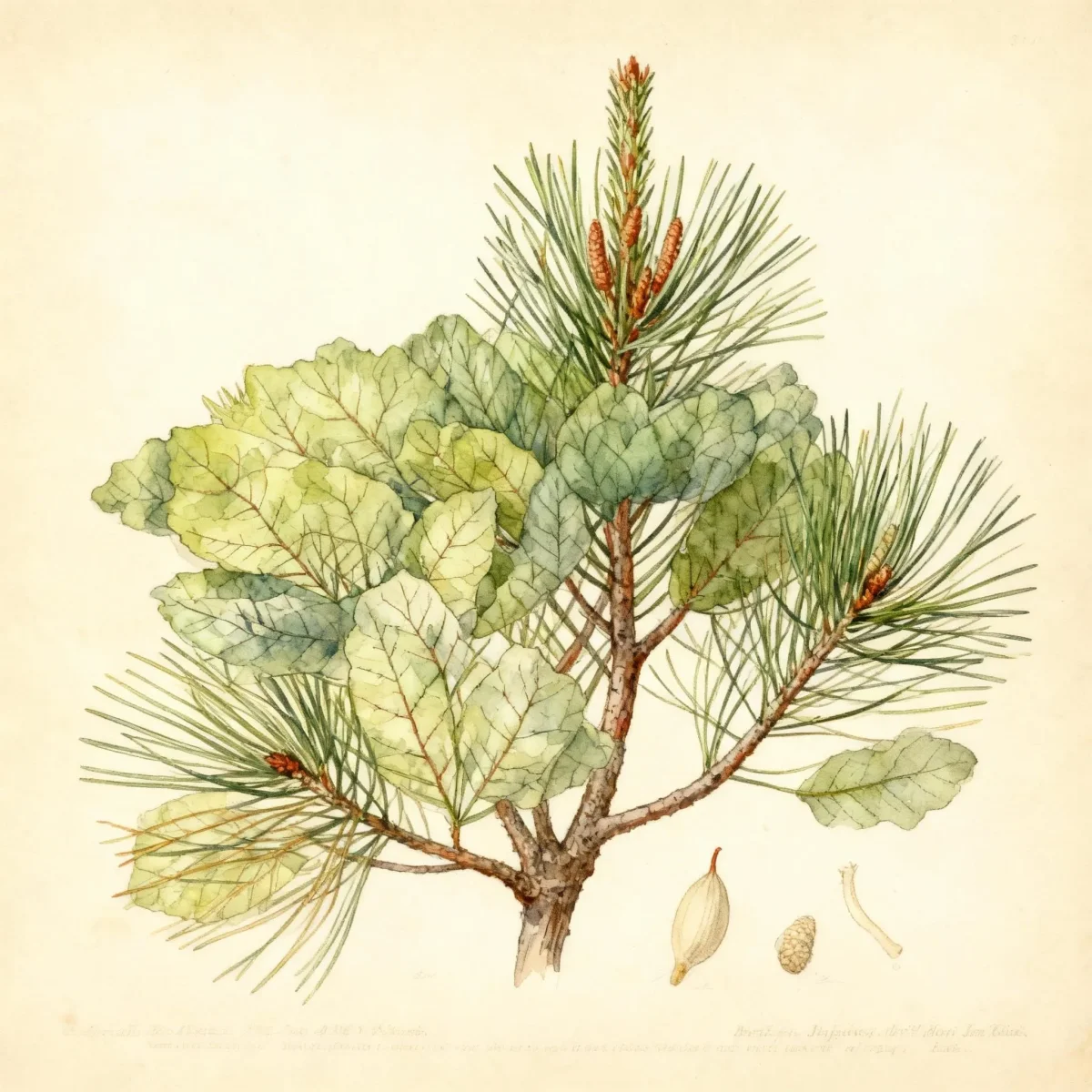
Carolina hemlock (Tsuga caroliniana)
The Carolina hemlock (Tsuga caroliniana) is a stately, narrow pyramidal evergreen prized for its beauty in shady woodland gardens.
Scroll down to discover growing tips, care requirements, companion plants, and more
Complete Plant Information
Overview
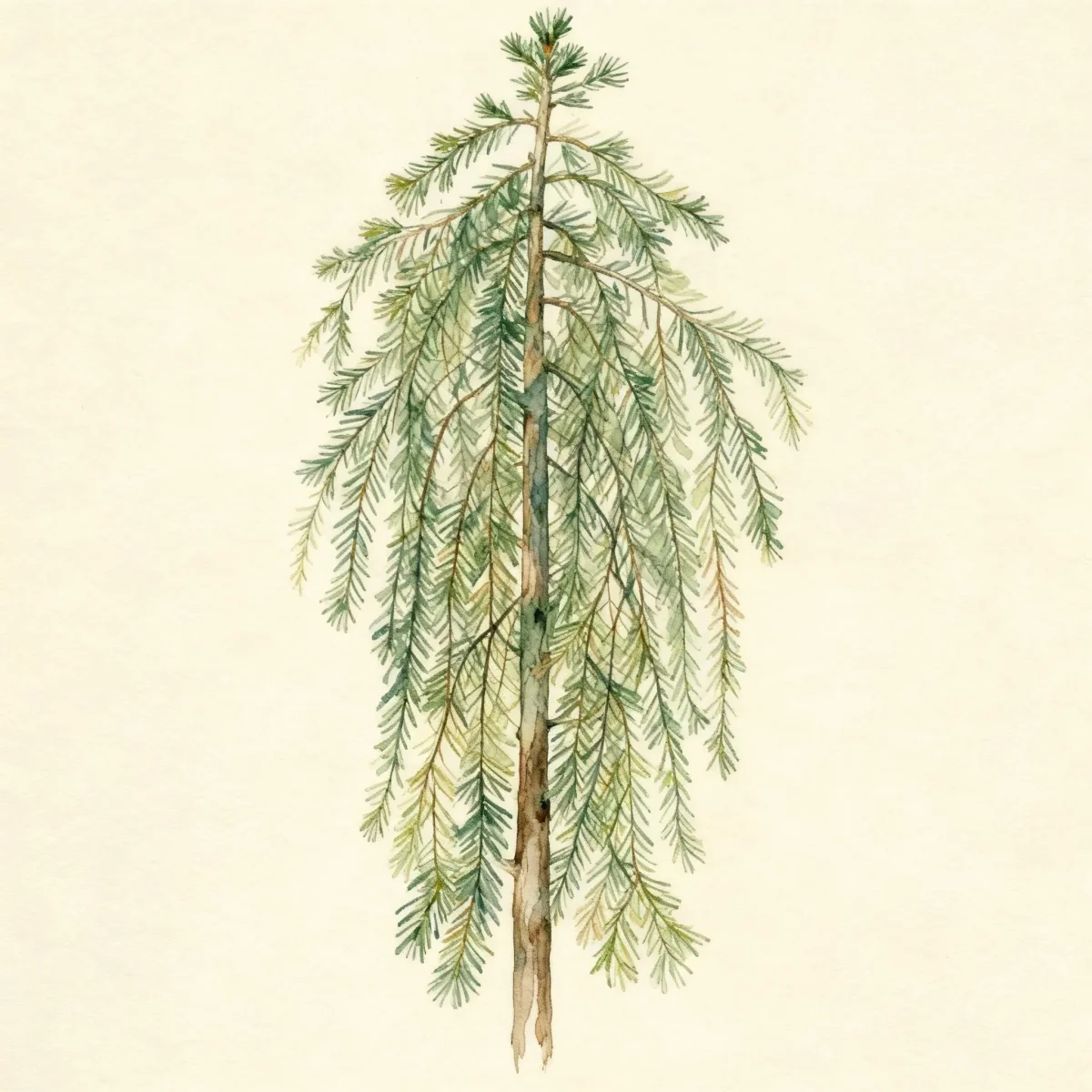
Tsuga caroliniana, commonly known as Carolina hemlock, offers a refined, narrow pyramidal silhouette ideal for structured or naturalistic garden designs. This stately native evergreen stands out with its slightly pendulous branches, providing vertical interest even in the deep shade where it naturally thrives. Gardeners value the Carolina hemlock for its deep green foliage and its ability to anchor shady borders or woodland scenes effectively.
As a species primarily found in cool, moist mountainous regions of the Appalachian chain, success with Tsuga caroliniana hinges on replicating those specific temperate conditions. It requires consistent moisture but demands excellent drainage to prevent root issues common in heavier soils. Unlike some conifers, this species prefers protection from intense sun and drying winds, reinforcing its role as a quintessential woodland specimen.
While slow-growing compared to some faster landscape trees, the eventual height of 45 to 60 feet, paired with a manageable 20 to 25-foot spread, ensures that the Carolina hemlock provides magnificent, long-term structure. Its presence brings year-round color and a distinctly native aesthetic to landscaped settings where moisture and shade are plentiful.
Fast Facts
- Plant Family: Pinaceae
- Plant Type: Needled evergreen
- Native Range: Southeastern United States
- Hardiness Zones: USDA Zones 6-7
- Size at Maturity:
- Height: 45-60 ft
- Spread: 20-25 ft
- Bloom Time: Non-flowering
- Bloom Description: Non-flowering
- Sun Exposure: Part shade to full shade
- Water Needs: Medium
- Maintenance Level: Medium
How to Grow
Planting Tsuga caroliniana is best performed in the cooler seasons—early spring or fall—allowing the root system time to establish before the stress of summer heat. This tree demands moist, well-drained soils, ideally rich in organic matter to mimic its native rocky stream bed habitat. Ensure the site selected provides adequate part shade; protection from intense afternoon sun is crucial, especially in warmer sections of its acceptable range.
Once established, the Carolina hemlock requires medium water input. Provide regular watering during prolonged dry spells, paying special attention to young plants, as this species is intolerant of drought. Avoid low-lying areas where water might pool, stressing the roots. Site your tree away from areas exposed to severe, drying winds, which can contribute to potential foliage scorch.
Maintenance on the Carolina hemlock is generally low once established, particularly if grown outside the Zone 7 southern limit where it is less vigorous. Pruning is rarely necessary beyond removing damaged or crossing branches. Avoid heavy fertilization, as this plant prefers naturally leaner soils typical of high-elevation woodlands.
Landscape Uses
The Tsuga caroliniana is an excellent evergreen choice specifically designed for shaded areas of the landscape where its narrow, formal outline can create dramatic contrast. Its deep green foliage provides a superb dark backdrop that highlights surrounding spring bloomers or brightly colored perennials planted beneath its canopy. Given its preference for cool, moist sites, it excels in incorporating native aesthetics into shady foundation plantings or along woodland edges.
For those designing a woodland garden, the Carolina hemlock serves as a magnificent vertical accent. Because of its relatively restricted spread compared to other needled evergreens, it can be incorporated effectively into larger border plantings or used as an anchor specimen without overwhelming the space. Pair it with moisture-loving acid-lovers like rhododendrons or hostas, which share similar cultural requirements for shade and consistent moisture delivery.
Standout Features
Noteworthy Characteristics
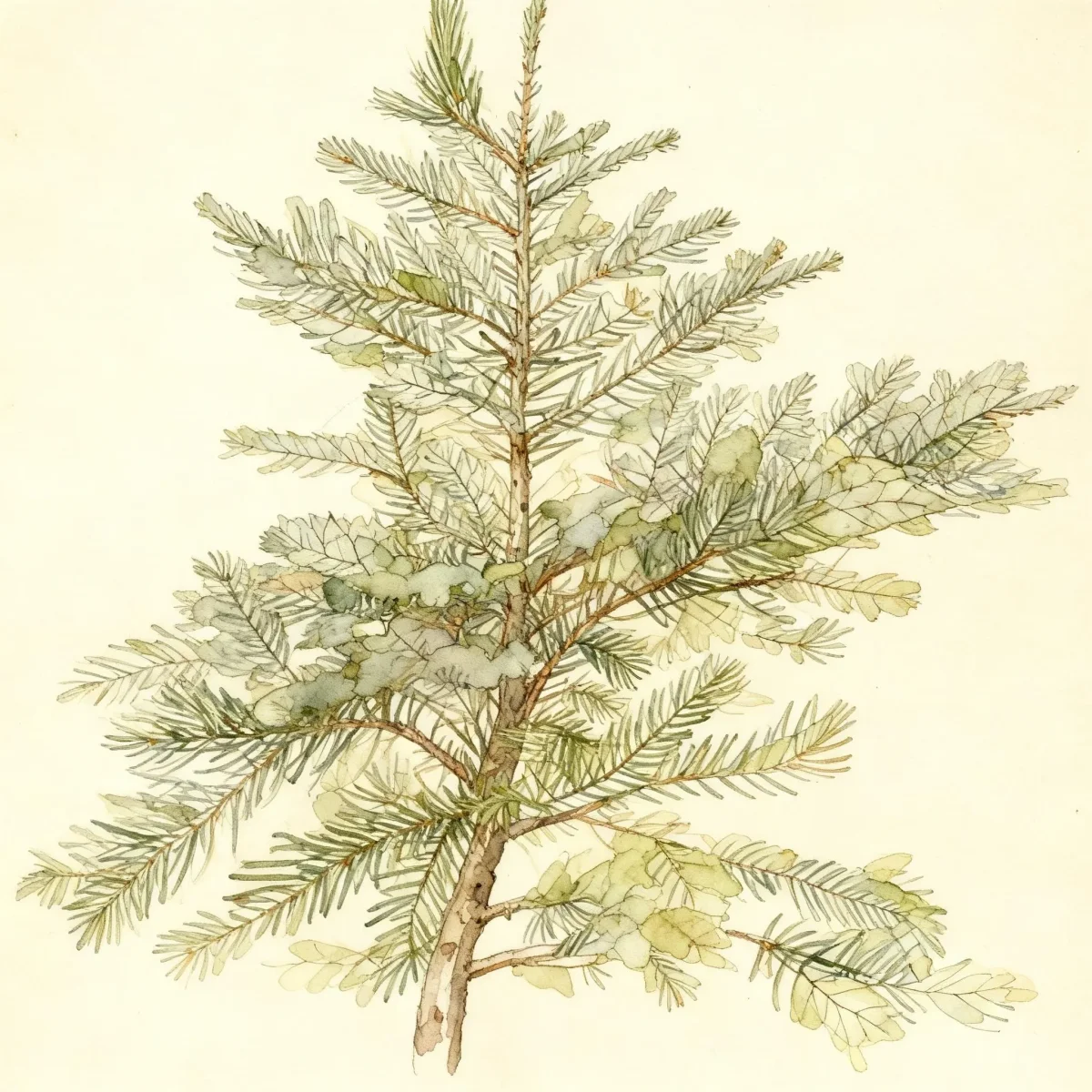
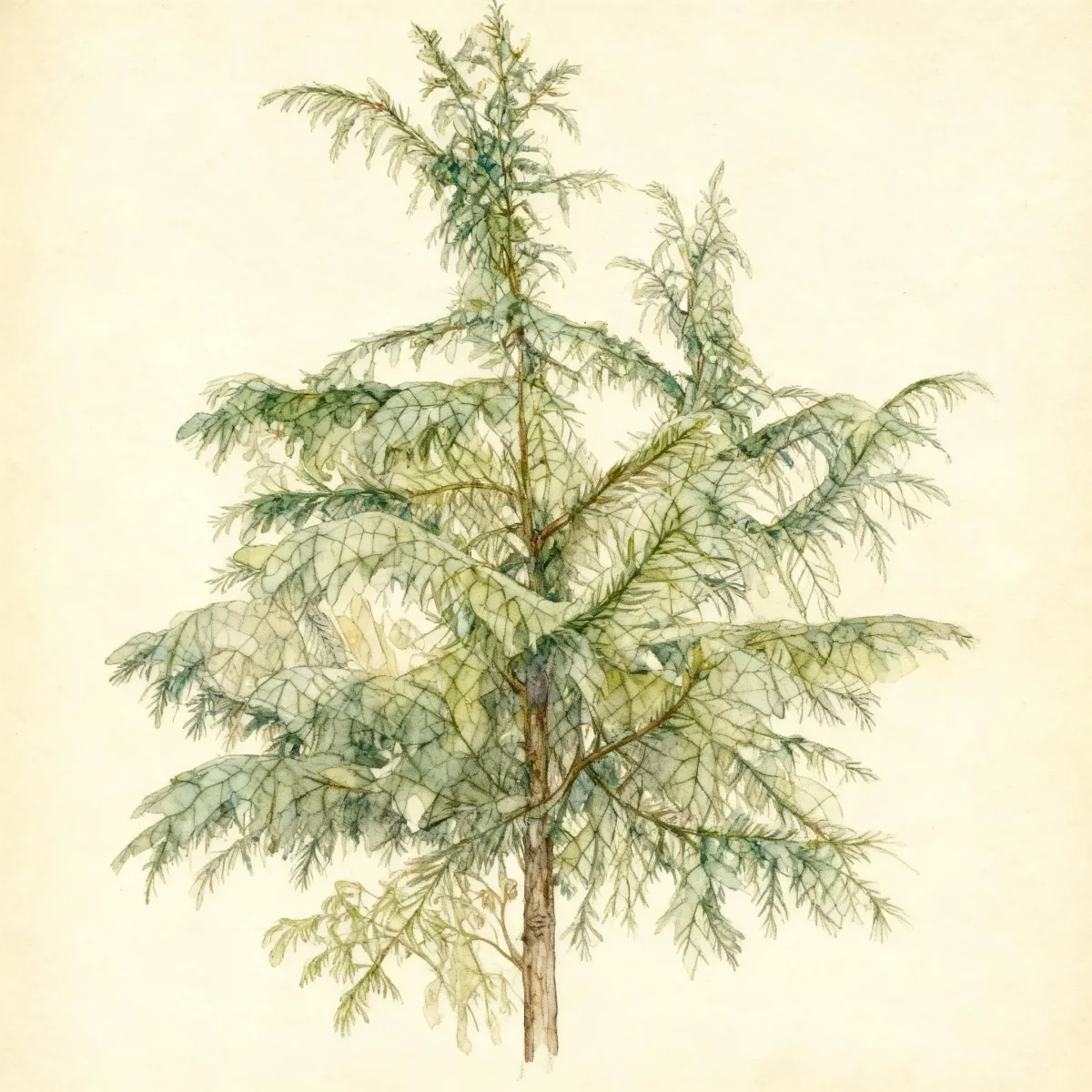
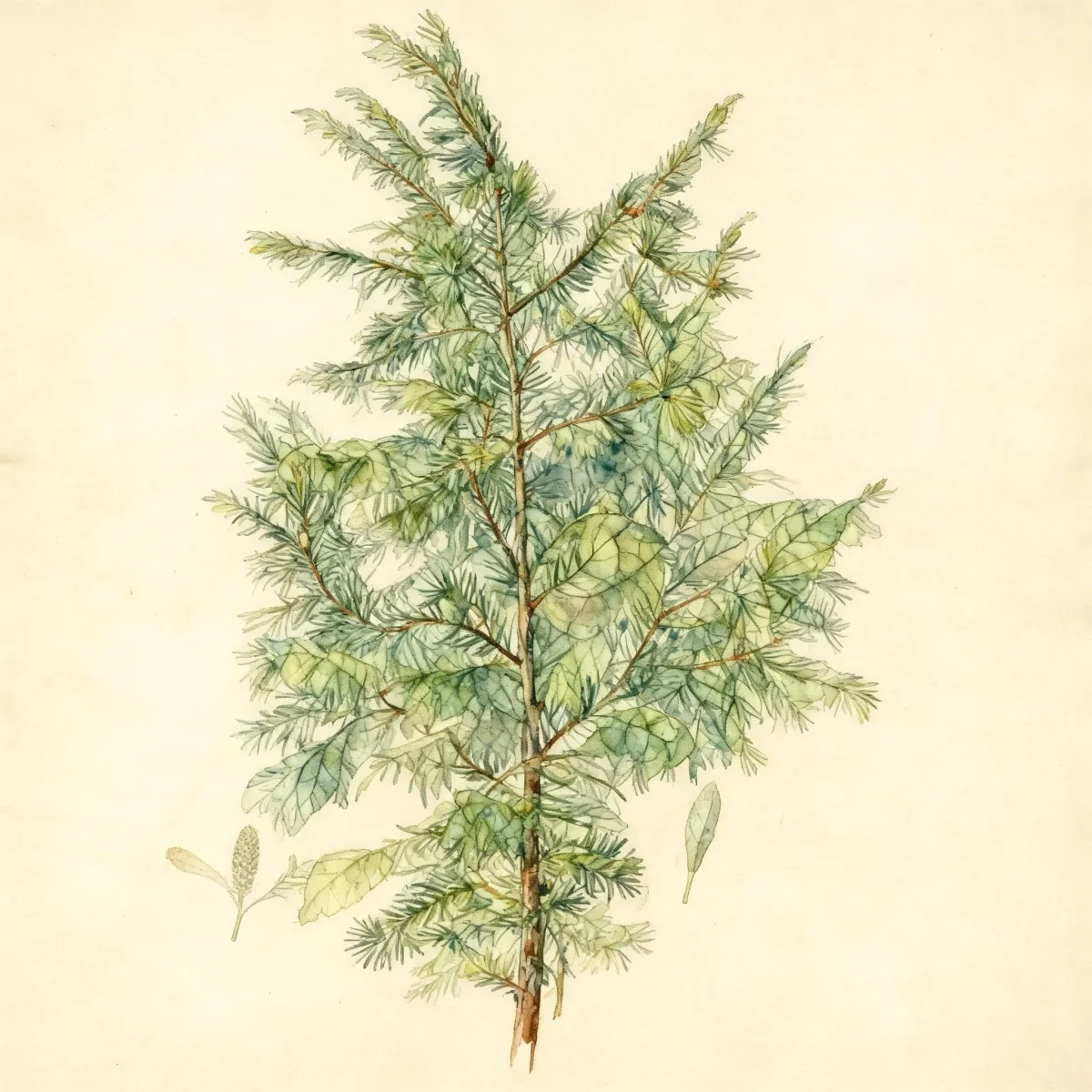
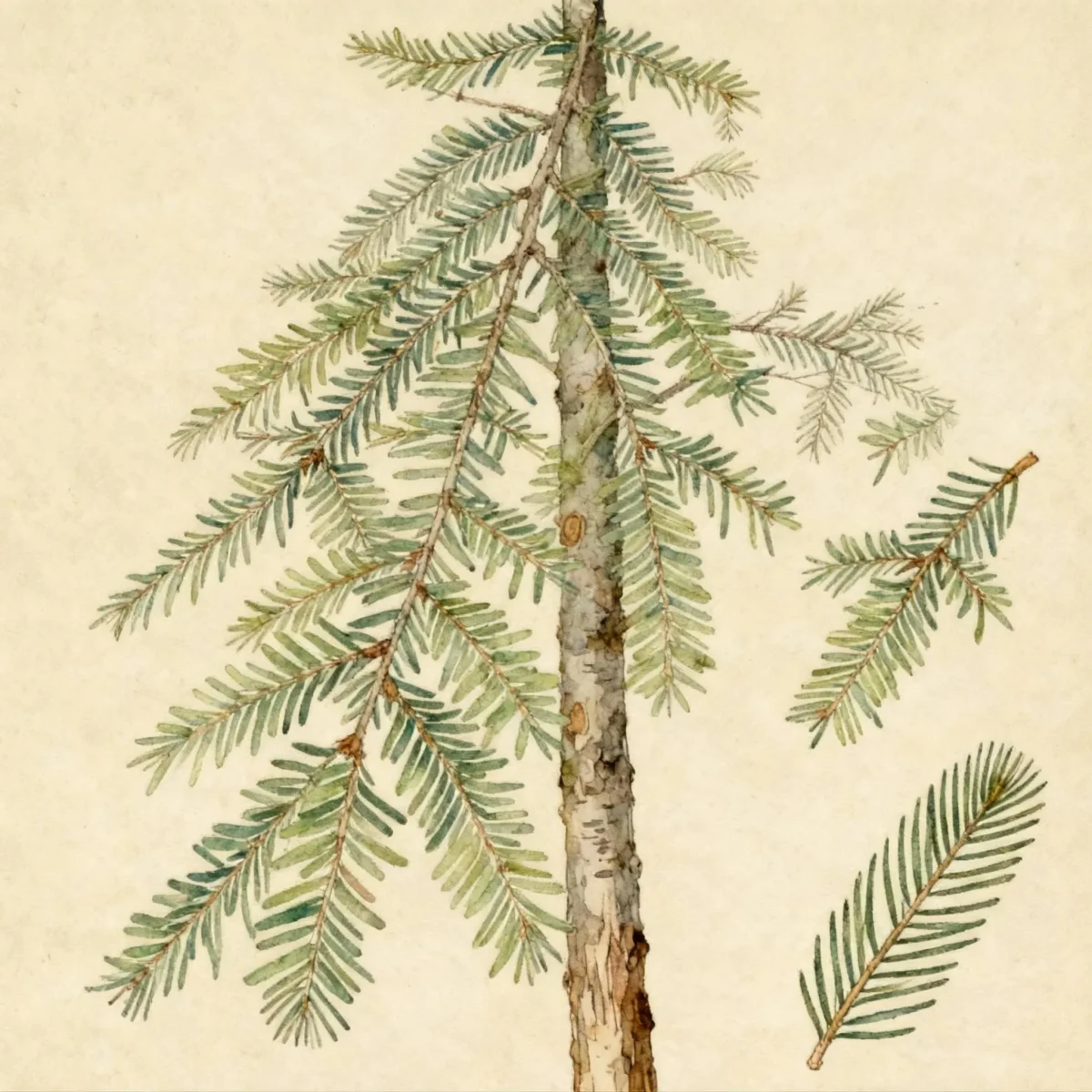
Tsuga caroliniana, commonly known as Carolina hemlock, is primarily native to rocky stream beds and slopes in the Appalachian Mountains from Virginia to Georgia, most frequently at elevations of 2500’ to 4500’. It is a narrow pyramidal tree with slightly pendulous branches that typically grows in cultivation to 45-60’ tall and to 20-25’ wide, but may soar to over 100’ in its native habitat. Small flattened evergreen needles (to 3/4” long), each with two white stomatal bands beneath, radiate around the stems. Reddish-brown bark develops furrows and ridges with age. Small, nearly sessile, short-stalked seed cones (to 1 1/2” long) mature to dark brown.
Tolerances
- Susceptible to hemlock woolly adelgid.
Potential Problems
A healthy plant in the proper environment has few problems, but vigilance is required, particularly concerning pests unique to its genus. Potential disease problems for plants in the genus Tsuga include needle blight (needles turn yellow and die), canker, rusts, and various rots, often exacerbated by poor air circulation or constant wet soil conditions. Ensure excellent drainage to mitigate fungal issues.
The most significant threat to the Carolina hemlock is the invasive hemlock woolly adelgid. Inspect foliage regularly, especially branch undersides, looking for small white, cottony masses near the needles; early detection is key to management. Other potential insect problems include ambrosia beetle, bagworms, borers, borers, leaf miner, sawfly, and mites. Foliage scorch can occur if the plant is subjected to very hot weather without adequate moisture or too much unfiltered sun exposure.
Frequently Asked Questions
What hardiness zones is Carolina hemlock suitable for?
Tsuga caroliniana is best suited for landscape planting within USDA Hardiness Zones 6 through 7, preferring the cooler aspects of this range.
How large does Carolina hemlock grow?
When cultivated, this tree typically reaches mature heights between 45 to 60 feet tall, with a moderate spread of 20 to 25 feet wide.
What sun exposure does Carolina hemlock need?
The Carolina hemlock thrives best when sited in part shade to full shade conditions; direct, intense afternoon sun should be avoided.
When does Carolina hemlock bloom?
This species is a needled evergreen and is classified as non-flowering.
Conclusion
The Tsuga caroliniana remains a standout choice for gardeners seeking refined, year-round evergreen structure in shaded landscapes. Its natural, narrow habit and preference for cool, moist conditions define its placement in any successful garden design. Before planting, verify that your site falls within USDA Zones 6 or 7 and offers consistent moisture; planning your installation for fall will maximize the establishment success of your new Carolina hemlock.
Companion Planting
When selecting companion plants for Tsuga caroliniana, focus on species that share its preference for acidic, moist soil and dappled sunlight. Native woodland bloomers such as various species of Trillium, large-leaved Hostas, and woodland Phlox create beautiful textural and seasonal contrast beneath the hemlock’s cooling canopy. Planting these ground covers helps maintain consistent soil moisture and temperature regulation around the base of the tree.
Consider utilizing other evergreens with different forms, like Japanese Andromeda (Pieris japonica), provided they can handle similar shade. The deep green of the Carolina hemlock contrasts well with the lighter green new growth of deciduous shrubs like Hydrangeas, which appreciate similar moisture levels. This combination helps achieve a layered, authentic woodland ecosystem feel.
Seasonal Care Calendar
Spring is the optimal time for a light application of slow-release fertilizer if needed, though often rich soil is sufficient. Focus on inspecting all branches thoroughly for early signs of pests, especially the hemlock woolly adelgid, as treatments are most effective when applied early in the season.
Summer care centers entirely on water management for Tsuga caroliniana. Monitor closely during heatwaves, ensuring the deep root zone remains moist but never waterlogged, which is especially critical for younger plantings. If you observe any fading or browning foliage, increase targeted watering immediately.
In autumn, prepare the plant for winter by ensuring it is well-watered before the ground freezes. Avoid heavy pruning; any necessary structural cuts should be finished by late summer. In harsh winter climates (Zone 6), temporary burlap wrapping on the windward side may help mitigate winter burn or wind damage on the needles.