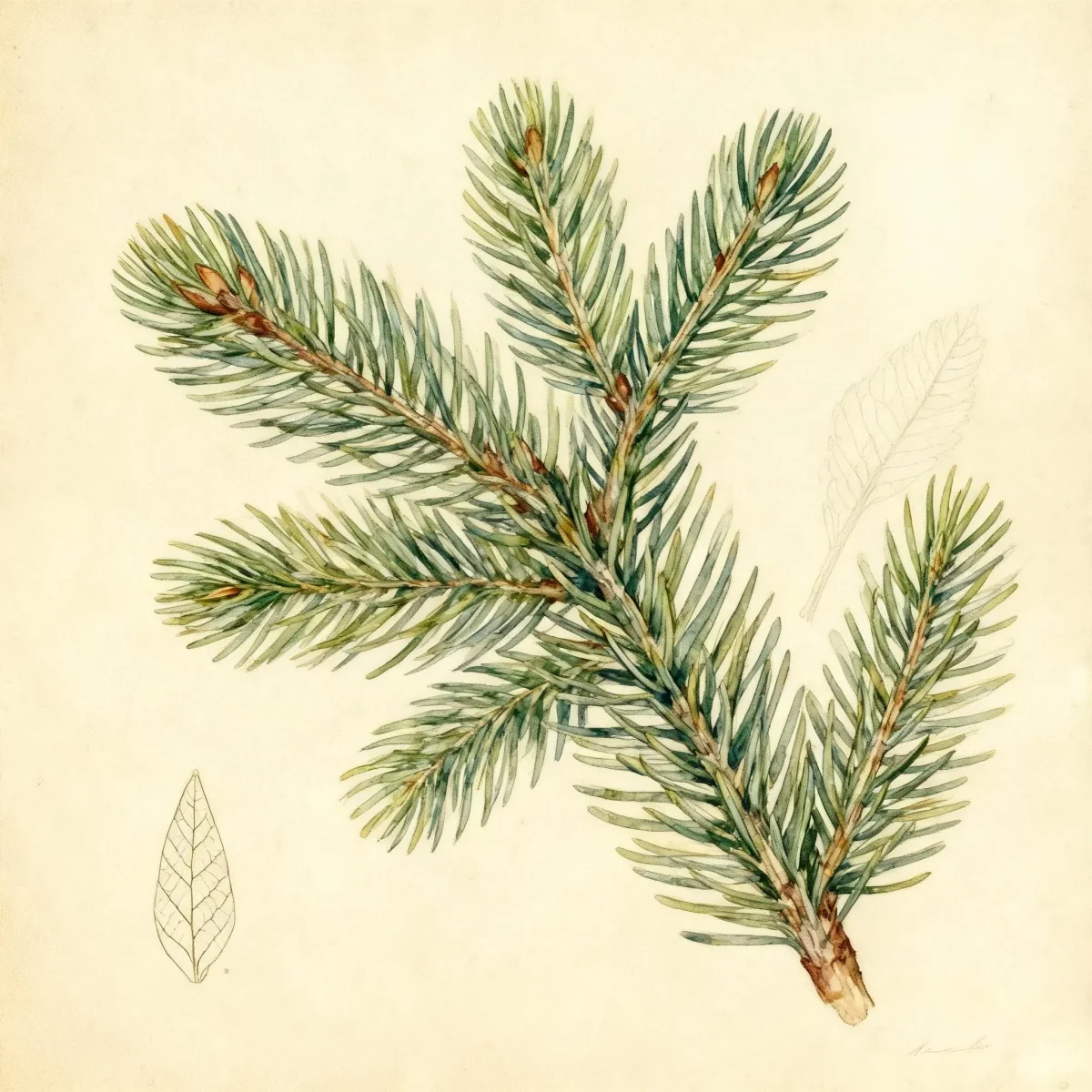
Japanese larch (Larix kaempferi)
Discover the majestic Japanese larch (Larix kaempferi), a deciduous conifer prized for its brilliant golden fall color and dramatic structure.
Scroll down to discover growing tips, care requirements, companion plants, and more
Complete Plant Information
Overview
The Japanese larch, Larix kaempferi, is a remarkable deciduous conifer native to the mountains of Japan, offering gardeners dramatic seasonal interest. Unlike many evergreens, this tree sheds its needles annually, rewarding patient growers with brilliant color before winter rest. Its structure features a broad conical crown and horizontal branching, providing year-round architectural appeal even when dormant.
Larix kaempferi is valued for its vigorous, medium-to-fast growth rate when sited correctly, quickly attaining imposing heights of 70 to 90 feet. Gardeners should note that the soft, bright green needles turn glorious shades of yellow in autumn before dropping, making it a stunning focal point in any landscape composition. This tree asks for specific conditions but rewards excellent care with low future maintenance.
Because it is a massive tree in maturity, siting the Japanese larch correctly is crucial to realizing its full potential. It thrives in cooler temperate climates that mimic its native habitat, offering excellent fall drama unmatched by many other conifers. Use this magnificent specimen tree where space is abundant and its impressive scale can be appreciated.
Fast Facts
- Plant Family: Pinaceae
- Plant Type: Tree
- Native Range: Japan
- Hardiness Zones: USDA Zones 4-7
- Size at Maturity:
- Height: 70-90 ft
- Spread: 25-40 ft
- Bloom Time: Non-flowering
- Bloom Description: Non-flowering
- Sun Exposure: Full sun
- Water Needs: Medium
- Maintenance Level: Low
How to Grow
The key to success with Larix kaempferi is providing rich, well-drained, and slightly acidic soil. Plant during its dormant season in spring or fall, ensuring the location receives full, unfiltered sunlight throughout the day. While it tolerates some light shade, performance significantly declines without direct sun exposure, and it is intolerant of dry soils or dense shade.
Watering needs are medium; established Japanese larch trees are somewhat drought-tolerant but young specimens require consistent moisture, especially during the first few growing seasons. Avoid planting in areas prone to summer humidity and stagnation, as this species performs best where summers are relatively cool. Fertilizing is rarely necessary if the initial soil preparation incorporates rich organic matter.
Pruning should be minimal, mainly focused on removing deadwood or crossing branches immediately after noticing them. Heavy structural pruning is generally discouraged as it can detract from the natural, graceful habit of Larix kaempferi. Be aware that planting south of USDA Zone 7 risks poor performance due to excessive summer heat and humidity.
Landscape Uses
The Japanese larch is fundamentally a specimen planting due to its substantial mature size, requiring open vistas where its sweeping, horizontal branches can develop without obstruction. It excels as a stately anchor in large estate gardens or park settings where its 70-90 foot height provides vertical aspiration. The excellent fall color provides a spectacular contrast against darker green evergreens planted nearby.
While commanding on its own, Larix kaempferi can serve as a temporary screen while slower-growing hardwoods mature. Furthermore, this species is highly regarded in specific horticultural disciplines; it is an excellent choice for larger bonsai specimens, showcasing its delicate needle structure and textured bark over time. Plan its placement carefully to ensure it is visible from living areas during its colorful autumn display.
Standout Features
Noteworthy Characteristics
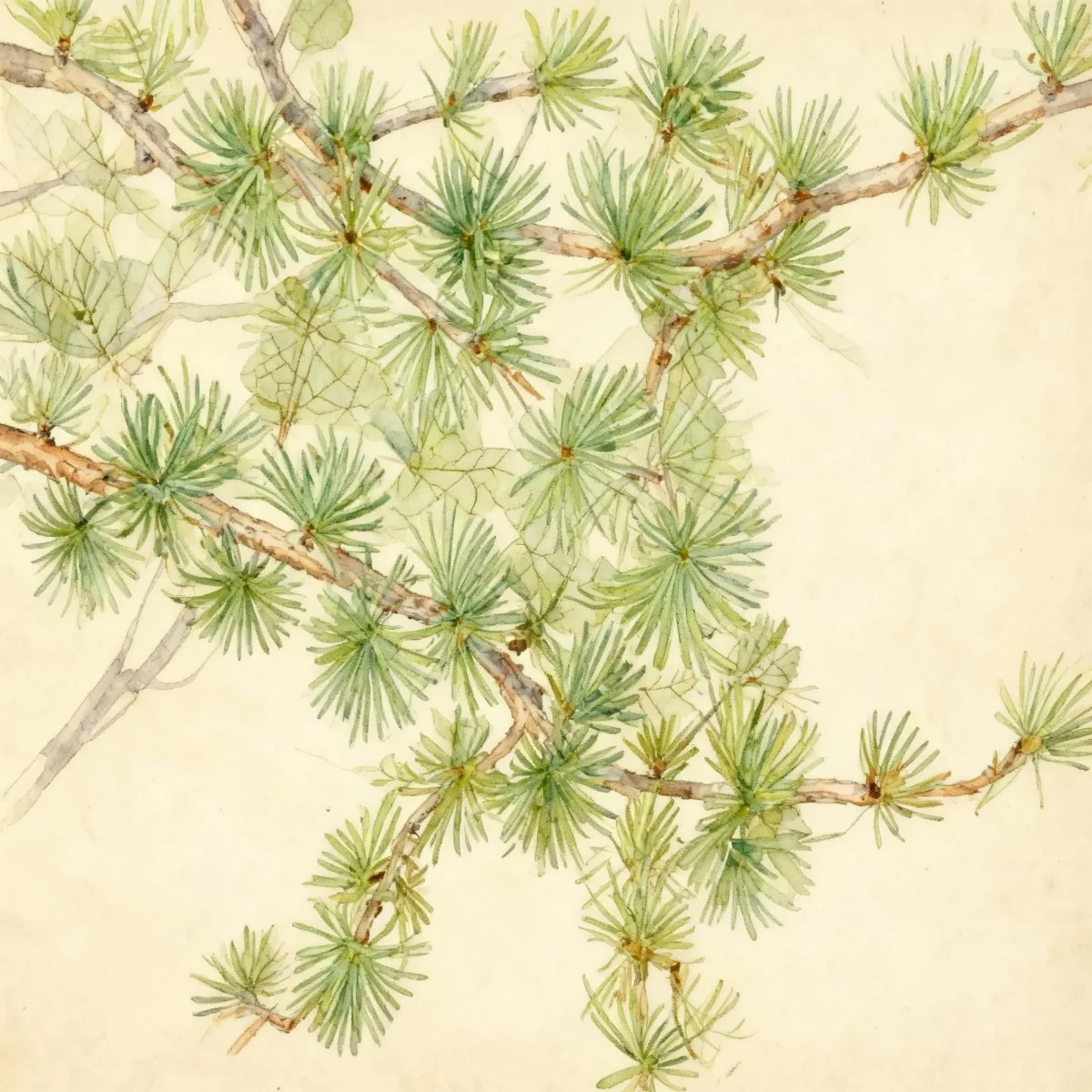
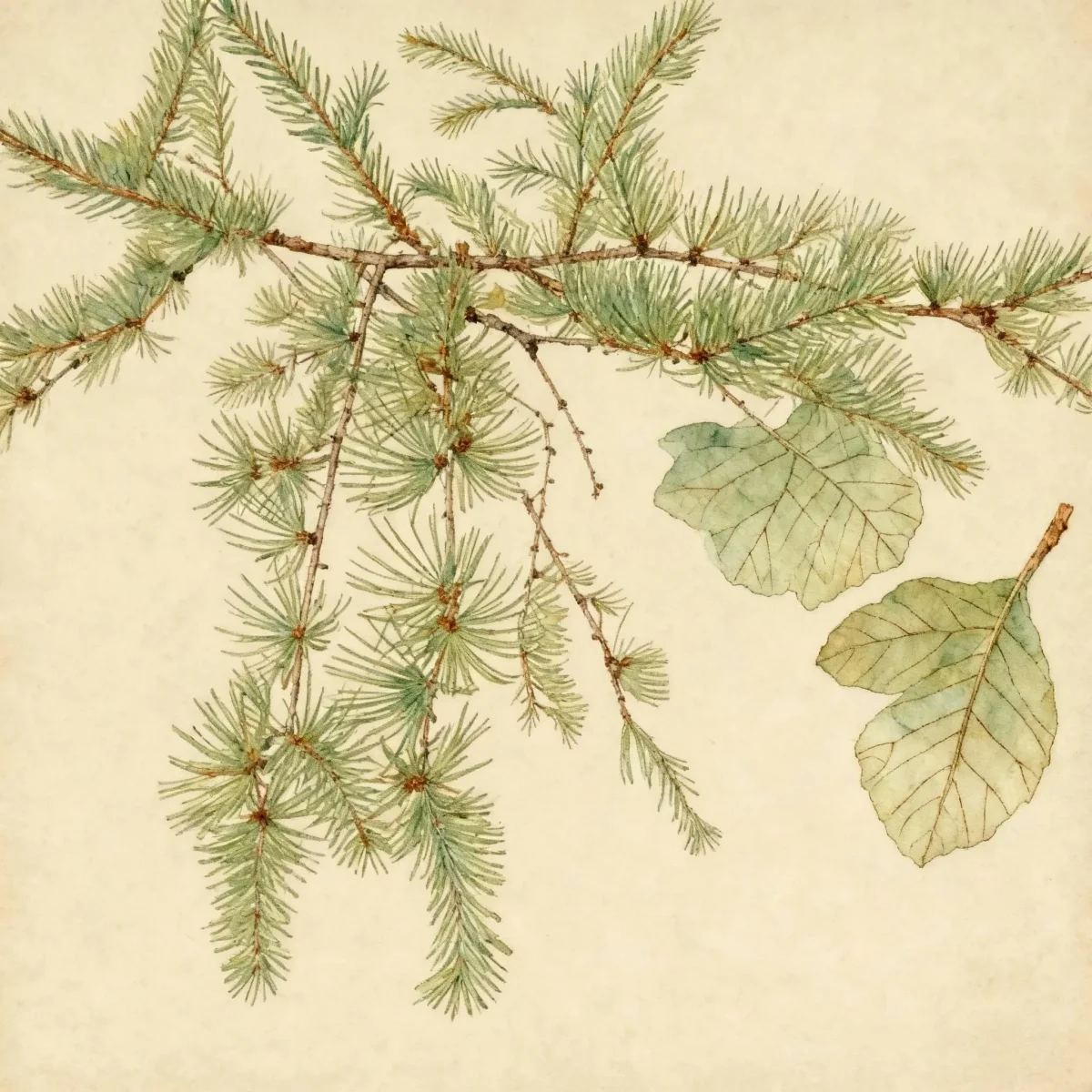
Larix kaempferi, commonly called Japanese larch, is a deciduous conifer that is native to Japan. Its bright green needles cluster on the branches, turning a vibrant yellow in the fall before dropping completely for the winter. In its native habitat, this species achieves towering heights, often forming a broad conical crown supported by horizontal branches, and its cones mature to brown with distinctive reflexed scales.
Potential Problems
Larix kaempferi may encounter several pest and disease challenges that gardeners must monitor throughout the growing season. Potential insect pests include the larch case-bearer, larch sawfly, larch looper, tussock moth, Japanese beetle, and woolly aphids, often requiring targeted integrated pest management (IPM) strategies. Fungal issues like needle cast, needle rust, and canker can also affect health, usually signaling inadequate air circulation or overly wet conditions. Always ensure good air flow and avoid overhead watering to minimize disease pressure on your Japanese larch.
Tolerances
- Intolerant of full shade
- Intolerant of dry soils
- Intolerant of most city pollutants
Frequently Asked Questions
What hardiness zones is Japanese larch suitable for?
The Japanese larch (Larix kaempferi) is reliably hardy across USDA Zones 4 through 7.
How large does Larix kaempferi grow?
This conifer matures into a tall tree, typically reaching heights between 70 and 90 feet, with a spread ranging from 25 to 40 feet wide.
What sun exposure does Japanese larch need?
Larix kaempferi requires full sun exposure for optimal growth and best development of its needles and fall color.
When does Japanese larch bloom?
Larix kaempferi is categorized as non-flowering, as it is a conifer producing cones rather than typical flowers.
Conclusion
The Japanese larch (Larix kaempferi) provides unmatched seasonal drama, transitioning from bright summer green to spectacular golden hues before winter arrives. Its low maintenance needs, provided the correct site parameters (sun, rich soil, cool summers) are met, make it a worthwhile addition to large landscapes. Always confirm your USDA zone compatibility before attempting to establish this impressive deciduous conifer.
Companion Planting
Selecting appropriate companions helps highlight the unique features of Larix kaempferi and manage soil conditions. Because the Japanese larch thrives in moist, acidic soil, pair it with other acid-loving plants like rhododendrons, azaleas, and camellias which appreciate similar cultural requirements. Planting smaller, spreading groundcovers beneath the canopy can also help stabilize soil moisture levels, though be careful not to plant too close to the trunk base.
Consider placing the larch against a backdrop of deep, dark evergreens, such as certain types of yews or hemlocks, to maximize the visual impact of its brilliant yellow fall needle display. Avoid placing moisture-sensitive, drought-tolerant plants nearby, as the medium water requirements of the larch will dominate irrigation needs in the immediate vicinity.
Seasonal Care Calendar
Spring is the best time for any remedial pruning on your Larix kaempferi, addressing any winter dieback before new growth flushes out. As temperatures rise, ensure consistent moisture supply to young trees, checking soil dampness weekly during dry spells. During the summer, actively monitor for signs of common pests like the larch case-bearer; early identification is key to successful treatment.
Autumn is the star season for the Japanese larch, showcasing its gold show. After the needles drop in late fall or early winter, conduct a broad inspection of the bark for any signs of canker or cracking. In colder zones, ensure mulch is well-maintained around the base to protect the root flare from extreme freeze-thaw cycles during winter months.