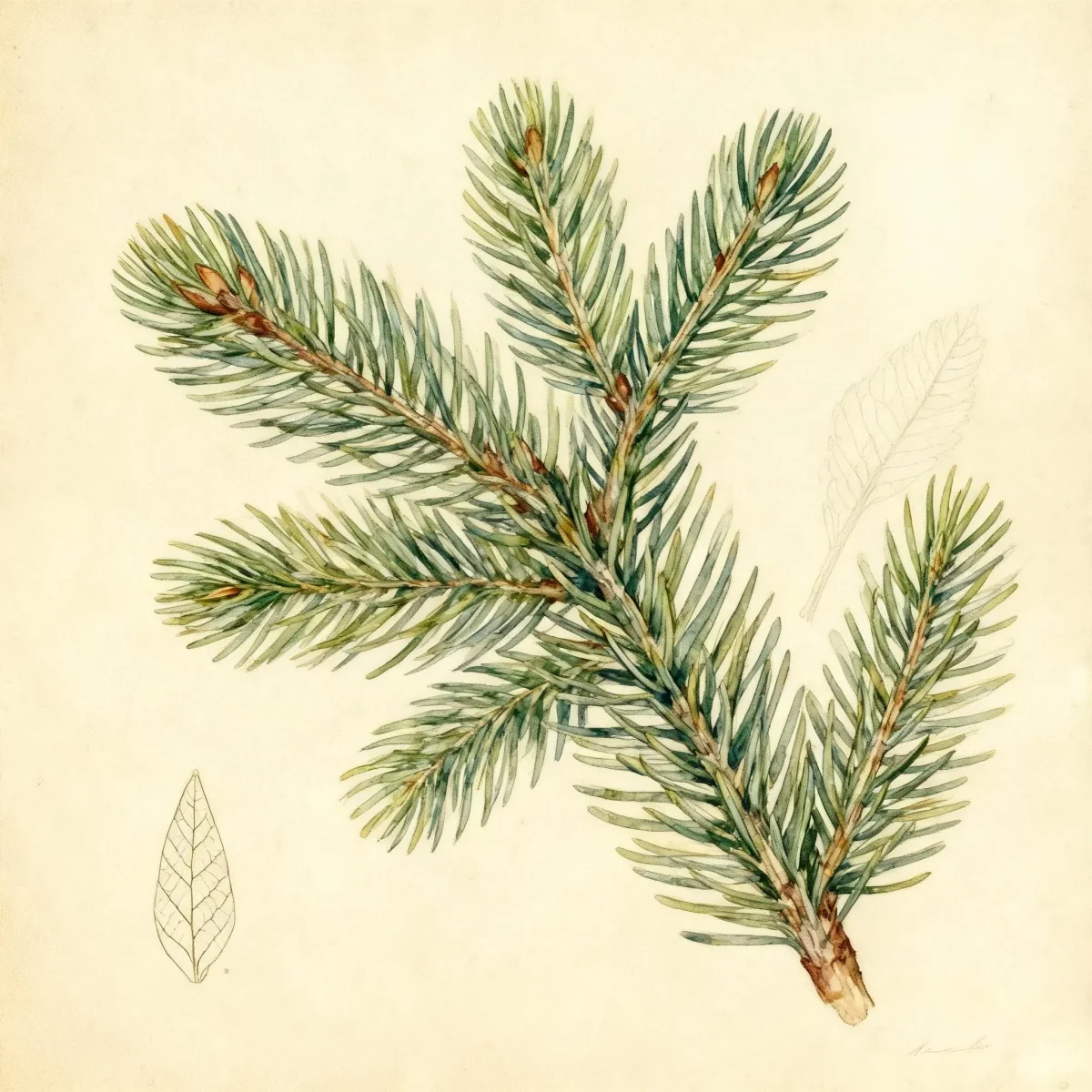
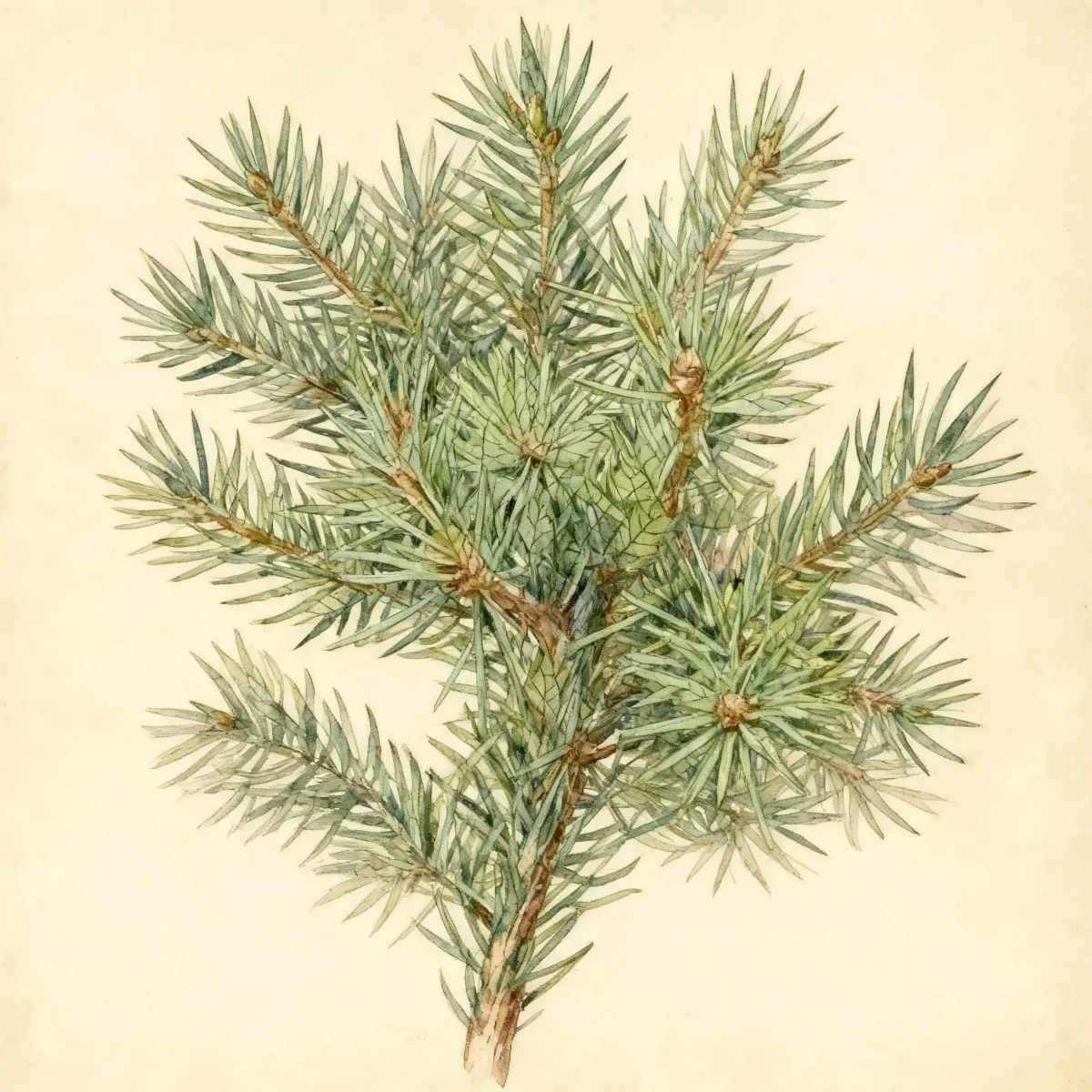
Dahurian larch (Larix gmelinii)
The striking Dahurian larch (Larix gmelinii) is a cold-hardy deciduous conifer native to Eastern Asia, prized for its bright needles & fall color.
Scroll down to discover growing tips, care requirements, companion plants, and more
Complete Plant Information
Overview
The Dahurian larch, scientifically known as Larix gmelinii, stands out in the coniferous landscape as a deciduous specimen, shedding its needles each autumn. This species is highly valued for its extreme cold tolerance, originating deep within northeastern Siberia. Gardeners in suitable climates appreciate its annual cycle, which transitions from bright green spring growth to brilliant yellow fall foliage before the needles drop.
Larix gmelinii establishes itself as a substantial specimen, often reaching heights between 40 and 90 feet at maturity, developing a structure with broad, conic, and sometimes open crowns. While it is a low-maintenance tree once established, the Dahurian larch requires specific environmental conditions to thrive, particularly favoring the cool summers and severe winters native to its range.
Functionally, the Dahurian larch offers excellent seasonal interest and adapts well to certain specialized landscape roles, notably in managing moisture in rain gardens in its correct zones. Its resilience in harsh, cold environments makes it a reliable choice where many other conifers might falter. Ensure your site mimics cool northern climates for the best performance of this magnificent tree.
Fast Facts
- Plant Family: Pinaceae
- Plant Type: Tree
- Native Range: Eastern Asia
- Hardiness Zones: USDA Zones 2-5
- Size at Maturity:
- Height: 40-90 ft
- Spread: 15-30 ft
- Bloom Time: Non-flowering
- Bloom Description: Non-flowering
- Sun Exposure: Full sun
- Water Needs: Medium
- Maintenance Level: Low
How to Grow
Planting the Dahurian larch should occur in the cooler parts of the growing season, ensuring roots have time to establish before the stress of summer heat. The species thrives when situated in moist, acidic, well-drained soils. Full sun exposure is critical for optimal development, although Larix gmelinii can tolerate some light shade. Avoid locations prone to dry soils, as this tree requires consistent moisture.
Watering needs are medium; focus on deep, slow watering, especially during establishment or unexpected dry spells, but never allow the roots to sit in water, despite its preference for moist conditions. Due to its robust nature and low maintenance requirement, routine fertilizing is generally unnecessary unless soil tests indicate severe nutrient deficiencies. Pruning should be minimal, limited to removing crossing or dead branches to maintain its natural conic shape.
It is crucial to note that the Larix gmelinii suffers significantly in hot environments. Trees perform poorly in hot and humid summer conditions found south of USDA Zone 5. Gardeners in warmer regions looking for deciduous conifers should select alternatives, as this tree demands temperature conditions mirroring cool summers and cold winters for success.
Landscape Uses
The inherent cultural demands of the Dahurian larch mean it shines brightest in regions that experience genuine, cold winters. While many trees are limited by dry heat, this species is perfectly suited for sites that require moisture management during the wet periods, making it an excellent candidate for rain garden installations in Zones 2 through 5. Its commitment to cold hardiness ensures its structure and eventual size contribute significantly to the backdrop of the landscape.
Although its primary strength lies in its cold tolerance, the striking visual change in autumn cannot be overlooked. The bright green needles transition to a vivid yellow before dropping, offering excellent fall color contrast against evergreen neighbors. When considering companion plants, select species that appreciate moist, acidic soil and can tolerate the considerable size this tree will achieve, such as certain rhododendrons or ferns suitable to its climate zone. The Dahurian larch is not recommended for constrained urban spaces or climates warmer than its hardiness range suggests.
Standout Features
Noteworthy Characteristics
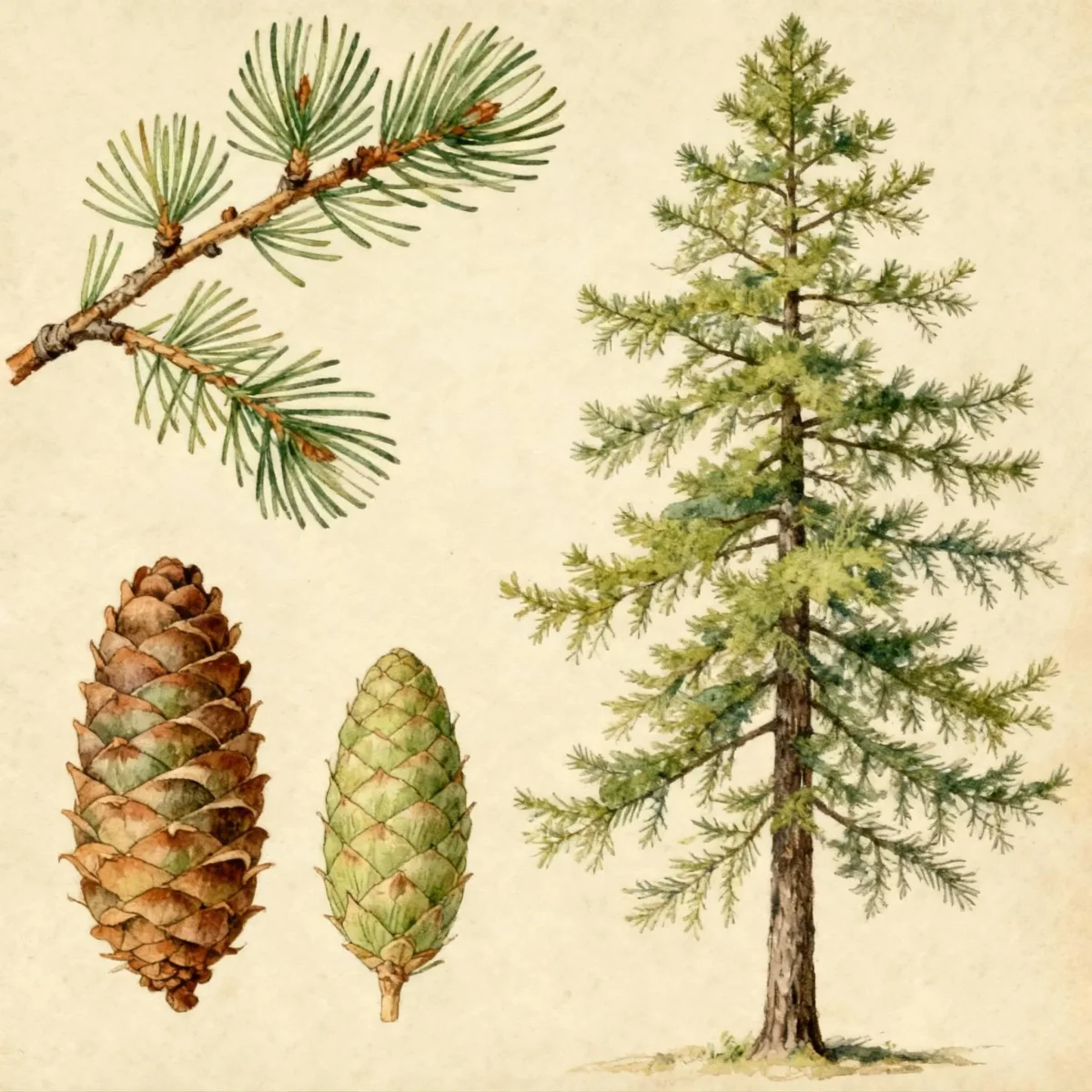
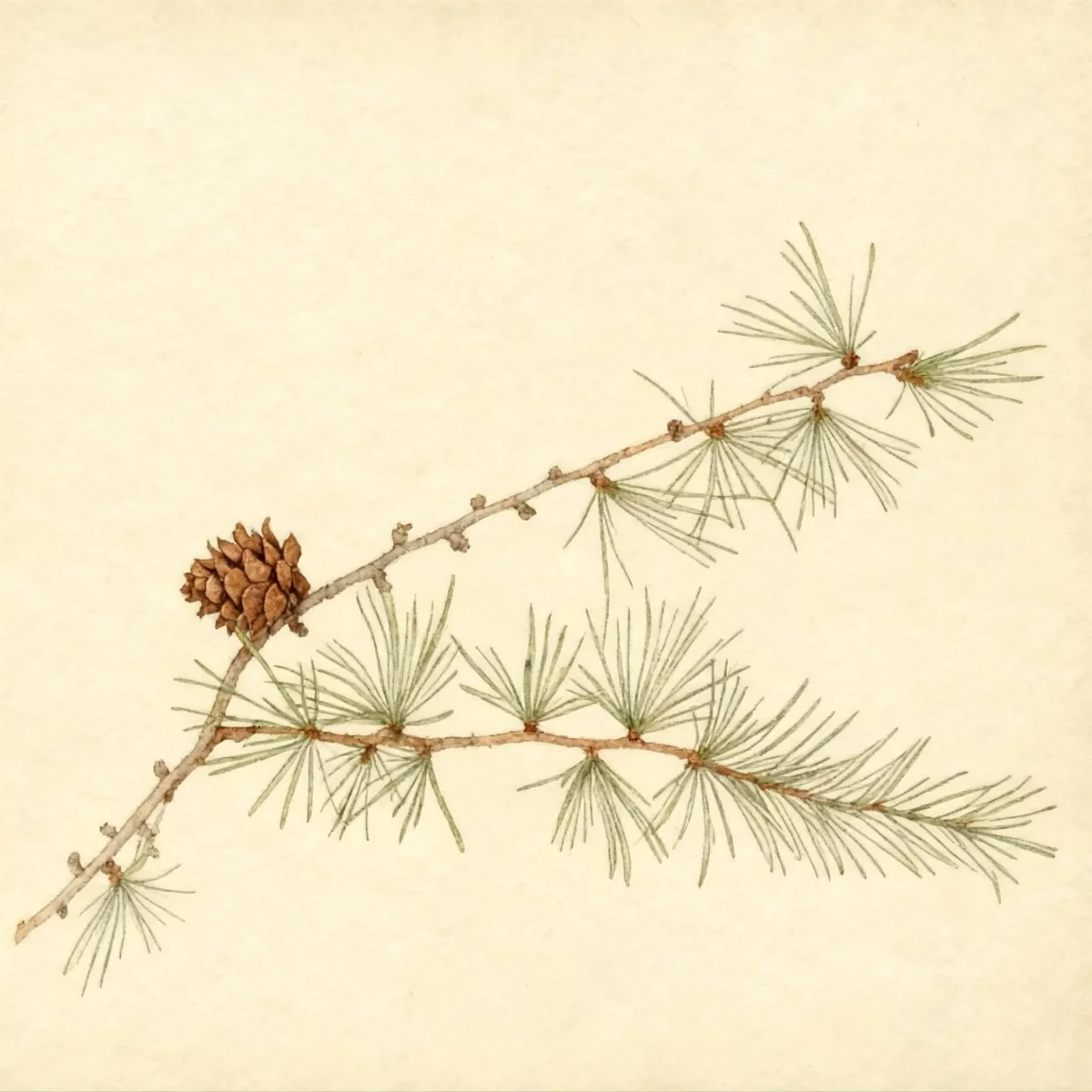
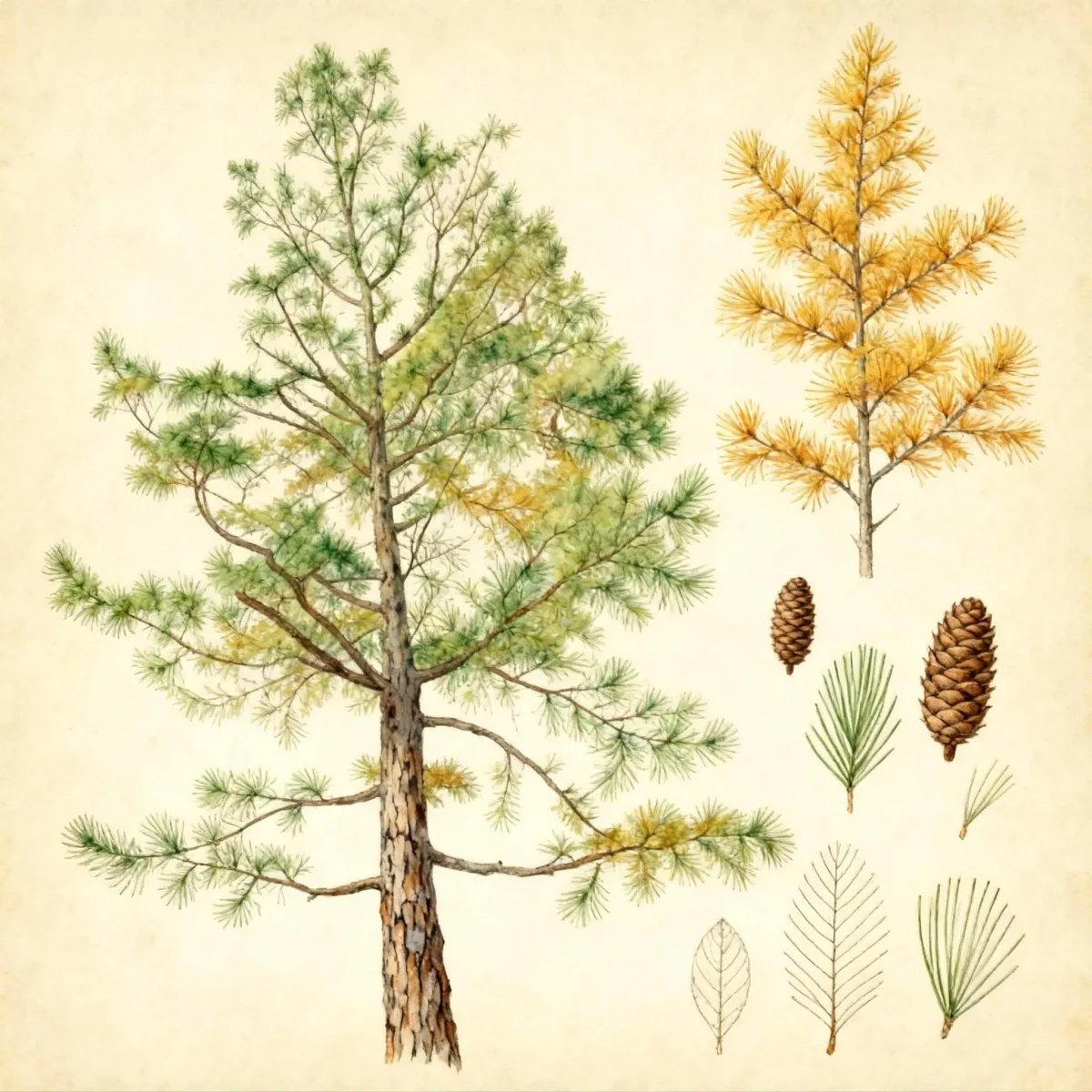
Larix gmelinii, commonly called Dahurian larch, is a deciduous conifer that is native to northeastern Siberia. Bright green needles turn yellow in fall before falling to the ground. This is a tree of very cold climates, ranging northward inside the Arctic Circle to tree line. In the wild, it grows to 40-60’ (less frequently to 100’) tall with a broad conic but open crown and horizontal branching. Needles (to 1 1/2” long) in brush-like clusters appear at the ends of spur-like shoots along the branches, and cones mature to light brown.
Recommended Uses
Dahurian larch is grown in cold areas, and is not recommended for the St. Louis climate. It provides notably good fall color, making it a centerpiece in appropriate cold-climate landscapes.
Tolerances
The Dahurian larch is highly intolerant of dry soils and struggles with most common city pollutants.
Potential Problems
The Larix gmelinii faces several potential insect pressures, requiring vigilance from the gardener. Common insect pests include the larch case-bearer, larch sawfly, larch looper, tussock moth, Japanese beetle, and woolly aphids. Be proactive in monitoring foliage for signs of feeding damage or larval presence, which often indicates the start of an infestation.
Disease issues are also possible, focusing primarily on fungal problems affecting the foliage and structure. Potential disease problems include needle cast, needle rust, and canker. Maintaining good air circulation by ensuring proper planting distance and avoiding overhead irrigation can help mitigate fungal spread. Treating significant outbreaks of pests or diseases may require specific horticultural oils or fungicides registered for use on larch trees.
Frequently Asked Questions
What hardiness zones is Dahurian larch suitable for?
The Dahurian larch is best suited for USDA Hardiness Zones 2 through 5, indicating excellent tolerance for severe winter cold.
How large does Larix gmelinii grow?
This magnificent tree typically matures to a height between 40 and 90 feet, with a spread ranging from 15 to 30 feet wide, creating a significant, broad conic profile.
What sun exposure does Dahurian larch need?
Larix gmelinii requires full sun exposure for the best growth habit and needle coloration.
When does Dahurian larch bloom?
The Dahurian larch is categorized as non-flowering, as it is a conifer producing cones rather than traditional flowers.
Conclusion
The Larix gmelinii, or Dahurian larch, offers unparalleled cold tolerance and a spectacular seasonal show as its needles transform to gold before dropping for winter. While its cultural needs make it unsuitable for warmer zones, it is a spectacular, low-maintenance specimen in the extreme northern reaches of temperate gardening. Before establishing this tree, take the critical step of confirming your location falls strictly within USDA Zones 2-5 to ensure the long-term success of your Dahurian larch.
Companion Planting in Cold Climates
When integrating the Dahurian larch into a cold-climate landscape, select companions that share its preference for acidic soil and consistent moisture. Plants like Rhododendrons, Azaleas, and certain varieties of Siberian Iris thrive nearby, provided adequate drainage is maintained around the larch’s root zone. These plants will provide contrasting evergreen structure or vibrant spring color that complements the eventual yellow transition of the Larix gmelinii.
For ground cover beneath Larix gmelinii, consider shade-tolerant woodland plants once the tree is established enough to cast significant shade, though initially, sunny, moist companions are best. Ensure that any underplanting does not physically compete with the tree’s primary root structure, as the larch prefers not to have its roots disturbed frequently once it settles into its site.
Seasonal Care Calendar
Spring serves as the vital time to evaluate the health of Larix gmelinii following winter dormancy. Inspect branches for signs of late frost damage or emerging pests like the larch case-bearer, and initiate any necessary preventative treatments. Soil moisture should be closely monitored as temperatures rise, ensuring the “medium water needs” of the tree are met before summer heat sets in.
Summer care focuses on prevention and observing heat stress, though true summer maintenance is low if properly sited. If your region experiences summer droughts, provide deep watering to the root zone. In fall, enjoy the brilliant yellow display; after needle drop, a light application of slow-release, acidic fertilizer can benefit the tree if soil fertility is poor, preparing Larix gmelinii for the coming winter extreme.