Yezo spruce (Picea jezoensis)
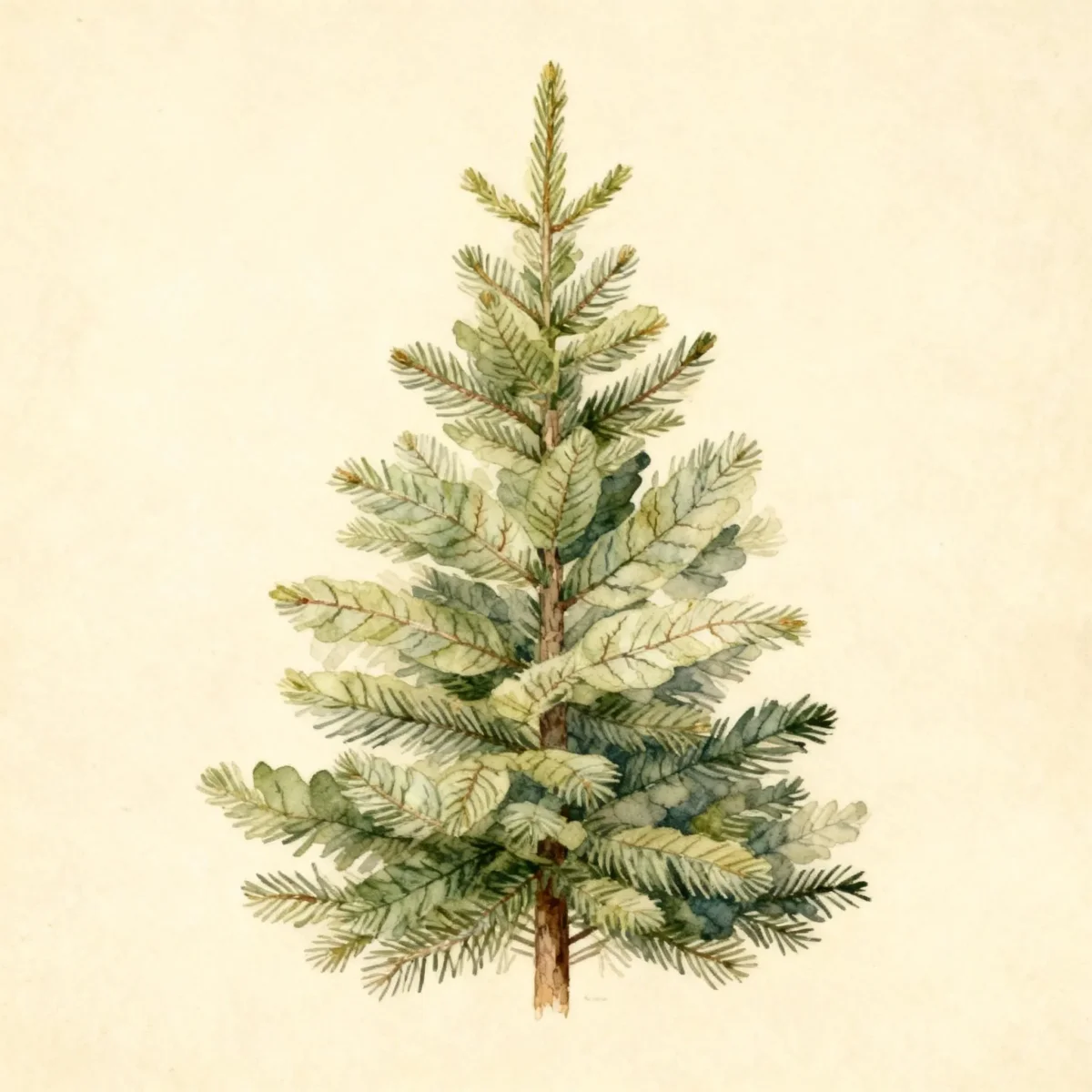
The massive Yezo spruce (Picea jezoensis) is a majestic needled evergreen for cool climates, reaching up to 150 feet tall.
Scroll down to discover growing tips, care requirements, companion plants, and more
Complete Plant Information
Overview
The Yezo spruce, scientifically known as Picea jezoensis, is a truly imposing needled evergreen native to the cooler climes of Northeast Asia, including Japan and Siberia. Gardeners seeking a massive, majestic specimen tree for a large landscape should consider this species for its historical presence and dramatic scale. This conifer provides year-round structure and deep green foliage that contrasts beautifully with its exfoliating, grayish-brown bark.
Although it can reach staggering heights of 150 feet in its native habitat, Picea jezoensis is remarkably low maintenance once established, fitting well into landscapes that allow for its considerable mature spread. Its primary value lies in creating a monumental focal point or providing substantial vertical structure in the landscape design.
It is crucial to note the temperature preferences of Picea jezoensis; it thrives in environments with cool summers, making it an excellent choice for northern gardens but ill-suited for hot, humid southern regions. Successfully integrating the Yezo spruce requires careful thought regarding its ultimate size and environmental needs.
Fast Facts
- Plant Family: Pinaceae
- Plant Type: Needled evergreen
- Native Range: Northeastern Manchuria, eastern Siberia, North Korea, Japan
- Hardiness Zones: USDA Zones 3-7
- Size at Maturity:
- Height: 75-150 ft
- Spread: 20-30 ft
- Bloom Time: Non-flowering
- Bloom Description: Non-flowering
- Sun Exposure: Full sun
- Water Needs: Medium
- Maintenance Level: Low
How to Grow
When establishing your Picea jezoensis, aim for an early spring planting after the threat of hard frost has passed, allowing the root system ample time to anchor before summer heat arrives. This magnificent tree requires a location offering full sun exposure throughout the day. Successful cultivation depends heavily on soil quality: choose a site with moist, well-drained loam. Avoid heavy clay or areas where water pools, as poor drainage can lead to significant health issues over time.
Watering requirements for the Yezo spruce are medium. While established specimens are relatively drought-tolerant, consistent moisture is necessary, especially during the first few growing seasons. Deep, infrequent watering is generally preferred over shallow, frequent sprinkling. Fertilization is seldom required for mature trees; if growth appears stunted, a balanced, slow-release fertilizer applied in early spring can be beneficial. Pruning is typically minimal, focused only on removing storm-damaged or crossing limbs to maintain a natural, upright habit.
A critical consideration for growing the Yezo spruce is climate suitability. Because it prefers cool summer conditions, gardeners in transitional or hot zones must provide supplemental irrigation during summer months to mitigate heat stress. Protect younger specimens from excessive wind exposure until the structure is robust, ensuring the crown remains fully intact to develop its mature form.
Landscape Uses
The Picea jezoensis is generally reserved for large estates or arboreta where its massive scale can be fully appreciated. Its primary role is as a large specimen evergreen, anchoring distant views or serving as a towering backdrop to smaller plantings. It is less suited for urban street planting due to its potential size and lower branching habit.
If space allows, plant the Yezo spruce as an unmatched focal point against a less busy foundation, allowing its dramatic silhouette to dominate the skyline. While its imposing nature limits close companion planting, lower-growing, shade-tolerant broadleaf evergreens or dense shrubs can be used effectively near the drip line to conceal the base and provide textural contrast once the tree matures. For those interested in cultivation at a smaller scale, the species is noted as being suitable for bonsai applications, dramatically contrasting its natural growth habit.
Standout Features
Noteworthy Characteristics
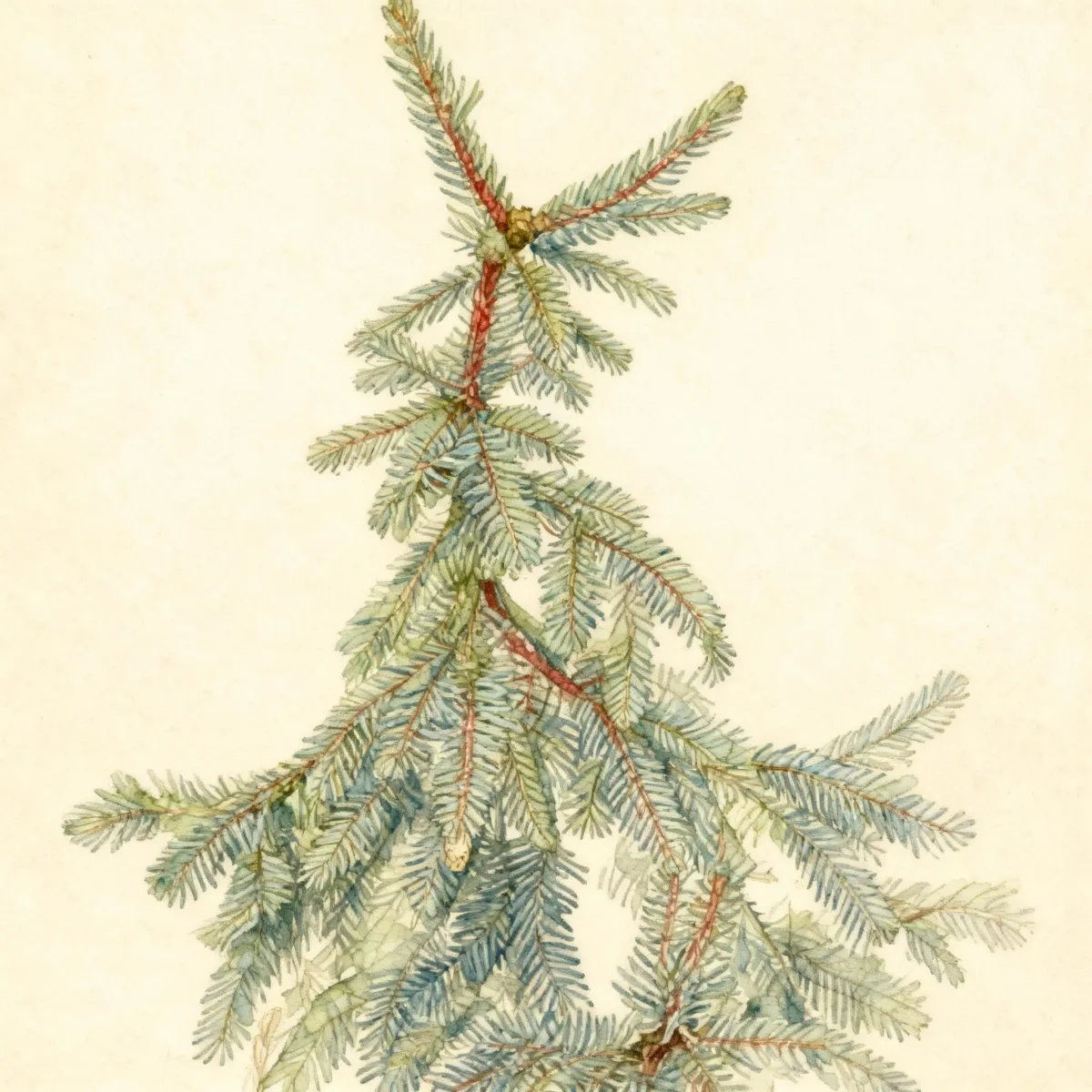
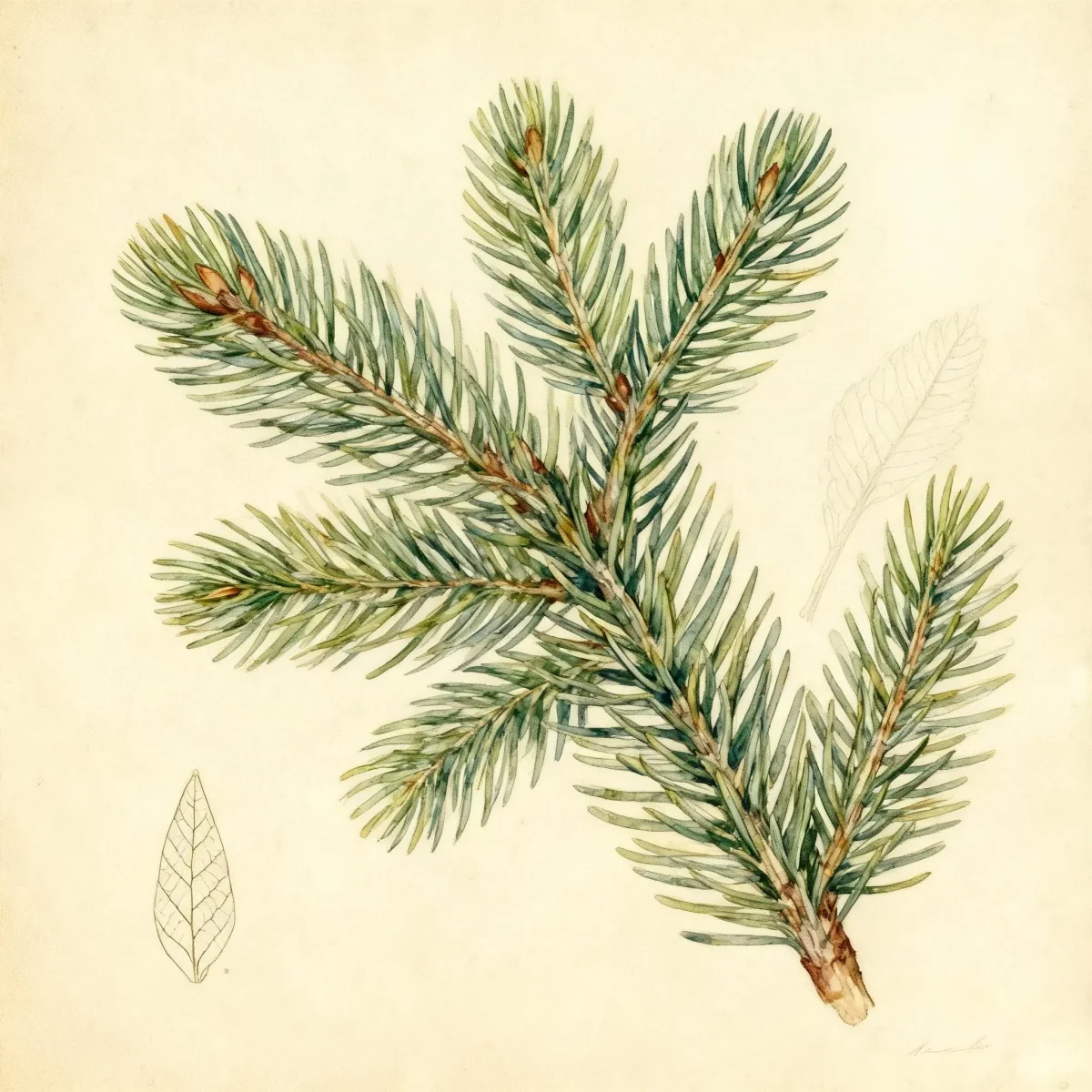
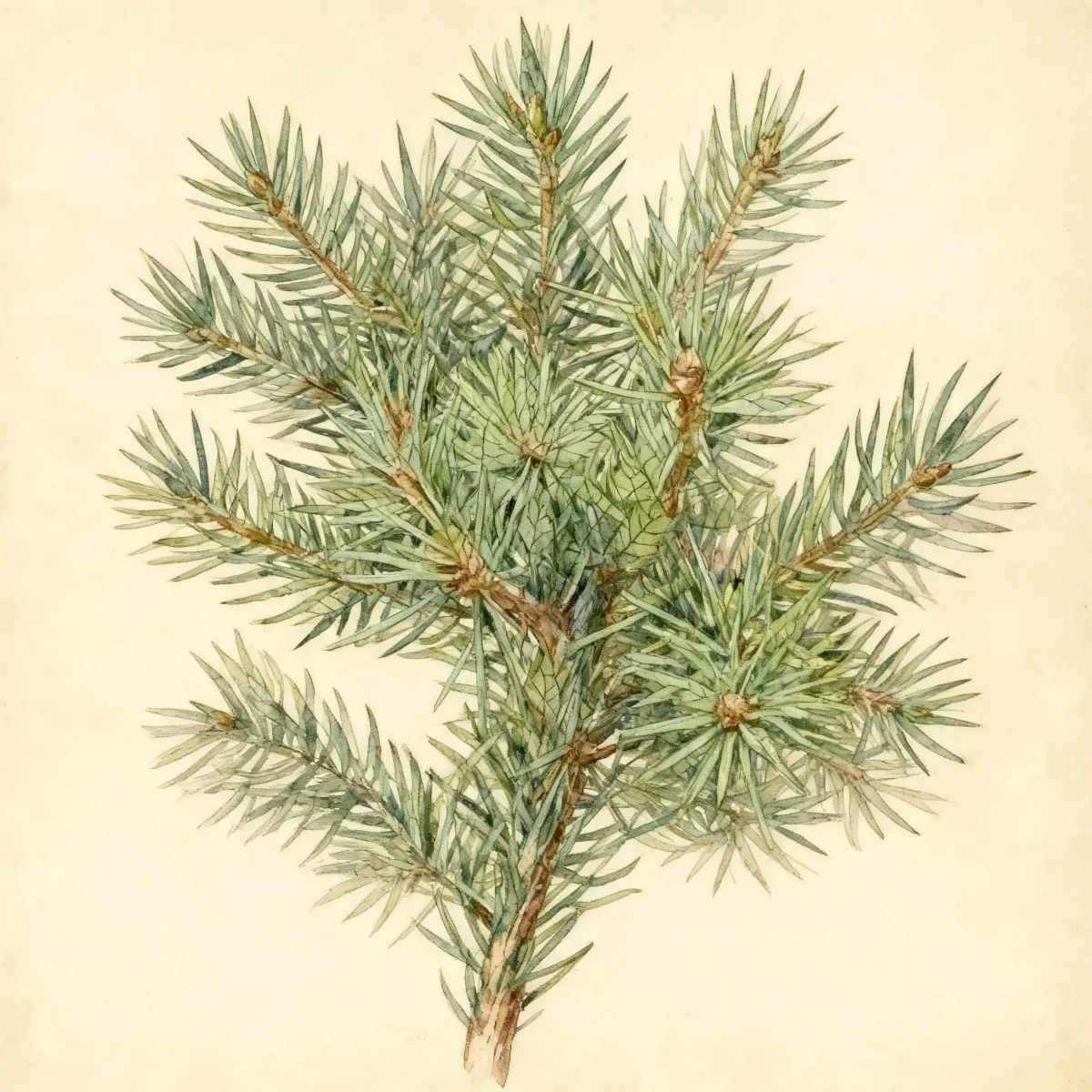
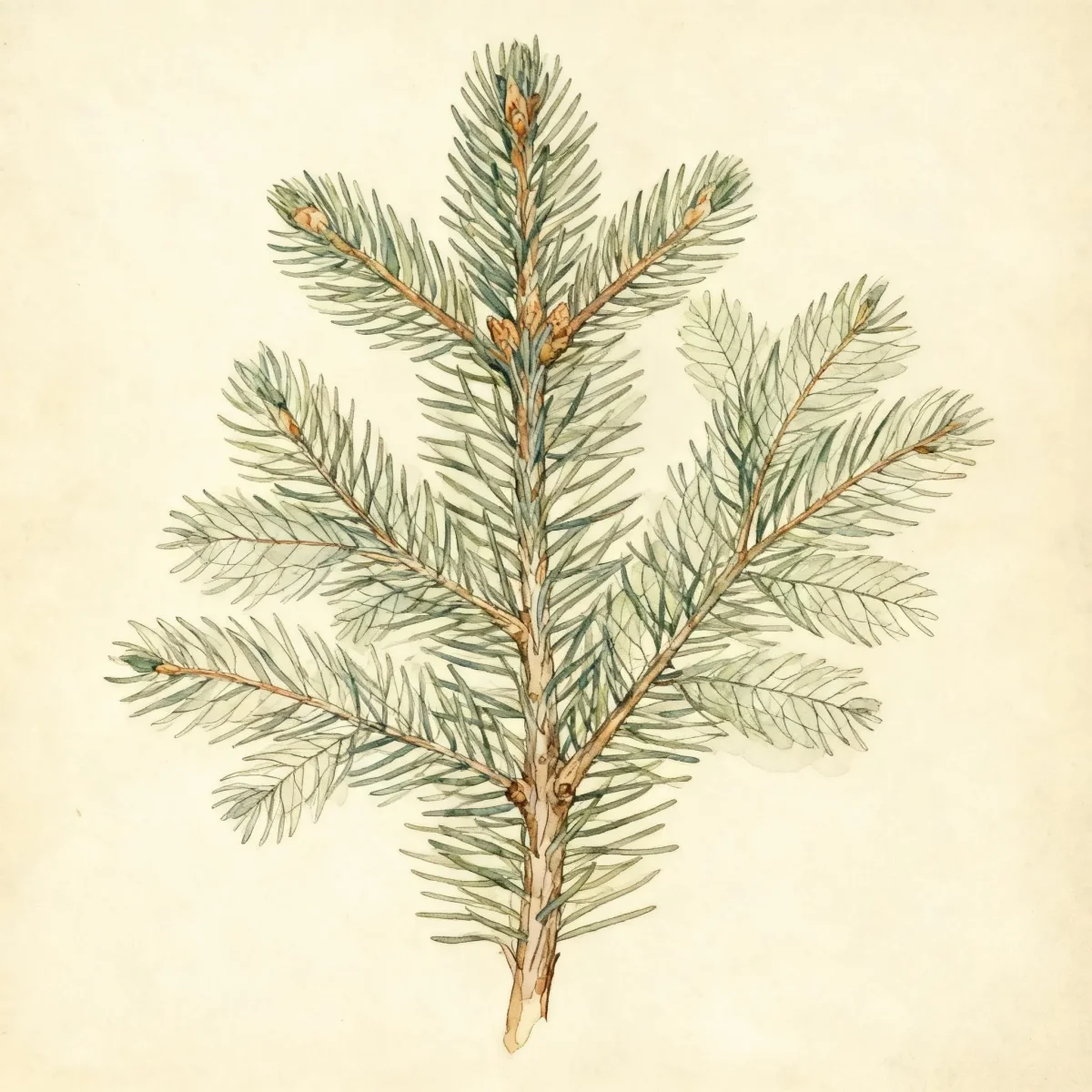
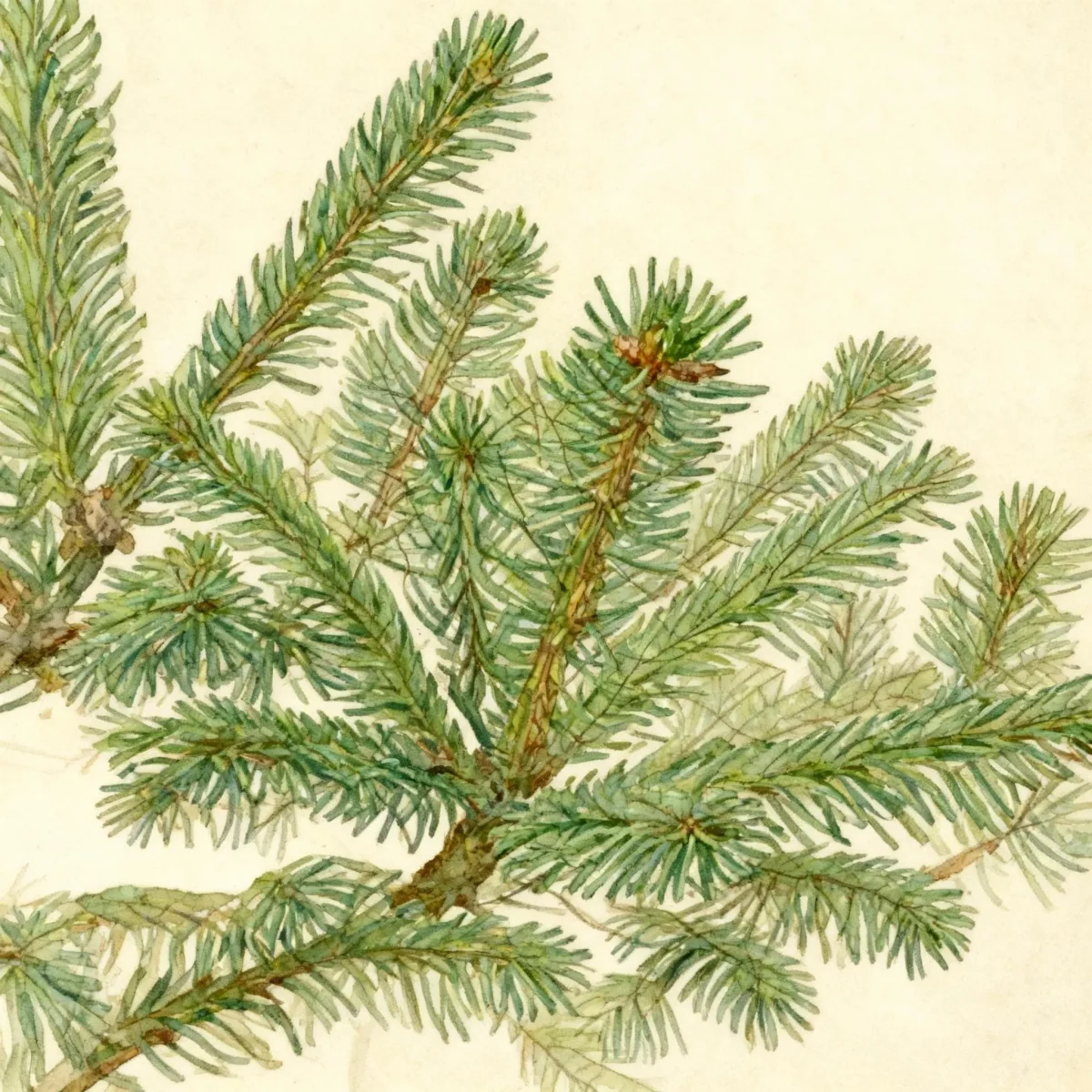
Picea jezoensis, commonly called Yeddo spruce, Yezo spruce or Jezzo spruce, is an evergreen conifer that is native to northern Asia. It is commercially harvested for timber in Japan. It typically grows to 150’ tall in its native habitat. Flattened, overlapping leaves (to 3/4” long) are glossy dark green above and silvery white beneath, offering excellent two-tone foliage contrast. The deeply-fissured, exfoliating, grayish-brown bark adds seasonal interest, while cones reach up to 3 1/2” long.
Tolerances
- Deer
Potential Problems
Unlike many conifers, the Yezo spruce generally exhibits good resistance to serious insect or disease pressures when grown in optimal conditions. However, potential issues can arise, especially when the tree is stressed by improper siting or excessive heat. Gardeners should monitor for signs of wood rot or brown rot, which often indicate underlying drainage issues or physical damage to the structure.
The spruce budworm is a known pest that can impact Picea jezoensis populations in susceptible regions. If defoliation occurs, timely identification and treatment are necessary to prevent long-term decline. Ensuring the plant remains in its preferred cool habitat and maintaining excellent soil drainage remains the best preventative measure against most common ailments.
Frequently Asked Questions
What hardiness zones is Yezo spruce suitable for?
The Yezo spruce (Picea jezoensis) is ideally suited for USDA Hardiness Zones 3 through 7.
How large does Picea jezoensis grow?
In maturity, this species can achieve towering heights between 75 and 150 feet, with a spread ranging from 20 to 30 feet wide.
What sun exposure does Yezo spruce need?
Picea jezoensis requires full sun to develop the densest foliage and best growth habit.
When does Yezo spruce bloom?
This conifer is non-flowering, producing cones instead of traditional flowers, and therefore has no specified bloom time.
Conclusion
The Yezo spruce (Picea jezoensis) offers extraordinary vertical impact and low maintenance for gardeners situated in cooler regions that can accommodate its massive scale. With its handsome dark green and silver-backed needles and exfoliating bark, this tree provides structure and majesty throughout the year. Before planting, carefully assess your site’s sun exposure and ensure the soil is moist yet exceptionally well-drained to give this imposing conifer the best chance for longevity.
Companion Planting for Cool Climates
Companion planting near the Yezo spruce should prioritize species that share its cool climate preference and tolerance for full sun, while also respecting its substantial mature root spread. Due to the density of the conifer’s canopy, look for plants adapted to partial shade beneath the outer branches as the tree matures. Low-growing groundcovers, such as various creeping phloxes or pachysandra varieties adapted to sunnier exposures, can soften the base transition.
Avoid planting species with shallow, aggressive root systems too close to Picea jezoensis, as competition for water and nutrients will be fierce. Instead, utilize shrubs with deeper taproots or those that appreciate slightly acidic soil conditions, such as rhododendrons or azaleas, placed far enough away so that their mature size does not obscure the lower trunk of the spruce. Selecting deciduous companions that offer contrasting seasonal color—like Japanese maples (if climate allows) or dogwoods—will enhance the landscape composition around this dominant evergreen.
Seasonal Care Calendar
Caring for your Picea jezoensis is generally straightforward, adhering to its low-maintenance profile. Spring is the ideal time for any necessary structural pruning or for applying a slow-release evergreen fertilizer if soil nutrient levels are deficient. Ensure young trees receive adequate moisture as they break dormancy.
Summer care focuses heavily on water management, especially in inland or drier regions. If temperatures climb consistently above 80°F, increase deep watering frequency to maintain soil moisture near the medium requirement established for the Yezo spruce. Avoid heavy mulching directly against the trunk to prevent moisture buildup that encourages rot, which is a known susceptibility.
During the fall and winter months, particularly after the first hard frost, water established trees one last time deeply if the season has been dry. This helps prevent winter burn, where needles dry out due to frozen soil preventing water uptake. Minimal intervention is needed until the following spring cleanup of any fallen debris.