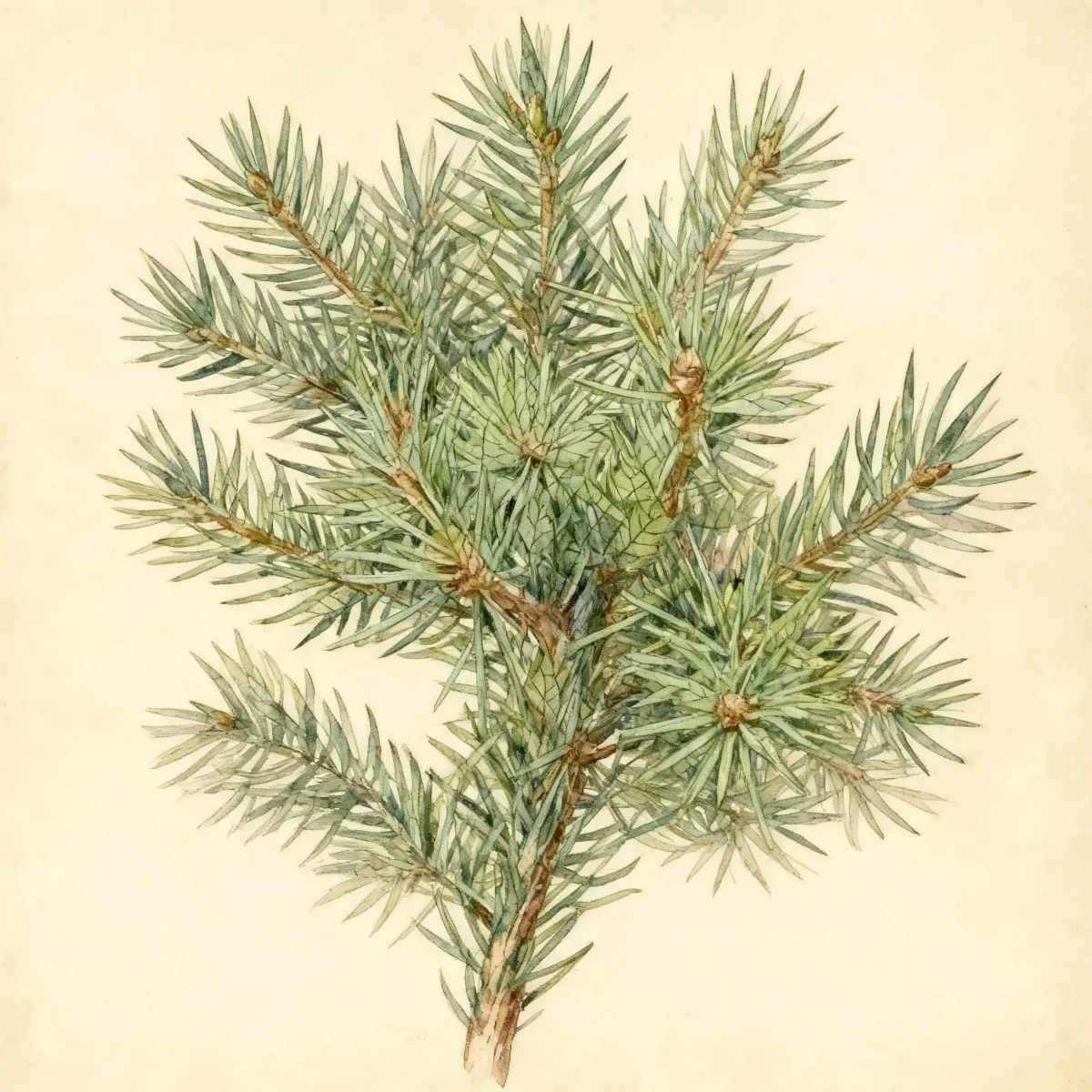
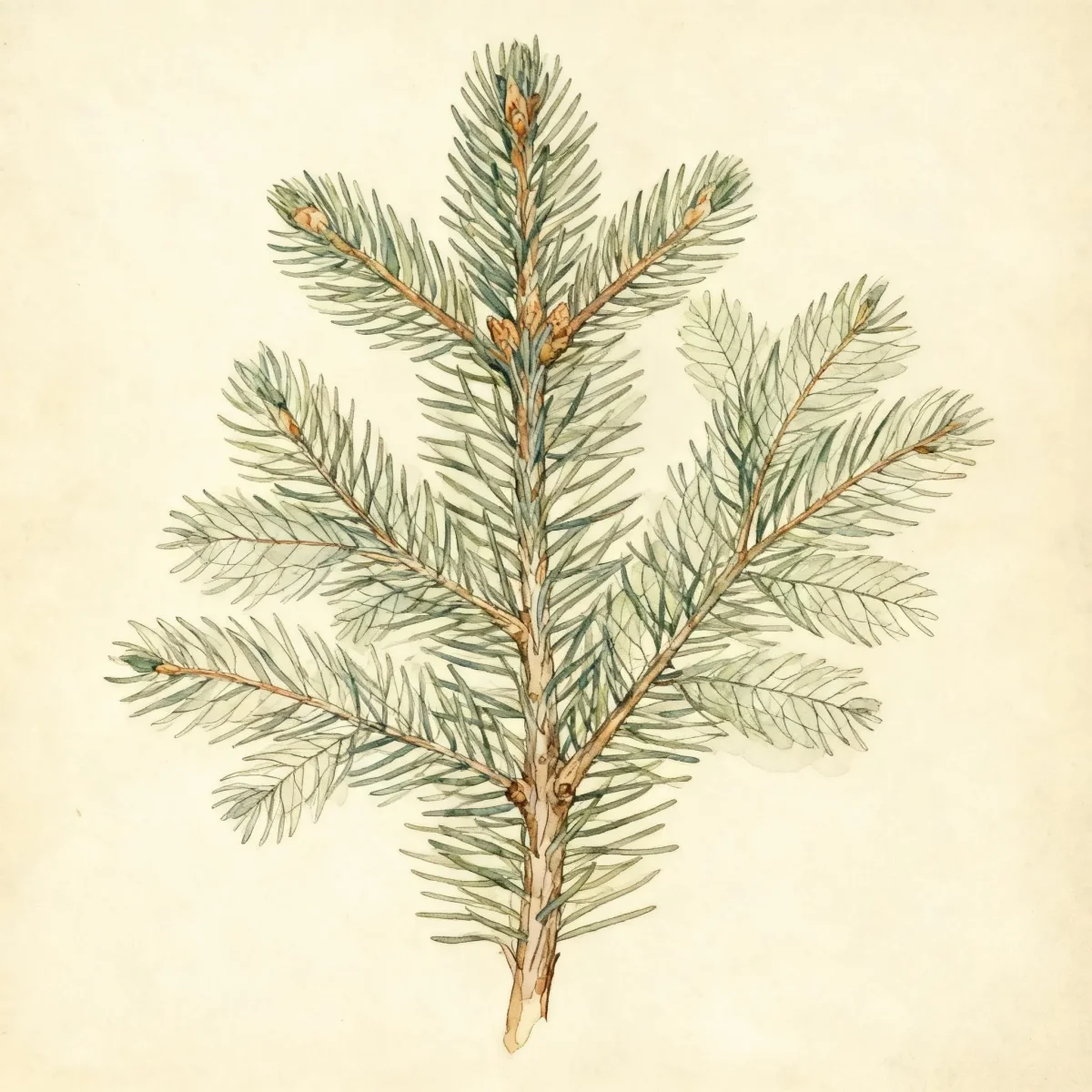
Montezuma pine (Pinus montezumae)
Discover the majestic Montezuma pine (Pinus montezumae), a tall evergreen native to Mexico, thriving in USDA Zones 9-11 with low maintenance.
Scroll down to discover growing tips, care requirements, companion plants, and more
Complete Plant Information
Overview
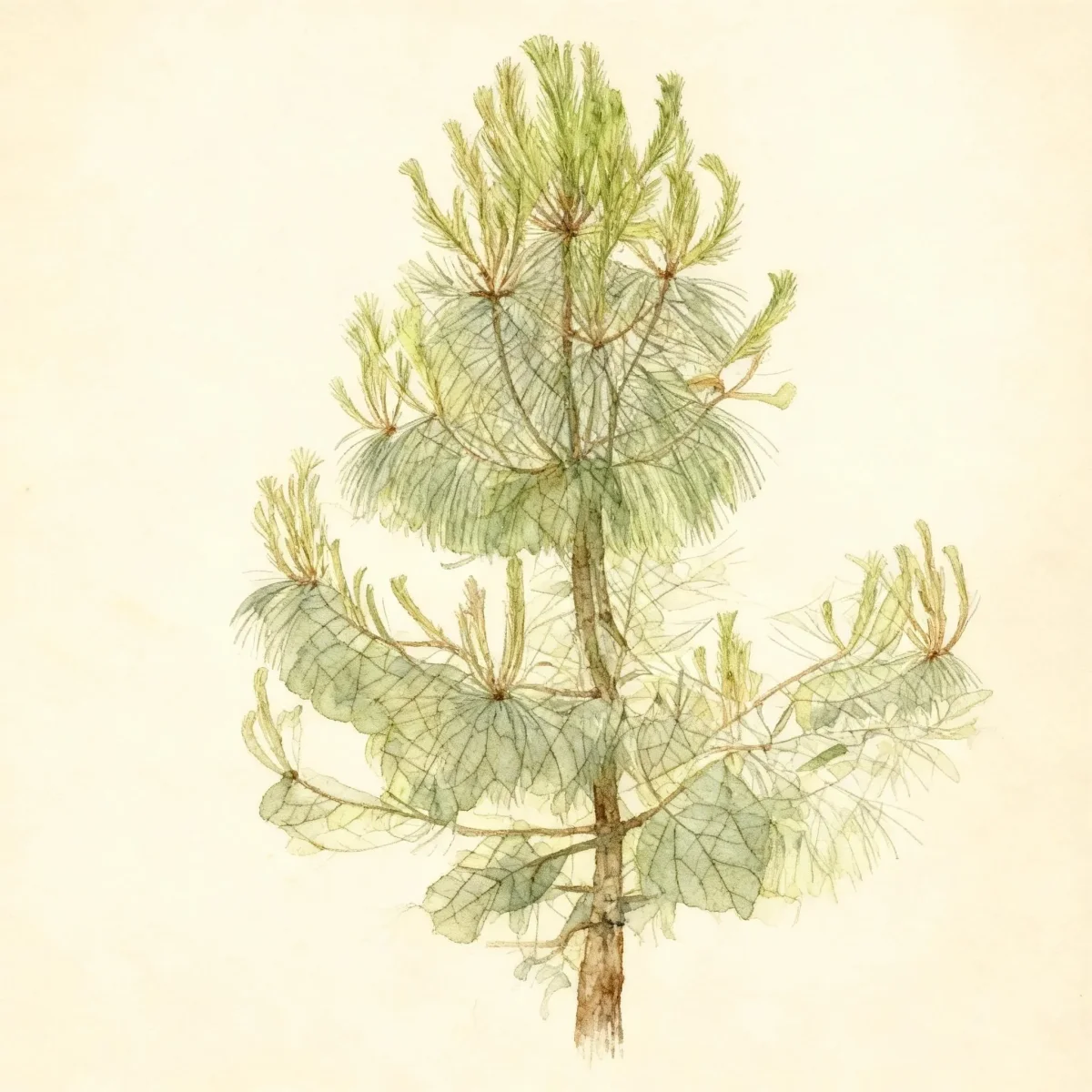
The Montezuma pine, scientifically known as Pinus montezumae, is a magnificent, long-lived conifer prized for its imposing stature and distinctive foliage. Native to the high mountain areas of Mexico, this evergreen develops an imposing structure suitable for expansive landscapes seeking a focal, towering specimen. Gardeners appreciate its relatively low maintenance once established.
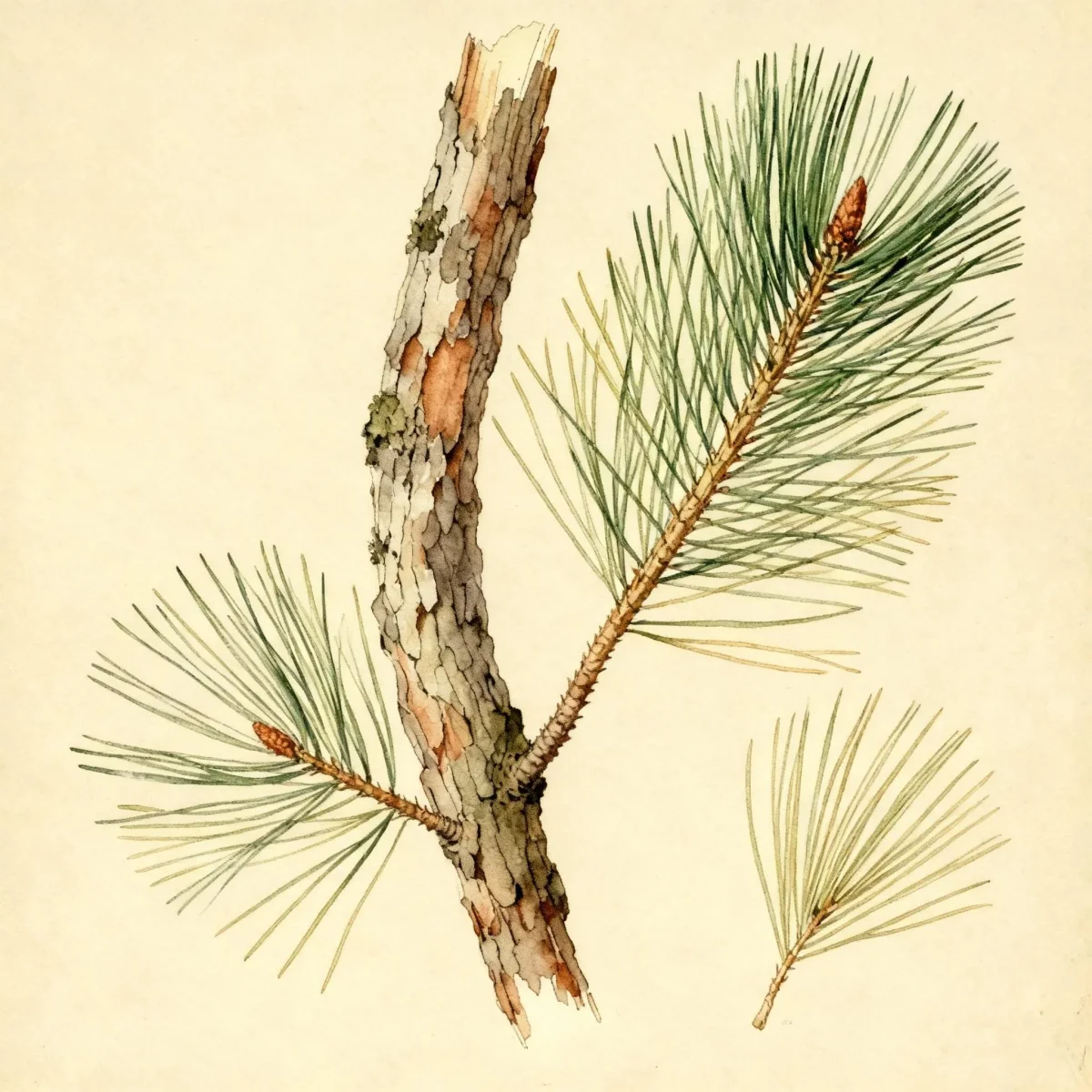
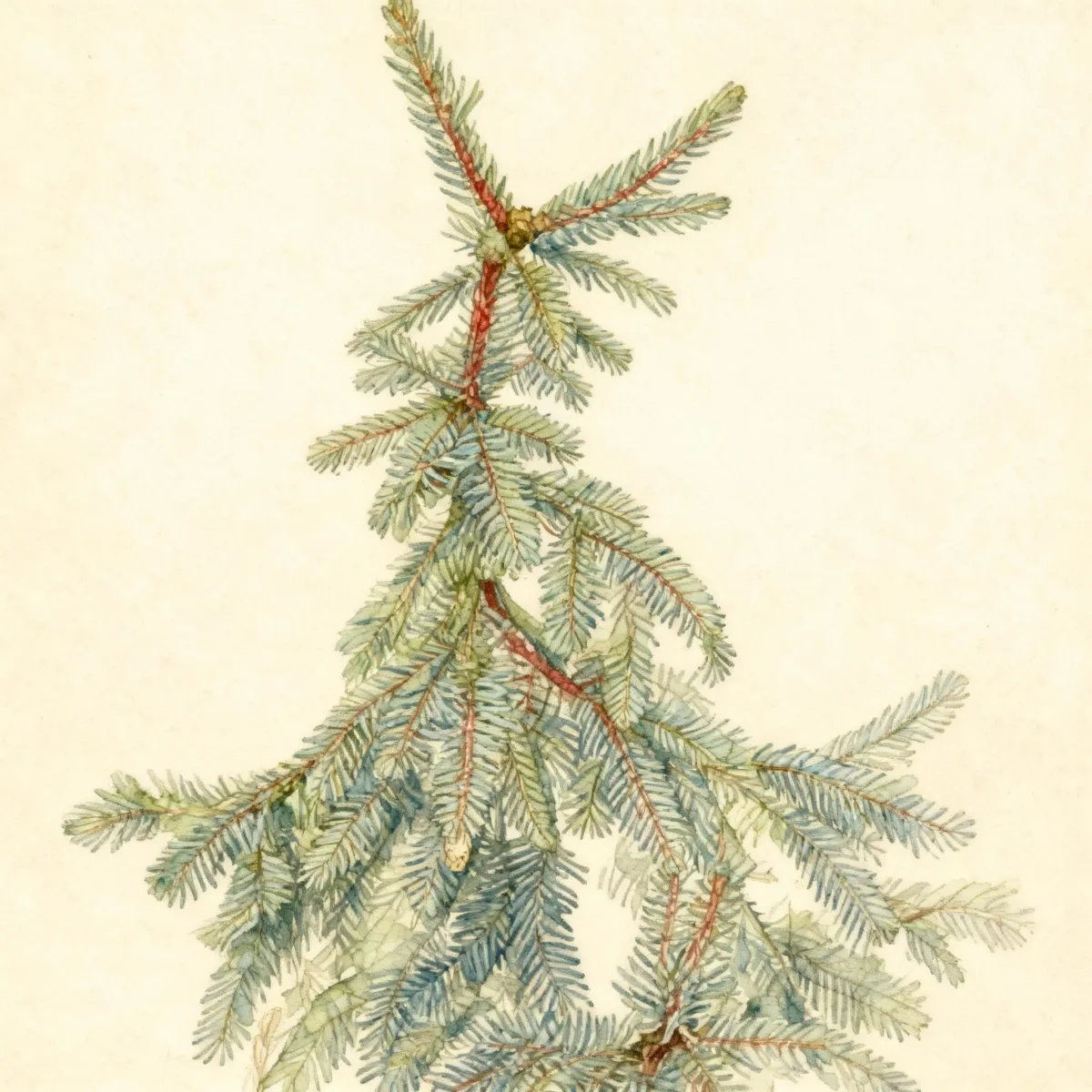
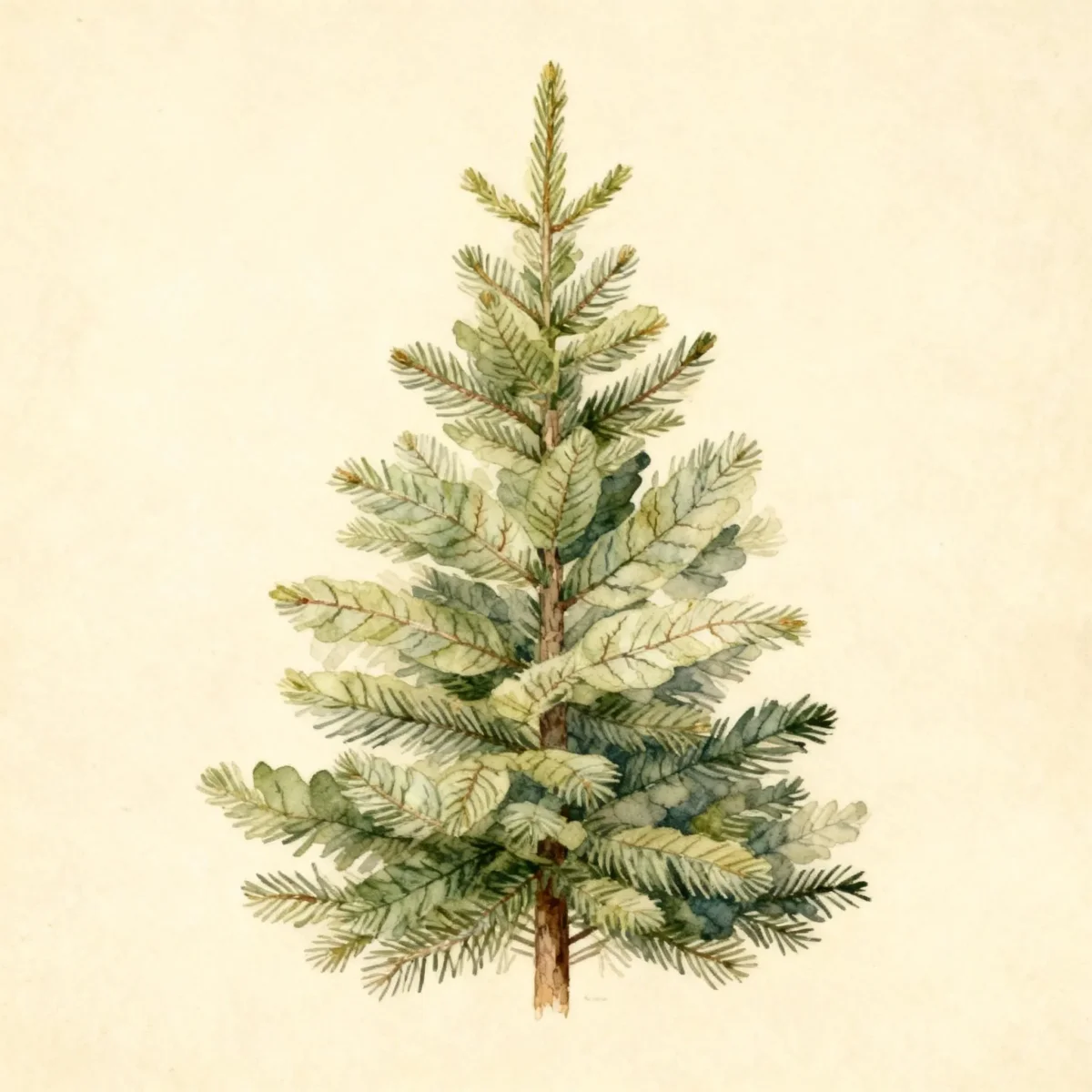
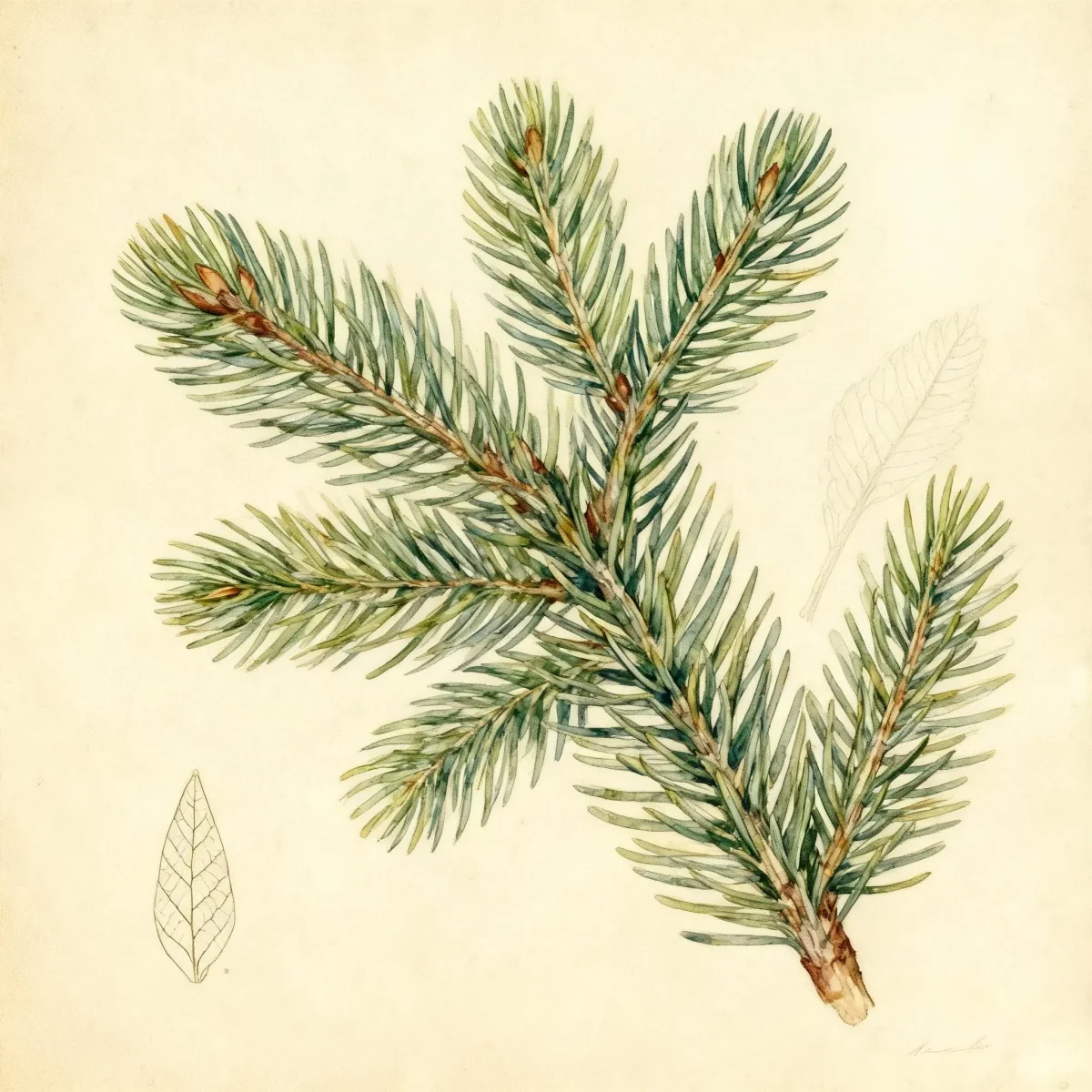
This tree characteristically starts with a conical shape when young before maturing into a broad, rounded crown with widely spreading lower branches. The striking visual element of the Pinus montezumae is its long, often drooping, bluish-green needles that cluster mostly in groups of five, creating dense, showy whorls at the branch tips.
While rarely seen outside specific microclimates in the U.S., the Montezuma pine offers significant architectural presence. It is a robust choice for large spaces where its eventual height of up to 100 feet can be fully appreciated, providing year-round visual interest.
Fast Facts
- Plant Family: Pinaceae
- Plant Type: Needled evergreen
- Native Range: Mexico
- Hardiness Zones: USDA Zones 9-11
- Size at Maturity:
- Height: 70-100 ft
- Spread: 30-40 ft
- Bloom Time: Non-flowering
- Bloom Description: Non-flowering
- Sun Exposure: Full sun
- Water Needs: Medium
- Maintenance Level: Low
How to Grow
Planting the Montezuma pine should occur when conditions are conducive to root establishment, typically during mild periods in spring or fall. The most critical aspect of successful cultivation for Pinus montezumae is soil drainage; the tree must be grown in moist, yet exceptionally well-drained loams. While it handles sandy and clay loams well, consistently poorly-drained or waterlogged soils must be avoided entirely.
Ongoing cultural care is generally minimal, qualifying this tree as low maintenance. Water young plantings consistently to maintain that required moist soil profile until the root system is established. Established trees exhibit respectable drought tolerance, though medium water supplementing during prolonged dry spells in summer is beneficial.
Sun exposure is non-negotiable: ensure the location receives full sun throughout the day, as shady conditions cause poor growth and weak structure. Pruning is rarely necessary once the tree matures; focus initial efforts on removing any damaged limbs or maintaining a clean trunk line if desired. The tree is winter hardy within its specified zones (9-11).
Landscape Uses
The sheer scale of the Montezuma pine dictates its use exclusively in large, open acreage where its impressive 70 to 100-foot maturity can be safely accommodated. It functions best as a magnificent specimen planting, serving as the primary anchor in a native Mexican or high-elevation-themed garden design. Avoid placing it near structures or utility lines due to its expansive mature spread of 30 to 40 feet.
When considering companions, select drought-tolerant, sun-loving understory shrubs or perennials that thrive in similar soil structures, such as agaves or certain large ornamental grasses adapted to drier, well-drained slopes. Its towering presence also provides excellent high-level screening in rural or estate settings.
In landscape design, the unique texture provided by the long, bluish-green needles contrasts beautifully against the deeply fissured, rugged mature bark, making the Pinus montezumae a year-round point of interest. Ensure ample space remains around the base to appreciate its sculptural, spreading lower branches as it ages.
Standout Features
Noteworthy Characteristics
Pinus montezumae, commonly called Montezuma pine, is a tall, erect, long-lived, single-trunk, evergreen conifer that is native from central mountain areas in Mexico (6,000 to 10,000 feet) to Guatemala. It is conic in shape when young, but acquires a rounded crown with spreading lower branches with age. Large, stalked, light brown cones measuring up to 8 inches long take two years to mature, and the bark becomes deeply fissured, justifying the common name rough-barked Mexican pine.
Tolerances
- Deer
- Drought
Potential Problems
The Montezuma pine generally exhibits robust health, boasting no reported serious insect or disease problems that typically plague lesser conifers. This low susceptibility to pests and pathogens contributes significantly to its low maintenance profile. Growers should focus less on chemical treatment and more on cultural adjustments, as the primary risk factor relates to planting site selection.
The most common issue arises from attempts to grow this species outside its required environment, specifically in areas with heavy, poorly draining clay soils or inadequate sunlight. Prevention hinges entirely on providing Pinus montezumae with the full sun and sharp drainage it demands from its native habitat.
Frequently Asked Questions
What hardiness zones is Montezuma pine suitable for?
The Montezuma pine is suited for evergreen growth in USDA Hardiness Zones 9 through 11, requiring minimal protection from winter cold within this range.
How large does Pinus montezumae grow?
This large conifer is expected to reach mature heights between 70 and 100 feet tall, with a substantial spread ranging from 30 to 40 feet wide.
What sun exposure does Pinus montezumae need?
This species requires full sun exposure to develop the strongest structure and healthiest growth habit; avoid planting it in shady locations.
When does Montezuma pine bloom?
Pinus montezumae is a non-flowering species, producing cones instead of traditional flowers, and thus has no designated bloom time.
Conclusion
The Pinus montezumae offers exceptional vertical presence and enduring evergreen texture, making it a stunning, low-maintenance specimen for large properties within its required warm climate. If your landscape falls within USDA Zones 9-11 and offers the necessary full sun and well-drained conditions, planning for the installation of this Montezuma pine specimen is highly recommended. Check local climate data to ensure this magnificent tree will thrive long-term in your garden space.
Companion Planting
When selecting companion plants for Pinus montezumae, prioritize species that share its preference for well-drained soils, whether lean or fertile, and its tolerance for dry periods post-establishment. Groups of native Mexican or Southwestern Xeriscape plants work wonderfully beneath the extensive canopy, provided they remain relatively short to avoid competing for light striking the lower branches.
Consider medium-sized accent shrubs like certain Yucca varieties or smaller, tough evergreen oaks that can handle the filtered light beneath the widely spreading crown of a mature tree. Avoid groundcovers that require constant moisture, as this directly contradicts the drainage needs of the Montezuma pine.
Seasonal Care Calendar
Spring marks the optimal time for initial mulching around the base of your Pinus montezumae, ensuring the mulch layer helps conserve the soil moisture required during early growth phases while keeping it pulled back from direct contact with the trunk flare. This is also when you should conduct a thorough inspection for any winter damage.
During the hot summer months, focus on deep, infrequent watering if rainfall is insufficient, particularly during the first few years after planting. Established trees require less attention but benefit from monitoring during severe drought, as they still prefer medium water supplementation over true desert conditions.
In autumn and winter, little direct care is required outside of protecting very young specimens from potential frost pockets if planted near the zone margin (Zone 9). Allow the tree to enter winter dormancy naturally, relying on its established drought tolerance when the weather dries out during cooler months.